
 Facebook
 X
X
 Pinterest
 Copy Link
Knoxville TN Housing Market: 2026 Trends & Forecast
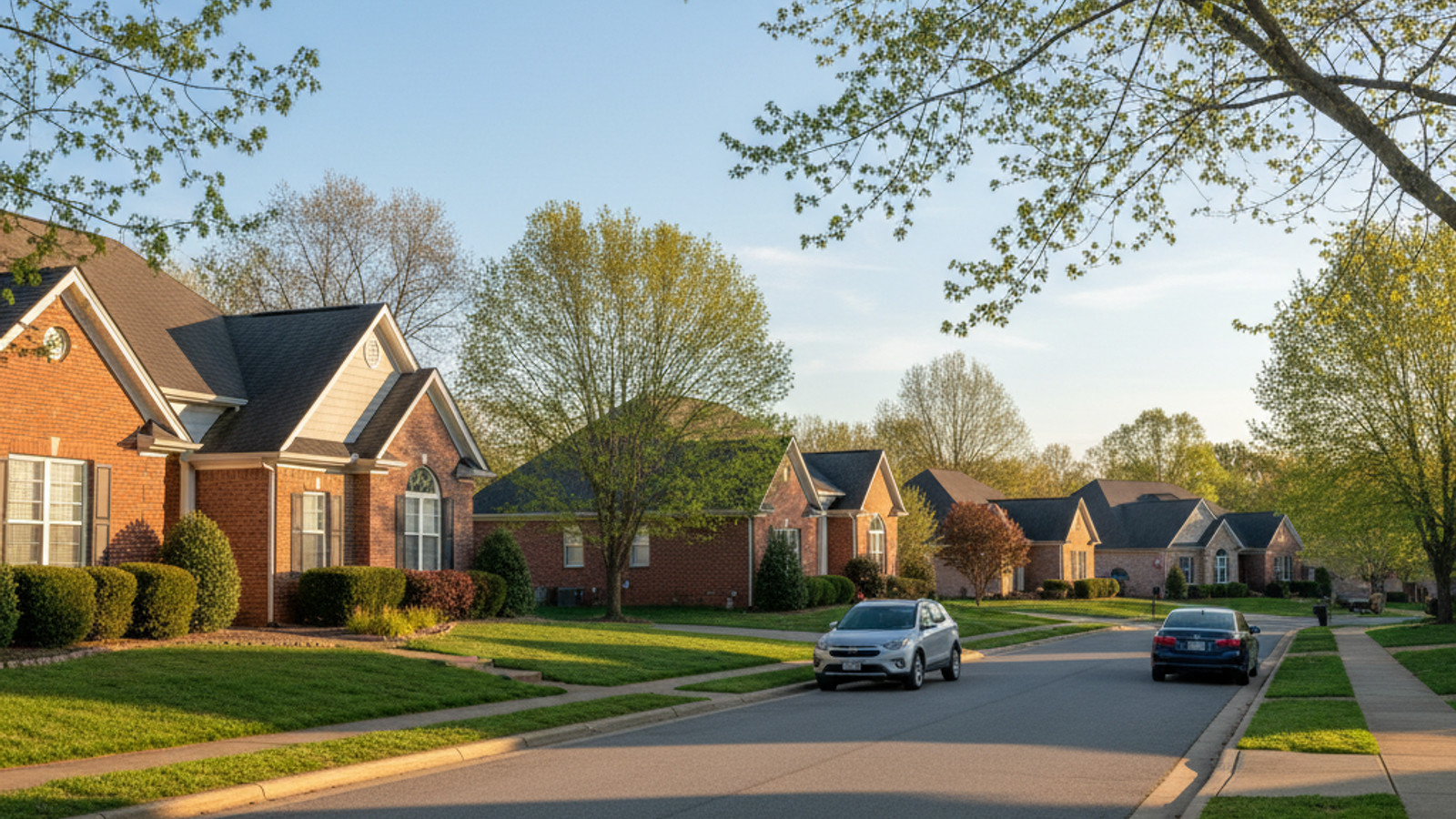
If you’ve been watching the headlines lately, you might feel a bit of whiplash. Is the market crashing? Is it heating back up? Depending on who you ask, you’ll get a different answer. But if you look strictly at the data for early 2026, the Knoxville market is in a unique “Reset-and-Stabilize” phase.
We aren’t seeing the chaotic frenzy of 2022 anymore, but we certainly aren’t in a crash. In fact, while home prices have largely flattened out, there is a massive signal blinking on the dashboard: pending sales. In January 2026 alone, pending sales in Knox County surged by 38.3% compared to the previous year.
That is a huge indicator. It suggests that while active inventory is sitting a little longer, buyer demand is waking up in a big way. We are seeing what looks like a “pending boom” for the Spring 2026 market. Whether you are thinking about moving to Knoxville or selling your current place, understanding this shift is critical. It’s an “Affordability Paradox”—homes look like a steal to outsiders, but feel pricey to locals—and that dynamic is shaping everything right now.
Current Market Overview: The Numbers (Early 2026)
Let’s skip the national headlines and look at the actual scoreboard for East Tennessee. The numbers tell a story of a market that is taking a deep breath, but still moving forward.
Median Sales Price Prices haven’t dropped off a cliff, but they aren’t skyrocketing either. We are seeing a “flattening” curve with year-over-year growth hovering between 0.7% to 2.5%. Depending on the data source (local MLS vs. portals), the median home price is currently sitting between $360,000 and $389,000.
Days on Market (DOM) This is where buyers can finally breathe. Homes are sitting on the market significantly longer than they used to. The average DOM has crept up to the 66-72 day range. This gives you time to think, schedule a second showing, and actually sleep on a decision.
Inventory Levels Choice is returning to the market. Inventory across East Tennessee is up roughly 18% year-over-year. You aren’t forced to bid on the only house in the zip code anymore.
Pending Sales As mentioned earlier, this is the most critical number right now. A 38.3% increase in pending sales is the leading indicator that buyers have accepted the new normal of interest rates and are jumping back in.
Is Knoxville a Buyer’s or Seller’s Market in 2026?
Real estate agents love to throw around the term “absorption rate,” but here is what it actually means: if no new houses came on the market today, how long would it take to sell everything currently for sale? Generally, anything under 3 months is a seller’s market, and anything over 6 months is a buyer’s market.
Right now, Knoxville is sitting at an absorption rate of approximately 2.6 to 2.96 months. Technically, that means we are still in a Seller’s Market. However, it is softening. It’s “somewhat competitive,” rather than “cutthroat.”
There is a nuance here that the raw numbers miss. Move-in ready homes that are priced correctly are still seeing multiple offers and selling quickly. Meanwhile, homes that need work or are priced aspirationally are sitting. We are also seeing a strong “Lock-in Effect.” Many current homeowners are sitting on 3% mortgage rates and refuse to sell, which keeps the supply of existing homes tighter than it naturally would be.
Despite the softening, sellers are still getting close to their asking price, with the sale-to-list ratio hovering around 98%. If you are looking at homes in Knoxville, don’t expect fire-sale discounts, but do expect a fair negotiation.
Knoxville Real Estate Forecast 2026
So, where do we go from here? Based on the surge in pending sales and the current mortgage landscape, here is what we expect for the rest of the year.
We predict modest price appreciation in the 3-5% range. The days of double-digit value hikes are likely behind us for now, which is healthy for the long-term stability of the area. Inventory should continue to slowly rise, though it will likely remain below pre-pandemic levels due to that “lock-in” effect mentioned earlier.
Mortgage rates are the key that unlocks the door. We expect rates to hover in the low 6% to 6.5% range. While not the rock-bottom rates of the past, this stability is allowing buyers to budget with confidence. Because of this, we are forecasting a busy “Spring Boom.” The pent-up demand from buyers who sat out 2024 and 2025 is releasing now.
Migration Trends: Who is Moving to Knoxville?
One of the biggest reasons our prices haven’t dropped is simple: people really want to live here. Knoxville is projected to have one of the highest “in-to-out” move ratios in the country for 2026, currently sitting at 1.61. That means for every person leaving, more than one and a half people are moving in.
We are seeing a consistent stream of new residents from states like California, Illinois, New York, and Florida. The drivers are clear: Tennessee has no state income tax, a significantly lower cost of living compared to coastal metros, and a lifestyle that puts you minutes away from the Great Smoky Mountains.
This sustained inbound migration creates a “price floor.” Even if local demand softens, the external demand from relocating to Tennessee keeps property values stable.
The Affordability Paradox: Why Are Houses “Cheap”?
This is the most common debate we hear. If you are moving here from Los Angeles, a four-bedroom brick home for $380,000 looks incredibly cheap. But if you are a local resident earning local wages, that same house looks historically expensive.
This is the affordability paradox. Housing costs in the area have risen roughly 60% since 2020, while local wages have only risen about 30%. This gap makes the market feel tight for first-time local buyers.
However, when you compare Knoxville to the National Median (over $400,000) or coastal metros (often $1,000,000+), the value proposition is undeniable. Furthermore, Tennessee’s low property taxes help keep the monthly mortgage payment lower than similar-priced homes in high-tax states like New Jersey or Texas.
Strategic Advice for 2026
Whether you are buying, selling, or investing, the strategy has changed compared to last year.
For Buyers: Do not wait for a crash—the data just doesn’t support one happening. Instead, use the higher Days on Market to your advantage. You have leverage now to negotiate repairs or ask the seller to pay for a rate buydown. However, if you find a “perfect” move-in ready home, be ready to move fast. The good ones still go pending in a weekend.
For Sellers: Pricing is absolutely critical. You cannot price your home aspirationally like you could in 2022. The market is price-sensitive. Homes that are priced correctly tend to sell in under 30 days. Homes that are overpriced are sitting for 60+ days and getting stale. Check your home valuation with a pro who knows the neighborhood block-by-block.
For Investors: As yields compress in Knoxville proper, smart money is looking slightly further out. Areas like Lenoir City and Loudon are offering better cash flow potential while still benefiting from the regional growth.
Frequently Asked Questions
Will housing prices drop in Knoxville in 2026?
It is highly unlikely that we will see a drop in prices. With pending sales up and inventory still relatively tight, the data points toward prices flattening or rising slowly at a rate of roughly 3-5%.
Is Knoxville a good place to invest in real estate?
Yes, largely due to population growth. The strong inbound migration and the area’s popularity maintain a high demand for housing. However, investors need to be mindful of higher entry prices compared to previous years.
Why are houses so cheap in Knoxville TN?
“Cheap” is relative. Compared to national averages and coastal cities, Knoxville offers lower land and construction costs. However, for locals, prices have risen significantly over the last five years.
What is the average house price in Knoxville right now?
Depending on the specific neighborhood and data source, the median home price in early 2026 is hovering between $360,000 and $389,000.
Real estate is hyper-local. Averages give you a general idea, but your specific neighborhood might be bucking the trend. If you need a personalized strategy for buying or selling this year, reach out to a local expert who knows the ground game.
Living in the Knoxville Metro Area: A Local’s Guide to the Region

If you are thinking about moving to East Tennessee, you have probably typed “Knoxville Metro” into a search bar recently. And if you are from a big city like D.C. or Chicago, you might be looking for a subway map.
First things first: Knoxville does not have a subway system.
When locals and real estate agents talk about the “Knoxville Metro,” we aren’t talking about trains. We are talking about the Metropolitan Statistical Area (MSA). This is the official government definition of the region, anchored by the City of Knoxville but including the eight surrounding counties that make up our local economy.
Understanding this layout is critical because, for many buyers, the best place to live isn’t actually in downtown Knoxville—it’s in the surrounding communities that offer more land, lower taxes, or better access to the mountains.
Let’s break down exactly what makes up the Greater Knoxville area, how the housing market varies across county lines, and what you need to know before you pack the moving truck.
What is the Knoxville Metro Area?
The Knoxville Metropolitan Statistical Area (MSA) is the economic heartbeat of East Tennessee. While the city itself is the hub, the metro area covers a massive geographic footprint.
Officially, the MSA includes nine core counties: Knox, Blount, Anderson, Loudon, Union, Grainger, Campbell, Morgan, and Roane.
If you zoom out even further, you get the Combined Statistical Area (CSA), which adds neighboring counties like Sevier (home to Gatlinburg and Pigeon Forge), Hamblen (Morristown), and Jefferson.
When you look at the numbers, the scale is impressive. The core MSA has a population of approximately 957,000 people as of 2024 estimates. If you count the broader CSA, we are well over 1.15 million residents. This means you get the amenities of a major city—shopping, healthcare, entertainment—spread out over a region that still feels scenic and manageable.
Map & Geography: The Counties of Greater Knoxville
If you are browsing homes for sale in Knoxville, you need to know that the “metro” is huge. The vibe changes drastically depending on which direction you drive from the city center.
Here is a quick breakdown of the primary counties to help you orient your search:
- Knox County: This is the urban core. It contains the City of Knoxville, the Town of Farragut, and the University of Tennessee. If you want to be close to the action, nightlife, or the main hospitals, this is your target.
- Blount County: Located directly south of Knoxville, this is the gateway to the Great Smoky Mountains. It is home to Maryville and Alcoa. It’s incredibly popular for people who want mountain views and convenient travel, as the airport is located here.
- Anderson County: To the north and west lies Anderson County. This is the science and energy hub, home to Oak Ridge and the National Laboratory. It also features massive access to Norris Lake, making it a favorite for boaters.
- Loudon County: Southwest of Knox, Loudon County is known for luxury lake living. Communities like Tellico Village and Lenoir City draw many retirees and buyers looking for waterfront property on the Tennessee River.
- The Outer Counties: Roane, Union, Grainger, Campbell, and Morgan counties form the rural ring. These areas offer a significantly lower cost of living and a quieter, rural lifestyle. If you want acreage and don’t mind a 30-45 minute commute, these are great options.
- A Note on Sevier County: While the Census Bureau sometimes separates Sevier County (Micropolitan area), locals consider it vital to the region. This is the tourism engine of East Tennessee, hosting millions of visitors at Dollywood and the National Park.
Knoxville Metro Housing Market Trends (2026)
The real estate market here has shifted over the last twelve months. During the pandemic, we saw a buying frenzy that made it hard to catch a breath. As we move through 2026, things are balancing out, though prices remain firm.
City vs. Metro Pricing The median price in the City of Knoxville has stabilized around $310,000. However, we are seeing a trend where prices in outlying counties—specifically Loudon and Roane—are climbing. Buyers are realizing they can get more square footage and larger lots just outside the county lines, which is driving steady demand in those “satellite” towns.
Inventory is Rebounding The best news for buyers right now is choice. Inventory is up roughly 40% year-over-year in early 2025. You aren’t forced to bid on the first house you see anymore. You can take a weekend to look at homes for sale in Farragut or explore Maryville real estate without panicking that they will be gone by Monday morning.
The “Drive Until You Qualify” Trend We are seeing significant migration to towns like Lenoir City and Clinton. Buyers are trading a 20-minute longer commute for lower property taxes and new construction options. Speaking of new construction, builders are aggressive right now, specifically in the Hardin Valley area (West Knox) and stretching down into Loudon County.
Economy & Major Employers
People aren’t just moving here for the mountain views; the local economy is diverse and resilient. It’s helpful to know where the jobs are, as that often dictates where you should live to keep your commute reasonable.
- Science & Energy: The Oak Ridge National Laboratory (ORNL) and the Y-12 National Security Complex are massive economic drivers. They employ thousands of scientists, engineers, and support staff, primarily fueling the housing markets in Anderson and West Knox counties.
- Education: The University of Tennessee is the central hub of downtown Knoxville, providing stable employment and driving the rental market in the city center.
- Manufacturing: The I-75 corridor is heavy with manufacturing. Denso Manufacturing in Blount County is a major employer, along with various automotive suppliers throughout the region.
- Tourism: Sevier County’s tourism industry spills over into the rest of the metro. It supports thousands of jobs in hospitality, retail, and service sectors.
- Remote Work: We can’t ignore the remote workers. With no state income tax and high-speed fiber internet available in most metro municipalities (including municipal broadband in places like Knoxville and Morristown), the area is a magnet for work-from-home professionals.
Getting Around: Public Transit & Commutes
Let’s circle back to that “Metro” confusion. If you are moving here, you need to know how you are going to get around.
Public Transit Reality Knoxville has a bus system called Knoxville Area Transit (KAT). In 2024, they launched “KAT Reimagined” to improve routes and frequency. However, KAT primarily serves the City of Knoxville. It does not run out to the suburbs like Farragut, Maryville, or Oak Ridge. There is no regional rail or subway.
Car Dependency Living in the Knoxville Metro Area generally requires a car. The region is spread out. While commute times are manageable compared to Atlanta or Nashville, you will be driving. The split where I-40 and I-75 meet can get congested during rush hour, so check your route before buying.
The Airport Surprise A great local tip: McGhee Tyson Airport (TYS) is not in Knoxville. It is located in Alcoa (Blount County). If you travel frequently for work, living in Maryville or Alcoa means you can be at your gate in 15 minutes, whereas living in North Knox might take you 35-40 minutes to get there.
Lifestyle & Safety: Metro vs. City
One of the most common questions from relocators is about safety and lifestyle. The answer usually depends on whether you are looking at an urban neighborhood or a suburban county.
Safety Nuance Like any metropolitan area, crime rates are higher in specific dense pockets of Knoxville City. However, once you cross into the metro counties—like Blount, Loudon, or Anderson—the statistics generally reflect typical low-crime suburban or rural profiles. When reviewing safety, it is vital to look at the specific neighborhood rather than the region as a whole.
Schools and Districts Schools here are organized by county, but some cities have their own separate districts. For example, there is the Knox County School system, but also Maryville City Schools and Oak Ridge Schools. Many buyers specifically target areas like Farragut or Maryville due to the reputation of these specific districts.
Outdoor Access The defining lifestyle feature here is nature. If you live in Blount or Sevier counties, you are choosing proximity to the Great Smoky Mountains National Park for hiking and camping. If you choose Anderson, Campbell, or Loudon counties, your lifestyle will likely revolve around Norris Lake or Watts Bar Lake.
Frequently Asked Questions
Does Knoxville have a metro subway system?
No. Knoxville does not have a subway, light rail, or train system for commuters. The “Knoxville Metro” refers to the Metropolitan Statistical Area (MSA). Public transit is limited to the KAT bus system, which operates primarily within the city limits.
What counties are in the Knoxville Metro Area?
The core Knoxville MSA consists of nine counties: Knox, Blount, Anderson, Loudon, Union, Grainger, Campbell, Morgan, and Roane. The broader Combined Statistical Area (CSA) also includes Sevier, Hamblen, and Jefferson counties.
Is the Knoxville Metro Area safe?
Safety varies by specific location. Generally, the outlying metro counties (such as Blount, Loudon, and Anderson) have lower crime rates typical of suburban and rural areas. Higher crime rates are concentrated in specific urban pockets within the Knoxville city limits.
What is the population of the Knoxville Metro Area?
As of 2024 estimates, the population of the Knoxville Metropolitan Statistical Area (MSA) is approximately 957,000. If you include the wider Combined Statistical Area (CSA), the population exceeds 1.15 million.
Military Friendly Towns in East Tennessee: A Veteran’s Relocation Guide (2026)
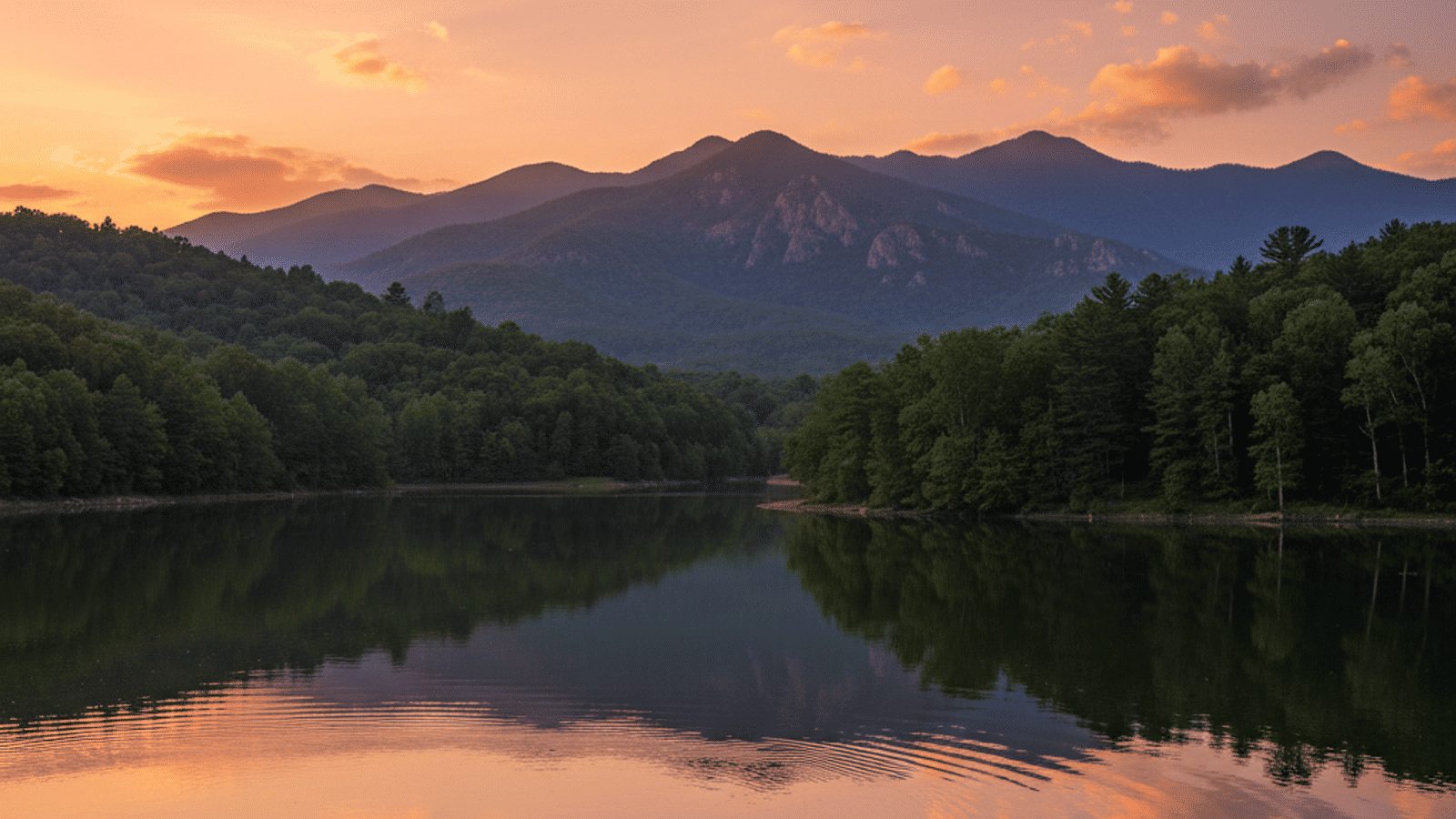
Why Veterans Are Choosing East Tennessee in 2026
There is a reason Tennessee is called the “Volunteer State,” and it goes a lot deeper than college sports. For generations, this region has held a deep cultural respect for military service, and you feel that appreciation the moment you step into a local coffee shop or hardware store. But beyond the patriotism and the handshakes, there are very practical reasons why service members are flocking here in 2026.
The financial draw is usually the first thing that catches a buyer’s eye. Tennessee has positioned itself as one of the most tax-friendly states in the nation for veterans, which we will dive into shortly. When you combine that with a lower-than-average cost of living, your BAH or retirement pension simply stretches further here than it does in coastal markets.
Then there is the geography. Whether you are moving to East Tennessee for a second career or for a quiet retirement, the landscape offers a massive decompression zone. Between the Great Smoky Mountains and the countless TVA-managed lakes, the opportunities for outdoor therapy are endless. In this guide, we are going to break down the different pockets of the region, from the bustling hubs like Knoxville to the quiet, historic retreats near Jonesborough.
Tennessee Veteran Benefits & Financial Perks (2026 Update)
If you are looking at the numbers, you probably already know that Tennessee is a low-tax state. However, for veterans specifically, the financial picture is even better. It is one of the main reasons we see so many moving trucks crossing the state line.
Here is how the major benefits shake out:
- Zero State Income Tax: Tennessee does not tax your wages. That is standard for everyone. But specifically for you, there is 0% state tax on military retirement pay. Whether you are working a civilian job or living on your pension, the state keeps its hands off your income.
- Property Tax Relief: For veterans with a 100% service-connected disability rating (or their surviving spouses), there are property tax relief programs available. This can significantly reduce your annual housing bill.
- General Housing Costs: Even without exemptions, property taxes in East Tennessee are generally much lower than national averages.
A quick note on the property tax relief: These programs are managed at the county level and rely on state funding thresholds which can shift. While the benefit is substantial, you should always verify the 2026 specific income limits and application status with the local County Trustee’s office where you plan to buy affordable homes in East Tennessee.
Knoxville & Maryville: The Air Base Hub
If you are still active Guard, Reserve, or just want to be near a military installation, the area surrounding McGhee Tyson Air National Guard Base is likely your best target. Located in Blount County, just south of Knoxville, this area serves as the operational heart for military activity in the region.
Maryville and Alcoa Most people stationed at or working near McGhee Tyson choose to live in Maryville or Alcoa. These towns offer a distinct suburban feel with a heavy emphasis on community. The commute to the base is negligible—usually 10 to 15 minutes—which is a luxury if you are used to big-city traffic. Maryville is particularly sought after for its access to educational programs and pedestrian-friendly downtown, making living in Maryville TN a top choice for those transitioning to civilian life.
Knoxville Just a short drive north is Knoxville. This is the right spot if you want urban amenities, nightlife, and SEC sports. The University of Tennessee is here, and they have a robust Veterans Resource Center if you are planning to use your GI Bill. For healthcare, Knoxville is home to the William C. Tallent VA Outpatient Clinic. It handles most routine needs, though it is worth noting it is a clinic, not a full inpatient hospital.
This hub is also ideal for the working veteran. With Oak Ridge National Laboratory nearby and a growing logistics sector, finding a second career in federal work or defense contracting is a common path for new residents checking out the Knoxville neighborhoods guide.
Johnson City & The Tri-Cities: The Medical Hub
For retirees where healthcare access is the absolute number one priority, the Tri-Cities area (Johnson City, Kingsport, Bristol) is often the winner. While Knoxville is bigger, Johnson City is the medical heavyweight for veterans in this corner of the country.
Mountain Home VA Medical Center Johnson City is home to Mountain Home, a full-service VA Medical Center. This is not just a clinic; it is a massive campus serving veterans from Tennessee, Virginia, and Kentucky. Living in Johnson City TN means you are likely minutes away from acute care, specialists, and pharmacy services without having to wait for a referral to a civilian hospital.
East Tennessee State University (ETSU) Right next door to the VA is ETSU, which is consistently ranked as a military-friendly school. The synergy between the university and the VA creates a very supportive environment for vets.
Jonesborough If you prefer a slower pace, look at Jonesborough. It is Tennessee’s oldest town, full of historic charm and brick sidewalks, yet it is only a short drive to the hospital. The Tri-Cities real estate market also tends to be slightly more affordable than the Knoxville metro area, offering great value near Watauga Lake and the mountains.
Chattanooga: River City & Border Connectivity
Chattanooga offers a completely different vibe. It is known as the “Scenic City” and has reinvented itself as a tech and outdoor recreation hub. If your transition plan involves launching a startup or getting into logistics, this is a smart place to look.
The city has a dedicated VA Outpatient Clinic that handles primary care and mental health services. For major trauma or specialized surgeries, you are supported by large civilian systems like Erlanger. The lifestyle here is heavily focused on the river and the mountains. It is a fantastic area for veterans who use climbing, kayaking, or hiking as part of their wellness routine.
Geographically, living in Chattanooga puts you right on the Georgia border. This offers flexibility for spouse employment or travel, though most veterans choose to live on the Tennessee side to keep those tax benefits we discussed earlier.
Retirement Favorites: Tellico Village & Loudon County
If you are fully retired and looking for a community that understands your background, you can’t overlook the planned communities in Loudon County.
Tellico Village Tellico Village is one of the premier retirement destinations in the Southeast. It sits along Tellico Lake and has a very high population of retired military officers and enlisted personnel. The social infrastructure here is massive—there are specific clubs for different branches of service, golf leagues, and volunteer organizations.
When you look at Tellico Village homes for sale, you aren’t just buying a house; you are buying into a built-in social network. It is located about 30 to 40 minutes from the medical facilities in Knoxville, which offers a nice balance: you are insulated from the city traffic and noise, but close enough to get to a specialist when you need one. It is a major highlight for anyone thinking about retiring in Tennessee.
Healthcare Access: VA and Civilian Options
When planning your move, it is critical to distinguish between the different types of care available. We often see buyers assume every city has a “VA Hospital,” but that isn’t the case.
- The Hub vs. The Spokes: As mentioned, the full-service hospital is Mountain Home in Johnson City. Knoxville, Chattanooga, and smaller towns like Rogersville utilize Outpatient Clinics. These are great for check-ups, labs, and audiology, but for complex issues, you may be referred to Mountain Home or a community partner.
- Civilian Care & TRICARE: The region has excellent Level I Trauma centers, such as UT Medical Center in Knoxville and Erlanger in Chattanooga. Most major health systems here—including Ballad Health in the Tri-Cities—are accustomed to working with TRICARE and VA community care referrals.
- The Rural Trade-off: We have plenty of beautiful, secluded cabins in the mountains. Just remember that “secluded” often means a 45-minute drive to the nearest pharmacy or doctor. Balance your desire for privacy with your need for regular medical access.
Lifestyle & Recreation for Service Families
Beyond the taxes and the hospitals, East Tennessee offers a lifestyle that helps many veterans transition smoothly back to civilian life. There is a therapeutic value to the outdoors here that is hard to quantify but easy to feel. Whether it is section-hiking the Appalachian Trail, fishing for bass on Douglas Lake, or just sitting on a porch looking at the foothills, the pace of life here is restorative.
The community culture is also a major plus. You will find that military discounts are common and genuine respect for service is part of the local DNA. If you enjoy sports, the “Vol Navy” tailgating on the Tennessee River and the football culture at UT provide an energetic, team-focused atmosphere that many veterans miss after leaving the service. There is no shortage of things to do in East Tennessee that help you stay active and connected.
Frequently Asked Questions
Does Tennessee tax military retirement pay?
No, Tennessee does not tax military retirement pay. Additionally, there is no state income tax on civilian wages, meaning your post-service income is yours to keep.
Where is the main VA hospital in East Tennessee?
The primary full-service hospital is the Mountain Home VA Medical Center located in Johnson City. Knoxville and Chattanooga have large VA Outpatient Clinics that handle primary care and many specialties, but they are not inpatient hospitals.
Is housing cheaper near McGhee Tyson Air Base?
Generally, yes. The areas immediately surrounding the base, such as Alcoa and Maryville, tend to offer more competitive pricing than downtown Knoxville or the luxury lakefront markets. It is a very practical area for active Guard members or federal employees.
Are there property tax exemptions for disabled veterans in Tennessee?
Yes, Tennessee offers property tax relief for 100% disabled veterans and their surviving spouses. However, eligibility and funding caps can vary by year, so it is essential to check with the local county trustee for the 2026 guidelines.
VA Loans in East Tennessee: A 2026 Guide
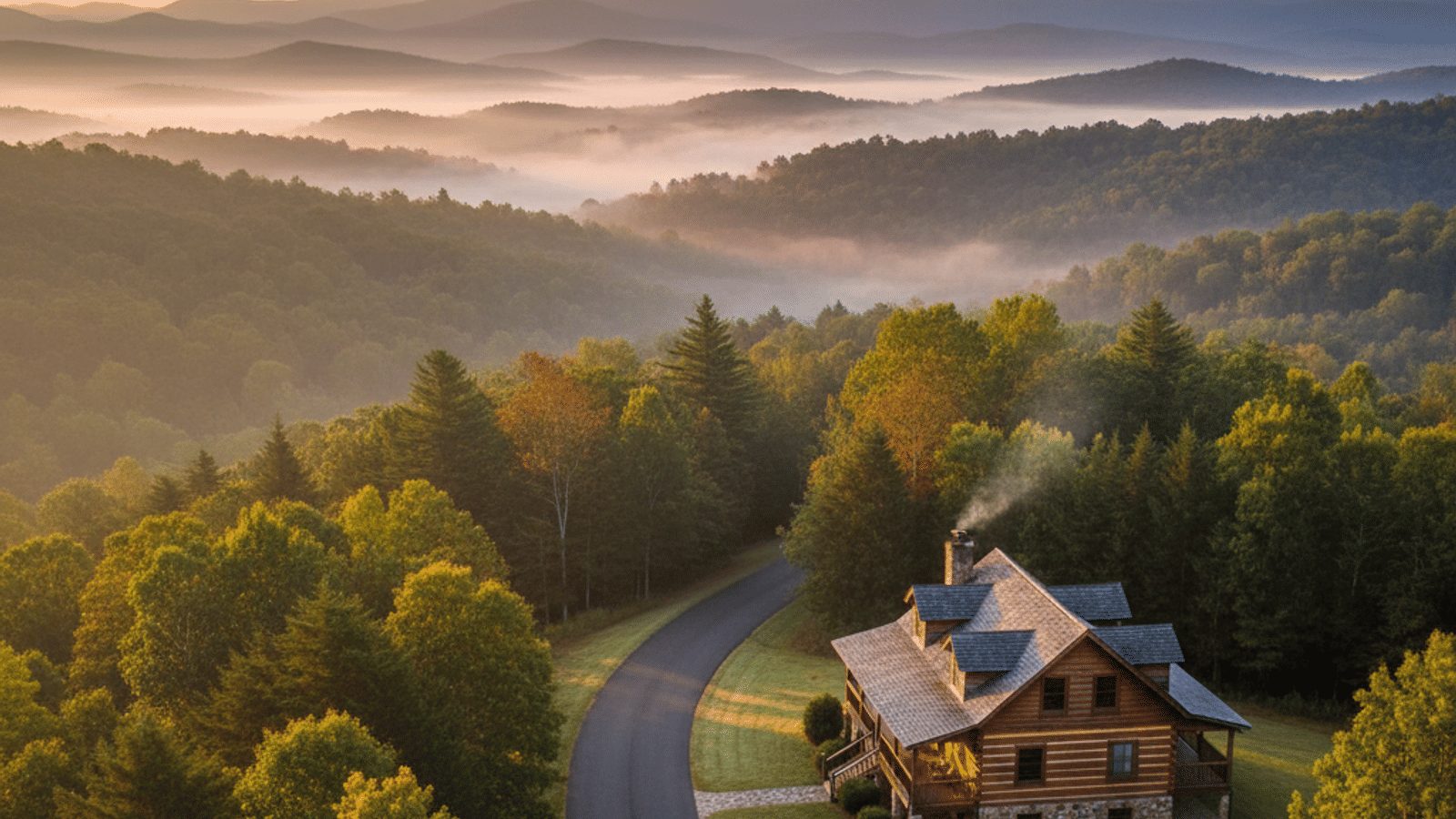
East Tennessee has always been a magnet for Veterans. Between the lack of state income tax, the proximity to the Great Smoky Mountains, and the strong veteran communities in places like Knoxville and Chattanooga, it’s a natural fit for life after service.
But the housing market here has shifted. If you were looking a few years ago, it was a frenzy. Now, as we move through 2026, we are seeing a more balanced market with better inventory levels in the Tri-Cities and the suburbs of Knox County. That shift creates a massive opportunity for buyers using what is arguably the most powerful mortgage tool in existence: the VA loan.
The main draw is still the financials—0% down and no private mortgage insurance (PMI). However, using a VA loan in this specific region comes with its own set of rules, especially if you are eyeing a mountain cabin or a downtown condo. Here is how the numbers and rules shake out for 2026.
Tennessee VA Loan Limits in 2026
There is a lot of confusion regarding “loan limits.” You might read somewhere that there is a cap on how much you can borrow, but that isn’t the whole story.
Let’s clear up the “No Limit” rule first. If you are a Veteran with your full loan entitlement available—meaning you don’t have another active VA loan and haven’t defaulted on one in the past—there is no cap on the loan amount. You can buy a million-dollar lake house in Loudon County with zero down payment, provided your income and credit qualify for the monthly payments. The government does not set a maximum dollar figure for you.
Where limits actually come into play is for Veterans with partial entitlement. This usually applies if you are keeping a current home as a rental and buying a new primary residence, or if you’ve had a foreclosure in the past.
For 2026, the standard conforming loan limit for most East Tennessee counties—including Knox, Hamilton, and Sullivan—is $832,750.
If you have partial entitlement and want to buy a home priced higher than that, you can still do it. This is considered a “Jumbo VA loan.” The difference is that you will likely have to make a down payment, usually 25% of the amount that exceeds the $832,750 limit. It’s still a great deal compared to conventional financing, but it’s not strictly zero down in that specific scenario.
Exclusive Tennessee Benefits for Veterans
Beyond the federal loan perks, the state of Tennessee offers specific financial advantages that make the monthly budget much easier to manage.
The biggest one to watch is the Property Tax Relief program. If you are a disabled veteran with a 100% permanent and total (P&T) rating, or a surviving spouse, you don’t just get a pat on the back; you get a significant reduction in your tax bill. The state and county reimbursements cover taxes on a portion of your home’s assessed value.
For 2026, there is a major legislative update you need to know about. Currently, the relief applies to the first $175,000 of your home’s value. However, starting July 1, 2026, that threshold increases to the first $200,000 of market value. This is a direct saving that lowers your monthly payment if you escrow your taxes.
On top of that, Tennessee has no state income tax on wages or military retirement pay. If you are drawing a pension, that money goes a lot further in Johnson City or Cleveland than it would in many other states.
Buying Unique East TN Properties: Cabins, Condos, & Land
East Tennessee isn’t just subdivisions and cul-de-sacs. Many Vets come here looking for a specific lifestyle, but the VA has strict Minimum Property Requirements (MPRs) that can make certain local property types tricky.
Log Cabins and Mountain Homes
If you are looking at Sevierville or the foothills of the Smokies, you will see plenty of cabins. A VA loan can absolutely be used for a cabin, but it must be a “real” home. It needs a permanent foundation, a permanent heat source (a wood stove alone usually won’t cut it), and safe water/sewer systems.
The big catch in rural areas is often the road. If the cabin is on a private road, the lender will require a recorded maintenance agreement signed by the neighbors. If the road is too rough for a standard car to travel year-round, the appraiser might flag it.
Condos
Downtown living in Knoxville or Chattanooga is popular, but condos are stricter than single-family homes. You cannot just pick any unit; the entire condo complex must be on the VA-approved list. Getting a “spot approval” for a single unit in a non-approved complex is difficult and rarely worth the delay. Always check the approval status before falling in love with a listing.
Homes with Acreage
We often get asked about buying land with a VA loan. You can buy a house that sits on acreage, but you generally cannot buy raw land by itself. The appraiser also has to verify that the value is mostly in the home, not just the land. Also, the property cannot be an income-producing working farm. You can have a garden or a few animals for personal use, but if it looks like a commercial agricultural operation, the loan might be denied.
Steps to Buy a Home in East Tennessee with a VA Loan
The process here is similar to other states, but the local market pace dictates how you should move.
- Get Your COE The Certificate of Eligibility is the first document needed. It proves to the lender that you have the service history to qualify.
- Pre-Approval Choose a lender who understands Tennessee taxes and fees. A local lender will give you a more accurate estimate of your “cash to close” than a big national call center that might guess at the county tax rates.
- The House Hunt Work with a Realtor who understands VA appraisals. In competitive pockets of the market, you might need an agent who knows about the “Tidewater Initiative,” which is a process to help justify the sales price if the appraisal comes in low.
- The Appraisal The VA appraisal protects you from buying a lemon or overpaying. In East Tennessee, the timeline for this is currently running about 7 to 10 days. The appraiser is looking for fair market value and safety issues (like peeling paint in older homes or handrails on steep stairs).
- Closing Once you close, remember the occupancy requirement. You generally need to move into the home within 60 days. This loan is for your primary residence, not a property you intend to leave vacant or rent out immediately.
Closing Costs & Fees in Tennessee
Even with a “no money down” loan, you will have some costs at the closing table. However, there are ways to minimize these.
The most distinct cost is the VA Funding Fee. This goes directly to the VA to keep the program running.
- 2.15% of the loan amount for first-time use (with 0% down).
- 3.3% for subsequent use.
- 0% (Waived) if you receive compensation for a service-connected disability.
If you are disabled, ensuring your lender has your paperwork to waive this fee saves you thousands of dollars instantly.
For the rest of the closing costs—title insurance, recording fees, and pre-paid taxes—you are looking at roughly 1% to 2% of the purchase price. The good news is that in the 2026 market, seller concessions are back on the table. The VA allows the seller to pay up to 4% of your loan amount toward your closing costs and debts. In a balanced market like we have now in the Tri-Cities, negotiating for the seller to cover these costs is very common.
There are also “non-allowable fees” that the VA forbids the Veteran from paying. Your lender will recognize these (often certain attorney or escrow fees) and structure the deal so the seller or lender covers them.
Frequently Asked Questions
What is the VA loan limit for Knox County in 2026?
For Veterans with full entitlement, there is no loan limit. For those with partial entitlement, the conforming limit for 2026 is $832,750. You can borrow more than this, but it would require a down payment on the portion exceeding that amount.
Can I buy a vacation rental in the Smoky Mountains with a VA loan?
No, you cannot use a VA loan to purchase a dedicated vacation rental or investment property (like an Airbnb). The VA loan is strictly for primary residences that you intend to live in full-time. However, you can buy a multi-unit property (up to 4 units) as long as you occupy one of the units as your home.
Do Tennessee Veterans pay property taxes?
Yes, generally speaking, Veterans pay property taxes. However, disabled veterans with a 100% P&T rating are eligible for significant relief. As of July 1, 2026, the state reimburses the taxes on the first $200,000 of the home’s assessed value, reducing the annual bill substantially.
Well Water vs. City Water in East Tennessee: A Homebuyer’s Guide
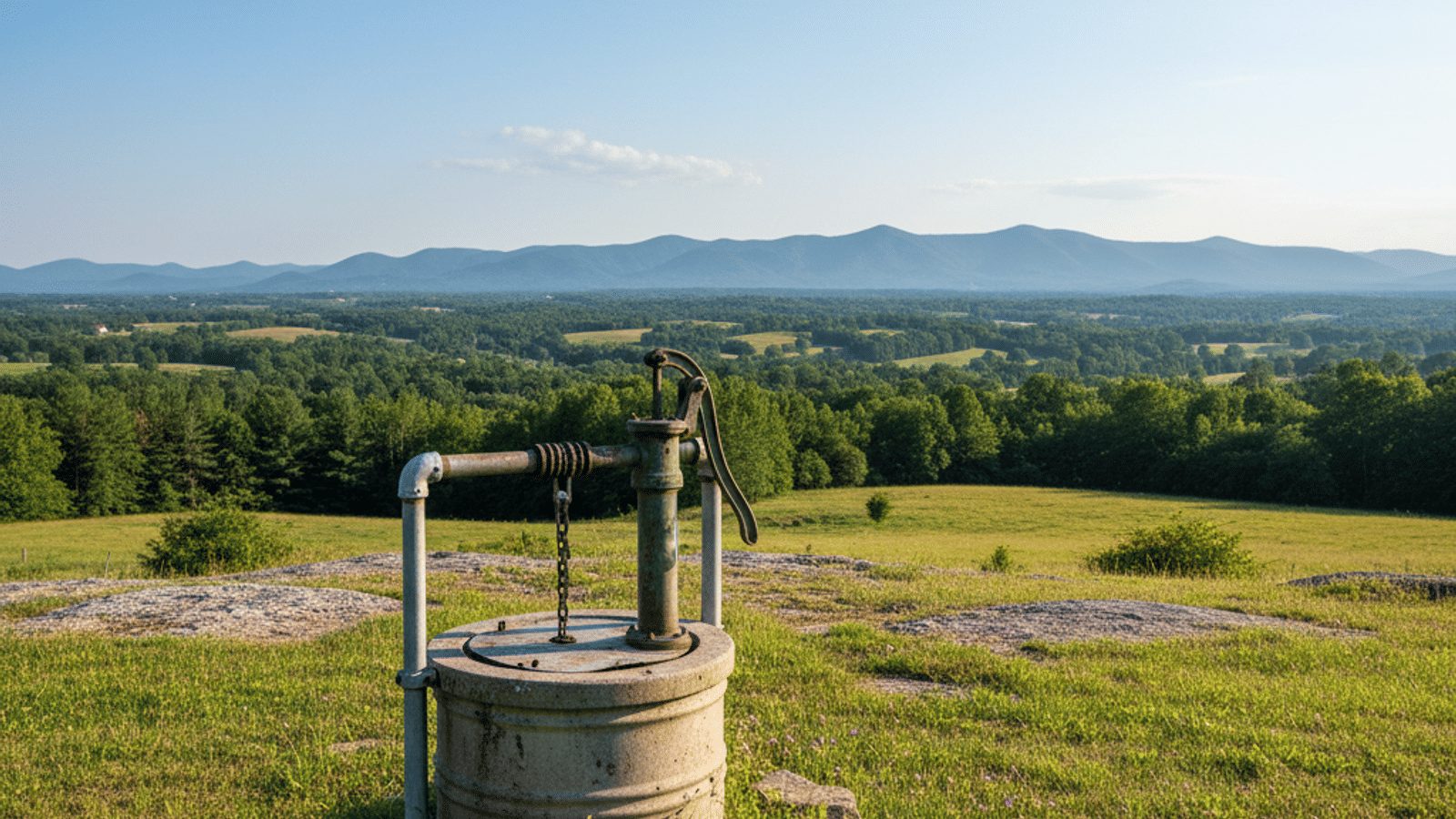
If you are thinking about moving to East Tennessee, you have probably spent plenty of time looking at square footage, school districts, and mountain views. But if you are coming from a major metro area or a dense suburb out of state, there is one line item on the property listing that might stop you in your tracks: Water Source: Private Well.
For many of my clients relocating here, water is an afterthought—until it isn’t. In the city, you turn the handle, water comes out, and you pay a bill. In the rural and mountainous parts of our region, however, it works a little differently.
The geology here—our famous mountains, valleys, and limestone bedrock—dictates how we get our water. Neither option is inherently “better,” but they offer very different lifestyles and financial pictures. Let’s break down the trade-offs so you can decide which tap is right for you.
The Landscape: Where You’ll Find Wells vs. City Water
In East Tennessee, the dividing line between city water and well water usually comes down to geography and elevation. We don’t have a perfectly uniform grid of utilities like flat states often do; our terrain makes running pipes expensive and difficult.
If you are looking at homes in the heart of Knoxville, Chattanooga, or the Tri-Cities, you are almost certainly going to be on a municipal system. Organizations like the Knoxville Utilities Board (KUB) or Tennessee American Water service these dense areas. The infrastructure is established, and you rarely have to think about where your water comes from.
However, as soon as you drive twenty minutes out toward the Great Smoky Mountains or into the more secluded ridges of Sevierville and Maryville, the utility lines often stop at the main road. If a home is set far back on a large lot or perched up a steep grade to capture that million-dollar view, it is likely relying on a private well.
We also have what I call “hybrid zones.” These are developing areas on the edge of town where new subdivisions with city water sit right next to older farmhouses that still use wells. It’s important not to assume a house has city water just because the one across the street does. Running a new line from the street to a rural house can cost tens of thousands of dollars, which is why wells remain the standard for mountain living.
Water Quality & Taste: The Limestone Factor
One of the first questions buyers ask me is, “Does well water taste weird?” The honest answer is that it depends on the aquifer, but there is one constant in East Tennessee: Limestone.
Our region sits on a massive bed of limestone and dolomite. As rainwater filters down through the soil and rock, it dissolves calcium and magnesium. This means that whether you are on city water or well water, you are going to have “hard” water.
City Water Municipal water here is treated to meet strict EPA standards. It is consistent. You know exactly what you are getting, and it’s tested daily. However, because it is surface water (usually from rivers or reservoirs), it has to be treated with chlorine and other chemicals to keep it safe as it travels through miles of pipe. Some people find the chlorine smell noticeable, though a simple fridge filter usually handles it.
Well Water Well water in East Tennessee is pulled from deep underground aquifers. Many locals prefer it because it tastes “fresh” and lacks that chemical chlorine tang. However, the taste and mineral content can vary significantly depending on how deep the well is and exactly which rock formation you’ve drilled into. While it often tastes better right out of the ground, it comes with its own set of quirks.
Common Contaminants in East TN Wells
Because we live in an area with Karst topography (a landscape formed from the dissolution of soluble rocks like limestone), our groundwater moves quickly through cracks and caves. This is great for refilling aquifers, but it means we have to be vigilant about what gets into the water.
- Sulfur: If you turn on a tap and smell rotten eggs, that is sulfur gas. It is naturally occurring in certain shale layers here. It is harmless to drink, but it smells terrible and can tarnish silverware.
- Iron: This is very common in our red clay and rock. High iron content won’t hurt you, but it will leave orange or reddish stains on your laundry, toilets, and bathtub drains.
- Bacteria (E. coli): Because Karst terrain has sinkholes and fissures, surface runoff (from heavy rains or farming) can sometimes slip into the groundwater faster than the soil can filter it.
- Radon: We talk about radon in basements, but in mountain regions, radon gas can also dissolve into groundwater. It’s rare, but it’s something to watch for.
Cost Comparison: Monthly Bills vs. Upfront Investment
When you are calculating the cost of living in Tennessee, water is a line item that looks very different depending on your source. It essentially boils down to a choice between a “forever subscription” (city) or “ownership with occasional repair bills” (well).
City Water Costs If you are on city water, you will have a monthly bill. As of early 2026, rates have ticked up slightly. You are paying a base fee plus usage. The kicker for many transplants is the sewer charge. In many municipalities, if you have city water and city sewer, your sewer bill is calculated based on your water usage—often doubling the total bill. You also have to deal with connection fees if you are building a new home.
Well Water Costs With a well, your monthly water bill is effectively $0. You own the water. However, the water doesn’t come out of the ground by magic; it takes electricity to run the pump.
- Electric Cost: Running a well pump is surprisingly cheap. For an average family, it might add $5 to $15 to your monthly electric bill.
- Hidden Costs: The real cost of a well isn’t monthly—it’s the maintenance. You need to budget for salt if you have a softener (very likely here), filter changes, and the eventual replacement of the well pump.
Cost to Drill a New Well in 2026
If you are planning on buying land in Tennessee to build your dream home, you need to budget realistically for drilling.
Drilling in East Tennessee is not like drilling in sandy coastal soil. We are drilling through solid rock. This is hard on equipment and takes time. As of early 2026, drilling costs have risen due to inflation and fuel prices.
- Drilling Only: You can expect to pay roughly $15 to $30 per foot just for the drilling.
- Complete System: Once you add the casing (the pipe that keeps the hole open), the pump, the pressure tank, and the trenching to the house, the total usually lands between $30 and $65 per foot.
- The Bottom Line: A standard residential well project generally costs between $6,000 and $15,000. However, if you are building high up in the mountains where the water table is deep, I have seen complex systems hit $20,000 or more. It is a gamble; you never know exactly how deep you have to go until you start drilling.
Maintenance & Responsibility: Who Fixes It?
This is the biggest mental shift for buyers coming from the city.
With city water, your responsibility ends at the meter near the street. If the main line breaks three blocks away, the utility company fixes it. If the water tastes funny, you call a customer service number. It is a passive experience.
With a well, you are the utility company. You are the CEO, the manager, and the maintenance crew. If you have no water pressure at 6:00 AM on a Tuesday, you are the one calling a plumber or well specialist. You are responsible for maintaining the pressure tank, adding salt to the softener, and ensuring the UV light (if you have one for bacteria) is working.
The Power Outage Factor This is critical for anyone new to the area. East Tennessee gets its fair share of storms. When the power goes out, city water usually keeps flowing because the municipal towers use gravity.
If you have a well, no electricity means no water. The pump cannot run. If you buy a home with a well, I highly recommend investing in a generator or having a large water storage tank. There is nothing quite like realizing you can’t flush the toilet because a tree branch took out a power line down the road.
Buying a Home: Loans, Inspections, and Resale
When we are writing an offer on a house, the water source triggers specific requirements, especially regarding inspections and financing.
Resale Value In rural areas, a well is standard and expected; it rarely hurts resale value. In fact, many buyers like the idea of independence and no water bill. However, if you are in a suburban subdivision where 90% of the homes are on city water and your target home is on an old well, that can be a negative for future buyers who might worry about the maintenance.
Inspections Never rely solely on a standard home inspection for a well. Standard inspectors might turn on the tap to check pressure, but they aren’t testing the aquifer. You need a dedicated well inspection that checks:
- Flow Rate: Can the well recover fast enough to let you take a shower while the dishwasher is running?
- Water Quality: Testing for bacteria, nitrates, and lead.
- Equipment Age: Well pumps typically last 10–15 years. A replacement can run $900 to $2,500, so you want to know if the current one is on its last legs.
Lending Rules (FHA/VA/USDA) If you are using a government-backed loan, the rules are strict. FHA and VA loans have specific distance requirements to ensure safety. Generally, the well must be:
- 50 feet from the septic tank.
- 100 feet from the septic drain field.
- 10 feet from the property line.
I have seen deals fall apart because a well was drilled 90 feet from a drain field years ago. Surveyors and appraisers will measure this, so it’s vital to verify these distances early in the process.
Summary: Pros and Cons at a Glance
If you’re trying to weigh the options quickly, here is how the two compare in our market:
City Water
- Pros: High reliability, low maintenance, works during power outages, consistent quality.
- Cons: Monthly bills (plus sewer fees), chlorine taste/smell, vulnerable to main line breaks.
Well Water
- Pros: No monthly bill, fresh natural taste, independence from utility rate hikes.
- Cons: You pay for repairs/equipment, dependent on electricity (needs a generator), you are responsible for safety testing.
Frequently Asked Questions
Is well water safe to drink in East Tennessee?
Generally, yes, well water in East Tennessee is safe and clean. However, because our limestone geography allows surface water to travel quickly underground, it is crucial to test your water annually for E. coli and coliform bacteria. Most safety issues are easily fixed with a UV light or filtration system.
Do I need a water softener in East Tennessee?
In almost all cases, the answer is yes. Whether you are on city water or a well, the water here is mineral-rich and hard. Without a softener, you will likely see scale buildup on your shower heads, reduced efficiency in your water heater, and dry skin.
How much does a water bill cost in Knoxville or Chattanooga?
While usage varies by family size, a typical household in the Knoxville or Chattanooga area can expect to pay between $30 and $60 per month for water in 2026. Keep in mind that if you are also connected to city sewer, that bill could double since sewer rates are often tied to water consumption.
Can I convert my house from well water to city water?
It is possible, provided a city water line runs near your property. However, it is not cheap. You will have to pay a “tap fee” to the utility company (often $1,000 or more) plus the cost of a plumber to run a new line from the street to your house and disconnect the old well system.
Septic vs. Sewer in East Tennessee: The Real Cost of Living
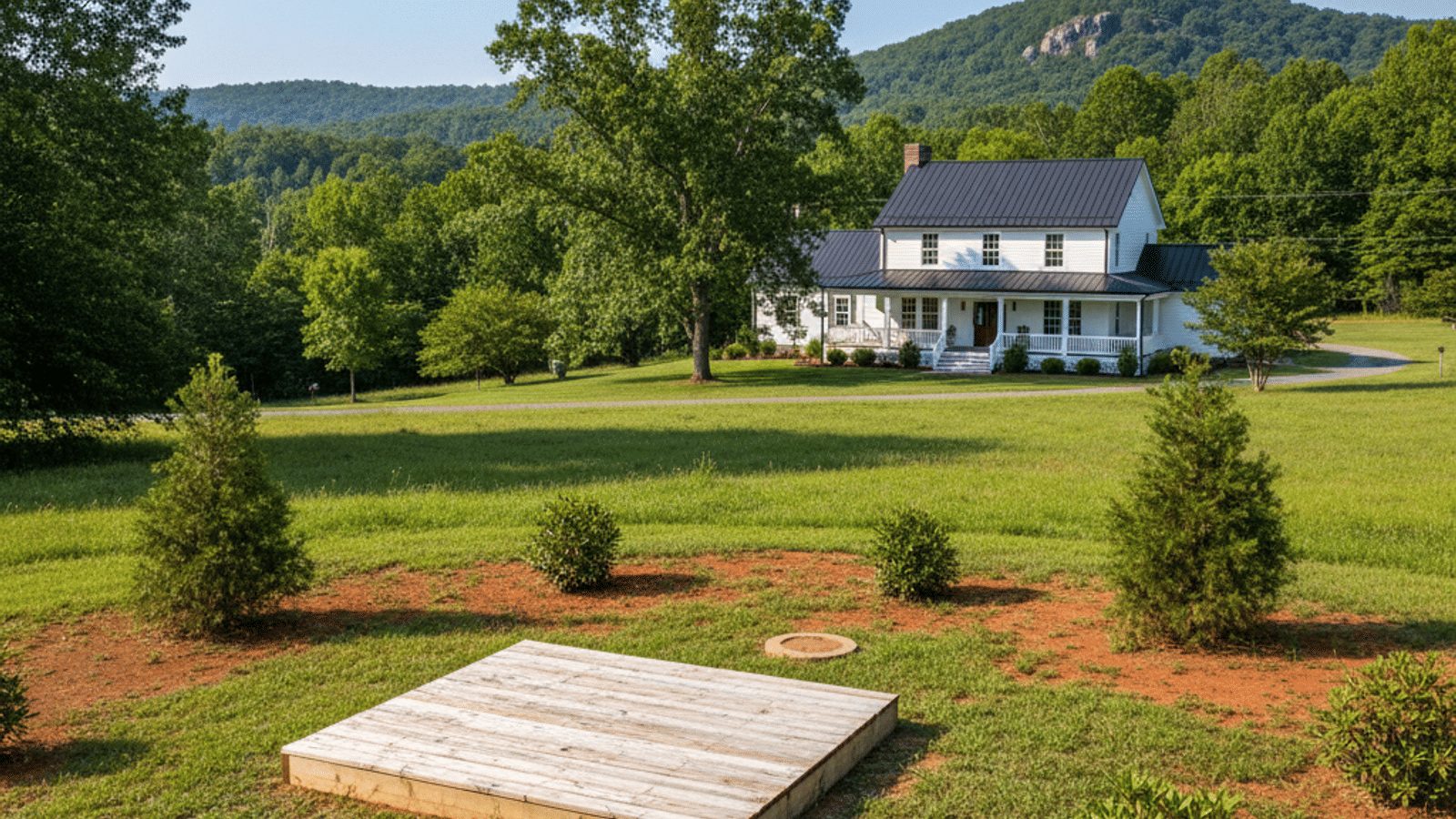
When you’re looking at homes in East Tennessee, the dividing line between “city living” and “country living” isn’t always about how many trees are in the yard. Often, it comes down to where the water goes when you pull the plug.
In our market—whether you are looking in Knoxville, Chattanooga, or the Tri-Cities—your waste management system is usually dictated by location rather than personal preference. If you are downtown or in a dense subdivision, you are likely on public sewer. However, drive just 10 or 15 minutes out toward the foothills or Sevierville, and you will almost certainly be looking at a private septic system.
Understanding the difference is crucial because the geography here, from the limestone bedrock to our heavy red clay, changes the rules of homeownership. Here is the local breakdown on what you need to know about septic versus sewer in our region.
The Cost Breakdown: Upfront vs. Long-Term
One of the first questions buyers ask is about the money. The financial difference between the two systems depends heavily on whether you are buying an existing home or building a new one from the ground up.
If you are planning a new build, public sewer is almost always cheaper upfront. You typically pay a tap fee to the local utility—like the Knoxville Utilities Board (KUB) or a local utility district—which generally runs between $1,000 and $3,000, plus the cost to run the line from the street. Conversely, installing a brand-new conventional septic system can easily cost $8,000 to $15,000. If the soil is poor and you need an alternative system, those costs can jump over $20,000.
However, the math flips when you look at the monthly budget for an existing home. Public sewer comes with a monthly bill that is usually tied to your water usage. With recent rate adjustments in the 2025–2026 cycle, the average household in East Tennessee might see a combined water/sewer bill increase significantly, often landing in the $50–$90 per month range solely for the waste portion.
Septic systems, on the other hand, have no monthly fee. You aren’t paying a utility company to treat your waste; your yard is doing it for you. The cost here is maintenance. You will need to budget for pumping the tank every 3 to 5 years, which currently costs between $300 and $600 in the Knoxville area. Over a ten-year period, septic is often cheaper month-to-month, provided the system stays healthy. When you are calculating the overall cost of living in East Tennessee, it’s worth noting that septic properties remove one recurring bill from your mailbox.
East Tennessee Soil: Clay, Rock, and Regulations
If you are moving from a state with sandy soil, you are in for a surprise. Our region is beautiful, but the ground can be difficult. East Tennessee is famous for dense red clay and, in many areas, shallow limestone bedrock.
This matters because a septic system relies on the soil to filter wastewater (effluent) as it leaves the tank and enters the drain field. Red clay drains slowly, which means you often need a larger field to handle the load. If you are in the rocky foothills or the Cumberland Plateau, hitting bedrock just a few feet down can disqualify a lot for a conventional gravity system entirely.
Because of these challenges, the Tennessee Department of Environment and Conservation (TDEC) is very strict. In the past, people talked about “perc tests.” Today, the standard is much higher. Before TDEC issues a permit, a licensed soil scientist usually performs “High Intensity Soil Mapping.” They literally map out the soil horizons to ensure there is enough good dirt to treat the water before it hits rock or groundwater.
Buying a Home: The Bedroom Count Trap
If you take nothing else away from this article, remember this: in Tennessee, septic systems are permitted by the number of bedrooms, not the number of bathrooms.
This creates a common trap for buyers. You might see a listing online that claims to have “4 bedrooms.” However, when you dig into the public records, TDEC might have only permitted that home for a 2-bedroom septic system. This usually happens when homeowners finish a basement or convert a den without upgrading the septic capacity.
This is a major issue for two reasons. First, if you have a household of six people living on a system built for two, you will likely cause the field to fail, leading to a messy and expensive repair. Second, when you go to sell, you cannot legally list it as a 4-bedroom home if the permit doesn’t match. It can significantly cap your resale value.
During your due diligence, standard home inspections generally do not cover the septic tank. You should hire a dedicated septic professional to locate the tank, open the lid, and check the baffles and sludge levels. This is a vital step in your home inspection checklist for Tennessee properties to ensure you aren’t buying a failing system.
Living with Septic in the Mountains
Living with a septic system requires a slight shift in daily habits, especially in our climate. Since we get heavy rains in the spring, the ground can become saturated, making it harder for your drain field to absorb water.
To keep your system running smoothly, you have to be mindful of water usage. It is better to spread laundry out over the week rather than doing five loads on a Saturday, which can flood the tank and push solids out into the field. You also want to be careful with what goes down the drain. Bleach, harsh drain cleaners, and antibacterial soaps can kill the healthy bacteria your tank needs to break down solids.
Landscaping choices matter, too. You never want to plant hardwoods like oaks or maples near your drain field. Their roots are aggressive and will seek out the water in your pipes, leading to blockages and breaks. Finally, make sure your gutters and downspouts are directed away from the septic field. You want that soil as dry as possible so it can do its job.
Summary: Pros and Cons for East TN Residents
If you are weighing your options between a subdivision with sewer and a more rural plot with septic, here is how the trade-offs usually look.
- Public Sewer Pros: It is convenient and low-maintenance. You can run the dishwasher and washing machine simultaneously without worry. If the main line in the street breaks, it is the city’s problem, not yours.
- Public Sewer Cons: You have a perpetual monthly bill that tends to rise over time. You are also dependent on city infrastructure.
- Septic Pros: No monthly bill helps with cash flow. It offers independence and is usually associated with larger lots and more privacy.
- Septic Cons: You are 100% responsible for repairs. If a drain field fails, a replacement can cost $10,000 or more. You also have to be mindful of water usage and chemicals.
Frequently Asked Questions
How much does it cost to pump a septic tank in East Tennessee?
As of early 2026, you can expect to pay between $300 and $600 for a standard tank pumping in the Knoxville and Chattanooga areas. The price can vary based on the size of the tank (usually 1,000 gallons) and how difficult it is to access the lid.
Can I switch from septic to sewer in Knoxville?
You can only switch if a public sewer main is already accessible from your property, which is common in transitional zones where the city has expanded. If a line is available, you will have to pay a tap fee and the cost to crush your old tank and run new plumbing to the street, which is a significant upfront expense.
What is the difference between a perc test and soil mapping?
A “perc test” measures how fast water drains through a hole in the ground, but Tennessee has largely moved away from this method. TDEC now requires “soil mapping” by a licensed soil scientist, who analyzes the soil layers, texture, and depth to bedrock to determine exactly what kind of system the land can support.
Who regulates septic systems in Tennessee?
The primary regulatory body is the Tennessee Department of Environment and Conservation (TDEC). While local utility districts handle sewer lines, TDEC handles the permitting, inspection, and environmental safety of private septic systems across the state.
Does a septic system lower property value in Tennessee?
Generally, no, as long as the system is working and permitted correctly for the size of the house. In fact, because septic systems are often attached to larger plots of land outside the city limits, many high-value estates in East Tennessee rely on them. The value only drops if the permit bedroom count is lower than the actual number of bedrooms in the home.
Navigating the Red Tape: A Local’s Guide to Zoning and Land Use in East Tennessee
If you’ve been browsing listings online, you’ve probably heard the rumors that Tennessee is the “wild west” of real estate—a place where you can buy a mountain plot, build whatever you want, and never hear a peep from the government.
I hate to burst the bubble, but as of early 2026, that is largely a myth. While it is true that we have more freedom here than in many coastal states, East Tennessee has a distinct set of rules regarding what you can build and where. Whether you are looking at moving to Knoxville or hunting for a cabin investment in Sevier County, understanding the lay of the land—literally and legally—is the only way to protect your money.
Let’s break down how zoning, land use, and permits actually work here so you can buy with confidence.
How Land Use Authority Works in Tennessee
Before we look at specific counties, you need to understand the legal framework. Tennessee operates under something called “Dillon’s Rule.” In plain English, this means local governments (cities and counties) only have the powers that the state explicitly grants them. They can’t just make up rules on the fly, but the rules they do enforce are legally binding.
City Limits vs. Unincorporated County
This is the first thing I tell every client. There is a massive difference between buying property inside a municipality (like the City of Knoxville or City of Gatlinburg) and buying in the “unincorporated” county.
Inside city limits, you have stricter zoning, more code enforcement, and city taxes. In the unincorporated county, regulations are generally looser, but they are not nonexistent. You still have to deal with county zoning maps and state-level environmental rules.
The “Unrestricted Land” Myth
You will see the word “unrestricted” plastered all over land listings. This is where buyers get burned. Usually, when a seller says “unrestricted,” they are talking about deed restrictions (private rules like HOAs). They mean there is no developer telling you that your house has to be brick or that you can’t own a goat.
However, “unrestricted” in a listing description does not mean the property is exempt from government zoning. You might have an unrestricted deed, but if the county zones that land as “Residential,” you still can’t open a commercial hog farm or a high-traffic retail store.
Common Zoning Categories: Residential vs. Agricultural
Most of the property you’ll encounter in East Tennessee falls into a few standard buckets. Knowing the difference can save you from buying a lot that won’t work for your plans.
Residential (R-1, R-2, RA) This is your standard suburban zoning. If you are looking at homes in established neighborhoods, this is likely what you’ll see. These zones are designed for living, not farming. You usually cannot keep livestock (aside from maybe a few backyard hens, depending on the specific ordinance), and you certainly cannot run a noisy commercial business from the garage.
Agricultural (A-1, Greenbelt) For those wanting elbow room, Agricultural zoning is the gold standard. In many East Tennessee counties, A-1 zoning allows for a mix of residential living and farming. It typically allows for lower density—often one or two dwellings per acre—and gives you the freedom to have horses, barns, and gardens.
If you are buying a larger tract (15 acres or more), you need to ask about “Greenbelt” status. This is a state program that assesses your property taxes based on its “use value” (farming/forestry) rather than its market value. It can save you thousands a year, but you have to generate a small amount of agricultural income (often around $1,500/year average) to qualify.
Mobile Home Considerations Do not assume you can put a manufactured home anywhere. Even in rural areas, many zones (like standard R-1) prohibit single-wide or even double-wide homes. You often need to look for specific “RA” (Residential Agricultural) zones or areas with a mobile home overlay.
County-Specific Rules: Knox, Sevier, and Surrounding Areas
Real estate is hyper-local. The rules in Knoxville are completely different from the rules in the Smoky Mountains. Here is a snapshot of the regulatory landscape as of 2026.
Knox County & Knoxville
If you are relocating to the Knoxville area, you will hear a lot about “Recode Knoxville.” This was a massive overhaul of the city’s zoning code a few years back. The goal was to encourage mixed-use development and increase density.
- The Upside: It is now easier in many parts of the city to build Accessory Dwelling Units (ADUs) or develop distinct urban neighborhoods.
- The Constraint: Enforcement is strict. If you try to run an unpermitted business or rental in a residential zone, Code Enforcement will eventually knock on your door.
Sevier County (The Cabin Capital)
Sevier County (home to Gatlinburg, Pigeon Forge, and Sevierville) is the heart of the short-term rental market. For years, it was fairly loose, but that era has ended.
- Safety First: Following the 2016 wildfires, fire safety is paramount. New builds and major renovations—especially those over 5,000 square feet or with large occupancy numbers—often require commercial-grade sprinkler systems.
- Strict Permits: As of 2024–2026, Short Term Rental Unit (STRU) permits are mandatory and rigorously enforced. You cannot just buy a cabin and list it on Airbnb. You must pass safety inspections regarding decks, railings, and egress.
Cocke and Blount Counties
- Cocke County: Historically known for having little to no zoning, Cocke County adopted a proper zoning map in late 2023. It is no longer a free-for-all. There are distinct boundaries for commercial and agricultural use now.
- Blount County: This area is very protective of its aesthetics. There are specific regulations regarding the “view shed” of the Great Smoky Mountains Parkway to prevent billboards and ugly development from ruining the mountain vistas.
Mountain and Water Restrictions: Slopes and Shorelines
In East Tennessee, the physical land often dictates what you can do just as much as the law does.
Hillside and Ridgetop Protection
Both Knox and Sevier counties (and others) have adopted “Hillside Protection” ordinances. These rules kick in when you are building on land with a slope greater than 30% (or sometimes 30 degrees, depending on the specific code).
- The Impact: These rules limit how much land you can clear and how dense you can build.
- The Cost: If you buy a steep view lot, be prepared to pay for engineered grading plans. You cannot just push dirt around with a bulldozer anymore; you need a plan that ensures you won’t cause a landslide on your neighbor below.
TVA Shorelines & The “26a” Permit
If you are looking at lakefront property in Tennessee, the Tennessee Valley Authority (TVA) is your new partner. TVA manages the water levels and the shorelines of the major lakes (Norris, Douglas, Fort Loudoun, etc.).
- The Rule: You might own the land down to the water, but TVA likely holds a “flowage easement.”
- The Permit: You cannot build a dock, a retaining wall, or even stabilize the bank with rip-rap without a “26a Permit.” This is non-negotiable. If you build an unpermitted dock, they can (and will) make you tear it down at your expense.
Floodplains
Always check the FEMA flood maps. In our mountainous terrain, valleys flood quickly. Building in a “floodway” is generally prohibited. Building in a “floodplain” is possible but requires an elevation certificate and expensive flood insurance.
Investor Guide: STRs, ADUs, and Alternative Living
For those looking at investing in Tennessee real estate, specifically for cash flow, here is the reality of the current market.
Short Term Rentals (STRs)
- Knoxville: Very strict. In most residential zones, you must be an owner-occupant to get an STR permit. This essentially bans “whole home” investor-owned Airbnbs in standard neighborhoods.
- Sevier County: Permitted, but regulated. You pay an annual permit fee (often around $250 – $750 depending on location/size) and must pass life-safety inspections.
Unincorporated Areas: Generally easier to permit than city centers, but never assume. Always verify the current overlay map
Accessory Dwelling Units (ADUs)
Knoxville is becoming more ADU-friendly to help with housing shortages. Generally, you can build a “granny flat” or garage apartment if:
- The owner lives in the main house or the ADU.
- The ADU is smaller than the main house (usually capped at 600–1,200 sq ft depending on lot size).
- You can meet setback and parking requirements.
RV Living
This is the most common question I get: “Can I buy land and live in my RV?”
- The Answer: Generally, no. Most counties prohibit using an RV as a permanent residence on private land. They are considered recreational vehicles, not dwellings.
- The Exceptions: You can usually live in one temporarily while you have an active building permit for a permanent home. Also, Greene County recently passed a resolution allowing permanent RV living under very specific conditions (must have septic, water, and paid taxes), but this is the exception, not the rule.
How to Verify Zoning Before You Buy
Never take a listing agent’s word—or even my word—as the final gospel. Regulations change. Here is how you do your due diligence.
- Use GIS Maps: Every county has a Geographic Information System (GIS) website. Search “KGIS” for Knox or “Sevier County GIS.” These maps allow you to toggle on zoning layers, flood zones, and property lines.
- Call the Planner: Find out if the property is in the city or the county, then call that specific planning department. Ask specifically: “What is the zoning classification for this parcel, and does it allow for [your specific plan]?”
- Check Septic Records: In rural areas, soil is everything. You can search the Tennessee Department of Environment & Conservation (TDEC) database online for existing septic permits. If there is no record, you are buying a mystery until you get a soil scientist out there.
- Read the Deed: Ask the title company for the “restrictions and covenants” running with the land. Remember, zoning might allow pigs, but the deed might forbid them. The stricter rule always wins.
FAQ: Zoning and Land Use in East Tennessee
Can I live in an RV on my own land in East Tennessee?
In most counties, you cannot use an RV as a permanent residence on private land. You are typically limited to designated RV parks or campgrounds. However, most counties will allow you to live in an RV temporarily (often for 6 to 12 months) if you have an active building permit and are actively constructing a permanent home.
Does unrestricted land mean I can build whatever I want?
No. “Unrestricted” usually refers to a lack of private deed restrictions or HOAs. You are still subject to county zoning ordinances, building codes, and state health regulations regarding septic systems and water access.
What is the 26a permit for TVA lakes?
The 26a permit is an approval issued by the Tennessee Valley Authority for any construction along the shoreline or in the water of TVA-managed reservoirs. This includes docks, boat slips, shoreline stabilization, and even steps leading down to the water; without it, your structure is illegal.
Are barndominiums allowed in Knox and Sevier counties?
Yes, barndominiums are generally allowed, but they must meet residential building codes, not just agricultural codes. You cannot simply build a metal pole barn and move in; it must have proper insulation, framing, egress windows, and a foundation that meets the residential code for that jurisdiction.
How do I look up zoning for a property in Tennessee?
The most reliable way is to use the county’s GIS (Geographic Information System) website, such as KGIS for Knoxville or the Tennessee Property Data Viewer for rural counties. Once you identify the zoning code (like A-1 or R-2), cross-reference it with the county’s zoning ordinance document to see permitted uses.
Disclaimer: I am a real estate expert, not an attorney or a government official. Zoning laws and ordinances can change at any time. Always verify specific regulations with the local planning commission or a land-use attorney before making a purchase.
Investing in East Tennessee Real Estate: The 2026 Outlook
If you were trying to buy property here two or three years ago, you remember the chaos. Multiple offers within hours, waiving inspections, and prices climbing so fast it felt like the numbers would never make sense again.
Welcome to February 2026. The dust has finally settled.
We are currently looking at what I like to call a “normalized” market. Inventory across East Tennessee is up roughly 30% compared to the squeeze we felt in 2024, and price growth has cooled to a sustainable 2–3% range. For an investor, this is excellent news. It means the “panic buying” era is over. You finally have the leverage to negotiate, the time to conduct proper inspections, and the breathing room to run real numbers.
2026 isn’t about speculative appreciation plays anymore; it’s about strategic, fundamental investing.
Why East Tennessee? Economic & Lifestyle Drivers
So, why is money still moving here now that the frenzy has calmed down? It comes down to the fundamentals of our economy and lifestyle, which remain incredibly strong relative to the rest of the country.
First, the tax environment is a massive draw. We have no state income tax, which instantly boosts your bottom line. There is also significant buzz this year regarding a potential constitutional amendment to permanently ban state property taxes, adding another layer of long-term security for property owners.
Beyond taxes, the cost of living here is still significantly lower than coastal markets and even noticeably more affordable than Nashville. But cheap houses don’t matter without jobs to fill them. Fortunately, our tenant base is supported by major economic anchors:
- Oak Ridge National Laboratory brings in high-income science and tech tenants.
- Volkswagen & Amazon in Chattanooga continue to drive logistics and manufacturing demand.
- The University of Tennessee ensures a perpetual stream of students and faculty in Knoxville.
- Ballad Health provides steady employment across the Tri-Cities region.
Market-by-Market Analysis: Where to Buy in 2026
East Tennessee isn’t a monolith. The three main metro areas offer distinct opportunities depending on your capital and your goals.
Knoxville: The “Safe Bet”
Knoxville is the steady anchor of the region. Anchored by the University of Tennessee (UTK) and a massive healthcare sector, this market offers consistency. It has a higher entry price—median homes are hovering between $350,000 and $385,000—but the rental demand is relentless.
For long-term buy-and-hold investors, this is the sweet spot. You are looking at average rents around $1,316 per month, with prime 2-bedroom units commanding $1,500 or more. If you are looking for Knoxville investment areas that offer stability over flashiness, this is your market.
Chattanooga: The “Lifestyle Play”
Known as “Gig City” for its municipal fiber internet, Chattanooga continues to attract remote workers and tech startups. The outdoor recreation scene here is world-class, drawing tenants who want to climb, bike, and kayak on the weekends.
The entry point is slightly lower than Knoxville, with median pricing sitting between $300,000 and $345,000. Rents are competitive, averaging about $1,248 per month, though studios downtown and homes in the North Shore area can pull significantly higher premiums.
Tri-Cities: The “Value Play”
If you are priced out of Nashville and find Knoxville’s margins too tight, look at Johnson City, Kingsport, and Bristol. This is the best market for investors with limited capital seeking yield. You can still find solid properties in the $260,000 to $290,000 range.
Interestingly, the luxury sector here is popping, up 17% in the $500,000+ bracket. While average rents are lower—typically $980 to $1,015 per month—the affordability allows for easier entry and cash flow.
The Smoky Mountains: Short-Term Rental Update
If you are eyeing Gatlinburg, Pigeon Forge, or Sevierville for a short-term rental (STR), you need to shift your mindset. The “gold rush” is over. You can no longer buy a mediocre cabin, snap some iPhone photos, and expect to be fully booked at $500 a night.
The market has matured. Inventory is healthy and days on market have normalized, meaning you can actually negotiate price for the first time in years. However, revenue is now driven by occupancy and reviews, not skyrocketing nightly rates.
To succeed in 2026, you need “experience” amenities. A bed and a hot tub aren’t enough. The top performers have indoor pools, killer views, elaborate game rooms, or unique design elements. Also, keep a close eye on regulations. While the environment is generally stable, you must verify the zoning of specific parcels—rules in the city limits of Sevierville can differ wildly from the county jurisdiction.
Critical Due Diligence: Taxes and Yields
Here is the one financial nuance that catches out-of-state investors off guard every single time: the property tax assessment ratio.
In Tennessee, residential properties (single-family homes) are assessed at 25% of their appraised value. However, commercial properties are assessed at 40% of their appraised value. Why does this matter? Because in many counties, properties with multiple units (like larger multifamily) or those held in certain corporate structures for commercial use can sometimes trigger that commercial classification.
This difference can absolutely kill your cash flow on a small multifamily deal if you run your numbers assuming the residential rate. Always verify how a property is currently classified before making an offer.
You also need to factor in insurance. While we don’t have coastal hurricanes, regional weather events have pushed premiums up. When calculating your cap rates—which are currently averaging around 6.0% in Knoxville and 5.8% in Chattanooga—make sure you are using 2026 insurance quotes, not estimates from two years ago.
Tips for Out-of-State Investors
Managing property here from California or New York is doable, but you have to be smart about it.
- Build Your Team First: You cannot manage this alone. A relationship-based realtor, a responsive property manager, and a trusty handyman are non-negotiable.
- Ignore the Algo: Don’t rely on Zillow Zestimates or other automated valuation models. In our market, they are often off by significant margins. Furthermore, local tax appraisals often lag behind actual market value.
- Watch the Topography: A house might look great in photos, but Google Maps won’t tell you that the driveway is at a 45-degree angle that freezes over in winter, or that the “creekside” property is deep in a flood zone. Visit in person to understand the lay of the land.
Frequently Asked Questions
Is 2026 a good time to buy real estate in East Tennessee?
Yes, primarily because the market has stabilized. Unlike the frenzy of recent years, you now have the ability to perform due diligence, inspect properties thoroughly, and negotiate prices, making it a safer environment for strategic investing.
What is the property tax rate for rental properties in Tennessee?
Tennessee uses a fractional assessment system. Residential properties are assessed at 25% of value, while commercial and industrial properties are assessed at 40%. It is vital to check the specific Tennessee property tax guide for the county you are buying in to ensure you are calculating the correct ratio.
Which city is better for cash flow: Knoxville or Chattanooga?
It depends on your strategy. Knoxville offers slightly higher stability and rents due to the university and healthcare base, making it a “safer” hold. Chattanooga often has a slightly lower entry price, which can yield better cash-on-cash returns if you buy in the right neighborhood.
Are short-term rentals still profitable in the Smoky Mountains in 2026?
Yes, but the “easy money” days are gone. Profitability in 2026 relies on high occupancy rates achieved through professional management and premium amenities (like indoor pools or views) rather than relying on rapidly increasing nightly rates.
The 2026 Landscape of Property Taxes in East Tennessee
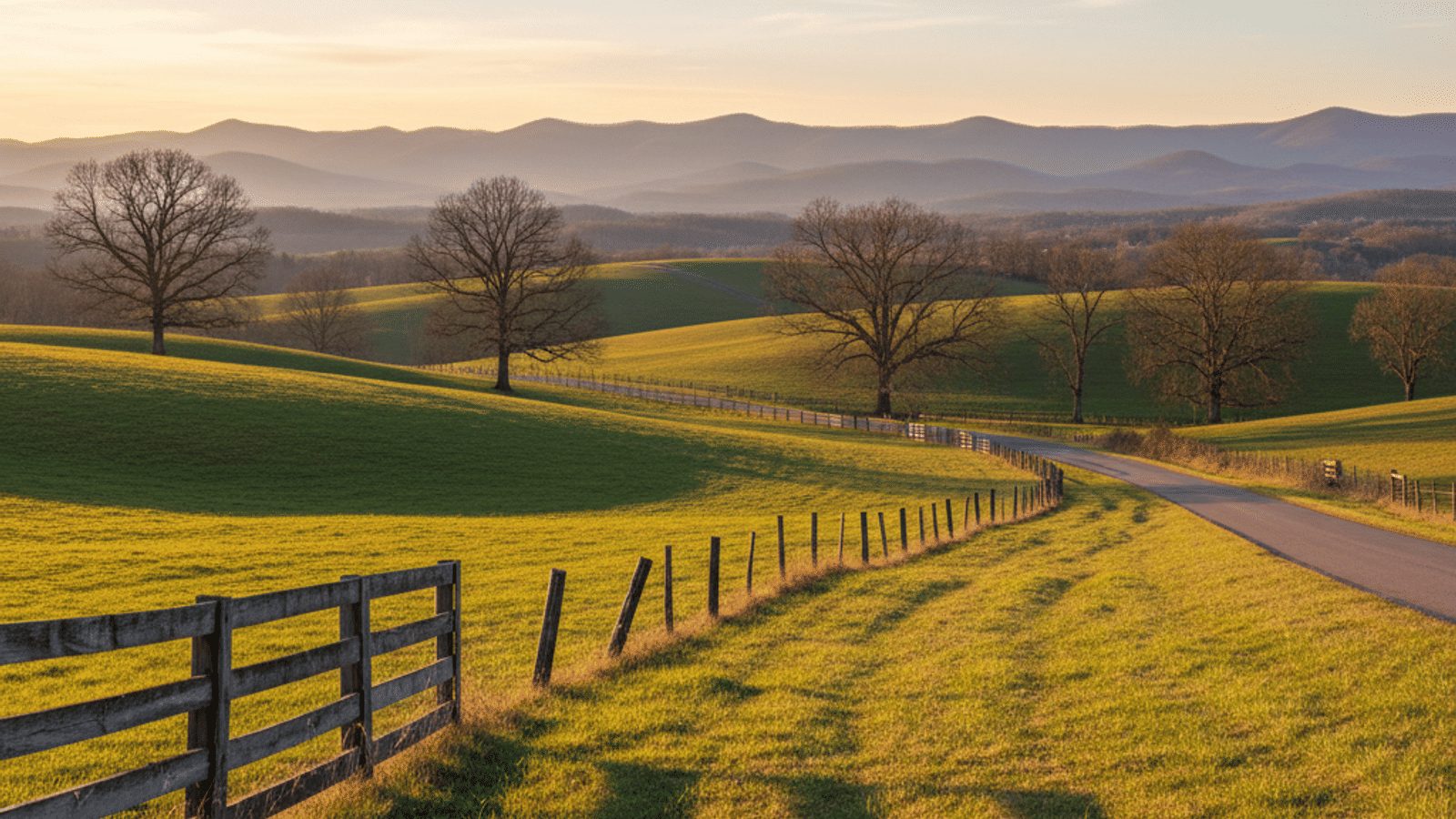
If you’re moving here from a state with heavy tax burdens, looking at a property tax bill in East Tennessee can feel like a typo. It’s one of the first things I hear from clients relocating from places like Illinois, New Jersey, or California. They see the numbers and ask, “Wait, is this per month?” No, that’s usually the annual bill.
Tennessee has long maintained a reputation for being incredibly tax-friendly. We have no state income tax on wages, which is a massive draw, but that means local governments rely heavily on property taxes to fund schools, roads, and emergency services. Even with that reliance, the effective tax rate here remains among the lowest in the nation—often hovering between 0.49% and 0.64% of a home’s market value.
As we head into February 2026, most homeowners are wrapping up their 2025 tax payments (due right about now). It’s an interesting time for the market; property values in areas like Knoxville and Chattanooga have risen over the last few years, but thanks to state laws designed to protect homeowners, your tax bill doesn’t necessarily skyrocket just because your home value did.
How Property Taxes Are Calculated in Tennessee
This is the part that trips up almost everyone moving here. In many states, you simply multiply your home’s market value by a tax rate. In Tennessee, there is a crucial middle step called the Assessment Ratio.
Understanding this step is the key to accurately estimating your monthly costs. Here is how the math actually works:
- Appraised Value: This is the market value determined by the county assessor (what the home is worth).
- Assessed Value: For residential properties, the state only taxes 25% of that appraised value. This is significantly different from commercial properties, which are taxed at 40%.
- Apply the Tax Rate: You take that reduced Assessed Value, divide it by 100, and multiply it by the local county (and city, if applicable) tax rate.
Let’s put that into real numbers so it makes sense. Imagine you buy a home with an appraised value of $400,000.
- First, you calculate the Assessed Value (25%): $100,000.
- Next, let’s assume a tax rate of $2.00 per $100 of assessed value.
- Your annual tax bill would be $2,000.
If you ignored that 25% step and just applied the rate to the full $400,000, you’d think the tax was $8,000. That is a huge difference, and it’s a pleasant surprise for many buyers calculating their cost of living in East Tennessee.
2025-2026 Property Tax Rates by County
Because Tennessee doesn’t have a state-level property tax, rates are set entirely by county commissions and city councils. This means your bill can vary depending on whether you are in the city limits or just in the county.
If you live within a city (like Knoxville, Maryville, or Chattanooga), you generally pay both the county tax and the city tax. If you live outside the city limits, you only pay the county rate. Here is a look at what we are seeing across the region for the 2025 tax year (bills payable now in early 2026).
- Knox County (Knoxville): The county rate sits around $1.55. If you choose to live inside Knoxville city limits, you add a city rate of approximately $2.15. While that combined burden is higher, city residents often get additional services like trash pickup and faster emergency response times.
- Hamilton County (Chattanooga): This area saw massive appreciation recently, with values jumping 40-60%. Because of the “Certified Tax Rate” law (more on that below), the rate was adjusted downward to keep things neutral.
- Sevier County (The Smokies): This is often the shocker for investors. The county rate is incredibly low—around $1.48—largely because tourism revenue from Pigeon Forge and Gatlinburg subsidizes the infrastructure. If you buy inside city limits, the add-on rates are tiny compared to other metros (Gatlinburg is roughly $0.12 and Pigeon Forge around $0.16).
- Blount County (Maryville): A popular spot for retirees, the rate here has held steady around $1.59. It offers a nice middle ground—lower than the city centers but with excellent schools and amenities.
- Sullivan & Washington Counties (Tri-Cities): Following recent reappraisals, Sullivan County’s rate dropped significantly to the $1.66 range. Washington County tends to be higher, sitting closer to $2.15, which is something to keep in mind if you are looking at homes for sale in Johnson City.
Understanding Reappraisals and the “Certified Tax Rate”
You might worry that if your home value doubles, your taxes will double. Thankfully, Tennessee law prevents that shock.
When a county conducts a reappraisal—which happens every 4 to 6 years—and property values go up across the board, the county is required by law to lower the tax rate to a “Certified Tax Rate.” This rate is calculated to ensure the county collects the exact same amount of total revenue as it did the year before.
For example, if property values in the county go up by 50%, the tax rate generally drops by a proportional amount to level it out. The county commission can only raise the rate above this neutral level if they hold a public hearing and vote on it. This system provides a lot of stability for homeowners, even in a booming market.
Exemptions and Tax Relief Programs
While our base rates are low, there are additional programs designed to help long-term residents, seniors, and land owners keep their costs manageable.
For retirees, the Property Tax Freeze is a big deal. If you are over 65 and your income falls below the county limit (which varies by location, but some local options go up to around $60,000), you can “freeze” the tax amount on your primary residence. This means even if tax rates rise or your home value appreciates later, your bill stays locked in at the current amount.
There is also a state-funded Property Tax Relief program. This isn’t just a freeze; it’s an actual reduction. The state will pay a portion of the property taxes for low-income elderly homeowners, disabled homeowners, and disabled veterans. For veterans specifically, the relief covers taxes on a higher portion of the home’s value, which can be a significant savings.
If you are looking at buying acreage in Tennessee, you should know about the Greenbelt Law. This is designed to preserve agricultural and forest land. If you own at least 15 acres of farm or forest land (or sometimes smaller tracts for open space), you can apply for Greenbelt status. The county will then assess your property based on its “use value” (what it generates as a farm) rather than its “market value” (what a developer would pay for it). This can cut the tax bill on large tracts of land drastically.
Relocating? Comparing East TN to High-Tax States
When I sit down with buyers moving from the Northeast or the West Coast, the tax comparison is usually the moment they decide to write an offer.
Let’s look at a hypothetical $500,000 home. In a high-tax state like Illinois or New Jersey, you might easily pay $10,000 to $12,000 a year in property taxes. In East Tennessee, for that same $500,000 home (depending on the county), your bill is likely to land somewhere between $1,500 and $3,000.
That is thousands of dollars back in your pocket every single year. When you combine that with the lack of state income tax on your wages, the cost of living in East Tennessee becomes very attractive.
There is a tradeoff, of course. To offset these low property taxes, Tennessee has a higher sales tax—state and local combined usually hit around 9.75%. Most residents find this preferrable, as it taxes consumption rather than ownership and income.
Taxes on Vacation Homes and Investment Properties
If you are looking at investing in Smoky Mountain cabins or buying a second home on the lake, the tax news is generally good.
Unlike some states (like Florida or Texas) that offer a massive “Homestead Exemption” discount only for primary residents—effectively penalizing second-home owners—Tennessee taxes all residential property at the same 25% assessment ratio. Whether you live in the house full-time or visit it two weekends a year, the property tax calculation is exactly the same.
However, if you are running a short-term rental business (like an Airbnb), keep in mind that you will likely be responsible for collecting and remitting sales tax and occupancy taxes on the rental income. But as far as the property tax bill goes, you aren’t penalized for not living there full-time.
Frequently Asked Questions
What is the property tax rate in East Tennessee for 2026?
There isn’t one single rate for the whole region. Rates vary by county and city, typically ranging from roughly $1.48 to $2.50 per $100 of assessed value. Remember that 2026 rates are usually finalized mid-year, so bills paid in early 2026 are based on the 2025 tax rates.
Do seniors pay property taxes in Tennessee?
Yes, seniors do pay property taxes; there is no automatic total exemption based solely on age. However, low-income seniors may qualify for the Tax Freeze program to lock in their rate, or the Tax Relief program where the state pays a portion of the bill.
How often does Tennessee reassess property values?
Counties in Tennessee operate on a reappraisal cycle that typically runs every 4, 5, or 6 years. For example, Hamilton County had a reappraisal in 2025, while Knox County operates on a 4-year cycle. This periodic adjustment ensures values stay relatively current with the market without changing every single year.
Is there a homestead exemption in Tennessee?
Tennessee does not have a general “homestead exemption” that lowers the taxable value for all primary homeowners like you might see in Florida. The term “homestead” here usually refers to bankruptcy protection limits or specific relief programs for the elderly and disabled, rather than a blanket tax discount for everyone.
New Home Developments in East Tennessee: A 2026 Buyer’s Guide
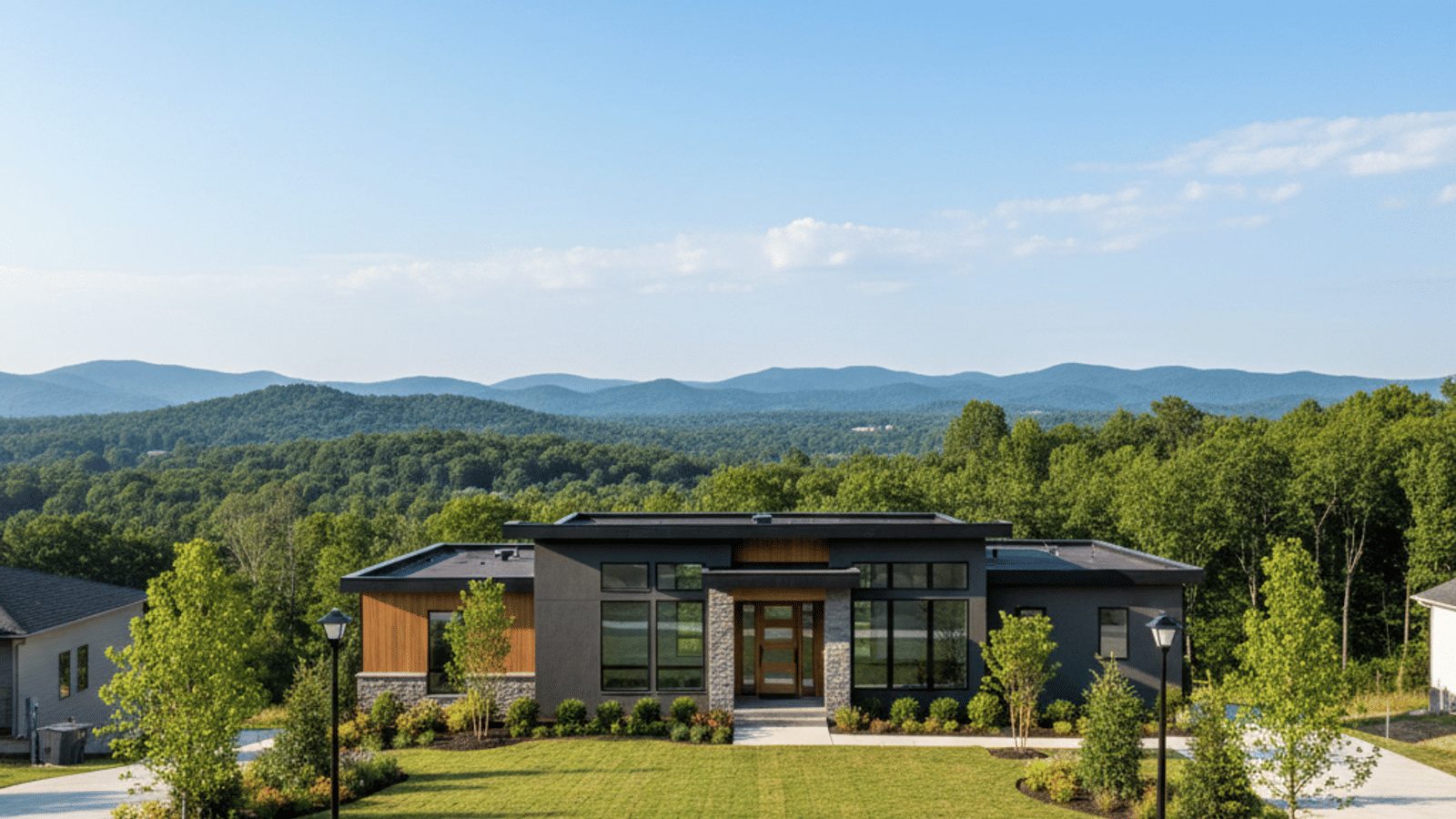
If you have driven through the Volunteer State lately, you have likely noticed the cranes, earthmovers, and fresh lumber framing the skyline. East Tennessee is in the middle of a significant building boom this year. Whether you are eyeing the foothills of the Great Smoky Mountains or the riverbanks of Chattanooga, the secret is definitely out.
For many of my clients, the decision to look here comes down to the “East Tennessee Advantage.” You get the four-season climate without the brutal winters of the north, and financially, the lack of state income tax combined with generally lower property taxes makes a massive difference in monthly purchasing power. We are seeing a major shift where buyers are trading cramped urban living for scenic suburbs in Knoxville and Chattanooga.
The market context in 2026 is notably different from the frenzy of a few years ago. Inventory is finally stabilizing, meaning you actually have options to choose from rather than fighting ten other people for a single lot. Perhaps most importantly, builders are getting aggressive with incentives. While mortgage rates fluctuate, many builders are offering rate buy-downs that make the monthly math look much better than what you might find on the resale market.
East Tennessee New Construction Market: 2026 Trends
Before we jump into specific neighborhoods, let’s look at the numbers and trends shaping the market right now. If you haven’t shopped for a new build since 2024, the landscape has changed.
First, inventory levels are up. Buyers this year have more leverage than they did in the previous two years. While you won’t necessarily see plummeting base prices, you will see builders negotiating on closing costs and upgrades to move homes.
“Smart money” buyers are currently focusing on financing incentives. Instead of just looking at the sticker price, savvy buyers are asking about forward commitments. This is where a builder pays upfront to secure a lower interest rate for their buyers—sometimes 1% to 2% lower than the going street rate.
We are also seeing a distinct shift in floor plans. The demand for multi-generational suites is shaping new designs. Builders are prioritizing layouts with main-level primary bedrooms and secondary “in-law” suites to accommodate aging parents or adult children returning home.
- Median Price Point: Expect median new home prices to land between $370,000 and $420,000, depending on the metro area.
- Custom Costs: If you own your lot and plan to build custom, costs generally run $180 to $350+ per square foot, excluding the land itself.
Top New Home Developments in the Knoxville Metro
Knoxville is the anchor of the region, and the growth here is pushing outward into the surrounding counties. If you are thinking about relocating to Knoxville, you will quickly realize that the “hot” zones have shifted west and north.
Hardin Valley: The Current Hotspot
Hardin Valley continues to be the most requested area for new construction. It sits comfortably between West Knoxville and Oak Ridge, offering great connectivity. Communities like Sycamore Creek are drawing attention for offering mid-range modern homes that balance size and finish quality. If you missed out on earlier phases, Laurel Ridge has new phases opening in 2026 that are worth watching. Prices in this corridor typically range from the high $400,000s up into the $800,000s.
Farragut: Luxury and Lifestyle
For those with a higher budget looking for top-tier amenities, Farragut remains the standard. The Grove Towns is a standout project for buyers who want luxury finishes without the hassle of yard work—perfect for a “lock-and-leave” lifestyle. For those wanting proximity to the water, Holder Branch offers upscale living near the lake. Expect to see price points here starting in the $900,000s and easily climbing past $1.5 million.
Affordable Options in the North
If the prices in West Knoxville feel too steep, look North. Areas like Halls and Powell are seeing a surge in entry-level communities. Builders like Smithbilt Homes have a strong footprint here, offering subdivisions where you can still find new construction that fits a more modest budget without sacrificing modern efficiency.
New Construction Highlights in Chattanooga & Cleveland
Heading south down I-75, the Chattanooga market offers a different vibe. Here, topography dictates everything. The terrain often commands a premium—a flat lot with a view is gold.
Lookout Valley and Black Creek
If you are looking for a premier master-planned community, Black Creek in Lookout Valley is usually at the top of the list. It is known for its trails, dramatic mountain settings, and golf course. It feels like a resort, yet you are just minutes from downtown Chattanooga.
Ooltewah & Collegedale
This area acts as the primary growth corridor for the region, largely driven by the Volkswagen plant and related industries. You will find a density of new subdivisions here offering suburban amenities. It is a practical choice for those who want a newer home with a manageable commute to major employers.
North Shore & Downtown Infill
For buyers who prioritize walkability over acreage, the North Shore continues to develop. We are seeing more infill townhome projects that offer vertical living. These are ideal if you want to be close to the riverfront parks and the city’s gig-speed internet connectivity without maintaining a large lawn.
Growing Communities in Johnson City, Kingsport, and Bristol
The Tri-Cities region (Johnson City, Kingsport, Bristol) is distinct from Knoxville and deserves its own look. It is about 90 minutes northeast and offers a lower price-per-square-foot entry point.
- Jonesborough: Look at Quail Creek at the Ridges. It combines golf course living with the historic charm of Tennessee’s oldest town.
- Bristol: Grande Harbor offers lakefront and luxury options that would likely cost double if they were located in a larger metro like Nashville.
- Blountville: For low-maintenance living that is centrally located between the three cities, check out the Cottages at Feathers Chapel.
The big takeaway for the Tri-Cities is land value. You can often find larger lots here for the same price as a “postage stamp” lot in West Knoxville.
Master-Planned & 55+ Communities: The Resort Lifestyle
A huge portion of our market is driven by retirees and empty nesters. If you are thinking about retiring in East Tennessee, you have some world-class options that cater specifically to an active lifestyle.
Tellico Village in Loudon County is arguably the gold standard. While it is not strictly age-restricted (meaning you don’t have to be 55 to buy), it is entirely focused on that demographic. With lake access, multiple golf courses, and a massive wellness center, it operates like a small town.
For a more exclusive, upscale feel, WindRiver in Lenoir City offers resort-style amenities and direct marina access. Rarity Bay is another heavy hitter, famous for its panoramic views of the lake against the backdrop of the Great Smoky Mountains.
Further west in Crossville, Fairfield Glade is a massive resort community that remains popular due to its affordability and extensive golf facilities.
Note on Costs: When budgeting for these communities, pay close attention to HOA fees. They can range significantly—from $150 to over $500 a month—depending on whether golf memberships or lawn maintenance are included.
Who is Building in East Tennessee?
It helps to know who is swinging the hammers. The quality and timeline of your build often depend on the builder you choose.
National Giants Builders like D.R. Horton, Lennar, and Pulte are very active here, particularly in the entry-level and move-up markets. They excel at speed and streamlined processes. If you need a home in 4-6 months, these “production” builders are often your best bet.
Regional Powerhouses Local names like Smithbilt Homes and Saddlebrook Properties have a massive footprint. Smithbilt covers a diverse range of price points, while Saddlebrook is known for a more upscale, semi-custom feel. Goodall Homes is another regional player delivering consistent quality.
Custom Builders If you want a true custom home, be prepared for a different timeline. Due to labor availability, custom builds in our area are currently running 8 to 14 months from breaking ground to move-in.
The Cost of Buying New vs. Resale in 2026
When you sit down to calculate your Tennessee cost of living breakdown, buying new involves a slightly different cash flow than buying resale.
Upfront Costs The earnest money requirement for new construction is often higher than resale. While a resale offer might require 1% down, builders often ask for 1% to 5% (or a flat non-refundable deposit) upfront, especially if you are customizing finishes.
The “Hidden” Costs The base price you see on the billboard rarely includes everything. Budget for the “after-market” expenses. In many new developments, things like window blinds, refrigerators, and robust landscaping packages are not included. Additionally, “lot premiums” can catch buyers off guard. If you want a basement lot or a view, expect to pay a premium on top of the base price.
Taxes Remember, Tennessee has no state income tax, which is a huge win. However, we make up for it with a high sales tax (averaging around 9.5%). Property taxes are generally low compared to the national average, but they do vary by county, so always double-check the specific millage rate for the development you are considering.
Pros and Cons of New Construction in This Region
Finally, let’s keep it real. New construction is great, but it has its quirks in East Tennessee.
Pros:
- Energy Efficiency: Summers here are humid. A home built to 2026 codes with modern HVAC and insulation will save you a fortune in cooling costs compared to a 1990s home.
- Warranty: The peace of mind of a structural warranty is hard to beat.
- No Renovation Stress: You move in, and everything works.
Cons:
- Infrastructure Lag: In fast-growing areas, the roads and schools often take a few years to catch up to the population boom. Traffic can be a headache in construction zones.
- The Hills: Because we are in the mountains, flat land is scarce. New subdivisions are often carved into hillsides, which can result in steep driveways.
- Lot Sizes: Generally, new subdivision lots are smaller than what you find in older neighborhoods.
Frequently Asked Questions
What is the average cost to build a house in East Tennessee in 2026?
If you are building a custom home on your own lot, expect costs to range from $180 to $350+ per square foot for the build itself. This varies heavily based on finishes and site preparation, especially if the land requires significant grading due to rock or slopes.
Are there 55+ age-restricted communities in Knoxville?
Yes, but many popular communities are “age-targeted” rather than strictly age-restricted. Places like Tellico Village cater to the 55+ demographic with amenities and lifestyle programming, but they do not strictly ban younger residents, whereas other specific subdivisions may have strict 55+ deed restrictions.
How long does it take to build a new home in East Tennessee right now?
For a production home in a large subdivision, the timeline is currently running about 6 to 9 months. If you are going the custom route, you should plan for 12 months or longer, as permitting and specialized labor can still cause delays.
Do I need a realtor to buy a new construction home?
Absolutely. The friendly agent sitting in the model home represents the builder, not you. Having your own representation costs you nothing (the builder pays the commission) and ensures you have someone in your corner to negotiate incentives and navigate inspections.


