 Facebook
 X
X
 Pinterest
 Copy Link
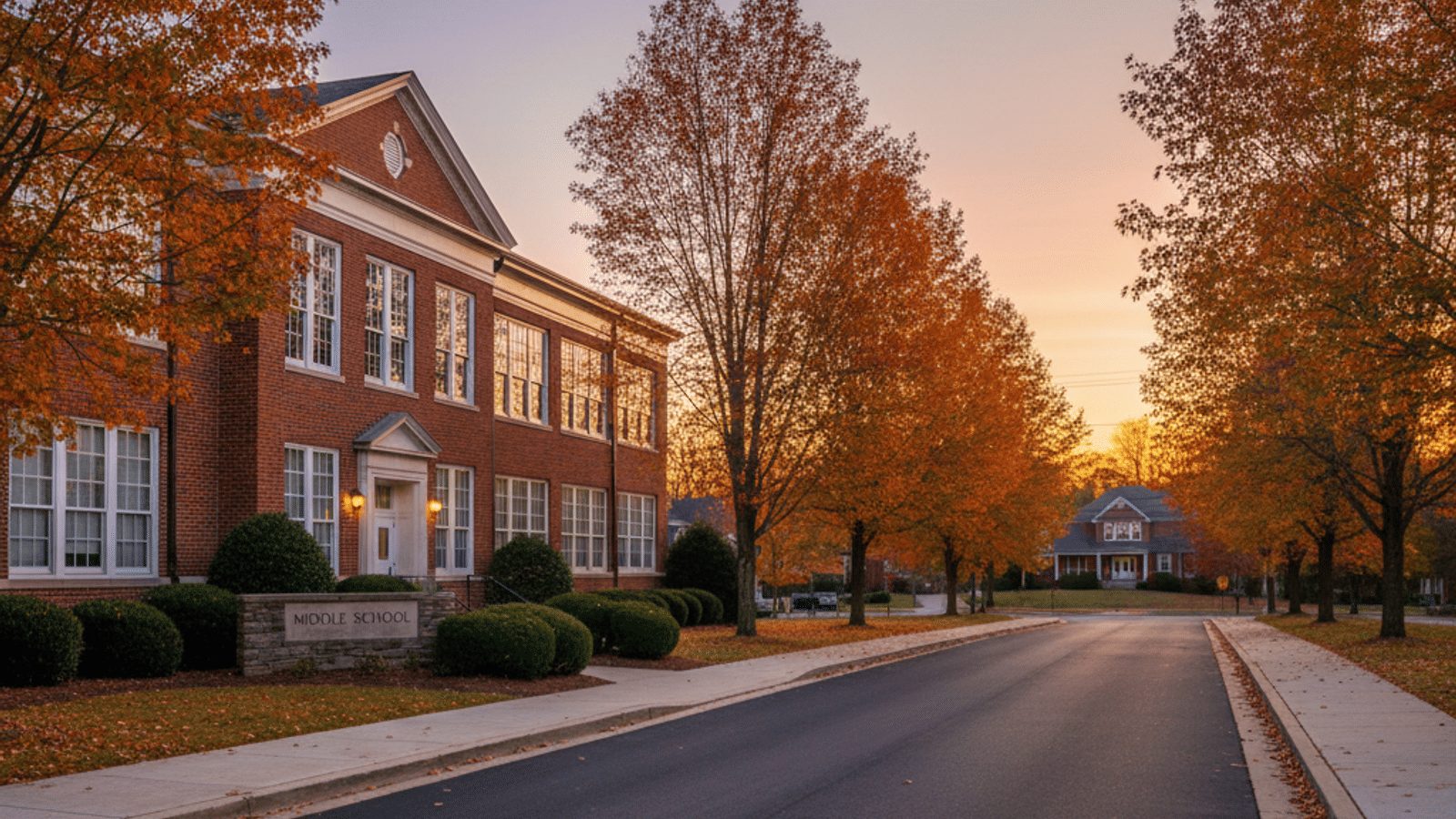
Moving to East Tennessee brings a lot of excitement—mountain views, friendly communities, and a lower cost of living. But if you have school-aged children or are planning for the future, navigating the educational landscape here can feel a little different than in other states.
We have everything from massive county-wide systems to independent city districts and historic private academies. Whether you are looking at living in Knoxville, checking out the scenic ridges of Chattanooga, or exploring the Tri-Cities, understanding how schools operate here is the first step to finding a home that matches your educational goals.
Navigating Education Options in East Tennessee
When you start looking at homes here, you’ll quickly notice that school boundaries don’t always follow standard county lines. East Tennessee offers a mix of large county systems and smaller, independent city districts that operate within those counties.
For newcomers, the three major hubs—Knoxville, Chattanooga, and the Tri-Cities (Johnson City, Kingsport, Bristol)—each have distinct “personalities” when it comes to education. You’ll find rigorous magnet programs, large comprehensive high schools with college-style campuses, and smaller community-focused schools tucked away in the foothills.
One thing is consistent: options. From moving to East Tennessee for the public schools to seeking out prestigious private education, you have plenty of pathways to choose from.
Understanding the Public School System Structure
If there is one thing that confuses buyers moving from out of state, it’s the “City vs. County” distinction. In many parts of the country, the school district is just the county you live in. Here, it’s a bit more nuanced.
- City vs. County Schools: Tennessee has over 140 school districts. In many East Tennessee counties, distinct cities operate their own independent school systems separate from the surrounding county system. For example, living in the city limits of Alcoa puts you in Alcoa City Schools, while living just across the street might place you in Blount County Schools. These districts often differ in funding, governance, and zoning.
- Zoning and Open Enrollment: Generally, where you sleep determines where you learn. Strict zoning is the norm. However, Tennessee has laws regarding open enrollment that require districts to identify open seats. That said, popular schools often fill up with zoned students first, so relying on a transfer can be risky.
- Magnet Schools: You will hear this term a lot, especially in Chattanooga and Knoxville. These are public schools with specialized curriculums (like Arts or STEM) that often require an application or lottery, regardless of where you live in the county.
Knoxville and Knox County Schools
Knoxville is unique among the major East TN metros because it operates as a unified district. There is no separate “Knoxville City” school system; it is all Knox County Schools (KCS). This streamlines things for newcomers since you don’t have to worry about city limit boundaries affecting your district eligibility—only your specific school zone.
KCS serves roughly 60,000+ students, making it a large system with diverse offerings. You’ll often hear locals discuss high schools like Farragut High School and Bearden High School, which are widely recognized for their comprehensive academic programs and high graduation rates.
If you are interested in non-traditional environments, the district is home to the L&N STEM Academy, a magnet high school located right near World’s Fair Park. It focuses on science, technology, engineering, and math disciplines and draws students from all over the county.
The vibe can vary significantly depending on where you settle. You can choose best neighborhoods in Knoxville that feed into walkable, historic community schools, or opt for suburban areas where the schools are large, modern campuses with sprawling athletic facilities.
Chattanooga and Hamilton County Schools
Heading south to Chattanooga, the landscape shifts again. Hamilton County Schools serves the entire area, including downtown Chattanooga and the surrounding suburbs.
What really sets Chattanooga apart is its robust Magnet School system. Schools like the Chattanooga School for the Arts & Sciences (CSAS) and the Chattanooga High Center for Creative Arts (CCA) are public institutions that draw students based on interest and aptitude rather than just geography. These schools have created a vibrant educational culture in the city center.
It is also worth noting that Chattanooga has a very high density of private schools compared to other Tennessee metros. Even families who are strong proponents of public education often weigh options like Baylor School, McCallie, or Girls Preparatory School (GPS), which attract boarding students from around the world. If you are moving to Chattanooga, you’ll want to decide early if you are targeting a specific magnet zone, a traditional neighborhood school, or the private route.
The Tri-Cities: Johnson City, Kingsport, and Bristol
In the northeast corner of the state, the “City School” model is the dominant force. Here, the city limits really matter.
Johnson City Schools and Kingsport City Schools are independent districts that operate separately from Washington County and Sullivan County schools, respectively. These city systems are known for strong community support and often have higher per-pupil spending.
Two high schools here are legendary for their size and resources:
- Dobyns-Bennett High School (Kingsport): One of the largest high schools in the state, known for having an incredible variety of AP courses and a nationally recognized band program.
- Science Hill High School (Johnson City): Another massive campus that feels almost like a small college, offering extensive Career and Technical Education (CTE) pathways.
Residents in these areas are often very loyal to their city systems. If you are house hunting here, your real estate agent will likely check strictly to see if a home is “in the city” or “in the county,” as it determines which of these systems you enter.
Notable Suburban and Rural Districts
Some of the highest-rated education experiences in East Tennessee happen just outside the major cities.
- Maryville City & Alcoa City Schools: Located in Blount County (just south of Knoxville), these two separate city districts consistently rank in the top tier of the state for academic achievement. Competition for homes inside these city limits can be fierce because the school zones are highly desirable.
- Oak Ridge Schools: Located in Anderson County, Oak Ridge was built for the Manhattan Project. That scientific heritage remains; the schools here have a historic reputation for excellence in STEM, supported by the proximity to Oak Ridge National Laboratory.
- Sevier County: As you get closer to the Great Smoky Mountains, Sevier County has seen tremendous growth. Schools here are adapting quickly to a growing population and offer modern facilities, particularly in the Sevierville and Seymour areas.
Private and Independent School Options
For families seeking religious education or a traditional college preparatory environment, East Tennessee has a deep bench of options.
As mentioned, Chattanooga is a hub for prestigious boarding and day schools. In Knoxville, you have well-established institutions like the Webb School of Knoxville, Knoxville Catholic High School, and the Christian Academy of Knoxville (CAK).
In the Tri-Cities and rural areas, private options tend to be smaller Christian academies rather than large secular prep schools. Regardless of where you land, if you prefer private education, you won’t have to look far to find accredited institutions with rigorous standards.
Higher Education and TN Promise
We can’t talk about education here without mentioning what happens after high school. East Tennessee is home to the state’s flagship university, the University of Tennessee (UT Knoxville). It’s a massive economic engine and a major research hub. You also have East Tennessee State University (ETSU) in Johnson City, which includes a highly respected medical school, and UT Chattanooga, which is deeply integrated into the city’s downtown tech scene.
A huge perk for residents is the TN Promise scholarship.
- What it is: A scholarship and mentoring program that provides two years of community or technical college tuition-free to eligible high school graduates.
- Who it’s for: It’s available to all high school seniors in Tennessee, regardless of GPA or family income.
- TN Reconnect: There is even a version for adults who want to go back and earn a degree.
This is a significant financial incentive for families moving here with teenagers. Knowing that a two-year degree or technical certification is covered can change the financial planning landscape for college.
Practical Tips for Relocating Families
If you are ready to make the move, here are a few logistics to keep in mind to ensure a smooth transition for your student.
- Trust the Map, Not the Zip Code: In East Tennessee, a mailing address zip code does not guarantee a school zone. You might have a “Knoxville” zip code but be zoned for a county school outside the main district, or vice versa. Always verify the address with the official district zoning map or the tax records.
- Documentation is Key: Registration requires strict proof of residency. Usually, you will need a lease or deed, plus a utility bill in your name. If you are staying in temporary housing while you build or buy, call the central office ahead of time to see what they accept.
- Watch the Calendar: If you are interested in Magnet schools or requesting an out-of-zone transfer, those application windows often open (and close) early in the calendar year—sometimes as early as January or February for the following fall.
Choosing the Right Fit in East Tennessee
Whether you prioritize a large high school with Friday night football rivalries, a focused STEM magnet program, or a small private academy, East Tennessee has a seat for your student. The quality of education here is high, and the variety allows you to match a school to your child’s specific needs.
I always encourage clients to visit the schools if possible. Walk the campus, check the most recent state report cards for the 2025-2026 school year, and get a feel for the community culture. Once you know where you want your student to be, we can focus on finding the perfect home nearby.
Frequently Asked Questions
What is the difference between city and county schools in Tennessee?
City schools are independent districts run by a specific municipality (like Maryville or Kingsport), separate from the surrounding county school system. They often have their own school boards, funding structures, and zoning boundaries, meaning you must live within the city limits to attend them without paying tuition.
Does Tennessee offer open enrollment for schools?
Tennessee has laws requiring districts to identify open seats and allow for open enrollment, but space is often limited in high-demand schools. While you can apply to attend a school outside your zone, acceptance is not guaranteed and usually depends on capacity after zoned students are seated.
What are the best school districts in East Tennessee?
High-performing districts frequently cited for academic achievement include Maryville City Schools, Kingsport City Schools, and Oak Ridge Schools. Within larger county systems like Knox and Hamilton, specific clusters (such as the Farragut zone in Knox County or the Signal Mountain zone in Hamilton County) also have strong reputations for high graduation rates and test scores.
What is the TN Promise program?
TN Promise is a state-sponsored scholarship program that provides two years of tuition-free attendance at a community or technical college in Tennessee. It includes a mentoring component and is available to all eligible high school seniors in the state, making higher education much more accessible.


