

 Facebook
 X
X
 Pinterest
 Copy Link
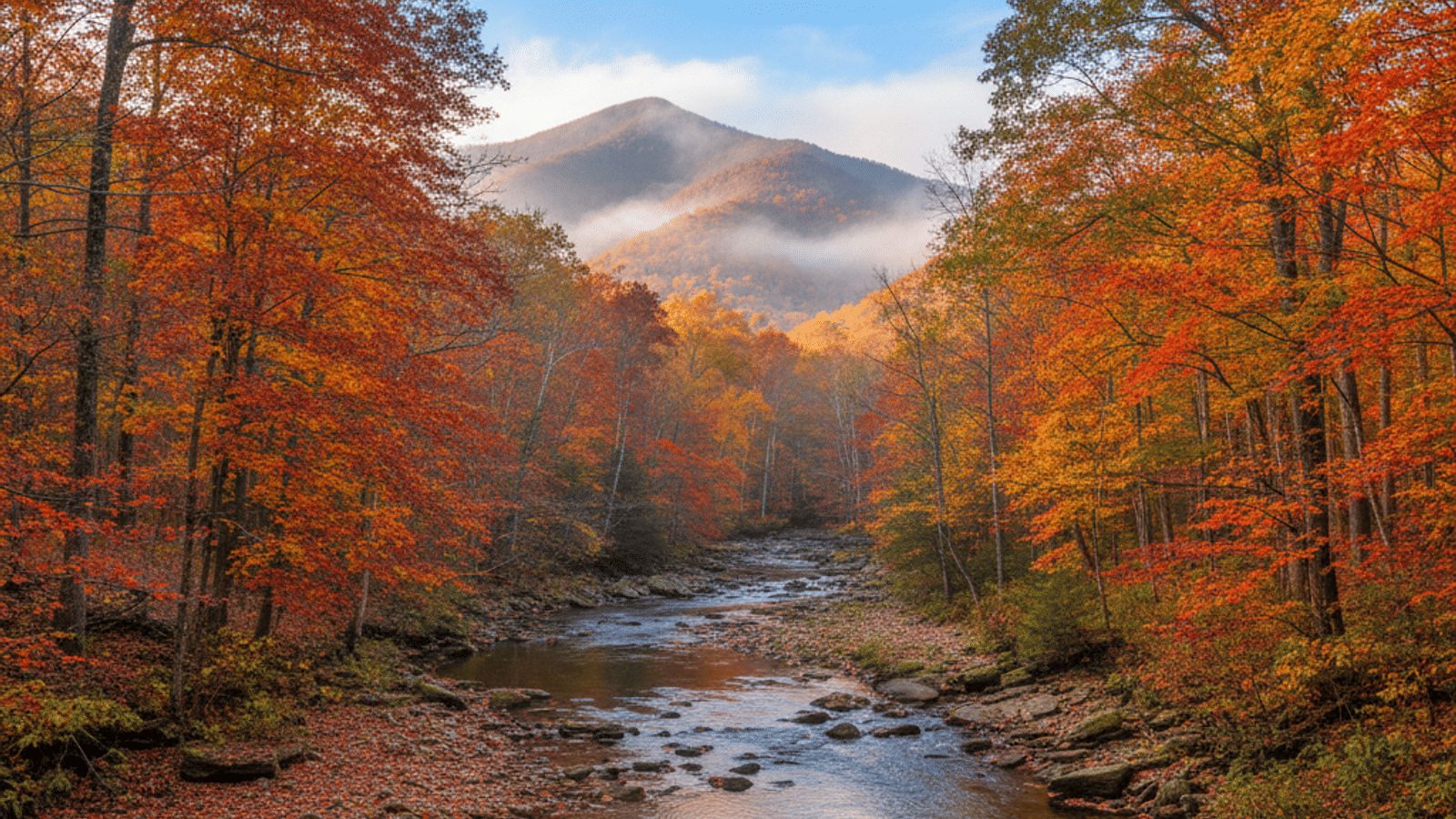
There is a distinct pull to East Tennessee that goes beyond just the postcards of the Great Smoky Mountains. For many people considering a move to East Tennessee, the attraction starts with the scenery but is quickly cemented by the practical side of things—specifically, a lower cost of living compared to many coastal areas.
East Tennessee is one of the state’s three “Grand Divisions,” and it feels entirely different from the flatlands of the West or the rolling hills of the Middle division. We are seeing more people searching for homes for sale in East Tennessee, drawn by the mix of mountain culture and economic common sense. If you are trying to decide if relocating to the Volunteer State is the right move for your lifestyle and budget, this guide breaks down the real numbers and the day-to-day reality of life here.
The Pros of Living in East Tennessee
The biggest draw for most new residents is the mix of outdoor access and financial freedom. You have stunning ridge-and-valley scenery right in your backyard, with weekends that can easily shift from hiking and fishing to a quiet drive along back roads without spending much at all. There are so many things to do in East Tennessee.
On the money side, that landscape is paired with a tax structure that tends to keep more in your pocket. Lower overall housing costs in many areas, no state income tax on wages, and generally manageable day-to-day expenses mean your salary or pension often stretches further than it would in many coastal or big-city markets. For a lot of people, that combination of real mountains, real seasons, and a bit more room in the budget is exactly what tips the scales in favour of moving.
The Cons of Living in East Tennessee
While you save on income tax, you will likely notice the consumption tax at the register, with sales tax often hovering between 9.25% and 9.75% once you combine state and local rates.
You also have to be prepared for the climate, as the humidity in July and August can be heavy, and the seasonal allergies, often joked about as “The Pollening”, are a real factor for many residents.
Traffic can also be surprisingly dense around tourist hubs like Gatlinburg or Pigeon Forge during peak seasons.
Cost of Living in East Tennessee
Overall, East Tennessee’s cost of living typically runs about 10–15 percent below the U.S. average, and a city like Knoxville sits around 86 on a 100-point Cost of Living Index, meaning it is roughly 14 percent cheaper than the national norm.
Beyond the mortgage, the tax situation is a huge driver for migration here: Tennessee has no state income tax on wages or retirement income, and the average effective property tax rate sits around 0.49 percent of a home’s value, which is low compared with many other states.
The trade-off is sales tax, with a 7 percent state rate and local add-ons that push the average combined sales tax to about 9.6 percent, one of the highest in the country.
Your monthly utility bills often benefit from Tennessee Valley Authority power and a relatively low average residential electricity rate of about 12 cents per kWh, translating to an average electric bill in the mid-$140s per month, noticeably under the national average of roughly 18 cents per kWh.
Car insurance is also manageable: recent analyses put the average Tennessee driver’s premium for full coverage at roughly $2,000 to $2,100 per year, or around $170 per month, which is in line with or slightly below national figures, though cabins in remote mountain areas can see higher fire and flood insurance costs, so it is worth getting those quotes upfront.
Real Estate Market in East Tennessee
Generally speaking, housing costs here are still affordable compared to national averages, though we have certainly seen prices climb in recent years. In many parts of the state, especially outside the hottest metro pockets, you will still find move-in-ready single-family homes trading in roughly the mid-$300,000s, with more updated or larger properties pushing into the $400,000s and beyond. Closer to city centres like Knoxville, Chattanooga, or the Nashville commuter belt, prices tend to sit toward the upper end of that $300,000 to $450,000 range, particularly for newer builds in popular school zones.
If you are looking for more elbow room, the rural counties open up a different set of options. Modest homes on a few acres can sometimes be found closer to the low-$300,000s, while larger homesteads for sale, with outbuildings, pasture, or mixed woodland, typically climb higher depending on acreage, road access, and how turnkey the property is. Buyers who are willing to be 30 to 60 minutes outside a major city often find a better balance between price, land, and privacy, especially if they prioritise space for gardening, animals, or a small hobby farm alongside the main residence.
Best Places to Live in East Tennessee
The region is anchored by two major cities, but there is a wide variety of lifestyle options depending on how close you want to be to the action.
- Knoxville: As the largest hub in the region, this is home to the University of Tennessee. It offers a walkable downtown, a diverse economy, and plenty of historic neighborhoods in Knoxville.
- Chattanooga: Known as “The Scenic City,” this spot is famous for its riverfront lifestyle and “Gig City” internet speeds, making it a favorite for tech workers and outdoor enthusiasts.
- The Tri-Cities: Comprising Johnson City, Kingsport, and Bristol, this area offers a quieter pace and often lower home prices. It is also known for a strong healthcare presence and the deep musical roots of Bristol.
- Smoky Mountain Communities: Towns like Sevierville and Gatlinburg are heavy on tourism. They are ideal for vacation rental investors or those who want incredible mountain views, provided you don’t mind the vacation traffic.
East Tennessee Climate and Weather
One of the most common reasons people cite for moving to East Tennessee is the desire for four distinct seasons without the brutal extremes of the far north or deep south. Autumn is particularly spectacular here, drawing visitors from all over the world to see the hardwoods turn vibrant shades of red and orange.
Topography plays a huge role in your daily weather. The higher elevations in the mountains stay significantly cooler, while the valley floor can trap heat and humidity during the summer. You can expect summer highs to regularly reach the mid-80s to low 90s.
We also get generous rainfall, which keeps the region incredibly green and lush, though it contributes to the humidity. Winters are generally mild to moderate; while we do see snow occasionally, it usually melts within a day or two. The lows generally stay above freezing, making it manageable for those escaping harsh northern winters.
Job Market and Economy in East Tennessee
The economy here is more diverse than many outsiders realize. It is not just tourism and farming; there are major institutional anchors that provide stability. Oak Ridge National Laboratory is a global leader in science and energy research, while the University of Tennessee and the TVA provide thousands of steady jobs across the region.
Manufacturing is another pillar of the local economy. Chattanooga is home to a massive Volkswagen plant, and suppliers for the auto industry are scattered throughout the valleys. Of course, tourism remains a massive economic driver, particularly for counties bordering the National Park.
We are also seeing a surge in remote work. With reliable high-speed internet in hubs like Chattanooga and Knoxville, many professionals are bringing their jobs with them, capitalizing on the lower cost of living while earning salaries based in more expensive markets.
Outdoor Lifestyle and Recreation in East Tennessee
If you move here, you will likely find yourself spending more time outside. The culture revolves around the landscape, anchored by the Great Smoky Mountains National Park. Whether you are into serious hiking, camping, or just watching for elk and black bears in Cades Cove, the park is a constant presence.
Water sports are just as big here. You are never far from a lake, with reservoirs like Norris, Douglas, Cherokee, and Tellico offering miles of shoreline for boating and fishing. It is a major part of the summer lifestyle for locals.
Culturally, the region is steep in tradition. Sports culture is dominated by the University of Tennessee Volunteers; on game days, the “Vol Navy” fills the river near the stadium. If you’re into live music, bluegrass is part of the DNA here. You’ll find small-town festivals, picking circles, and museums that lean into the sound that grew up in these hills.
East Tennessee Crime and Safety Considerations
When looking at safety, the dynamic is similar to most U.S. regions: urban centers tend to have higher crime rates than the surrounding suburbs and rural areas. Dense parts of downtown cities will naturally have different statistics than quiet outlying towns.
Many buyers looking for safety prioritize suburbs like Farragut near Knoxville or Signal Mountain near Chattanooga, which generally report lower crime rates and a strong sense of community. When researching, it is helpful to look at specific neighborhood data rather than just city-wide averages.
Safety here also involves weather awareness. While East Tennessee is somewhat protected by its terrain compared to West Tennessee, severe storms can happen. The mountains often break up the worst weather systems, but it is still smart to be prepared for spring storms.
Frequently Asked Questions About East Tennessee
Is East Tennessee a good place to retire?
Yes, and that’s why you keep seeing it show up on “best places to retire” lists. The tax picture is a big part of it: no state income tax on wages, pensions, or Social Security, and property taxes are relatively gentle compared to many other states. Pair that with reasonably priced housing and four real seasons without brutal winters, and a lot of retirees feel like they’ve given themselves a raise by moving here.
What is the difference between Middle and East Tennessee?
Middle Tennessee is “Nashville country” – rolling hills, big music and healthcare economy, faster growth, and a more urban feel once you get near the city. East Tennessee is the mountain side of the state, shaped by the Smokies, TVA lakes, and smaller cities like Knoxville and Chattanooga. It usually feels a little slower, a little more outdoors-focused, and in many areas, a bit easier on the budget than the core Nashville metro.
Does it snow in East Tennessee?
It does, but not in the way people picture when they think “mountains.” The higher elevations in and around the Great Smoky Mountains can get real winter weather, but down in the valleys and cities like Knoxville and Chattanooga, you’re usually talking about a few light snow events a year that melt off fairly quickly. Most winters you’ll see some flakes, but you’re not spending every morning digging your car out.
Is the cost of living high in East Tennessee?
Not really. Most people moving in from bigger or coastal markets feel like their dollars stretch further here. Housing and utilities are usually the big savings, which takes a lot of pressure off the monthly budget. Yes, sales tax is on the higher side, but the lack of a state income tax often helps even things out once you run the numbers for your whole household.
What are the safest towns in East Tennessee?
Some of the quieter suburban and “just outside the city” spots tend to feel the most buttoned-up from a safety standpoint. Places like Farragut, Maryville, and Signal Mountain are good examples: residential, community-oriented, and close enough to larger job centers and amenities without feeling like you’re in the middle of everything.


