

 Facebook
 X
X
 Pinterest
 Copy Link
Moving to East Tennessee: A 2026 Guide
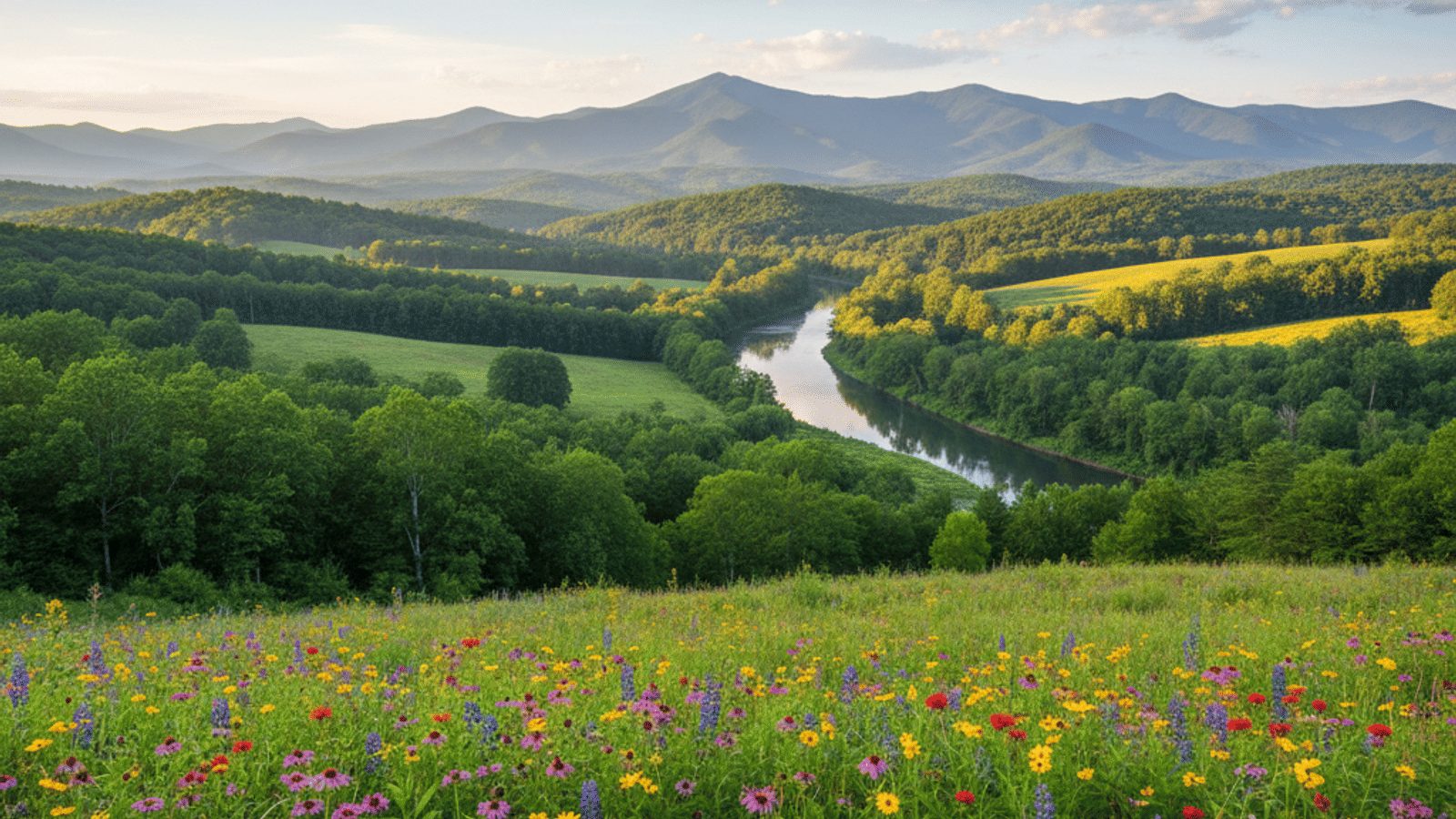
If you are looking at a map of the Volunteer State, everything east of the Cumberland Plateau falls into what we locals call the “Grand Division” of East Tennessee. While Nashville gets the flashy headlines for bachelorette parties and country music, East Tennessee offers a completely different vibe. It is defined by “mountain culture,” deep valleys, and a pace of life that feels just a little more grounded than the hustle of the middle or the flat agricultural stretches of the west.
As of early 2026, we are seeing a distinct migration trend. People aren’t just moving here for the postcard views of the Great Smoky Mountains anymore; they are coming for a blend of affordability and outdoor access that is becoming harder to find elsewhere. Whether you are looking for a quiet cabin in the foothills or a condo in a revitalized downtown, understanding the landscape here—both physical and financial—is the first step to making a smart move.
Cost of Living and Real Estate Market
Let’s get right to the numbers, because this is usually the biggest driver for folks crossing state lines. The financial picture in East Tennessee is generally very favorable, typically running 5–15% lower than the national baseline. The biggest headline is taxes. Tennessee has no state income tax on wages, which is a massive raise for professionals and retirees alike the moment they establish residency.
However, you have to look at the whole ledger. The trade-off for zero income tax is a higher sales tax, which usually lands between 9.25% and 9.75% once you add up state and local levies. It is a consumption-based tax model, so your grocery bill and big-ticket purchases will carry a heavier tag than you might be used to, but most residents find the lack of income tax more than makes up for it. Property taxes also remain incredibly low compared to international and national averages, keeping monthly payments manageable.
The real estate market in 2026 is finally taking a breath. After the incredibly tight inventory we saw back in 2023 and 2024, listing availability is loosening up. Prices have risen—Knoxville median home prices are hovering around $375,000—but that is still a value buy compared to Nashville, where you are easily looking at $450,000 or more for comparable square footage. If you are coming from a tech hub or the Northeast, the price-per-square-foot here will likely feel like a steal.
Best Places to Live in East Tennessee
Choosing where to land depends entirely on the lifestyle you want, as the region is anchored by three very different metro areas.
Knoxville Knoxville acts as the central hub for the region. It is a university town at heart, dominated by the energy of the University of Tennessee. This brings a level of cultural amenities, dining, and sports that you don’t usually see in mid-sized cities. It feels big enough to have everything you need but small enough that you can drive across town in 20 minutes (traffic permitting). For those interested in living in Knoxville, you will find a mix of historic neighborhoods and rapidly expanding suburbs.
Chattanooga Down south near the Georgia border is Chattanooga. Known as the “Gig City” for its ultra-fast municipal fiber internet, it attracts a lot of remote workers and tech startups. The lifestyle here is heavily focused on the riverfront and outdoor adventure—you can go from a Zoom call to rock climbing or paddleboarding downtown in minutes. If you are looking at homes in Chattanooga, expect a vibe that is slightly more progressive and outdoorsy than its neighbors.
The Tri-Cities Tucked into the northeast corner are Johnson City, Kingsport, and Bristol. This area is deeper in the mountains and generally offers a slower pace of life. It is also the affordability champ of the region; housing costs here can be 10–20% lower than in Knoxville or Chattanooga. It is an excellent option if you want to maximize your budget while staying close to stunning hiking and fishing spots.
Suburban and Rural Gems Don’t overlook the towns just outside the main metros. Maryville sits in the foothills and offers a quiet, scenic life just minutes from the airport. Oak Ridge has a unique history with a heavy focus on science and tech, boasting strong school districts. Farragut offers upscale amenities and large lots for buyers looking for a more polished suburban experience.
Job Market and Economy
The economy here is built on a stable foundation of “eds and meds”—education and healthcare are massive economic drivers that tend to weather recessions well. Beyond that, the I-75 and I-40 corridors have created a manufacturing and logistics boom. If you drive through the region, you will see major distribution centers and factories that provide steady employment for thousands of residents.
For remote workers, East Tennessee is becoming a premier destination. The cost of living allows your salary to go further, and connectivity is surprisingly robust, especially with Chattanooga’s fiber infrastructure. If you are looking for jobs in Tennessee that require an onsite presence, you will find plenty of opportunities with major regional players.
Key Employers in the Region:
- Oak Ridge National Laboratory (ORNL) and Y-12
- Eastman Chemical (Kingsport)
- Tennessee Valley Authority (TVA)
- Pilot Company
- Clayton Homes
- Covenant Health and major hospital systems
Lifestyle, Education, and Healthcare
The number one reason people stay here is the outdoors. You have the Great Smoky Mountains National Park essentially in your backyard, offering endless miles of hiking and camping. But the secret weapon of East Tennessee lifestyle is the water. The TVA lakes—like Norris, Tellico, and Watts Bar—are clean, massive, and perfect for boating and fishing.
Culturally, we are a mix of old and new. You can still find deep Appalachian heritage, bluegrass music, and traditional crafts, but these now sit alongside modern breweries, food festivals, and art galleries. Education is anchored by the University of Tennessee in Knoxville, which influences everything from the sports culture to the research economy. K-12 quality varies by district, but you can find highly-rated schools in East Tennessee in areas like Oak Ridge and suburban Knox counties.
Healthcare operates on a hub-and-spoke model. If you are in the major cities, you have access to top-tier trauma centers like UT Medical Center or Erlanger. If you choose a rural homestead, be aware that you might have a 45-minute drive to see a specialist, though routine care is generally accessible in the smaller towns.
Weather and Climate Considerations
We enjoy four distinct seasons here, which is a huge selling point if you are tired of the “endless summer” of the deep South or the brutal, gray winters of the North. Fall is spectacular with the changing leaves, and spring brings an explosion of dogwoods and azaleas.
However, you need to be ready for the summer reality. It gets hot, and it gets humid. Temperatures in the 80s and 90s are standard, and the humidity can make the air feel heavy. You also need to keep an eye on the sky. While we don’t get as much severe weather as West Tennessee, we do have risks of severe thunderstorms and tornadoes. Storm activity in early 2025 was a reminder that nature here can be volatile, and insurance rates are adjusting to reflect that.
One specific local quirk is the “valley funk.” Because much of East Tennessee sits in a valley system, pollen gets trapped. If you suffer from seasonal allergies, the spring and fall can be tough, so stock up on antihistamines. Winter snow is typically a non-issue in the lower elevations—it dusts the ground and melts by noon—but if you buy a home on a mountain ridge, you will see more accumulation.
Pros and Cons of Living in East Tennessee
If you are weighing your options, here is how the trade-offs usually look for new residents.
Pros
- Tax Benefits: No state income tax keeps more money in your paycheck.
- Low Property Taxes: Annual tax bills are often significantly lower than in other states.
- Scenery: Mountain views and lake access are world-class.
- Location: You are a day’s drive from almost half the U.S. population.
- Community: People are generally friendly and welcoming to newcomers.
Cons
- Sales Tax: High consumption taxes on groceries and goods.
- Car Dependency: Public transit is limited; traffic is growing in Knoxville and Chattanooga.
- Allergies: The geography traps pollen, making allergy season intense.
- Humidity: Summers are sticky and can be oppressive for some.
Frequently Asked Questions
Is East Tennessee expensive to live in?
Compared to the national average, East Tennessee is quite affordable. While housing prices have risen in hotspots like Knoxville, the overall cost of living regarding utilities, property taxes, and services remains 5–15% lower than the U.S. baseline.
Does it snow in East Tennessee?
It depends on your elevation. In the valleys where most people live (like Knoxville and Chattanooga), snow is rare and usually melts within a day. However, higher elevations and mountain towns can see significant snowfall that sticks around longer.
What is the difference between East and Middle Tennessee?
The biggest difference is geography and culture. Middle Tennessee (Nashville) is flatter, faster-paced, and centered around the music and entertainment industry, while East Tennessee is mountainous, more affordable, and focused on outdoor recreation and science/industry.
What are the safest towns in East Tennessee?
Many suburban and rural areas here offer quiet, secure environments. Towns like Farragut, Oak Ridge, and Maryville are often cited for their stability and are popular with retirees and households looking for peaceful neighborhoods.
How is the job market in East Tennessee for 2026?
The job market is robust, particularly for those in healthcare, manufacturing, and logistics. With major employers like ORNL and the TVA, plus a growing service sector, the region offers diverse opportunities for professionals moving to the area.


