 Facebook
 X
X
 Pinterest
 Copy Link
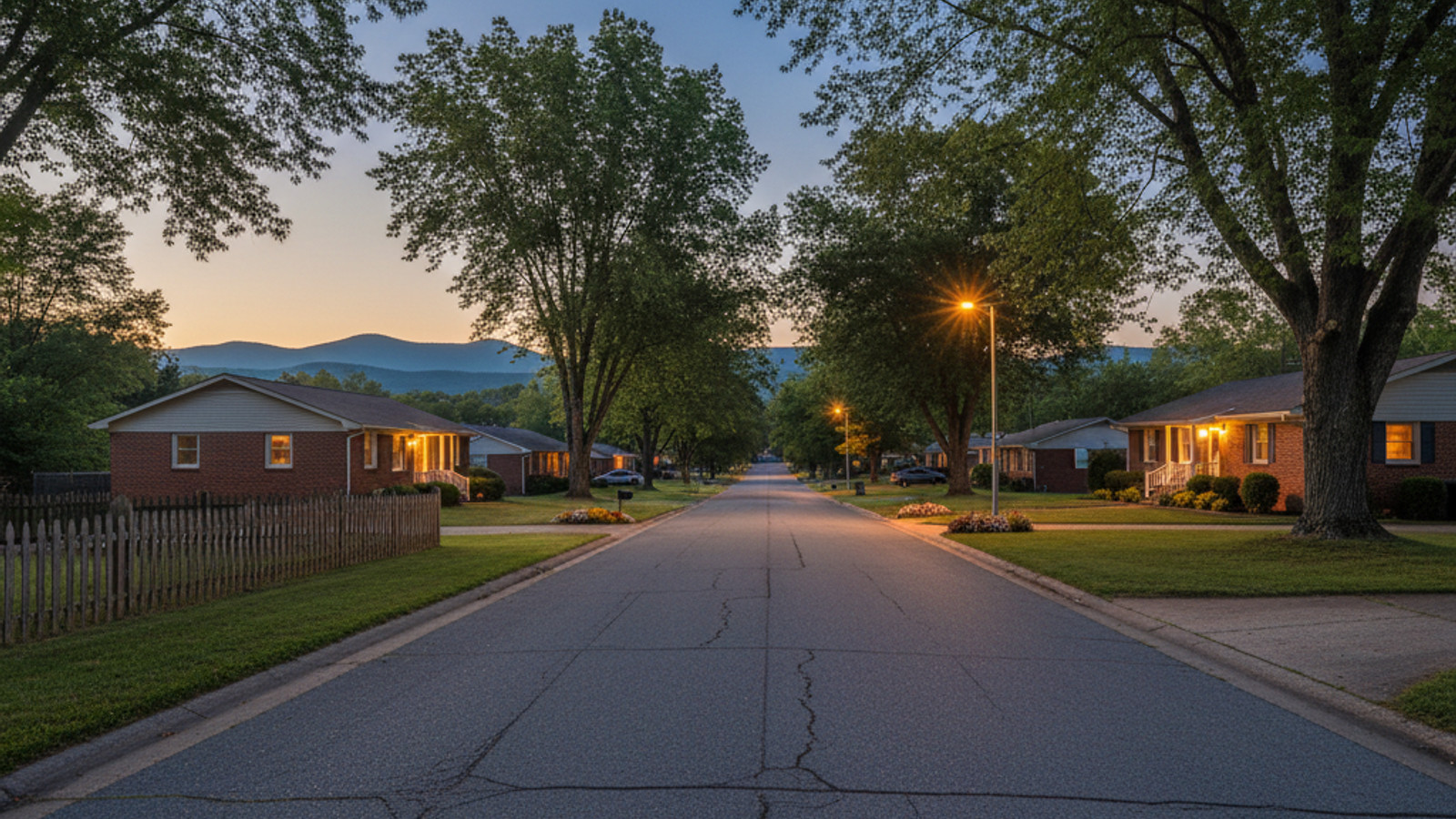
Welcome to early 2026 in the Tri-Cities. If you have been watching the real estate news lately, you know that the frantic energy of the post-pandemic years has shifted. Johnson City remains a highly desirable hub in Northeast Tennessee, but the market feels different than it did just two years ago. We are seeing a move toward stabilization, which is honestly a relief for everyone involved.
As of February 2026, we are technically still in a Seller’s Market, but I like to call it a “somewhat competitive” one. It isn’t the Wild West anymore. The primary drivers keeping our market active haven’t changed: people are still moving here for the quality of life and the fact that our housing affordability—while higher than it used to be—still beats the national average by a long shot. If you are thinking about moving to Johnson City, understanding these nuances is key to getting a good deal.
Market Overview: Is Johnson City a Buyer’s or Seller’s Market?
Let’s get right to the question every client asks me over coffee: “Who has the upper hand right now?” To answer that, we look at a metric called “Months of Supply.” In a perfectly balanced market, we would have about six months of housing inventory. Right now, Johnson City is hovering around 3.6 months of supply. This means sellers still have a slight advantage, but buyers aren’t totally out of luck.
Another telling sign is the “List vs. Sold” price dynamic. A few years ago, homes were selling for way over the asking price. Today, the data shows a cooling trend. On average, homes are selling at about 97% to 98% of their list price. This means buyers are negotiating again, and sellers are having to be realistic rather than aspirational with their pricing.
However, it is important to realize that Johnson City is essentially two different markets right now. If you are looking for affordable homes priced under $300,000, that segment is still incredibly hot and competitive. Meanwhile, the luxury market is moving much slower, giving buyers in that price bracket significantly more leverage.
Key Housing Statistics (2026)
If you love numbers, this section is for you. We have crunched the data from late 2025 through the start of 2026 to see exactly where things stand.
At a Glance: The Numbers
- Median Sold Price: $315,000 – $350,000 (varies by data source)
- Year-Over-Year Growth: 3% to 5%
- Days on Market (DOM): 50 – 60 days
Let’s break that down. The median sold price is currently sitting between $315,000 and $350,000, depending on whether you are looking at Zillow or Redfin data. While prices are higher than they were five years ago, the year-over-year growth has settled into a sustainable 3-5% increase. We aren’t seeing those double-digit spikes anymore, which suggests the market is stabilizing rather than skyrocketing.
Perhaps the most important number for buyers is the “Days on Market” (DOM). Homes are now sitting for an average of 50 to 60 days. Compare that to the 17-day frenzies of the past, and you realize you actually have time to breathe. You can view a home, sleep on it, and make a rational decision without feeling pressured to sign a contract in the driveway.
Johnson City Rental Market: Rates & Trends
Not everyone is ready to buy, and that is fine. The rental market in Johnson City has its own unique rhythm right now. Whether you are a relocator needing a temporary landing spot or an investor looking at cash flow, the supply here remains fairly tight.
If you are looking for an apartment, you can expect average rents to range from $1,000 to $1,400 per month. If you need more space, the median rent for a single-family home is hovering around $1,700.
Interestingly, rental prices have flattened out recently. In some sectors, we are seeing near 0% year-over-year growth. While vacancies are still low, landlords aren’t pushing rents up as aggressively as they were last year. It is a stable environment for tenants, though finding the right unit still requires acting fast.
Living in Johnson City: Lifestyle & Economy Factors
Data is great, but you don’t live in a spreadsheet. You live in a community. So, why are people keeping the demand high in Washington County? The local economy is anchored by major entities like East Tennessee State University (ETSU) and Ballad Health, along with a growing tech and manufacturing corridor. These stable jobs provide a floor for the housing market.
Beyond work, the lifestyle draw is massive. Residents have immediate access to outdoor gems like Boone Lake, the hiking trails at Buffalo Mountain, and the popular Tweetsie Trail.
When we talk about the financial side of living in Johnson City, the cost of living is a major factor. Generally speaking, expenses here run about 10% to 15% lower than the national average. Even with home prices rising, your dollar still stretches further here than in many other parts of the country.
Crime Statistics & Safety Overview
When looking at a new area, safety is always a top priority. It is important to look at the hard data rather than relying on hearsay. In Johnson City, the crime statistics tell a specific story that distinguishes between property issues and violent crime.
Violent crime in the area is roughly on par with the national average, sitting at about 3.7 incidents per 1,000 residents. However, property crime—things like theft and burglary—trends higher here, roughly 60% above the national average.
Local authorities are active in addressing community safety, with initiatives like the “Safer 26” traffic campaigns aiming to improve road safety across the region. When evaluating neighborhoods, it is always smart to check the most recent local police reports for the specific streets you are interested in.
2026 Market Forecast: What to Expect
So, what does the rest of 2026 hold for Tri-Cities TN real estate? Based on current trends, we aren’t expecting a crash, but we are expecting a continued “return to normal.”
- Price Stabilization: Expect modest appreciation. We are likely looking at 2% to 4% growth for the remainder of the year.
- Inventory Outlook: As interest rates potentially ease, we expect a gradual increase in listings.
- Advice for Buyers: Your negotiation power is returning. Do not be afraid to ask for repairs or closing costs, and definitely do not waive your inspections.
- Advice for Sellers: Pricing is critical. If you overprice your home today, it will likely sit on the market for 60+ days. The “aspirational pricing” strategy of 2022 does not work in 2026.
Frequently Asked Questions
Is Johnson City TN a buyer’s or seller’s market right now?
As of early 2026, Johnson City is a somewhat competitive seller’s market. With about 3.6 months of inventory, sellers still have a slight edge, but buyers have much more room to negotiate than they did in previous years.
What is the average rent in Johnson City, TN?
The average rent depends heavily on the property type. Apartments generally range from $1,000 to $1,400 per month, while single-family homes typically rent for around $1,700 per month.
Will house prices go down in Johnson City in 2026?
It is unlikely that home prices will drop significantly. Instead, the market is seeing a deceleration of growth. We expect prices to stabilize with a modest increase of 2% to 4%, rather than a decline.


