

 Facebook
 X
X
 Pinterest
 Copy Link
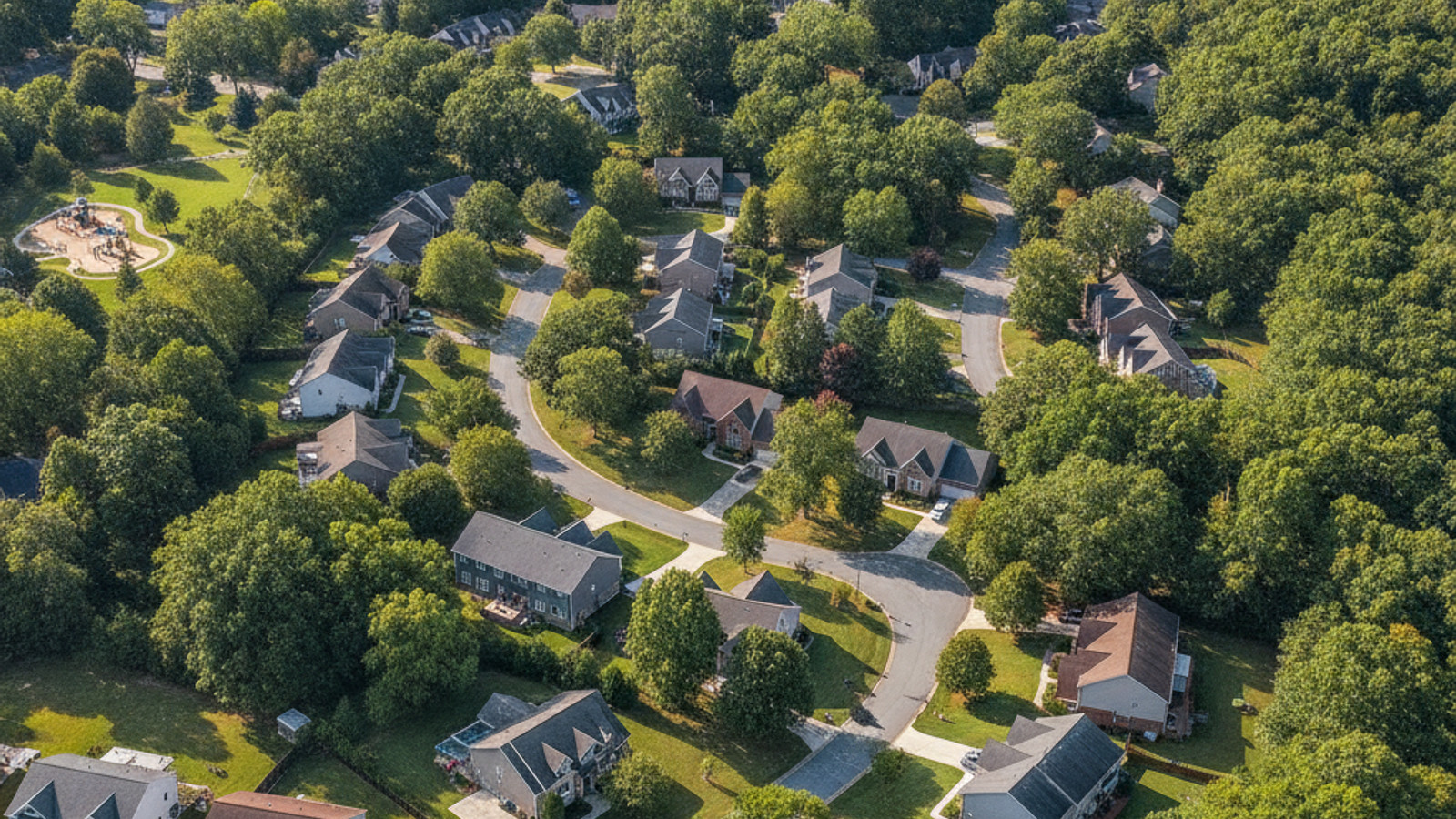
The median home price across the state has steadily climbed over the past few years, pushing many buyers to look beyond the immediate Nashville metro. Finding the best places to live in East Tennessee comes down to balancing your budget with your daily commute and preferred housing type. Buyers here can choose from downtown condos, suburban single-family homes, and larger rural tracts.
The region spans from the Georgia border up to Virginia, connected primarily by the I-75 and I-81 corridors. Tennessee charges no state income tax as of 2026, which continues to draw new residents to the Volunteer State. Local property tax rates also remain relatively low compared to the national average, making homeownership more accessible.
Understanding the Regional Real Estate Market
The state average effective property tax rate hovers around 0.50%, leaving more room in the monthly budget for a mortgage payment. Buyers moving from higher-tax states often find their purchasing power stretches further here. The local housing inventory includes modern developments near urban centers and older homes on multi-acre lots.
Geography dictates much of the real estate landscape in this part of the state. The presence of the Great Smoky Mountains National Park, Tellico Lake, and various river systems limits large-scale development in certain counties. This natural terrain supports an outdoor lifestyle while keeping population centers clustered along the main interstate highways.
Property Taxes and the Cost of Living
Tennessee does not collect a state income tax on wages or salaries. This policy reduces the overall cost of living for residents who relocate from states with larger tax burdens. Buyers should factor this into their long-term financial planning when comparing home prices across different regions.
Property taxes vary based on whether the home sits inside city limits or in an unincorporated part of the county. Properties within city boundaries often receive a combined tax bill for both city and county services. Checking the exact tax district is a necessary step before submitting a final offer on a house.
Knoxville and Knox County
The median home price in the Knoxville, TN market sits near $400,000 as of spring 2026. This area serves as the largest metro in the region, anchored by the University of Tennessee and a steady base of local employers. Housing options range from high-rise condos in Downtown Knoxville to established single-family neighborhoods in West Knoxville.
Knox County Schools operates the public education system across the immediate area. Commute times tend to peak where I-40 and I-75 merge, especially during the morning and evening rush hours. Buyers looking at properties west of the city center should test this drive during peak traffic to gauge the daily impact.
Nearby Suburbs and Commuter Towns
Farragut and Oak Ridge provide alternative housing markets just outside the main Knoxville city limits. These areas feature walkable retail centers, extensive park systems, and direct access to the Tennessee River. Homes in these suburbs often command a premium due to their proximity to major local employers and outdoor amenities.
Oak Ridge maintains a distinct real estate market tied to its history as a federal research hub. The residential streets feature a mix of mid-century construction and newer infill development. Buyers considering these towns will find effective property tax rates hovering around 0.68% for Knox County properties.
Chattanooga and the Southern Border
Median home prices in Chattanooga, TN average $340,000 in mid-2026, offering measurable savings compared to larger southern hubs like Atlanta. The city operates its own municipal fiber-optic network, providing gigabit internet speeds to residential addresses. This infrastructure draws remote workers and tech-focused companies to Hamilton County.
Hamilton County Schools manages the local educational facilities throughout the metro area. The effective property tax rate in Hamilton County sits at approximately 0.66%, keeping carrying costs manageable. Daily commuters rely on I-75 and a network of local state routes to reach downtown offices and industrial parks.
Suburbs like Signal Mountain sit at higher elevations, offering cooler summer temperatures and expansive views of the valley. Properties along these ridges often feature larger lots and direct access to local hiking trails. The winding mountain roads do increase daily drive times for residents commuting into the city center.
Johnson City and the Tri-Cities
The median home price in Johnson City, TN is approximately $350,000, attracting buyers looking for more space and a lower cost of living. This northeastern corner of the state sits close to the Appalachian Mountains and the Virginia border.
Washington County Schools serves the immediate area, sharing the city with East Tennessee State University. I-81 functions as the main transportation artery, keeping travel times short between Johnson City, Kingsport, and Greeneville. This multi-city layout spreads employment centers and retail hubs across a wider geographic footprint, anchored by the Ballad Health system.
Maryville and the Smoky Mountain Foothills
Homes in Maryville, TN command a median price of $415,000, reflecting strong local demand in Blount County. This price premium stems largely from the boundaries of the Maryville City Schools district. Buyers focusing on this specific zone should verify property addresses with the district office, as county lines can be complex.
The Maryville-Alcoa Greenway provides miles of paved paths for residents, while the Smokies are just a short drive away. Commuters traveling to Knoxville typically use Alcoa Highway, which has seen continuous infrastructure updates to handle increased traffic. Blount Memorial Hospital anchors the local healthcare sector and serves as a major employer.
Hospitals, Jobs, and Daily Commutes
Tourism drives a massive portion of the economy in towns like Sevierville, Pigeon Forge, and Gatlinburg. Millions of visitors travel through these areas annually, which alters local traffic patterns and impacts daily commutes for residents. Buyers looking at properties in these gateway towns should account for seasonal congestion on the main parkways.
The regional economy also relies on a massive healthcare network spread across multiple counties. Systems like Covenant Health and Tennova Healthcare operate large facilities that employ thousands of local residents. Proximity to these medical centers often boosts property values in the surrounding neighborhoods.
Healthcare Corridors and Infrastructure
Specific facilities like UT Medical Center, Fort Sanders Regional, and Turkey Creek Medical Center anchor the Knoxville job market. Residential developments near these campuses see consistent demand from medical staff and hospital employees. Buyers prioritizing short commutes to these locations will face a more competitive housing inventory.
Evaluating a neighborhood requires looking at concrete data like police response times and local crime rates. The Tennessee Bureau of Investigation provides public access to incident reports across different jurisdictions. Reviewing this data helps buyers make informed decisions about specific streets and subdivisions.
Final Steps for Planning Your Move
Zoning laws dictate whether a property falls under city or county jurisdiction, which directly impacts your annual tax bill. City limit properties often carry double taxes, combining municipal and county assessments into one total. Buyers should request a full tax history on any property before finalizing their budget.
Buyers should verify specific school district boundaries during the house hunt. A home with a Knoxville mailing address might fall into a different school zone than the property directly across the street. Relying on a zip code alone will not guarantee placement in a specific educational facility.
Submitting a Competitive Offer
Evaluating commute times during rush hour on major highways provides a realistic picture of daily life. A 15-minute drive at noon can easily double during the 5:00 PM traffic surge on I-40. Testing the route from a prospective house to your workplace prevents unpleasant surprises after closing.
Working with a local real estate agent grants you direct access to the MLS and historical sales data. An agent can pull recent comparable sales to ensure your offer aligns with current market values. Securing a home that fits your budget requires moving quickly when the right listing hits the market.
Frequently Asked Questions
Is it expensive to live in East Tennessee?
The region generally offers a lower cost of living compared to the national average, aided by the lack of a state income tax. Housing costs vary widely, with urban centers like Knoxville pricing higher than rural areas in Greeneville or Kingsport. Buyers moving from coastal states usually find their housing budget stretches much further here.
Does East Tennessee get snow?
The valley floors see very little annual snowfall, often averaging just a few inches per year that melts quickly. However, higher elevation areas like Gatlinburg and Signal Mountain receive regular winter snow that can impact road conditions. The region experiences four distinct seasons, with mild winters and hot, humid summers.
What is the difference between Middle and East Tennessee?
Middle Tennessee centers around the flat basins and rolling hills of the Nashville metro, which features higher median home prices and denser population centers. The eastern third of the state is defined by the Appalachian Mountains, offering a more rugged landscape and immediate access to the Smokies. Commute times and housing costs generally remain lower in the eastern counties.


