

 Facebook
 X
X
 Pinterest
 Copy Link
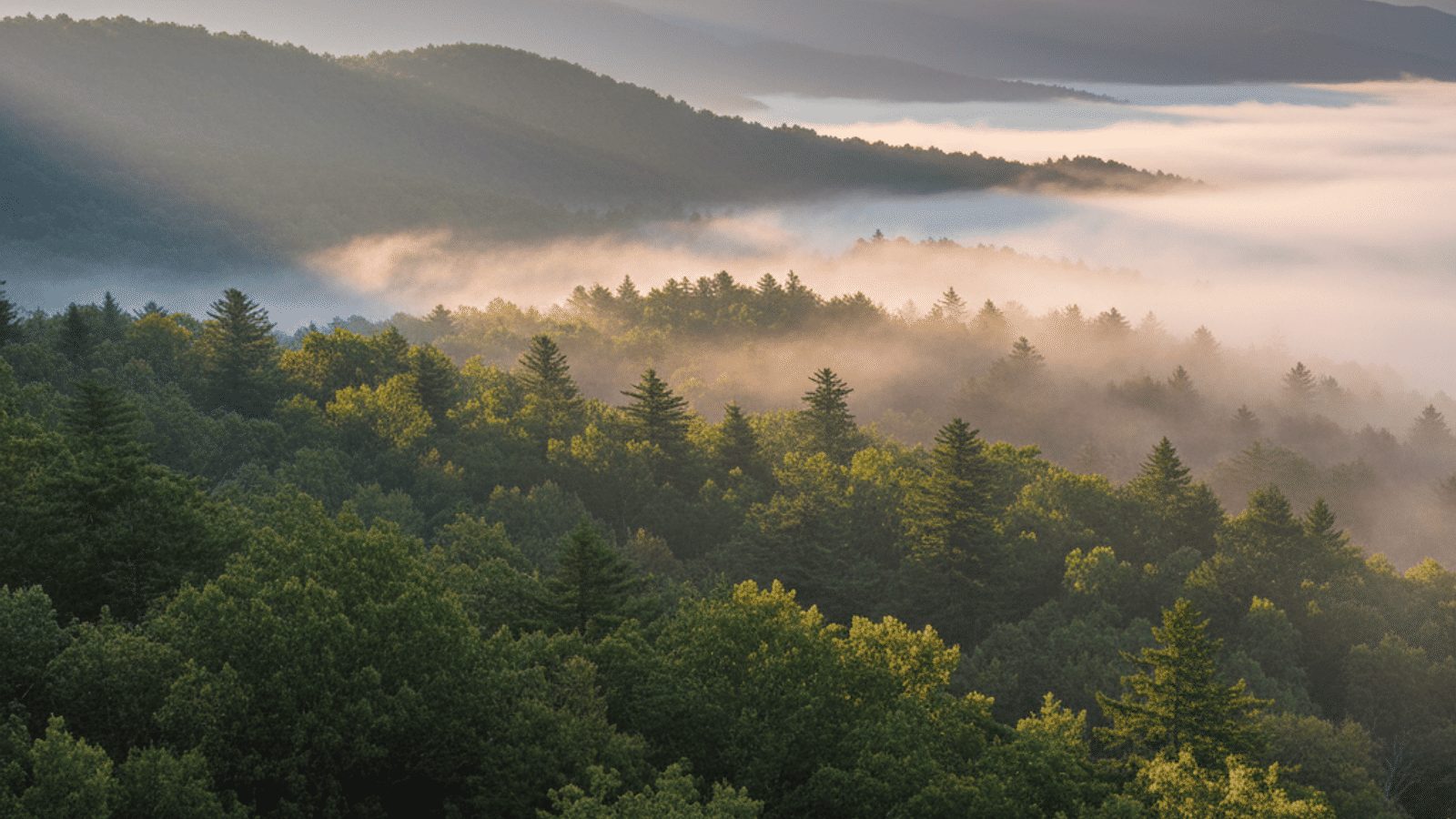
If you’ve spent any time driving through the Great Valley or hiking the ridges of the Unaka Mountains, you know this place feels different from the rest of the South. It’s not just the geography—though the rugged terrain certainly shaped the culture—it’s the attitude. East Tennessee has always marched to the beat of its own drum.
From the very beginning, the people here—whether indigenous tribes or early frontiersmen—valued independence above almost everything else. This is the region that gave the “Volunteer State” its nickname, and as we look around in early 2026, that spirit is still etched into the landscape.
To really understand what it means to consider living in East Tennessee today, you have to look back at the people who carved a life out of these mountains. From the ancient Cherokee capital to the atomic innovations of Oak Ridge, the story of this region is one of resilience, rebellion, and reinvention.
The First Frontier: Cherokee Roots and the Watauga Association
Long before European settlers arrived, this land was the heart of the Cherokee Nation. Their capital, Chota (or Echota), sat along the Little Tennessee River, serving as a political and cultural hub for a vast territory. The Cherokee were the dominant power in the southern Appalachians, controlling trade and diplomacy throughout the region.
When European settlers began pushing west, they weren’t supposed to be here. The Proclamation of 1763 by the British Crown strictly forbade settlement west of the Appalachian divide. But the early pioneers who came here—scots-Irish immigrants and restless Virginians—weren’t the type to listen to a King across the ocean.
By the early 1770s, settlers like William Bean and James Robertson had established homesteads along the Watauga River. realizing they were outside the jurisdiction of any colony, they did something revolutionary. In 1772, they formed the Watauga Association. This was the first majority-rule system of American birth, a fully independent government formed by settlers for their own protection and law. They leased land from the Cherokee and set the stage for a culture that simply refused to wait for permission.
Revolution and the Lost State of Franklin
That independent streak became a weapon during the American Revolution. The “Overmountain Men”—militia from this region—famously crossed the mountains in 1780 to fight British loyalists at the Battle of Kings Mountain. Their victory is often cited as the turning point of the war in the South.
But after the war, things got complicated. North Carolina, which technically owned the land, ceded it to the federal government to pay off war debts, then tried to take it back. The settlers, feeling abandoned, decided to take matters into their own hands again.
From 1784 to 1788, this region declared itself the State of Franklin. They established Jonesborough, now the oldest town in Tennessee, as their first capital. They elected the popular war hero John Sevier as governor, wrote a constitution, and even attempted to negotiate treaties.
Ultimately, the State of Franklin collapsed due to infighting and lack of federal recognition, and North Carolina reasserted control. But the die was cast. The region eventually transitioned into the Southwest Territory and finally became the state of Tennessee in 1796, with Knoxville serving as the very first capital. If you look at Jonesborough real estate today, you are literally walking through the streets of a failed, yet fiercely proud, independent nation.
A House Divided: The Civil War in East Tennessee
The geography of East Tennessee didn’t just shape its early frontier days; it dictated its politics during the Civil War. Unlike the flat lands of West and Middle Tennessee, the rocky soil here wasn’t suited for massive plantation agriculture. Consequently, there were far fewer enslaved people, and the economic interests of the region were tied more to northern industry than southern cotton.
When the vote for secession came in June 1861, over two-thirds of East Tennesseans voted to remain in the Union. It was a stark contrast to the rest of the state. Delegates even met in Greeneville and Knoxville to attempt to secede from Tennessee itself, mirroring the way West Virginia broke away from Virginia.
The result was a brutal internal conflict. “Bridge Burners” waged guerrilla warfare against Confederate railroads, trying to cut off supply lines to Virginia. The region remained under Confederate occupation for much of the war, leading to harsh crackdowns on local Unionists.
This era also produced one of the most controversial figures in American history: Andrew Johnson. A tailor from Greeneville, he remained loyal to the Union, became the military governor, and eventually rose to the Presidency. His story perfectly encapsulates the region’s complicated loyalty—a Southern Unionist in a land of divided neighbors.
Reconstruction and the Rise of Industry
After the war, the region had to rebuild. The isolation that once defined the valleys began to break down with the explosion of the railroad industry. Tracks were laid to connect Chattanooga and Knoxville to the rest of the nation, turning them into booming hubs of commerce.
While the deep south struggled to recover from the loss of plantation economics, East Tennessee looked underground. Coal mining in the Cumberland Mountains and iron processing became major economic drivers. Knoxville became known as the “Wholesaling Capital of the South” and later the “Marble City” due to the high volume of pink marble quarried nearby and shipped across the country.
Chattanooga transformed into a vital rail hub and industrial center. If you walk through Chattanooga historic districts today, the architecture reflects this post-war boom, where foundry owners and railroad magnates built the city into a powerhouse of the New South.
The New Deal: How the TVA Electrified the Valley
By the Great Depression, however, the region was struggling with flooding, erosion, and poverty. The solution came in 1933 with the creation of the Tennessee Valley Authority (TVA). It is impossible to overstate how much this agency changed the physical and economic landscape here.
The TVA set out to tame the Tennessee River and its tributaries. The construction of Norris Dam on the Clinch River was the first major project, designed to control floods and generate hydroelectric power.
- Flood Control: It stopped the devastating seasonal floods that washed away farms.
- Electrification: It brought electricity to rural areas that had been living in the dark.
- Displacement: It wasn’t without cost; approximately 15,000 families across the valley were displaced to make room for the reservoirs.
This shift moved the region from isolated subsistence farming to a modern industrial economy. Today, lakefront living in East TN is a major draw for newcomers, but those lakes are a direct result of this massive 1930s engineering project.
The Secret City: The Manhattan Project
While the TVA was powering the valley, the U.S. government found another use for that electricity during World War II. They needed a secluded location with massive power resources to enrich uranium for the atomic bomb. They chose a quiet valley near the Clinch River and built Oak Ridge.
Almost overnight, the government condemned roughly 60,000 acres. They built three massive facilities—K-25, Y-12, and X-10—and a city to house the workers. The population went from zero to about 75,000 in under three years.
It was called the “Secret City” because the people living there—and even most of the workers—had no idea what they were actually building. The site was gated, guarded, and scrubbed from maps. It wasn’t until the bombs dropped in 1945 that the residents understood their role in history. Today, the Oak Ridge housing market sits right next to world-class science labs like Oak Ridge National Laboratory (ORNL), a direct legacy of those secret wartime efforts.
Conservation and Tourism: The Great Smoky Mountains
While industry was reshaping the valley floor, a different movement was protecting the peaks. In 1934, the Great Smoky Mountains National Park was officially established.
Unlike national parks in the West that were carved out of government land, the Smokies were owned by hundreds of small farmers and large timber companies. Creating the park required buying them out, a painful process that preserved the landscape we love today.
The park created a massive tourism economy. Gateway towns like Gatlinburg and Pigeon Forge grew from quiet hamlets into major destinations. In the late 20th century, Dolly Parton—a native of Sevier County—returned home to open Dollywood, cementing the region’s status as a family vacation heavyweight. This tourism engine provides a steady economic heartbeat alongside the industrial and tech sectors.
East Tennessee Today: A Region Reinvented
As we look around in 2026, East Tennessee has managed to blend these historical layers into a thriving modern identity. The cities have seen a massive resurgence. Downtown Knoxville and Chattanooga have revitalized their riverfronts, turning old industrial spaces into parks, lofts, and entertainment districts.
The “Technology Corridor” linking Knoxville and Oak Ridge continues to attract high-tech jobs, while major automotive manufacturing plants dot the interstate corridors. Yet, despite the growth, the region holds tight to its roots. You can spend the morning touring a high-tech lab and the afternoon walking the historic streets of Jonesborough.
For those thinking about moving to Knoxville or checking out the best places to live in East Tennessee, the appeal is often this mix. It is a place where the history of the frontier, the scars of the Civil War, and the innovation of the Atomic Age all sit comfortably side by side in the shadow of the mountains.
Frequently Asked Questions
Was East Tennessee part of the Confederacy?
Technically, yes, because the state of Tennessee seceded, but East Tennessee itself was staunchly pro-Union. In June 1861, over two-thirds of voters in the eastern counties voted against secession, and the region remained a hotbed of Unionist guerrilla activity throughout the war.
What is the oldest town in East Tennessee?
Jonesborough holds the title of the oldest town in Tennessee, established in 1779. It served as the capital of the State of Franklin and remains a beautifully preserved historic district today.
Why was the State of Franklin formed?
Settlers formed the State of Franklin in 1784 because they felt abandoned by North Carolina and the federal government regarding protection from local tribes and lack of infrastructure. They sought to create a new, 14th state to manage their own affairs, though it was never officially admitted to the Union.
How did the TVA change East Tennessee?
The Tennessee Valley Authority (TVA) modernized the region starting in 1933 by damming rivers to stop flooding and generating cheap hydroelectric power. This infrastructure attracted industry and electrified rural homes, fundamentally shifting the economy from farming to manufacturing.
Why is Oak Ridge called the Secret City?
Oak Ridge was built in secret by the U.S. government during World War II to house the Manhattan Project’s uranium enrichment facilities. The entire city was fenced and guarded, and it did not appear on maps until after the war, earning it the nickname “The Secret City.”


