

 Facebook
 X
X
 Pinterest
 Copy Link
Job Market East Tennessee: What You Need to Know in 2026

If you are thinking about moving to Tennessee, you probably already know about the incredible views of the Smokies and the appeal of paying zero state income tax. But for most of us, the decision to relocate really comes down to one big question: “Can I find a good job there?”
As we settle into 2026, the answer is increasingly “yes”—but it depends on where you look and what you do. The days of East Tennessee being purely a manufacturing or agricultural hub are long gone. Today, we are seeing a diverse mix of advanced energy, healthcare, logistics, and tech sectors that are reshaping the local economy.
Whether you are eyeing the “Scruffy City” vibe of Knoxville or the tech-forward energy of Chattanooga, understanding the job market here is crucial before you pack the moving truck. Let’s break down what the landscape looks like right now and what you can expect for your paycheck.
East Tennessee Job Market Overview: A 2026 Perspective
The economy here has always been resilient, but 2026 is shaping up to be a year of steady, reliable growth. While some parts of the national economy have cooled off, Tennessee is projecting a “slow but positive” trajectory. We aren’t seeing the explosive, wild spikes of a few years ago, but that’s actually a good thing—it means stability.
Current outlooks suggest the state’s GDP will grow by about 2%, and job growth is hovering around 0.9%. That might sound modest, but it is actually outpacing the national average of 0.5%. Essentially, while other regions are tapping the brakes, East Tennessee is still easing down on the gas pedal.
The labor market is normalizing after the post-pandemic rush. Unemployment has ticked up just slightly to roughly 3.4%, which is still historically low. You won’t see “Help Wanted” signs in literally every window like in 2022, but qualified candidates are still in high demand.
One of the biggest drivers right now is migration. People are still moving here in droves, especially to the Knoxville area. This high in-migration fuels a constant need for services, construction, and healthcare. If you are in those fields, the market is very much in your favor. Plus, the financial incentive is hard to beat—professionals relocating from high-tax states often find that the lack of state income tax on wages gives them an immediate “raise” the moment they cross the state line.
Key Industries and Top Employers by Metro Area
East Tennessee isn’t a monolith. The economic engine changes significantly depending on which city you land in. You have the academic and logistics focus of Knoxville, the heavy manufacturing and tech scene in Chattanooga, and the science-based economy of Oak Ridge. Here is how the major players stack up.
Knoxville: Education, Logistics, and Healthcare
Knoxville is the heart of the region, and its job market reflects that stability. It is often recession-resistant because so much of the economy is tied to the University of Tennessee and major healthcare systems. If you are in medicine or administration, Covenant Health and the University of Tennessee Medical Center are massive employers always on the lookout for talent.
Beyond “eds and meds,” Knoxville is a logistics heavyweight. It sits right at the intersection of I-40 and I-75, meaning companies like Pilot Company (headquartered here) play a huge role. We also have Clayton Homes, a giant in the housing industry, driving corporate and manufacturing jobs. For anyone thinking about living in East Tennessee, Knoxville offers arguably the most diverse mix of white-collar and blue-collar opportunities.
Chattanooga: The Gig City and Manufacturing Powerhouse
Chattanooga has done an amazing job rebranding itself. Years ago, it was purely industrial. Now, thanks to EPB’s municipal fiber optic network (the fastest internet in the Western Hemisphere when it launched), it’s known as “Gig City.” This infrastructure has attracted a wave of tech startups and remote workers who need robust connectivity.
However, don’t let the tech hype fool you—manufacturing is still king here. Volkswagen Chattanooga is the anchor, employing thousands and driving a huge supply chain network. We are also seeing a surge in battery materials production with companies like Novonix setting up shop. If you are an engineer or a skilled technician, looking at Chattanooga neighborhoods near these industrial parks is a smart move.
Oak Ridge: The Secret City’s Science Boom
Just outside Knoxville, Oak Ridge is a world of its own. Known historically as the “Secret City” for its role in the Manhattan Project, it is now booming with high-tech, high-security jobs. This isn’t just typical office work; we are talking about national defense and advanced energy.
The biggest employer is, of course, the Oak Ridge National Laboratory (ORNL), which attracts scientists and researchers from all over the globe. Then you have the Y-12 National Security Complex. A major development for 2026 is the new BWX Technologies centrifuge facility, which opened in January. This has injected a fresh wave of specialized jobs into the area. If you have a security clearance or a background in nuclear engineering, this is the place to be.
Tri-Cities: Healthcare and Chemicals
Heading further northeast to the Johnson City, Kingsport, and Bristol area, the vibe changes again. This area is heavily anchored by Ballad Health, which dominates the medical landscape. If you are a nurse or physician, the Tri-Cities offers a slightly quieter pace of life with plenty of work opportunities.
On the industrial side, Eastman Chemical Company in Kingsport is a massive economic driver. They have been a staple of the community for roughly a century and continue to employ a large percentage of the local workforce in high-paying chemical engineering and operational roles.
Salary Expectations vs. Cost of Living
When people look at job listings here, a common reaction is, “Wait, the salary looks a little lower than what I make in Chicago or New York.” That might be true on paper, but you have to look at the whole financial picture. The cost of living in Tennessee is a huge equalizer.
Nominal salaries in East Tennessee are generally lower than in coastal tech hubs, but your purchasing power is significantly higher. The biggest factor is housing. While prices have risen due to popularity, Knoxville housing is still roughly 20-30% cheaper than markets like Austin, Miami, or Denver.
For example, a mid-level manager making $85,000 here might live a lifestyle comparable to someone making $130,000 in a major metro area once you factor out state income tax and factor in lower property taxes and mortgage payments.
Comparing the Markets
If you are trying to decide between the two biggest metros, the housing costs are a helpful tiebreaker.
- Knoxville: Median home prices are hovering in the $400k range. It has become more competitive recently because it is such a hotspot for retirees and remote workers.
- Chattanooga: You can often find a median home price a bit lower, around the $362k range. The household incomes are comparable to Knoxville, which means your dollar might stretch just a tiny bit further in the Scenic City.
Inflation has definitely impacted everyone’s grocery bills, but local wages in competitive sectors are rising to match. We are seeing particularly strong wage growth in skilled trades (plumbers, electricians) and healthcare specialized roles.
To give you a rough idea of what people are earning in 2026:
- Registered Nurses: Averages are landing between $66k and $72k annually.
- Manufacturing Technicians: In hubs like Chattanooga, skilled techs are averaging around $23/hour, or roughly $47k a year.
- Software Developers: The range is wide, but averages across the state sit between $101k and $120k.
Emerging Sectors: Tech, Nuclear, and Remote Work
If you are looking for future-proof careers, you should look at where the investment dollars are flowing. It’s not just about what is hiring today, but what will be hiring five years from now.
Nuclear & Advanced Energy
This is the “crown jewel” of the East Tennessee economy right now. With the federal push for clean energy, Oak Ridge is at the center of the action. It’s not just government jobs; private firms are flocking here to support the nuclear supply chain. This sector drives high-paying engineering, project management, and specialized construction roles.
Remote Work
The secret is out: East Tennessee is a paradise for remote workers. If you can remote work from Tennessee, you get the mountain lifestyle without the big-city commute. The availability of high-speed fiber internet—even in some rural areas thanks to electric co-ops—makes this viable. We meet so many buyers who bring their California or DC salaries to the Smokies, instantly upgrading their standard of living.
Tech & Innovation
Chattanooga’s “Gig City” reputation continues to pay dividends. It’s not just for big companies; it attracts a lot of solo entrepreneurs and startups. Meanwhile, Knoxville is seeing quiet but steady growth in educational technology (ed-tech) and business services. There is also a fascinating niche growing in the region’s investor circles around “Femtech” and medical devices, leveraging the area’s strong healthcare infrastructure.
Tips for Landing a Job in East Tennessee
Finding a job here can be a little different than in massive metropolitan areas. In New York, you might rely 100% on headhunters and algorithms. In East Tennessee, the “who you know” factor is still very real.
Network Locally Relationships matter in the South. A resume submitted online often sits in a queue, but a resume handed to a friend of a friend gets an interview. If you are serious about moving, try to visit before you move. Attend a Chamber of Commerce event in Knoxville or a “ChattaNewbies” meetup in Chattanooga. Shaking hands still goes a long way here.
Tailor Your Resume Don’t send a generic blast. Highlight skills that matter to our specific heavy hitters. If you are in operations, mention your logistics software experience. If you are in manufacturing, highlight certifications that apply to automotive or chemical safety. Show that you understand the local industry mix.
Check Local Boards LinkedIn and Indeed are fine, but don’t ignore the direct source. Major employers like ORNL (jobs.ornl.gov) or the Tennessee Valley Authority (tva.com/careers) often post roles on their own portals before they hit the aggregators.
Be Ready to Move Employers here can be wary of “exploratory” out-of-state applicants. They have been burned by candidates who accept a job and then back out because they couldn’t sell their house or got cold feet. If you can put a concrete relocation timeline on your cover letter—or better yet, an address showing you are already in the process of moving to Knoxville—you will be taken much more seriously.
Frequently Asked Questions
What is the unemployment rate in East Tennessee right now?
As of early 2026, the unemployment rate in Tennessee is hovering around 3.4%. This is a very healthy number that indicates a stable labor market where jobs are available, though the market is slightly less frenzied than it was immediately post-pandemic.
What are the fastest-growing industries in Knoxville and Chattanooga?
In Knoxville, the fastest growth is in healthcare services, logistics, and leisure/hospitality due to migration trends. In Chattanooga, advanced manufacturing (batteries and automotive) and technology services utilizing the gigabit network are leading the pack.
Is East Tennessee a good place for remote workers?
Absolutely. Between the widespread availability of fiber internet (especially in Chattanooga and areas serviced by electric co-ops) and the low cost of living, it is a top destination. The lack of state income tax also maximizes the take-home pay for remote employees.
Does Tennessee have a state income tax on wages?
No, Tennessee does not tax earned income. This is a significant financial benefit for workers, as it can effectively boost your disposable income by 3% to 10% compared to states with income taxes.
What is a typical salary for a software developer in East Tennessee?
While it varies by experience and specific tech stack, the average salary for a software developer in Tennessee typically ranges between $101,000 and $120,000. While this may be lower than Silicon Valley, the cost of living difference usually makes the lifestyle comparable or better.
Moving to East Tennessee: A 2026 Guide
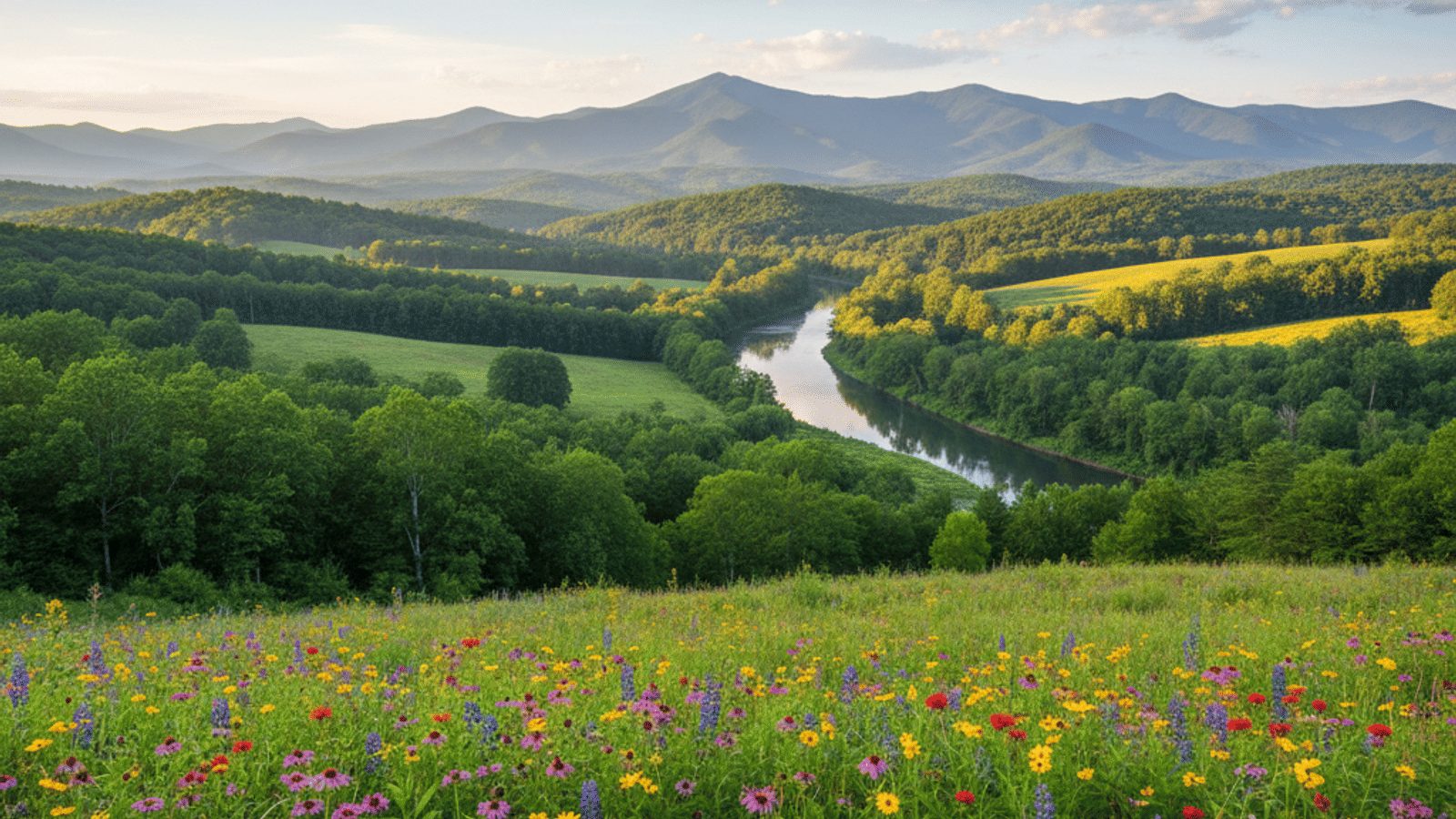
Moving to East Tennessee: A 2026 Guide
If you are looking at a map of the Volunteer State, everything east of the Cumberland Plateau falls into what we locals call the “Grand Division” of East Tennessee. While Nashville gets the flashy headlines for bachelorette parties and country music, East Tennessee offers a completely different vibe. It is defined by “mountain culture,” deep valleys, and a pace of life that feels just a little more grounded than the hustle of the middle or the flat agricultural stretches of the west.
As of early 2026, we are seeing a distinct migration trend. People aren’t just moving here for the postcard views of the Great Smoky Mountains anymore; they are coming for a blend of affordability and outdoor access that is becoming harder to find elsewhere. Whether you are looking for a quiet cabin in the foothills or a condo in a revitalized downtown, understanding the landscape here—both physical and financial—is the first step to making a smart move.
Cost of Living and Real Estate Market
Let’s get right to the numbers, because this is usually the biggest driver for folks crossing state lines. The financial picture in East Tennessee is generally very favorable, typically running 5–15% lower than the national baseline. The biggest headline is taxes. Tennessee has no state income tax on wages, which is a massive raise for professionals and retirees alike the moment they establish residency.
However, you have to look at the whole ledger. The trade-off for zero income tax is a higher sales tax, which usually lands between 9.25% and 9.75% once you add up state and local levies. It is a consumption-based tax model, so your grocery bill and big-ticket purchases will carry a heavier tag than you might be used to, but most residents find the lack of income tax more than makes up for it. Property taxes also remain incredibly low compared to international and national averages, keeping monthly payments manageable.
The real estate market in 2026 is finally taking a breath. After the incredibly tight inventory we saw back in 2023 and 2024, listing availability is loosening up. Prices have risen—Knoxville median home prices are hovering around $375,000—but that is still a value buy compared to Nashville, where you are easily looking at $450,000 or more for comparable square footage. If you are coming from a tech hub or the Northeast, the price-per-square-foot here will likely feel like a steal.
Best Places to Live in East Tennessee
Choosing where to land depends entirely on the lifestyle you want, as the region is anchored by three very different metro areas.
Knoxville Knoxville acts as the central hub for the region. It is a university town at heart, dominated by the energy of the University of Tennessee. This brings a level of cultural amenities, dining, and sports that you don’t usually see in mid-sized cities. It feels big enough to have everything you need but small enough that you can drive across town in 20 minutes (traffic permitting). For those interested in living in Knoxville, you will find a mix of historic neighborhoods and rapidly expanding suburbs.
Chattanooga Down south near the Georgia border is Chattanooga. Known as the “Gig City” for its ultra-fast municipal fiber internet, it attracts a lot of remote workers and tech startups. The lifestyle here is heavily focused on the riverfront and outdoor adventure—you can go from a Zoom call to rock climbing or paddleboarding downtown in minutes. If you are looking at homes in Chattanooga, expect a vibe that is slightly more progressive and outdoorsy than its neighbors.
The Tri-Cities Tucked into the northeast corner are Johnson City, Kingsport, and Bristol. This area is deeper in the mountains and generally offers a slower pace of life. It is also the affordability champ of the region; housing costs here can be 10–20% lower than in Knoxville or Chattanooga. It is an excellent option if you want to maximize your budget while staying close to stunning hiking and fishing spots.
Suburban and Rural Gems Don’t overlook the towns just outside the main metros. Maryville sits in the foothills and offers a quiet, scenic life just minutes from the airport. Oak Ridge has a unique history with a heavy focus on science and tech, boasting strong school districts. Farragut offers upscale amenities and large lots for buyers looking for a more polished suburban experience.
Job Market and Economy
The economy here is built on a stable foundation of “eds and meds”—education and healthcare are massive economic drivers that tend to weather recessions well. Beyond that, the I-75 and I-40 corridors have created a manufacturing and logistics boom. If you drive through the region, you will see major distribution centers and factories that provide steady employment for thousands of residents.
For remote workers, East Tennessee is becoming a premier destination. The cost of living allows your salary to go further, and connectivity is surprisingly robust, especially with Chattanooga’s fiber infrastructure. If you are looking for jobs in Tennessee that require an onsite presence, you will find plenty of opportunities with major regional players.
Key Employers in the Region:
- Oak Ridge National Laboratory (ORNL) and Y-12
- Eastman Chemical (Kingsport)
- Tennessee Valley Authority (TVA)
- Pilot Company
- Clayton Homes
- Covenant Health and major hospital systems
Lifestyle, Education, and Healthcare
The number one reason people stay here is the outdoors. You have the Great Smoky Mountains National Park essentially in your backyard, offering endless miles of hiking and camping. But the secret weapon of East Tennessee lifestyle is the water. The TVA lakes—like Norris, Tellico, and Watts Bar—are clean, massive, and perfect for boating and fishing.
Culturally, we are a mix of old and new. You can still find deep Appalachian heritage, bluegrass music, and traditional crafts, but these now sit alongside modern breweries, food festivals, and art galleries. Education is anchored by the University of Tennessee in Knoxville, which influences everything from the sports culture to the research economy. K-12 quality varies by district, but you can find highly-rated schools in East Tennessee in areas like Oak Ridge and suburban Knox counties.
Healthcare operates on a hub-and-spoke model. If you are in the major cities, you have access to top-tier trauma centers like UT Medical Center or Erlanger. If you choose a rural homestead, be aware that you might have a 45-minute drive to see a specialist, though routine care is generally accessible in the smaller towns.
Weather and Climate Considerations
We enjoy four distinct seasons here, which is a huge selling point if you are tired of the “endless summer” of the deep South or the brutal, gray winters of the North. Fall is spectacular with the changing leaves, and spring brings an explosion of dogwoods and azaleas.
However, you need to be ready for the summer reality. It gets hot, and it gets humid. Temperatures in the 80s and 90s are standard, and the humidity can make the air feel heavy. You also need to keep an eye on the sky. While we don’t get as much severe weather as West Tennessee, we do have risks of severe thunderstorms and tornadoes. Storm activity in early 2025 was a reminder that nature here can be volatile, and insurance rates are adjusting to reflect that.
One specific local quirk is the “valley funk.” Because much of East Tennessee sits in a valley system, pollen gets trapped. If you suffer from seasonal allergies, the spring and fall can be tough, so stock up on antihistamines. Winter snow is typically a non-issue in the lower elevations—it dusts the ground and melts by noon—but if you buy a home on a mountain ridge, you will see more accumulation.
Pros and Cons of Living in East Tennessee
If you are weighing your options, here is how the trade-offs usually look for new residents.
Pros
- Tax Benefits: No state income tax keeps more money in your paycheck.
- Low Property Taxes: Annual tax bills are often significantly lower than in other states.
- Scenery: Mountain views and lake access are world-class.
- Location: You are a day’s drive from almost half the U.S. population.
- Community: People are generally friendly and welcoming to newcomers.
Cons
- Sales Tax: High consumption taxes on groceries and goods.
- Car Dependency: Public transit is limited; traffic is growing in Knoxville and Chattanooga.
- Allergies: The geography traps pollen, making allergy season intense.
- Humidity: Summers are sticky and can be oppressive for some.
Frequently Asked Questions
Is East Tennessee expensive to live in?
Compared to the national average, East Tennessee is quite affordable. While housing prices have risen in hotspots like Knoxville, the overall cost of living regarding utilities, property taxes, and services remains 5–15% lower than the U.S. baseline.
Does it snow in East Tennessee?
It depends on your elevation. In the valleys where most people live (like Knoxville and Chattanooga), snow is rare and usually melts within a day. However, higher elevations and mountain towns can see significant snowfall that sticks around longer.
What is the difference between East and Middle Tennessee?
The biggest difference is geography and culture. Middle Tennessee (Nashville) is flatter, faster-paced, and centered around the music and entertainment industry, while East Tennessee is mountainous, more affordable, and focused on outdoor recreation and science/industry.
What are the safest towns in East Tennessee?
Many suburban and rural areas here offer quiet, secure environments. Towns like Farragut, Oak Ridge, and Maryville are often cited for their stability and are popular with retirees and households looking for peaceful neighborhoods.
How is the job market in East Tennessee for 2026?
The job market is robust, particularly for those in healthcare, manufacturing, and logistics. With major employers like ORNL and the TVA, plus a growing service sector, the region offers diverse opportunities for professionals moving to the area.
Average Rent in East Tennessee: What to Expect in 2026
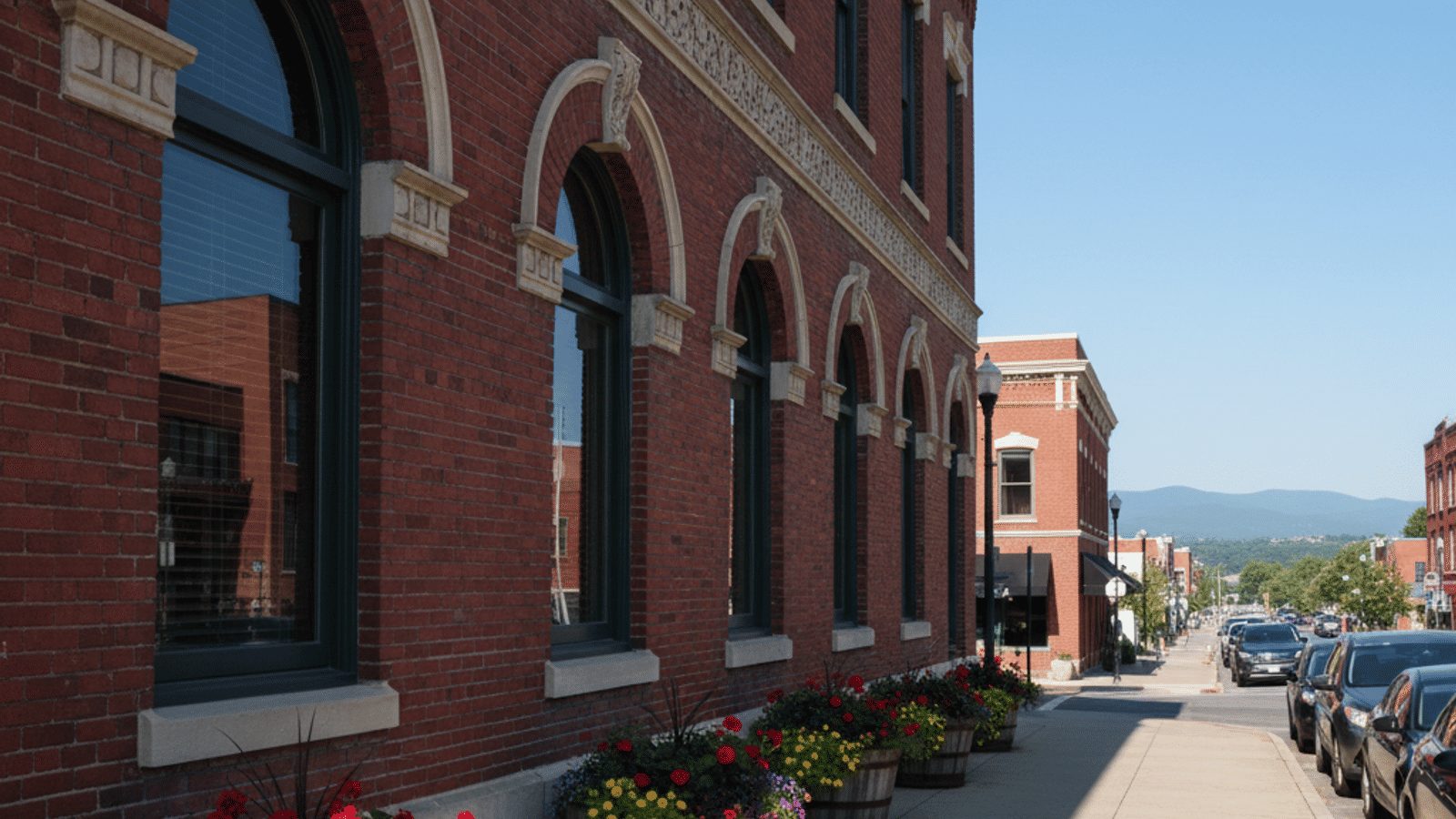
Living in East Tennessee: 2026 Rental Market Snapshot
There is a reason everyone seems to be moving here. Between the rolling heights of the Great Smoky Mountains, a reasonable cost of living compared to the coasts, and the lack of state income tax, East Tennessee has a lot going for it. If you are looking to plant roots here in early 2026, you’ll find a rental market that is finally catching its breath. After the wild price surges of the last few years, things are cooling slightly, though demand remains surprisingly sharp in the urban centers.
It’s important to know that “East Tennessee” isn’t just one single market. Prices swing wildly depending on which valley or ridge you choose to call home. Knoxville currently stands as the most expensive hub, driven by university growth and job seekers. On the flip side, the Tri-Cities area (Johnson City, Kingsport, and Bristol) still offers significant affordability for those willing to be a bit further from the major metros.
To give you a baseline, the statewide average for rent in Tennessee generally hovers around $1,340 per month. However, in East Tennessee, you might pay well over that for a downtown loft in Knoxville or significantly less for a quiet two-bedroom in Kingsport. It really comes down to exactly where you land on the map.
Knoxville: The Regional Hub’s Rental Costs
If you are thinking about living in Knoxville, you need to be prepared for the highest price tags in the region. As the economic and cultural heart of East Tennessee, Knoxville faces a classic supply-and-demand squeeze. Low inventory combined with a constant influx of professionals and students at the University of Tennessee (UT) keeps prices competitive.
As of early 2026, average rent estimates for the city generally sit between $1,730 and $1,800 per month across all property types. Of course, location is everything. If you want to be in the middle of the action downtown or in the historic Fort Sanders neighborhood near campus, you will pay a premium for that walkability. West Knoxville also tends to be pricier due to its extensive shopping and newer developments.
For those watching their wallet, more affordable options are often hidden in North and South Knoxville. Here is a rough idea of what different unit sizes are going for right now:
- Studios: ~$1,242
- 1-Bedroom: ~$1,378
- 2-Bedroom: ~$1,630
- 3-Bedroom: ~$2,070+
Chattanooga: Scenic Living at a Discount
Head about 90 minutes south, and you’ll find a different vibe and a slightly friendlier price point. Moving to Chattanooga has become a popular play for remote workers, largely because housing costs here are generally about 15% lower than in Knoxville.
Known as “Gig City” for its incredibly fast municipal internet, Chattanooga attracts a lot of tech-savvy renters who want mountain views without the big-city markup. The downtown and North Shore areas are undeniably trendy and command the highest rents, but if you look at suburbs like Hixson or East Brainerd, you can find much better value for your money.
In terms of budgeting, the average rent in the greater Chattanooga area usually falls in the $1,250–$1,460 range. You can expect to find one-bedroom apartments around $1,200 and two-bedroom units near $1,400. It’s a sweet spot for those who want urban amenities and outdoor access without breaking the bank.
Tri-Cities: The Budget-Friendly Alternative
If your priority is keeping monthly expenses low, the Tri-Cities area—comprising Johnson City, Kingsport, and Bristol—is arguably the best value in the region. These towns offer a slower pace of life and proximity to the mountains but with rent prices that are some of the lowest in the state.
This area is fantastic for retirees or anyone working remotely who doesn’t need to be in a major metropolis. Among the three, Kingsport often ranks as the most affordable, though all three are significantly cheaper than Knoxville.
- Johnson City: The average is roughly $1,000–$1,300, though this varies a lot depending on whether you are near East Tennessee State University (ETSU) student housing or in an older complex.
- Kingsport: You can find averages hovering around $980–$1,000.
- Bristol: Rents here are often the lowest, averaging $930–$950.
Sevierville & The Smokies: The Tourism Effect
Renting in Sevierville, Gatlinburg, or Pigeon Forge is a completely different beast compared to the rest of East Tennessee. Because this is the gateway to the Great Smoky Mountains National Park, the market is dominated by Short-Term Rentals (STRs) and vacation cabins.
Finding a standard long-term annual lease can be incredibly difficult because property owners can often make more money renting to tourists by the night. As a result, long-term inventory is scarce, and the prices for the few available units can be surprisingly high given the rural setting.
Many locals who work in the tourism industry end up commuting from areas near Douglas Lake or further out in Sevier County to find affordable housing. If you do find a long-term rental here, expect strict lease terms and stiff competition from other locals trying to secure housing.
Apartments vs. Single-Family Homes
Deciding between a managed apartment complex and a private house is a big choice in this market. Managed communities are great because they often include amenities like pools, fitness centers, and maintenance crews, but they almost always come with extra monthly fees for things like trash valet or package lockers.
Single-family home (SFH) rentals are very popular across East Tennessee, especially for those wanting a yard or more privacy. However, prices for rental homes have spiked recently. Private landlords can sometimes offer better deals than the large corporate-owned complexes, but you have to hunt for them.
In a market like Knoxville, renting a decent suburban home will likely cost you anywhere from $1,800 to $2,500+ per month. If you are willing to look at more rural counties like Roane or Greene, you can still find houses in the $1,200–$1,500 range.
Utilities and Hidden Housing Costs
When you are putting together your monthly budget, don’t stop at the rent price. You need to factor in the extras. The good news is that electricity in this region is supplied by the TVA (Tennessee Valley Authority), which keeps rates relatively affordable compared to national averages.
Internet is another key factor. If you are in Chattanooga, the EPB municipal fiber is world-class and a huge selling point. Knoxville’s KUB is also rolling out fiber, making high-speed access easier to find. However, if you are renting downtown in either city, do not forget about parking. It is rarely free and can add $50–$150 to your monthly bill. Also, almost every landlord will require renter’s insurance, which usually costs about $15–$20 a month.
Here is a quick look at what those utility bills might look like:
- Average Utility Bundle: ~$215/month (Electric ~$163, Water ~$34, Gas ~$19).
- Internet: ~$55–$75/month depending on speed.
Factors Influencing Your Rent Price
Several local factors can swing the price of a rental up or down. Seasonality is a big one. Rents tend to peak in the summer, which is prime moving season, and specifically in August for university towns like Knoxville and Johnson City due to the student influx.
Proximity to universities is a major price driver. The closer you are to UT Knoxville or ETSU, the higher the rent per square foot. Geography plays a huge role, too. Properties with views of the Tennessee River or unobstructed mountain vistas will always command a premium over standard subdivisions.
How Much Do You Need to Earn?
Most property managers in East Tennessee stick to the industry standard “3x income rule.” This means your household’s gross monthly income usually needs to be at least three times the monthly rent.
Let’s look at the math for the current market. To comfortably afford the $1,730 average in Knoxville, a household needs to bring in about $5,200 a month, or roughly $62,000 a year.
In contrast, if you are looking in Kingsport where the average is closer to $987, the income requirement drops to around $3,000 a month, or $36,000 a year. This gap highlights why many people looking for the best places to live in East Tennessee are shifting their search toward the Tri-Cities if they don’t strictly need to be in Knoxville for work.
Tips for Finding a Rental in 2026
The rental market moves fast here. If you are serious about securing a good spot, you should start your search at least 60 days in advance, especially if you are targeting university towns where the cycle is very predictable.
Be ready to apply the moment you view a place. In competitive markets like Knoxville and Chattanooga, good units can be leased within hours of being listed. Finally, don’t rely solely on the big rental websites. Drive through the neighborhoods you like and look for “For Rent” signs. Private landlords often skip the expensive online listings, and finding one of their signs can sometimes lead to the best deals in town.
Frequently Asked Questions
What is the cheapest city to rent in East Tennessee?
Among the major metro areas, Kingsport and Bristol in the Tri-Cities region are generally the cheapest options. You can often find apartments there averaging between $930 and $1,000 per month, which is significantly lower than Knoxville or Chattanooga.
Is rent in Knoxville expensive compared to Nashville?
Knoxville is still more affordable than Nashville, but the gap is closing. While you might pay $1,730 in Knoxville, comparable rentals in Nashville can easily exceed $2,000, though Knoxville’s prices have risen faster locally in recent years due to low inventory.
What is the average utility bill in East Tennessee?
You should budget roughly $215 per month for a standard utility bundle covering electricity, water, and gas. Electricity rates are generally reasonable thanks to the TVA, but usage spikes in the summer due to air conditioning and in the winter for heating.
When is the best time to look for an apartment in East TN?
The best time to lock in a lease is usually late winter or early spring before the summer moving rush begins. If you are looking in Knoxville or Johnson City, try to avoid July and August, as competition with returning university students drives availability down and prices up.
Building Your Dream Home in East Tennessee: A 2026 Guide

There is a specific allure to East Tennessee that is hard to shake once you’ve experienced it. Maybe it’s the mist rolling off the Great Smoky Mountains in the morning, the quiet of the rural valleys, or simply the financial freedom that comes with low property taxes and no state income tax. For many, the ultimate goal isn’t just moving here—it’s buying a piece of land and building a custom home exactly the way they want it.
However, building in the Volunteer State—especially in 2026—isn’t quite the “Wild West” some folks imagine. While it is true that we have more freedom here than in many coastal states, there is a reality to the “opt-out” counties and rural zoning that can trip up newcomers.
If you are looking to break ground near Knoxville, Chattanooga, the Tri-Cities, or the quiet counties in between, you need a roadmap. Let’s walk through what it actually takes to get from a raw patch of land to a finished driveway.
Cost to Build a House in East Tennessee (2026 Estimates)
One of the first questions I get over coffee is, “What’s the damage going to be per square foot?” It is the most important number for your budget, but it’s also a moving target. As of early 2026, material prices have stabilized somewhat, but labor remains in high demand.
Construction Costs at a Glance
For a standard custom build, you are likely looking at a range of $130 to over $350 per square foot, excluding the land itself.
- Basic Builder-Grade: If you are keeping finishes simple (think laminate countertops, vinyl siding, standard fixtures), expect $130–$160 per square foot.
- Semi-Custom: This is where most buyers land. With hardwood floors, quartz counters, and maybe a stone fireplace, you are looking at $180–$250 per square foot.
- Luxury or Mountain Custom: If you want heavy timber beams, a steep metal roof, or a chef’s kitchen, costs easily jump to $300–$450+ per square foot.
The “Hidden” Site Prep Costs
Here is where the budget often breaks for people moving from flatter states. East Tennessee is beautiful because of the hills, but hills are expensive. If you buy a steep ridge-line lot for the view, you might spend $10,000 to $50,000+ just on the foundation and retaining walls before a single stick of wood is framed.
Also, permit fees here are generally refreshing compared to the national average. Depending on the county, you might pay anywhere from $1,000 to $4,000 for your building permits. It’s a small line item, but it varies significantly depending on whether you are inside city limits or out in the county.
When you factor all this in, the overall cost of living in Tennessee is still attractive, but construction requires a healthy contingency fund.
Step 1: Buying Land in East TN (What to Look For)
Finding the right land is about 80% of the battle. You might see a listing for five acres priced at $25,000 and think you’ve struck gold, but usually, there is a reason it’s that cheap.
Topography is King
In real estate here, flat land is premium land. If a lot is flat and buildable, it commands a higher price per acre. Sloped land is cheaper upfront, but as mentioned above, you will pay that savings back to your concrete subcontractor. When you are walking a property, look for a natural “bench” or flat spot where a house could sit without requiring massive excavation.
The All-Important Perc Test
If you are building outside city limits (which is most custom builds), you won’t have sewer access. You will need a septic system. Before you close on any land, you must have a soil scientist perform a “perc test” (percolation test).
This test determines if the soil can absorb water fast enough to handle a septic field. If the land doesn’t perc, you generally cannot build a house there. Never skip this step.
Check the Deed Restrictions
Just because a property is in a rural county doesn’t mean there are no rules. Even without an HOA, land can have deed restrictions that prohibit mobile homes, impose minimum square footage requirements, or ban barndominiums. Always have your title company or agent pull the deed restrictions during your due diligence period.
- Rural Land Pricing: Approx. $5,000–$15,000 per acre (e.g., Hancock, rural Greene counties).
- Prime/Suburban Land: Approx. $50,000–$150,000+ per acre (e.g., Williamson, Sevier, outskirts of Knox).
Zoning, Permits, and “No Code” Counties
There is a lot of confusion regarding “no code” counties. You will often hear people say, “I’m moving to a county with no building codes so I can do what I want.” That is only half true.
City vs. County vs. State
If you build inside a city like Knoxville or Chattanooga, you will deal with strict municipal codes and frequent inspections. However, some rural counties in Tennessee have “opted out” of residential building codes. This means the county itself might not send an inspector to check your framing spacing or your insulation R-value.
The Inspections You Can’t Skip
Even in an opt-out county, you are not totally off the hook.
- Electrical: The State of Tennessee handles electrical inspections. You must pass a state electrical inspection to get power turned on.
- Septic: The Tennessee Department of Environment and Conservation (TDEC) manages septic permits. You cannot install a system without their approval.
Greenbelt Tax Benefits
If you are buying a larger tract of land, keep the “Greenbelt” law in mind. If you purchase 15 acres or more, you may qualify for agricultural tax assessments, which can significantly lower your Tennessee property taxes. It’s a great way to make holding a large property more affordable.
Financing Your Build: Construction Loans & Lenders
Unless you are sitting on a pile of cash, you will likely need a construction loan. These are different from standard mortgages and can be tricky if you haven’t done one before.
One-Time Close Loans
The most popular product right now is the “Construction-to-Permanent” loan, often called a single-close loan. You close once, pay closing costs once, and the loan converts to a standard mortgage after the house is finished. This locks in your interest rate early, which is smart in a fluctuating market.
The Down Payment Reality
Banks view construction as higher risk than buying an existing home. Consequently, most lenders require a 20% to 25% down payment based on the total project cost (land + build). You will also need a detailed contract, floor plans, and a specs list from your builder before the bank will appraise the project.
The Owner-Builder Challenge
I talk to many people who want to be their own General Contractor to save money. Be aware that most banks will not lend on an owner-builder project unless you are a licensed contractor yourself. If you want to manage the build yourself, you usually need to finance it with your own cash.
Local Lenders to Watch:
- Home Federal Bank of TN
- Wilson Bank & Trust
- TVFCU (Tennessee Valley Federal Credit Union)
- USDA Rural Development (for specific eligible rural areas)
Setting Up Utilities: Well, Septic, and Power
When you are looking at raw land, you need to verify exactly how you will keep the lights on and the water running.
Water: Public vs. Well
Public water lines are extending further into rural areas, but don’t assume they are available just because there is a road. If you need to drill a well, remember that East Tennessee is rocky. Drilling costs average $15 to $30 per foot. Since you might hit water at 100 feet or 400 feet, budgeting for a well—typically $4,000 to $15,000+—can be a gamble.
Septic Systems
As mentioned earlier, TDEC controls this process. If your soil is rocky or heavy clay (common here), a standard gravity system might not work. You may be forced to install a “mound” system or a pump system, which can drive the cost from a standard $6,000 up to $20,000.
Electric & Internet
Identify your local utility provider early. In rural areas, this is often a cooperative like Powell Valley Electric or Sevier County Electric. The good news is that fiber internet is expanding rapidly across the state thanks to relentless work by these co-ops. However, always verify specific address availability—don’t just take a “high-speed internet available” listing description at face value.
The Construction Timeline: Clearing to Keys
Once you close on the loan and permits are issued, the fun (and the stress) begins. Here is how the physical process generally unfolds in our region.
Site Prep and Excavation
This involves clearing trees and grading the driveway. If you have hardwood timber (oak, walnut, cherry), try to sell it or mill it rather than just burning it. During grading, this is when you find out if your soil is dirt or solid limestone.
Foundation and Framing
Crawl spaces are the most common foundation type in Tennessee. They are cost-effective and provide access to plumbing. Basements are popular on sloped lots, but remember: “digging” a basement here often means “blasting” a basement if you hit rock.
Dry-In Phase
Tennessee weather is unpredictable. We get heavy seasonal rains, so the race is to get the house “dried in”—meaning the roof, windows, and sheathing are installed—as fast as possible. Once the house is weather-tight, the pace can slow down for interior work.
Final Inspection
After plumbing, electrical, and HVAC are done, you’ll have your final inspections. Once the county (or city) issues your Certificate of Occupancy (CO), you can move in.
FAQ: Building in East Tennessee
Can I be my own General Contractor in Tennessee?
Yes, you can act as your own contractor for a personal residence (owner-builder) in Tennessee. However, you can generally only do this once every two years to avoid being classified as a commercial builder. The biggest hurdle is financing; very few banks will issue a construction loan to an owner-builder without a general contractor’s license.
How much does it cost to drill a well in East Tennessee?
Costs vary wildly depending on depth, but you should budget between $15 and $30 per foot. Most complete well systems (drilling, pump, and pressure tank) end up costing between $4,000 and $15,000. Because of the limestone and bedrock in the region, drilling can sometimes take longer than expected.
Which counties in East Tennessee have no building codes?
Several rural counties have opted out of adopting residential building codes for structure and framing. However, this list changes, so you must verify with the specific county planning office current as of 2026. Remember that regardless of county codes, state-mandated electrical and septic inspections are always required.
Is it expensive to build on a sloped lot?
Yes, building on a slope is almost always more expensive than building on flat land. You will face higher costs for engineered foundations (retaining walls, taller concrete pours) and potentially more complex driveway grading. However, sloped lots often come with the best mountain views, so many buyers find the trade-off worth it.
A Guide to Schools in East Tennessee: Finding the Right Fit for Your Student
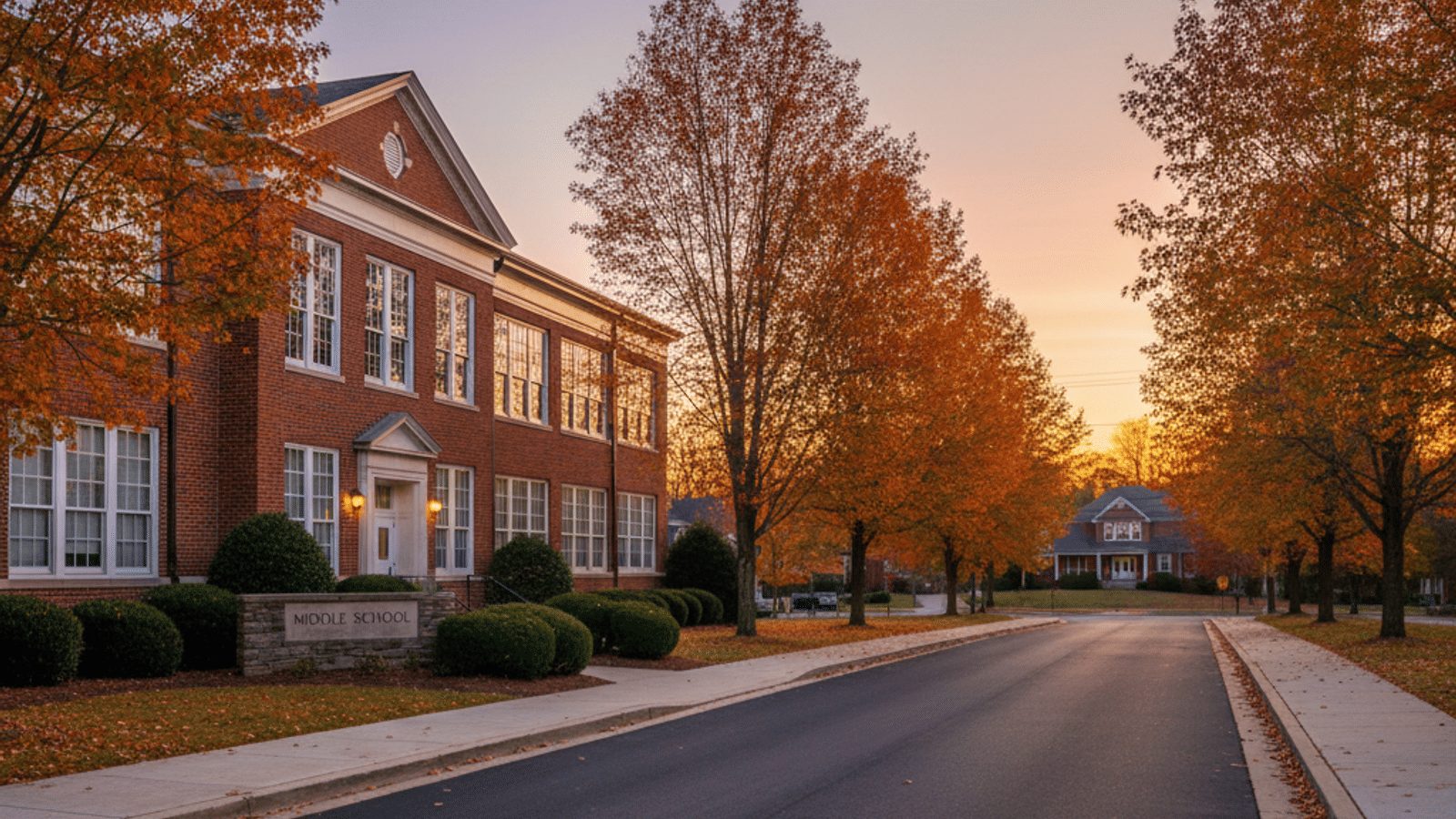
Moving to East Tennessee brings a lot of excitement—mountain views, friendly communities, and a lower cost of living. But if you have school-aged children or are planning for the future, navigating the educational landscape here can feel a little different than in other states.
We have everything from massive county-wide systems to independent city districts and historic private academies. Whether you are looking at living in Knoxville, checking out the scenic ridges of Chattanooga, or exploring the Tri-Cities, understanding how schools operate here is the first step to finding a home that matches your educational goals.
Navigating Education Options in East Tennessee
When you start looking at homes here, you’ll quickly notice that school boundaries don’t always follow standard county lines. East Tennessee offers a mix of large county systems and smaller, independent city districts that operate within those counties.
For newcomers, the three major hubs—Knoxville, Chattanooga, and the Tri-Cities (Johnson City, Kingsport, Bristol)—each have distinct “personalities” when it comes to education. You’ll find rigorous magnet programs, large comprehensive high schools with college-style campuses, and smaller community-focused schools tucked away in the foothills.
One thing is consistent: options. From moving to East Tennessee for the public schools to seeking out prestigious private education, you have plenty of pathways to choose from.
Understanding the Public School System Structure
If there is one thing that confuses buyers moving from out of state, it’s the “City vs. County” distinction. In many parts of the country, the school district is just the county you live in. Here, it’s a bit more nuanced.
- City vs. County Schools: Tennessee has over 140 school districts. In many East Tennessee counties, distinct cities operate their own independent school systems separate from the surrounding county system. For example, living in the city limits of Alcoa puts you in Alcoa City Schools, while living just across the street might place you in Blount County Schools. These districts often differ in funding, governance, and zoning.
- Zoning and Open Enrollment: Generally, where you sleep determines where you learn. Strict zoning is the norm. However, Tennessee has laws regarding open enrollment that require districts to identify open seats. That said, popular schools often fill up with zoned students first, so relying on a transfer can be risky.
- Magnet Schools: You will hear this term a lot, especially in Chattanooga and Knoxville. These are public schools with specialized curriculums (like Arts or STEM) that often require an application or lottery, regardless of where you live in the county.
Knoxville and Knox County Schools
Knoxville is unique among the major East TN metros because it operates as a unified district. There is no separate “Knoxville City” school system; it is all Knox County Schools (KCS). This streamlines things for newcomers since you don’t have to worry about city limit boundaries affecting your district eligibility—only your specific school zone.
KCS serves roughly 60,000+ students, making it a large system with diverse offerings. You’ll often hear locals discuss high schools like Farragut High School and Bearden High School, which are widely recognized for their comprehensive academic programs and high graduation rates.
If you are interested in non-traditional environments, the district is home to the L&N STEM Academy, a magnet high school located right near World’s Fair Park. It focuses on science, technology, engineering, and math disciplines and draws students from all over the county.
The vibe can vary significantly depending on where you settle. You can choose best neighborhoods in Knoxville that feed into walkable, historic community schools, or opt for suburban areas where the schools are large, modern campuses with sprawling athletic facilities.
Chattanooga and Hamilton County Schools
Heading south to Chattanooga, the landscape shifts again. Hamilton County Schools serves the entire area, including downtown Chattanooga and the surrounding suburbs.
What really sets Chattanooga apart is its robust Magnet School system. Schools like the Chattanooga School for the Arts & Sciences (CSAS) and the Chattanooga High Center for Creative Arts (CCA) are public institutions that draw students based on interest and aptitude rather than just geography. These schools have created a vibrant educational culture in the city center.
It is also worth noting that Chattanooga has a very high density of private schools compared to other Tennessee metros. Even families who are strong proponents of public education often weigh options like Baylor School, McCallie, or Girls Preparatory School (GPS), which attract boarding students from around the world. If you are moving to Chattanooga, you’ll want to decide early if you are targeting a specific magnet zone, a traditional neighborhood school, or the private route.
The Tri-Cities: Johnson City, Kingsport, and Bristol
In the northeast corner of the state, the “City School” model is the dominant force. Here, the city limits really matter.
Johnson City Schools and Kingsport City Schools are independent districts that operate separately from Washington County and Sullivan County schools, respectively. These city systems are known for strong community support and often have higher per-pupil spending.
Two high schools here are legendary for their size and resources:
- Dobyns-Bennett High School (Kingsport): One of the largest high schools in the state, known for having an incredible variety of AP courses and a nationally recognized band program.
- Science Hill High School (Johnson City): Another massive campus that feels almost like a small college, offering extensive Career and Technical Education (CTE) pathways.
Residents in these areas are often very loyal to their city systems. If you are house hunting here, your real estate agent will likely check strictly to see if a home is “in the city” or “in the county,” as it determines which of these systems you enter.
Notable Suburban and Rural Districts
Some of the highest-rated education experiences in East Tennessee happen just outside the major cities.
- Maryville City & Alcoa City Schools: Located in Blount County (just south of Knoxville), these two separate city districts consistently rank in the top tier of the state for academic achievement. Competition for homes inside these city limits can be fierce because the school zones are highly desirable.
- Oak Ridge Schools: Located in Anderson County, Oak Ridge was built for the Manhattan Project. That scientific heritage remains; the schools here have a historic reputation for excellence in STEM, supported by the proximity to Oak Ridge National Laboratory.
- Sevier County: As you get closer to the Great Smoky Mountains, Sevier County has seen tremendous growth. Schools here are adapting quickly to a growing population and offer modern facilities, particularly in the Sevierville and Seymour areas.
Private and Independent School Options
For families seeking religious education or a traditional college preparatory environment, East Tennessee has a deep bench of options.
As mentioned, Chattanooga is a hub for prestigious boarding and day schools. In Knoxville, you have well-established institutions like the Webb School of Knoxville, Knoxville Catholic High School, and the Christian Academy of Knoxville (CAK).
In the Tri-Cities and rural areas, private options tend to be smaller Christian academies rather than large secular prep schools. Regardless of where you land, if you prefer private education, you won’t have to look far to find accredited institutions with rigorous standards.
Higher Education and TN Promise
We can’t talk about education here without mentioning what happens after high school. East Tennessee is home to the state’s flagship university, the University of Tennessee (UT Knoxville). It’s a massive economic engine and a major research hub. You also have East Tennessee State University (ETSU) in Johnson City, which includes a highly respected medical school, and UT Chattanooga, which is deeply integrated into the city’s downtown tech scene.
A huge perk for residents is the TN Promise scholarship.
- What it is: A scholarship and mentoring program that provides two years of community or technical college tuition-free to eligible high school graduates.
- Who it’s for: It’s available to all high school seniors in Tennessee, regardless of GPA or family income.
- TN Reconnect: There is even a version for adults who want to go back and earn a degree.
This is a significant financial incentive for families moving here with teenagers. Knowing that a two-year degree or technical certification is covered can change the financial planning landscape for college.
Practical Tips for Relocating Families
If you are ready to make the move, here are a few logistics to keep in mind to ensure a smooth transition for your student.
- Trust the Map, Not the Zip Code: In East Tennessee, a mailing address zip code does not guarantee a school zone. You might have a “Knoxville” zip code but be zoned for a county school outside the main district, or vice versa. Always verify the address with the official district zoning map or the tax records.
- Documentation is Key: Registration requires strict proof of residency. Usually, you will need a lease or deed, plus a utility bill in your name. If you are staying in temporary housing while you build or buy, call the central office ahead of time to see what they accept.
- Watch the Calendar: If you are interested in Magnet schools or requesting an out-of-zone transfer, those application windows often open (and close) early in the calendar year—sometimes as early as January or February for the following fall.
Choosing the Right Fit in East Tennessee
Whether you prioritize a large high school with Friday night football rivalries, a focused STEM magnet program, or a small private academy, East Tennessee has a seat for your student. The quality of education here is high, and the variety allows you to match a school to your child’s specific needs.
I always encourage clients to visit the schools if possible. Walk the campus, check the most recent state report cards for the 2025-2026 school year, and get a feel for the community culture. Once you know where you want your student to be, we can focus on finding the perfect home nearby.
Frequently Asked Questions
What is the difference between city and county schools in Tennessee?
City schools are independent districts run by a specific municipality (like Maryville or Kingsport), separate from the surrounding county school system. They often have their own school boards, funding structures, and zoning boundaries, meaning you must live within the city limits to attend them without paying tuition.
Does Tennessee offer open enrollment for schools?
Tennessee has laws requiring districts to identify open seats and allow for open enrollment, but space is often limited in high-demand schools. While you can apply to attend a school outside your zone, acceptance is not guaranteed and usually depends on capacity after zoned students are seated.
What are the best school districts in East Tennessee?
High-performing districts frequently cited for academic achievement include Maryville City Schools, Kingsport City Schools, and Oak Ridge Schools. Within larger county systems like Knox and Hamilton, specific clusters (such as the Farragut zone in Knox County or the Signal Mountain zone in Hamilton County) also have strong reputations for high graduation rates and test scores.
What is the TN Promise program?
TN Promise is a state-sponsored scholarship program that provides two years of tuition-free attendance at a community or technical college in Tennessee. It includes a mentoring component and is available to all eligible high school seniors in the state, making higher education much more accessible.
Navigating Life in East Tennessee: A 2026 Mobility Guide
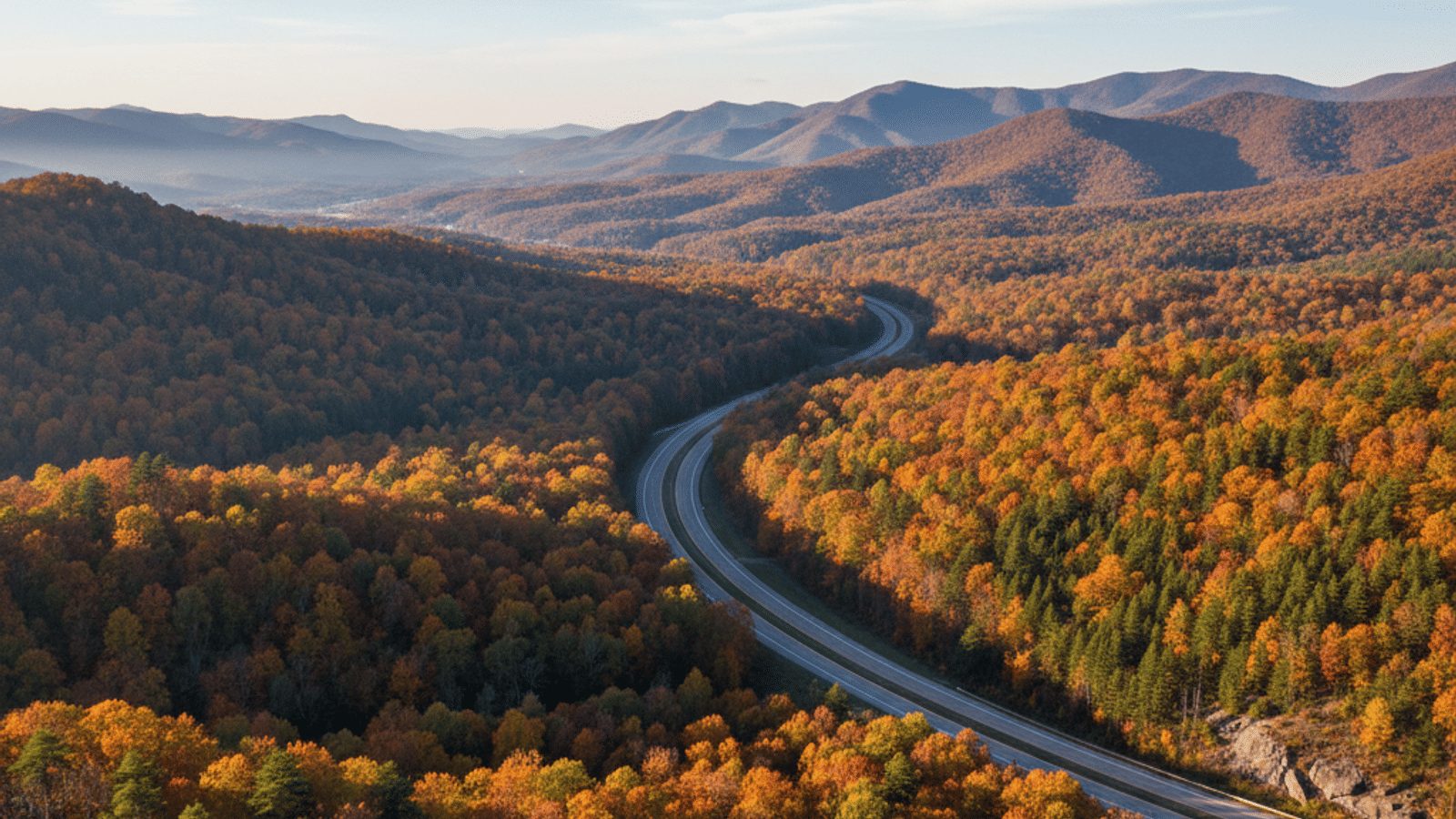
East Tennessee is defined by its landscape. We have sweeping valleys, ridgelines that seem to go on forever, and metropolitan areas that tend to spread outward rather than upward. When you’re thinking about moving to East Tennessee, the first thing to understand is that our geography dictates how we get around.
The honest reality for most newcomers is that you are going to need a car. While our downtowns are becoming more walkable, the region is vast. Living here means your daily routine might involve hopping between counties for work, shopping, or hiking. Whether you are looking at living in Knoxville, settling down in the Tri-Cities, or moving to Chattanooga, understanding the flow of traffic and the lay of the land is just as important as finding the right house.
It’s also worth noting that driving here isn’t just a commute; often, it’s a scenic tour. But to enjoy the view, you need to know how to handle the roads, where the bottlenecks are, and what alternatives exist when you want to leave the car in the garage.
The Backbone of the Region: Major Interstates
If you look at a map of East Tennessee, you’ll see a network of interstates that act as the primary arteries for the entire region. These roads don’t just carry commuters; they carry a massive amount of freight and tourism traffic, so knowing which one does what is essential.
I-40 is the main east-west corridor and likely the road you will use most often. It connects Knoxville to Nashville in the west and runs straight through the mountains into North Carolina in the east. It handles heavy truck traffic, so you have to stay alert. I-75 is the major north-south route connecting Chattanooga to Knoxville.
A specific spot you need to know about is the “split” in West Knoxville where I-40 and I-75 merge and then separate. This is widely considered the busiest congestion point in the area. If you are looking at the best suburbs of Knoxville, pay attention to where they sit relative to this interchange, as it will dictate your morning routine.
For those further northeast, I-81 is vital. It bypasses Knoxville to the north and serves as the main line for accessing Bristol, Kingsport, and Johnson City. Finally, I-26 acts as the connector for the Tri-Cities, dropping south into Asheville, NC. One thing to keep in mind regarding I-40 near the North Carolina border is the gorge—it is beautiful, but it is a winding stretch that can occasionally close due to rockslides or severe weather, so it pays to check your route before heading to the coast.
Public Transportation: What to Expect in Major Cities
If you are coming from a city with a massive subway system or 24/7 bus lines, you’ll find the pace different here. Public transit exists, but it is generally designed to serve city centers and main corridors rather than sprawling suburbs.
In Knoxville, KAT (Knoxville Area Transit) provides bus service that covers the downtown area, the university district, and major shopping corridors. It is reliable for getting around the city core, but if you choose a home in a far-flung suburb, the bus likely won’t reach your driveway.
Chattanooga offers the CARTA system, which is actually quite robust for a city of its size. The standout feature here is the Electric Shuttle. It’s a free loop that runs daily in the downtown area. This isn’t just for tourists visiting the Aquarium; plenty of locals use it to commute between the North Shore and downtown offices without worrying about parking. If you are interested in downtown Chattanooga living, this shuttle is a massive perk.
In the tourist heavy areas of Sevier County—specifically Gatlinburg and Pigeon Forge—transit looks a little different. We have extensive trolley systems. The Gatlinburg Trolleys are free and run year-round, making them a genuine pedestrian asset. The Pigeon Forge “Fun Time” trolleys have very low fares (usually $1 to $3). While these are designed for visitors, locals absolutely use them to avoid the headache of parking during peak seasons.
Driving in the Mountains: Tips for Flatlanders
If you are relocating from a flat area, driving in the foothills and mountains requires a slight adjustment in driving style. The roads here are gorgeous, but they demand respect.
Winter weather is the biggest variable. We don’t get deep snow very often, but we do get ice. The mountains create microclimates where a wet road in the valley becomes a sheet of black ice on a shaded mountain curve. The motto from the Tennessee Department of Transportation (TDOT) is “Take it Slow,” and it’s good advice.
Topography also plays a role in daily driving. In counties like Sevier, Blount, and rural Hamilton, you will encounter steep grades and switchbacks. You’ll want to be mindful of your brakes on long descents. Wildlife is another real factor; deer are everywhere, and in the outlying areas near the Smokies, black bears crossing the road at dusk is a common occurrence.
For the best real-time info, I always tell clients to download the TDOT SmartWay app. It gives you access to live traffic cameras and road condition reports. Also, be aware that GPS signals can drop completely in the deep cuts of the Great Smoky Mountains, so having a general sense of direction helps.
Connecting to the World: Regional Airports
When you need to travel for business or vacation, you have three solid local options, plus two major international hubs nearby.
McGhee Tyson Airport (TYS) serves the Knoxville area and is located about 12 miles south of downtown. It’s the largest regional hub here and is currently undergoing some exciting changes. As of March 2026, Southwest Airlines has expanded its service at TYS, adding more nonstop flights to major destinations like Nashville, Dallas, and Orlando. This has been a huge win for local connectivity.
Chattanooga Metropolitan Airport (CHA) is a favorite among locals because it is incredibly user-friendly. The lines are short, parking is close, and it connects well to Atlanta and Charlotte. Further northeast, the Tri-Cities Airport (TRI) serves the Kingsport, Johnson City, and Bristol area. It is compact, easy to navigate, and rarely crowded.
For direct international flights or cross-country hauls, most East Tennesseans drive to Nashville (BNA) or Atlanta (ATL). Both are within a manageable driving distance (roughly 2 to 3 hours depending on your starting point) and open up the rest of the world.
Daily Commute Times and Traffic Patterns
When budgeting for the cost of transportation, time is just as valuable as gas money. Traffic in East Tennessee has increased as more people discover how great it is to live here, but it generally beats the gridlock of major coastal cities.
In Knoxville, rush hour typically hits between 7:30–9:00 AM and again from 4:30–6:00 PM. As mentioned earlier, the West Knoxville corridor along I-40/I-75 sees the heaviest volume. Fridays can be particularly heavy as weekend travelers mix with commuters.
Chattanooga traffic usually centers around the “Ridge Cut” on I-24, where the interstate curves around Missionary Ridge. It is a known bottleneck, but outside of that, the average commute for many residents hovers around 20 minutes.
The Tri-Cities area offers a different dynamic. Traffic is generally lighter here. Because the region is composed of three distinct cities, it is very common to live in one and work in another. Commuting via I-26 or I-81 is usually efficient, with less “stop-and-go” stress than the larger metros.
Walkability, Biking, and Ride-Shares
For those moments when you want to leave the car keys on the counter, there are options, though they depend heavily on your zip code.
Walkability is high in our downtown cores. Gay Street and Market Square in Knoxville, or the North Shore and Riverfront in Chattanooga, are incredibly pedestrian-friendly. However, once you move into the suburbs, walkability drops significantly, and you are back in car territory.
Greenways are a massive part of the lifestyle here. Both Knoxville and Chattanooga have invested heavily in paved trail systems. The Tennessee Riverwalk in Chattanooga spans miles and is used by many for biking to work or weekend exercise. Knoxville’s greenway system connects several parks and neighborhoods, offering a safe route for cyclists away from road traffic.
Regarding ride-shares like Uber and Lyft: they are reliable and plentiful in the city centers and near the airports. However, if you are buying a home in a rural part of Blount County or deep in Sevier County, do not rely on ride-shares as a daily commuting tool. Availability can be very scarce, especially early in the morning or late at night.
Frequently Asked Questions
Is public transportation reliable in East Tennessee?
In the downtown centers of Knoxville and Chattanooga, public transit is reliable and useful for short hops. However, for regional travel or daily commuting from the suburbs, it is not a viable replacement for owning a personal vehicle.
Do I need 4-wheel drive to live in East Tennessee?
You don’t strictly need a 4-wheel drive vehicle for most city driving, but All-Wheel Drive (AWD) is very helpful if you have a steep driveway or plan to drive on back roads during the winter. It provides extra peace of mind on wet, winding mountain roads.
How bad is the traffic in Knoxville vs. Chattanooga?
Knoxville generally sees higher overall volume, especially in the western suburbs where the interstates merge. Chattanooga traffic is usually lighter but suffers from specific choke points, like the Ridge Cut on I-24 and the I-75 split, which can cause significant delays during rush hour.
What is the closest international airport to East Tennessee?
While local airports like TYS and CHA connect to major hubs, the closest true international airports are Nashville International (BNA) and Hartsfield-Jackson Atlanta (ATL). Most residents drive to one of these for direct overseas flights.
Is East Tennessee the Right Move for Your Household in 2026?
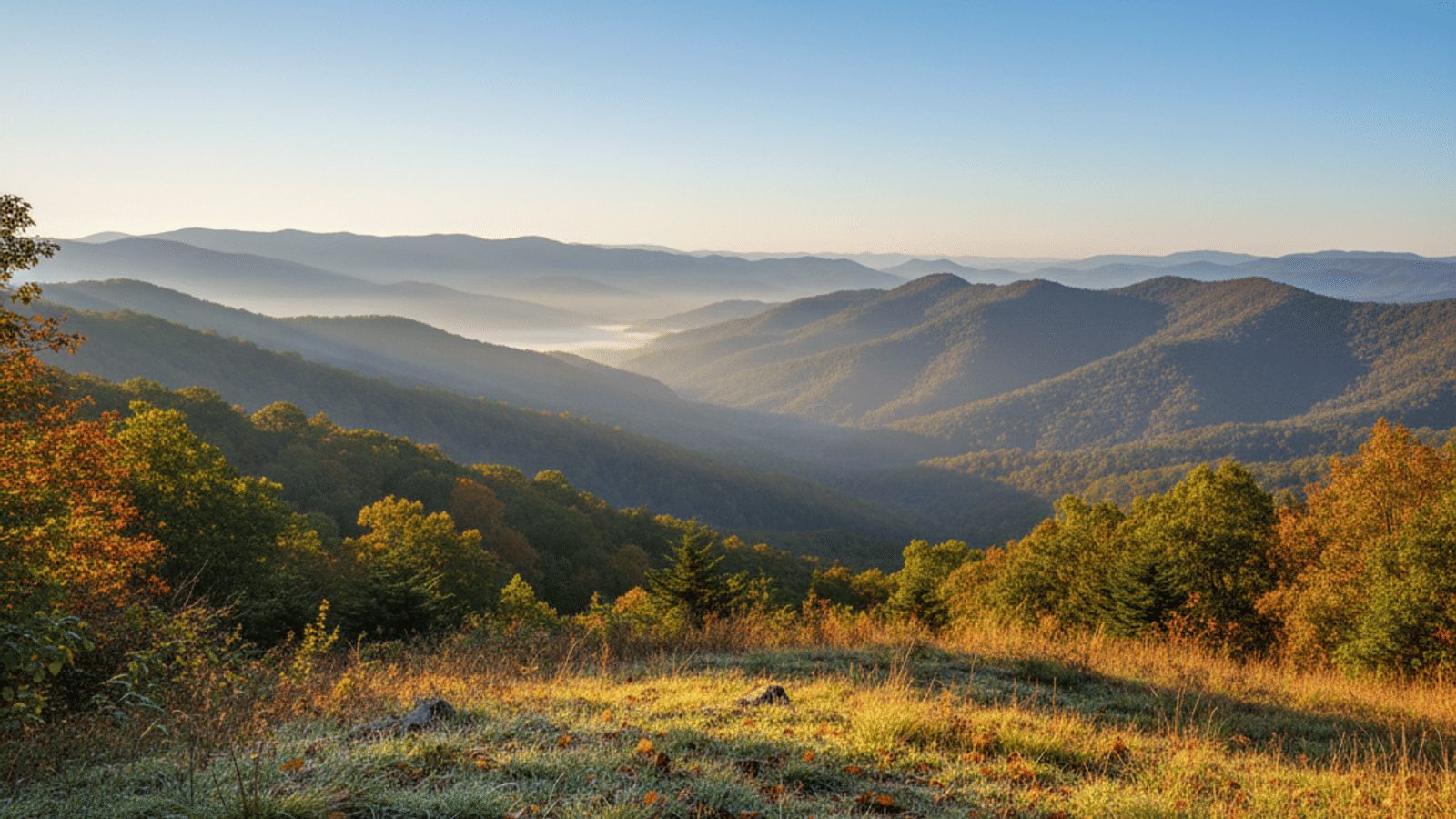
If you have been scrolling through listings and daydreaming about mountain views, you aren’t alone. East Tennessee has transformed from a quiet regional secret into one of the most sought-after relocation spots in the country. Geographically, we are talking about the dramatic sweep of the Valley and Ridge province, right up against the Great Smoky Mountains. It is scenic, green, and compared to many coastal metros, it still feels like a breath of fresh air.
The numbers back up the buzz. In the Knoxville area alone, we are seeing about 14 new residents arrive every single day. People are drawn here by a mix of genuine affordability and immediate access to nature. However, it is important to go in with your eyes open. The region is experiencing some growing pains – traffic is heavier than it was five years ago, and infrastructure is playing catch-up. But for most folks making the move, the blend of economic stability and that distinct Southern pace of life makes the trade-offs well worth it.
If you are thinking about moving to Knoxville or exploring the wider region, 2026 is a pivotal year to get into the market before it matures further.
Cost of Living and Housing Market Trends
Let’s get right to the bottom line because this is usually the biggest driver for relocation. For a long time, East Tennessee was incredibly cheap. Now, I would describe it as “affordable but competitive.”
Housing costs here have risen, but they still look attractive compared to national hotspots. In early 2026, the median home price in Knox County is hovering between $375,000 and $400,000. You can still find a spacious, detached single-family home with a yard for a price that might only get you a condo in Chicago or New York.
The tax situation is where your monthly budget really gets a breather. Tennessee has no state income tax on wages. That is an immediate raise for anyone relocating from a high-tax state. Property taxes are also generally low compared to the Northeast and Midwest. You aren’t going to see those five-figure annual tax bills that are common in New Jersey or Illinois.
However, the state has to make money somehow, and they do it through sales tax. You should expect to pay around 9.25% on purchases, which includes groceries in some jurisdictions (though often at a reduced rate). Speaking of groceries, daily expenses here are reasonable. The Knoxville grocery index typically sits around 95 – meaning you are paying about 5% less than the national average.
Utilities are another win. Thanks to the Tennessee Valley Authority (TVA), electricity rates are relatively stable and affordable. Here is how the costs usually balance out:
- Housing: Significantly lower than coastal averages.
- Income Tax: $0.
- Sales Tax: Higher than average (~9.25%).
- Utilities: Reliable and generally below national norms.
Education and School District Highlights
For households with school-aged children, the quality of the local district is often the dealbreaker. Fortunately, East Tennessee has some strong contenders that consistently perform well in state rankings.
If you are looking into the best schools in East Tennessee, three distinct districts usually come up in conversation. Maryville City Schools is often ranked in the top 5 statewide. It operates independently of the county system and is known for rigorous academics and strong community support. Then there is Oak Ridge Schools. Because of the heavy influence of the Oak Ridge National Laboratory (ORNL), this district has historically received high funding and places a massive emphasis on STEM curriculum.
Further northeast, Kingsport City Schools also maintains a stellar reputation. It is worth noting that Greeneville and Alcoa also have notable top-tier districts.
For higher education, the University of Tennessee in Knoxville (UTK) is the flagship, bringing SEC energy and major research dollars to the area. East Tennessee State University (ETSU) anchors the Tri-Cities. Also, don’t overlook the Tennessee Promise program, which offers two years of tuition-free community college or technical school to eligible high school graduates. It is a huge asset for long-term educational planning.
Outdoor Recreation and Lifestyle
This is the fun part. The lifestyle here is almost entirely defined by the landscape. You are living on the doorstep of the Great Smoky Mountains National Park, the most visited national park in the U.S. This isn’t just a tourist trap; for locals, it means weekends spent hiking, camping, and exploring immense biodiversity just 45 minutes from home.
If you prefer water over woods, the TVA lake system is incredible. Lakes like Norris, Watts Bar, and Fort Loudoun offer hundreds of miles of shoreline. In the summer, the culture shifts to the water—boating, fishing, and paddleboarding are standard weekend activities.
The community vibe is distinct in each city, but there is a shared love for local gatherings. Knoxville is known as the “Maker City,” rich with farmers markets and festivals like the Rossini Festival and Dogwood Arts. And of course, in the fall, everything pauses for football. The SEC sports culture runs deep here.
- Mountains: endless trails in the Smokies.
- Water: Massive reservoirs for boating and fishing.
- Culture: Dollywood in Pigeon Forge and the Tennessee Aquarium in Chattanooga are major regional anchors.
Top Communities to Consider
East Tennessee isn’t just one big town; it is three distinct metro areas, each with a different personality.
Knoxville & Suburbs Knoxville is the central hub. If you want upscale amenities, parks, and greenways, look at living in Farragut. It is well-established and has a high concentration of recreational facilities. For newer construction, Hardin Valley is booming, though traffic there is getting heavier. If you want a smaller town feel with genuine mountain views, Maryville is a fantastic option just south of the city.
Chattanooga Known as “Gig City” for being the first to roll out citywide gigabit internet, Chattanooga attracts a tech-savvy, outdoor-focused crowd. The riverfront downtown is walkable and scenic, and the city sits in a bowl surrounded by ridges, making it a climber’s and hiker’s paradise.
Tri-Cities (Johnson City / Kingsport / Bristol) If the prices in Knoxville or Chattanooga feel a bit high, the Tri-Cities area is the next logical look. It is generally more affordable and moves at a quieter pace. It has a very strong healthcare sector and offers a slightly more rural, mountainside feel compared to the larger metros.
Healthcare Access and Safety
When you are moving to a new region, you need to know where the hospitals are. The healthcare infrastructure here is robust, serving as a regional hub for huge swaths of Appalachia.
In the Knoxville area, Covenant Health and UT Medical Center are the primary systems. UT Medical is a Level I Trauma Center and a teaching hospital, offering advanced specialty care. In the Tri-Cities, Ballad Health is the dominant provider.
Regarding safety, it varies significantly by neighborhood, just like anywhere else. Generally, suburban municipalities like Farragut (outside Knoxville) and Signal Mountain (outside Chattanooga) report lower crime rates compared to the denser metro centers.
There is one specific health factor I always mention to newcomers: allergies. East Tennessee, particularly the Knoxville area, is geographically a valley. Pollen settles here and stays. If you suffer from seasonal allergies, you will likely feel it in the spring and fall. It is manageable, but stock up on antihistamines.
Job Market and Economy
You might be moving for the mountains, but you likely still need a paycheck. The economy here is diverse and anchored by some heavy hitters.
The Department of Energy has a massive footprint in Oak Ridge. Between the Oak Ridge National Laboratory (ORNL) and the Y-12 National Security Complex, there are thousands of high-paying jobs in science, engineering, and security.
Manufacturing and logistics are also huge. We are situated near two major interstates (I-40 and I-75), making this a logistics hub. Major employers include the Pilot Company, Clayton Homes, and Eastman Chemical up in Kingsport.
For remote workers, the lack of state income tax is a massive draw. We see a lot of people bringing their coastal salaries to Tennessee, which goes a long way here. Unemployment rates in Knox and Hamilton counties typically stay low, hovering in the 3% to 4% range.
Summary: Pros and Cons of Living in East Tennessee
Before you call a mover, let’s balance the scales.
Pros
- Financials: The cost of living is manageable, and paying zero state income tax helps your savings grow faster.
- Nature: You have world-class access to mountains, lakes, and trails.
- Climate: We get four distinct seasons. You get a beautiful autumn and a mild spring without the brutal, long winters of the north.
Cons
- Transit: You need a car. Public transit is limited, and the region is spread out.
- Taxes: That 9.25% sales tax can sting on big purchases.
- Allergies: The valley geography traps pollen; seasonal allergies are a real issue for many.
- Traffic: As suburbs like Hardin Valley grow, traffic congestion is increasing on two-lane roads that weren’t built for this volume.
Frequently Asked Questions
Is East Tennessee expensive to live in?
While prices have risen over the last few years, it is not considered expensive compared to national averages. Housing costs are generally lower than coastal states, and the lack of state income tax helps offset the higher sales tax.
Which part of East Tennessee is best for families?
This depends on your lifestyle, but suburbs with strong infrastructure are usually the top choices. Areas like Farragut near Knoxville, Maryville in Blount County, and Signal Mountain near Chattanooga are popular for their access to parks, pedestrian-friendly streets, and highly rated school districts.
How are the schools in East Tennessee?
The region has a mix of county and city school systems, with some city districts ranking very high statewide. Maryville City Schools, Oak Ridge Schools, and Kingsport City Schools are frequently cited for their strong academic performance and specialized programs, though there are also many private education options available.
What is the weather like in East Tennessee?
We experience four distinct seasons, which is a big draw for people moving from the deep South or the far North. Summers are humid and warm, while winters are generally mild with only occasional light snowfall that rarely sticks around for long.
Retirement Communities in East Tennessee: A 2026 Guide to Living the Good Life
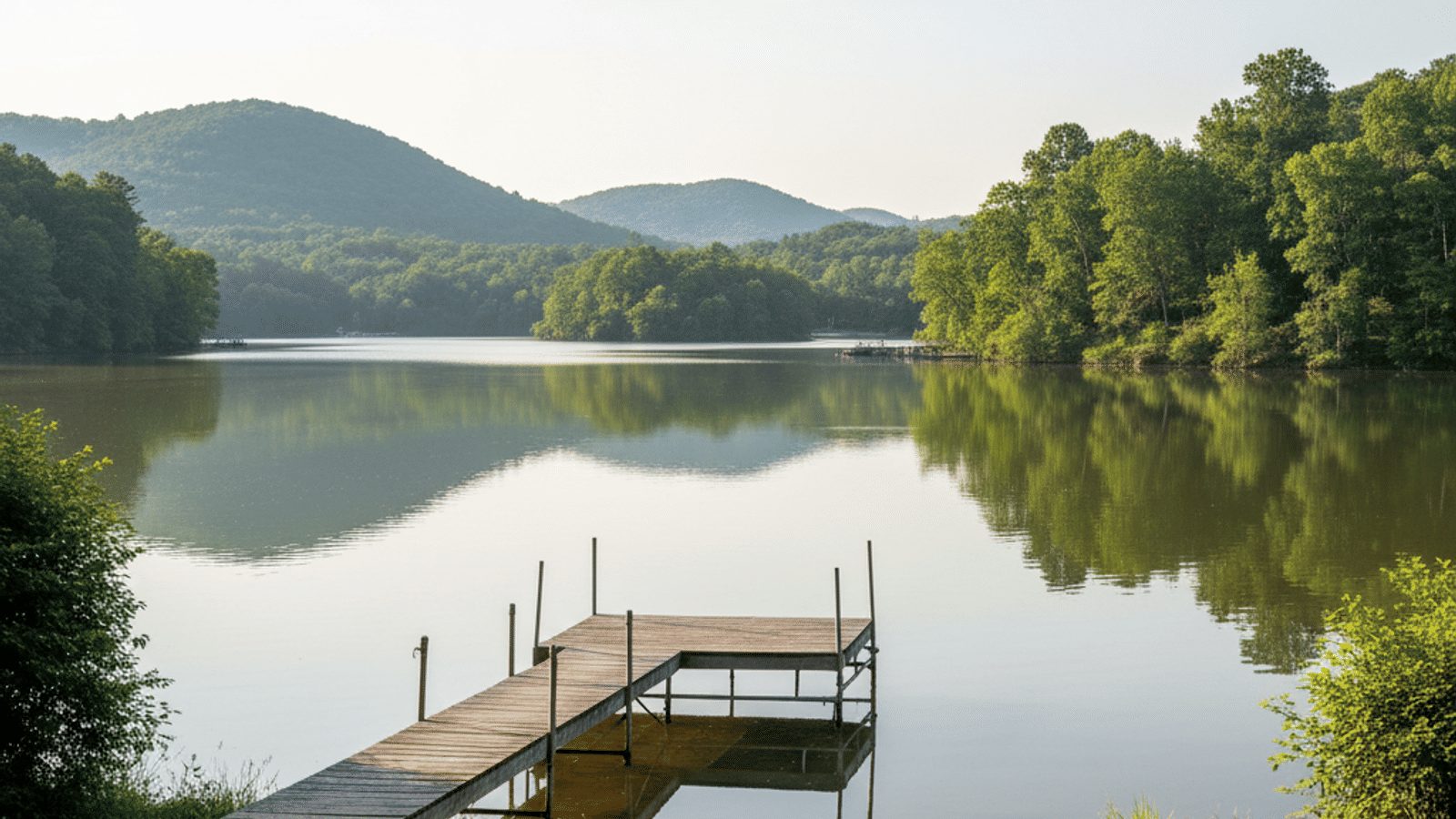
If you are looking at retirement maps lately, you might notice a shift. For years, the standard move was straight down I-95 to Florida. But as we settle into 2026, we are seeing a different trend taking hold. We call it the “half-back” phenomenon – retirees who moved to Florida, realized the humidity and hurricane insurance were too much, and moved halfway back up to living in East Tennessee.
Of course, plenty of folks are skipping the Florida step entirely and coming straight here from Illinois, New York, and California. East Tennessee offers a “Goldilocks” climate. You get the four distinct seasons you are used to, but without the brutal winters of the North or the oppressive, year-round heat of the Deep South.
Beyond the weather, this region is incredibly accessible. You are within a day’s drive of 60% of the U.S. population, making it easy for grandkids to visit or for you to head back north for holidays. Economically, while coastal markets have seen some volatility, the housing market here has remained remarkably stable, offering a safe harbor for your nest egg.
The Financial Case: Taxes and Cost of Living
Let’s get right to the numbers, because financial freedom is usually the biggest driver for moving to Tennessee.
The headline benefit here is taxes. There is no state income tax on wages. More importantly for retirees, there is no state tax on Social Security, pensions, or 401(k) distributions. What you draw is what you keep. When you compare that to the chunk taken out by states like New York or California, it acts like an immediate raise to your monthly budget.
Property taxes are another area where you will feel the difference. While values have risen over the last few years, the actual tax bill is generally significantly lower than the national average. It is not uncommon for a transplant from New Jersey or Illinois to find their annual property tax bill in Tennessee is a quarter of what they were paying back home.
There is a trade-off, and it is important to be transparent about it: sales tax. Tennessee has one of the higher sales tax rates in the country, averaging around 9.75% once you combine the state rate (~7%) with local options (~2.75%). However, most retirees find that the lack of income tax on their retirement draws far outweighs the extra pennies paid at the register.
When you look at the overall picture, the cost of living in East Tennessee typically hovers around 85% to 90% of the national average. Housing costs generally sit 10% to 20% below the national median, giving you significantly more purchasing power.
Navigating Community Types: Active Adult vs. Independent Living
Before we talk about specific neighborhoods, we need to clarify the terminology. The industry throws around terms that can be confusing, and knowing the difference ensures you tour the right places.
Active Adult / 55+ Communities are lifestyle-focused. These are neighborhoods designed for people who want to be busy. You will usually find a clubhouse, pickleball courts, and an HOA that handles all exterior maintenance and lawn care. These do not include medical care or meal plans; it is simply regular homeownership with better amenities and fewer chores.
Independent Living is often a step toward assisted living but is still for active people. These setups often include housekeeping, linen service, and meal plans in a central dining room. If you are looking to completely remove the burden of cooking and cleaning, this is the category to search for.
Resort-Style Master Planned Communities are the giants of East Tennessee. These are large-scale developments – often over 1,000 acres – that focus heavily on golf and lakes. While they are dominant among the 55+ crowd, they are often not strictly age-restricted on the deed. This means you might have neighbors of different ages, though the lifestyle is tailored to retirees.
Condo and Patio Home Enclaves are smaller neighborhoods, often tucked inside standard suburbs. Companies like Epcon Communities build these “courtyard” style homes that offer single-level living without the massive scale of a resort.
Top Lake & Golf Resort Communities
If you are looking for the “cruise ship on land” lifestyle, three communities usually rise to the top of the list. These are massive developments that function almost like small towns.
Tellico Village (Loudon) Tellico Village is the giant of the region. Located just south of Lenoir City, it sits right on the banks of Tellico Lake. It is un-gated, which gives it a welcoming, open atmosphere, yet it feels very secure. The social life here is unmatched; if you have a hobby, there is a club for it. The community boasts three golf courses and a massive wellness center. Homes here have appreciated, with the median generally sitting in the $430,000 to $450,000 range.
Fairfield Glade (Crossville) Locals often call Fairfield Glade the “Retirement Capital” of the Cumberland Plateau. Because it sits at a higher elevation on the plateau, summer temperatures here are often a few degrees cooler than in the Tennessee Valley. It is a massive complex with five golf courses and 11 lakes. The price point here is generally more accessible than the luxurious waterfront communities closer to Knoxville, with median home prices often hovering in the $330,000 to $350,000 range.
WindRiver (Lenoir City) If you are looking for luxury, WindRiver is the answer. This is a gated community that offers a true resort experience. It features a world-class marina, a highly-rated golf course, and distinct architecture. It is a premium market, with estates and villas often commanding prices in the $800,000s and well above.
Mountain & Nature-Focused Retreats
Not everyone wants a packed social calendar or a tee time every Tuesday. Some retirees come here for the quiet beauty of the mountains.
Rarity Bay (Vonore) Rarity Bay offers a different flavor of luxury. It is known for its French Country architecture and stunning views of both the lake and the Great Smoky Mountains. It also appeals to horse lovers, featuring equestrian facilities that you won’t find in the standard golf communities.
Cumberland Cove (Monterey) If you prefer trees over fairways, look at Cumberland Cove. It is located on the plateau near Fairfield Glade but has a completely different vibe. The lots are large and heavily wooded, offering immense privacy. It is deed-restricted to keep the neighborhood looking nice, but it feels more like living in a private park than a resort.
Black Creek (Chattanooga) Located just outside downtown Chattanooga, Black Creek is perfect for the active hiker. The community features “The Pass,” a mountaintop section with incredible views and miles of nature trails. It combines the serenity of mountain living with very quick access to the gigabit-internet city of Chattanooga.
Urban & Suburban Active Living Options
Perhaps you want to be closer to the action. If being 20 minutes from a grocery store sounds unappealing, you might prefer the urban or suburban active living options.
Knoxville Suburbs (Farragut/Hardin Valley) Farragut is one of the premier suburbs in East Tennessee. Here you will find communities like The Grove at Cedar Hills, which offer low-maintenance patio homes. You get the benefits of new construction and HOA-covered lawn care while being minutes from Turkey Creek shopping center and top-tier restaurants.
Tri-Cities (Johnson City/Kingsport) The Tri-Cities area offers excellent value. Developments like The Courtyards offer active adult patio homes similar to what you see in larger cities but often at a lower price point. Johnson City is a vibrant college town (ETSU) with a great downtown scene that attracts many active retirees.
Chattanooga Chattanooga is consistently voted one of the best outdoor cities in the country. For those looking for Independent Living with a rental model rather than ownership, places like Ashwood Square provide a vibrant lifestyle without the property taxes or home maintenance.
Healthcare Access & Senior Services
When planning for the next 20 years, healthcare proximity is non-negotiable. Fortunately, East Tennessee punches above its weight in medical infrastructure.
Knoxville serves as the medical hub for the region, anchored by the University of Tennessee Medical Center. It is a Level I Trauma Center and a teaching hospital, offering specialists in almost every field. If you choose a community like Tellico Village or WindRiver, you are generally 30 to 45 minutes from this hub.
In the northeast, the Tri-Cities are served by the Ballad Health network. Johnson City is also home to the Mountain Home VA Medical Center, which is a massive draw for military retirees seeking strong veteran support.
Down south, Chattanooga is anchored by the Erlanger Health System, a major comprehensive system that serves the entire tri-state area of TN, GA, and AL.
Lifestyle: The East Tennessee Rhythm
So, what does a Tuesday look like here? For many, it revolves around the outdoors. We have the Great Smoky Mountains National Park in our backyard, offering arguably the best hiking in the eastern United States. The region is also defined by water – from boating on the Tennessee River to fishing in Tellico Lake, life here is aquatic.
There is also a strong university culture. Living near Knoxville means you have access to University of Tennessee sports – the energy of a Vols game day is something you have to experience to understand. But it is not just sports; the universities offer continuing education classes that many retirees take advantage of to learn new skills or history.
And finally, the climate ties it all together. You will get a dusting of snow occasionally – just enough to look pretty on the pines – but it is usually gone by noon. Spring and Fall are long, vibrant, and perfect for porch-sitting.
Frequently Asked Questions
What is the most affordable retirement community in East Tennessee?
If budget is your primary concern, Fairfield Glade in Crossville is consistently one of the most affordable large-scale options. Lake Tansi, also in Crossville, is another value-focused community that offers lake access and golf at a lower entry price than the Knoxville-area resorts.
Does Tennessee tax retirement income in 2026?
No, Tennessee does not tax retirement income. This includes Social Security, pensions, 401(k) withdrawals, and IRAs. There is also no tax on wages, making it one of the most tax-friendly states for retirees in the country.
Is Tellico Village a 55+ community?
Tellico Village is an active adult community, but it is not strictly age-restricted to 55+ on the deed. While the vast majority of residents are retirees, you will occasionally find younger families. This structure avoids some of the rigid legal restrictions of a chartered 55+ neighborhood while still maintaining the retirement lifestyle.
What are the best towns to retire in East Tennessee?
Outside of specific gated communities, the towns of Loudon, Crossville, and Johnson City are top choices. Loudon offers lake access, Crossville offers affordability and golf, and Johnson City offers a blend of mountain scenery, university culture, and veteran services.
Understanding the Average Cost of a Home in East Tennessee (2026 Edition)
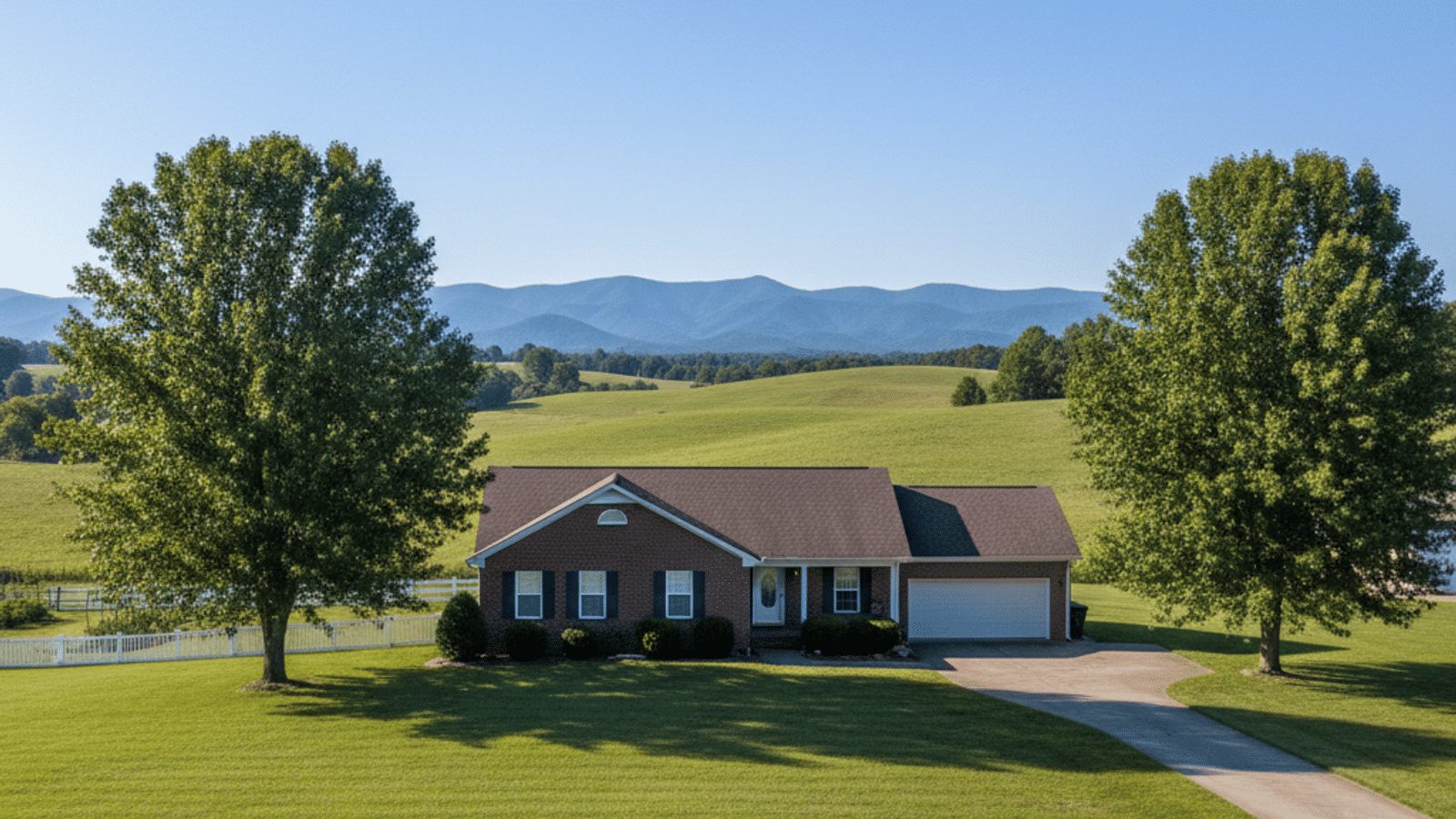
If you have been watching the real estate market in East Tennessee over the last few years, you know it has been something of a rollercoaster. For a while, it felt like prices were climbing vertically with no end in sight. But as we settle into 2026, the landscape looks different. We are finally seeing a shift from a frenzied, sellers-call-the-shots environment to a more balanced market where buyers can actually breathe.
When we talk about “East Tennessee,” we are generally looking at the corridor stretching from the Tri-Cities in the northeast, down through Knoxville and the Smoky Mountains, and over to Chattanooga. Across this entire region, the median home price is currently hovering between $360,000 and $400,000.
While prices have stabilized with modest growth, the real story for buyers this year is inventory. We are seeing about 15% to 17% more homes on the market compared to this time last year. That increase means homes are sitting a little longer—typically 40 to 50 days—which gives you leverage. You are less likely to face a bidding war today than you were in 2024, and you might even have room to negotiate the price.
Average Home Prices by Major City
East Tennessee is a big region, and real estate is hyper-local. A budget that gets you a sprawling property in one county might only get you a fixer-upper in another. To get a real sense of the cost, we need to break it down by the three major metropolitan hubs.
Knoxville
Knoxville remains the most expensive metro area in the region. Driven by significant job growth and the consistent demand surrounding the university, competition here is still tighter than elsewhere. You can expect the median price point to land somewhere between $360,000 and $385,000. If you are thinking about moving to Knoxville, be prepared for prices to stay firm in the most desirable suburbs, even as inventory rises.
Chattanooga
Head south to Chattanooga and you will find the market is slightly more accessible. While it is still a competitive hub with a strong tech scene and outdoor lifestyle, the pricing is generally softer than Knoxville. The median home price here typically ranges from $300,000 to $345,000. We are seeing more inventory stick around here, giving buyers a few more options to choose from without having to make a decision within hours of a listing going live.
Tri-Cities (Kingsport & Johnson City)
If affordability is your top priority, the Tri-Cities area is the champion of the region. Despite Kingsport seeing a jump in value recently—up roughly 17% year-over-year—this area remains the most budget-friendly. You can still find quality inventory with median prices falling between $290,000 and $335,000. In many sectors of this market, finding a move-in ready home for under $300k is still very realistic.
Cost Breakdown by Property Type
The average cost of a home in East Tennessee also depends heavily on what you are buying. The price gap between a standard suburban house and a vacation cabin in the mountains has widened significantly.
Single-Family Homes This is the standard benchmark for the region. For a typical 3-bedroom, 2-bath detached home, the regional average is sitting right around $350,000. This is the segment where we are seeing the most inventory return to the market.
Condos & Townhomes For first-time buyers or downsizers, attached housing offers a solid entry point. You can often find good options between $200,000 and $280,000, particularly in the suburban rings. However, if you are looking at luxury condos in downtown Knoxville or Chattanooga, expect those numbers to skyrocket well past the regional average.
Mountain Cabins The Sevier County and Gatlinburg market is a completely different animal. This is largely an investment market driven by rental potential. Median prices for cabins generally range from $475,000 to over $900,000 for larger luxury builds with views and amenities.
- Local Insight: The market for standard 3-bedroom cabins has become saturated recently. As a result, prices in that specific “middle of the road” segment are softening, which could be an opportunity if you are looking for investment properties.
Land If you prefer to build, land in East Tennessee is still affordable compared to national averages. While developed lots in the city are premium, rural acreage can often be found for under $50,000 to $70,000, depending on how easily you can access utilities and paved roads.
Urban vs. Rural: Where Your Dollar Goes Further
One of the oldest rules in real estate is the trade-off between convenience and cost, and that holds true here. We often tell clients about the “20-Minute Rule.” If you are willing to drive just 20 minutes outside of a major metro hub—for example, moving from Knox County into Union or Grainger County—you can see home prices drop by 20% to 30%.
The cost of living index reflects this drop clearly. While the urban centers in East Tennessee are inching closer to the national average (an index of roughly 95-100), the rural surrounding counties dip significantly lower, often sitting at an index of 75-85.
The trade-off, of course, is lifestyle. Those lower prices come with fewer immediate amenities like grocery stores, hospitals, and entertainment, along with a longer daily commute. But for those prioritizing square footage and land over proximity to downtown, the savings are substantial.
Beyond the Mortgage: Taxes, Insurance, and HOAs
When budgeting, looking at the listing price is only half the battle. You have to look at the monthly carry costs. Fortunately, this is where East Tennessee really shines compared to other parts of the country.
Property Taxes This is the biggest financial win for buyers here. Tennessee has a very low effective property tax rate of approximately 0.49%. To put that in perspective, on a $400,000 home, your annual tax bill might only be around $2,000. This low tax burden significantly boosts your buying power, allowing you to afford a higher sticker price than you could in high-tax states.
Income Tax It is also worth remembering there is no state income tax on wages. This puts more disposable income back in your pocket every month to handle mortgage payments or renovations.
Home Insurance While taxes are low, insurance is the rising cost to watch. Rates have been climbing, and you should budget between $2,000 and $3,000 per year on average. If you are buying a cabin in the Smoky Mountains, expect this to be higher due to wildfire risks in heavily wooded areas.
HOA Fees In standard subdivisions, HOA fees are generally modest, often running $50 to $100 per month. However, if you are looking at gated golf communities or lakefront developments with marinas, those fees will be significantly higher to cover the extensive amenities.
2026 Market Outlook: What Buyers Should Expect
If you are planning on buying a house in East Tennessee this year, the outlook is encouraging. We are not in a crash, but we are in a correction that favors stability.
Inventory is recovering nicely. For the first time in three years, buyers have genuine choices. You likely won’t have to settle for a home that doesn’t meet your needs just because it was the only thing available.
Interest rates appear to be stabilizing in the low 6% range. While not the rock-bottom rates of the past, this stability has encouraged more sellers to list their homes, easing the “lock-in” effect that paralyzed the market previously.
Most importantly, negotiation power has returned. It is no longer a “take it or leave it” market. Buyers can once again request repairs after inspections and even ask for closing cost assistance. While there is still competition for turnkey homes priced under $350k, the days of blind bidding wars are largely behind us.
Frequently Asked Questions
Is it cheaper to live in Knoxville or Chattanooga in 2026?
generally, Chattanooga is slightly cheaper than Knoxville when it comes to housing costs. While both cities are affordable compared to national averages, Knoxville’s home prices are pushed higher by the university influence and a tighter job market, whereas Chattanooga offers a bit more inventory in the $300,000 to $345,000 range.
What is the average property tax on a home in East Tennessee?
The property tax burden here is exceptionally low, with an effective rate of around 0.49%. For a home valued at roughly $350,000, you can expect to pay approximately $1,700 to $2,000 per year, which is a major factor in the overall low cost of living in Tennessee.
Are home prices dropping in East Tennessee?
Prices are not necessarily dropping, but they are stabilizing and flattening out. Instead of the rapid appreciation we saw recently, we are seeing modest growth or flat pricing, meaning the market is normalizing rather than crashing.
How much do cabins cost in the Smoky Mountains?
Investment cabins are distinct from residential homes and come with a higher price tag. You should expect median prices to start around $475,000 for smaller units and climb well over $900,000 for luxury properties with pool access and views, though the market for average 3-bedroom cabins has softened recently.
The Real Cost of Living in East Tennessee: Understanding HOA Fees
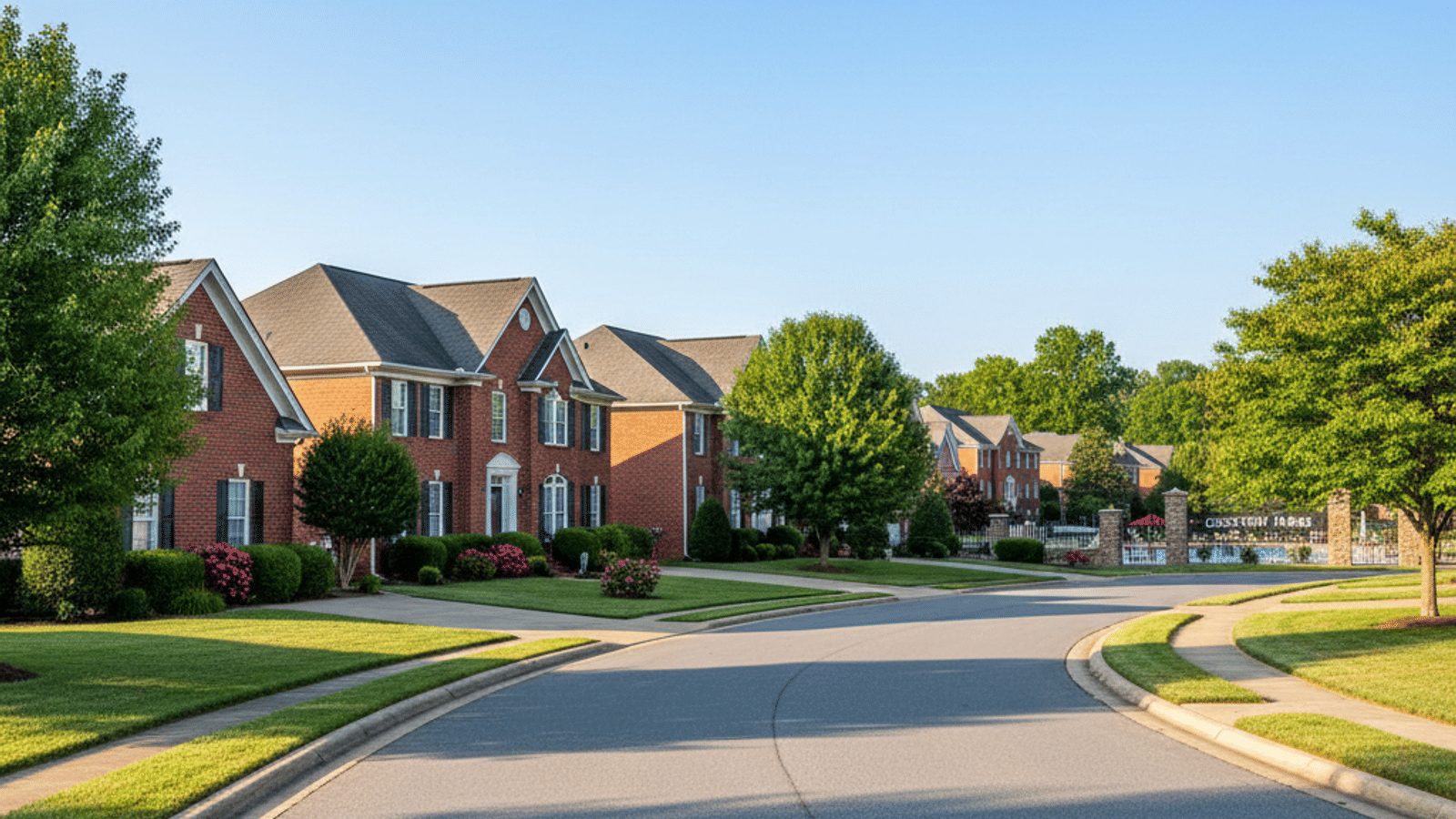
When people start looking at the cost of living in East Tennessee, the headline numbers usually look great. No state income tax, reasonable property taxes, and home prices that—while rising—still offer better value than many coastal markets. But there is one line item that catches many buyers off guard: the Homeowners Association (HOA) fee.
It’s easy to look at a mortgage calculator and forget to factor in these community costs, but in 2026, they are a critical part of your monthly budget. While Tennessee’s median HOA fees (often around $150 per month) generally sit well below the national average, that average is deceptive. Depending on whether you buy a standalone house in Farragut or a villa in a resort community like Fairfield Glade, your fees could range from a nominal yearly payment to a significant monthly bill.
If you are thinking about moving to Tennessee, it is important to understand what you are actually paying for. This guide breaks down the numbers as of early 2026, reflecting the recent shifts in insurance premiums and maintenance costs that have impacted budgets across the region.
The Three Tiers of HOA Fees in East Tennessee
One of the biggest sources of confusion for buyers is the difference between an annual fee and a monthly fee. In our market, we generally see fees fall into three distinct “tiers” based on the lifestyle the community provides.
Tier 1: Traditional Single-Family Subdivisions If you are looking at standard subdivisions in Knoxville or Johnson City, you will usually encounter annual fees. These typically run $100–$600 per year. Since the homes are standalone, the HOA isn’t fixing your roof or painting your siding. These fees generally cover the basics: mowing the common areas, maintaining the entrance sign, and perhaps upkeep for a community pool.
Tier 2: Condos and Townhomes When you start looking at condos for sale in Knoxville or maintenance-free townhomes, the fee structure shifts to monthly. Expect to pay anywhere from $200–$500 per month. This sounds steeper, but it’s because the association is taking on major liabilities. This fee usually covers the “master insurance” policy for the building exterior, roof reserves, landscaping, and sometimes water and sewer.
Tier 3: Resort & Retirement Communities For those exploring retirement communities in Tennessee, the fees are often a combination of mandatory assessments and lifestyle memberships. These generally range from $150–$400+ per month. In exchange, you get extensive infrastructure: private roads, 24/7 security gates, clubhouses, and sometimes bundled utilities.
Knoxville Area HOA Fee Averages (2026)
Knoxville is a diverse market, and fees here depend entirely on how close you are to the city center and how much maintenance you want to hand off to someone else.
In the suburban markets, such as the best neighborhoods in Knoxville and Farragut, the “Tier 1” model dominates. You might find a beautiful brick home in a swim/tennis community where dues are just $450 annually. However, buyers should be aware that newer developments built in 2025 and 2026 are launching with slightly higher initial fees—closer to $600–$800 annually—to account for the inflated costs of landscaping labor and pool chemicals.
The downtown and luxury condo market is a different animal. If you are looking at a loft on Gay Street or a luxury condo near the University, fees often exceed $500 per month. Historic buildings require specialized upkeep, and luxury buildings with elevators and concierges have high operating costs. If you are considering living in Farragut TN in a “maintenance-free” villa, expect to pay a premium for the convenience of never touching a lawnmower again, usually in the $250–$350 per month range.
Resort Community Fees: Fairfield Glade, Tellico Village, and More
This is the sector where we get the most questions. If you are comparing Fairfield Glade vs Tellico Village, you are looking at two very different financial models, especially after the budget shifts we saw leading into 2026.
Fairfield Glade Following the changes after the Wyndham exit, the Glade has adjusted its structure. For 2026, the base assessment is roughly $137 per month. It’s important to note that this fee includes sewer and trash pickup, which helps offset the cost. However, buyers need to budget for the “Amenity Reserve Fee” (ARF) due at closing. As of this year, that capitalization fee has risen to approximately $6,000, which goes toward maintaining the extensive infrastructure.
Tellico Village Tellico operates on a different scale. The Property Owners Association (POA) assessment is approximately $176 per month for the 2025/2026 fiscal year. This fee keeps the lights on, the roads paved, and the administration running. Unlike some bundled communities, Tellico is largely “pay-as-you-play.” You pay the low monthly assessment, and then you purchase a la carte memberships for golf or the wellness center only if you use them.
Rarity Bay If you are looking at lakefront homes for sale in TN, Rarity Bay offers a hybrid model. The mandatory HOA fee is actually quite low for a gated community, often around $1,100 per year. However, the social and golf memberships are optional add-ons. This gives you flexibility; you aren’t forced to pay for a golf course you don’t use, but the costs are there if you want the full country club lifestyle.
WindRiver & Luxury Communities For ultra-luxury gated communities like WindRiver, expect higher monthly premiums to cover the 24-hour manned security and marina access. These fees ensure exclusivity and top-tier maintenance of the grounds.
HOA Trends in Johnson City and the Tri-Cities
Historically, Northeast Tennessee has been a haven for buyers who hate HOAs. If you are considering living in Johnson City TN, you can still find plenty of established neighborhoods with zero fees or voluntary dues of just $50 per year for snow removal.
However, the market is shifting. As the area grows, national and regional builders are introducing master-planned communities in areas like Boones Creek and North Johnson City. In these new construction “villa” neighborhoods, HOA fees have jumped about 10% recently, now averaging $300+ per month.
This increase is largely driven by insurance rates for the structures. Buyers looking at older homes can still find bargains, but if you want a brand-new home with lawn care included, you will need to budget for these modernized fee structures.
What Do HOA Fees Actually Cover in Tennessee?
When you write that check, what are you actually buying? It varies by community, but there are a few legal and practical standards you should know.
- Common Area Maintenance: This is the baseline. It covers mowing shared grass, maintaining stormwater retention ponds (a big deal in our rainy climate), and paving private roads. In resort communities, road maintenance is a massive part of the budget since the county doesn’t pave them.
- Utilities: It is rare for single-family HOAs to cover utilities, but in condos and some resorts like Fairfield Glade, the fee may bundle in water, sewer, or trash services. This can make a $200 fee look much more reasonable when you realize it replaces a $60 bill.
- Insurance: This is the big one for condos. The fee covers the “Master Policy,” which insures the building’s shell. However, owners still need an “HO-6 Policy” for the interior (drywall, cabinets, flooring).
- Reserves: A well-managed HOA puts a portion of your dues into a “Reserve Fund.” This is a savings account for big future expenses, like replacing the clubhouse roof or repaving the parking lot, so they don’t have to hit you with a surprise bill later.
Smart Buying: How to Vet an HOA Before You Close
Nobody wants to move in and get hit with a fee hike three months later. There are specific questions to ask when buying a house in a managed community that can save you thousands.
First, always demand the Resale Certificate. This document shows the current financial health of the HOA. You want to see if they have plenty of cash in the bank or if they are operating in the red.
Second, ask point-blank about Special Assessments. Ask the seller or the board: “Are there any major projects planned for 2026 or 2027 that aren’t fully funded?” If they are planning to redo the pool deck and don’t have the cash, you could be on the hook for a lump sum payment right after moving in.
Finally, read the CC&Rs (Covenants, Conditions, and Restrictions) carefully. In East Tennessee, the most common friction points are parking rules. Many buyers assume they can park their bass boat or RV in the driveway, but many HOAs strictly prohibit this. Check the fee history as well—slow, steady increases are actually a good sign of responsible management, whereas a five-year freeze followed by a massive spike suggests poor planning.
Frequently Asked Questions About TN HOA Fees
Are HOA fees in Tennessee regulated by the state?
Tennessee law regulates how HOAs can foreclose on properties and how they must handle records, but the state does not cap the amount an HOA can charge. The fees are determined by the association’s board and budget, not by state regulators.
Can HOA fees be included in my mortgage payment?
Generally, no. While your lender will count the HOA fee as a debt when calculating your Debt-to-Income (DTI) ratio to see if you qualify for the loan, you usually pay the HOA directly, separate from your mortgage payment.
Do HOA fees in East Tennessee typically include property taxes?
No, HOA fees and property taxes are almost always separate bills. Your property taxes are paid to the county (and city, if applicable), while your HOA dues go directly to the private association managing the neighborhood.
What happens if I don’t pay my HOA fees in Tennessee?
Tennessee takes HOA debts seriously. If you fall behind, the association can place a lien on your property, charge interest and legal fees, and eventually initiate foreclosure proceedings to recover the unpaid dues.


