

 Facebook
 X
X
 Pinterest
 Copy Link
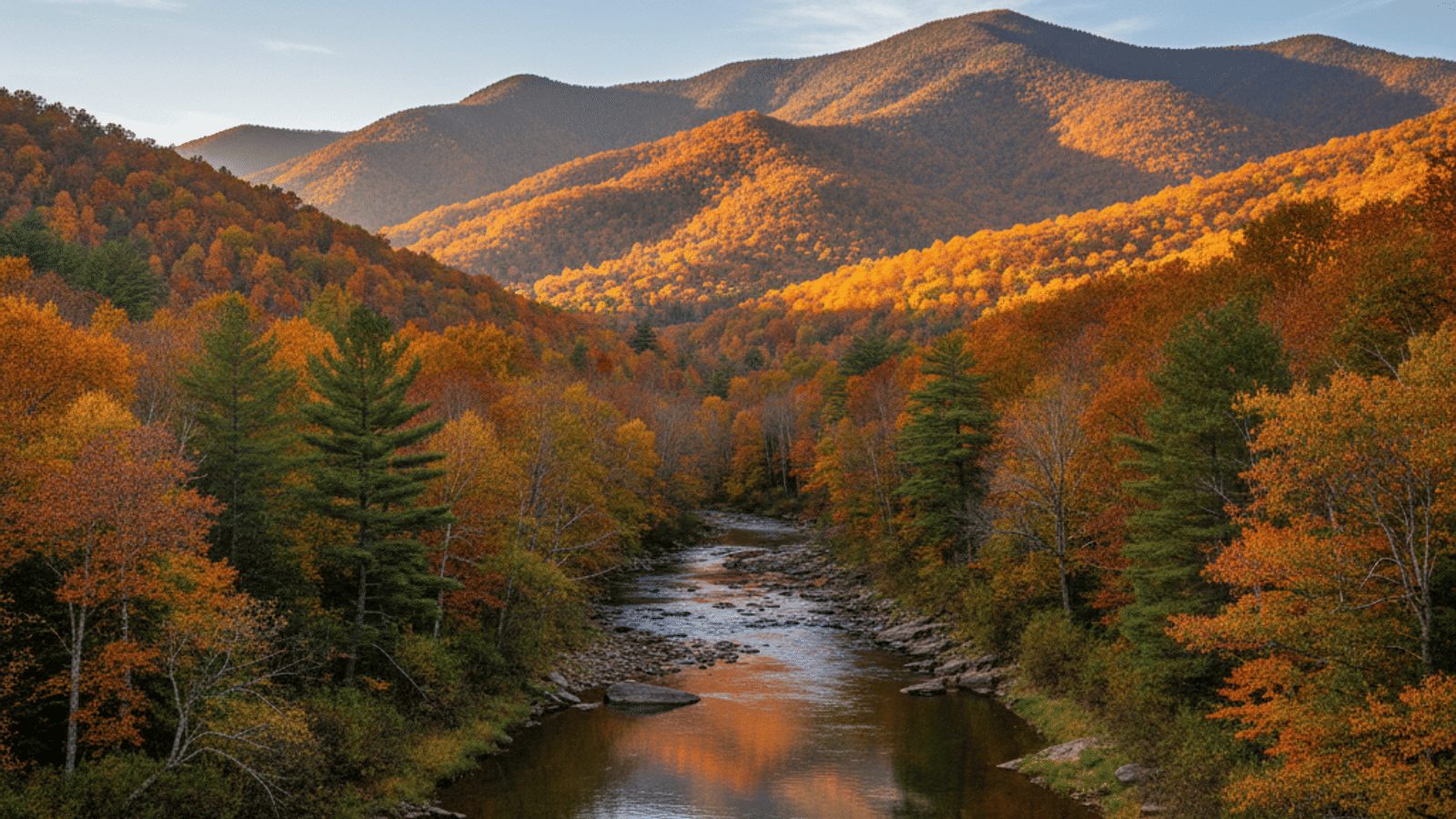
If you’ve been watching the housing market or scrolling through relocation threads lately, you’ve probably noticed a shift. The days of everyone flocking to the ultra-expensive coastal cities are fading. Instead, we are seeing a massive migration to the “Mountain South,” and East Tennessee is right at the center of that movement.
We aren’t just talking about Nashville here. In fact, for many millennials and Gen Z professionals, the real draw is the I-75 and I-81 corridor—specifically Chattanooga, Knoxville, and the Tri-Cities.
The region offers a mix that is becoming harder to find in 2026: genuine affordability paired with a high quality of life. You have the Great Smoky Mountains in your backyard, a growing tech and remote work scene, and, perhaps most importantly, no state income tax. But East Tennessee isn’t a monolith. The “right” city for you depends entirely on your career path and what you like to do after 5:00 PM.
Job Market & Industries: Where the Opportunities Are
When people ask me about the job market here, I tell them it’s really a tale of three very different economies. You can’t just look at “Tennessee” as a whole; you have to look at the specific metro areas to see where you fit.
Chattanooga has earned its nickname as “Gig City.” Thanks to its municipal 25-gig internet (one of the fastest in the world), it has become a massive magnet for remote workers, tech startups, and logistics companies. If you work in tech or can work from anywhere, this is often the top pick. Major local employers like BlueCross BlueShield, Volkswagen, and the TVA provide a stable corporate backbone, but the remote culture is what really drives the young professional energy here.
Knoxville, on the other hand, is the region’s education and science hub. It is anchored by the University of Tennessee (UTK) and the massive Oak Ridge National Laboratory (ORNL) nearby. This creates a strong market for researchers, healthcare professionals, and anyone in higher education. It’s also a significant hub for media, with Discovery Inc. having a major presence. If your career is in science, research, or creative media, living in Knoxville puts you close to the action.
Then you have the Tri-Cities (Johnson City, Kingsport, and Bristol). This area has a heavy focus on healthcare and industrial roles. Ballad Health and Eastman Chemical Company are the giants here. While the job growth for “creative class” or tech roles is slower compared to Knoxville or Chattanooga, it is a stable market for medical and manufacturing professionals who want a quieter pace of life.
Cost of Living in East Tennessee (2026 Breakdown)
Let’s talk numbers. The cost of living in East Tennessee is still significantly lower than in Nashville or major national metros, but I always warn buyers that prices have risen since 2024. The secret is definitely out, and inventory can be tight.
In Knoxville, the market is competitive. As of early 2026, you are looking at a median home price around $410,000. If you are renting, a decent apartment usually lands between $1,350 and $1,700 a month. Because of the university and the steady influx of researchers, housing here moves fast.
Chattanooga often feels like you get a bit more bang for your buck, especially if you look just outside the trendy downtown zones. The median home price sits closer to $360,000, with rents ranging from $1,250 to $1,450. For many first-time buyers, that price difference can be the deciding factor.
If budget is your absolute top priority, the Tri-Cities is the clear winner. It is the most affordable metro in the region, with median homes ranging from $250,000 to $300,000 and rents frequently staying under $1,100.
And don’t forget the tax benefit. Tennessee has no state income tax on wages. This functionally gives many transplants a 4% to 9% “raise” immediately upon moving compared to states with high withholdings. Even the “Hall Tax” on interest and dividends was fully repealed back in 2021, so your investment income stays in your pocket too.
Knoxville: The Social & Academic Hub
Knoxville has a very specific energy. Locals call it the “Scruffy City,” a term of endearment for its unpretentious, slightly gritty charm. But don’t let the nickname fool you—this is a bustling city with big SEC college energy thanks to the Tennessee Vols.
For young professionals, the social scene is diverse. Downtown and Market Square are walkable and packed with restaurants, while the Old City offers a vibrant nightlife scene. If you are looking for neighborhoods, South Knoxville (or “SoKno”) has exploded in popularity recently due to its focus on breweries and access to the Urban Wilderness. Old North Knoxville is another favorite, full of historic homes and a trendy, community-oriented vibe.
The pros here are obvious: you have a walkable downtown core, a massive social scene driven by the university, and you are physically closer to the actual entrance of the Great Smoky Mountains National Park than you are in Chattanooga. The downside? Traffic. The sprawl along I-40 and I-75 can be frustrating, and the housing inventory is notoriously competitive.
Chattanooga: The Outdoor & Tech Capital
If Knoxville is about college sports and academia, Chattanooga is about the river and the rocks. Known as the “Scenic City,” life here revolves around the outdoors. It’s not uncommon to see people heading to a climbing crag or a paddleboard session right after work.
The geography defines the neighborhoods. Northshore is the trendy, walkable area just across the river from downtown, packed with boutiques and parks. The Southside has revitalized old industrial spaces into art galleries and restaurants, while St. Elmo sits at the foot of Lookout Mountain offering historic charm.
For a young professional, the walkability in downtown Chattanooga is generally superior to Knoxville. You can easily live in the city center and walk to work, grocery stores, and trailheads. The gig-speed internet (EPB) is a massive perk if you work remotely—it’s fast, reliable, and municipally owned.
However, there are trade-offs. Because Chattanooga sits in a valley, pollen counts can be intense, which is tough if you suffer from seasonal allergies. Also, outside of the downtown core, public transit is limited, so you will likely still need a car for regional errands.
Tri-Cities: The Quiet, Budget-Friendly Alternative
The Tri-Cities area offers a much slower pace. It feels more like a collection of large towns rather than a metropolitan city. Johnson City, anchored by East Tennessee State University (ETSU), is generally the most friendly for young professionals.
The “Tree Streets” neighborhood in Johnson City is historic, walkable, and very popular with younger buyers. Downtown Bristol, which straddles the VA/TN state line, is steeped in music heritage and offers a cool, small-town downtown vibe.
The biggest pro here is unbeatable affordability. You can buy a home here for a fraction of what it costs in Nashville or even Knoxville. Traffic is virtually non-existent, and you have easy access to Boone Lake and hiking trails without the crowds. The trade-off is a quieter social life. The nightlife and entertainment options aren’t as robust as the larger cities, and the job market is smaller for non-industrial fields.
Lifestyle: Nightlife, Outdoors, and Community
No matter which city you choose, the lifestyle in East Tennessee is heavily influenced by the landscape. The outdoor access is arguably the region’s biggest draw. We are talking world-class rock climbing, whitewater rafting on the Ocoee, and endless hiking trails. It’s not just something you do on vacation; it’s what people do on Tuesday evenings.
When it comes to food and drink, both Knoxville and Chattanooga have exploding brewery scenes. Chattanooga has a slightly more “foodie” downtown with a bit more culinary experimentation, while Knoxville has sheer volume and variety due to its larger size.
Culturally, music is everywhere. Knoxville has the historic Tennessee Theatre and the Bijou. Bristol is famously the “Birthplace of Country Music.” Chattanooga had the Riverbend Festival, though the music scene there has been shifting and scaling back recently.
Socially, the divide is often described like this: Knoxville leans heavily into college sports culture (Go Vols!), while Chattanooga leans into outdoor adventure groups and meetups.
Getting Around: Commutes and Connectivity
Here is the reality of transportation in East Tennessee: you need a car. While public transit exists—KAT in Knoxville and CARTA in Chattanooga—it generally isn’t viable for most professional commutes unless you live and work directly downtown.
Walkability is a bright spot in specific pockets. Chattanooga’s downtown loop, connecting the Northshore to the Southside via the Walnut Street Bridge, is highly walkable. Knoxville’s downtown is also pedestrian-friendly, but once you leave the immediate center to go to other neighborhoods, you are back in the car.
For travel, McGhee Tyson Airport (TYS) in Knoxville is the largest regional hub. It’s easy to navigate and has good connections. Chattanooga (CHA) is convenient and very quick to get through, but it is smaller and often requires a connection through Atlanta or Charlotte.
Potential Drawbacks to Consider
I want to be transparent about the cons so you know exactly what you’re signing up for.
First, if you hate driving, this region can be difficult. The infrastructure is built for cars, and sprawl is real. Second, the allergies are no joke. The valley geography traps pollen, and newcomers often spend their first spring sneezing.
Third, the summers are hot and humid. It’s not Florida heat, but the humidity sticks around. Finally, it’s worth noting the cultural landscape. While the cities themselves are blue or purple dots with diverse communities, the surrounding rural region is deeply conservative. This can be a culture shock for relocators coming from major coastal cities, though most find the “Southern hospitality” to be genuine regardless of politics.
The Verdict: Which City Fits You?
So, is East Tennessee good for young professionals? Absolutely, but the specific fit depends on who you are.
- Choose Knoxville if: You want a bigger city feel, you love the energy of college sports, you work in healthcare or science, or you want the maximum amount of nightlife options.
- Choose Chattanooga if: You work remotely and need that fiber internet, you are an avid climber or hiker who wants nature integrated into city life, or you prefer a scenic, walkable river city.
- Choose Tri-Cities if: You want to buy a home immediately and maximize affordability, you prefer a quiet small-town community, or you work in manufacturing or health services.
Frequently Asked Questions
Is it expensive to live in East Tennessee?
Compared to national averages and major coastal cities, it is very affordable. However, the cost of living in Tennessee has risen. As of 2026, home prices in Knoxville and Chattanooga are higher than they were a few years ago, but you still get significantly more space and land for your money than in places like New York or California.
Which East Tennessee city is best for singles?
Knoxville generally has the edge for singles due to its larger population and the University of Tennessee, which creates a constant influx of young people and a busy nightlife scene. Chattanooga is also great, but the social scene tends to be more focused on outdoor activity groups and casual brewery hangouts.
Does East Tennessee have good internet for remote work?
Yes, especially in Chattanooga. The city’s municipal utility, EPB, offers fiber optic internet with speeds up to 25 gigs, making it one of the best places in the country for remote workers. Knoxville and the Tri-Cities also have reliable high-speed options, but Chattanooga’s infrastructure is world-famous.
How is the winter weather in East Tennessee?
Winters are generally mild. You will see some frost and the occasional light snow dusting, but it rarely sticks around for long. It is four-season weather without the brutal, long freezes of the North, though you should be prepared for gray, rainy days in January and February.


