

 Facebook
 X
X
 Pinterest
 Copy Link
The Independent Spirit: A History of East Tennessee

If you’ve spent any time driving through the Great Valley or hiking the ridges of the Unaka Mountains, you know this place feels different from the rest of the South. It’s not just the geography—though the rugged terrain certainly shaped the culture—it’s the attitude. East Tennessee has always marched to the beat of its own drum.
From the very beginning, the people here—whether indigenous tribes or early frontiersmen—valued independence above almost everything else. This is the region that gave the “Volunteer State” its nickname, and as we look around in early 2026, that spirit is still etched into the landscape.
To really understand what it means to consider living in East Tennessee today, you have to look back at the people who carved a life out of these mountains. From the ancient Cherokee capital to the atomic innovations of Oak Ridge, the story of this region is one of resilience, rebellion, and reinvention.
The First Frontier: Cherokee Roots and the Watauga Association
Long before European settlers arrived, this land was the heart of the Cherokee Nation. Their capital, Chota (or Echota), sat along the Little Tennessee River, serving as a political and cultural hub for a vast territory. The Cherokee were the dominant power in the southern Appalachians, controlling trade and diplomacy throughout the region.
When European settlers began pushing west, they weren’t supposed to be here. The Proclamation of 1763 by the British Crown strictly forbade settlement west of the Appalachian divide. But the early pioneers who came here—scots-Irish immigrants and restless Virginians—weren’t the type to listen to a King across the ocean.
By the early 1770s, settlers like William Bean and James Robertson had established homesteads along the Watauga River. realizing they were outside the jurisdiction of any colony, they did something revolutionary. In 1772, they formed the Watauga Association. This was the first majority-rule system of American birth, a fully independent government formed by settlers for their own protection and law. They leased land from the Cherokee and set the stage for a culture that simply refused to wait for permission.
Revolution and the Lost State of Franklin
That independent streak became a weapon during the American Revolution. The “Overmountain Men”—militia from this region—famously crossed the mountains in 1780 to fight British loyalists at the Battle of Kings Mountain. Their victory is often cited as the turning point of the war in the South.
But after the war, things got complicated. North Carolina, which technically owned the land, ceded it to the federal government to pay off war debts, then tried to take it back. The settlers, feeling abandoned, decided to take matters into their own hands again.
From 1784 to 1788, this region declared itself the State of Franklin. They established Jonesborough, now the oldest town in Tennessee, as their first capital. They elected the popular war hero John Sevier as governor, wrote a constitution, and even attempted to negotiate treaties.
Ultimately, the State of Franklin collapsed due to infighting and lack of federal recognition, and North Carolina reasserted control. But the die was cast. The region eventually transitioned into the Southwest Territory and finally became the state of Tennessee in 1796, with Knoxville serving as the very first capital. If you look at Jonesborough real estate today, you are literally walking through the streets of a failed, yet fiercely proud, independent nation.
A House Divided: The Civil War in East Tennessee
The geography of East Tennessee didn’t just shape its early frontier days; it dictated its politics during the Civil War. Unlike the flat lands of West and Middle Tennessee, the rocky soil here wasn’t suited for massive plantation agriculture. Consequently, there were far fewer enslaved people, and the economic interests of the region were tied more to northern industry than southern cotton.
When the vote for secession came in June 1861, over two-thirds of East Tennesseans voted to remain in the Union. It was a stark contrast to the rest of the state. Delegates even met in Greeneville and Knoxville to attempt to secede from Tennessee itself, mirroring the way West Virginia broke away from Virginia.
The result was a brutal internal conflict. “Bridge Burners” waged guerrilla warfare against Confederate railroads, trying to cut off supply lines to Virginia. The region remained under Confederate occupation for much of the war, leading to harsh crackdowns on local Unionists.
This era also produced one of the most controversial figures in American history: Andrew Johnson. A tailor from Greeneville, he remained loyal to the Union, became the military governor, and eventually rose to the Presidency. His story perfectly encapsulates the region’s complicated loyalty—a Southern Unionist in a land of divided neighbors.
Reconstruction and the Rise of Industry
After the war, the region had to rebuild. The isolation that once defined the valleys began to break down with the explosion of the railroad industry. Tracks were laid to connect Chattanooga and Knoxville to the rest of the nation, turning them into booming hubs of commerce.
While the deep south struggled to recover from the loss of plantation economics, East Tennessee looked underground. Coal mining in the Cumberland Mountains and iron processing became major economic drivers. Knoxville became known as the “Wholesaling Capital of the South” and later the “Marble City” due to the high volume of pink marble quarried nearby and shipped across the country.
Chattanooga transformed into a vital rail hub and industrial center. If you walk through Chattanooga historic districts today, the architecture reflects this post-war boom, where foundry owners and railroad magnates built the city into a powerhouse of the New South.
The New Deal: How the TVA Electrified the Valley
By the Great Depression, however, the region was struggling with flooding, erosion, and poverty. The solution came in 1933 with the creation of the Tennessee Valley Authority (TVA). It is impossible to overstate how much this agency changed the physical and economic landscape here.
The TVA set out to tame the Tennessee River and its tributaries. The construction of Norris Dam on the Clinch River was the first major project, designed to control floods and generate hydroelectric power.
- Flood Control: It stopped the devastating seasonal floods that washed away farms.
- Electrification: It brought electricity to rural areas that had been living in the dark.
- Displacement: It wasn’t without cost; approximately 15,000 families across the valley were displaced to make room for the reservoirs.
This shift moved the region from isolated subsistence farming to a modern industrial economy. Today, lakefront living in East TN is a major draw for newcomers, but those lakes are a direct result of this massive 1930s engineering project.
The Secret City: The Manhattan Project
While the TVA was powering the valley, the U.S. government found another use for that electricity during World War II. They needed a secluded location with massive power resources to enrich uranium for the atomic bomb. They chose a quiet valley near the Clinch River and built Oak Ridge.
Almost overnight, the government condemned roughly 60,000 acres. They built three massive facilities—K-25, Y-12, and X-10—and a city to house the workers. The population went from zero to about 75,000 in under three years.
It was called the “Secret City” because the people living there—and even most of the workers—had no idea what they were actually building. The site was gated, guarded, and scrubbed from maps. It wasn’t until the bombs dropped in 1945 that the residents understood their role in history. Today, the Oak Ridge housing market sits right next to world-class science labs like Oak Ridge National Laboratory (ORNL), a direct legacy of those secret wartime efforts.
Conservation and Tourism: The Great Smoky Mountains
While industry was reshaping the valley floor, a different movement was protecting the peaks. In 1934, the Great Smoky Mountains National Park was officially established.
Unlike national parks in the West that were carved out of government land, the Smokies were owned by hundreds of small farmers and large timber companies. Creating the park required buying them out, a painful process that preserved the landscape we love today.
The park created a massive tourism economy. Gateway towns like Gatlinburg and Pigeon Forge grew from quiet hamlets into major destinations. In the late 20th century, Dolly Parton—a native of Sevier County—returned home to open Dollywood, cementing the region’s status as a family vacation heavyweight. This tourism engine provides a steady economic heartbeat alongside the industrial and tech sectors.
East Tennessee Today: A Region Reinvented
As we look around in 2026, East Tennessee has managed to blend these historical layers into a thriving modern identity. The cities have seen a massive resurgence. Downtown Knoxville and Chattanooga have revitalized their riverfronts, turning old industrial spaces into parks, lofts, and entertainment districts.
The “Technology Corridor” linking Knoxville and Oak Ridge continues to attract high-tech jobs, while major automotive manufacturing plants dot the interstate corridors. Yet, despite the growth, the region holds tight to its roots. You can spend the morning touring a high-tech lab and the afternoon walking the historic streets of Jonesborough.
For those thinking about moving to Knoxville or checking out the best places to live in East Tennessee, the appeal is often this mix. It is a place where the history of the frontier, the scars of the Civil War, and the innovation of the Atomic Age all sit comfortably side by side in the shadow of the mountains.
Frequently Asked Questions
Was East Tennessee part of the Confederacy?
Technically, yes, because the state of Tennessee seceded, but East Tennessee itself was staunchly pro-Union. In June 1861, over two-thirds of voters in the eastern counties voted against secession, and the region remained a hotbed of Unionist guerrilla activity throughout the war.
What is the oldest town in East Tennessee?
Jonesborough holds the title of the oldest town in Tennessee, established in 1779. It served as the capital of the State of Franklin and remains a beautifully preserved historic district today.
Why was the State of Franklin formed?
Settlers formed the State of Franklin in 1784 because they felt abandoned by North Carolina and the federal government regarding protection from local tribes and lack of infrastructure. They sought to create a new, 14th state to manage their own affairs, though it was never officially admitted to the Union.
How did the TVA change East Tennessee?
The Tennessee Valley Authority (TVA) modernized the region starting in 1933 by damming rivers to stop flooding and generating cheap hydroelectric power. This infrastructure attracted industry and electrified rural homes, fundamentally shifting the economy from farming to manufacturing.
Why is Oak Ridge called the Secret City?
Oak Ridge was built in secret by the U.S. government during World War II to house the Manhattan Project’s uranium enrichment facilities. The entire city was fenced and guarded, and it did not appear on maps until after the war, earning it the nickname “The Secret City.”
Is East Tennessee the Next Hub for Young Professionals?
If you’ve been watching the housing market or scrolling through relocation threads lately, you’ve probably noticed a shift. The days of everyone flocking to the ultra-expensive coastal cities are fading. Instead, we are seeing a massive migration to the “Mountain South,” and East Tennessee is right at the center of that movement.
We aren’t just talking about Nashville here. In fact, for many millennials and Gen Z professionals, the real draw is the I-75 and I-81 corridor—specifically Chattanooga, Knoxville, and the Tri-Cities.
The region offers a mix that is becoming harder to find in 2026: genuine affordability paired with a high quality of life. You have the Great Smoky Mountains in your backyard, a growing tech and remote work scene, and, perhaps most importantly, no state income tax. But East Tennessee isn’t a monolith. The “right” city for you depends entirely on your career path and what you like to do after 5:00 PM.
Job Market & Industries: Where the Opportunities Are
When people ask me about the job market here, I tell them it’s really a tale of three very different economies. You can’t just look at “Tennessee” as a whole; you have to look at the specific metro areas to see where you fit.
Chattanooga has earned its nickname as “Gig City.” Thanks to its municipal 25-gig internet (one of the fastest in the world), it has become a massive magnet for remote workers, tech startups, and logistics companies. If you work in tech or can work from anywhere, this is often the top pick. Major local employers like BlueCross BlueShield, Volkswagen, and the TVA provide a stable corporate backbone, but the remote culture is what really drives the young professional energy here.
Knoxville, on the other hand, is the region’s education and science hub. It is anchored by the University of Tennessee (UTK) and the massive Oak Ridge National Laboratory (ORNL) nearby. This creates a strong market for researchers, healthcare professionals, and anyone in higher education. It’s also a significant hub for media, with Discovery Inc. having a major presence. If your career is in science, research, or creative media, living in Knoxville puts you close to the action.
Then you have the Tri-Cities (Johnson City, Kingsport, and Bristol). This area has a heavy focus on healthcare and industrial roles. Ballad Health and Eastman Chemical Company are the giants here. While the job growth for “creative class” or tech roles is slower compared to Knoxville or Chattanooga, it is a stable market for medical and manufacturing professionals who want a quieter pace of life.
Cost of Living in East Tennessee (2026 Breakdown)
Let’s talk numbers. The cost of living in East Tennessee is still significantly lower than in Nashville or major national metros, but I always warn buyers that prices have risen since 2024. The secret is definitely out, and inventory can be tight.
In Knoxville, the market is competitive. As of early 2026, you are looking at a median home price around $410,000. If you are renting, a decent apartment usually lands between $1,350 and $1,700 a month. Because of the university and the steady influx of researchers, housing here moves fast.
Chattanooga often feels like you get a bit more bang for your buck, especially if you look just outside the trendy downtown zones. The median home price sits closer to $360,000, with rents ranging from $1,250 to $1,450. For many first-time buyers, that price difference can be the deciding factor.
If budget is your absolute top priority, the Tri-Cities is the clear winner. It is the most affordable metro in the region, with median homes ranging from $250,000 to $300,000 and rents frequently staying under $1,100.
And don’t forget the tax benefit. Tennessee has no state income tax on wages. This functionally gives many transplants a 4% to 9% “raise” immediately upon moving compared to states with high withholdings. Even the “Hall Tax” on interest and dividends was fully repealed back in 2021, so your investment income stays in your pocket too.
Knoxville: The Social & Academic Hub
Knoxville has a very specific energy. Locals call it the “Scruffy City,” a term of endearment for its unpretentious, slightly gritty charm. But don’t let the nickname fool you—this is a bustling city with big SEC college energy thanks to the Tennessee Vols.
For young professionals, the social scene is diverse. Downtown and Market Square are walkable and packed with restaurants, while the Old City offers a vibrant nightlife scene. If you are looking for neighborhoods, South Knoxville (or “SoKno”) has exploded in popularity recently due to its focus on breweries and access to the Urban Wilderness. Old North Knoxville is another favorite, full of historic homes and a trendy, community-oriented vibe.
The pros here are obvious: you have a walkable downtown core, a massive social scene driven by the university, and you are physically closer to the actual entrance of the Great Smoky Mountains National Park than you are in Chattanooga. The downside? Traffic. The sprawl along I-40 and I-75 can be frustrating, and the housing inventory is notoriously competitive.
Chattanooga: The Outdoor & Tech Capital
If Knoxville is about college sports and academia, Chattanooga is about the river and the rocks. Known as the “Scenic City,” life here revolves around the outdoors. It’s not uncommon to see people heading to a climbing crag or a paddleboard session right after work.
The geography defines the neighborhoods. Northshore is the trendy, walkable area just across the river from downtown, packed with boutiques and parks. The Southside has revitalized old industrial spaces into art galleries and restaurants, while St. Elmo sits at the foot of Lookout Mountain offering historic charm.
For a young professional, the walkability in downtown Chattanooga is generally superior to Knoxville. You can easily live in the city center and walk to work, grocery stores, and trailheads. The gig-speed internet (EPB) is a massive perk if you work remotely—it’s fast, reliable, and municipally owned.
However, there are trade-offs. Because Chattanooga sits in a valley, pollen counts can be intense, which is tough if you suffer from seasonal allergies. Also, outside of the downtown core, public transit is limited, so you will likely still need a car for regional errands.
Tri-Cities: The Quiet, Budget-Friendly Alternative
The Tri-Cities area offers a much slower pace. It feels more like a collection of large towns rather than a metropolitan city. Johnson City, anchored by East Tennessee State University (ETSU), is generally the most friendly for young professionals.
The “Tree Streets” neighborhood in Johnson City is historic, walkable, and very popular with younger buyers. Downtown Bristol, which straddles the VA/TN state line, is steeped in music heritage and offers a cool, small-town downtown vibe.
The biggest pro here is unbeatable affordability. You can buy a home here for a fraction of what it costs in Nashville or even Knoxville. Traffic is virtually non-existent, and you have easy access to Boone Lake and hiking trails without the crowds. The trade-off is a quieter social life. The nightlife and entertainment options aren’t as robust as the larger cities, and the job market is smaller for non-industrial fields.
Lifestyle: Nightlife, Outdoors, and Community
No matter which city you choose, the lifestyle in East Tennessee is heavily influenced by the landscape. The outdoor access is arguably the region’s biggest draw. We are talking world-class rock climbing, whitewater rafting on the Ocoee, and endless hiking trails. It’s not just something you do on vacation; it’s what people do on Tuesday evenings.
When it comes to food and drink, both Knoxville and Chattanooga have exploding brewery scenes. Chattanooga has a slightly more “foodie” downtown with a bit more culinary experimentation, while Knoxville has sheer volume and variety due to its larger size.
Culturally, music is everywhere. Knoxville has the historic Tennessee Theatre and the Bijou. Bristol is famously the “Birthplace of Country Music.” Chattanooga had the Riverbend Festival, though the music scene there has been shifting and scaling back recently.
Socially, the divide is often described like this: Knoxville leans heavily into college sports culture (Go Vols!), while Chattanooga leans into outdoor adventure groups and meetups.
Getting Around: Commutes and Connectivity
Here is the reality of transportation in East Tennessee: you need a car. While public transit exists—KAT in Knoxville and CARTA in Chattanooga—it generally isn’t viable for most professional commutes unless you live and work directly downtown.
Walkability is a bright spot in specific pockets. Chattanooga’s downtown loop, connecting the Northshore to the Southside via the Walnut Street Bridge, is highly walkable. Knoxville’s downtown is also pedestrian-friendly, but once you leave the immediate center to go to other neighborhoods, you are back in the car.
For travel, McGhee Tyson Airport (TYS) in Knoxville is the largest regional hub. It’s easy to navigate and has good connections. Chattanooga (CHA) is convenient and very quick to get through, but it is smaller and often requires a connection through Atlanta or Charlotte.
Potential Drawbacks to Consider
I want to be transparent about the cons so you know exactly what you’re signing up for.
First, if you hate driving, this region can be difficult. The infrastructure is built for cars, and sprawl is real. Second, the allergies are no joke. The valley geography traps pollen, and newcomers often spend their first spring sneezing.
Third, the summers are hot and humid. It’s not Florida heat, but the humidity sticks around. Finally, it’s worth noting the cultural landscape. While the cities themselves are blue or purple dots with diverse communities, the surrounding rural region is deeply conservative. This can be a culture shock for relocators coming from major coastal cities, though most find the “Southern hospitality” to be genuine regardless of politics.
The Verdict: Which City Fits You?
So, is East Tennessee good for young professionals? Absolutely, but the specific fit depends on who you are.
- Choose Knoxville if: You want a bigger city feel, you love the energy of college sports, you work in healthcare or science, or you want the maximum amount of nightlife options.
- Choose Chattanooga if: You work remotely and need that fiber internet, you are an avid climber or hiker who wants nature integrated into city life, or you prefer a scenic, walkable river city.
- Choose Tri-Cities if: You want to buy a home immediately and maximize affordability, you prefer a quiet small-town community, or you work in manufacturing or health services.
Frequently Asked Questions
Is it expensive to live in East Tennessee?
Compared to national averages and major coastal cities, it is very affordable. However, the cost of living in Tennessee has risen. As of 2026, home prices in Knoxville and Chattanooga are higher than they were a few years ago, but you still get significantly more space and land for your money than in places like New York or California.
Which East Tennessee city is best for singles?
Knoxville generally has the edge for singles due to its larger population and the University of Tennessee, which creates a constant influx of young people and a busy nightlife scene. Chattanooga is also great, but the social scene tends to be more focused on outdoor activity groups and casual brewery hangouts.
Does East Tennessee have good internet for remote work?
Yes, especially in Chattanooga. The city’s municipal utility, EPB, offers fiber optic internet with speeds up to 25 gigs, making it one of the best places in the country for remote workers. Knoxville and the Tri-Cities also have reliable high-speed options, but Chattanooga’s infrastructure is world-famous.
How is the winter weather in East Tennessee?
Winters are generally mild. You will see some frost and the occasional light snow dusting, but it rarely sticks around for long. It is four-season weather without the brutal, long freezes of the North, though you should be prepared for gray, rainy days in January and February.
Living in East Tennessee: Smoky Mountains vs. Tri-Cities
If you are dreaming of mountain views, four distinct seasons, and the financial freedom that comes with no state income tax, East Tennessee is likely at the top of your list. It’s a region that sells itself—misty mornings, friendly neighbors, and a pace of life that actually lets you breathe.
But once you decide on “East Tennessee,” you hit a fork in the road. Do you choose the world-famous “Smoky Mountains” area (Sevier County, including Gatlinburg, Pigeon Forge, and Sevierville)? Or do you head about an hour northeast to the “Tri-Cities” (Johnson City, Kingsport, and Bristol)?
While they share the same geography, the lifestyle difference is night and day. One offers a high-energy, resort-style atmosphere, while the other offers a quieter, traditional Appalachian community feel. Let’s break down the numbers and the vibes to help you decide which side of the ridge is right for you.
Lifestyle & Atmosphere: Vacation Hub vs. Regional Community
The biggest difference between these two areas isn’t the elevation; it’s the daily energy.
Living in the Smoky Mountains—specifically Sevier County—means living in one of the most popular vacation destinations in the United States. The energy here is high, fun, and constant. You have millions of visitors pouring in to visit Dollywood, walk the strip in Gatlinburg, or attend car shows in Pigeon Forge. If you love having endless entertainment options and a “weekend” mindset year-round, this is the spot. However, that popularity comes with traffic. Locals learn the backroads quickly to avoid the Parkway, which can get gridlocked during peak tourist seasons.
On the flip side, the Tri-Cities offers a much slower, steadier pace. This area functions more like a traditional regional metro. Johnson City has a distinct “college town” energy thanks to East Tennessee State University (ETSU), while Kingsport and Bristol have a rich industrial and historic feel.
In the Tri-Cities, you don’t have to plan your grocery run around tourist traffic. Traffic congestion is virtually non-existent here compared to Sevier County. It’s the kind of place where you run into neighbors at the local brewery rather than tourists from three states away.
Cost of Living & Housing Market Comparison
When we sit down to look at the budget, this is where the two regions really diverge. While both are affordable compared to national averages, the market dynamics are completely different.
In Sevier County, you are not just competing with other homebuyers; you are competing with investors. Because Gatlinburg and Pigeon Forge are the heart of the cabin rental market, prices have been driven up significantly by demand for short-term rentals (STRs).
- Housing Costs: You can expect to pay a premium here. Median home prices in Sevierville often hover in the $360,000+ range.
- Rental Market: Finding a standard long-term rental lease can be incredibly difficult because most landlords prefer the higher returns of nightly vacation rentals.
The Tri-Cities, by comparison, is historically one of the most affordable metro areas in the U.S. Here, the housing market is driven by residents, not investors.
- Value for Money: You generally get much more square footage and land for your dollar. A budget that gets you a small condo in the Smokies might get you a single-family home with a yard in Kingsport or Johnson City, where prices often range between $230,000 and $300,000.
- Taxes: While Tennessee has no state income tax, keep in mind that sales tax in tourist-heavy areas like Sevier County can feel higher on daily goods due to local amusement and lodging taxes that influence the cost of local services.
If you are looking for pure residential value, the Tri-Cities usually wins. If you are looking for a property that might double as an income-producing asset, the Smokies is the place to be.
Job Market & Economy: Tourism vs. Industry & Health
Your career plans will heavily dictate which location makes sense, unless you are bringing a remote job with you.
The economy in the Smoky Mountains is dominated by hospitality, retail, and entertainment. Major employers include:
- Dollywood & Tourism: Thousands of jobs related to the parks, hotels, and attractions.
- Sevier County School System
- LeConte Medical Center
It is a robust economy, but it can be seasonal. If you work in service, property management, or retail, opportunities are endless.
The Tri-Cities has a more diverse economic base that looks more like a standard city. It is a regional hub for healthcare, manufacturing, and education. Key players include:
- Ballad Health: A massive regional healthcare system that serves 29 counties.
- Eastman Chemical Company: A global giant headquartered in Kingsport.
- East Tennessee State University (ETSU): A major employer in Johnson City.
For remote workers, both areas have seen major improvements in fiber internet availability. However, if you like working out of a coffee shop or a co-working space, the Tri-Cities has a bit more of that “city infrastructure” and professional networking scene than the vacation-focused Smokies.
Outdoor Recreation: National Park vs. Lakes & Forests
You are moving to the mountains, so access to nature is likely a priority. The good news is that you can’t lose in either location—but the type of access differs.
Living in Sevier County means the Great Smoky Mountains National Park is essentially your backyard. You have unbeatable access to over 800 miles of hiking trails, historic cabins like Cades Cove, and waterfalls. The trade-off is that you are sharing that backyard with 12 to 14 million visitors a year. Trails can be crowded, and the park now requires paid parking tags, which changes the dynamic for locals who just want a quick evening hike.
The Tri-Cities offers a quieter, “wilder” outdoor experience. You are minutes away from the Cherokee National Forest and the Appalachian Trail.
- Water Access: If you love boating or fishing, Tri-Cities is superior. You have Watauga Lake (one of the cleanest in the country), Boone Lake, and the South Holston River, which offers world-class fly fishing.
- Hiking: Places like Roan Mountain offer incredible views and rhododendron gardens without the bumper-to-bumper traffic you might find near Gatlinburg.
Healthcare, Education, and Daily Amenities
When looking at the practical side of relocating to East Tennessee, infrastructure matters, especially for retirees or households with students.
Healthcare The Tri-Cities is the medical hub for this entire corner of the state and Southwest Virginia. Johnson City Medical Center is a Level 1 Trauma Center, and there is a large VA Medical Center in the area. While Sevier County has LeConte Medical Center, which provides good local care, complex specialists and major procedures often require a drive into Knoxville.
Education For higher education, Johnson City is a true university town. ETSU brings Division I athletics, a medical school, and pharmacy school to the region, creating a vibrant academic culture. Sevier County has a solid K-12 system but lacks that major university presence, though there are community college branches nearby.
Shopping & Dining In the Smokies, shopping leans toward Tanger Outlets and tourist-centric stores. Dining often involves chain restaurants or dinner shows, though local gems exist if you know where to look. The Tri-Cities offers a more traditional mix: The Mall at Johnson City, the Pinnacle in Bristol, and thriving downtowns (like State Street in Bristol) filled with local breweries, diverse independent restaurants, and boutiques.
FAQs
Is it cheaper to live in Johnson City or Sevierville?
Generally, it is cheaper to live in Johnson City. While utilities and groceries are comparable, housing costs in Sevierville are significantly higher due to the demand for vacation rental properties, whereas Johnson City remains a more affordable, resident-focused market.
Which area is better for retirees, the Smoky Mountains or Tri-Cities?
If your retirement dream involves daily intense hiking and a cabin lifestyle, the Smoky Mountains are ideal. However, for retirees prioritizing access to top-tier healthcare and a quieter, lower-cost community, the Tri-Cities is often the more practical choice.
How far apart are the Tri-Cities from the Smoky Mountains?
The two regions are quite close, usually about a 1 to 1.5-hour drive depending on your starting and ending points. This makes it very easy to live in the quieter Tri-Cities and still take easy day trips to Dollywood or the National Park.
Does the Tri-Cities area have good views of the mountains?
Absolutely. While you aren’t inside the National Park, the Tri-Cities area is nestled in the Appalachian Ridge-and-Valley province. You will have beautiful views of the Unaka Mountains, Roan Mountain, and the rolling foothills from almost anywhere in the region.
Knoxville vs. Oak Ridge: Choosing Your East Tennessee Home
As people first begin searching for real estate in the beautiful land of East Tennessee, they quickly find their faces staring at a map pointing out two very different options that rest a mere 25 miles from each other. On one side of the spectrum is Knoxville, or “Scruffy City,” a vibrant metropolis home to the University of Tennessee. On the other is Oak Ridge, or “Secret City,” a town rich in history founded on science and a love for nature.
While the commute between the two is common, the lifestyle differences are real. Choosing between them usually isn’t just about square footage or price per foot; it comes down to whether you prefer the energy of an urban center or the tighter-knit, quieter pace of a specialized community. If you are thinking about moving to Knoxville or its neighbors, understanding these local personalities is the first step in finding the right fit.
Cost of Living: Is Oak Ridge Cheaper Than Knoxville?
For many buyers, the decision starts with the budget. When you break down the monthly expenses, Oak Ridge is generally the more affordable option. Overall, the cost of living there tends to sit about 5% to 7% lower than in Knoxville. While grocery bills and utility costs are relatively comparable across the region, the real difference shows up in your mortgage or rent payment.
Housing costs are the biggest differentiator here. Because Knoxville is the primary economic engine of the region with higher demand, you generally pay a premium for that zip code. In comparison, Oak Ridge housing often runs approximately 17% to 25% less expensive. That gap can mean getting an extra bedroom or a larger lot in Oak Ridge for the same monthly payment you’d make in West Knoxville.
You also need to keep property taxes in mind. Knoxville is in Knox County, while Oak Ridge is primarily in Anderson County (though it spills slightly into Roane). Tax rates differ between the two, and city taxes apply in both municipalities. It is always smart to calculate the specific tax bill for a home you are eyeing, as lower purchase prices in Oak Ridge can sometimes be offset by different tax rates depending on the exact location.
Housing Market Comparison: Prices, Rentals, and Availability
The real estate market has been tight across East Tennessee, but the inventory looks a bit different depending on which side of the Pellissippi Parkway you are on.
In Knoxville, the median home price typically hovers in the $360,000 range. The market here is highly competitive, especially in popular areas like Bearden, Sequoyah Hills, and North Knoxville. The housing stock is incredibly diverse; you can find everything from historic Victorian homes and 1920s bungalows to brand-new subdivisions and downtown lofts. If you are looking for homes for sale in Knoxville, be prepared to move quickly, as desirable properties often see multiple offers.
Oak Ridge offers a very specific charm. The median home price here sits more in the $260,000 to $315,000 range, offering an accessible entry point for many first-time buyers. The city is famous for its “alphabet houses”—historic A, B, and C model cottages built rapidly during the Manhattan Project in World War II. You will also find plenty of mid-century brick ranches. However, inventory is tight here too. Because people tend to stay in Oak Ridge for the long haul, fewer homes hit the market compared to the higher turnover seen in Knoxville.
If you are renting, Knoxville has a much larger selection of apartment complexes and managed communities. The rental market in Oak Ridge is smaller and tighter, often consisting of single-family home rentals or older apartment units, though new developments are slowly appearing.
Commuting and Transportation: Traffic and Accessibility
If you work in Knoxville but live in Oak Ridge (or vice versa), you will become very familiar with the commute. The drive is typically about 25 to 35 minutes, depending on where exactly you start and end. It is a very common route, and thousands of residents make the trip daily.
The main artery connecting the two is the Pellissippi Parkway (I-140) and the Oak Ridge Highway. While the drive is scenic, peak hours can get congested. Traffic in Knoxville is generally heavier, particularly around the I-40/I-75 split and along Kingston Pike, which is the major retail corridor. If you choose Oak Ridge, you largely avoid the worst of the interstate gridlock unless you are driving into Knoxville for work or entertainment.
Public transit options are limited in both areas, which is typical for the region. Knoxville has the KAT bus system, which covers the city proper well, but it doesn’t extend far into the suburbs. Oak Ridge is largely car-dependent with minimal transit options. Most residents in either city rely on their own vehicles for daily errands.
Lifestyle and Culture: Urban Energy vs. Small-Town Science
This is where the personality split really comes into play. Knoxville has a university-town vibe that’s tough to fake. Between the festivals, the Saturday farmers’ market on Market Square, the craft brewery scene, and the Tennessee Theatre, there is always something going on. Living in Knoxville TN means immersing yourself in the regional hub for shopping and dining, where major centers like Turkey Creek and West Town Mall offer big-box convenience alongside a thriving local arts scene.
A milder and more intellectual environment is found in Oak Ridge. Named the “Secret City” for its sudden development in WWII for uranium enrichment, it still holds a rich historical background. Residents can visit the American Museum of Science and Energy or tour historical reactors. Life here centers around a more relaxed social circle and community-oriented events rather than a vibrant nightlife.
Both cities offer incredible opportunities for outdoor recreation, although in different forms. Knoxville is home to its Urban Wilderness, a massive trail system located just minutes from the city center. Meanwhile, Oak Ridge is world-renowned for its aquatic activities on Melton Hill Lake, which features one of the best rowing courses in the United States. Additionally, the Haw Ridge Park and North Boundary Greenway systems provide premier hiking and mountain bike trails for those who prefer a quieter trek through nature.
Schools and Education: Top-Rated Districts
For households focused on education, the school systems are often the deciding factor. The structure is different in each city: Knoxville is part of the Knox County Schools system, while Oak Ridge operates its own independent city school district.
Oak Ridge Schools have a historically strong reputation. Influenced heavily by the scientific community at the National Lab, the district has a massive focus on STEM (Science, Technology, Engineering, and Math). The student body is surprisingly international for a town of its size, reflecting the global talent pool drawn to the local research facilities. Oak Ridge High School is frequently ranked among the top high schools in the state.
Knox County schools are much larger and cover a larger area around Knoxville. Variances may be larger from zone to zone, though there are excellent areas and pockets there too. You have areas such as Farragut and Hardin Valley that are renowned for their excellent schools, and there are magnet programs such as the L&N STEM Academy located in downtown Knoxville if you are considering schools in and around Knoxville itself, though if you are considering schools in Oak Ridge, you get a more standardized experience around their smaller number of schools.
Both cities have excellent access to higher education-the University of Tennessee in Knoxville and the Pellissippi State Community College campuses are accessible to both populations.
Safety and Crime Rates
When looking at safety, context is key. Generally, Oak Ridge is perceived as quieter and safer, with lower violent crime rates compared to the urban core of Knoxville. Because Oak Ridge is smaller and lacks a dense downtown nightlife district, the police reports tend to reflect quieter suburban issues.
Knoxville real estate covers a huge area, so crime statistics can be misleading if you look at the city as a whole. Suburban areas like West Knoxville, Sequoyah Hills, and Farragut are statistically very safe. Higher crime rates are typically concentrated in specific pockets near the city center or older industrial areas.
Regardless of which city you lean toward, the best advice is to check specific neighborhood crime maps rather than relying on city-wide averages. Both cities have very safe, quiet neighborhoods where residents feel comfortable walking their dogs at night.
Job Market and Major Employers
The economy in Oak Ridge is unique. It is dominated by the federal government and science sectors. The Oak Ridge National Laboratory (ORNL), the Y-12 National Security Complex, and cleanup contractor UCOR are the heavy hitters. Consequently, the town has one of the highest concentrations of PhDs and engineers per capita in the country.
Knoxville has a more diversified economy. It is a hub for healthcare (Covenant Health, UT Medical Center), higher education, and logistics. It is also the headquarters for major companies like the Pilot Company and boasts a large media production industry.
It is very common for a household to have a “split commute,” where one person works at the Lab in Oak Ridge and the other works in downtown Knoxville.
Pros and Cons: Knoxville vs. Oak Ridge
If you are still on the fence, here is a quick breakdown of how the two stack up against each other.
Knoxville Pros:
- More entertainment, dining, and shopping options.
- Younger demographic and vibrant nightlife.
- Diverse housing stock, from historic condos to new builds.
Knoxville Cons:
- Higher housing costs and more competition for buyers.
- Heavier traffic, especially on interstates.
- School quality can vary significantly by zone.
Oak Ridge Pros:
- Top-tier school system with a strong STEM focus.
- More affordable housing and better value per square foot.
- Rich history and a quiet, community-focused lifestyle.
- Easy access to lakes and rowing without the crowds.
Oak Ridge Cons:
- Slower nightlife and fewer high-end retail options.
- Older housing stock often requires renovations.
- Can feel “too quiet” for those used to a big city.
FAQs
Which city is cheaper to live in, Knoxville or Oak Ridge?
Generally, yes, it is cheaper to live in Oak Ridge. Housing prices are usually 17% to 25% lower in Oak Ridge compared to Knoxville, which pushes down the cost of living even though utility and grocery costs are comparable between the two cities.
How long is the drive from Oak Ridge to Knoxville?
This usually takes 25 to 35 minutes through mostly the Pellissippi Parkway, aka I-140. It is doable as a daily commute, but be prepared to take a little more time due to high traffic congestion at rush hour, especially closer to the I-40 interchange.
Are Oak Ridge schools better than Knox County schools?
On average, Oak Ridge Schools are often rated higher because it’s a smaller and more autonomous district with deep pockets and a STEM focus due to its association with Oak Ridge National Lab. Knox County has schools, though, like Farragut and Hardin Valley, which compare or surpass Oak Ridge schools.
What does Oak Ridge, TN have to offer?
Oak Ridge has another nickname: “Secret City,” due to its construction in secrecy during the Second World War as part of the Manhattan Project for uranium enrichment. Currently, it is famous worldwide for its Oak Ridge National Laboratory, its scientific community, as well as its alphabet cottages from the Second World War era.
The Volunteer State Showdown: East vs. Middle Tennessee
If you are looking at a map of Tennessee, you might notice it looks remarkably long and thin. That geography isn’t just a quirk of the borders; it defines the state. Locals divide Tennessee into three “Grand Divisions,” represented by the three stars on our state flag. While West Tennessee has its own distinct culture centered around Memphis and the Delta, the most common debate we hear from folks moving to Tennessee is the choice between East Tennessee and Middle Tennessee.
For many buyers, this decision is tougher than it looks. You aren’t just choosing between two similar regions; you are choosing between two distinct lifestyles. On one hand, you have East Tennessee—home to Knoxville, Chattanooga, and the Tri-Cities—which is defined by the Great Smoky Mountains and a connection to the outdoors. On the other, you have Middle Tennessee—anchored by Nashville, Clarksville, and Murfreesboro—which serves as the economic engine and entertainment capital of the state.
So, how do you decide? It usually boils down to a battle between “Mountains & Valleys” and “Metro & Music.” Let’s break down the differences so you can figure out where you belong.
Lifestyle & Vibe: Mountain Culture or Metro Energy?
The pacing of life is the first thing you will notice when crossing from one region to the other.
East Tennessee tends to operate on “mountain time.” The culture here is deeply rooted in Appalachian heritage, which translates to a slower, more neighborly pace. Even in its biggest cities like Knoxville and Chattanooga, there is a small-town community feel. The lifestyle is heavily focused on the outdoors. Weekends here are often spent hiking the trails in the Smokies, boating on the Tennessee River, or fishing in the numerous TVA-managed lakes. It’s scenic, rugged, and generally quieter.
Middle Tennessee, by contrast, hums with energy. As the home of Country Music, professional sports teams like the Titans and Predators, and a booming corporate sector, the vibe here is much faster. It is an urban sprawl that feels more cosmopolitan. The lifestyle in the Middle region often revolves around entertainment and social scenes—think rooftop bars on Broadway, trendy dining in the Gulch, or catching a show at the Ryman. If East Tennessee is about getting away from it all, Middle Tennessee is about being in the middle of it all.
Cost of Living: Where Does Your Dollar Go Further?
When we sit down to look at the budget, this is usually where the two regions start to separate themselves. While Tennessee as a whole is often more affordable than coastal states, there is a distinct price gap between the East and the Middle.
Housing Market Realities
Generally speaking, your housing dollar goes significantly further in the eastern part of the state. The cost of living in East Tennessee, specifically within the Knoxville metro area, is often cited as roughly 14% below the national average. You can still find spacious single-family homes on decent-sized lots for a reasonable price here. As of early 2026, the median home price in the Knoxville metro tends to hover in the $350,000 to $385,000 range.
Middle Tennessee, particularly the Nashville metro, commands a premium. Because of the massive influx of corporate headquarters and new residents, demand has outpaced supply for years. You are looking at a median home price closer to $450,000 to $480,000 in the Nashville area, and that number climbs significantly if you look at sought-after suburbs like Brentwood or Franklin.
Taxes and Day-to-Day Costs
The good news is that neither region has a state income tax on wages. However, you should prepare for the sales tax, which is high across the board—usually between 9.25% and 9.75% combined state and local.
Property taxes vary by county. Davidson County (Nashville) recently saw property assessments jump, which increased the tax burden for many homeowners. While East Tennessee counties like Knox and Hamilton (Chattanooga) have seen increases too, the lower underlying property values often result in a lower annual tax bill. When you factor in these lower taxes and more accessible home prices, the total financial commitment of living in East Tennessee is often much more manageable for families and retirees alike.
Geography & Climate: Rolling Hills vs. Rugged Peaks
The physical landscape is what truly separates these two distinct markets, and it affects everything from your daily commute to the weather.
East Tennessee is defined by the Ridge-and-Valley Appalachians and the Great Smoky Mountains. The terrain here is dramatic. You have elevations reaching over 6,600 feet at Clingmans Dome. Because of this elevation, the climate tends to be slightly cooler, especially in the evenings. The mountains also provide a stunning backdrop for daily life that you just don’t get elsewhere in the state.
Middle Tennessee is characterized by the Central Basin and the Highland Rim. It’s beautiful in a different way—think lush, rolling hills and limestone riverbeds. However, because Nashville sits in a “bowl,” it tends to retain heat. Summers in Middle Tennessee can feel more humid and stagnant compared to the breezier valleys of the East.
A Note on Natural Hazards
It is worth mentioning tornado risk. While no part of Tennessee is immune, Middle Tennessee is statistically more vulnerable. It sits closer to what meteorologists call “Dixie Alley.” The terrain in Middle Tennessee allows storms to travel unimpeded. In East Tennessee, the rugged terrain often disrupts storm systems, offering a layer of natural protection—though local agents will always tell you it’s not a guarantee of safety.
Job Market & Economy: Key Industries by Region
If you are relocating to Tennessee for work, your industry might make the decision for you.
Middle Tennessee is the economic heavyweight. It is widely known as the “healthcare capital” of the US, with massive employers like HCA Healthcare and Vanderbilt University Medical Center. Beyond healthcare, it’s a hub for the automotive industry (Nissan, GM), finance, and tech, with companies like Amazon and Oracle establishing major operations. If you are climbing the corporate ladder, moving to Nashville is often the right play.
East Tennessee has a robust economy, but the drivers are different. It is a center for advanced manufacturing, logistics (thanks to the I-40/I-75/I-81 corridors), and energy/science, anchored by the Oak Ridge National Laboratory and the Tennessee Valley Authority (TVA). Tourism is also a massive economic engine here, specifically around Gatlinburg and Pigeon Forge.
The Commute Factor: We have to talk about traffic. Nashville traffic is notorious. Interstates 24 and 65 can be gridlocked for hours. While Knoxville traffic is growing as more people discover the area, it is generally much lighter and more predictable than what you will face in the Middle region.
Education & Healthcare Infrastructure
Meanwhile, for many movers, access to schools and hospitals is a non-negotiable priority. While both regions offer excellent options, the scale differs.
For Higher Education, East Tennessee claims the University of Tennessee in Knoxville-the flagship land-grant university of the state, while Middle Tennessee boasts an array of prestigious private options, including Vanderbilt and Belmont universities, as well as Middle Tennessee State University.
For K-12 Education, both regions have standout suburban districts. In Middle Tennessee, Williamson County is often considered one of the best systems in the state. In East Tennessee, communities such as Farragut-a suburb of Knoxville, located in Knox County-and Maryville City Schools have similar reputations for being one of the best in academics and extracurricular activities.
About Healthcare: Nashville represents the national hub for healthcare, from whence Vanderbilt Medical Center has world-class functions for specialized care. East Tennessee seems to be set with strong regional systems, such as the UT Medical Center in Knoxville and Erlanger in Chattanooga, so one is rarely far from quality care.
Which Region is Right for You?
If you are still on the fence, it helps to look at where you are in life and what you value most. Here is how we often see it shake out for different types of buyers:
- For Retirees: East Tennessee often wins. The lower housing costs, lack of income tax, and access to leisure activities like golf and hiking make it ideal for a fixed income.
- For Career Climbers: Middle Tennessee is usually the target. The sheer number of corporate headquarters and the higher salary ceilings in Nashville provide more upward mobility.
- For Remote Workers: This is a toss-up. If you want “views per dollar,” moving to the mountains of East Tennessee is hard to beat. If you need coworking spaces, networking events, and a high-energy social scene, Middle Tennessee is the better fit.
- For Investors: Middle Tennessee offers high appreciation potential and strong long-term rent growth. East Tennessee is the king of the short-term rental market, particularly for vacation cabins near the national park.
FAQs
Is it cheaper to live in Nashville or Knoxville?
Knoxville is generally the cheaper option. While the cost of groceries and utilities is similar, housing costs in Knoxville are significantly lower than in Nashville, where high demand has driven prices up.
Which region of Tennessee has the best weather?
It is up to individual preference, although East is preferable because of the cooler temperatures during the warmest season because of its elevation. Middle receives fewer winter snows and has more moderate temperatures but is more prone to humidity and heat retention during the warm season.
Is East Tennessee more protected from tornadoes than Middle Tennessee?
Statistically, yes. The Middle Tennessee area is located in what is known as a high-risk tornado corridor referred to as “Dixie Alley.” Tornados in this area occur with greater regularity and intensity. The geography of East Tennessee makes it difficult for tornadoes to form.
What are the major cities within East vs Middle Tennessee?
The region around Knoxville, Chattanooga, and what is known as the Tri-Cities (Johnson City, Kingsport, and Bristol) comprises East Tennessee. The area in and around Nashville, Clarksville, and Murfreesboro makes up Middle Tennessee.
Johnson City vs. Bristol: The Tri-Cities Showdown
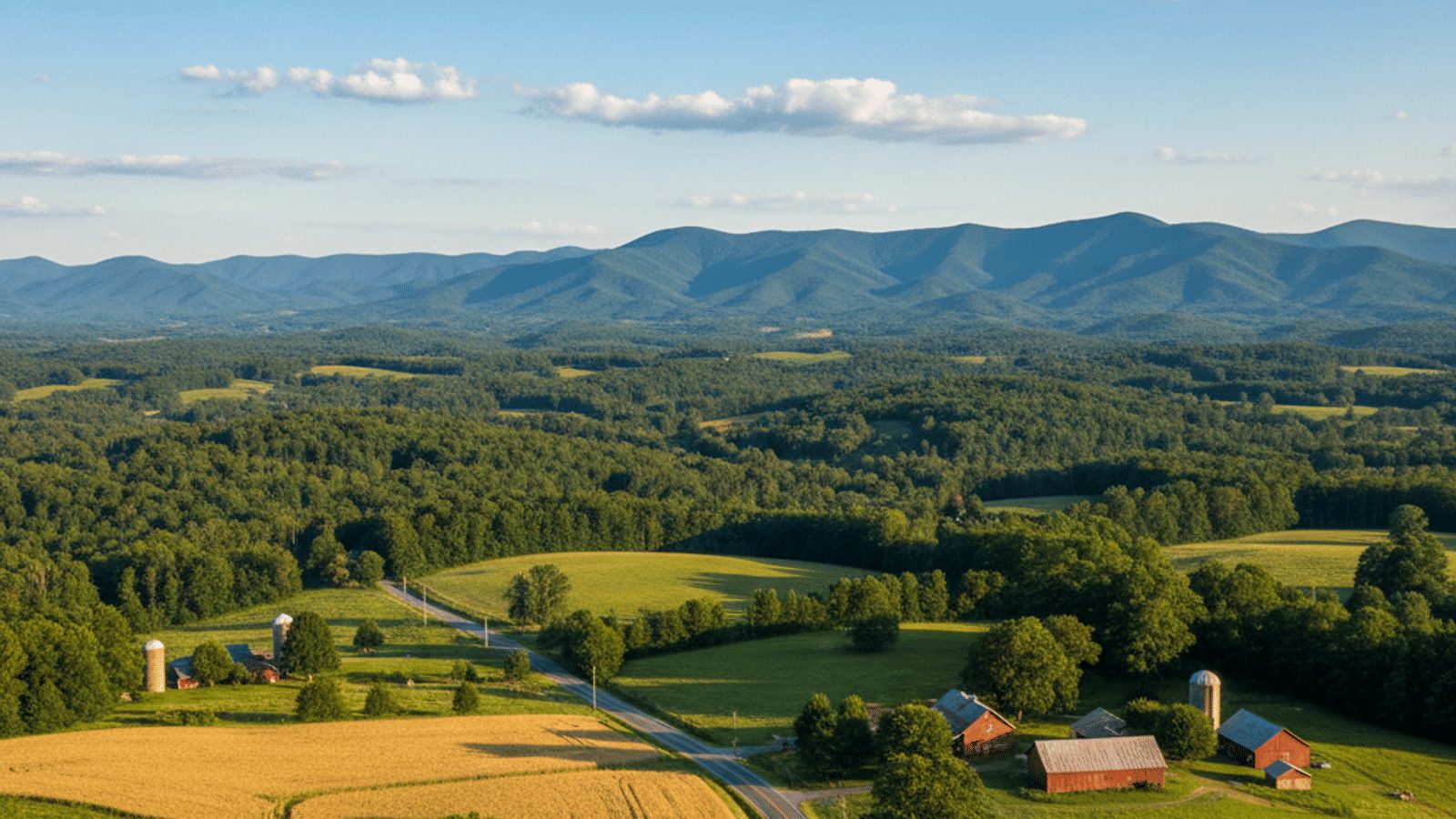
If you are thinking about moving to Tri-Cities TN, you are likely staring at a map of Northeast Tennessee and trying to decide between the two biggest anchors of the region: Johnson City and Bristol.
On the surface, they look like neighbors that share the same beautiful Appalachian mountain backdrop. And to an extent, they are. They are only about 20 to 25 minutes apart, and residents cross city lines constantly for work or dinner. But if you dig a little deeper, you’ll find two very distinct personalities.
Locals often describe Johnson City as the “Heartbeat” of the region—it’s the medical and educational hub with a bustling, younger energy. Bristol, on the other hand, is the “Birthplace of Country Music,” offering a historic, twin-city dynamic with a growing tourism scene thanks to the new casino.
Choosing between living in Johnson City vs. Bristol usually comes down to budget, lifestyle preference, and which state tax structure benefits you the most. Let’s break down the numbers and the vibes so you can decide which spot feels like home.
At a Glance: Key Differences
Before we dive into the dollars and cents, here is the high-level summary of how these two distinct markets stack up against one another.
- Johnson City: This is the larger of the two in terms of population and generally feels more “modern.” It has a younger median age (roughly 5 years younger than Bristol), largely driven by East Tennessee State University (ETSU). It feels more like a college town mixed with a regional medical hub.
- Bristol: This is a unique “Twin City” that straddles the Tennessee and Virginia border. It generally appeals to a slightly older demographic and those looking for more house for their money. It is currently experiencing a tourism boom due to the Hard Rock Casino and its deep roots in NASCAR and music history.
- The Commute: It is important to remember that these cities are very interchangeable for workers. It is incredibly common to live in Bristol and work in Johnson City, or vice versa. The drive is an easy highway run, rarely exceeding 30 minutes.
Cost of Living: Which is More Affordable?
If your decision is driven purely by the bottom line, Bristol usually wins the affordability contest. Generally speaking, the cost of living in Bristol is about 6% to 7% lower than in Johnson City.
While groceries, utilities, and healthcare costs are roughly comparable across the region (mostly due to the region-wide presence of Ballad Health and regional utility providers like BrightRidge in JC and BTES in Bristol), the real separator is housing.
Housing Market Comparison
When analyzing the Johnson City housing market, you are looking at the most competitive area in the Tri-Cities. Demand is high here because of the university and the hospital systems.
- Buying: You can expect median home values in Johnson City to hover around the $305,000 mark. Prices here have seen steeper appreciation over the last few years compared to the rest of the region.
- Renting: Because of the student population at ETSU, the rental market is tighter and more expensive. Average rents typically range from $1,100 to $1,400 per month depending on proximity to the university or downtown.
Compare that to homes for sale in Bristol TN, where you get a bit more “bang for your buck.”
- Buying: The median home value in Bristol sits closer to $228,000. This makes it an attractive option for first-time buyers or retirees looking to downsize their expenses without downsizing their square footage.
- Renting: You can often find rentals in the $930 to $1,150 range, though inventory can be a little older compared to the new apartment complexes popping up in Johnson City.
The Tax Situation: TN vs. VA Explained
This is the most critical financial detail to understand if you are looking at Bristol. Because Bristol sits on the state line, you have to be very specific about which side of the street you buy on.
Johnson City is entirely in Tennessee. The tax benefits here are straightforward:
- No State Income Tax: You keep more of your paycheck.
- Sales Tax: Tennessee makes up for the lack of income tax with a higher sales tax, usually around 9.5% combined state and local.
Bristol is split right down State Street.
- Bristol, TN: Operates like Johnson City. No state income tax, but you pay that higher sales tax (~9.25%). Property taxes are generally a bit higher than the VA side, but the income tax savings usually outweigh this for working professionals.
- Bristol, VA: Living on the Virginia side means you are subject to state income tax (rates range from 2% to 5.75%). However, the sales tax is significantly lower (around 5.3%).
For many retirees drawing income that might be tax-exempt, or for those working in Virginia anyway, the VA side can offer great real estate value. However, most remote workers or high-earners specifically target the Tennessee side to avoid the income tax bill.
Lifestyle & Vibe: Medical Hub vs. Music City
The daily experience of living in these two cities is distinct, even though they are neighbors.
Johnson City feels like a classic, active university town with a professional edge. The downtown area has been revitalized with a focus on walkability and modern amenities.
- The Scene: You have popular spots like Yee-Haw Brewing and Founders Park, which hosts festivals and yoga in the park.
- Outdoors: If you love hiking, JC is physically closer to the rugged trails of Buffalo Mountain and the Nolichucky River. It attracts people who want a quick transition from office to trailhead.
- Dining: You will find a denser concentration of trendy cafes, international cuisine, and modern dining options here.
Bristol is defined by its history and tourism. The downtown district along State Street is iconic—you can literally stand with one foot in Tennessee and one in Virginia.
- The Scene: It is the “Birthplace of Country Music,” and the museum there is a major cultural anchor. The vibe is a mix of classic Americana and high-energy tourism, thanks to Bristol Motor Speedway and the newly developed Hard Rock Casino.
- Entertainment: While JC has a great local music scene, Bristol attracts the bigger touring acts and creates a bustling nightlife atmosphere around the casino and the raceway.
- Dining: Bristol excels at classic diners, burger joints, and is rapidly expanding its upscale options to cater to the casino crowds.
Job Market & Major Employers
When looking at the cost of living in Johnson City, it helps to know where the paychecks are coming from. Johnson City is widely considered the economic engine of the Tri-Cities.
- Johnson City Employers: The economy here is anchored by “Meds and Eds.” Ballad Health is headquartered here, making it a massive draw for doctors, nurses, and administrators. East Tennessee State University (ETSU) and the VA Medical Center are also top-tier employers.
- Bristol Employers: Bristol has a strong manufacturing heritage, with companies like Monarch Pharmaceuticals providing stable jobs. The tourism sector is the fastest-growing job market here, with the casino bringing in hundreds of service and management roles.
Traffic is rarely an issue in either city compared to national metros. Commuting via I-26 or I-81 is generally smooth, meaning you can easily take a job in Kingsport or Johnson City while living in Bristol.
Education & Community Safety
For households prioritizing education, both cities offer strong options, though the structures differ slightly.
Schools: The Johnson City Schools function independently of the county system and very often are among the best districts in Tennessee. Science Hill High School is the large educational campus, recognized for its competitive AP programs and athletics. The Bristol Tennessee City Schools system is highly regarded and has often outperformed the larger county networks around it. Both cities maintain a great sense of community through their high schools.
Safety: It is important to look at the context when reviewing crime statistics. Both Johnson City and Bristol tend to seem a little higher in crime statistics, but mostly in property crimes such as retail areas.
- For instance, in Johnson City, areas such as Lake Ridge or North Johnson City are recognized to be quiet residential areas.
- In Bristol, the Fairmount and Holston Hills areas are well-established communities with active neighborhood watches.
The general rule for both cities is that crime is rarely random; it tends to be concentrated in specific pockets, while the majority of residential suburbs remain peaceful.
Verdict: Who Should Choose Which?
So, who wins the battle of Johnson City vs Bristol? It ultimately depends on what season of life you are in.
Choose Johnson City if:
- You want a modern, younger atmosphere with access to a major university.
- You work in healthcare or higher education.
- You prefer new construction homes and modern apartments.
- Immediate access to rugged hiking trails is a priority.
Choose Bristol if:
- You are looking for the most affordable housing options.
- You love historic charm, vintage architecture, and a strong sense of local heritage.
- You enjoy the entertainment lifestyle (casinos, racing, live music).
- You want to live on the Virginia side for specific tax or other reasons.
FAQs
Is it cheaper to live in Johnson City or Bristol?
Yes, Bristol is generally the cheaper option. On average, the overall cost of living in Bristol is about 6-7% lower than Johnson City, largely due to median home prices being roughly $75,000 less in Bristol.
What is the tax difference between Bristol TN and Bristol VA?
The main difference is income tax. Bristol, TN has no state income tax but has a high sales tax (approx. 9.25%). Bristol, VA has a state income tax (up to 5.75%) but a much lower sales tax (approx. 5.3%).
How far is Johnson City from Bristol?
The two cities are very close, roughly 20 to 25 miles apart. Depending on where you start and end, the drive usually takes about 25 to 30 minutes via Highway 11E or Interstate 81.
Does Bristol have a good hospital?
Yes, Bristol is home to Bristol Regional Medical Center (part of Ballad Health), which is a Level 2 trauma center. It provides comprehensive care, so residents do not need to travel to Johnson City for most medical emergencies.
Which city has better schools, Johnson City or Bristol?
Both cities have independent school districts that are highly rated. Johnson City Schools (Science Hill) often rank in the top 10 in the state, but Bristol Tennessee City Schools also have excellent ratings and strong community support.
Knoxville vs. Maryville: The City or The Foothills?
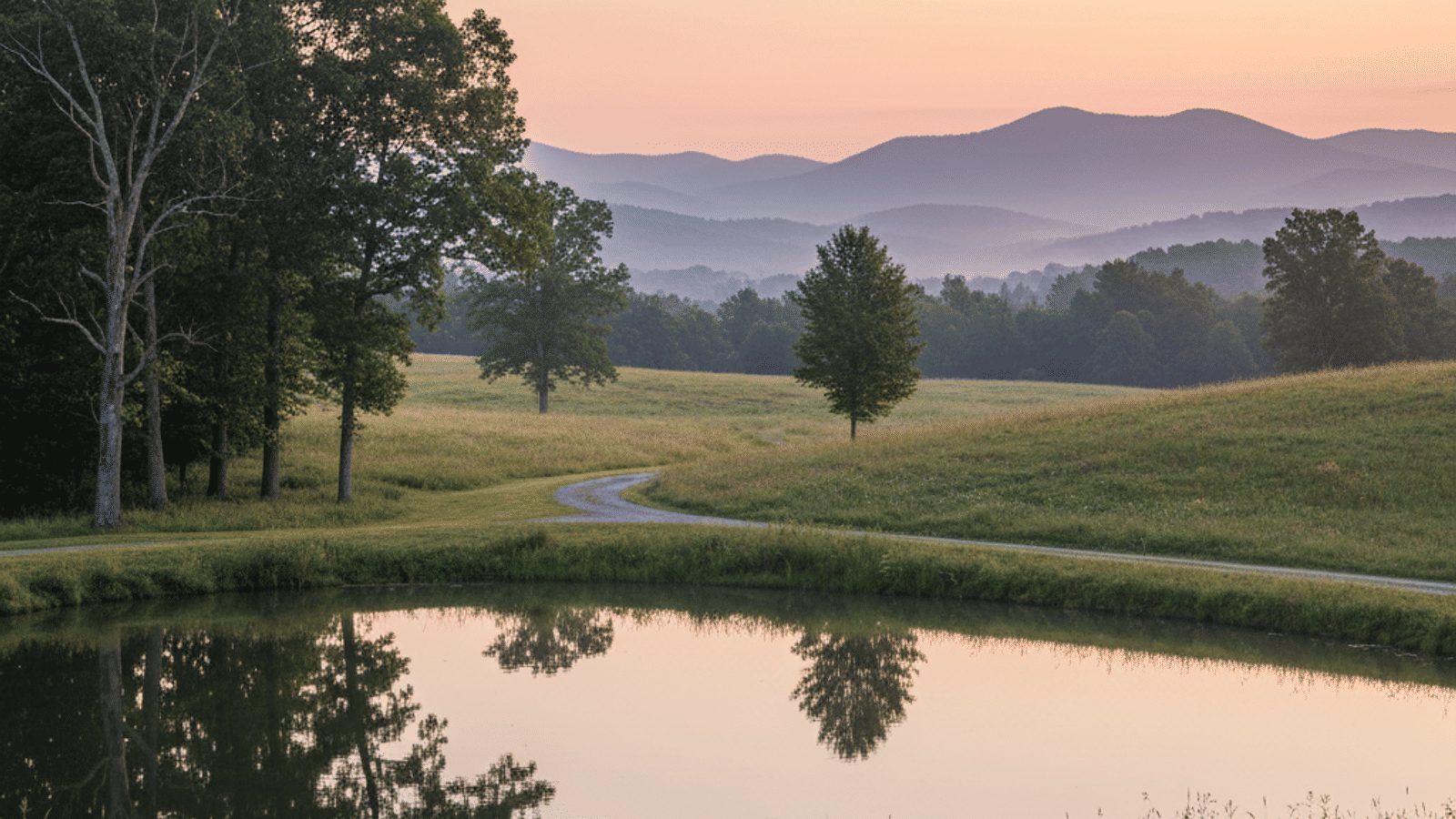
If you are looking at relocating to Tennessee, specifically the eastern part of the state, you have likely narrowed your search down to two main contenders: Knoxville and its southern neighbor, Maryville. On a map, they look incredibly close—separated by just 15 to 20 miles. But once you are on the ground, you realize they offer two distinct lifestyles.
The choice usually comes down to energy versus atmosphere. Do you want the “Scruffy City” vibrancy of Knoxville, with its college sports, festivals, and walkable downtown? Or are you looking for the “Peaceful Side of the Smokies” charm that Maryville offers? It is important to note that Maryville isn’t just a bedroom community; it is a self-sufficient small city with a strong independent identity.
Let’s break down the real differences so you can decide which spot feels like home.
Cost of Living & Tax Considerations
For years, the common advice was to buy in Blount County (Maryville) because it was significantly cheaper than Knox County. However, as more people discover the area, that gap has narrowed. Maryville is no longer the bargain bin option; it is a highly desirable market in its own right.
While general costs are similar, property taxes are where things get nuanced. Tennessee has no state income tax, so local property taxes matter. If you buy a home inside the city limits of either Knoxville or Maryville, you are looking at a “double tax” scenario—you pay both the City tax and the County tax.
However, the baseline county tax rates differ. Blount County (where Maryville is located) generally has lower property tax rates than Knox County. This means if you find a home just outside the Maryville city limits, you avoid the city tax and pay the lower Blount County rate, which can lead to meaningful annual savings.
When looking at sticker prices for homes, Maryville median prices often hover in the $315,000 to $360,000 range, while Knoxville is broader, ranging from $340,000 to $410,000 depending heavily on the neighborhood.
Real Estate Market Comparison
Because Knoxville is the regional hub, the real estate market there is larger and moves faster. You will find a diverse mix of housing stock, from historic Craftsman bungalows in neighborhoods like Fourth and Gill to sprawling new construction in West Knoxville. However, living in Knoxville often means facing fierce competition, especially in popular zip codes like 37919 or 37922.
The market for homes for sale in Maryville is a bit different. Inventory tends to be tighter because people who move there tend to stay put. The demand here is often driven specifically by the reputation of the school district. You will see a lot of brick ranch-style homes, mid-century properties, and an increasing number of new subdivisions.
If your goal is land, Maryville and the surrounding Blount County area are generally your best bet. It is much easier to find larger lots or slight acreage for a reasonable price here compared to the density of West Knoxville. While Knoxville prices can be volatile, Maryville real estate has shown stable appreciation, holding its value well even as the market corrects.
Lifestyle & Community Vibe
Knoxville is defined by its collegiate energy. With the University of Tennessee right near downtown, there is a pulse here that you don’t get elsewhere. You have walkable areas like Market Square and the Old City, filled with restaurants, theaters, and nightlife. It attracts young professionals, students, and anyone who wants to be in the middle of the action.
Maryville moves at a slower pace, but don’t mistake that for boring. It has a very strong sense of local community. It feels like a small town where neighbors know each other, yet it has all the big-city amenities you need, including a mall, Target, and plenty of dining options. It is a popular spot for those seeking a quieter, more settled environment without going fully rural.
Commuting & Traffic: The Alcoa Highway Factor
We have to talk about the road that connects these two cities: Alcoa Highway (US-129). If you are looking at living in Maryville and working in Knoxville, you will become very familiar with this route.
Locals have a love-hate relationship with Alcoa Highway. It is the main artery, and it is currently undergoing massive construction to widen and improve safety. The commute typically takes about 20 to 30 minutes, but accidents or construction delays can change that timeline quickly.
That said, general traffic flow within Maryville is much lighter than the gridlock you might experience on I-40 or I-75 in West Knoxville. Another logistical perk for Maryville residents is the airport. McGhee Tyson Airport (TYS) is actually located in Alcoa (right next to Maryville), making it faster to catch a flight from Maryville than from most parts of Knoxville.
Schools & Education Options
For many buyers, the school systems are the deciding factor. It is important to understand the structure here because it is unique. Knoxville falls under the Knox County Schools system, which is a large district offering a wide variety of options, including magnet programs and International Baccalaureate (IB) courses. Highly rated zones are often found in areas like Farragut and Sequoyah Hills.
Maryville, however, operates its own municipal system: Maryville City Schools. This district is separate from the surrounding Blount County Schools. The Maryville City system is often cited by homebuyers as a primary reason for moving to the area. It is known for high graduation rates and a consistent academic reputation.
If you are looking for specific programs or a large variety of extracurriculars, the size of the Knox County system might appeal to you. If you prefer a smaller, tighter-knit district structure, Maryville is worth a close look.
Outdoor Recreation & Nature Access
Both cities love the outdoors, but they offer access to different types of nature.
Maryville is known as the “Gateway to the Smokies.” If you want to spend your weekends hiking in Cades Cove or tubing in Townsend, Maryville puts you significantly closer to the park entrance. Within the city itself, the Maryville-Alcoa Greenway provides miles of paved walking and biking trails that connect parks and neighborhoods.
Knoxville has branded itself as the “Urban Wilderness.” The focus here is on the Tennessee River and the quarries. Places like Ijams Nature Center offer incredible hiking and mountain biking just minutes from downtown. If you are into paddleboarding, kayaking, or urban hiking, Knoxville is fantastic.
The verdict? Choose Maryville if you are a mountain purist. Choose Knoxville if you prefer water sports and staying close to the city.
Pros and Cons at a Glance
Sometimes it helps to see the trade-offs side by side.
Knoxville Snapshot
- Pros: Access to more jobs, diverse dining and nightlife, energetic college town atmosphere, and a wider variety of housing styles.
- Cons: Heavier traffic (especially interstate gridlock), and potentially higher price per square foot in prime neighborhoods.
Maryville Snapshot
- Pros: significantly closer to the Great Smoky Mountains, a quieter “small town” atmosphere, and the highly rated Maryville City school district.
- Cons: Fewer late-night entertainment options, and the commute to Knoxville can be tedious during rush hour.
Verdict: Which East TN City is Right for You?
Ultimately, there is no “better” city, only the one that fits your lifestyle.
You should likely choose Knoxville if you crave energy and walkability. If you want to be close to the university, have a short commute to corporate jobs, and enjoy having dozens of restaurants within a ten-minute drive, the city life is for you.
On the other hand, you should choose Maryville if you prioritize a community feel. If your focus is on top-tier public schools, easy access to the mountains, and a neighborhood where the pace is just a little bit slower, the foothills will feel like home.
FAQs
Is cost of living cheaper in Knoxville or Maryville?
Historically, Maryville was cheaper, but that gap has largely closed due to high demand. Today, the cost of living is comparable between the two, though you can still find savings in Maryville regarding property taxes if you live outside the city limits in Blount County.
How far is Maryville from Knoxville?
Maryville is located about 15 to 20 miles south of downtown Knoxville. Depending on traffic along Alcoa Highway, the drive usually takes between 20 and 30 minutes.
Does Maryville have its own school district?
Yes, Maryville has a municipal school system called Maryville City Schools, which is independent of the Blount County school system. This separate district is a major draw for people moving to the area.
Johnson City vs. Kingsport: Defining the Tri-Cities Duel
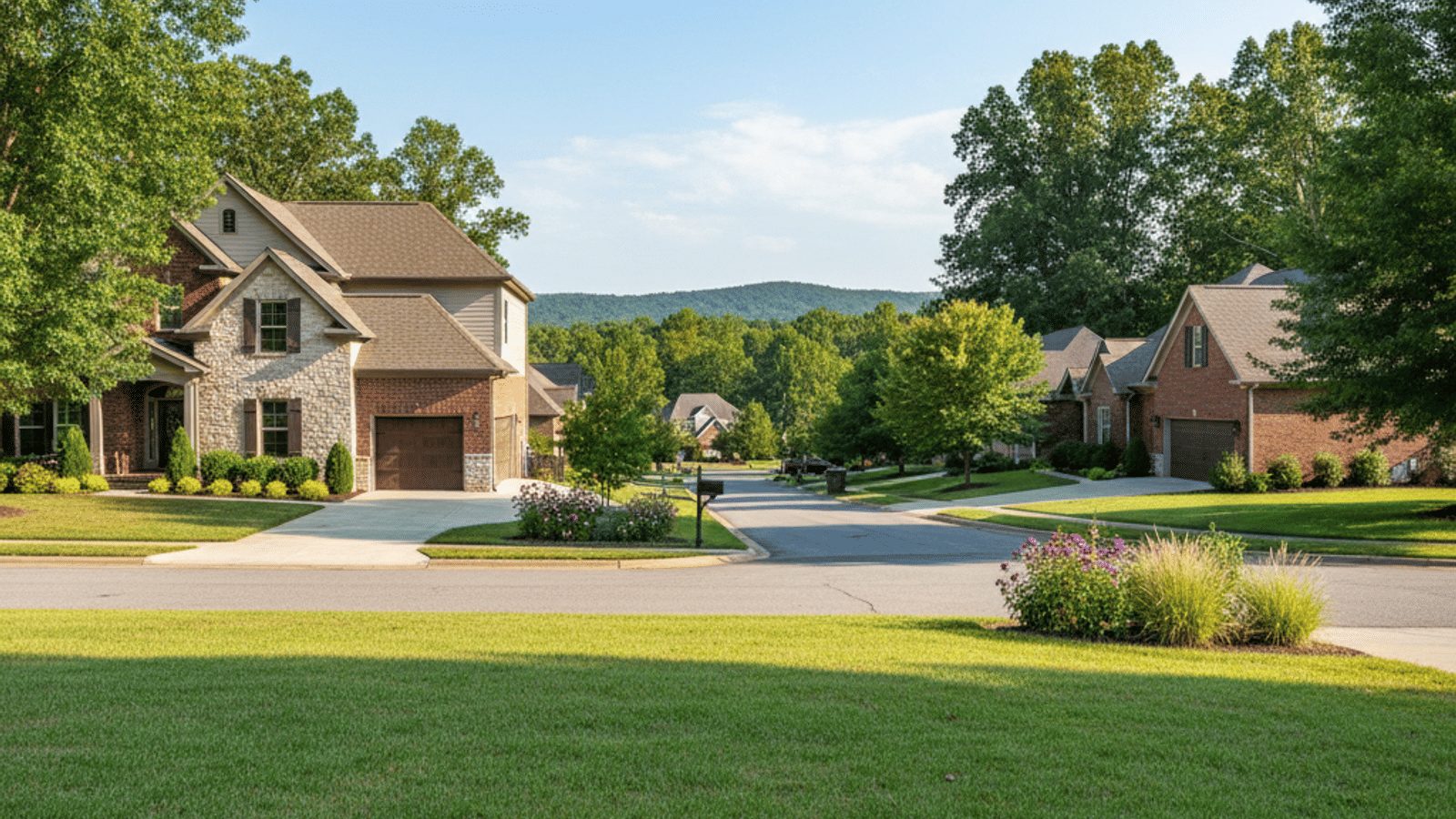
If you are looking at homes for sale in Tri-Cities TN, you have almost certainly hit the inevitable fork in the road: Johnson City or Kingsport?
On a map, these two cities look like neighbors. They are only about 25 to 30 minutes apart, and along with Bristol, they form the Northeast Tennessee region known as the Tri-Cities. But ask any local, and they will tell you the vibes couldn’t be more different. Johnson City often feels like the heartbeat of the region—it’s the educational and medical hub with a bit more hustle. Kingsport, historically known as the “Model City,” feels like a planned, steady community built around industry and tradition.
Choosing between them isn’t usually about which one is “better” in a vacuum. It comes down to your budget, your daily lifestyle, and what you want your weekends to look like. Let’s break down the real differences so you can decide which spot feels like home.
Cost of Living & Housing Market Comparison
Let’s get right to the numbers, because this is often the deciding factor for people relocating to Northeast Tennessee. Generally speaking, your dollar stretches further in Kingsport. While both cities offer a cost of living well below the national average, Kingsport has historically been the more affordable of the two.
Johnson City typically commands a premium. Because it is a university town (home to East Tennessee State University) and the medical hub for the region, housing demand stays consistently high. You have a steady flow of students, medical residents, and retirees competing for housing, which keeps prices firm. In contrast, Kingsport offers incredible value. You can often find a similar square footage and lot size in Kingsport for significantly less than you would pay a few exits down the highway.
When you look at the rental market, the gap widens slightly. Johnson City has a robust rental market due to the student population, but that also drives up average rents. Kingsport has fewer large-scale apartment complexes and more single-family rentals, often at lower monthly rates.
Market Snapshot
Here is how the costs generally compare between the two:
- Median Home Price (Kingsport): You are often looking in the $230,000 range for a solid, single-family home.
- Median Home Price (Johnson City): Expect to see prices in the $250,000 to $275,000 range for comparable properties.
- The Bottom Line: Housing costs in Kingsport are roughly 15–18% lower than in Johnson City.
Vibe & Lifestyle: University Energy vs. Industrial Tradition
The “feel” of these cities is where the decision becomes emotional rather than financial. Johnson City has a younger, more energetic demographic. With a median age around 36, the town is fueled by the energy of ETSU and the “Med-Tech” corridor. The downtown revitalization here has been massive, resulting in a walkable area packed with breweries, eclectic restaurants, and festivals that run year-round. If you want to grab a craft beer and walk to a concert at a park, living in Johnson City is likely your speed.
Kingsport has a different, slightly quieter rhythm. The median age is higher, hovering around 44, and the community feels more settled. It was designed as a “garden city,” meaning the layout was intentional, focusing on residential circles and green spaces. It is less about late-night brewery hops and more about community heritage and established neighborhoods.
For outdoor enthusiasts, the terrain even differs slightly. Johnson City is known for Tannery Knobs—a mountain bike park right near downtown—and the rugged trails of Buffalo Mountain Park. Kingsport counters with Bays Mountain Park, a massive nature preserve with a planetarium and wolves, and Warriors’ Path State Park, which is great for boating and golf.
Economy & Major Employers
Understanding the job market is key to understanding the traffic patterns here. Kingsport was built on industry, and that legacy continues today. The economy is dominated by manufacturing, specifically the massive Eastman Chemical Company. Eastman isn’t just an employer; it’s an institution that shapes the city’s economy and culture.
Johnson City has a more diversified service economy. It is the headquarters for Ballad Health and home to the VA Medical Center, making it a sanctuary for healthcare professionals. Add in the university employment from ETSU, and you have a city driven by “Eds and Meds.”
The good news is that you don’t necessarily have to live where you work. Commuting between the two is very common. Plenty of people work at Eastman but choose relocating to Johnson City for the nightlife, just as many healthcare workers live in Kingsport to save on their mortgage.
Schools & Education Options
If education is a priority for your household, you are in luck with either choice. One distinct advantage of the Tri-Cities area is that both Johnson City and Kingsport operate their own independent city school districts—Kingsport City Schools and Johnson City Schools—separate from their respective county systems.
In Kingsport, the community rallies around Dobyns-Bennett High School. It is famous regionally for its incredible band program (one of the best in the country) and strong academic tracks. It has a “large campus” feel that offers a massive variety of extracurriculars.
Johnson City is home to Science Hill High School, which is also a powerhouse for academics and athletics. A unique advantage here is the proximity to ETSU. Students in Johnson City often have easier access to dual enrollment options and the University School, a laboratory school located directly on the ETSU campus. Both districts are highly regarded, so you aren’t really “losing” by picking one over the other.
Safety & Crime Rates
When looking at safety, it is important to look past the headlines and dig into the data. Statistically, Johnson City generally reports lower property and violent crime rates than Kingsport. The data often shows Johnson City having about 19–22% less reported crime.
However, real estate is hyper-local. Kingsport’s higher numbers are often concentrated in very specific pockets of the city, while the vast majority of its residential neighborhoods are quiet and peaceful. Johnson City is similar; while the overall stats are lower, as a college town, it deals with its own share of petty theft and property issues near campus areas.
Rather than writing off an entire city, it is smart to research specific neighborhoods in Kingsport or Johnson City to understand the actual environment of the street you are eyeing.
Location, Commute & Regional Access
Navigating these cities offers two different experiences. Kingsport was designed with a “Circle City” layout. This master planning means that, for the most part, traffic flows relatively smoothly. Even during rush hour, getting across Kingsport is usually less stressful than navigating the growing congestion of Johnson City.
Johnson City is experiencing rapid growth, and the infrastructure is sometimes playing catch-up, leading to heavier traffic on North State of Franklin Road and near the interstate exchanges. However, Johnson City wins on regional positioning if you love the mountains. It is slightly closer to the deeper Appalachian ranges and offers a quicker shot down to Asheville, NC.
In terms of air travel, both cities have easy access to the Tri-Cities Airport (TRI), which sits conveniently right between them.
Verdict: Who Should Choose Which?
So, where should you plant your roots? Here is a quick summary to help you decide.
You should choose Johnson City if:
- You love a vibrant downtown with walkability, breweries, and local food.
- You work in healthcare or higher education.
- You are looking for an investment with potentially higher appreciation due to high demand.
- You prefer a younger demographic and university-town energy.
You should choose Kingsport if:
- Getting the most square footage for your money is your top priority.
- You prefer a quieter, established community feel with less traffic congestion.
- You work in manufacturing or at Eastman Chemical Company.
- You want a planned community atmosphere with excellent city services.
Ultimately, both cities offer a high quality of life with a low cost of living compared to the rest of the country. The best way to decide is to drive the 30 minutes between them and see which skyline feels like home.
FAQs
Is it cheaper to live in Johnson City or Kingsport?
Kingsport is generally cheaper. Housing costs in Kingsport are typically 15% to 18% lower than in Johnson City, and you can usually find more house for your money there. While utilities and taxes are comparable, the lower entry price for homes makes Kingsport the more affordable option.
Which city has better schools, Johnson City or Kingsport?
Both cities have excellent independent school districts that rank highly in the state. Kingsport is home to the renowned Dobyns-Bennett High School, while Johnson City features Science Hill High School and access to ETSU’s University School. The “better” choice usually depends on whether your student prefers a specific program, like Kingsport’s band or Johnson City’s science tracks.
How far apart are Johnson City and Kingsport?
The two cities are very close, roughly 20 to 30 minutes apart depending on where you start and end. They are connected primarily by I-26, making it very easy to live in one city and commute to the other for work or dining.
What is Kingsport’s major employer compared to Johnson City?
The economy of Kingsport is anchored by Eastman Chemical Company, a huge manufacturing and industrial hub. Johnson City is driven more by the healthcare and education sectors, with Ballad Health and East Tennessee State University serving as the primary major employers.
Pigeon Forge vs. Gatlinburg: The Smoky Mountain Showdown
If you are looking at Sevier County for a vacation home, a permanent relocation, or a smart investment, you have likely narrowed it down to the two heavyweights: Pigeon Forge and Gatlinburg.
To an outsider, these two towns might seem like one continuous stretch of fun in the foothills. They are neighbors, after all, separated by only 5 to 8 miles of scenic road. They share the same incredible backdrop of the Great Smoky Mountains National Park and the benefit of Tennessee’s low property taxes.
However, once you spend time on the ground here, you realize they are fundamentally different markets with distinct personalities. Gatlinburg offers that compact, walkable mountain village feel, while Pigeon Forge is a sprawling, high-energy entertainment hub. Whether you are looking to buy a cabin in the Smokies or just planning your next trip, understanding these differences is key to making the right choice.
Atmosphere & Layout: Mountain Charm vs. Neon Lights
The biggest difference between these two towns is geography, which dictates the entire “vibe” of the area.
Gatlinburg feels like a European mountain village that has been tucked tightly into a narrow valley. The layout is constrained by steep ridges on all sides, meaning the streets are tight and the development is dense. It is incredibly walkable; you can park your car once and spend the whole weekend on foot, exploring the Parkway, crossing the street to the distillery, or walking to a trailhead. It has a rustic, nature-focused aesthetic where the buildings try to blend in with the slopes.
Pigeon Forge, on the other hand, sits on the valley floor where things open up significantly. It is defined by the Parkway—a wide, six-lane thoroughfare lined with theaters, attractions, and restaurants. Because the terrain is flatter and wider, everything is more spread out. This is a car-centric town. You generally drive from your cabin to dinner, then drive to a show. While it lacks the cozy “village” feel, it handles traffic volume much better thanks to the width of the road and the Veterans Boulevard bypass.
Real Estate Market: Buying in Gatlinburg vs. Pigeon Forge
When you start looking at homes for sale in Sevier County, the inventory in these two towns looks quite different due to that geography we just discussed.
In Pigeon Forge, the flatter terrain allows for larger lots and more new construction. This is where you will find those massive, modern investment cabins with indoor pools and theater rooms, often boasting 6 to 12 bedrooms. Developers here have the space to build big. If you are looking for maximum square footage or a property that can sleep a busload of people, Pigeon Forge is often the place to look.
Gatlinburg inventory is often older, quirkier, and more charming. Because the town is bordered on three sides by the National Park, it is essentially landlocked, meaning new buildable land is scarce. You will find more condos, A-frames, and chalets that cling to the side of steep hills. While the homes might be smaller or older, Gatlinburg properties often command a higher price per square foot if they offer “true” mountain views. In Pigeon Forge, you are often buying the house; in Gatlinburg, you are often buying the view and the location.
Investment Potential: Short-Term Rental Rules & ROI
If you are looking at this from an investment standpoint, this is the most critical section. Both towns are tourism powerhouses, but the regulations for short-term rentals differ.
Gatlinburg Regulations Gatlinburg requires a “Tourist Residence Permit.” The zoning here is strict. Areas zoned R-1A or R-2A often have restrictions on overnight rentals, so you cannot assume every house you see on Zillow is legal to rent. However, properties that are within walking distance to downtown Gatlinburg often command a massive premium on nightly rates and occupancy because guests love the ability to walk to dinner.
Pigeon Forge Regulations Pigeon Forge uses a “Short Term Rental Unit” (STRU) permit system. These are categorized into owner-occupied, non-owner occupied, and unoccupied types. For most investors, the “Non-Owner Occupied” permit is the goal, but these are restricted to specific commercial and high-density residential zones.
Taxes & Costs From a tax perspective, the numbers are similar but have slight variances.
- Sevier County Property Tax: Approximately $1.48 per $100 of assessed value.
- Gatlinburg City Tax: Approximately $0.15 per $100.
- Pigeon Forge City Tax: Ranges between $0.12 and $0.17 per $100 depending on the year and district.
- Lodging Tax: Gatlinburg charges a 3% local tax on top of sales tax, while Pigeon Forge is generally around 2.5%.
Profitability comes down to your target guest. Gatlinburg wins on occupancy consistency for couples and small groups seeking romance and views. Pigeon Forge often wins on gross revenue for those large “reunion-style” properties that stay booked with big groups.
Cost of Living & Visiting
If you are planning to live here full-time, the cost of living is quite reasonable compared to national averages, but there are local quirks.
Housing & Utilities Housing costs are competitive, but you generally get more house for your money in Pigeon Forge. When it comes to utilities, electricity is standard across the county (Sevier County Electric System), but water and sewer can be pricier in Gatlinburg. Pumping water up steep elevations to mountain chalets requires infrastructure, and that cost is passed down to the homeowner.
Daily Expenses Tennessee has no state income tax on wages, which is a huge draw for residents. Sales tax is roughly 9.75% combined state and local. For groceries and gas, locals often drive a few miles north to Sevierville. Gas prices in Sevier County are generally lower than the national average, but tourist traps in downtown areas will charge a premium.
The Parking Factor This is the hidden cost for visitors. In Gatlinburg, parking is a commodity. You will pay $20 or more per day to park in a downtown lot. In contrast, Pigeon Forge offers free parking at major hubs like The Island, The Old Mill, and many other attractions.
Attractions: Nature vs. Theme Parks
How do you want to spend your Saturday?
Gatlinburg is the “Nature Gateway.” The attractions here focus on seeing the mountains. You have Anakeesta and the Gatlinburg SkyPark (home of the SkyBridge) which lift you up to the ridges for incredible views. You also have Ober Mountain for skiing and the massive Ripley’s Aquarium. It is a bit more laid back and focused on the scenery.
Pigeon Forge is the “Entertainment Capital.” This is high-energy fun. It is home to Dollywood, which is a massive draw for visitors of all ages. You also have The Island (a shopping and entertainment complex), the Titanic Museum, and a huge array of dinner shows like Hatfield & McCoy or Dolly Parton’s Stampede. If you want bright lights and constant action, this is the spot.
Proximity to the Great Smoky Mountains National Park
If your main goal is hiking, fishing, or driving Cades Cove, there is a clear winner.
Gatlinburg sits directly at the Sugarlands entrance to the National Park. You can leave a hotel in downtown Gatlinburg and be at a trailhead or the Visitor Center in five minutes. It is the true basecamp for outdoor enthusiasts.
Pigeon Forge is located about 5 to 10 miles north of the park entrance. To get to the mountains, you usually have to drive through Gatlinburg or take the bypass. Depending on traffic on the “Spur” (the beautiful, wooded section of US-441 connecting the towns), this can add 20 to 45 minutes to your trip.
Living There: Schools & Community
For those looking to put down roots, life looks a little different than it does for the tourists. Choosing between the two often comes down to the type of daily environment you prefer.
Living in Pigeon Forge typically feels more suburban and connected. Residents here enjoy easier access to “real world” amenities, such as the major medical facilities at LeConte Medical Center and the shopping hubs in nearby Sevierville. Because the terrain is flatter, the neighborhoods often feel more traditional, with easier driveways and a more central location within the county. Pigeon Forge High School is the larger of the two local schools, offering a diverse range of programs and extracurriculars that reflect the valley’s larger population base.
In contrast, living in Gatlinburg offers a more secluded, intimate experience. Many residents live in homes tucked into the ridges or along the arts-and-crafts loop in the Glades. Life here is dictated by the mountains; your morning commute might involve winding roads and breathtaking views, though it also means a longer drive for basic services like big-box grocery stores or specialized healthcare. Gatlinburg-Pittman High School is smaller and prides itself on a tight-knit, “everyone knows everyone” community feel that is unique to the mountain village.
Verdict: Which City is Right for You?
Choosing between these two really comes down to what you prioritize in a home or vacation spot.
- Choose Gatlinburg if: You crave walkability, romantic mountain views, and want to be minutes away from hiking trails. It is ideal for those who want that classic “cabin in the woods” feeling or a condo in a walkable village.
- Choose Pigeon Forge if: You prefer easier roads, flat parking, and being close to theme parks and large entertainment venues. It is the better choice for buyers needing large, multi-bedroom homes that can accommodate big groups.
- For Investors: Look at Pigeon Forge for volume and large-scale rental revenue. Look at Gatlinburg for higher nightly rates on smaller, scenic units where the view is the main amenity.
FAQs
What is the cost difference between staying in Pigeon Forge and Gatlinburg?
Pigeon Forge tends to be more affordable in regard to accommodation. The reason is that Gatlinburg is a larger area and has fewer accommodations like hotels and cabins, and therefore, the competition is less, and the prices tend to be high.
Which of the two towns is walkable: Gatlinburg or Pigeon Forge?
Gatlinburg is a much more pedestrian-friendly area. Their town is small and has sidewalks leading to many of their large attractions, restaurants, and shops. Pigeon Forge, on the other hand, stretches several miles down a busy highway, requiring you to have a car to safely travel across it.
How far apart are Pigeon Forge and Gatlinburg?
The two towns are only about 5 to 8 miles apart. They are connected by a scenic stretch of road called “The Spur,” meaning you can easily stay in one town and visit the other for dinner or a show.
Do I need a car in Pigeon Forge vs Gatlinburg?
You definitely need a car in Pigeon Forge to get around due to the distance between attractions. in Gatlinburg, you need a car to get there, but once you park at your hotel or a public lot, you can often walk to everything you need for the rest of the day.
Which city has better short-term rental regulations for investors?
Neither is necessarily “better,” but they are different. Gatlinburg requires a Tourist Residence Permit and has strict zoning regarding rental density, while Pigeon Forge requires a Short Term Rental Unit (STRU) permit that distinguishes between owner and non-owner occupied properties. Always verify the specific zoning of a property before making an offer.
Sevierville vs. Pigeon Forge: Which Smoky Mountain City Is Right for You?
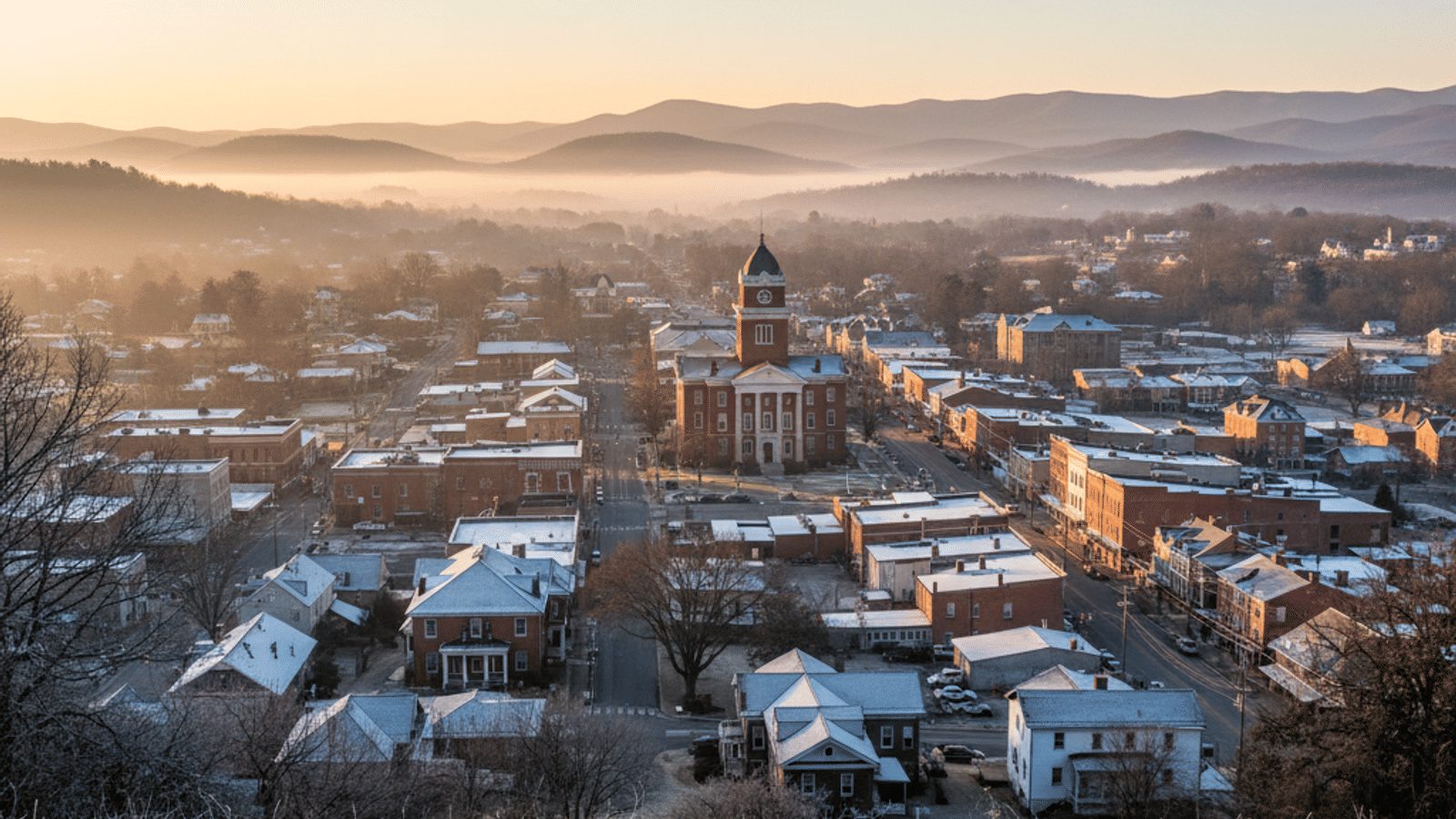
If you are looking to buy property in the Smokies, you have likely realized that while Sevierville and Pigeon Forge share a border, they are two completely different worlds. Both areas offer incredible access to the Great Smoky Mountains National Park and the financial perks of Tennessee residency—specifically, no state income tax on wages—but that is largely where the similarities end.
The core difference usually comes down to intent. Pigeon Forge is the “Vegas of the Smokies,” a concentrated strip of high-energy tourism, neon lights, and attractions. Sevierville, on the other hand, is known as the “Hometown of the Smokies.” It is the county seat, historically grounded, and geographically massive compared to its neighbor. While Pigeon Forge is a destination you visit, Sevierville is designed as a place where people live.
Lifestyle & Vibe: Tourist Hub vs. Hometown Feel
When we talk about the daily atmosphere, we are really talking about volume—both in terms of noise and people. Life in Pigeon Forge is defined by the Parkway. It is high energy, bright lights, and constant movement. If you buy here, you are often right next door to the action. It is fantastic if you want to walk to The Island or grab dinner at a show, but you generally won’t find quiet residential subdivisions in the heart of town.
Sevierville offers a much slower pace once you get away from the main drag. It feels like a “real” city with established infrastructure, a historic downtown courthouse square, and neighborhoods that are miles away from the tourist chaos. In Sevierville, you can live on a farm, in a golf course community, or a standard subdivision and never see a go-kart track unless you want to. living in Sevierville usually means you have a buffer between your front porch and the millions of visitors who come to the county every year.
Cost of Living & Taxes
For most buyers, the financials are the deciding factor. When looking at the cost of living in Tennessee, Sevierville generally comes out ahead for full-time residents.
Housing costs in Sevierville are typically 15-20% lower than Pigeon Forge for equivalent single-family homes. While luxury cabins and sprawling estates can skew the averages high in both towns, the day-to-day costs differ. Sevierville has better access to budget-friendly grocery options like Aldi, Kroger, and Walmart, whereas Pigeon Forge often relies on convenience pricing geared toward vacationers.
The Property Tax Nuance
This is the most important financial detail to understand about Sevier County real estate. There are three main tax scenarios depending on exactly where the property sits:
- Sevier County Only: If you have a Sevierville mailing address but are outside city limits, you pay only the county base rate (approximately $1.48 per $100 assessed value). This is the cheapest option.
- Pigeon Forge City: You pay the county rate plus the Pigeon Forge city add-on (approx. $0.165 per $100).
- Sevierville City: You pay the county rate plus the Sevierville city add-on (approx. $0.31–$0.42 per $100).
Ironically, living inside the official city limits of Sevierville often results in the highest tax bill of the three. However, many “Sevierville” homes are legally in the county’s jurisdiction, keeping taxes significantly lower.
Real Estate Market: Residential vs. Investment Focus
The inventory in these two markets reflects their different vibes. The Pigeon Forge market is dominated by short-term rentals (STRs), condo-hotels, and log cabins. It can be challenging to find a traditional detached home with a garage and a lawn that isn’t geared toward overnight guests. If you are looking for investment properties in Pigeon Forge, you will find plenty of turnkey options, but they often command a higher price per square foot.
Sevierville’s inventory is much more diverse and voluminous—there are usually about three times as many active listings here than in Pigeon Forge. You can find everything from riverfront condos and homes in golf communities to sprawling farms and traditional neighborhoods like those in the Boyds Creek or Seymour areas. Because there is more inventory, the market moves quickly, but there are far more options for buyers looking for homes for sale in Sevierville in the $350,000 to $450,000 range.
Short-Term Rental (STR) Regulations
If you are an investor, you need to be up to date on the regulations, as they have shifted recently.
- Pigeon Forge: Historically, this city is the economic engine of local tourism and is very friendly toward STRs. However, rules can evolve, so always verify the current zoning.
- Sevierville City: Operating an Airbnb here requires a business license and a specific STR permit, which costs around $150 or more annually. The city enforces strict safety inspections regarding fire extinguishers and egress windows.
- Sevier County (Outside City Limits): As of January 2024, the county implemented a new permit program. Even if you are outside city limits, you now need an annual permit (roughly $250) and an inspection.
A critical note for all areas: Occupancy limits are strictly enforced based on septic capacity. If a home is permitted for three bedrooms on the septic permit, you cannot advertise it for 12 people.
Traffic & Commuting: The Parkway Problem
Traffic is a genuine lifestyle consideration here. The main artery, the Parkway (Hwy 441), effectively becomes a parking lot during peak summer months and major car show weekends. In Pigeon Forge, there are very few ways around this. If you live off the Parkway, you are stuck in it.
This is the Sevierville advantage: Back roads. Locals staying in Sevierville have access to alternate routes like Veterans Boulevard, Dolly Parton Parkway, and Chapman Highway. You can run errands or get to work without ever touching the main tourist strip. Additionally, if you commute to Knoxville, Sevierville is much closer. You can get to Knoxville in 20 to 30 minutes, whereas the trek from Pigeon Forge can easily take 45 minutes or more depending on tourist traffic.
Amenities & Healthcare
When you live somewhere full-time, your priorities shift from go-karts to groceries and doctors. Sevierville is the hub for resident essentials. It is home to LeConte Medical Center, the primary hospital for the county. Pigeon Forge has urgent care facilities, but for major medical needs, you will likely be heading to Sevierville.
For shopping, Sevierville hosts the “resident essentials” like Lowe’s, Home Depot, and large supermarkets. It is also home to the Tanger Outlets. While Pigeon Forge has endless souvenir shops and The Island, Sevierville has a growing dining scene in its historic downtown that goes beyond the typical pancake houses found on every corner in the tourist districts.
Schools & Education
Both cities fall under the Sevier County School System. Generally, students in the northern part of the county attend Sevier County High School in Sevierville, while those in the tourist corridor attend Pigeon Forge High.
Because Sevierville covers such a large geographic area, it has more elementary school options, such as Catons Chapel or New Center, which allows for shorter bus rides depending on where you live. For post-secondary education, Walters State Community College has a campus located right in Sevierville, providing easy access to higher education and vocational training.
Seasonal Impact on Residents
Tourism isn’t year-round chaos, but it follows a predictable rhythm.
- Winterfest (Nov–Feb): The holiday lights are beautiful, but they bring heavy night traffic to Pigeon Forge. Sevierville sees some of this, but it is much calmer away from the Parkway.
- Rod Runs (Spring/Fall): During these car shows, Pigeon Forge is almost impassable for locals. Sevierville experiences spillover traffic, but it remains manageable if you know the back roads.
- The Quiet Season: January and February are the “local’s months.” The towns quiet down, and residents get to enjoy the restaurants and attractions without the crowds.
At a Glance: Sevierville vs. Pigeon Forge
Here is a quick breakdown to help you visualize the trade-offs:
- Sevierville Pros: Real community feel, functional back roads for commuting, immediate access to the hospital, and diverse housing options.
- Sevierville Cons: City taxes are higher if you are inside the city limits, and it is less walkable to major entertainment.
- Pigeon Forge Pros: Highly walkable to attractions, massive rental income potential for investors, and a lower city tax rate than Sevierville City.
- Pigeon Forge Cons: Extreme traffic congestion, constant noise, and a lack of residential privacy.
Final Verdict: Where Should You Buy?
The choice ultimately depends on your goals.
You should choose Sevierville if you are looking for a full-time residence, need an easy commute to Knoxville, or want a cabin with more land and privacy. It is the practical choice for day-to-day living.
You should choose Pigeon Forge if you are an investor strictly focused on high occupancy rates or want a vacation home right in the middle of the action where guests can walk to dinner and shows.
Remember the “County Only” loophole: The sweet spot for many buyers is a home with a Sevierville address that sits outside the city limits. You get the lower county tax rate, the residential peace and quiet, and you are still just a short drive from the fun.
FAQs
Is it cheaper to live in Sevierville or Pigeon Forge?
Generally, Sevierville is more affordable for day-to-day living. Housing prices for single-family homes are typically lower, and residents have easier access to standard-priced grocery stores rather than the convenience-priced options found in the heart of Pigeon Forge.
Which city has better schools, Sevierville or Pigeon Forge?
Both cities are part of the same Sevier County School System, so the curriculum and administration are consistent. Sevierville has more elementary schools due to its larger size, which can mean shorter commutes for younger students, but both high schools (Sevier County High and Pigeon Forge High) offer comparable facilities and sports programs.
Do I pay city taxes in Sevierville?
It depends on your specific location. Many homes with a “Sevierville, TN” mailing address are actually located in unincorporated Sevier County, meaning you pay only county taxes. However, if your property lies within the official Sevierville city limits, you will pay both county and city taxes.
How far apart are Sevierville and Pigeon Forge?
They share a border, so you can cross from one to the other without realizing it. However, driving from downtown Sevierville (the courthouse) to the heart of Pigeon Forge (The Island) typically takes 10 to 15 minutes, though traffic can double that time during peak tourist season.
Can you Airbnb a house in Sevierville?
Yes, but you must follow local regulations. Inside Sevierville city limits, you need a business license and a specific short-term rental permit. If the home is outside city limits (in the county), you must comply with the county’s new 2024 permit and inspection requirements.


