

 Facebook
 X
X
 Pinterest
 Copy Link
Knoxville vs. Chattanooga: The Battle of East Tennessee

If you are considering relocation to the state of Tennessee, you may already be familiar with the two big players in the eastern part of the state. These two would be Knoxville and Chattanooga, which are often referred to as competition by the “Scruffy City” vs. the “Scenic City.”
The reality is that both offer incredible advantages: no state income tax, stunning mountain vistas, and beautiful riverfronts. But each city also offers a distinct flavor that will appeal differently to people. Knoxville offers the excitement of a big college town merged with a serious science research center, being the main route into the Great Smoky Mountains.
Chattanooga, on the other hand, is more of a startup-friendly environment. This is because it is nicknamed “Gig City” because of its citywide high-speed internet connection and has an environment entrenched in outdoor adrenaline sports like rock climbing and kayaking. Ultimately, it is what type of environment you want to live in as to whether it is in the culture of the university or the city along the river.
Vibe & Lifestyle: College Spirit vs. River City Cool
When you spend time in Knoxville, the influence of the University of Tennessee (UTK) is undeniable. The city bleeds orange, especially on game days when the “Vol Navy” takes over the river. It feels slightly larger and more spread out than its southern neighbor, with a rich history deeply connected to country and bluegrass music. The energy here is youthful, driven by a median age of around 33-34, thanks largely to the student population.
Chattanooga offers a different rhythm. Defined by the loops of the Tennessee River and the shadow of Lookout Mountain, the vibe here is artsy and revitalized. Areas like the North Shore and the Southside are packed with walking bridges, cafes, and breweries. It attracts a lot of young professionals and remote workers who move here specifically for the lifestyle. While the median age is a bit higher—around 37-38—it feels vibrant in a way that is less about college parties and more about Saturday morning trail runs.
If you are considering living in Knoxville, expect a city that feels like a traditional Southern hub with a sports pulse. Conversely, if you are researching living in Chattanooga, prepare for a community that feels like a large, tech-savvy mountain town.
Cost of Living Comparison
For many buyers, the decision comes down to the monthly budget. The good news is that both cities are generally affordable compared to national averages, though popularity has driven prices up in recent years.
When it comes to taxes, the landscape is identical: Tennessee has no state income tax, which is a massive draw. However, to balance that out, sales tax is high. You can expect to pay roughly 9.25% in Knox County and roughly 9.25% or slightly more in Hamilton County depending on the municipality.
Day-to-day expenses like groceries and gas are pretty much a wash between the two; you have access to the same major chains and local farmers markets in both spots. Utilities, however, can be a differentiator. Chattanooga’s Electric Power Board (EPB) is famous for providing fiber optic internet and reliable electricity, which can sometimes offer better value and slightly lower utility costs compared to the mix of providers in the Knoxville area.
- Overall Cost of Living: Chattanooga can be roughly 3-5% more expensive on some indices, but housing costs vary wildly by neighborhood.
- Sales Tax: Expect to pay between 9.25% and 9.75% on goods in both regions.
Housing Market: Buying and Renting
Real estate in East Tennessee has been hot, and navigating these markets requires a bit of patience.
The Knoxville housing market is typically a competitive seller’s market. Because of the university, there is a constant demand for housing that spills over from students to faculty to recent grads. Inventory is often tight, and the population growth in Knox County has been steep. You will see a lot of older, historic homes in city limits and sprawling subdivisions as you move west toward Farragut.
The Chattanooga market is also competitive, but you might find a bit more inventory flexibility in the surrounding suburbs. Chattanooga real estate trends show a diverse range of options, from downtown condos near the Aquarium to cabins tucked away on the side of a mountain.
Rentals show a clearer divide. Knoxville rents can be surprisingly high, specifically near downtown and campus, often sitting about 2% to 6% higher than comparable units in Chattanooga.
- Knoxville Median Home Price: Typically ranges between $350,000 and $385,000.
- Chattanooga Median Home Price: Typically ranges between $300,000 and $345,000.
- Rentals: Knoxville generally commands higher premiums due to student housing demand.
Job Market & Major Industries
If you aren’t bringing a remote job with you, it is vital to know who is hiring. The Knoxville economy is heavily anchored by three pillars: Education (UTK), Healthcare, and Science/Government. With Oak Ridge National Laboratory (ORNL) and the Tennessee Valley Authority (TVA) nearby, there is a massive concentration of PhDs and engineers in the area. Major employers include Y-12, UT Medical Center, and Covenant Health.
Chattanooga has carved out a different niche. It is a powerhouse for manufacturing and logistics. The Volkswagen Chattanooga plant is a massive economic engine, as is Amazon’s distribution presence. It’s also an insurance hub with BlueCross BlueShield of Tennessee and Unum headquartered there. Perhaps most notably, the “Gig City” infrastructure has birthed a legitimate tech and startup scene that attracts digital nomads.
Commuting is another factor to consider. Knoxville sits at the junction of I-40 and I-75, and traffic—especially on game days or Friday afternoons—can be a headache. Chattanooga has the “Ridge Cut,” a notorious curve on the interstate that slows things down, but generally, the traffic is manageable compared to larger metros.
Outdoor Recreation & Geography
This is where the “Scruffy” vs. “Scenic” debate gets heated. Both cities are phenomenal for nature lovers, but they serve different crowds.
Knoxville acts as the “Gateway to the Smokies.” You are roughly 45 minutes from the entrance of the Great Smoky Mountains National Park, making it easy to pop over to Gatlinburg or Pigeon Forge for a hike. Within the city, Ijams Nature Center offers trails and quarry swimming, and Fort Loudoun Lake provides plenty of boating opportunities.
Chattanooga’s outdoor scene is more integrated into the city’s daily life. It is world-famous for rock climbing (thanks to the sandstone cliffs) and hang gliding. The 13-mile Riverwalk allows you to bike or run along the water for miles without crossing a street. If you want immediate elevation changes—like hiking up Lookout Mountain or Signal Mountain on a Tuesday after work—Chattanooga wins that category.
- Proximity to National Park: Knoxville is the clear winner.
- Adventure Sports: Chattanooga takes the gold for climbing, whitewater, and IronMan training.
Entertainment, Culture, and Nightlife
How do you spend your Saturday night? In Knoxville, the hub is Market Square. It’s a pedestrian-friendly district loaded with restaurants, bars, and shops. The historic Tennessee Theatre offers broadway plays and concerts, and the Dogwood Arts Festival is a local staple. But again, you cannot ignore the sports culture; on Saturdays in the fall, Neyland Stadium becomes the third-largest city in Tennessee.
Chattanooga feels a bit more tourist-friendly in its downtown layout. The Tennessee Aquarium is a major draw that anchors the riverfront. The Walnut Street Bridge—one of the longest pedestrian bridges in the world—connects the downtown to the North Shore and is always packed with walkers and dogs. The brewery scene here is robust, and festivals like Riverbend bring music directly to the water’s edge.
Education and Schools
If you are looking at schools, both cities offer large county-wide public systems—Knox County Schools and Hamilton County Schools.
In terms of higher education, Knoxville is dominated by the University of Tennessee, a Tier 1 research institution that drives much of the local economy and culture. Chattanooga has the University of Tennessee at Chattanooga (UTC), which is excellent but has a smaller, more intimate campus feel, along with Chattanooga State.
A unique nuance to the Chattanooga area is the prevalence of private preparatory schools. Schools like McCallie, Baylor, and Girls Preparatory School (GPS) are nationally recognized and draw students from all over. While Knoxville has strong private options like Webb and Knoxville Catholic, the private school culture is historically more ingrained in Chattanooga’s social fabric.
Crime and Safety
When looking at safety, it is important to remember that both Knoxville and Chattanooga are urban centers. As such, they have higher crime rates than the rural Tennessee averages.
In recent years, Chattanooga has reported higher violent crime rates per capita than Knoxville, though these issues are often concentrated in specific zones. Knoxville generally reports lower violent crime but struggles more with property crime.
For any buyer, the best advice is to look at neighborhood-specific data rather than city-wide statistics. In Knoxville, an area like Sequoyah Hills will have a vastly different safety profile than East Knoxville. Similarly, in Chattanooga, the North Shore and Highland Park offer very different experiences.
Summary: Pros and Cons
Here is a quick breakdown to help you weigh your options.
Knoxville Pros & Cons
- Pros: Incredible energy from UT, significantly closer to the Smokies, a slightly better airport (TYS) for connections, and a recession-resistant economy via the university and Oak Ridge.
- Cons: Game day traffic paralyzes parts of the city, urban sprawl can be heavy to the west, and summer humidity is intense.
Chattanooga Pros & Cons
- Pros: Gigabit internet (best in the nation), world-class access to climbing and hiking, a highly walkable downtown riverfront, and easy 2-hour proximity to Atlanta.
- Cons: Higher violent crime statistics in certain areas, a slightly smaller job market if you aren’t in manufacturing or logistics, and a distinct allergy season caused by the “valley effect.”
Which City is Right for You?
Choosing between these two comes down to lifestyle preference.
Choose Knoxville if: You love the energy of college sports, you want to be as close as possible to the Great Smoky Mountains National Park, or your career is in healthcare, science, or academia.
Choose Chattanooga if: You are a remote worker who values lightning-fast internet, you are a climber or endurance athlete, or you prefer a revitalized river-city aesthetic that feels a little less “Southern traditional” and a little more eclectic.
Both cities are fantastic places to call home. The best way to decide? Visit both. Drive the roads, walk the downtowns, and see which one feels like you.
FAQs
Is cost of living cheaper in Knoxville or Chattanooga?
The cost of living is very similar, but housing prices—both for purchase and rent—can tip the scales. Generally, median home prices are slightly lower in Chattanooga ($300k–$345k range) compared to Knoxville ($350k–$385k range), but Knoxville can sometimes offer cheaper rental options in outlying areas away from the university.
Which city is closer to the Smoky Mountains?
Knoxville is significantly closer to the main entrances of the Great Smoky Mountains National Park. Residents in Knoxville can reach Sevierville, Pigeon Forge, and the Gatlinburg entrance in about 45 minutes, whereas the drive from Chattanooga is closer to two hours.
Does Knoxville or Chattanooga have better weather?
They have very similar climates, but Chattanooga is slightly warmer and more humid because it sits in a valley and is further south. Knoxville is more likely to see a dusting of winter snow, while Chattanooga’s “valley effect” can trap pollen, making allergy season a bit tougher there for some residents.
How Long Does It Take to Sell a Home in East Tennessee?

If you are thinking about listing your property, the first question on your mind is likely about timing. Whether you are relocating for a job in Knoxville, downsizing in Chattanooga, or cashing out on a vacation cabin in Sevierville, you need a realistic calendar to plan your life.
The days of putting a “For Sale” sign in the yard and getting three offers by dinner time have largely passed. As the market shifts, timelines have normalized. Here is a realistic look at how long it actually takes to sell a home in East Tennessee today, from the moment you decide to list to the day you hand over the keys.
The Short Answer: How Long Does it Take?
If you want the bottom line up-front, you should budget a total time line of 3-5 months on average. This includes all of your prep work before you get to the closing table for that final signature on the dotted line.
Although every building is unique in every respect, it normally involves a three-part process:
- Preparation: 2–4 weeks to repair, clean, and stage.
- Time on Market: 40–60 days to find a buyer and go under contract.
- Closing Period: 30–45 days for inspections, financing, and legal work.
It is important to remember that location changes these numbers significantly. Selling a house in Knoxville or Chattanooga often moves faster—sometimes seeing offers in under 30 days—because the buyer pool is deeper. Conversely, rural properties with acreage or specialized mountain homes may take a bit longer to find the right match. Financing also plays a huge role; cash deals can close in as little as two weeks, whereas traditional mortgages almost always require that full 30 to 45-day window.
East Tennessee Market Trends (2026)
To understand your timeline, you have to look at the current real estate market update for our region. We have shifted away from the frenzied seller’s market of recent years into a more balanced environment.
Inventory levels are rising across East Tennessee, with some areas seeing 30% more homes for sale than in previous years. This is good news for buyers, but for sellers, it means you have more competition. Buyers are no longer forced to make split-second decisions; they are taking their time to compare options.
While interest rates have stabilized, they still impact buyer urgency. Regional data shows that the average Days on Market (DOM) has drifted up to around 60 days in the broader East Tennessee area. However, the market in city centers like Knoxville remains tighter with lower inventory, keeping things moving slightly faster than in the surrounding rural counties.
The Selling Timeline: Step-by-Step
Selling a house isn’t a single event; it’s a process. It helps to view the timeline in three specific phases so you don’t get discouraged if things don’t happen overnight.
Phase 1: Prep & Listing (1–4 Weeks) Before you even hit the market, you have work to do. This phase includes deep cleaning, minor repairs, and decluttering. This is also when we strategize on price and bring in a professional photographer. If you skip this step to save time, you usually end up losing time later because the home sits unsold.
Phase 2: Active Listing (30–60 Days) This is the “Days on Market” stat you see online. During this window, your home is active on the MLS. You will host showings and perhaps an open house. If the home is priced right, you might get an offer quickly. If you are testing a higher price, be prepared for this phase to stretch longer.
Phase 3: Under Contract to Close (30–45 Days) Once you accept an offer, the clock resets. This phase is heavily focused on transparency and due diligence, starting with a review of the seller disclosures in East Tennessee. These state-mandated forms ensure you provide a clear history of the property to the buyer, which helps prevent legal hiccups or deal cancellations later. Following this, the timeline involves home inspections (usually the first 10–14 days) and the appraisal. The appraisal is often the biggest bottleneck in the closing phase, as lenders require it to finalize the buyer’s loan. To ensure a smooth transition, you should budget specifically for seller closing costs in East Tennessee, including the time required for title searches and the settlement of any prorated taxes or HOA fees.
Key Factors That Influence Your Timeline
You might see one neighbor sell in a week while another sits for months. Why the difference? It usually comes down to four specific variables.
Listing Price This is the number one factor. If you overprice your home, it will stagnate. Sellers who try to “test the market” with a high price often end up chasing the market down with price cuts, which actually makes the sale take longer than if they had priced it correctly from day one.
Condition Turn-key homes fly off the shelf. Buyers today are often wary of renovation costs and delays. A “project” home will sit longer unless it is priced aggressively enough to justify the work.
Seasonality Real estate has a rhythm. Spring (April through June) is peak speed in East Tennessee; the weather is nice, and people are looking to move before the new school year. Winter (November through January) is historically the slowest time to sell, though serious buyers are still out there.
Property Type Standard single-family homes generally move faster than luxury estates or undeveloped land. A 3-bedroom home in a suburb appeals to a wide audience, whereas a luxury estate requires a very specific buyer with a higher budget.
Location Matters: Urban vs. Rural vs. Cabin Markets
East Tennessee is diverse, and the market trends vary wildly depending on whether you are in a city center or tucked away in the mountains.
Knoxville & Chattanooga These areas have high demand driven by jobs, universities, and lifestyle. Homes here experience faster turnover. If you are close to downtown or major amenities, your timeline will likely be on the shorter end of the spectrum.
Rural East Tennessee If you are selling a farmhouse in a quieter county, patience is key. The pace is naturally slower. Buyers here are often looking for specific features like acreage for farming or homesteading. Additionally, rural deals often involve logistics that city deals don’t, such as septic inspections or land surveys, which can add weeks to the closing process.
Smoky Mountains (Gatlinburg/Sevierville) This is largely an investment market. Speed here depends heavily on rental history and income potential. A “turnkey” cabin with a solid rental track record can sell in under 30 days to an eager investor. However, unique or remote cabins might take 90 days or more. Keep in mind that while cash is common here, investment loans can sometimes take longer to process than a standard primary residence mortgage.
Strategies to Sell Your Home Faster
If you don’t have the luxury of time and need to move quickly, there are several levers you can pull to speed up the process and increase home value in East Tennessee. By focusing on strategic improvements that appeal to local buyers, you can often justify a higher asking price while simultaneously reducing your time on the market.
- Price Competitively: Consider listing slightly below market value. This can incite a bidding war and generate multiple offers within days, putting you in the driver’s seat.
- Boost Curb Appeal: First impressions happen online and from the street. Fresh mulch, pressure washing, and a painted front door are simple ways to increase home value in East Tennessee while signaling to buyers that the home is well-cared for.
- Professional Visuals: High-quality real estate photography and 3D tours are non-negotiable, especially for investing in the Smokies where buyers might be coming from out of state.
- Showings Flexibility: Be as flexible as possible with showing requests. Restricting access makes it hard for buyers to see the home, and that kills momentum.
How a Local Agent Reduces Days on Market
Many sellers try to go it alone (FSBO) to save money, but they often end up costing themselves time. A local agent speeds up the process significantly.
First, we provide an accurate Comparative Market Analysis (CMA) so you don’t waste the first month overpriced. Second, we get your home onto the MLS, which feeds to thousands of sites, unlike the limited visibility of a yard sign or social media post.
Most importantly, an agent manages the transaction to prevent fall-throughs. When a low appraisal comes in or an inspection report looks scary, an experienced agent knows how to negotiate and keep the deal moving forward so you don’t have to start over from scratch. If you are curious about where you stand, getting a professional home valuation is the best first step.
FAQs
What is the best month to sell a house in East Tennessee?
Generally, late spring—specifically April and May—is the sweet spot for selling quickly and for top dollar. The weather is improving, showcasing the region’s beauty, and buyers are active before the summer vacation season fully hits.
Can I sell my house ‘as-is’ in Tennessee to save time?
Yes, selling for “as-is” means you can bypass the repair stages altogether and immediately put the properties on the market, saving you weeks worth of preparation time. While doing so tends to attract cash investors who can quickly finalize a sale, be prepared for offers to be based on the price necessary for repairs to occur.
How long does closing take in Tennessee?
For a traditional transaction that includes a mortgage, closing can be expected to be completed within 30 to 45 days of being under contract, which includes time needed for title search, appraisal, and loan underwriting by the buyer.
The Real Cost of Selling a Home in East Tennessee
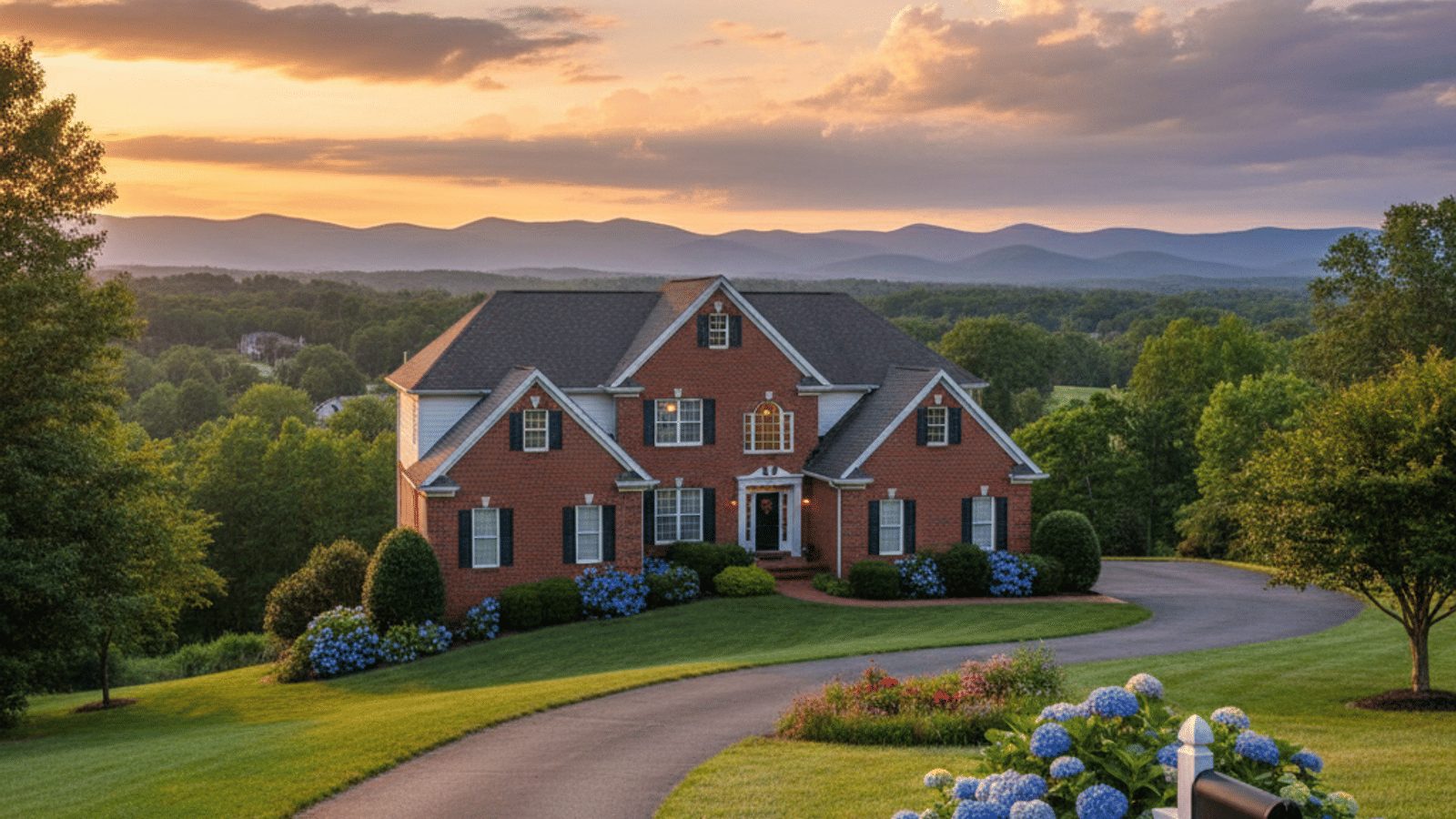
So, you’ve decided to sell your home. Maybe you’re looking at moving within Tennessee to get closer to the mountains, or perhaps job changes are taking you elsewhere. First off, congratulations – listing your property is a huge step. But before you start mentally spending that check from the closing table, we need to talk about the numbers that don’t always make it into the headline price.
Selling a house isn’t free, and the costs come directly out of your profit. If you are selling in Knoxville, Chattanooga, or anywhere in the Tri-Cities, you need to be prepared for the bottom line, not just the top line.
Generally speaking, you should expect to pay roughly 1% to 3% of the sale price in various closing fees and taxes. On top of that, if you hire a real estate agent, commissions usually run another 5% to 6%. When you add it all up, typical selling costs in our area land somewhere between 6% and 9% of your final sale price. It sounds like a wide range, but East Tennessee has some specific local customs – especially around title insurance – that can swing that number up or down depending on which county you call home.
Real Estate Agent Commissions: The Biggest Line Item
Let’s tackle the biggest expense first. For most sellers, real estate commissions will be the largest deduction from your proceeds. Historically, the standard total commission has hovered around 5% to 6% of the sale price.
This fee is typically split between the listing agent (who markets your home) and the buyer’s agent (who brings the purchaser). For a long time, this was just how things were done, but the industry has seen some major shifts recently. Following recent legal settlements, buyer agent compensation is officially negotiable and no longer an automatic requirement for listing a home on the MLS.
However, just because it isn’t required doesn’t mean it has disappeared. Many sellers in competitive markets like ours still choose to offer a commission to the buyer’s agent as a strategy to attract more traffic and get offers on the table faster. If you are selling a home for $350,000, a 6% total commission would mean $21,000 comes off the top. It’s a significant number, so it is worth having a frank conversation with your agent about what commission strategy makes sense for your specific property.
Tennessee Realty Transfer Tax
Once you move past commissions, you run into the state fees. Tennessee charges a Realty Transfer Tax on the recording of all deeds. It is important to note that this is a state tax, not a federal one, and it applies to almost every standard residential sale.
The rate is set at $0.37 per $100 of the property value. In simpler terms, that is 0.37% of the sales price. While everything in real estate is technically negotiable, in most Tennessee transactions, it is customary for the seller to foot this bill.
To give you a quick idea of the math, if you sell your home for $350,000, you would divide that by 100 and multiply by 0.37. That comes out to $1,295. It’s not a budget-breaker compared to commissions, but it is certainly big enough that you don’t want to forget it when calculating your net proceeds.
Title Insurance and Search Fees: East TN Nuances
Here is where things get a little tricky, and where local knowledge really pays off. If you were selling a home in Nashville or Middle Tennessee, you would almost certainly pay for the Owner’s Title Insurance Policy. It’s just the norm there.
But here in East Tennessee, specifically around Knoxville and Chattanooga, customs are different.
First, there is the Title Search. This is a fee paid to verify that you have the legal right to sell the property and that there are no hidden liens. This usually costs between $200 and $400.
Then there is the Owner’s Title Policy, which protects the buyer from future claims against the property. In many of our local counties, this cost is often negotiable or even frequently paid by the buyer. For example, in parts of Hamilton County or Knox County, you might see the buyer paying for their own policy, or splitting it, whereas in other nearby areas, the seller might still pick up the tab to sweeten the deal.
Because this varies so much by county (and even by specific neighborhood or price point), you need to ask your agent what is standard for your specific zip code. If you do end up paying for it, the cost typically ranges from 0.5% to 1% of the purchase price.
Prorated Property Taxes and HOA Fees
Another set of numbers you’ll see on your settlement statement involves prorations. This is just a fancy way of saying “splitting the bills fairly” based on the exact day you close.
In Tennessee, property taxes are paid in arrears. That means the tax bill that comes at the end of the year covers the previous 12 months. Since you won’t own the house at the end of the year when the bill is due, you have to credit the buyer for the days you lived there. If you close on July 1st, you effectively owe the buyer for January 1st through June 30th. They will take that money and pay the full bill when it arrives in winter.
If you live in a community with a Homeowners Association (HOA), you also need to account for dues. Unlike taxes, these are usually paid in advance. If you paid for the whole month but move out on the 15th, you might actually get a small credit back. However, watch out for the HOA Transfer Fee. Management companies often charge $200 to $300 just to update their records with the new owner’s name, and that fee often falls to the seller.
Other Common Seller Fees
Beyond the big ticket items, there are a handful of administrative fees that will show up on your closing disclosure. They are smaller individually, but they add up.
- Settlement or Closing Fee: This is paid to the title company or attorney for physically conducting the closing and handling the paperwork. It usually runs $300 to $500.
- Recording Fees: This is separate from the transfer tax. It’s a flat fee paid to the county Register of Deeds to officially record that your mortgage has been paid off and the deed has been released. Expect around $150.
- Wire or Courier Fees: If you have a mortgage to pay off, the title company will charge a small fee, usually $30 to $50, to wire those funds or overnight the check.
Example Seller Net Sheet ($350,000 Home)
It is always easier to understand these costs when you see them in black and white. Let’s look at a hypothetical scenario for a single-family home in the Knoxville area selling for $350,000.
Keep in mind, this “Net Sheet” calculates what you walk away with before you pay off your remaining mortgage balance. Your final check will be the Net Proceeds minus whatever you still owe the bank.
- Sale Price: $350,000
- Commission (estimated 6%): $21,000
- Transfer Tax (0.37%): $1,295
- Title Search & Settlement: $500 – $1,000 (Assuming seller pays search/closing fee, but buyer pays title insurance)
- Prorated Property Taxes (approx. 6 months): ~$600 (This varies heavily by county tax rate)
- Recording & Misc Fees: $200
- Total Estimated Closing Costs: ~$23,500 – $24,500
- Net Proceeds: ~$325,500 (minus your mortgage payoff)
This gives you a realistic baseline. If you are trying to figure out if you can afford that upgrade to one of the best places to live in East Tennessee, starting with a conservative net sheet like this is the smartest first step.
Tips for Reducing Your Closing Costs
If those numbers made you flinch, you aren’t alone. The good news is that you have some control over your bottom line.
One of the most effective ways to save is to negotiate commissions. Don’t be afraid to interview multiple agents. Some may offer a lower listing rate, especially if you are also buying your next home with them.
You can also negotiate title fees. Since we are in East Tennessee where customs are fluid, you can explicitly ask the buyer to cover the title insurance in your counter-offer. In a seller’s market, buyers are often willing to absorb this cost to secure the house.
For the bold, selling “For Sale By Owner” (FSBO) eliminates the listing agent commission entirely, though you usually still have to pay the buyer’s agent if you want them to bring clients. Just remember that FSBO requires you to handle all the marketing, legal paperwork, and negotiation yourself. Alternatively, flat fee MLS services can get you on the market for a set price without the full-service commission model.
Understanding these costs upfront helps you price your home correctly and ensures there are no nasty surprises on closing day.
FAQs
Who pays for title insurance in Tennessee: buyer or seller?
This depends heavily on where you are located. In Middle Tennessee (Nashville), the seller almost always pays. In East Tennessee (Knoxville, Chattanooga, Tri-Cities), it is often negotiable or paid by the buyer, so you should check with a local agent about the norm for your specific county.
How is the Tennessee realty transfer tax calculated?
The tax is calculated at a rate of $0.37 per $100 of the property’s value. For example, on a home that sells for $200,000, the transfer tax would be $740.
Are closing costs tax deductible for sellers in Tennessee?
Closing costs are generally not tax-deductible in the same way mortgage interest might be. However, they are added to your “basis” in the home, which lowers your total capital gain. This can help reduce the amount of capital gains tax you might owe if you have made a significant profit.
Do sellers pay closing costs on cash offers?
Yes, sellers still have costs even if the buyer pays cash. You will avoid lender-specific fees, but you are still responsible for the real estate commissions, the state transfer tax, prorated property taxes, and title search fees.
The Real Deal on Real Estate Commissions in East Tennessee (2026 Update)
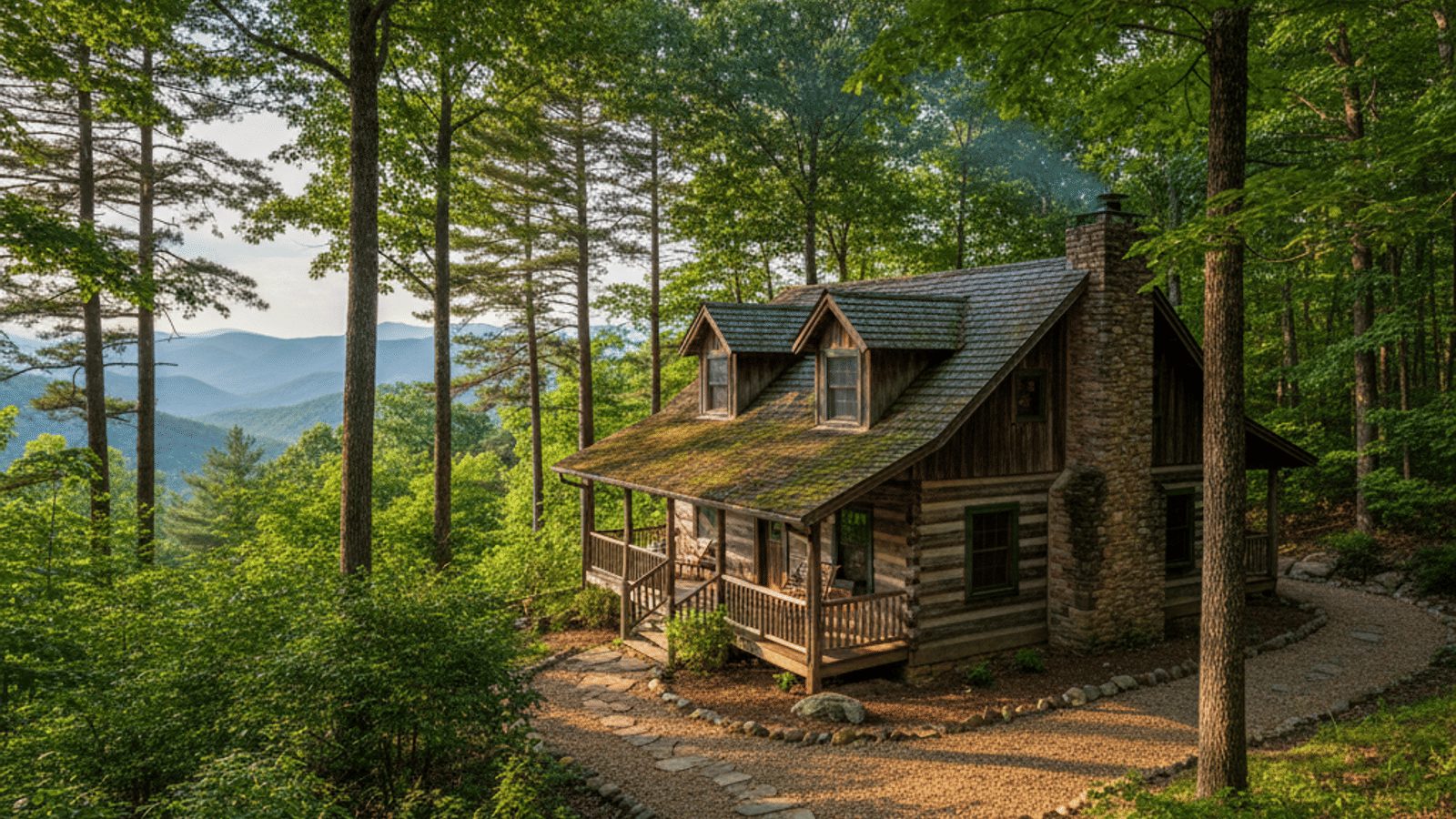
Whether you are looking to list a cabin in the Smokies or a bungalow in the Scruffy City (Knoxville), selling a home comes with a price tag. For decades, the biggest line item on a seller’s closing statement has been the real estate commission.
However, if you’ve been following the news lately, you know the rules have changed. The “elephant in the room” is the recent National Association of Realtors (NAR) settlement, which officially shook up how agents get paid starting in late 2024. It has caused a fair bit of confusion for buyers and sellers alike from Chattanooga to the Tri-Cities.
Historically, people assumed a 6% fee was set in stone, but the reality is that commissions have always been negotiable. The difference now is that the structure is more transparent, and the negotiation happens much earlier in the process. You can likely negotiate better rates today, but you need to understand the new “decoupled” fee structure to do it effectively.
What Is the Average Real Estate Commission in East Tennessee?
Let’s get right to the numbers. While there is no government-mandated “standard” rate, the typical total commission in our market generally lands between 5% and 6% of the final sale price.
In the past, you would agree to a total fee (say, 6%), and your listing agent would split that with the buyer’s agent. That structure is still common, but it’s no longer automatic.
- The Listing Portion: Typically, the agent marketing your home charges around 2.5% to 3%.
- The Buyer Portion: Historically, the other 2.5% to 3% went to the agent bringing the buyer.
Geography plays a role here, too. In competitive urban markets like downtown Knoxville or North Chattanooga, you might see total fees compress closer to 5% or 5.5% because homes turn over quickly. Conversely, if you are selling a unique luxury property in Sevier County or a lakefront home that requires drone photography and international marketing, agents often hold firm at 6% to cover those higher upfront costs.
Who Pays the Commission Now? (Post-NAR Settlement)
This is the part that is confusing everyone. Under the old system, sellers almost always paid the fees for both their own agent and the buyer’s agent.
The New Rules: Technically, sellers are no longer required to pay the buyer’s agent. The new rules effectively “decouple” the fees. Furthermore, listing agents are strictly prohibited from publishing an offer of compensation to buyer agents on the Multiple Listing Service (MLS). You won’t see “3% to buyer’s agent” listed on the MLS anymore.
The Reality on the Ground: Even though you aren’t forced to pay the buyer’s agent, many sellers in East Tennessee still choose to offer “seller concessions” or pay the fee at closing anyway.
Why? Because most buyers—especially first-timers—are already stretched thin coming up with a down payment. If you refuse to cover their agent’s fee, they have to pay it out of pocket. That might cause them to skip your house entirely and look at a neighbor’s house where the seller is helping out.
For buyers, this means you must now sign a Buyer Representation Agreement before you even tour a home. This contract states exactly how much your agent gets paid, and if the seller refuses to cover it, you are on the hook for the difference.
Real-World Cost Examples: How Much Will You Pay?
Percentages are great, but seeing the actual dollar amount helps you budget. Remember, these fees usually come out of your sale proceeds at the closing table—you generally don’t write a check for them upfront. To get these numbers right, everything starts with an accurate property valuation; East Tennessee sellers should look at these three common price points to see how the math actually shakes out:
- Scenario A: The Starter Home ($300,000) At this price point, margins are tighter for agents, so fees often stick closer to the historical average.
- Sale Price: $300,000
- Total Commission (at 6%): $18,000
- What you keep (gross): $282,000
- Scenario B: The Median Home ($500,000) This is a typical price for a nice home in Farragut or a renovated spot in Chattanooga.
- Sale Price: $500,000
- Total Commission (at 5.5%): $27,500
- What you keep (gross): $472,500
- Scenario C: Luxury or Lakefront ($800,000) Higher-priced homes often have more room for commission negotiation, though the marketing costs are higher.
- Sale Price: $800,000
- Total Commission (at 5%): $40,000
- What you keep (gross): $760,000
Beyond Commissions: Other Seller Closing Costs in TN
The commission is the big number, but it’s not the only number. When you are calculating your net proceeds, you need to factor in the rest of the cost of living in East Tennessee regarding real estate transactions.
In total, you should expect closing costs plus commissions to eat up about 7% to 10% of your sale price.
- State Transfer Taxes: Tennessee charges a transfer tax (or deed stamp tax) of $0.37 per $100 of value. On a $300,000 house, that is roughly $1,110.
- Title Insurance & Fees: While this varies by county, the seller often pays for the owner’s title insurance policy and the closing agent’s settlement fee (usually $300–$600).
- Prorated Property Taxes: You will owe property taxes for the portion of the year you owned the home up until the day of closing.
Alternatives to Traditional Commissions
If the numbers above make you flinch, you do have options. The market has evolved to offer different levels of service for different fees.
Flat Fee MLS Services like ResultsMLS or various national chains allow you to pay a flat rate (often $99 to $500) just to get your home listed on the MLS. This gets your home in front of buyers, but you are essentially on your own for everything else—photos, scheduling showings, and negotiating contracts.
Discount Brokers These are the “1%” or “1.5%” listing agents (like Redfin or local hybrids). They handle the paperwork and photos but operate on volume. The trade-off is often less personalized attention. This can work for a cookie-cutter home in a hot market, but might be risky for unique properties.
For Sale By Owner (FSBO) You can pay 0% in listing commission by doing it yourself. However, statistics consistently show that FSBO homes tend to sell for less than agent-listed homes, often negating the commission savings. It is also a lot of work. If your property needs significant repairs and you don’t want to deal with showings, you might look into selling a house as-is to an investor, though that usually means accepting a lower cash offer.
Tennessee Real Estate Commission (TREC) Rules to Know
The Tennessee Real Estate Commission (TREC) sets the ground rules to protect consumers. There are a few regulations every seller should be aware of.
No “Net Listings” It is illegal in Tennessee for an agent to say, “I’ll sell your house for $400,000, and I get to keep everything over that amount.” Commissions must be a set percentage or a flat fee agreed upon in writing.
Disclosure is Mandatory Agents must clearly disclose who they represent. If an agent is representing both the buyer and the seller (Dual Agency), both parties must agree to it in writing. This is strictly regulated because it limits the agent’s ability to advocate fully for either side.
Wholesaling and “Equitable Interest” As of 2024, Tennessee tightened laws on wholesaling (where someone puts a house under contract just to sell the contract to someone else). Sellers must now be told if the buyer holds an “equitable interest” rather than a legal title. This prevents predatory flipping practices that can tie up a seller’s property.
How to Negotiate Real Estate Fees in East Tennessee
You absolutely can, and should, discuss fees with your agent. Here is how to do it without things getting awkward.
First, interview multiple agents. Don’t just ask “What do you charge?” Ask “What is your flexible commission structure?” Some agents offer a tiered system depending on how much marketing you need.
Second, look for variable rates. Ask the listing agent: “If you find the buyer yourself and don’t have to split the fee with another agent, will you reduce the total commission?” Many agents will drop the total fee from 6% to 4% or 5% in this specific scenario since they are doing both jobs.
Finally, don’t fixate on the rate alone. A “cheap” agent who lists your home at the wrong price or takes bad photos can cost you tens of thousands of dollars in final sale price. Paying 6% to an agent who sets a bidding war record is often more profitable than paying 5% to an agent who lets the listing sit stale for months.
FAQs
Does the seller have to pay the buyer’s agent in Tennessee?
No, sellers are not legally required to pay the buyer’s agent. However, refusing to offer a concession for the buyer’s agent fee can limit your pool of potential buyers, as many cannot afford to pay their agent out of pocket on top of a down payment.
What is the standard real estate commission in Knoxville, TN?
There is no fixed “standard” commission rate, as fees are always negotiable. However, the historical norm in Knoxville and surrounding East Tennessee areas has typically been around 5% to 6% of the sale price, split between the listing and buyer agents.
Can I put buyer agent compensation on the MLS in Tennessee?
No. Following the NAR settlement changes in late 2024, listing agents are prohibited from publishing offers of buyer agent compensation on the MLS. Any offer to pay the buyer’s agent must be negotiated off-MLS or through concessions in the purchase agreement.
Are real estate commissions taxable in Tennessee?
Real estate commissions are not subject to sales tax for the home seller. However, the commission is considered taxable income for the real estate agent receiving it.
Selling a Home in East Tennessee: What You Must Disclose
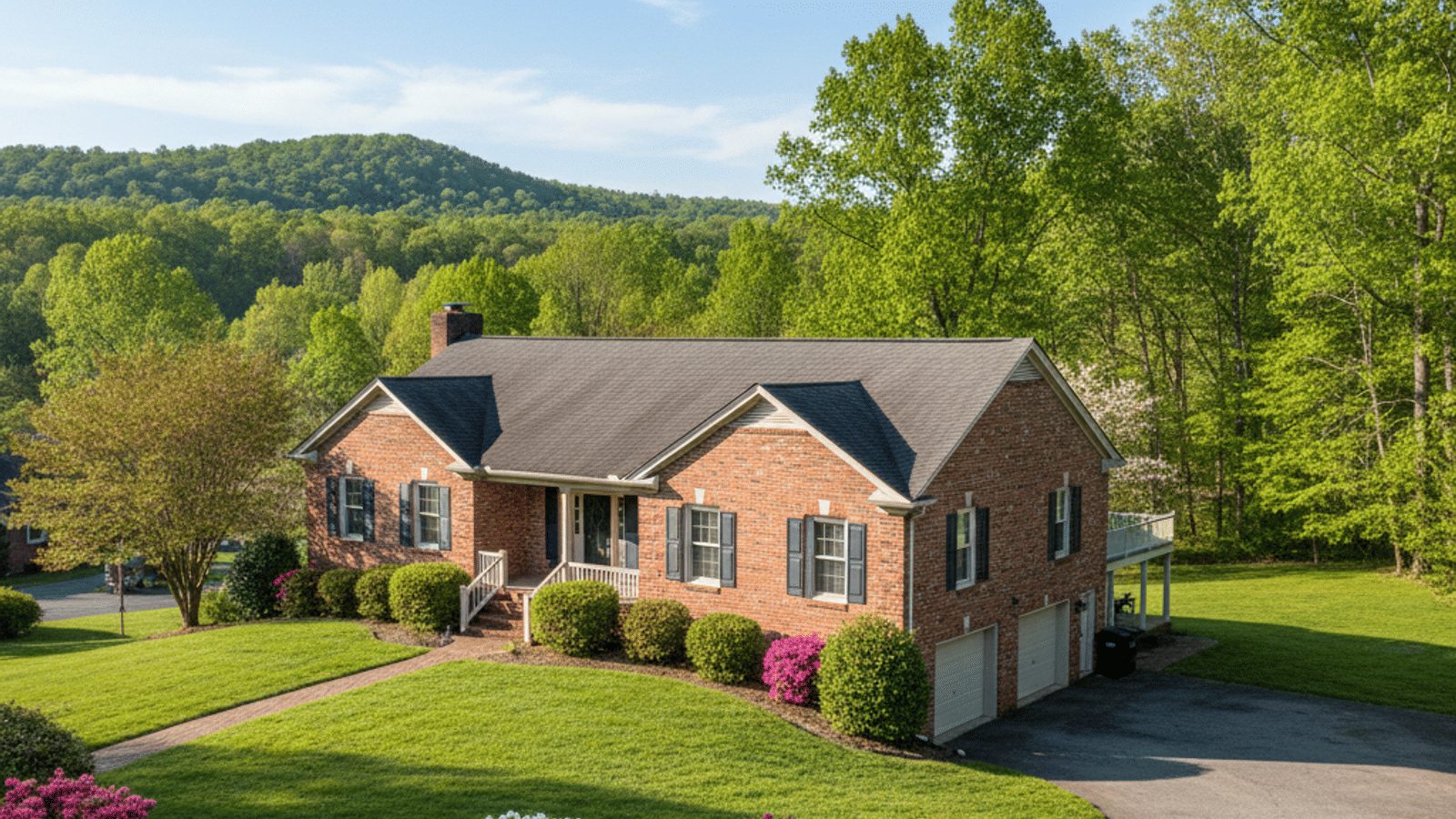
When you’re getting ready to list your property, the focus is usually on the fun stuff: decluttering the living room, sprucing up the curb appeal, and figuring out the right listing price. But for homeowners in Knoxville, Chattanooga, and the Tri-Cities, selling a home involves more than just staging; it requires legal compliance.
The state of Tennessee has historically been considered a “Caveat Emptor” or “Buyer Beware” state. When this is called out, this would indicate strongly that buyers are left to discover everything themselves and alike this way, but this has varied over time and has swung well and truly toward sellers having any number of mandates to be truthful about known issues about which they are obligated to inform buyers about with which failure to comply leaving buyers open to suits for actions leading to cancellation of contracts and financial repercussions to come.
Let’s walk through the Tennessee Residential Property Disclosure Act and what it actually means for you as you prepare for selling a home in Knoxville or the surrounding areas.
The Tennessee Residential Property Disclosure Act Explained
The guide that sets the tone for seller transparency in our state is the Tennessee Residential Property Disclosure Act. This is the Tennessee statute that applies to most residential sales affecting one through four units. Its main purpose is to discourage fraud and allow the consumer a fair idea about the product they are purchasing prior to signing on the contract.
In regard to this law, you are basically compelled to furnish a statement in which you describe the condition of the property. This in no way relates to being friendly. In fact, it is simply a law of which both sides are to abide in order to guard against being wronged in any manner. More importantly, providing a thorough and honest account helps anchor a realistic property valuation East Tennessee buyers can trust. When you clarify the age of your roof or the condition of your HVAC, you are providing the factual evidence that justifies your asking price and ensures that the final sale price is based on the home’s true condition rather than guesswork or fear of the unknown.
One critical detail many sellers miss is the timing. You must provide this disclosure form to the buyer before a purchase contract is signed or accepted. If you wait until after the deal is inked to hand over the disclosure, the buyer may have the right to terminate the contract. It’s always best to have this paperwork ready the moment your home hits the market.
Disclosure vs. Disclaimer: Choosing the Right Form
When you sit down with your agent, you will likely face a choice between two specific forms. Understanding the difference is vital because they serve very different purposes depending on how you plan on selling your home as-is and how long you plan to sell.
The Tennessee Residential Property Condition Disclosure Form This is the standard route for most traditional home sales. It is a detailed checklist where you answer “Yes,” “No,” or “Unknown” to a long list of questions about the property. It covers everything from the foundation to the electrical wiring. By filling this out, you are sharing your knowledge of the home’s history and current state.
The Tennessee Residential Property Condition Disclaimer Statement This form is used when a seller wants to sell their home “As-Is” and makes no representations about its condition. However, there is a catch. You cannot just choose this form unilaterally; the buyer must explicitly agree to accept the Disclaimer statement and waive their right to the full disclosure. If the buyer refuses to sign the waiver, you must provide the full Disclosure form.
It is important to note that even if you use the Disclaimer form, you generally cannot fraudulently conceal known latent defects. If you paint over a massive crack in the foundation to hide it, a Disclaimer form likely won’t protect you from a fraud claim.
What Must Be Disclosed? (The Checklist)
If you are using the standard Disclosure form, you’ll need to go through the house mentally and physically to answer questions accurately. The form is comprehensive, covering the structural integrity and the mechanical systems that keep the home running.
You will need to report on the condition of the following:
- Structural & Exterior: This includes the age of the roof, presence of leaks, condition of the driveway, and any foundation cracks or settling.
- Systems: The status of the HVAC, electrical wiring, plumbing, and water heater.
- Land & Site: Any known drainage issues, encroachments (like a neighbor’s fence on your land), or easements.
- Statutory Requirements: Tennessee specifically asks about the presence of injection wells, results of percolation tests (if available), and known sinkholes.
Honesty is your best defense here. If the dishwasher makes a weird noise but still works, note it. If the garage door sticks in winter, write it down.
East Tennessee Specifics: Radon, Slopes, and Septic
While the state form is standard, the unique geography of East Tennessee brings its own set of challenges. Whether you are in the valley around Knoxville or up in the mountains near the Smokies, there are environmental factors local buyers—and their inspectors—will be looking for. Addressing these issues before you list is one of the best ways to increase home value in East Tennessee while ensuring a smooth, transparent sale.
- Radon Gas: East Tennessee has high radon potential due to the limestone and shale geology beneath our feet. Counties like Knox, Anderson, and Blount are often classified as Zone 1 (high risk) by the EPA. If you have ever had radon testing performed and the levels were high, or if you have a mitigation system installed, you must disclose this.
- Steep Topography: Our beautiful mountain views often come with steep driveways and retaining walls. Sellers should be transparent about any history of erosion, driveway washouts, or retaining wall failures. Foundation issues related to slope creep are real concerns in our hilly terrain.
- Septic Systems: Public sewer isn’t available everywhere, especially in rural communities surrounding Chattanooga and the Tri-Cities. If your home is on a septic system, you must disclose that. It is also helpful to disclose the location of the tank and field lines, as septic tank inspections are a common contingency for buyers here.
- Termites: In our humid climate, wood-destroying insects are a fact of life. You will be asked to disclose any past infestation or damage, as well as any current termite bond or treatment contract you have on the property.
Federal Requirements: Lead-Based Paint
If your home was built before 1978, state law isn’t the only thing you need to worry about; federal law steps in as well. This applies regardless of where you are in Tennessee.
For these older homes, you must comply with the Residential Lead-Based Paint Hazard Reduction Act. This involves three main steps:
- Providing the buyer with the official EPA pamphlet titled “Protect Your Family from Lead in Your Home.”
- Disclosing any known presence of lead-based paint or lead hazards in the home.
- Giving the buyer a 10-day window (or another mutually agreed period) to conduct a lead paint inspection or risk assessment.
Stigmatized Properties: What You Don’t Have to Share
We often get asked about “stigmas” that might make a buyer uncomfortable but don’t actually affect the building’s structure. This is one area where Tennessee law is very favorable to sellers. Under Tennessee Code § 66-5-207, you are protected from liability for non-disclosure of certain events.
You generally do not have to disclose:
- Homicides, suicides, or felonies that occurred on the property.
- Paranormal activity (ghosts or “hauntings”).
- That a previous occupant had HIV/AIDS (this is also protected under Federal Fair Housing laws).
The general rule is that if the event did not affect the physical structure or integrity of the home, it usually does not need to be disclosed. However, if a crime resulted in physical damage—like a broken door or bullet holes—the damage itself would need to be noted if not repaired.
Who Is Exempt from Providing a Disclosure Form?
Not every property transfer requires this level of paperwork. The law recognizes that some sellers simply don’t have enough information about the property to fill out a disclosure honestly.
You may be exempt from providing the disclosure form if:
- You have not resided on the property at any time during the three years prior to the date of transfer (this is common for investors or owners of rentals).
- The transfer is between spouses, co-owners, or direct lines in specific estate situations.
- It is a new construction home (the first sale) and comes with a builder’s warranty.
- The property is being sold at auction.
- The sale is a result of foreclosure or bankruptcy.
If you fall into the non-resident category, keep in mind that while you might be exempt from the form, you should still avoid hiding known defects to stay safe from fraud claims.
Risks of Non-Disclosure or Concealment
It might be tempting to cross your fingers and hope the buyer doesn’t notice the moisture in the crawlspace, but the risks far outweigh the benefits. If a buyer discovers a defect after closing that you knew about and failed to disclose, things can get ugly quickly.
A buyer can sue for actual damages, which means you could be on the hook for the cost of repairs. In some cases, they may also seek attorney fees. If the concealment is egregious enough to be considered fraud, the court could even order a rescission of the contract, effectively unwinding the entire sale and forcing you to take the house back.
The best advice we give when working with a real estate agent is simple: “When in doubt, disclose it.” Disclosing an issue usually doesn’t kill a deal—it just allows you to negotiate it upfront. Furthermore, being transparent helps you avoid unexpected legal disputes and secondary negotiations that could significantly increase your total seller closing costs in East Tennessee, ensuring your net proceeds remain exactly what you expected at the end of the day.
FAQs
Can I sell a house ‘as is’ in Tennessee without disclosing defects?
You can sell a house “as is,” but you generally must use the Disclaimer Statement, which requires the buyer’s consent to waive the full disclosure. However, selling “as is” does not give you the legal right to fraudulently conceal known defects or lie about the property’s condition.
Do I have to disclose a death in the house in Tennessee?
No, Tennessee law generally does not require you to disclose a death, suicide, or felony that occurred on the property. These are considered “stigmas” rather than material defects, provided they didn’t cause physical damage to the structure.
What happens if I find a defect after I already filled out the disclosure?
If your home’s condition changes—for example, a pipe bursts a week before closing—you are required to update or amend the disclosure form. You must present the corrected information to the buyer before the closing date.
Do FSBO sellers in East Tennessee have to fill out disclosure forms?
Yes, the Tennessee Residential Property Disclosure Act applies to the owner of the property, regardless of whether they are using a real estate agent. For Sale By Owner (FSBO) sellers must still comply with the law and provide the correct forms to avoid liability.
Is a home inspection still necessary if I disclose everything?
Yes, a home inspection is highly recommended for buyers even if the seller discloses everything they know. A seller can only disclose what they are aware of, whereas a professional home inspector is trained to find hidden issues the current owner might not even know exist.
Buying Your First Home in East Tennessee: The 2026 Landscape

Welcome to East Tennessee. If you are reading this, you are probably drawn to live in East Tennessee for the same reasons most of us are – the rolling foothills, the Great Smoky Mountains, and the financial freedom that comes with having no state income tax. But let’s be honest: trying to buy your first home here has felt a little like hiking a steep ridge without a map for the last few years.
Prices in hubs like Knoxville and Chattanooga have jumped significantly since 2020, and the days of easily finding a move-in ready starter home for under $200,000 are largely behind us. However, 2026 is painting a slightly different picture than the frantic years prior. We have seen inventory in East Tennessee increase by roughly 30% in early 2026. That means homes are sitting on the market a little longer, absorption rates are approaching a balanced 5 months, and you finally have some negotiating power.
While interest rates are still a major factor in your monthly payment, the region remains more affordable than the national average. The median home price across the broader East Tennessee region sits around $360,000, though if you are looking specifically in the Knoxville metro area, that number is closer to $415,000. The good news is that between state-specific programs like THDA and rural loan options, there are solid paths to bridge the affordability gap.
Step 1: Assessing Your Financial Readiness
Before we start looking at listings in South Knoxville or Hixson, we need to look at your bank account. Buying a house involves more than just swapping a rent check for a mortgage payment. Lenders in Tennessee are going to look at a few specific benchmarks to decide what you can afford.
Credit Score Reality Check You might see generic advice online saying you can get a loan with a 580 score. While that is technically true for some FHA loans, the reality on the ground is different if you want financial assistance. Most conventional lenders prefer a score of 620 or higher. However, if you plan to use the popular Tennessee Housing Development Agency (THDA) down payment assistance programs, the requirement is stricter. You generally need a hard minimum credit score of 640.
Liquid Savings Even with down payment assistance, you cannot buy a house with zero cash in the bank. You need to be prepared for upfront costs that occur before you even get the keys:
- Earnest Money Deposit: This is the “good faith” money you put down when you make an offer to show the seller you are serious. Plan on $1,000 to 1% of the purchase price.
- Inspections: You will likely spend $500 or more on inspections immediately after your offer is accepted.
Debt-to-Income (DTI) Lenders look at how much debt you carry relative to your income. Ideally, they want your total monthly debt payments (including the new mortgage) to be under 43% of your gross monthly income. FHA loans can sometimes stretch this higher, but staying lower gives you more breathing room in your budget.
Step 2: Mortgage Options Popular in East Tennessee
One of the best things about living in this part of the country is the variety of loan types available. Because East Tennessee blends mid-sized cities with vast rural areas, you have access to loan programs that buyers in big cities like Atlanta or Nashville might not.
USDA Rural Development Loans If you take nothing else away from this article, remember USDA loans. This is often the top choice for first-time buyers in our region because it offers 0% down payment. The definition of “rural” is surprisingly broad here. While downtown Knoxville or Chattanooga won’t qualify, many parts of Blount, Sevier, and Washington counties are eligible. If you are willing to live just outside the city limits, this can save you thousands upfront. Income limits do apply – usually around $110,000 or more for a 1-4 person household, but you should verify specific county limits.
FHA Loans If your credit score is in the 580 range or you have higher debt, the FHA loan is a strong backup. It requires a 3.5% down payment. It is a very common product for first-time buyers who might not fit the strict box of a conventional loan.
VA Loans We have a large veteran population in Tennessee, and for good reason. If you have served, the VA loan is arguably the best mortgage product available. It offers 0% down payment and generally has lower interest rates than conventional loans.
Conventional Loans For buyers with strong credit (700+), a conventional loan is often the most straightforward. You can get in with as little as 3% down. This is often the best route if you want to avoid the upfront mortgage insurance premiums attached to FHA or USDA loans.
Step 3: Utilizing THDA and Local Assistance Programs
When you search for “first time home buyer grants,” you are usually looking for the Tennessee Housing Development Agency (THDA). They are the heavy hitters for down payment assistance in our state. Let’s break down how their programs actually work, because the details matter.
Great Choice Home Loan This is the base product. It is a 30-year fixed-rate loan designed for first-time buyers or anyone who hasn’t owned a home in the last three years. To get the down payment help, you have to start with this loan.
Great Choice Plus (The Down Payment Help) This is what everyone wants to know about. There are two distinct options for how you get the cash for your down payment and closing costs:
- Option A (Deferred): This provides $6,000 as a loan with 0% interest and no monthly payments. If you stay in the home for 30 years, the loan is forgiven. If you sell or refinance before then, you pay it back.
- Option B (Amortizing): This allows you to borrow up to 6% of the purchase price. This is a much larger amount of money, but unlike Option A, you have to pay it back. It is set up as a second mortgage with a 15-year term and a matching interest rate.
Homeownership for the Brave This is a special thank you to our military, law enforcement, firefighters, and EMTs. It offers a 0.5% interest rate reduction on the Great Choice mortgage. Over the life of a 30-year loan, that half-percent reduction saves you a significant amount of money.
Local Grants Don’t stop at the state level. If you are looking in Hamilton County, check out Chattanooga Neighborhood Enterprise (CNE). In Knoxville, city-specific grants often pop up, though they are frequently tied to specific redevelopment zones.
Step 4: Choosing Your Market – Knoxville, Chattanooga, or Tri-Cities?
“East Tennessee” isn’t a single market. It is a collection of very different micro-economies. Your budget will stretch very differently depending on which metro area you target.
Knoxville
Knoxville is the economic hub of the region, anchored by the University of Tennessee and major employers. Consequently, it is the most expensive and competitive market. With a median price hovering around $415,000, first-time buyers often look to the outskirts. Areas like Maryville, Lenoir City, or Clinton offer better value while keeping you within commuting distance of Knoxville jobs. To navigate such a fast-moving landscape, keeping an eye on Knoxville housing market trends is essential, and many buyers find that partnering with the best real estate agent in East Tennessee is the key to securing a home before it’s gone.
Chattanooga
Known as the “Gig City” for its high-speed internet, Chattanooga has a vibrant downtown and a strong tech scene. The downtown slopes are pricey, but the suburbs in Hamilton County offer a good mix of affordability and lifestyle. It feels a bit larger and more urban than the other East TN options.
The Tri-Cities (Johnson City, Kingsport, Bristol)
If affordability is your number one priority, head northeast. The Tri-Cities area is generally the most affordable metro in the region. You can often find homes here for $50,000 to $80,000 less than a comparable house in Knoxville. The pace is slightly slower, but the mountain views are just as good.
Rural Counties
Once you get into counties like Cocke, Greene, or Monroe, prices drop further. Property taxes are generally lower, and almost every property is USDA eligible. The trade-off is the commute and access to healthcare or shopping, but for many, the privacy is worth it.
Step 5: The Search and Critical Inspections
Buying a home here involves checking for things that friends in flat states like Florida or Kansas never have to worry about. Our geography and climate introduce specific risks you need to inspect for.
Radon Testing is Non-Negotiable This is serious. East Tennessee has a high concentration of uranium in the rock and soil, which breaks down into radon gas. It is the second leading cause of lung cancer. You cannot smell it or see it. During your inspection period, pay the $150 to $300 for a radon test. If levels are high (4.0 pCi/L or above), don’t panic – it can be fixed. A mitigation system costs around $1,500, and you can often ask the seller to pay for it.
Termites and Moisture We have a warm, humid climate that termites absolutely love. A standard home inspection does not usually include a termite check. You need to order a separate wood-destroying organism (WDO) report. This is vital to ensure the structural integrity of the home hasn’t been compromised.
Septic Systems If you are buying in a rural area or even older suburbs, you will likely be on a septic system rather than city sewer. Do not assume it works just because the toilets flush. Sellers often forget to pump them for years. Inspecting the tank and field lines costs roughly $300 to $500, but replacing a failed field line can cost tens of thousands.
Terrain and Foundations We build on hills here. Steep driveways can be a nightmare in icy weather, and hillside foundations need good drainage to stay stable. Make sure your inspector looks closely at how water flows around the house. You want water moving away from your foundation, not pooling against it.
Step 6: Closing Costs and Hidden Fees
You have your down payment ready, but don’t forget the closing costs. In Tennessee, you should plan to set aside an additional 2% to 4% of the purchase price for these fees.
State and Local Taxes Tennessee charges a Realty Transfer Tax of $0.37 per $100 of value and a Mortgage Tax of $0.115 per $100 of indebtedness. These add up. For a median-priced home, you are looking at several thousand dollars in taxes alone.
Property Taxes and Prepaids The good news is that property taxes here are generally low compared to other states. In Tennessee, taxes are paid in arrears. This means at closing, the seller will give you a credit for the portion of the year they owned the house. You will also need to pay for one full year of homeowners insurance upfront and fund your escrow account.
On average, total closing costs might range from $4,000 to $8,000 depending on your price point. If you need a more precise number, you can look for Tennessee closing cost estimates to help build your budget. And remember the silver lining: while these upfront costs sting, the lack of state income tax on your paycheck helps your monthly cash flow recover faster.
FAQs
What is the minimum credit score for a first-time home buyer in Tennessee?
While some generic FHA guidelines mention a 580 score, most programs you will actually want to use in Tennessee have higher standards. Specifically, if you want to use the THDA Great Choice down payment assistance, you must have a minimum credit score of 640.
How much down payment assistance can I get in Tennessee?
Through the THDA Great Choice Plus program, you have two main choices. You can get a deferred $6,000 loan that is forgiven after 30 years (Option A), or an amortizing loan of up to 6% of the purchase price that you pay back over 15 years (Option B).
Does Tennessee have a first-time home buyer tax credit?
Tennessee does not have a state income tax, so there is no state-level tax credit to deduct from your income tax return. However, THDA does offer a Mortgage Credit Certificate (MCC) program that can provide a federal tax credit, which helps reduce your federal tax liability.
Is it hard to buy a house in East Tennessee right now?
It is becoming easier than it was a few years ago. Inventory in early 2026 has increased significantly, giving buyers more choices and less pressure to waive inspections. While prices in Knoxville and Chattanooga remain high, the market is more balanced now than during the frantic post-2020 boom.
What’s My Property Actually Worth? A Guide to Property Valuation in East Tennessee

If you’re sitting on a porch anywhere from Chattanooga to the foothills of the Smokies, you might be wondering what that view is actually worth in today’s market. It’s a common conversation I have over coffee with homeowners: “My neighbor sold his cabin for a fortune last year—can I do the same?”
The answer, as usual in real estate, is “it depends.” But in East Tennessee, it depends on a lot more than just square footage and bedroom counts. Valuing property here is part art, part science, and part knowing exactly how much a steep driveway scares away a flat-land buyer.
Whether you own a rental cabin in Sevier County, a historic home in Knoxville, or raw hunting acreage, understanding property valuation in East Tennessee requires looking beyond the basic numbers.
The East Tennessee Property Market Landscape (2026 Update)
Let’s start by looking at the big picture. For the last few years, we saw a frenzy that made heads spin. However, as we settle into 2026, the market is taking a breath. We aren’t seeing the wild bidding wars on every single listing anymore, and that is honestly a healthy change for everyone.
Inventory is finally creeping back up—we are seeing about 30% more homes on the market compared to this time last year. This increase has created a much more balanced environment. Buyers have a little more breathing room to make decisions, and sellers are learning that pricing right is more important than ever. While days on market are ticking up slightly (averaging around a 3.5-month supply regionally), prices haven’t crashed; they have stabilized and, in some pockets, are still seeing modest appreciation due to steady demand.
It is also crucial to recognize that we really have two different markets happening at once. You have the primary residential hubs like the Knoxville Metro area, where the median price of a home is hovering around $408,000 and driven by people needing places to live and work. Then you have the vacation and investment markets, particularly in Sevier County. There, the median for cabins and short-term rentals sits closer to $535,000, driven entirely by ROI and tourism traffic.
For a deeper dive into these numbers, it’s worth keeping an eye on current East Tennessee market trends to see how your specific county is performing week to week.
Key Factors Influencing Property Value in East Tennessee
If you try to price a mountain home using a calculator designed for a subdivision in the suburbs, you are going to get the wrong number. Our region has quirks that algorithms just can’t see.
Topography and Views are the biggest wildcards. A home with an unobstructed, panoramic mountain view can easily command a 10% to 20% premium over a nearly identical house sitting in a valley without a view. However, you have to balance that view against Accessibility. You might have a million-dollar view, but if the driveway is a terrifying 45-degree gravel slope that requires a tricked-out Jeep to climb, you are significantly shrinking your pool of potential buyers, which impacts the final sale price.
Then there is the water factor. In our area, not all water is created equal. Lakefront property on Norris, Douglas, or Tellico Lakes operates in its own high-value tier. A seasonal creek that dries up in July adds a nice touch, but it doesn’t drive value the way year-round river frontage does.
Finally, for the investment crowd, value is directly tied to Short-Term Rental Potential. In areas near Dollywood or Gatlinburg, the property’s value is often calculated based on its income history. A cabin that consistently pulls in rental revenue because it’s five minutes from the Parkway will sell for a much higher price per square foot—often north of $290—compared to a standard residential home, which usually trades in the $215–$230 per square foot range.
Valuing Land and Acreage in the Region
Valuing a house is one thing; valuing dirt is a whole different animal. I often talk to landowners who see a developer buying land for $150,000 an acre near a tourist strip and assume their 50 acres in a rural county is a goldmine.
The value of land here is dictated almost entirely by its “highest and best use.” If you are selling rural acreage suitable for hunting or timber in a county like Hancock, you might be looking at $5,000 to $10,000 per acre. However, if that land is flat, buildable, and near utilities in a prime spot in Sevier or Williamson counties, the price per acre can skyrocket to $50,000 or even $150,000+.
We also need to talk about the Greenbelt Program. Many large tracts in Tennessee are on Greenbelt tax assessments, which keeps your annual property taxes incredibly low based on agricultural use. This is great for holding costs, but it can confuse sellers. Just because your tax bill is low doesn’t mean the market value is low—and conversely, losing that Greenbelt status upon sale can trigger rollback taxes that a buyer needs to be aware of.
One final “make or break” factor for land is the soil itself. You can have the most beautiful ten acres in the state, but if it fails a perc test (meaning the soil can’t support a septic system) and public sewer isn’t available, that land becomes very difficult to build on. In rural areas, utility availability—specifically water and high-speed fiber internet—is often the number one value driver.
If you are looking for land for sale East Tennessee, always check the utility situation first.
Tax Assessment vs. Appraised Value vs. Market Value
This is where things get confusing for a lot of folks. You open your mail, see the county tax assessment, and panic because it’s way lower (or sometimes higher) than what you thought your home was worth.
Here is the reality: Tax Assessment is a number used by the government to collect revenue, and it often lags behind reality. Tennessee counties operate on reappraisal cycles that can be 4 to 6 years long. In a market that moves as fast as ours, a tax value from several years ago has almost no relationship to what a buyer will write a check for today.
Market Value is simply what a buyer is willing to pay right now, influenced by supply, demand, and interest rates. It is also the figure used to determine the total real estate commissions in East Tennessee—typically ranging between 5% and 6%—as well as the various seller closing costs in East Tennessee. Beyond commissions, sellers should budget for an additional 1% to 3% for items like title insurance, transfer taxes (currently $0.37 per $100 of value), and prorated property taxes.
Appraised Value is different still; it’s what a bank’s third-party appraiser says the home is worth to justify a loan.
There is also a very specific tax shift happening right now that investors need to watch. Counties like Sevier are beginning to reclassify many short-term rentals. Instead of the standard 25% residential assessment rate, some STRs are being hit with a 40% commercial assessment rate. This doesn’t change the market price of the home directly, but it definitely changes the ROI calculation for a buyer, which can cool demand for certain properties.
Tools for Estimating Value: Accuracy & Limitations
I know everyone loves to check their “Zestimate,” but you have to take those online numbers with a massive grain of salt in East Tennessee.
Online Estimators work great in subdivisions where every house is a cookie-cutter copy of the next. They fail miserably in the mountains. An algorithm cannot tell the difference between a modular home and a custom log cabin, nor can it see that your neighbor’s house sold cheap because it sits next to a noisy highway while yours sits on a quiet ridge.
For a real number, you usually start with a Comparative Market Analysis (CMA). This is where an agent steps in to make manual adjustments. We look at the comps and say, “Okay, this one sold for less, but it didn’t have a seasonal mountain view,” or “This one sold for more, but it had a finished basement.” If you are curious, it’s usually free to request a comparative market analysis from a local expert.
Eventually, if a loan is involved, you will deal with a Formal Appraisal. This is the bank’s safety net. In rural areas, appraisers have a tough job because comparable sales might be miles away. They have to work hard to justify values, which is why having your documentation in order is so important.
Strategic Ways to Maximize Property Value Before Selling
If you are thinking about selling your home in East Tennessee in 2026, you don’t necessarily need a full-scale renovation to see a significant return. In a market that has moved from a “frenzy” to a more balanced state, buyers are more discerning. Often, the “unsexy” logistical prep adds the most confidence to a buyer’s offer and keeps your deal from falling apart during the inspection period.
Documentation is king. If you have a septic permit that proves your home is a three-bedroom (even if you’re using a fourth room as an office), have it ready. Providing thorough and transparent seller disclosures in East Tennessee—specifically the Tennessee Residential Property Condition Disclosure—is one of the most effective ways to build trust. By being upfront about the age of the roof or any past water issues, you prevent “re-negotiation” late in the deal when a buyer’s inspector inevitably finds those same items. If you own an investment property, have your rental history and P&L statements printed out; proving ROI is the fastest way to justify a premium price to an investor.
Curb Appeal means something different here. In our region, it often means getting a tree crew out to “window” or trim back branches that are blocking that money-making mountain view. It also means regrading a gravel driveway so a potential buyer doesn’t bottom out their sedan when they pull up for a showing.
Lastly, address the “deferred maintenance.” Buyers in 2026 are often looking for turnkey getaways or move-in ready primary residences, not projects. If they see wood rot on the deck or a questionable HVAC unit, they won’t just ask for a repair—they will often deduct double the estimated repair cost from their offer price to account for the “hassle factor.”
FAQs
How much does an appraisal cost in East Tennessee?
For a standard residential home, you are typically looking at $500 to $800. However, if you have a complex rural property with large acreage or unique structures (like a barndominium), the cost can go higher because the appraiser has to do significantly more research to find relevant data.
Do log cabins sell for more than traditional homes in East TN?
generally, yes—especially in tourist-heavy areas. Because visitors want the “authentic” mountain experience, log cabins command higher nightly rental rates, which drives up their asset value. You will often see a higher price-per-square-foot for a log cabin compared to a vinyl-sided home on the same street.
Does being in a flood zone affect property value in East Tennessee?
Yes, and it is a major factor for properties near creeks and rivers. Being in a FEMA flood zone requires the owner to carry flood insurance, which can be expensive. This ongoing cost lowers the property’s net value and can limit what you are allowed to build or renovate on the land.
How often are property taxes reassessed in Tennessee?
Tennessee counties are on a reappraisal cycle that typically runs every 4 to 6 years, depending on the specific county’s schedule. This means your tax value can stay the same for years even if the market value of your home has doubled in that time.
Pricing to Win in the East Tennessee Real Estate Market
If you were selling a home here two or three years ago, the strategy was pretty simple: put a sign in the yard, pick a high number, and wait for the multiple offers to roll in. That “white-hot” pandemic frenzy created a unique moment in history, but as we look at the market today, things have shifted. We aren’t seeing a crash, but we are definitely seeing a return to sanity.
Inventory across the region is climbing—up roughly 30% to 40% year-over-year in many counties—which means the market is normalizing. Buyers have more choices now than they’ve had in a long time. They aren’t as desperate, and they are much more sensitive to price and condition.
For sellers, this means precision is everything. The goal isn’t just to list your home; it’s to find that delicate balance where you maximize your profit without letting the property sit and go stale. Finding that sweet spot between a great return and low Days on Market (DOM) requires a little more strategy than it used to, but it is entirely doable with the right approach.
Understanding the East Tennessee Market Landscape
To price your home correctly, you first need to understand the playing field. We use a metric called the “absorption rate” to gauge the temperature of the market. Right now, much of East Tennessee is moving toward a balanced market, generally defined as having a 3.5 to 5-month supply of homes. When supply is that high, you can’t dictate terms quite like you could when we had only two weeks of inventory.
Because inventory has surged, you are facing real competition. When a buyer looks at East Tennessee housing market trends, they see that they have options. If your home is overpriced, they will simply move on to the next listing. We are seeing price growth decelerate; while prices in popular hubs like Knoxville are still seeing modest growth, rural areas are flattening out. The days of double-digit percentage spikes every few months are behind us.
Another factor complicating things is the “lock-in effect.” Many potential move-up buyers are currently sitting on 3% mortgage rates and are hesitant to trade those in for today’s higher rates. This means the pool of buyers is slightly smaller and more financially conscious. With the regional median price hovering around $360,000 and the Knoxville area closer to $400,000, buyers are looking for value. They want to know the math works before they write an offer.
Core Pricing Strategies for Sellers
So, how do we actually pick the number? It’s not just about what your neighbor sold for; it’s about psychology and visibility. One of the most important concepts we use is “Search Bracketing.” Most buyers start their search on portals like Zillow or Realtor.com, and they almost always use price filters. These filters usually jump in $25,000 or $50,000 increments.
If you price your home at $402,000, you become invisible to every buyer who set their max budget filter at $400,000. By pricing at $400,000 (or slightly under), you show up in the search results for the buyer looking up to $400,000 and the buyer looking from $400,000 to $450,000. You never want to choose an “orphan price”—like $351,000—that strands you just outside a major search bracket.
We also can’t ignore psychological pricing. It sounds cliché, but the “power of the 9” is real. A home listed at $399,900 often feels significantly cheaper to a buyer than one listed at $400,000, even though the difference is the price of a nice dinner. More importantly, that price point allows the home to appear in multiple search bands, maximizing exposure.
Depending on your specific neighborhood, we might look at a “Sweet Spot” strategy. In highly desirable areas, like parts of West Knoxville, pricing slightly below market value can still generate multiple offers and drive the price up. However, for most sellers, pricing at strict market value—based on recent comparable sales—is the safest route to a steady sale. Currently, the typical list-to-sale ratio in our area is around 97% to 98%, meaning most sellers are negotiating slightly off their asking price, not getting massive amounts over it.
Pricing Nuances: City vs. Mountains vs. Rural
Real estate in East Tennessee is incredibly diverse, and a pricing strategy that works for living in Knoxville won’t necessarily work for a cabin in the Smokies.
In urban and suburban environments like Knoxville or Chattanooga, comparable sales (comps) are usually easy to find. If three other homes in your subdivision sold recently, the market moves fast, and pricing needs to be surgical. You have to be competitive with new construction, which is popping up everywhere. If a builder is offering rate buy-downs and warranties, your resale price needs to reflect that competition.
The mountain and vacation markets, particularly in Sevier County, operate on a completely different set of rules. Here, pricing is often driven by “gross rental income” potential. A buyer looking for an investment property cares less about the square footage and more about how much revenue the cabin generated last year. Sevier County real estate often requires looking at income history just as much as brick-and-mortar value.
Rural properties and land present their own challenges. Pricing unrestricted land or homes with significant acreage is difficult because no two plots are identical. Topography plays a massive role here. Five acres of rolling pasture is worth significantly more than five acres of steep, wooded hillside. You cannot simply use a “price per acre” average from the county; you have to assess the usability of the land.
The “Condition & View” Premium
When we determine the list price, we have to be honest about the physical attributes of the property. In our region, two factors swing the value more than anything else: the view and the condition.
Let’s talk about the view first. Not all views are created equal, and you can’t price a “seasonal view” (where you only see mountains when the leaves fall) the same as a “panoramic mountain view.” An obstructed mountain view might add a small premium, but a true, unobstructed vista can add 10% to 20% or more to the value compared to a neighbor who is looking at trees. Be realistic about what kind of view you actually have.
Condition is the other major driver. With labor and material costs remaining high, buyers are wary of renovations. The “move-in ready” premium is higher than ever. A home that is updated and requires zero work will command top dollar. If your home needs a new roof or the kitchen is from 1995, you will likely have to discount the price more aggressively than you would have a few years ago. Buyers simply don’t have the extra cash or the desire to manage a project immediately after closing.
Topography also falls into this category. We live in the mountains/foothills, which means steep driveways are common. However, a steep, scary driveway is a legitimate objection for many buyers and usually requires a price adjustment to overcome.
Common Pricing Mistakes in East Tennessee
Even in a balanced market, I see sellers make avoidable mistakes that cost them time and money. The most common error is “testing the market.” This is when a seller wants to list high “just to see if someone bites,” with the intention of dropping the price later.
The problem is that a listing gets the most traffic in its first 21 days. If you price it too high, the serious buyers scroll right past it. By the time you drop the price three weeks later, the listing is already stale. Data shows that homes with price cuts often sit on the market two to three times longer than homes that were priced correctly out of the gate.
Another pitfall is relying on national news or automated estimates. National headlines about housing don’t reflect what’s happening in your specific subdivision. One neighborhood might be cooling off while the one next door is still hot. Similarly, relying on “Zestimates” or other automated tools is risky here. Algorithms are terrible at valuing mountain terrain. They don’t know that your neighbor’s lot is flat while yours is a cliff, or that your view is blocked by a new construction build.
Finally, try to avoid emotional pricing. It is easy to overvalue a home because of the memories you made there or the money you spent on a specific renovation. Unfortunately, buyers don’t pay for memories, and they rarely pay dollar-for-dollar for renovations that were done to your specific personal taste.
The Role of a CMA and Local Expertise
This is where a professional Comparative Market Analysis (CMA) becomes indispensable. Unlike an automated online calculator, a CMA conducted by a local expert digs into the granular details of property valuation. We don’t just look at what sold six months ago; we analyze pending sales and, crucially, active listings to understand the current competition.
A comprehensive property valuation also helps you plan for the financial finish line. A local agent can provide a net sheet that factors in seller closing costs and real estate commissions in East Tennessee, ensuring you aren’t surprised by the numbers at the closing table. A local expert also knows how to adjust for outliers; if a home down the street sold for a remarkably low price because it was a distressed sale or a foreclosure, we remove that from the data set so it doesn’t drag your value down artificially.
Real estate is a high-stakes transaction. Using online property valuation tools is a fun starting point, but when you are ready to list, you need a human eye on the numbers and a clear understanding of real estate commissions in East Tennessee to ensure you don’t leave money on the table.
FAQs
Is East Tennessee currently a buyer’s or seller’s market?
We are currently in a transition period moving toward a balanced market. While home values have increased significantly, giving buyers more leverage than they had during the pandemic, well-priced homes in desirable areas are still selling relatively quickly. It is no longer a market where sellers can dictate every term, but it isn’t a “buyer’s market” crash either.
How do mountain views impact home appraisal values in East TN?
Mountain views definitely add value, but the appraiser needs to find comparable sales with similar views to justify the price. A panoramic view can add significant value, sometimes 10-20%, but if there are no recent sales of view homes in your immediate area, it can be a challenge to get the appraisal to match the asking price.
Should I price my home higher to leave room for negotiation?
Generally, no. Pricing high to “leave room” usually results in the home sitting on the market and becoming “shopworn,” which makes buyers wonder what is wrong with it. It is usually smarter to price accurately to generate strong interest immediately, which puts you in a better negotiating position than a stale listing would.
Navigating Financial Assistance and Homebuyer Programs in East Tennessee
If you’ve been watching the housing market in Knoxville, Chattanooga, or the Tri-Cities lately, you know the story. Prices have climbed, and for many of us, saving up that traditional 20% down payment feels like chasing a moving target.
But here is the good news that doesn’t always make the headlines: you usually don’t need 20% down. In fact, many buyers in East Tennessee get into their new homes with little to no money out of pocket.
Financial assistance isn’t just for low-income households. Many moderate-income buyers—teachers, factory workers, nurses, and office staff—qualify for programs they didn’t even know existed. Generally, support comes from three main buckets: the state level (THDA), local non-profits in specific cities, and federal loan guarantees.
Let’s walk through the numbers and see what might work for you.
Tennessee Housing Development Agency (THDA) Programs
When we talk about down payment assistance in Tennessee, the conversation almost always starts with the Tennessee Housing Development Agency, or THDA. They are the state’s housing finance agency, and they offer the most widely available programs for East Tennessee buyers.
Great Choice Home Loan
Think of this as the foundation. The “Great Choice” program isn’t free money itself; it is a 30-year fixed-rate mortgage. It offers a steady, safe interest rate and works with standard loan types like FHA, VA, USDA, and conventional loans. Once you are approved for this base loan through a participating lender, you can unlock the down payment assistance options attached to it.
Great Choice Plus: Down Payment Assistance
This is the part most buyers are looking for—the cash to close the deal. THDA calls this “Great Choice Plus,” and it comes in two different flavors depending on how much help you need and how you want to pay it back.
- Deferred Option (No Monthly Payments): This provides $6,000 in assistance. The interest rate on this $6,000 is 0%, and you do not make monthly payments on it. Even better, if you live in the home for the full 30-year term (or until you pay off the first mortgage), the loan is forgiven. It’s a great option if you just need a small bump to cover closing costs.
- Amortizing Option (Monthly Payments): If you need more buying power, this option offers up to 5% of the purchase price (maxing out at $15,000). The catch is that this is a second loan that you have to pay back monthly over 30 years. The interest rate matches your first mortgage.
Homeownership for Heroes
If you serve our community, THDA offers a specialized reduction in interest rates. This program is available to active duty military, veterans, Reservists, National Guard members, law enforcement officers, firefighters, EMTs, and paramedics. It usually knocks a bit off the standard Great Choice interest rate, which can save you thousands over the life of the loan.
Eligibility: Income and Purchase Price Limits
There is some fine print involved here. To keep these programs sustainable, the state sets specific rules on who qualifies.
- Credit Score: The magic number is generally 640. If your middle credit score is 640 or higher, you meet the credit requirement for most THDA programs.
- Income Limits: These vary by county and by the size of your household. For example, in the Greater Knoxville area (including Anderson, Blount, and Knox counties), the limit for a 1-2 person household is roughly $61,900, jumping to over $71,000 for households with 3 or more people. In Hamilton County, the numbers are similar. Always have your lender check the current year’s table, as these adjust annually.
- Acquisition Cost Limits: There is a cap on how expensive of a house you can buy. For most counties in East Tennessee, the purchase price limit is approximately $375,000.
- First-Time Buyer Rule: Generally, you must be a first-time homebuyer. In the mortgage world, this means you haven’t owned a principal residence in the last three years. However, there is a major exception to this rule known as “Targeted Areas.”
Targeted Areas in East Tennessee: Waiving the Rules
This is one of the best-kept secrets in our local market. The government designates certain areas of chronic economic need as “Targeted Areas.”
If you buy a home in a Targeted Area, you do not have to be a first-time buyer. You could own a home right now, sell it, and use THDA assistance to buy your next one. Additionally, the income and purchase price limits in these areas are often higher.
In East Tennessee, entire counties are sometimes designated as Targeted Areas. As of the most recent charts, counties like Campbell, Claiborne, Cocke, Grainger, Hancock, Jefferson, Monroe, Morgan, Scott, and Union are fully targeted.
Even in more developed counties like Knox, Hamilton, and Sullivan, specific census tracts (neighborhoods) are targeted. Your lender can look up a specific address to see if it falls into one of these zones.
Local City and County Assistance Programs
While the state program is great, sometimes looking closer to home reveals even more aggressive assistance, especially in our bigger cities.
Chattanooga
Buyers interested in buying a home in Chattanooga should look into Chattanooga Neighborhood Enterprise (CNE). They are a local powerhouse for affordable housing. CNE often offers down payment assistance that exceeds what the state offers—sometimes upwards of $20,000 to $25,000 depending on funding. Their assistance is typically structured as a second mortgage, often with a 15-year term.
Knoxville
People often ask about the City of Knoxville’s direct down payment assistance. While the city has had programs in the past, funds are often limited or fully allocated. Instead, you are better off connecting with partners like HomeSource East Tennessee or Knoxville Habitat for Humanity. These organizations often manage the distribution of funds or have their own programs to help moderate-income buyers get into homes for sale in Knoxville.
Tri-Cities
If you are looking in Johnson City, Kingsport, or Bristol, the Eastern Eight Community Development Corporation is your go-to resource. They serve eight counties in Northeast Tennessee and offer homebuyer education along with various assistance programs to help with down payments and closing costs.
Federal Loan Options Common in East Tennessee
Sometimes the best “assistance” isn’t a grant, but simply choosing the right loan type that requires zero down payment.
- USDA Rural Development Loans: This is massive for East Tennessee. If you are looking outside the main city limits—think places like Seymour, Soddy-Daisy, or Jonesborough—the property might qualify for a USDA loan. These loans offer 100% financing, meaning no down payment is required.
- VA Loans: If you are a qualifying veteran or surviving spouse, the VA loan is arguably the best mortgage product on the market. It offers 100% financing and no private mortgage insurance (PMI). You can even pair this with the “Homeownership for Heroes” rate reduction mentioned earlier.
- FHA Loans: While this requires a 3.5% down payment, it is much more lenient on credit scores than conventional loans. This is the most common loan type paired with THDA down payment assistance.
Steps to Apply for Assistance
If you are ready to stop renting and start owning, here is your practical roadmap:
- Take a Homebuyer Education Course: This is almost always mandatory for assistance programs. Whether it is THDA or CNE, they want to make sure you understand the budget. You can usually take these online or in-person.
- Find an Approved Lender and Advocate: This is crucial. You cannot just walk into any bank and get a THDA loan; you must work with a “participating lender” who knows how to process the state’s paperwork. To ensure the process goes smoothly, it is wise to consult with the best real estate agent in East Tennessee who understands these specific programs and can connect you with the right local lenders.
- Check Your Limits: Before you fall in love with a listing, verify that your household income fits the county limits and that the home price is under the cap.
- Get Pre-Approved: Do this before you start touring homes. In a competitive market, having a pre-approval letter that already accounts for your down payment assistance shows sellers you are a serious, qualified buyer.
FAQs
Can I get down payment assistance if I’m not a first-time homebuyer?
Yes, but usually only if you purchase a home in a “Targeted Area” or if you are a qualified veteran using specific exemptions. In counties like Campbell or Cocke, the first-time buyer requirement is waived for THDA loans.
What is the income limit for THDA loans in Knox and Hamilton counties?
The limits depend on your household size. As of the recent charts, for a household of 1-2 people, the limit is approximately $61,000 to $62,000. For households of 3 or more, it jumps to over $70,000. Always ask a lender for the exact current figure as these change annually.
Does the City of Knoxville have a down payment assistance grant?
Direct city grants are often limited or closed due to funding cycles. However, the city works through partners like HomeSource East Tennessee. It is best to contact those agencies directly to see what funds are currently available for buyers.
How does the ‘Homeownership for Heroes’ program work?
This program provides a reduced interest rate on the 30-year fixed mortgage for eligible essential workers, including military, law enforcement, and EMTs. It helps lower your monthly payment compared to the standard market rate.
How to Increase Home Value in East Tennessee: Smart Upgrades for Sellers
If you are thinking about putting your home on the market in Knoxville, Chattanooga, or the Tri-Cities in the next 6 to 12 months, you are probably asking the big question: What should I fix, and what should I leave alone?
It is easy to get caught up in the HGTV mindset, thinking you need to tear down walls or install a chef’s kitchen to get a good price for your home. But here in East Tennessee, the numbers tell a different story. “Value” often comes down to first impressions and practical updates that handle our unique climate and terrain.
Let’s walk through the renovations and improvements that actually move the needle in our local market.
The East Tennessee Real Estate Landscape: What Buyers Want Now
Right now, the East Tennessee real estate market is seeing a specific type of demand. While we have enjoyed steady growth, buyers are becoming more budget-conscious regarding immediate repairs. With interest rates where they are, many buyers are looking for “move-in ready” rather than “fixer-upper.” They want the mountain views and the outdoor access, but they don’t want to inherit a project list.
However, labor and material costs have risen, which changes the math for you as if you are selling your home in East Tennessee. Years ago, you might have gutted a house to flip it for a massive profit. Today, the smartest play is strategic updates rather than total overhauls.
Data for the East South Central region consistently suggests that exterior projects often outperform interior luxury remodels in terms of Return on Investment (ROI). Buyers here value a solid, good-looking exterior that promises low maintenance over a high-end luxury bathroom they might just want to change later anyway.
First Impressions: High-ROI Exterior Upgrades
When we talk about curb appeal in East Tennessee, we aren’t just talking about mowing the lawn. We are talking about the projects that statistically offer the highest return on investment. If you have a limited budget, the exterior is usually the best place to spend it.
Believe it or not, the absolute heavyweight champion of ROI in our region is often the garage door. Replacing an old, dented door with a modern, upgraded model can recoup nearly 194% of the cost according to regional data. It transforms the face of the home instantly.
Close behind that is the front entry door. Swapping a dated wood door for a steel entry door not only boosts security and energy efficiency but typically recoups around 188% of the cost. It is a relatively small purchase that signals to buyers that the home is secure and updated.
If you are looking for an aesthetic pop that fits the local vibe, consider manufactured stone veneer. Adding stone accents to the entryway or lower siding aligns perfectly with the rustic, mountain aesthetic that is so popular from the Smokies to the Cumberland Plateau. It feels permanent and high-quality, which is exactly what buyers want to see when they pull into the driveway.
Landscaping for the East Tennessee Climate
Once the house looks sharp, you need to look at the ground it sits on. Landscaping here isn’t just about pretty flowers; it is about proving the home works with our environment. We are in a transition zone (generally Zone 6b/7a), which means we get four distinct seasons and plenty of humidity.
It is smart to stick with native plants that can handle our weather patterns without constant watering. Buyers appreciate seeing Dogwoods, Redbuds, or Purple Coneflowers. These plants look like they belong here and suggest low maintenance to a future owner.
More importantly, you must address drainage. Because so much of East Tennessee is hilly, water management is a massive deal. If your yard slopes toward the foundation, savvy buyers (and their inspectors) will spot it immediately. Ensuring gutters are clean and downspouts divert water away from the home is critical.
Finally, never underestimate the power of fresh mulch and crisp edging. It is the cheapest facelift you can give a home, making the yard look professionally managed for just a few hundred dollars.
Interior Updates: The ‘Minor’ Remodel Strategy
When we move inside, the strategy shifts. You might think you need a $50,000 kitchen overhaul to compete, but the data says otherwise. In our region, a “minor” kitchen remodel often recoups far more of its cost—around 96%—than a major, upscale one, which often drops below 60% ROI.
A minor remodel focuses on the face of the room. Instead of tearing out cabinets, look into refacing them or simply painting them and adding modern hardware. If your appliances are mismatched or dated, swapping them for a cohesive stainless steel set goes a long way.
The same logic applies to bathrooms. You usually don’t need to demo the tile. A new vanity, updated lighting, and re-grouting the existing shower tile can make the room feel brand new. The goal is to avoid “over-improving” for your neighborhood. If you put high-end marble in a neighborhood of mid-range homes, you likely won’t get that money back.
Embracing the Lifestyle: Decks and Outdoor Spaces
We live in one of the most beautiful parts of the country, and buyers want to experience that. Outdoor living spaces are less of a luxury and more of an expectation here, especially in homes that have any sort of elevation or view.
Adding a wood or composite deck is a strong investment, often recouping about 83% of the cost. If your home is on a hill, a sturdy deck that overlooks the tree line is a major selling point.
However, we also have to be real about the Tennessee climate—specifically the mosquitoes and the humidity. Screened-in porches are incredibly popular because they allow homeowners to enjoy the outdoors without being eaten alive in July. Even simple additions, like a designated fire pit area or paver patio, help buyers visualize themselves enjoying the cool autumn evenings.
Invisible Value: Critical Maintenance for Older Homes
While granite countertops are nice, nothing kills a deal faster than a wet crawl space or a hidden structural issue. East Tennessee has a lot of older housing stock, and with our humid summers, moisture control is a non-negotiable issue. This is exactly why being thorough with seller disclosures in East Tennessee is so important; you are legally required to note any known material defects, and items like foundation health or past water damage are at the top of every buyer’s checklist.
Addressing these “invisible” factors early prevents a deal from falling through during the inspection phase. Here is what you need to focus on:
- Crawl Spaces: Ensure yours is dry. Encapsulation is a buzzword that buyers love to hear because it prevents mold, protects the structure, and improves air quality. Having a clean record of moisture management makes your seller disclosures in East Tennessee much more appealing to cautious buyers.
- HVAC: Our weather fluctuates wildly. If your unit is on its last legs, buyers will likely demand a credit to replace it. A well-maintained system is a major selling point.
- Settling: With our clay soil and steep slopes, minor settling is common. However, cracks in drywall or sticking doors can scare people. It is better to get these checked or repaired before listing rather than having to disclose them as active issues.
- Electrical/Plumbing: If you own a historic home in Knoxville or Chattanooga, ensure you don’t have active knob-and-tube wiring or galvanized pipes. These can make the home uninsurable for the new owner, creating a major hurdle during the closing process.
Budget-Friendly ‘Joy’ Upgrades for Listing
Finally, let’s talk about the finishing touches. These are the low-cost tweaks that create that emotional connection—the “joy” factor—when a buyer walks in.
Paint is your best friend. Stick to warm neutrals like cream or “greige.” These tones brighten the interior and make spaces feel larger. Swap out the lighting next; getting rid of “boob lights” or builder-grade brass in favor of matte black or brushed nickel fixtures instantly modernizes a room.
For flooring, Tennessee buyers overwhelmingly prefer hardwoods over carpet. If you have hardwood floors hiding under carpet, rip the carpet up and refinish the wood. If refinishing isn’t an option, deep clean what you have. A clutter-free, deep-cleaned home tells the buyer that the property has been loved and well-maintained.
The Bottom Line: Planning for Your Net Proceeds
As you calculate the potential return on these upgrades, it is equally important to factor in your final transaction expenses. Understanding the typical seller closing costs in East Tennessee will give you a much clearer picture of your “walk-away” number. In the Volunteer State, sellers should generally budget between 6% and 9% of the final sale price for these expenses.
While the largest portion of this is usually the real estate commission, several other regional factors come into play:
- State Transfer Tax: Tennessee charges a tax of $0.37 per $100 of the sale price (e.g., $1,110 on a $300,000 home). While this is often a buyer’s expense, it is frequently negotiated during the offer process.
- Title & Settlement Fees: You will likely encounter title search fees and an owner’s title insurance policy, which typically costs around 0.5% to 1% of the property value.
- Prorated Expenses: You’ll be responsible for property taxes and any HOA dues calculated right up to the day of closing.
- Recording Fees: These are modest government fees, usually around $150, to legally file the deed and mortgage release.
By combining strategic, high-ROI improvements with a firm grasp of these seller closing costs in East Tennessee, you can ensure that your move to your next home is as financially smooth as your sale.
FAQs
What adds the most value to a house in East Tennessee?
Based on regional Cost vs. Value data, exterior replacements offer the highest financial return. Specifically, replacing a garage door or installing a steel entry door tends to recoup the most money, sometimes nearly doubling the investment value, because they drastically improve curb appeal and security.
Is adding a pool a good investment in East Tennessee?
Generally, no. While a pool can be a nice lifestyle feature, it rarely increases home value enough to cover the cost of installation. Many buyers view pools as a maintenance liability or a safety hazard, whereas a deck or patio appeals to a much wider audience.
How much does a kitchen remodel increase home value?
It depends heavily on the scope of the project. A minor kitchen remodel (painting cabinets, new hardware, new appliances) yields a very high ROI, often around 96%. However, a major luxury overhaul usually sees a much lower return, meaning you likely won’t get your money back on a massive $60,000 renovation.


