

 Facebook
 X
X
 Pinterest
 Copy Link
Best Places to Live in East Tennessee
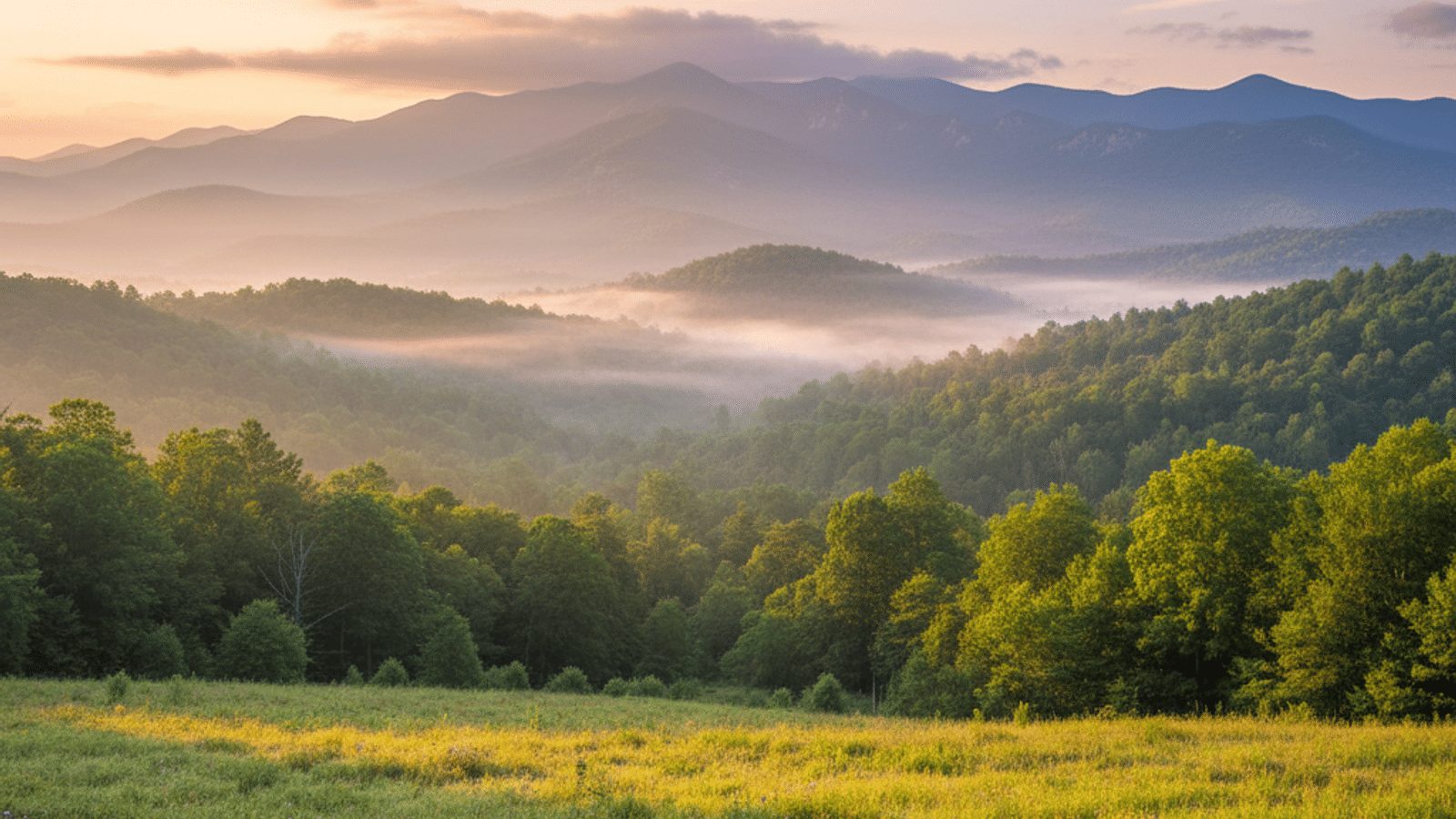
If you have been keeping an eye on real estate trends lately, you have probably noticed that Tennessee is having a major moment. But when people talk about moving here, they aren’t just talking about the neon lights of Nashville. A huge portion of that interest is focused right here in the “Grand Division” of East Tennessee. This region is physically and culturally distinct from the rest of the state, defined by the Great Smoky Mountains, the Tennessee Valley, and the Cumberland Plateau.
It is easy to see why folks are packing up U-Hauls and heading our way. We offer a “mountain life meets affordability” value proposition that is becoming harder to find in other parts of the country. You get the stunning backdrop of the Smokies without the skyrocketing price tags of the Rockies. Plus, the financial incentives are hard to ignore. Tennessee has no state income tax on wages, which means an immediate raise for many people moving from high-tax states.
When we look at where people are actually settling, the region really boils down to three main metro areas: Knoxville, Chattanooga, and the Tri-Cities. Each has a completely different vibe, economy, and price point. Whether you are looking for a walkable downtown, a quiet cabin near the trails, or a suburban community with golf course access, this corner of the map has something for you.
Knoxville: The Vibrant Metro Hub
Now, let’s discuss Knoxville. This is the third-largest city in the state, but it is also the main educational and cultural hub for eastern Tennessee. Residents nickname it the “Scruffy City” because of its unpretentious, genuine atmosphere. However, despite the name, Knoxville’s downtown area is quite refined and vibrant, thanks to the Market Square and the University of Tennessee campus.
Economically, Knoxville is incredibly diverse. It is not just a college town; it is a hub for healthcare, the headquarters for the Tennessee Valley Authority (TVA), and a center for manufacturing and logistics. For outdoor lovers, the location is strategic. You are roughly 45 minutes from the entrance of the Great Smoky Mountains National Park, meaning weekend hikes are an easy drive away, but you still have all the amenities of a major city during the workweek.
The real estate in the city varies. If one looks for some historical charm, there are areas such as Sequoyah Hills that boast boulevards and riverfront views, or one can explore the renewed bungalows in North Knoxville. If one looks at pricing, the real estate market has noticeably warmed up, but prices are reasonable when compared to the national average. Overall, one can expect prices in the $350,000-$385,000 range. When considering the cost of living, which stands 14% lower compared to the national average, one’s dollar will buy a lot in the city.
Top Knoxville Suburbs: Farragut, Maryville & Oak Ridge
If living right in the city center isn’t your speed, the surrounding towns offer some excellent alternatives.
Farragut is arguably the most sought-after suburb for those seeking an upscale lifestyle. It is located just west of Knoxville and is known for its manicured neighborhoods and top-tier amenities. You have incredible shopping access at Turkey Creek and some of the most highly regarded schools in the state. Because of this demand, Farragut real estate often commands a premium, with many homes for sale in East Tennessee starting well above $500,000.
Maryville offers a different feel. Located slightly south, it brands itself as the “Peaceful Side of the Smokies.” It has a strong sense of community and stable property values. It is a fantastic option if you want scenic mountain views and a quieter pace without being too far from the airport or downtown Knoxville.
Then there is Oak Ridge. Known historically as the “Secret City” due to its role in the Manhattan Project, it remains a hub for science and innovation today. With a high concentration of PhDs and scientists working at the National Laboratory, the STEM education here is robust. Oak Ridge offers competitive housing costs, often in the $280,000 to $320,000 range, making it a smart buy for those who appreciate history and value.
Chattanooga: The ‘Gig City’ & Outdoor Capital
Head about 90 minutes south of Knoxville and you hit Chattanooga. This city has completely reinvented itself over the last decade. It is famously nicknamed the “Gig City” because it was one of the first municipalities in the U.S. to offer city-wide fiber optic internet. We are talking speeds up to 10 or even 25 Gbps. That infrastructure has made it a magnet for remote workers, tech startups, and digital nomads who need reliable, lightning-fast connectivity.
Beyond the tech scene, Chattanooga is arguably the outdoor capital of the Southeast. The city sits in a valley surrounded by ridges, with the Tennessee River winding right through downtown. You have the Tennessee Aquarium, the iconic Walnut Street Bridge, and instant access to river sports. But the real draw is the elevation—rock climbing, hang gliding, and hiking on Lookout Mountain are part of the daily lifestyle here.
The housing market in Chattanooga is competitive with Knoxville. You can expect median home prices to hover in the $345,000 to $380,000 range. For buyers interested in living in Chattanooga condos downtown or historic homes on the hills, the inventory is diverse, but it moves quickly due to the influx of out-of-state buyers drawn by the lifestyle.
Chattanooga Area Gems: Signal Mountain & Ooltewah
When looking outside the city limits, two names usually rise to the top of the list.
Signal Mountain is physically located on a ridge overlooking the city. It is a unique community that feels like a small town separated from the hustle below. It is consistently ranked as one of the safest towns in Tennessee and is known for its prestigious schools and tight-knit atmosphere.
Ooltewah and the Collegedale area, on the other hand, are where you see the most rapid suburban growth. This area is packed with newer construction and golf course communities. If you are looking for a modern home with less maintenance, checking out homes for sale in Ooltewah is a great move.
Johnson City & The Tri-Cities: Affordable Mountain Living
If you head to the northeast corner of the state, you will find the Tri-Cities region, comprising Johnson City, Kingsport, and Bristol. This area is distinct from Knoxville and Chattanooga—it is quieter, less traffic-heavy, and noticeably more affordable.
Johnson City is the anchor of the region. It has a youthful, college-town energy thanks to East Tennessee State University (ETSU) and serves as the medical hub for the area with Ballad Health. The access to mountains here is immediate; you are practically living in them.
Kingsport has industrial roots but has done a great job focusing on livability, featuring incredible parks like Bays Mountain Park. Bristol is famous for being the “Birthplace of Country Music” and straddles the Virginia-Tennessee state line.
For buyers prioritizing budget, this is the sweet spot. The median home price here sits comfortably in the $240,000 to $280,000 range. With a cost of living that is roughly 15-18% below the national average, the Tri-Cities offers a very accessible entry point into the East Tennessee market.
Historic Charm: Jonesborough, Greeneville & Rogersville
Not everyone wants a subdivision or a downtown condo. Some buyers are looking for genuine historic character, and East Tennessee has that in spades.
Jonesborough is Tennessee’s oldest town. Walking down Main Street feels like stepping back in time, and it is famous worldwide for the National Storytelling Festival held every October. It appeals to those who want a walkable, preserved village atmosphere rather than a sprawling suburb.
Greeneville is another standout for history buffs. It is very affordable and attracts many retirees looking for value without sacrificing scenery. If your dream involves a bit of land or a restored Victorian home rather than new construction, these towns should be on your radar.
Safety and Quality of Life in East Tennessee
A common question for anyone relocating is about safety and healthcare. It is important to remember that safety is hyper-localized. While urban centers may have higher property crime statistics typical of any city, the suburban and rural pockets of East Tennessee are generally very peaceful. Towns like Signal Mountain and Farragut, for instance, maintain very low crime rates.
regarding healthcare, you are well covered. Knoxville is home to the University of Tennessee Medical Center, a Level I Trauma Center. Johnson City has a massive medical footprint with ETSU’s medical school and pharmacy school. You don’t have to travel to Nashville or Atlanta for top-tier specialized care.
Culturally, the “Southern Hospitality” stereotype holds true here. Communities are event-focused, from Friday night football to seasonal festivals. It’s a place where neighbors still tend to know each other.
Cost of Living Comparison: Knoxville vs. Chattanooga vs. Tri-Cities
Let’s break down the numbers side-by-side so you can see what fits your budget.
Housing Costs: If you want the absolute lowest price per square foot, the Tri-Cities (Johnson City/Kingsport) is the clear winner. Knoxville and Chattanooga are competitive with each other, though specific neighborhoods in Chattanooga (like North Shore) or Knoxville (like Farragut) can skew higher.
Taxes: The lack of state income tax applies everywhere in Tennessee. Property taxes vary slightly by county but are low by national standards. You are usually looking at a tax bill of roughly $600 to $900 per $100,000 of assessed value, depending on exactly where the property line falls.
Sales Tax: Here is the trade-off. To make up for having no income tax, Tennessee has a high sales tax. When you combine state and local rates, you will pay between 9.25% and 9.75% on most purchases. It is a consumption-based tax model, which most residents prefer, but it is something to plan for in your monthly budget.
Pros and Cons of Living in East Tennessee
I always want my clients to have the full picture before they sign a contract. Here is a balanced look at the lifestyle.
The Pros:
- Four Distinct Seasons: Unlike the deep South, we get a true autumn with changing leaves and a mild winter. You might get a dusting of snow, but it rarely shuts the city down for long.
- Outdoor Access: Whether it is lakes, rivers, or trails, the landscape invites you to be active.
- Low Tax Burden: Keeping more of your paycheck is a massive perk.
The Cons:
- Allergies: We have a high pollen count in the spring. If you suffer from seasonal allergies, you will want to stock up on antihistamines.
- Humidity: Summer can get sticky. July and August are hot and humid, though the mountains offer a nice escape from the heat.
- Public Transit: This is a car-dependent region. While there are buses in the main cities, you really need a vehicle to get around efficiently.
Which East Tennessee Town is Right for You?
So, where should you land? It usually comes down to lifestyle preference.
- For Tech & Remote Workers: Chattanooga is the best bet. The internet speed and startup culture are unmatched.
- For Big City Amenities & Sports: Knoxville wins. If you want college football Saturdays and a diverse economy, start your search here.
- For Maximum Affordability & Quiet: Look at Johnson City or the Tri-Cities. Your budget will go further, and the traffic is minimal.
- For Upscale Suburban Life: Farragut (near Knoxville) or Signal Mountain (near Chattanooga) offer that premium community feel.
If you are ready to explore specific listings or need help navigating these markets, reaching out to a local relocation specialist is the best next step.
FAQs
Is East Tennessee a good place to retire?
Yes, it is extremely popular for retirees. The combination of no state income tax (which includes pension income) and a generally lower cost of living makes it financially attractive. Plus, the mild climate allows for year-round activities like golf and hiking without the harsh winters of the north.
What is the safest city in East Tennessee?
Safety varies by neighborhood, but historically, Signal Mountain near Chattanooga and Church Hill in the Tri-Cities rank very highly for safety. In the Knoxville area, Farragut also consistently reports low crime rates compared to the city center.
Is it cheaper to live in Knoxville or Chattanooga?
They are very similar in overall cost, but Chattanooga can sometimes offer slightly more affordable housing options depending on the specific neighborhood. However, Knoxville has seen slightly faster appreciation recently. For significantly lower costs, you would need to look at the Tri-Cities.
Does East Tennessee get a lot of snow?
Not really. We definitely experience four seasons, but winter snowfall is usually light—often just a few inches a year in the lower elevations. It is enough to be pretty for a day, but it typically melts quickly, so you don’t have to worry about months of shoveling.
Which East Tennessee city has the best schools?
If schools are your top priority, the suburban districts usually rank highest. The Oak Ridge School District and schools in the Farragut area (part of Knox County) are top performers. Similarly, Signal Mountain schools in Hamilton County are highly rated.
East Tennessee Real Estate Market: 2026 Outlook & Trends
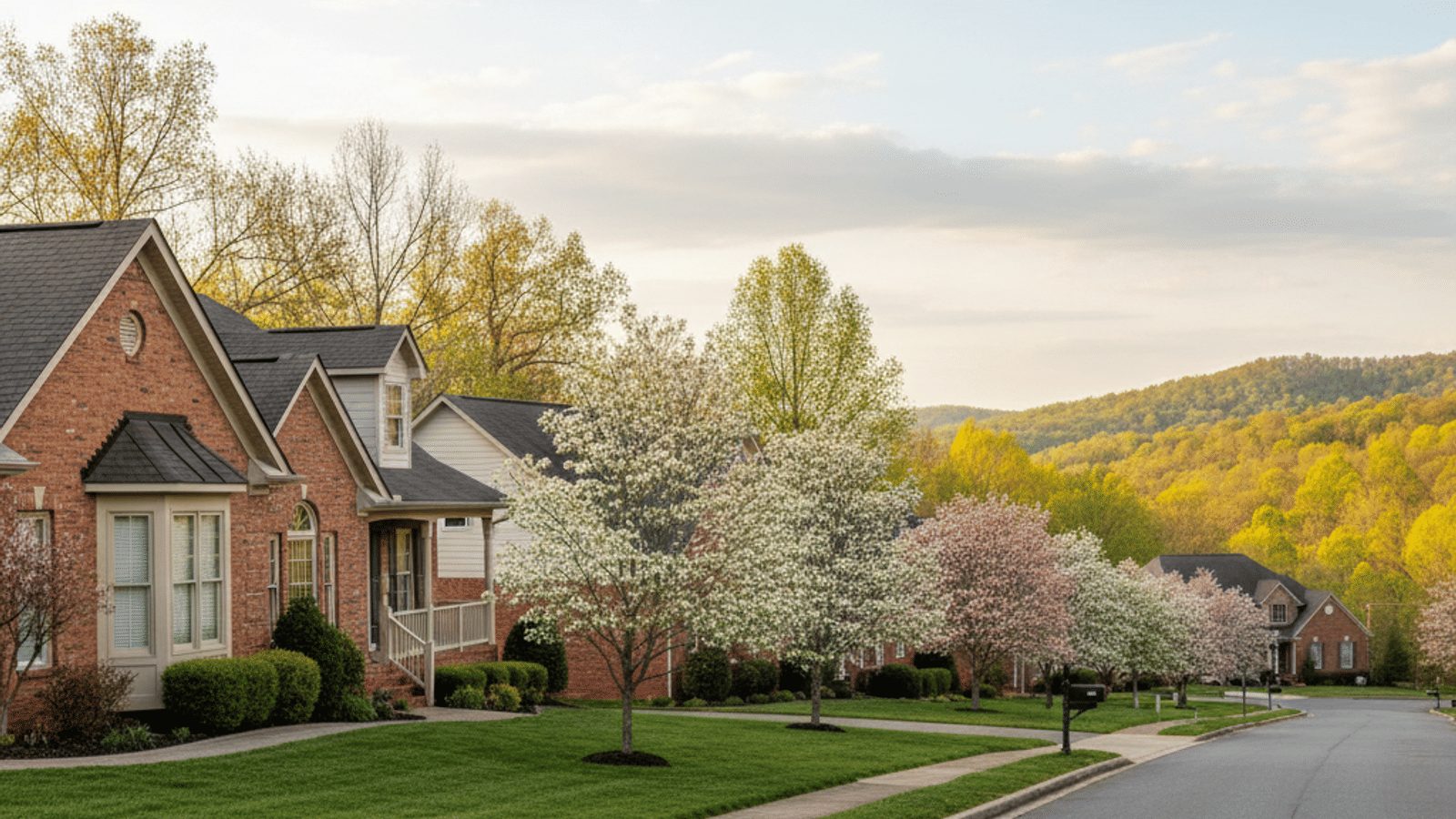
If you’ve been watching the housing market in our corner of the world for the last few years, you know it’s been a wild ride. But as we settle into early 2026, the landscape of East Tennessee real estate is looking a lot different than the frenzy of the pandemic years.
For a long time, the story here was purely about scarcity. Today, the narrative has shifted. East Tennessee remains a top destination for quality of life—people are still drawn here by the rolling mountain landscapes and the obvious tax benefits of living in East Tennessee—but the panic buying is largely behind us.
The current market is what we like to call “normalized.” It’s resilient, sure, but it’s no longer chaotic. Inventory levels in many metros have improved significantly (up more than 30% in some areas compared to two years ago), giving buyers actual choices. While prices haven’t crashed, they have stabilized, driven by consistent demand from relocators who still see immense value here compared to coastal markets.
2025 Year-in-Review & 2026 Forecast
In order to grasp where we are headed in 2026, it is necessary to examine what happened in 2025. It is clear that the drastic double-digit increase in the 2020s is in the mirror now. Rather, what is happening is the establishment of a period that is much more healthful for everyone involved.
The largest story in 2026 regards inventory coming back. In both Knoxville and Tri-Cities, inventory has returned close to where it was before the pandemic. This means that the “lockout” effect—in which owners were unwilling to sell as they were in love with their 3% interest rate—will soon become a thing of the past as people change jobs, marry, and have children, forcing them to relocate.
Here is how the numbers are shaking out as we head further into the year:
- Price Stabilization: Don’t expect huge spikes in home values this year. We are looking at modest, single-digit growth (likely 2–3%) or even flat pricing in some neighborhoods.
- Sales Volume: Forecasts suggest an uptick in total sales volume (around 8–10%) as buyers finally acclimate to stabilized mortgage rates and jump off the sidelines.
- Inventory Absorption: We are hovering between 3 to 5 months of inventory. That is the definition of a balanced market, though it can still lean slightly toward sellers in highly desirable school districts.
- Regional Price Checks: While localized shifts occur, the average home cost in East Tennessee is currently seeing a more uniform baseline. Expect median prices to sit around $375k–$400k for the Knoxville Metro area, while the Tri-Cities offers a lower entry point near $290k.
Knoxville Metro: The Economic Anchor
Knoxville continues to be the heavyweight champion of the region. Covering Knox, Blount, Loudon, and Anderson counties, this is the most expensive and competitive submarket in East Tennessee.
The drivers here haven’t changed. The University of Tennessee continues to expand, and a growing tech sector is bringing in high-income earners who want access to downtown amenities and the suburbs like Farragut and Maryville. However, the days of a home selling in 4 hours with 20 offers are mostly gone.
As of early 2026, Knoxville East Tennessee homes for sale are sitting on the market a little longer—averaging 40+ days in many cases. This reduced pace has virtually eliminated widespread bidding wars, allowing buyers to conduct inspections and negotiate repairs again.
- Median Sold Price: Stabilized around the $380k–$400k mark.
- Affordability: This is the pain point. Affordability is at a 40-year low here, which is pushing many first-time buyers to look further out into surrounding counties for better deals.
The Tri-Cities: Affordability & Divergence
If you drive an hour or so northeast, the story changes. The Tri-Cities (Johnson City, Kingsport, and Bristol) offers a significantly different value proposition. Generally speaking, you can expect homes here to be about 25% to 30% cheaper than comparable properties in Knoxville.
This cost-benefit extends to those who aren’t quite ready to buy. The average rent in East Tennessee is largely influenced by the affordability of the Tri-Cities, where one-bedroom units often hover around the $950–$1,000 mark—a sharp contrast to the higher premiums seen in the Knoxville metro area.
The theme for Tri-Cities real estate in 2026 is “divergence.” The three cities aren’t moving in perfect sync anymore:
- Johnson City: Seeing steady appreciation (around +7.5% recently) driven by East Tennessee State University and the medical corridor.
- Kingsport and Bristol: Remaining relatively flat or seeing very slight dips in pricing, offering some of the best entry-level values in the state.
This area is heavily favored by retirees. The presence of Ballad Health hubs and a generally lower cost of living makes it very attractive for those on a fixed income.
- Median Price: Hovering around $290,000 based on late 2025 and early 2026 data.
- Inventory: It’s a mixed bag. Some neighborhoods have a surplus of homes, while hot spots in Johnson City remain tight.
Sevier County & STR Investment Outlook
For the investors out there eyeing Gatlinburg cabins or condos in Pigeon Forge, the landscape has shifted dramatically. The “easy money” era of 2021 is over. You can no longer buy just any cabin, throw it on a rental program, and expect massive returns without effort.
Success in the 2026 short-term rental (STR) market requires professional management and premium amenities. With occupancy rates normalizing to around 53-58% (down from the pandemic highs of 70%+), guests can afford to be picky.
- The Opportunity: Demand is still massive. The Great Smoky Mountains National Park pulls in over 12 million visitors a year, and they all need a place to stay.
- The Strategy: Gross revenue has stabilized, but properties with “wow” factors—like indoor pools, theater rooms, or exceptional views—are the ones outperforming the market.
- The Rules: Local governments are strict. Adherence to zoning, safety codes, and permit regulations is non-negotiable if you want to protect your investment.
Financial Implications: Taxes and Cost of Living
When people look at Tennessee tax benefits, the lack of state income tax is usually the headline. It is a major draw for high earners and retirees because it instantly boosts your take-home pay compared to many other states.
However, it is important to look at the whole picture. Because there is no income tax, the state relies heavily on sales tax, which averages around 9.75% depending on the county. It’s a consumption-based trade-off that most residents are happy to make.
Property taxes in East Tennessee are generally very low compared to the national average, though it is worth noting that recent reassessments in growing counties have bumped bills up slightly. Beyond taxes, HOA fees in East Tennessee remain a major draw for budget-conscious buyers. While master-planned communities or luxury condos with extensive amenities can reach higher tiers, the median monthly fee in the Volunteer State is approximately $150—roughly 50% lower than the national median of $290. In many suburban Knoxville and Tri-Cities neighborhoods, managed community benefits are often available for even less.
When it comes to insurance, we are fortunate to avoid the coastal hurricane premiums that plague the rest of the southeast. However, if you are looking at land near creeks or rivers, always check the flood zones—flash flooding is the one weather risk that can impact insurance rates here.
Why Demand Remains: The Lifestyle Factor
Finance aside, people keep moving here for the lifestyle. We enjoy four distinct seasons. You get a true autumn and a mild winter without the brutal, months-long freezes of the North or the suffocating year-round humidity of the deep South.
The outdoor recreation is world-class. Whether it’s boating on lakes in East Tennessee like Norris, Douglas, or Boone, or hiking the hundreds of miles of trails in the Smokies, the access to nature is immediate.
Perhaps most importantly, the sense of community remains strong. There is a distinct blend of traditional southern hospitality mixed with a new energy from the diverse cultures relocating here. It creates a welcoming environment where new neighbors are generally greeted with a wave rather than suspicion.
Final Thoughts: Is 2026 the Right Time to Buy?
If you have been waiting on the sidelines, 2026 offers a window of opportunity we haven’t seen in years. For buyers, the panic is gone. You have more choices, less competition, and time to make a thoughtful decision without waiving inspections.
For sellers, the key is accuracy. Pricing your home correctly from day one is vital. The market will punish overpricing with stagnation, but well-presented homes priced at market value are still moving efficiently.
Navigating these submarkets—whether it’s the bustle of Knoxville or the quiet value of Bristol—requires local boots on the ground. If you are ready to make a move, reach out to a local expert who can help you interpret the numbers and find the right spot for your next chapter.
FAQs
Is the East Tennessee housing market crashing?
No, the market is not crashing. It is normalizing. After years of unsustainable growth, we are seeing prices flatten and inventory rise, which is a sign of a healthy, stabilizing market rather than a bubble bursting.
How does the cost of living in East Tennessee compare to the national average?
The cost of living here is generally lower than the national average, primarily due to housing costs that are still reasonable by comparison and the total absence of state income tax.
Which is cheaper: Knoxville or the Tri-Cities?
The Tri-Cities area is significantly cheaper. You can generally expect to pay about 25% to 30% less for a home in Kingsport or Johnson City compared to a similar home in the Knoxville metro area.
Are short-term rentals still a good investment in Sevierville?
Yes, but you have to run conservative numbers. The market is competitive, so success depends on buying properties with unique amenities (like views or pools) and managing them strictly to keep ratings high.
6 Best Things To Do in East Tennessee
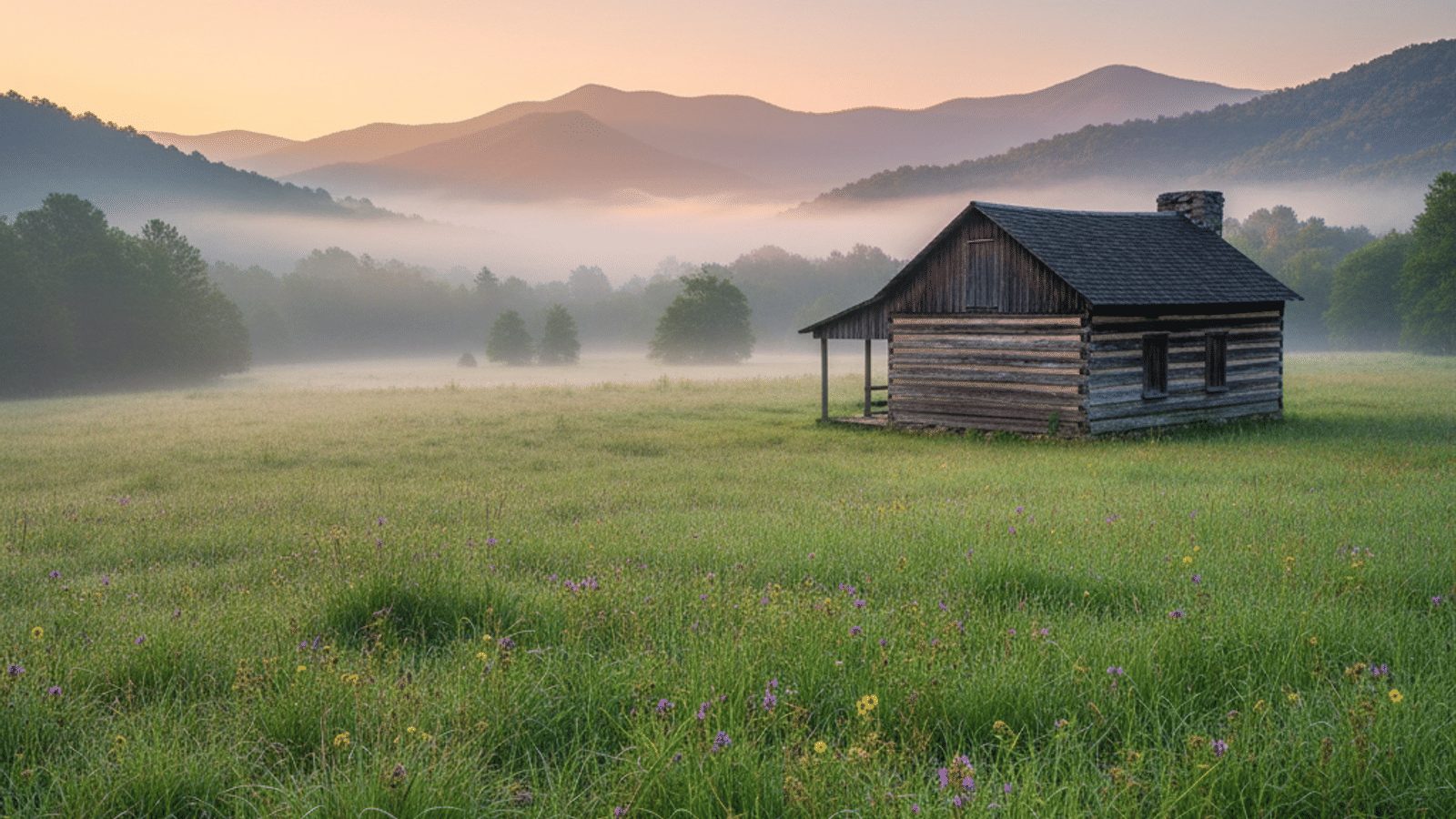
When people ask me what it’s like living in East Tennessee, I usually tell them to look out the window. This region is defined by the stunning Appalachian Mountains, rolling green valleys, and a sense of history that feels present in every town. But it’s not just about the views. The real magic in East Tennessee is the mix of rugged outdoor adventure and vibrant city life. This draws in many people looking for homes for sale in East Tennessee.
You can spend your morning hiking a quiet trail in the mountains and your evening enjoying a rooftop dinner in a modern city center like Knoxville or Chattanooga. For anyone thinking about moving to Tennessee, this balance is often the deciding factor. It’s a lifestyle where world-class recreation is practically in your backyard, making it easy to see why so many folks are trading in the hustle for the heritage and hills of this area.
Explore the Great Smoky Mountains National Park
You can’t talk about East Tennessee without starting with the Great Smoky Mountains National Park. It’s the most visited national park in the country for a reason, and for most people living in East Tennessee, the park is usually 30 to 60 minutes away, depending on the town. One of its biggest perks is accessibility—there’s no entrance fee, and you only need a parking tag if you plan to stop and explore.
If you are looking for wildlife and history, Cades Cove is the place to start. It’s a scenic valley with a driving loop that takes you past historic cabins and churches. It’s also one of the best spots to see black bears and deer, especially in the early morning or late evening. For those who want to feel like they are on top of the world, Clingmans Dome (now officially known as Kuwohi) is the highest point in Tennessee. The observation tower offers panoramic views that stretch for miles on a clear day.
The park is also a hiker’s paradise with trails for every energy level. Alum Cave is a local favorite for its unique geological features, while Laurel Falls offers a paved path to a beautiful waterfall, making it a bit easier for casual walkers. The seasons dictate the draw here: fall brings spectacular foliage that rivals New England, spring offers incredible wildflower displays, and early summer features the rare synchronous fireflies.
Thrill-Seeking in Gatlinburg and Pigeon Forge
Just outside the quiet of Great Smoky Mountains National Park, the energy shifts completely. Gatlinburg and Pigeon Forge are the entertainment hubs of East Tennessee, known for high-energy attractions and a tourist-friendly vibe that residents enjoy, too.
Pigeon Forge is home to Dollywood, a world-class theme park that spans 160 acres. It’s not just about roller coasters; the park honors Dolly Parton with incredible music, Appalachian crafts, and food that is worth the trip alone. Down the street, The Island in Pigeon Forge offers plenty of shopping and dining, anchored by the Great Smoky Mountain Wheel, which gives you a bird’s-eye view of the Parkway.
Gatlinburg serves as the gateway to the mountains but has plenty of its own action. You can walk across the SkyBridge at Skylift Park, visit the sharks at Ripley’s Aquarium of the Smokies, or head up to Ober Mountain for skiing in the winter and amusement park rides in the summer. Even on a rainy day, you aren’t out of luck; the area is packed with dinner shows, indoor museums, and massive arcades that are fun for all ages.
Urban Adventures in Knoxville
If you prefer a more cosmopolitan vibe, Knoxville is the cultural and recreational heart of East Tennessee. It’s a city that loves its outdoors just as much as its art and food.
The skyline is defined by the Sunsphere, the gold-topped structure remaining from the 1982 World’s Fair. It sits in World’s Fair Park, a wonderful walkable green space right downtown. Just a few blocks away is Market Square, which really acts as the living room of the city. It’s a pedestrian-only district filled with local shops, restaurants with patio seating, and frequent events like farmers markets and outdoor concerts.
For those who want nature without leaving the city limits, living in Knoxville offers unique perks like Ijams Nature Center. It’s an urban wilderness with miles of trails, paddling on the river, and the Navitat canopy tour for a bit of climbing adventure. Zoo Knoxville is another major draw, globally recognized for its conservation work with red pandas.
Scenic Views and History in Chattanooga
Further south, Chattanooga—often called the “Scenic City”—seamlessly blends its riverfront roots with mountain adventures. It is an incredibly active city where you see people biking, running, and climbing year-round.
The Tennessee Aquarium is the jewel of the downtown riverfront, featuring two massive buildings dedicated to river and ocean life. Just outside, the Riverwalk stretches for miles along the Tennessee River, offering a paved path that is perfect for a Saturday morning bike ride or a sunset stroll. For a more artistic vibe, the Bluff View Art District sits high above the river, home to a historic sculpture garden, bakeries, and coffee shops that feel distinctively European.
You can’t mention Chattanooga without Lookout Mountain. It’s home to iconic attractions like Rock City, where you can reportedly see seven states on a clear day, and Ruby Falls, a stunning underground waterfall. The Incline Railway is another fun way to see the sights, taking you straight up the mountainside on one of the world’s steepest passenger railways.
Music and Heritage in the Tri-Cities
Heading to the northeast corner of the state, the Tri-Cities area—comprising Bristol, Kingsport, and Johnson City—offers a deep dive into music history and heritage.
Bristol is famously known as the birthplace of country music. The Birthplace of Country Music Museum is a must-visit, offering interactive exhibits on the 1927 Bristol Sessions that launched the genre. Of course, Bristol is also synonymous with speed; Bristol Motor Speedway is a massive cathedral of racing that draws NASCAR fans from all over the country.
Nearby in Kingsport, Bays Mountain Park offers a quieter escape with a planetarium, wolf habitats, and miles of hiking trails. Head a bit south and you’ll reach Historic Jonesborough—Tennessee’s oldest town—where the preserved main street and the International Storytelling Center keep the area’s heritage front and center.
Unique Natural Wonders: Caves and Lakes
Beyond the bigger cities and the Smokies, East Tennessee is filled with geological surprises and easy day-trip spots.
- The Lost Sea Adventure: In Sweetwater, you can walk through a vast cave system before boarding a boat on America’s largest underground lake. It’s a Registered Natural Landmark and a genuinely unusual experience.
- Tennessee Lakes: Norris Lake and Douglas Lake draw boaters, anglers, and anyone looking for a summer cooldown. Both offer wide open water and plenty of coves to explore.
- Tuckaleechee Caverns: Located in Townsend, these caverns—sometimes called the “Greatest Site Under the Smokies”—give you an impressive, less crowded alternative to the busier tourist caves.
Making East Tennessee Your Home
Life in East Tennessee often feels like a long weekend. You can slip into the mountains for a quick road trip, catch a show in Pigeon Forge, or spend an afternoon by the river in Chattanooga. There’s always another pocket to explore.
For newcomers, the variety is the biggest selling point. You can choose a quiet cabin in the woods, a historic home in a small town, or a modern loft in a buzzing downtown. If you are browsing homes for sale in East Tennessee, you’ll find that living here means you don’t just visit these attractions once—they become part of your regular routine. It’s a place where quality of life is high, and the next adventure is just around the bend.
Frequently Asked Questions
What is the number one attraction in East Tennessee?
The Great Smoky Mountains National Park is the top attraction in East Tennessee, drawing millions of visitors annually for its hiking and scenery. For man-made attractions, Dollywood in Pigeon Forge is the most popular destination for entertainment and theme park thrills.
What are some unique things to do in East Tennessee?
One of the most unique things you can do in East Tennessee is you can explore the Lost Sea, a massive underground lake in Sweetwater, or witness the synchronous fireflies in the Smokies during early summer. East Tennessee also offers unique historical experiences like the Birthplace of Country Music Museum in Bristol.
Are there free things to do in East Tennessee?
Yes, there are plenty of free things to do in East Tennessee. The Great Smoky Mountains National Park tops the list, and there’s no entrance fee to enjoy it. In Knoxville, spots like World’s Fair Park and the walkable stretch around Market Square don’t cost a thing. Chattanooga offers the same kind of no-ticket exploring along the Riverwalk, which is open year-round.
What is East Tennessee best known for?
East Tennessee is best known for its mountains and music. When people think of this part of the state, they picture the Great Smoky Mountains, small towns with deep Appalachian roots, and the early days of country and bluegrass. It’s also known for friendly people, plenty of outdoor things to do, and big-name spots like Dollywood and Bristol Motor Speedway.
What’s it like living in East Tennessee?
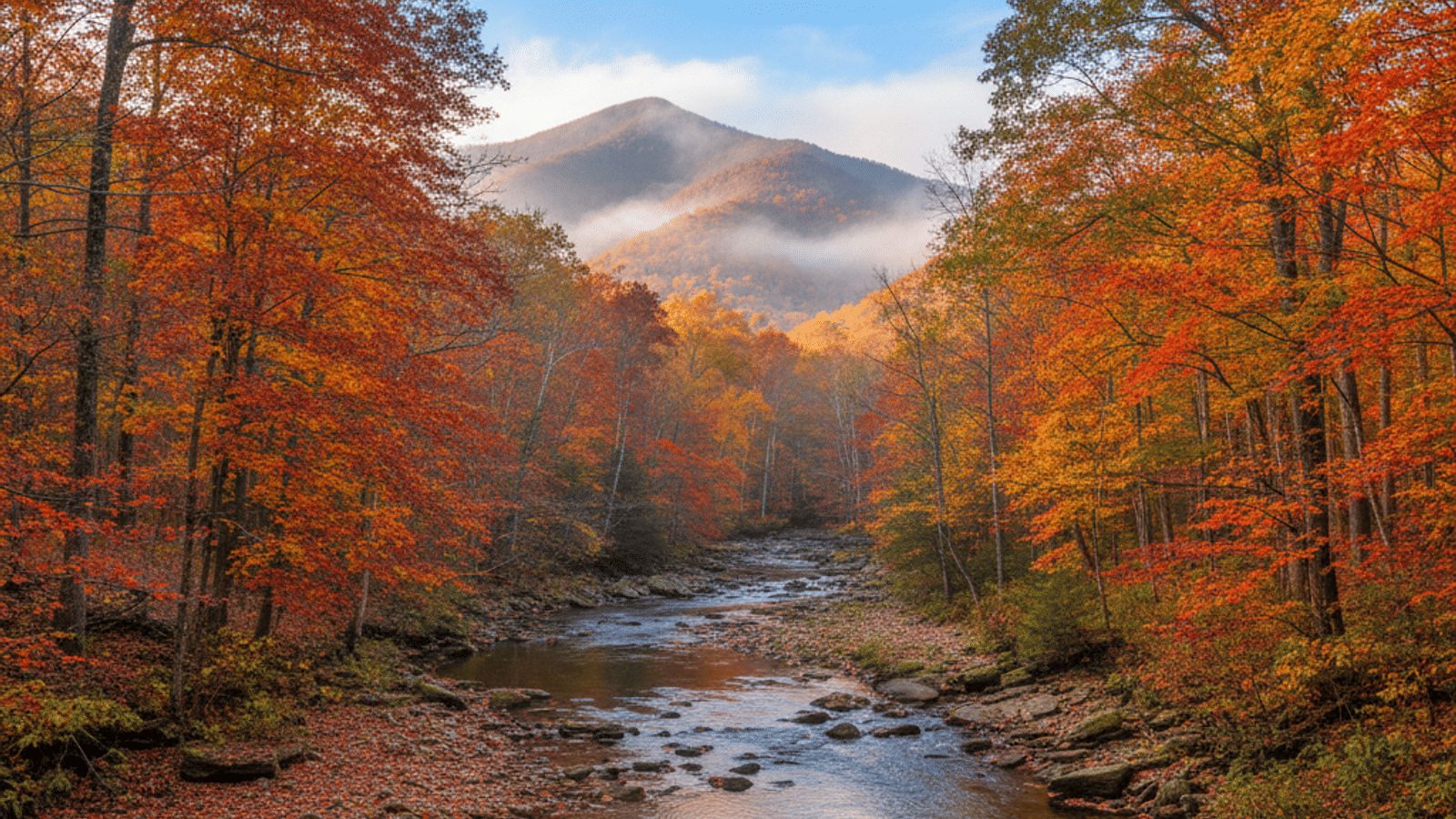
There is a distinct pull to East Tennessee that goes beyond just the postcards of the Great Smoky Mountains. For many people considering a move to East Tennessee, the attraction starts with the scenery but is quickly cemented by the practical side of things—specifically, a lower cost of living compared to many coastal areas.
East Tennessee is one of the state’s three “Grand Divisions,” and it feels entirely different from the flatlands of the West or the rolling hills of the Middle division. We are seeing more people searching for homes for sale in East Tennessee, drawn by the mix of mountain culture and economic common sense. If you are trying to decide if relocating to the Volunteer State is the right move for your lifestyle and budget, this guide breaks down the real numbers and the day-to-day reality of life here.
The Pros of Living in East Tennessee
The biggest draw for most new residents is the mix of outdoor access and financial freedom. You have stunning ridge-and-valley scenery right in your backyard, with weekends that can easily shift from hiking and fishing to a quiet drive along back roads without spending much at all. There are so many things to do in East Tennessee.
On the money side, that landscape is paired with a tax structure that tends to keep more in your pocket. Lower overall housing costs in many areas, no state income tax on wages, and generally manageable day-to-day expenses mean your salary or pension often stretches further than it would in many coastal or big-city markets. For a lot of people, that combination of real mountains, real seasons, and a bit more room in the budget is exactly what tips the scales in favour of moving.
The Cons of Living in East Tennessee
While you save on income tax, you will likely notice the consumption tax at the register, with sales tax often hovering between 9.25% and 9.75% once you combine state and local rates.
You also have to be prepared for the climate, as the humidity in July and August can be heavy, and the seasonal allergies, often joked about as “The Pollening”, are a real factor for many residents.
Traffic can also be surprisingly dense around tourist hubs like Gatlinburg or Pigeon Forge during peak seasons.
Cost of Living in East Tennessee
Overall, East Tennessee’s cost of living typically runs about 10–15 percent below the U.S. average, and a city like Knoxville sits around 86 on a 100-point Cost of Living Index, meaning it is roughly 14 percent cheaper than the national norm.
Beyond the mortgage, the tax situation is a huge driver for migration here: Tennessee has no state income tax on wages or retirement income, and the average effective property tax rate sits around 0.49 percent of a home’s value, which is low compared with many other states.
The trade-off is sales tax, with a 7 percent state rate and local add-ons that push the average combined sales tax to about 9.6 percent, one of the highest in the country.
Your monthly utility bills often benefit from Tennessee Valley Authority power and a relatively low average residential electricity rate of about 12 cents per kWh, translating to an average electric bill in the mid-$140s per month, noticeably under the national average of roughly 18 cents per kWh.
Car insurance is also manageable: recent analyses put the average Tennessee driver’s premium for full coverage at roughly $2,000 to $2,100 per year, or around $170 per month, which is in line with or slightly below national figures, though cabins in remote mountain areas can see higher fire and flood insurance costs, so it is worth getting those quotes upfront.
Real Estate Market in East Tennessee
Generally speaking, housing costs here are still affordable compared to national averages, though we have certainly seen prices climb in recent years. In many parts of the state, especially outside the hottest metro pockets, you will still find move-in-ready single-family homes trading in roughly the mid-$300,000s, with more updated or larger properties pushing into the $400,000s and beyond. Closer to city centres like Knoxville, Chattanooga, or the Nashville commuter belt, prices tend to sit toward the upper end of that $300,000 to $450,000 range, particularly for newer builds in popular school zones.
If you are looking for more elbow room, the rural counties open up a different set of options. Modest homes on a few acres can sometimes be found closer to the low-$300,000s, while larger homesteads for sale, with outbuildings, pasture, or mixed woodland, typically climb higher depending on acreage, road access, and how turnkey the property is. Buyers who are willing to be 30 to 60 minutes outside a major city often find a better balance between price, land, and privacy, especially if they prioritise space for gardening, animals, or a small hobby farm alongside the main residence.
Best Places to Live in East Tennessee
The region is anchored by two major cities, but there is a wide variety of lifestyle options depending on how close you want to be to the action.
- Knoxville: As the largest hub in the region, this is home to the University of Tennessee. It offers a walkable downtown, a diverse economy, and plenty of historic neighborhoods in Knoxville.
- Chattanooga: Known as “The Scenic City,” this spot is famous for its riverfront lifestyle and “Gig City” internet speeds, making it a favorite for tech workers and outdoor enthusiasts.
- The Tri-Cities: Comprising Johnson City, Kingsport, and Bristol, this area offers a quieter pace and often lower home prices. It is also known for a strong healthcare presence and the deep musical roots of Bristol.
- Smoky Mountain Communities: Towns like Sevierville and Gatlinburg are heavy on tourism. They are ideal for vacation rental investors or those who want incredible mountain views, provided you don’t mind the vacation traffic.
East Tennessee Climate and Weather
One of the most common reasons people cite for moving to East Tennessee is the desire for four distinct seasons without the brutal extremes of the far north or deep south. Autumn is particularly spectacular here, drawing visitors from all over the world to see the hardwoods turn vibrant shades of red and orange.
Topography plays a huge role in your daily weather. The higher elevations in the mountains stay significantly cooler, while the valley floor can trap heat and humidity during the summer. You can expect summer highs to regularly reach the mid-80s to low 90s.
We also get generous rainfall, which keeps the region incredibly green and lush, though it contributes to the humidity. Winters are generally mild to moderate; while we do see snow occasionally, it usually melts within a day or two. The lows generally stay above freezing, making it manageable for those escaping harsh northern winters.
Job Market and Economy in East Tennessee
The economy here is more diverse than many outsiders realize. It is not just tourism and farming; there are major institutional anchors that provide stability. Oak Ridge National Laboratory is a global leader in science and energy research, while the University of Tennessee and the TVA provide thousands of steady jobs across the region.
Manufacturing is another pillar of the local economy. Chattanooga is home to a massive Volkswagen plant, and suppliers for the auto industry are scattered throughout the valleys. Of course, tourism remains a massive economic driver, particularly for counties bordering the National Park.
We are also seeing a surge in remote work. With reliable high-speed internet in hubs like Chattanooga and Knoxville, many professionals are bringing their jobs with them, capitalizing on the lower cost of living while earning salaries based in more expensive markets.
Outdoor Lifestyle and Recreation in East Tennessee
If you move here, you will likely find yourself spending more time outside. The culture revolves around the landscape, anchored by the Great Smoky Mountains National Park. Whether you are into serious hiking, camping, or just watching for elk and black bears in Cades Cove, the park is a constant presence.
Water sports are just as big here. You are never far from a lake, with reservoirs like Norris, Douglas, Cherokee, and Tellico offering miles of shoreline for boating and fishing. It is a major part of the summer lifestyle for locals.
Culturally, the region is steep in tradition. Sports culture is dominated by the University of Tennessee Volunteers; on game days, the “Vol Navy” fills the river near the stadium. If you’re into live music, bluegrass is part of the DNA here. You’ll find small-town festivals, picking circles, and museums that lean into the sound that grew up in these hills.
East Tennessee Crime and Safety Considerations
When looking at safety, the dynamic is similar to most U.S. regions: urban centers tend to have higher crime rates than the surrounding suburbs and rural areas. Dense parts of downtown cities will naturally have different statistics than quiet outlying towns.
Many buyers looking for safety prioritize suburbs like Farragut near Knoxville or Signal Mountain near Chattanooga, which generally report lower crime rates and a strong sense of community. When researching, it is helpful to look at specific neighborhood data rather than just city-wide averages.
Safety here also involves weather awareness. While East Tennessee is somewhat protected by its terrain compared to West Tennessee, severe storms can happen. The mountains often break up the worst weather systems, but it is still smart to be prepared for spring storms.
Frequently Asked Questions About East Tennessee
Is East Tennessee a good place to retire?
Yes, and that’s why you keep seeing it show up on “best places to retire” lists. The tax picture is a big part of it: no state income tax on wages, pensions, or Social Security, and property taxes are relatively gentle compared to many other states. Pair that with reasonably priced housing and four real seasons without brutal winters, and a lot of retirees feel like they’ve given themselves a raise by moving here.
What is the difference between Middle and East Tennessee?
Middle Tennessee is “Nashville country” – rolling hills, big music and healthcare economy, faster growth, and a more urban feel once you get near the city. East Tennessee is the mountain side of the state, shaped by the Smokies, TVA lakes, and smaller cities like Knoxville and Chattanooga. It usually feels a little slower, a little more outdoors-focused, and in many areas, a bit easier on the budget than the core Nashville metro.
Does it snow in East Tennessee?
It does, but not in the way people picture when they think “mountains.” The higher elevations in and around the Great Smoky Mountains can get real winter weather, but down in the valleys and cities like Knoxville and Chattanooga, you’re usually talking about a few light snow events a year that melt off fairly quickly. Most winters you’ll see some flakes, but you’re not spending every morning digging your car out.
Is the cost of living high in East Tennessee?
Not really. Most people moving in from bigger or coastal markets feel like their dollars stretch further here. Housing and utilities are usually the big savings, which takes a lot of pressure off the monthly budget. Yes, sales tax is on the higher side, but the lack of a state income tax often helps even things out once you run the numbers for your whole household.
What are the safest towns in East Tennessee?
Some of the quieter suburban and “just outside the city” spots tend to feel the most buttoned-up from a safety standpoint. Places like Farragut, Maryville, and Signal Mountain are good examples: residential, community-oriented, and close enough to larger job centers and amenities without feeling like you’re in the middle of everything.
Is East Tennessee Safe? A 2026 Guide for Newcomers
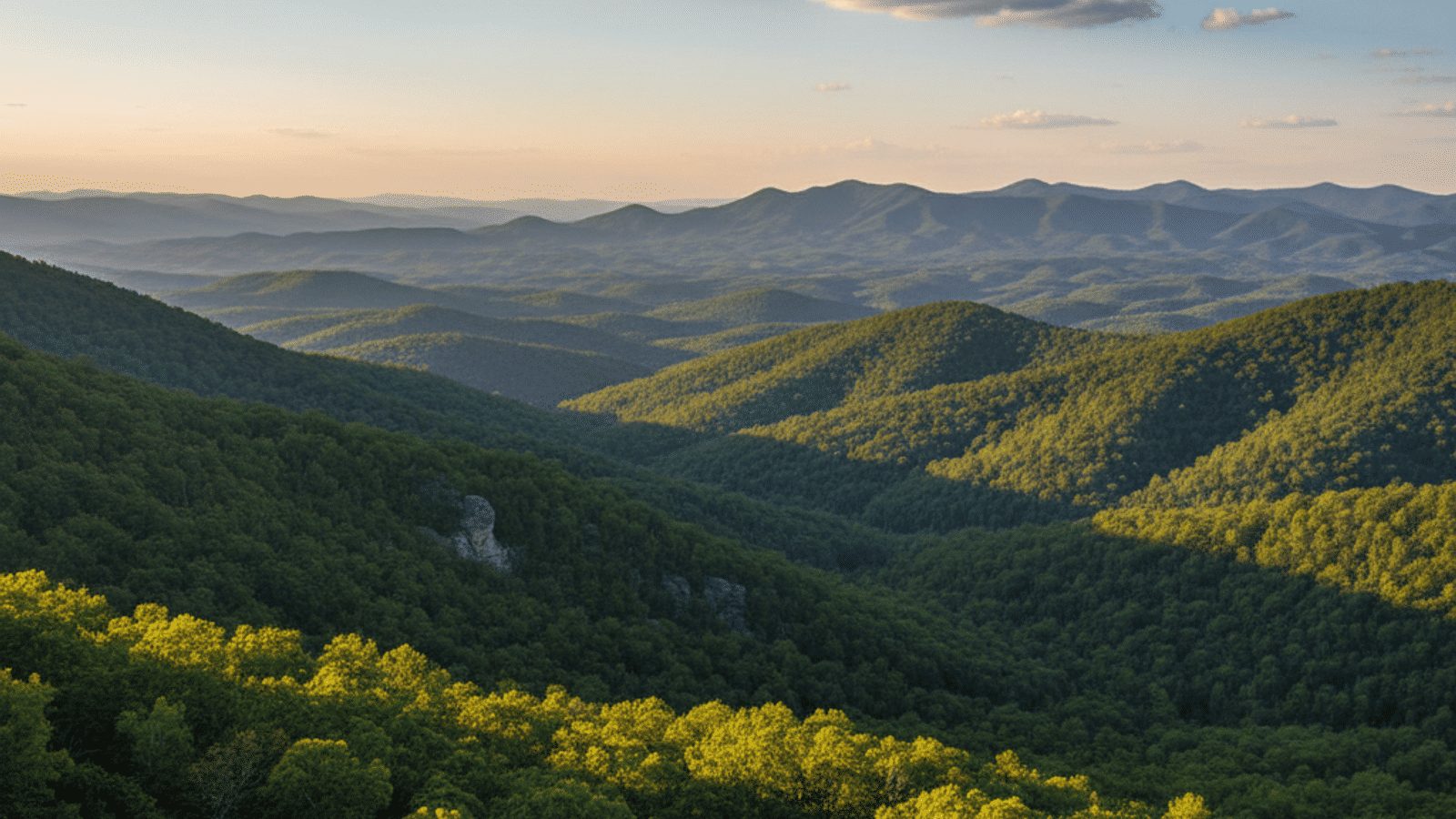
If you are considering buying a home in East Tennessee, you might be experiencing a bit of whiplash right now. On one hand, you see pictures of the Great Smoky Mountains, quiet lakes, and charming downtowns that look like the definition of peace. On the other hand, you may have Googled “Tennessee crime rates” and seen some alarming statistics.
It is a question I hear constantly from clients relocating here: “Is East Tennessee actually safe?”
The short answer is yes, East Tennessee is generally a very safe place to live, work, and retire. However, looking at state-wide averages can be misleading. Tennessee’s safety data is a story of specific pockets and neighborhoods. While crime rates can look high on a spreadsheet, the reality on the ground is that safety is hyper-localized.
Whether you are looking for a quiet retirement spot or a community with strong schools and parks, understanding the layout of East Tennessee is key. Here is a realistic look at safety in East Tennessee, moving beyond the headlines to neighborhood-level facts.
East Tennessee Safety Overview: Facts vs. Fear
When you look at national crime maps, Tennessee often glows red. It is important to understand why. State-wide statistics are heavily skewed by high crime density in major metropolitan hubs in West Tennessee, specifically Memphis. When you separate the data, East Tennessee often paints a much safer picture.
Violent Crime vs. Property Crime
For the average resident in East Tennessee, the primary safety concern isn’t violent crime—it is property crime. In many counties here, violent crime rates are actually lower than the state average. However, property crimes like car break-ins (often involving unlocked vehicles) or porch piracy do happen, particularly in denser urban areas.
In the suburbs and rural towns, these numbers drop precipitously. It is what many locals call the “15-minute rule”: crime statistics might look concerning in a city center, but drive 15 minutes in any direction toward the suburbs, and safety scores usually skyrocket.
Recent Trends
The narrative is also changing for the better. For example, while Knoxville has dealt with higher crime rates in the past, recent efforts are showing real results. Preliminary data for 2025 indicates significant improvements, with Knoxville seeing a massive 64% drop in murders and a reduction in non-fatal shootings compared to the previous year.
The bottom line? While property crime is roughly 15% higher than the US average across the state, your daily experience in East Tennessee depends entirely on your zip code.
Safety in Major Hubs: Knoxville, Chattanooga, & Tri-Cities
If you are thinking about moving to Knoxville, Chattanooga, or the Tri-Cities, you need to look at them as a collection of neighborhoods rather than a single block of data. High crime stats often reflect specific, small zones rather than the entire metro area.
Knoxville
Knoxville often feels like a “Tale of Two Cities.” West Knoxville and Farragut are known for their well-kept neighborhoods, busy commercial corridors, and the kind of evening environment where people are comfortable being out and about.
Some parts of North and East Knoxville have historically accounted for a larger share of the city’s crime reports, but those patterns aren’t uniform. Many blocks are stable and residential, and several areas have been changing as new businesses, renovations, and community investment take hold. The “Turnaround Zone” in East Knoxville, for instance, reported zero murders in 2024, showing that community safety initiatives are working. If you are a student or parent looking at the University of Tennessee, the campus area (the Fort) is generally secure, patrolled by its own dedicated police force.
Chattanooga
Chattanooga is another city where the numbers require context. While per-capita crime rates can appear high, the crime is concentrated in specific struggling neighborhoods. The areas where visitors and residents spend the most time—the Downtown Riverfront, North Shore, and the Arts District—are heavily patrolled and generally safe.
For those prioritizing safety above all else, the suburbs are the sweet spot. Communities just outside the city limits, such as Ooltewah and Signal Mountain, offer some of the safest living environments in the state while keeping you close to the city’s amenities.
Johnson City and the Tri-Cities
Often cited as the quieter alternative to the bigger metros, the Tri-Cities area (Johnson City, Kingsport, Bristol) generally reports lower crime intensity. Johnson City’s violent crime rate hovers near the national average of roughly 3.7 incidents per 1,000 people. While theft remains a factor here as it does everywhere, many buyers choose this area specifically for its “small town” feel and lower density.
The Safest Cities & Towns in East Tennessee
If your top priority is finding a community with statistically low crime rates, several municipalities in East Tennessee consistently rank as A or A+ locations on safety indexes. These areas are popular for those seeking best places to retire in Tennessee or quiet streets for a peaceful lifestyle.
Signal Mountain
Located just outside Chattanooga, Signal Mountain is frequently ranked as the #1 or #2 safest place in the entire state. It is a tight-knit community on top of Walden’s Ridge with extremely low violent crime stats and highly rated schools.
Church Hill
Tucked away in Northeast Tennessee, Church Hill is a hidden gem for safety. With a violent crime rate that is exceptionally low (around 1.8 per 1,000), it offers a rural, quiet atmosphere that appeals to those wanting to escape the hustle of the city.
Maryville
Just south of Knoxville, Maryville strikes a perfect balance. It offers the “small-town peace” vibe adjacent to the Great Smoky Mountains but is large enough to have excellent amenities. The police presence is strong, and the community is known for its stability and pride of ownership.
Oak Ridge
Known as the “Secret City” from the Manhattan Project era, Oak Ridge has a unique demographic. With a high concentration of scientists and PhDs working at the National Lab, the community emphasizes education and order. It remains a very safe hub for professionals and residents looking for a structured community.
Loudon & Kingston
For those looking at cost of living in East Tennessee alongside safety, Loudon (specifically the Tellico Village area) and Kingston are excellent choices. These waterfront communities in Roane and Loudon counties are favorites among retirees. The lifestyle here revolves around the lake and golf courses, and the crime rates reflect that laid-back pace of life.
Beyond Crime: Environmental & Infrastructure Safety
When newcomers ask about safety, they usually mean crime. But in East Tennessee, you should also consider environmental factors. Being “safe” here also means being prepared for the landscape and the weather.
Weather Alerts and Tornadoes
While East Tennessee is not in “Tornado Alley,” we are not immune to severe weather. The mountains offer some protection by breaking up storm fronts, but spin-up tornadoes can and do occur, particularly in the valley areas. It is standard safety practice here to have a weather radio or a reliable weather app on your phone.
Driving Safety
For those relocating from flat states, the roads can be an adjustment. Winding rural highways, blind curves, and mountain passes require attentive driving. Additionally, while we don’t get heavy snow often, we do get ice. Because East Tennessee isn’t equipped with massive fleets of snowplows, the city tends to shut down during winter storms. The safest move is to simply stay home until the ice melts.
Flooding
East Tennessee’s rolling hills mean water runs downhill fast. Flash flooding can happen in low-lying valley areas during heavy spring rains. When house hunting, it is always smart to check the FEMA flood maps to ensure your potential driveway or basement stays dry.
Healthcare Access
From a health safety perspective, East Tennessee is well-equipped. East Tennessee is home to major medical hubs, including the Level 1 Trauma Center at the University of Tennessee Medical Center in Knoxville. Whether you are in the city or a neighboring county, access to high-level emergency care is generally within a short drive (or helicopter flight from rural zones).
How to Find a Safe Neighborhood in East Tennessee
You don’t have to rely solely on a real estate agent’s word. There are several ways you can vet a neighborhood yourself to ensure it meets your comfort level.
- Use Technology Sites like CrimeGrade.org or SpotCrime allow you to see heat maps of criminal activity. You can also check the LexisNexis Community Crime Map, which many local police departments use to report incidents. Look for the difference between a “red” zone caused by shoplifting at a local Walmart versus residential incidents.
- The ‘Drive-By’ Test Drive through the neighborhood at different times. A street might look quiet at 10:00 AM on a Tuesday, but what does it look like at 8:00 PM on a Friday? Check for lighting, noise levels, and pedestrian activity.
- Look for ‘Pride of Ownership’ There is a strong correlation between maintenance and safety. Look for well-kept yards, trimmed hedges, and homes in good repair. Active HOAs can sometimes be a nuisance to some, but they are often effective at maintaining safety standards and keeping neighborhood activity monitored.
- Talk to Locals Online forums like Reddit (r/Knoxville or r/Chattanooga) can be blunt, but they are honest. If you are eyeing a specific subdivision, searching for it in local groups or asking residents directly can yield the kind of nitty-gritty details you won’t find in a listing description.
Frequently Asked Questions About East TN Safety
Is Knoxville safer than Nashville?
Generally, yes, Knoxville is safer than Nashville – though it depends on the neighborhood. Nashville is a much larger metropolitan area with higher total crime volume and traffic-related safety issues. Knoxville provides a slower pace of life, and while it has property crime issues, many residents feel it offers a safer suburban environment than the denser parts of Nashville.
What is the safest place to live in East Tennessee?
Statistically, Signal Mountain near Chattanooga and Church Hill in Northeast Tennessee consistently rank as two of the safest municipalities in East Tennessee. For the moving to Knoxville crowd, the town of Farragut and the city of Maryville are top-tier choices for safety.
Is East Tennessee safe from tornadoes?
East Tennessee is safer than West Tennessee and the classic Tornado Alley, but it is not risk-free. The irregular terrain disrupts many storm systems, but valley locations can still experience severe weather. It is important to have a safety plan in place.
Is East Tennessee Affordable? A 2025 Cost of Living Guide
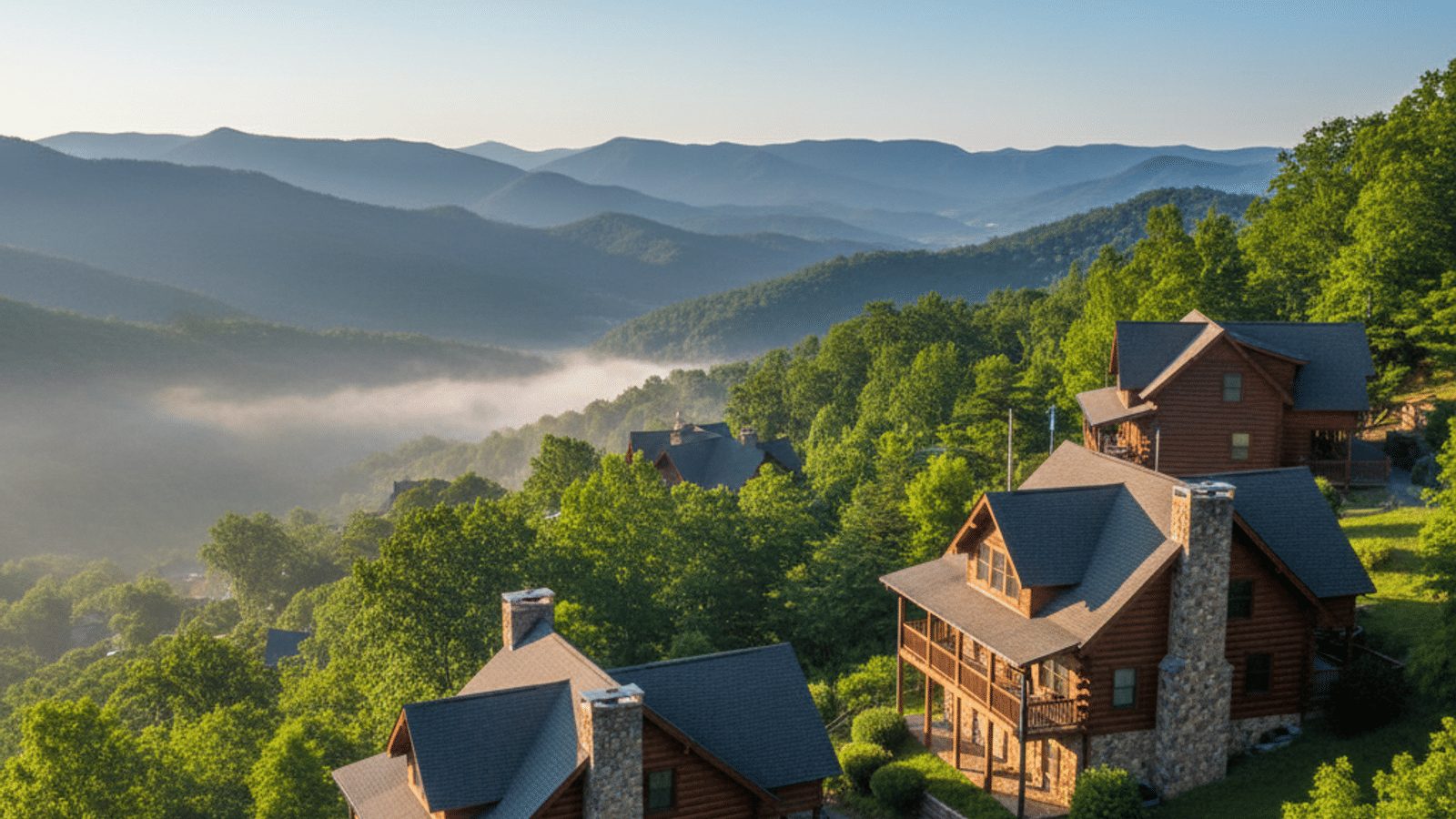
When people dream about moving to our part of the world, they usually picture the morning mist rolling off the Great Smoky Mountains or a quiet afternoon by the Tennessee River. But once the daydreaming stops, the calculator has to come out. Is living here actually affordable anymore?
To answer that, we have to define what “here” actually is. When we talk about East Tennessee, we are covering a massive stretch of land that includes the energetic college town of Knoxville, the tech-forward scenic hub of Chattanooga, and the quieter, value-driven Tri-Cities area (Johnson City, Kingsport, and Bristol).
Here is the honest truth: the secret is out. High quality of life mixed with lower expenses has drawn a lot of people here, and that demand has pushed prices up on East Tennessee real estate. However, compared to the national average—and certainly compared to the coastal markets many people are fleeing—this region remains a financial haven. While housing has jumped in price, the tax benefits alone can still make the math work in your favor.
East Tennessee Cost of Living vs. National Average
If we look at the big picture, our region consistently ranks below the national baseline for cost of living. If the national average is set at 100, East Tennessee generally lands somewhere between 85 and 95, depending on exactly where you plant your roots.
There is a distinct split between the urban and rural markets here. If you are looking at the heart of Knoxville or the hip North Shore of Chattanooga, you might find costs inching closer to that national average. These areas have amenities, walkability, and jobs that command a premium.
However, once you drive twenty minutes outside those metro hubs into the surrounding counties, the cost of living drops significantly. In those rural pockets, your dollar stretches much further, often dipping into the 75 to 80 range on the index. While goods and services cost roughly the same wherever you shop, land and housing costs in the countryside bring the average down heavily.
Housing Costs: Buying vs. Renting
Let’s talk about the biggest line item in your budget. The housing market here has shifted from “bargain bin” to “competitive,” but it is still attainable for many. Inventory shortages in the major cities have created a seller’s market, so you need to be prepared to move fast.
Buying a Home
Home prices vary wildly depending on your zip code. In the hottest neighborhoods of Knoxville or Chattanooga, you might see median home prices ranging from $350,000 to $450,000. These are the areas with easy access to coffee shops, riverwalks, and major employers.
If those numbers make you blink, look toward the Tri-Cities or the rural counties between the metros. In places like Johnson City or the outskirts of Hamilton County, you can still find solid single-family homes in the $200,000 to $300,000 range. Buying a home in Tennessee often gets you more square footage and a bigger yard than you would get for the same money in other states.
Renting
If you aren’t ready to buy, the rental market follows a similar trend. Demand is high, and rents have ticked up. For a decent one-bedroom apartment in a desirable city center, you are likely looking at $1,200 to $1,500 per month. A two-bedroom unit or a small rental house will usually run between $1,400 and $1,800 per month.
A Note on Insurance
One cost that catches newcomers off guard is homeowners insurance. While we don’t have coastal hurricanes, we do get severe storms and occasional tornado risks. Insurance rates are climbing across the Southeast, so it is smart to budget a little extra here rather than assuming the national average applies.
Utility Costs and Energy Bills
This is one category where East Tennessee shines. We are powered by the Tennessee Valley Authority (TVA), a federally owned electric corporation that generally keeps our rates competitive. Because of this hydroelectric legacy, our electricity rates often sit slightly below the national average.
For a standard 915-square-foot apartment, you might expect a combined utility bill (electric, heating, cooling, water, garbage) to run somewhere between $150 and $200 per month. Of course, this fluctuates with the seasons. Our summers are humid and hot, meaning your AC will be running a marathon from June through September. Conversely, our winters are generally mild, which gives your heater—and your wallet—a break.
When it comes to staying connected, the region is surprisingly advanced. Chattanooga is famous for its “Gig City” reputation, offering some of the fastest residential internet in the western hemisphere through EPB. Knoxville and other areas are catching up with fiber options as well. Expect to pay between $70 and $100 per month for high-speed internet.
Food, Groceries, and Transportation
Daily living expenses are a mixed bag here due to our unique tax structure.
Groceries and the Tax “Gotcha”
Day-to-day groceries like milk, eggs, and bread usually ring up pretty close to the national average, and in a lot of stores they actually come in just a bit cheaper. However, you need to watch out at the register. Tennessee applies sales tax to groceries. While the state recently lowered the rate specifically for food, local taxes still apply. Seeing a tax added to your banana bunch can be a shock if you are moving from a state that exempts groceries, so budget accordingly.
Getting Around
Unless you live in downtown Knoxville or Chattanooga, living in East Tennessee requires a car. Public transit systems like KAT (Knoxville) and CARTA (Chattanooga) exist, but they don’t offer the comprehensive coverage needed for most commuters.
The good news is that keeping a car here is relatively cheap.
- Gas: Prices are typically $0.20 to $0.40 cheaper per gallon than the national average due to lower state gas taxes.
- Registration: Fees are reasonable.
- Property Tax: Unlike some of our neighbors (looking at you, Virginia), Tennessee does not charge an annual personal property tax on your vehicle.
The Tax Advantage: Income, Sales, and Property Taxes
This section is usually the deal-sealer for people considering a move to Tennessee. The tax structure is very different from most other states, and understanding it is key to your financial planning.
- No State Income Tax: This is the headline. Tennessee does not tax your wages. If you earn $100,000, you don’t send a percentage of that to the state capital. This is a massive raise for people moving from high-tax states. It also applies to retirement income—social security and pensions are tax-free.
- Low Property Taxes: Property taxes in East Tennessee are incredibly low compared to the Northeast or Midwest. Effective rates are often around 0.6% to 0.7% of the home’s value, though this varies by county.
- The Trade-off (Sales Tax): The government has to get its money somewhere. In Tennessee, that “somewhere” is the cash register. The combined state and local sales tax often hits between 9.5% and 9.75%. It is a consumption-based system: you keep more of what you earn, but you pay more when you spend it.
Cost Comparison: Knoxville vs. Chattanooga vs. Tri-Cities
While the region shares a culture, the costs do differ between the metro areas.
Knoxville
As the home of the University of Tennessee and the gateway to the Smokies, living in Knoxville is increasingly in demand. Housing prices here are rising the fastest among the three. It is vibrant and growing, but you will pay a “popularity premium” to be close to the action.
Chattanooga
Famous for its outdoor lifestyle and tech scene, moving to Chattanooga offers a unique blend of city and nature. Housing is competitive, especially in historic neighborhoods and near the river, but there is still a wide variety of options. It generally tracks closely with Knoxville on price but offers a different, slightly more modern industrial vibe.
The Tri-Cities
If affordability is your top priority, look at living in Johnson City, Kingsport, or Bristol. This area moves at a slightly slower pace and housing costs can be 10% to 20% lower than Knoxville or Chattanooga. It is an excellent option for retirees or remote workers who want the mountain scenery without the higher price tag.
How Much Money Do You Need to Live Comfortably?
“Comfortable” is subjective, but let’s put some numbers on it based on current data.
If you are a single renter, you likely need a pre-tax income of $35,000 to $45,000 to cover a decent apartment, utilities, car payment, and savings without feeling squeezed.
For a home of four looking to buy a home, the bar is higher. To comfortably manage a mortgage, two cars, childcare, and groceries, a household income of $80,000 to $100,000 is a realistic target. This allows you to live a good life—dining out occasionally and enjoying the local attractions—rather than just surviving.
Is Moving to East Tennessee Worth It Financially?
So, is it worth it? For the vast majority of transplants, the answer is a resounding yes.
The combination of no state income tax and low property taxes creates a financial environment where it is easier to build wealth and save for the future. Yes, housing prices have risen, and the sales tax is high. But when you stack the total cost of living against the incredible quality of life—the hiking, the lakes, the music, and the community—East Tennessee remains one of the best value propositions in the country.
If you are thinking about making the move, the best time to start looking was yesterday. As more people discover what we have here, the bargain window is slowly closing, but it is certainly still open.
Frequently Asked Questions
Is it expensive to live in East Tennessee?
Compared to the national average, it is not expensive. Most residents enjoy a cost of living that is 5% to 15% lower than the U.S. baseline, though prices for housing in popular hubs like Knoxville and Chattanooga have risen significantly in recent years.
What is a good salary to live comfortably in Knoxville, TN?
For a single person, a salary between $40,000 and $50,000 is generally sufficient to live comfortably. For a home of four aiming to own a home, a combined household income of $90,000 to $100,000 allows for a comfortable lifestyle with savings.
Does Tennessee have state income tax?
No, Tennessee does not have a state income tax on earned wages. This allows residents to take home a larger portion of their paycheck compared to residents in states with income tax, which is a major financial draw for the region.
How do property taxes in East Tennessee compare to other states?
Property taxes in East Tennessee are on the low side compared to a lot of the country. The exact bill depends on the county and what your home is worth, but many homeowners here end up paying noticeably less each year than they would for a similar house in much of the Midwest or Northeast. For a lot of people, that softer property tax hit helps balance out Tennessee’s higher sales tax.
East Tennessee Multi-Generation Relocation Guide: Moving to East Tennessee
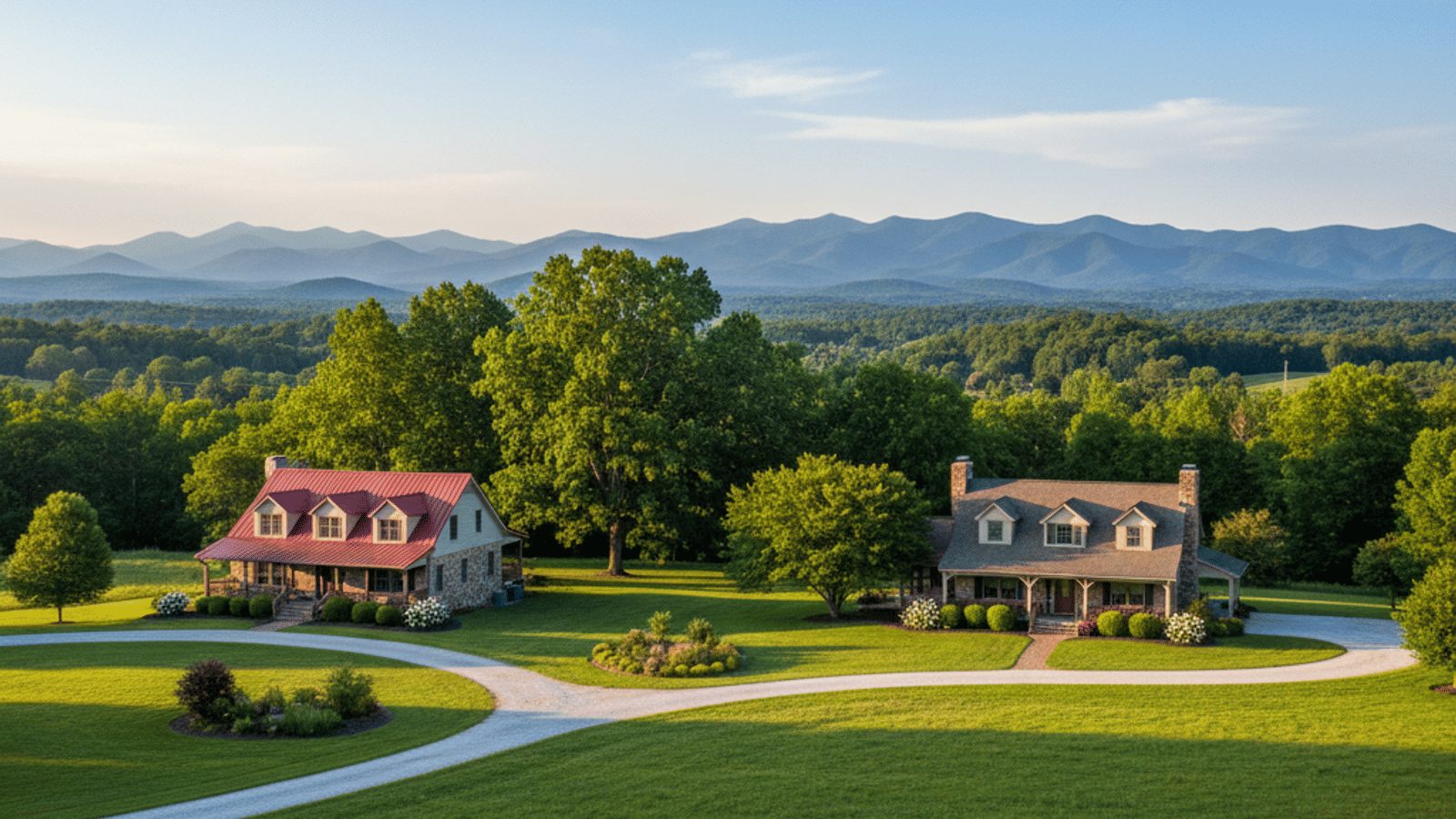
You aren’t the only one thinking about packing up the parents, the kids, and maybe even the siblings to head for the hills. We are seeing a massive shift in how people move and buy a home in East Tennessee. It used to be just a nuclear family transferring for a job, but lately, the phone rings more often with folks looking for “multi-family relocation” solutions.
In this context, we aren’t just talking about investors buying apartment buildings. We are talking about extended families moving together—whether that means buying a duplex for shared living, finding two houses on the same street, or securing acreage to build a true family compound.
Why East Tennessee? Beyond the obvious draw of the Great Smoky Mountains and the lakes, it comes down to a desire for a slower pace of life without sacrificing modern amenities. We have seen a “Zoom town” effect where remote work allows families to leave expensive coastal cities. They realize they can cash out a small bungalow in a high-cost area and buy a substantial amount of real estate here. If you are coordinating a move for multiple households, you are ahead of the curve, and this region is ready for you.
Why the Numbers Work: Cost of Living and Taxes
Let’s get right to the bottom line, because finances are usually the main driver for these big group moves. If you are moving from the Northeast or the West Coast, the savings here can feel like an immediate raise.
First, let’s talk taxes. Tennessee has no state income tax on wages. For a working family with multiple earners, that is instantly more money in your monthly budget. On top of that, our property taxes are significantly lower than the national average. When you are buying two homes or a large property for a multigenerational setup, such as buying a homestead, that lower tax bill makes a massive difference in your long-term holding costs.
Housing affordability is the other major factor. While prices have risen everywhere, the median home price in East Tennessee typically sits about 20% to 30% lower than the national median. You get more square footage for your dollar here.
Finally, consider your everyday running costs.
- Utilities: We benefit from the Tennessee Valley Authority (TVA), which generally keeps our electricity rates lower than the national average.
- Gas and Groceries: While inflation hits everyone, the overall cost of living in East Tennessee usually hovers around 90 on an index where 100 is the national average.
When you combine low taxes with affordable utilities, the monthly “carry cost” of living in East TN is hard to beat.
Best East Tennessee Regions for Families
East Tennessee isn’t just one monolith; it’s a collection of distinct areas, each with a different “vibe.” Choosing the right hub depends on what your family needs most—whether that’s access to a major university or a quiet porch with a mountain view.
Knoxville and Suburbs
If you need access to strong job markets, the University of Tennessee (UTK), and bustling shopping districts, the greater Knoxville area is the sweet spot. Suburbs like Farragut and Hardin Valley offer excellent access to top-rated schools and modern amenities. You will pay a bit more here—median prices often range between $350K and $450K depending on the neighborhood—but you are close to everything.
The Tri-Cities
Further northeast, you have Johnson City, Kingsport, and Bristol. This area is becoming a haven for retirees and families looking for affordability. It is quieter and often 10% to 20% cheaper than Knoxville. With Ballad Health anchoring the region, healthcare access is solid, making it a smart pick for multi-generational households with older family members.
Chattanooga
While it sits at the southern edge of the region, Chattanooga is a major draw for tech workers thanks to its “Gig City” internet infrastructure. If your family creates a “digital nomad” compound, this is a great spot. It is heavy on outdoor recreation, though the terrain can be steeper and the market is competitive.
Scenic and Rural Areas
If the goal is land—say, 10 acres where you can build two houses and a barn—look toward Maryville (Blount County) or Sevierville. These areas put you right at the foothills of the Smokies. You get the vacation-style living and privacy, but you might have a slightly longer drive to the grocery store.
Housing Strategy: Duplexes, Compounds, or Clusters?
This is where the rubber meets the road. How do you actually house everyone? As a local agent, I see families tackle this in four main ways.
The Multi-Unit Hack This involves buying an existing duplex or triplex. You live in one side, and the grandparents live in the other. It is the most cost-effective method because you share a roof and maintenance costs. However, small multi-family properties in residential zones can be rare, so you have to move fast when they hit the market.
The “Compound” Strategy This is the dream for many: buying acreage in counties like Grainger or Blount to build multiple structures. You might have a main house and a Barndominium or a guest cottage.
- Local note: Always check zoning laws first. Some counties are strict about how many permanent dwellings can be on a single deeded property.
The “Cluster” Move Sometimes, the best way to keep the peace is to have separate deeds. We call this the cluster strategy. You buy two separate single-family homes in the same subdivision. You are close enough to walk over for dinner, but you have your own mortgages and resale value is generally easier to predict.
New Construction and Next Gen Suites Builders are catching on to this trend. We are seeing more new construction floor plans that feature “Next Gen” suites—essentially an apartment within the house with its own kitchenette and separate entrance. This is often the easiest path because it is turnkey; no renovations required.
Logistics: Coordinating a Multi-Household Move
Moving one family is hard; moving three is a logistical puzzle. The biggest question is timing the market. Do you try to sell your current homes simultaneously, or does one “scout” family move first?
In my experience, sending a scout family is safer. They can secure a rental or the first property, get the lay of the land, and help the others watch for listings. Trying to sync three different closings on the same day across state lines is a recipe for high stress.
You also need to look at employment hubs. If anyone in the group isn’t working remotely, check the commute to major employers like Oak Ridge National Lab or the various manufacturing hubs along I-75.
If you have children, navigating school enrollment is a priority. Districts like Knox County Schools or Maryville City Schools have specific zones, so you need to know exactly where that property line sits before you make an offer.
Lifestyle: What to Expect in East TN
Let’s take a break from the logistics and talk about why you are actually doing this. The quality of life in East Tennessee is distinct.
The outdoors are a part of daily life here. You have the Great Smoky Mountains National Park—the most visited national park in the U.S.—right in your backyard for hiking and scenic drives. If you prefer water, the TVA lakes like Norris, Tellico, and Watts Bar offer incredible boating and fishing. It’s not uncommon for families to spend their weekends on a pontoon boat rather than at a mall.
Climate-wise, you get four distinct seasons. The autumn colors are legendary, and while we get a dusting of snow in the winter, it’s generally mild compared to the North. You won’t be shoveling your driveway every morning in January.
Culturally, it is a mix of Southern hospitality and college sports energy. Fall Saturdays are dedicated to the Vols, and you will find local festivals nearly every weekend in the spring and summer.
Frequently Asked Questions About East Tennessee Relocation
Does Tennessee allow dual agency in real estate?
Yes, Tennessee allows dual agency, which is when one agent represents both the buyer and the seller in a transaction. However, it requires strict disclosure and written consent from all parties. If you are a large family buying multiple properties from different sellers, you generally want your own dedicated representation rather than relying on the listing agent.
What is the best town in East Tennessee to raise a family?
“Best” is subjective, but for access to parks, community centers, and top-tier schools, Farragut (outside Knoxville) and Maryville (in Blount County) are perennial favorites. Oak Ridge is also excellent if you value strong academic programs and history.
Can I build a second home on my property in East Tennessee?
It depends entirely on the specific county zoning and city ordinances. While rural counties are often more lenient regarding Accessory Dwelling Units (ADUs) or second homes on large acreage, city limits (like inside Knoxville proper) have stricter density rules. You must verify the zoning classification before buying land for a compound.
Is it cheaper to live in Knoxville or the Tri-Cities?
Generally, the Tri-Cities (Johnson City, Kingsport, Bristol) area is cheaper than Knoxville. You will often find that housing prices and some services run about 10% to 20% lower there, though Knoxville offers more big-city amenities and job diversity.
Are there multi-family homes for sale in Knoxville?
Yes, you can find duplexes and quadplexes in Knoxville, but the inventory is tighter than single-family homes. Because investors also target these properties for rental income, families looking to buy them for owner-occupancy need to be prepared to move quickly when a good listing appears.
Why East Tennessee Is One of the Best Places for Veterans to Call Home
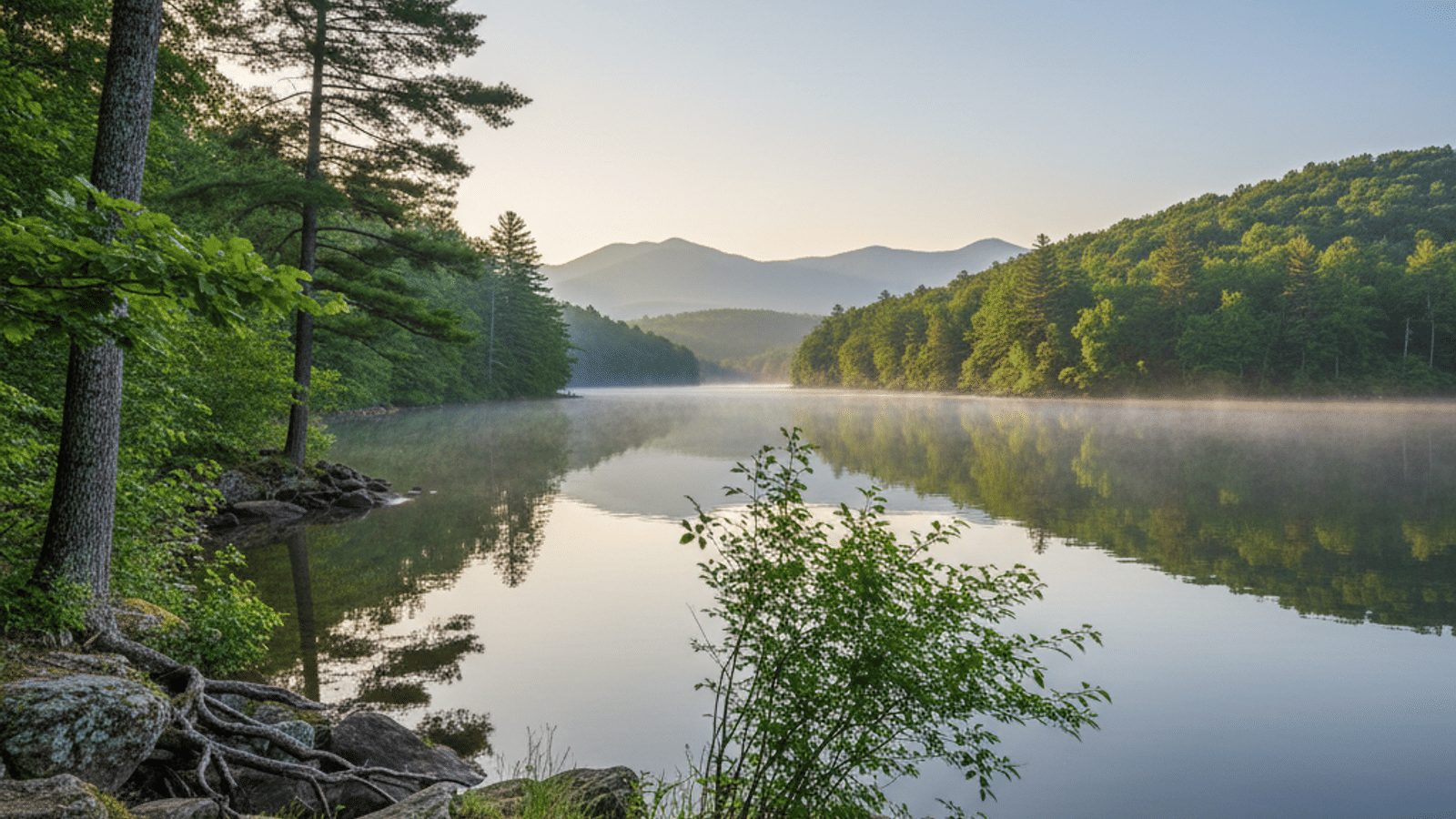
If you’re wrapping up your military career and trying to figure out where “home” should be next, East Tennessee real estate deserves a serious look. The region blends four big advantages veterans care about: a lower cost of living, no state income tax, solid VA access, and a slower, scenic lifestyle built around mountains, lakes, and small communities.
Instead of choosing between affordability and quality of life, a lot of veterans find they can have both here. This guide walks through the main reasons East Tennessee works so well for veterans and military families — and what you’ll want to think about before you commit to a move.
Why Veterans Are Looking at East Tennessee
On the financial side, Tennessee does not tax most earned income or military retirement pay. If you’re coming from a high-tax state, that alone changes your monthly math. Add in the fact that many East Tennessee communities have housing, groceries, and basic expenses below the national average, and your budget usually feels a lot less tight.
On the lifestyle side, East Tennessee offers a very different backdrop than a base town or large metro. You’ve got:
- Mountain views and rolling hills instead of endless sprawl
- TVA lakes for boating, fishing, and quiet coves
- Towns big enough for hospitals, restaurants, and shopping — but small enough that you still see familiar faces at the grocery store
You can anchor near Knoxville and stay within an hour or so of trailheads, lakes, and the Smokies, or choose a quieter lake or small town and drive in when you need bigger-city amenities. That flexibility is a big part of the appeal for post-service life.
Tennessee Veteran Benefits: The Statewide Foundation
Before you zoom in on specific towns, it helps to understand the statewide benefits you’d stack on top of your federal ones.
Taxes and Property Relief
Because Tennessee doesn’t tax wages or military retirement income, more of each check stays in your pocket. Sales tax is higher than some people are used to, but when you combine the lack of income tax with lower housing costs in many East Tennessee communities, most veterans still come out ahead.
For certain 100% disabled veterans and surviving spouses, Tennessee also offers property tax relief up to a capped assessed value. That can shave a meaningful amount off your annual expenses. The exact caps and rules can change and vary by county, so it’s smart to talk with a county veteran service officer or the Tennessee Department of Veterans Services before you buy.
Education, Licenses, and Outdoor Perks
On the education side, Tennessee supports veterans and dependents through tuition programs and coordination with GI Bill benefits. Many public colleges and universities have dedicated veteran support staff and resource centers.
If you hunt or fish, discounted or special licenses and veteran-friendly access at state parks make it easier and cheaper to spend time outside. For veterans who recharge outdoors, those “small” perks add up.
Taken together, these statewide benefits form a solid base. East Tennessee then adds its own flavor with specific VA access, job markets, and communities that tend to feel like home to a lot of vets.
VA Care and Support in East Tennessee
Health care and support are usually non-negotiable for veterans choosing a new home. East Tennessee does better here than you might think from a quick map search.
VA Medical Facilities and Clinics
The region is served by a combination of full-service VA medical centers and outpatient clinics. Depending on where you land, your primary touchpoint might be:
- A nearby community-based outpatient clinic for routine care and check-ins
- A larger regional VA medical center for specialty appointments, surgeries, and more complex needs
The key point: you’re not driving across multiple states to see a doctor. Most veterans in East Tennessee can plan around reasonable drive times for regular care, with larger facilities still within reach for bigger issues.
Vet Centers and County VSOs
Beyond hospitals and clinics, the softer support network matters just as much:
- Vet Centers in key hubs focus on counseling, readjustment support, and family services. If you’re working through PTSD, MST, or the general stress of transition, they’re designed to feel more like a community space than a hospital corridor.
- County Veteran Service Officers (VSOs) help with disability claims, appeals, and benefits questions, so you’re not stuck wrestling with the VA portal alone.
When you combine medical facilities, Vet Centers, and county VSOs, East Tennessee feels much less “remote” for veterans than the mountains and lakes might suggest at first glance.
Cost of Living, Housing, and Where Veterans Tend to Focus
The numbers and neighborhoods are usually what make or break a relocation decision.
Cost of Living and Housing
In many East Tennessee towns, overall cost of living sits under the national average, with housing as the biggest advantage. Practically, that means:
- You can often buy more house for the same monthly payment compared to a coastal city or high-cost metro
- Utility, grocery, and transportation costs are generally manageable, especially if you’re not commuting long distances every day
- Fixed incomes, disability payments, or early retirement checks stretch further, leaving room for savings and lifestyle instead of just covering bills
If you’re using a VA loan, East Tennessee is generally friendly terrain. Older homes, cabins, or properties with unusual features still require some care, but local agents and lenders are accustomed to VA deals and can help you avoid surprises on appraisals and repairs.
Popular Areas Veterans Consider
Different pockets of East Tennessee attract different types of veterans. A few examples:
- Greater Knoxville – Good choice if you want hospitals, an airport, the University of Tennessee, restaurants, and a somewhat urban feel — while still being a short drive from lakes and the Smokies.
- Gatlinburg, Pigeon Forge, and Sevierville – Heavier tourism, cabin communities, and short-term rentals. Great if you like being near the national park or want to work in hospitality, attractions, or maintenance. Less ideal if you hate seasonal traffic.
- Douglas Lake, Dandridge, and Jefferson City – Ideal for lake life: boating, fishing, quiet coves, and more space between neighbors. You give up a bit of big-city convenience but gain room, views, and a slower pace.
- Morristown, Greeneville, and smaller towns – More rural, often more affordable, with deeper community roots. A good fit if you want more elbow room and don’t mind a slightly longer drive for certain services.
A local agent who knows the region can help you compare these areas against your budget, commute preferences, and desired distance to VA care instead of guessing from a map.
Work, School, and Everyday Life
Not every veteran moving to East Tennessee is hanging it up completely. A lot of people are starting a second career, building a small business, or finally tackling a degree they’ve been putting off.
Around Knoxville and the surrounding towns, you’ll see plenty of hiring in hospitals and medical offices, everything from clinical support to behind-the-scenes operations. Along the interstates, warehouses, manufacturers, and distribution hubs look for people who can keep things moving on time and safely. Out toward Oak Ridge, government and contractor roles show up that tend to favor technical backgrounds or past clearances. And in almost every county, builders and trades are busy enough that people who can show up, solve problems, and finish what they start rarely sit idle for long.
If school is part of your plan, you’ll find large universities with veteran support offices, plus regional community colleges and technical schools offering trades, healthcare programs, IT, and more. Most are used to working with GI Bill benefits and will walk you through the steps. Reaching out before you move can make it easier to align your housing choice with your campus or training site.
Day to day, the rhythm in East Tennessee tends to feel calmer than big coastal metros or large base towns. Expect neighbors who wave when you drive past, Friday-night football and local festivals, and plenty of conversations about college sports, hunting season, or the water level on the lake. For a lot of veterans, that mix of lower noise, closer community, and easy access to the outdoors is exactly what they’re looking for after years of high-tempo environments.
Things Veterans Should Consider Before Moving
No place is perfect, and East Tennessee has trade-offs worth considering up front:
- Tourism traffic around Gatlinburg, Pigeon Forge, and Sevierville can be intense in peak seasons. If crowds stress you out, you might prefer a town just outside the main corridor.
- Rising prices in high-demand pockets like certain Knoxville suburbs or lakefront neighborhoods mean you may need to be flexible on exact location or property type.
- Weather and terrain bring humidity, occasional winter storms, and some steep or winding roads in mountain and lake areas. If driving conditions are a concern, that’s worth factoring into your search.
- Benefits rules change over time. Property tax relief caps, license rules, and state programs can shift, so always confirm current details with a county VSO or the Tennessee Department of Veterans Services before you finalize your plan.
Going in with realistic expectations makes it much easier to appreciate the upsides instead of being surprised by the trade-offs.
How a Local Veteran-Friendly Realtor Helps
Buying a home after the military isn’t just about square footage and a nice view. The right guidance can make the transition smoother on both the financial and lifestyle side.
A veteran-friendly agent in East Tennessee can help you:
- Match neighborhoods to your priorities — driving distance to VA care, outdoor access, job hubs, or schools
- Navigate VA loans in a market with older homes, cabins, and unique properties
- Understand how taxes, insurance, and utilities vary between communities, especially around lakes or in the mountains
- Coordinate with VA-savvy lenders, inspectors, and closing attorneys who are comfortable with the extra steps your loan might require
Katelyn Warren focuses on East Tennessee buyers and sellers, with a particular eye for people relocating into the area. If you’re looking at a move from out of state and want to talk through where you’d actually feel at home — not just what looks pretty on a postcard — setting up a conversation with someone local is a solid first step.
FAQs – Veterans Moving to East Tennessee
Is East Tennessee considered a veteran-friendly place to live?
Yes. The mix of no state income tax, lower-than-average cost of living in many areas, accessible VA care, and a strong sense of community makes East Tennessee genuinely veteran-friendly rather than just a slogan.
What part of East Tennessee is best for veterans who want easy access to VA care?
Many veterans choose to live within an easy drive of larger hubs like Knoxville or the Tri-Cities so they’re closer to clinics, hospitals, and Vet Centers while still being near the mountains or lakes they want to enjoy.
How does the cost of living in East Tennessee compare to other popular veteran destinations?
It’s generally more affordable than a lot of coastal cities, large Sun Belt metros, or base-adjacent hotspots that have seen big price spikes, especially when you factor in no state income tax and more reasonable housing in many communities.
What Tennessee tax breaks are available for disabled veterans who buy a home?
Eligible disabled veterans and surviving spouses can qualify for property tax relief up to a capped assessed value, but the exact numbers and rules change over time, so it’s important to verify the current details with your county and the Tennessee Department of Veterans Services.
Can I use my VA loan to buy a cabin, small farm, or multi-unit property in East Tennessee?
In many cases you can, as long as the property meets VA guidelines and will be your primary residence, but unique features like steep driveways, extra structures, or mixed-use setups make it crucial to involve a lender and agent who know VA loans well.
Douglas Lake, TN FAQs
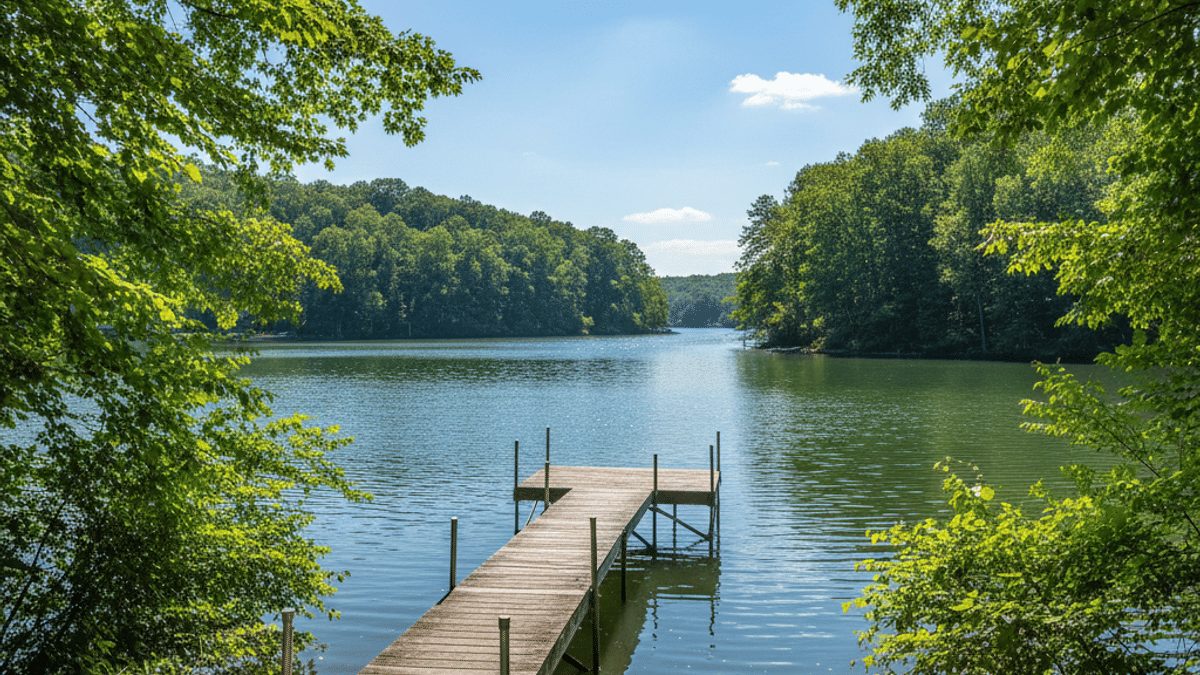
Douglas Lake spreads out across the foothills of East Tennessee, where long summer evenings and waterfront living shape day-to-day life. The shoreline mixes year-round residences with vacation cabins, marinas, and pockets of quiet cove frontage – all within a short drive of towns like Dandridge and Lenoir City and the services that come with them.
I’m Katelyn Warren, a local agent specializing in Douglas Lake real estate. I’ve sold lake homes and year-round houses around Douglas Dam and the lake’s coves, and I answer these common questions from buyers and sellers with the practical details I wish I’d had when I started here.
Buying a Home on Douglas Lake
How different is buying a lake home compared with a typical suburban house?
Lake properties mean you shop for more than square footage and school zones – you’re looking at shoreline type, dock rights, and access. That changes inspections (seawall, erosion, septic placement) and insurance needs, so we add those items early to avoid surprises. I’ll map comparable sales that reflect waterfront premiums so your offer is grounded in local reality.
What should I look for in shoreline access and dock ownership?
Ask whether the dock is deeded, permitted, or part of a shared neighborhood structure; that determines use and maintenance responsibility. Also check for setbacks, easements, and practical access – a steep, private path can make a great view but complicate every-day use. I’ll verify dock status with the seller and county records before you sign.
Are there special inspections for lake properties?
Yes – beyond the standard home inspection we’ll often add a shoreline/erosion review, septic evaluation, and, where applicable, a dock inspection. If a property has a private well or older plumbing, those get checked too. These focused checks keep financing and insurance on track.
How do flood risk and insurance work around Douglas Lake?
Parts of the shoreline sit inside FEMA flood zones while many others do not; elevation and local topography matter more than proximity alone. Don’t skip reviewing the FEMA map and an insurance quote early – premiums and coverage types can shift the math on a purchase. I’ll connect you with carriers who understand lake risks so you get realistic numbers fast.
What financing options do buyers use for lake homes?
Most buyers use conventional mortgages; lenders will want to see access and livability documented. Second-home and portfolio lenders are common for waterfront purchases used seasonally or as rentals. If you’re considering short-term rental income, we’ll run numbers up front to show lenders and to set realistic expectations.
Selling a Lake Home
What prep matters most for selling on Douglas Lake?
First impressions at the waterline count: tidy docks, clear access paths, and trimmed shoreline make the property feel cared for. Stage the rooms that face the lake and spotlight outdoor living – decks, screened porches, and covered patios sell the lifestyle. Professional photos (plus a few drone shots at golden hour) put the view front and center.
Do lake homes require different disclosures?
You’ll need to disclose known shoreline issues, septic history, any dock permits, and HOA or riparian agreements that affect use. Full transparency about rental history and previous flood or erosion work reduces post-offer friction. I’ll help assemble the packet so buyers see the facts upfront.
How do you price a waterfront property?
We price off recent, true comparables – not off list prices – and adjust for shoreline type, dock rights, and condition. Private, flat access with a permitted dock usually commands a premium; steep or shared access brings different buyers and price expectations. I’ll show you comparable closed sales and explain which buyers each price band attracts.
Will staging and photography make a difference?
Absolutely. A drone shot showing the dock, cove, and neighbors’ spacing answers questions buyers otherwise ask later. Inside, bright photos of lake-facing rooms and outdoor living translate to more showings. We focus on tangible lifestyle scenes – coffee on the porch, kayaks ready – not generic staging.
Douglas Lake Market Insights
What are typical carrying costs and taxes here?
Expect county property taxes (varies by parcel) plus standard homeowner costs; some lakeside HOAs add maintenance fees for shared docks or roads. If you rent short-term, plan for occupancy and sales taxes at the county and state levels. I’ll pull an approximate annual carrying-cost range for any specific property you’re considering.
How seasonal is buyer demand?
Demand ramps in spring and peaks through early fall, driven by boating season and second-home buyers touring on long weekends. Serious buyers shop year-round, though; off-season can be a good time to negotiate if inventory is available. I keep a seasonal calendar so sellers know when buyer appetite is strongest.
Any special title or permitting issues to watch for?
Confirm recorded dock easements and any TVA or Corps of Engineers notes if they apply near the dam. Some older properties have informal docks that lack proper permits – that’s a common snag we check before listing. I coordinate title checks early so surprises don’t derail a closing.
Living at Douglas Lake
What are the main neighborhoods or communities on the lake?
Shoreline communities cluster near Dandridge, Lenoir City, and out toward the Douglas Dam area; each pocket shapes how you use the water. Some spots are tight-knit residential coves, others mix vacation rentals with longer-term homes. I can point you to specific coves and what buyers tend to want there.
How does commuting and services work from the lake?
Most lake neighborhoods are a short drive from grocery, medical, and school services – but commute times vary by cove and season. If you work in town daily, choose a location with a smoother drive; if you’re remote or part-time, quiet coves matter more. I’ll show commute estimates for each property we tour.
Can I use a Douglas Lake home as a short-term rental?
Rules vary by neighborhood and county-some HOAs prohibit nightly stays while others allow them with registration. I start by checking the HOA covenants and county ordinances for short-term rental permits and the local lodging/sales tax requirements. Next, confirm the property’s septic/well and insurance will support rentals, and call 1–2 local property managers to compare nightly rates and occupancy trends. Finally, run a conservative pro-forma that factors in vacancy, management fees, and lodging taxes before you commit.
What recreation and amenities are local?
Boating, fishing, and lakeside trails dominate. Marinas offer slip rentals and fuel; nearby towns host restaurants, local events, and seasonal festivals. Living here means easy water access and a calendar that centers on lake weather.
Questions about Katelyn Warren
How does Katelyn compare to other agents in Douglas Lake?
Katelyn handles lake-specific details-dock checks, shoreline permitting, and septic questions-that many generalists don’t manage routinely. She coordinates local inspectors, title work, and contractors, and markets waterfront listings with targeted photos and drone shots through CENTURY 21 Legacy. She specializes in quick communication and practical follow-through that keep seasonal, waterfront deals moving.
Who are you and how do you work with lake clients?
I’m Katelyn Warren, a local agent based in Gatlinburg and active across East Tennessee’s lake and mountain markets. I handle everything from dock-permit checks to coordinating local inspectors and title companies, and I bring real comparables so pricing is precise. My approach is straightforward – I give clear, timely information so you can make practical decisions.
What should buyers or sellers ask me first?
Buyers: ask about shoreline type and dock status for any listing you like. Sellers: ask what repairs or photos most move buyers in your cove. Either way, I’ll pull targeted comparables and a short checklist to make the next steps clear.
Lake-specific & Investment Questions
Is Douglas Lake a good short-term rental market?
Some pockets rent well, especially where access and parking are easy and the dock is usable; others are quieter and perform better for long-term tenants. If you’re counting on rental income, we’ll compare local occupancy trends and management options so estimates aren’t wishful thinking.
What permits are required for dock work or shoreline modifications?
Dock and shoreline work often needs county permits and sometimes TVA or Corps approval near federal facilities; the rules vary by location and project scope. Before you plan any work, I’ll point you to the right county office and a local contractor who understands the permitting steps.
Gatlinburg FAQs
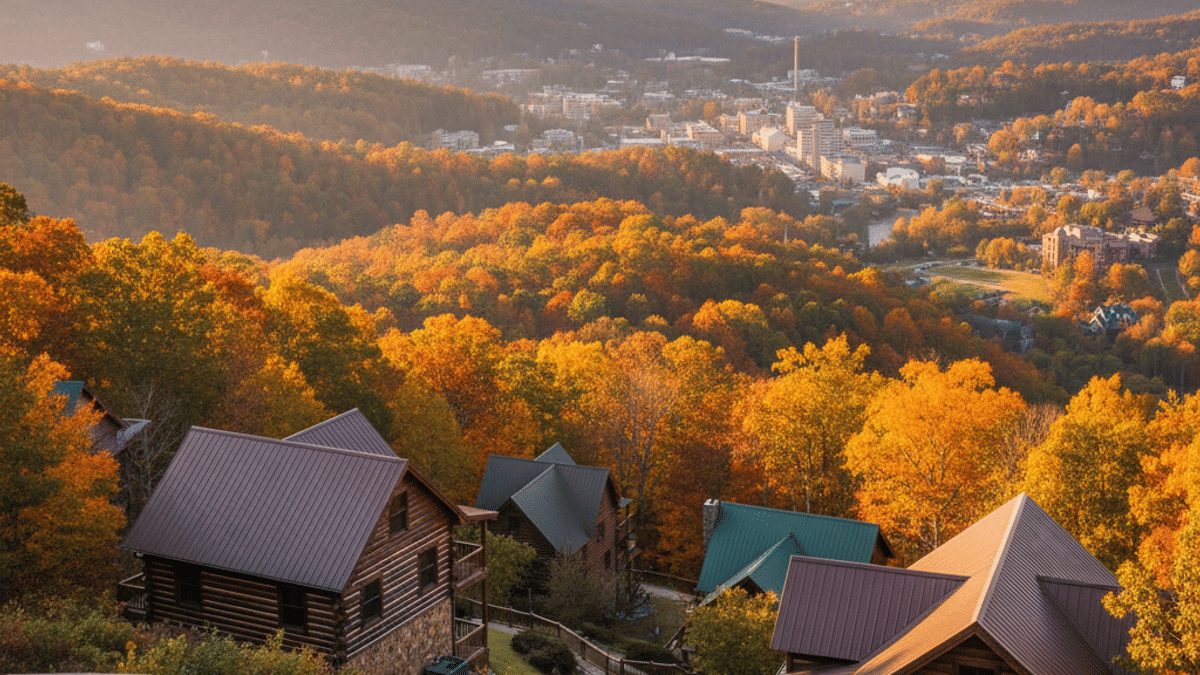
Gatlinburg real estate sits at the doorstep of the Great Smoky Mountains National Park, where U.S. Route 441 (The Parkway) threads downtown past shops, cabins, and trailheads up toward Ober Gatlinburg.
I’m Katelyn Warren, a local Gatlinburg agent with CENTURY 21 Legacy. I offer straightforward answers about buying, selling, and living in Gatlinburg, from short-term rental rules to inspection quirks and neighborhood differences.
Buying a Home in Gatlinburg
How does buying in Gatlinburg differ from a typical suburban purchase?
Gatlinburg properties are often evaluated for both personal use and rental income, so buyers and lenders pay attention to rental history, access to the Parkway, and driveway slope. Expect details like septic systems, steep driveways, and mountain-access roads to matter more than they would in a flat, suburban lot.
Should I worry about seasonal access or road conditions in Gatlinburg?
Yes – winter weather and late-season storms can affect steeper roads and private driveways. Insist on a local inspection that checks driveway grades and right-of-way, and ask the seller about recent road or retaining-wall repairs. If proximity to the Gatlinburg Spur or the Parkway matters to you, verify emergency access and snow removal responsibilities.
What inspection items are unique to Gatlinburg?
Beyond the standard structural, HVAC, and roof checks, include: septic system evaluation, water source (well) testing if present, and a vegetation/fuel-load review for wildfire risk on steep wooded lots. For cabins, confirm that any installed hot tubs, decks, or rental upgrades have required permits.
What contingencies should buyers use in Gatlinburg?
Typical financing and inspection contingencies apply, but add a septic/utility contingency and, when applicable, a contingency that allows you to verify short-term rental licenses or existing rental agreements. That protects you from surprises tied to rental income projections.
Selling a Home in Gatlinburg
When is the best time to list in Gatlinburg?
Spring through early fall draws the most traffic because tourists and second-home buyers are in town; spring listings often get stronger first-week exposure. That said, winter buyers focused on off-season pricing can produce serious offers – so timing depends on whether you prioritize peak visibility or negotiating leverage.
What pre-listing work typically moves the needle for Gatlinburg buyers?
Buyers here prefer turnkey, guest-ready cabins. Focus on curb and deck repairs, safe railing and stair fixes, and clear, accurate photos of any rental-ready features (hot tubs, game rooms, mountain views). A short rental-performance summary – cleanly presented – helps investors evaluate quickly.
How should Gatlinburg cabins be photographed and marketed?
Use twilight exterior shots that show views and deck layouts, interior photos that highlight communal spaces (living room, kitchen, game room), and a clear site map showing distance to The Parkway or trailheads. Video walkthroughs and drone drives down the driveway are especially useful for steep lots.
What repairs do buyers often negotiate in Gatlinburg?
Routine items – deck boards, handrails, HVAC service – are typical negotiation points. For older cabins, buyers often ask for septic pump receipts or a recent dye test. If an inspection flags a bigger structural or foundation concern, expect more significant negotiation or contractor bids.
Gatlinburg Market Insights
What are typical taxes and transfer costs sellers or buyers should expect?
Tennessee levies a real estate transfer tax (state and local rates apply); buyers and sellers typically budget for standard closing fees, title work, and any attorney involvement. Expect local property tax bills to follow county schedules; consult the county assessor for exact rates on a given parcel.
How much do insurance and utilities usually cost in mountain homes?
Insurance for cabins – especially those with rental history – can be higher than a standard home policy. Flood insurance is uncommon unless the lot is in a mapped floodplain; many mountain lots carry wildfire and slope-related considerations that influence premiums. Utilities vary by development – metered well, septic, and propane usage can add to monthly ownership costs.
Are short-term rentals taxed differently?
They are. Owners who rent for short stays must register with local authorities and send in both lodging and sales taxes each month. Sevier County and the City of Gatlinburg each have their own filing rules, so I always tell clients to double-check the latest rates and forms before counting any rental income as profit.
Where do closing costs and transfer fees typically land?
Expect the standard items: title insurance, recording fees, and Tennessee’s state transfer tax. If an attorney handles your closing paperwork, that fee is added separately and varies by office. I recommend reviewing an itemized estimate early so every cost is clear long before closing day.
Living in Gatlinburg
What is downtown Gatlinburg like day-to-day?
Downtown Gatlinburg (The Parkway) is active – shops, restaurants, and seasonal events bring steady foot traffic. Locals use the Parkway for errands and entertainment; residents who live close in trade quiet evenings for quick access to dining and attractions.
How close are outdoor amenities and park access?
You’re minutes from trailheads and the main gateways to the Great Smoky Mountains National Park, so outdoor access is immediate. For people who value hikes or scenic overlooks, living within a short drive of the Park is one of Gatlinburg’s primary draws.
How do schools and services work here?
Gatlinburg sits inside Sevier County; the county school district manages enrollment and boundaries – check the county site for exact boundary lookups and enrollment steps. For other services (garbage, utilities, permits), the City of Gatlinburg site lists contacts and forms.
Are there local rules on renovations, rentals, or historic properties?
Yes. Permitting follows city rules – permits are required for most structural work and for certain rental conversions. If the property is near historic sites or in designated conservation areas, additional approvals may apply. For short-term rentals, confirm local licensing and tax registration with town offices.
Questions about Katelyn Warren
What sets you apart from other agents in Gatlinburg?
I work full time in Sevier County and track both the local MLS and off-market buyer leads – so I’m tuned to what cabins near The Parkway or at higher elevations actually sell for. My background handling rental-market properties means I can read a cabin’s rental history quickly and present numbers buyers and investors use.
What should I look for when choosing an agent here?
Pick someone who can show recent, local closings, explain septic/well considerations clearly, and has on-the-ground vendor relationships (inspectors, title companies, contractors). Local experience beats a distant agent who relies only on online comps.
How do you handle short-term rental and investor inquiries?
I separate listings that perform as rentals from those better suited to long-term ownership, then present comparable income streams and occupancy trends. For investors, I verify licensing, projected taxes, and recent rental performance so numbers are realistic – not aspirational.
Investment & Short-Term Rental Questions
Is Gatlinburg still a good market for short-term rentals?
Demand remains steady for turnkey, well-located cabins – properties with reliable rental histories and easy access to The Parkway or trailheads tend to hold value. That said, buyers have become pickier about condition and guest experience, so good maintenance and documented revenue matter more than ever.
Do I need a special permit or registration to operate a short-term rental?
Hosts must register and collect local lodging taxes; rules can change, so check the Town of Gatlinburg and Sevier County pages for current registration steps and remittance details.
What operational costs should investors expect beyond mortgage and utilities?
Plan for property management fees, periodic deep cleaning, routine maintenance for high-turnover items (hot tub service, HVAC), and taxes (lodging and sales). Insurance and occasional property repairs for guest wear-and-tear are recurring line items.


