

 Facebook
 X
X
 Pinterest
 Copy Link
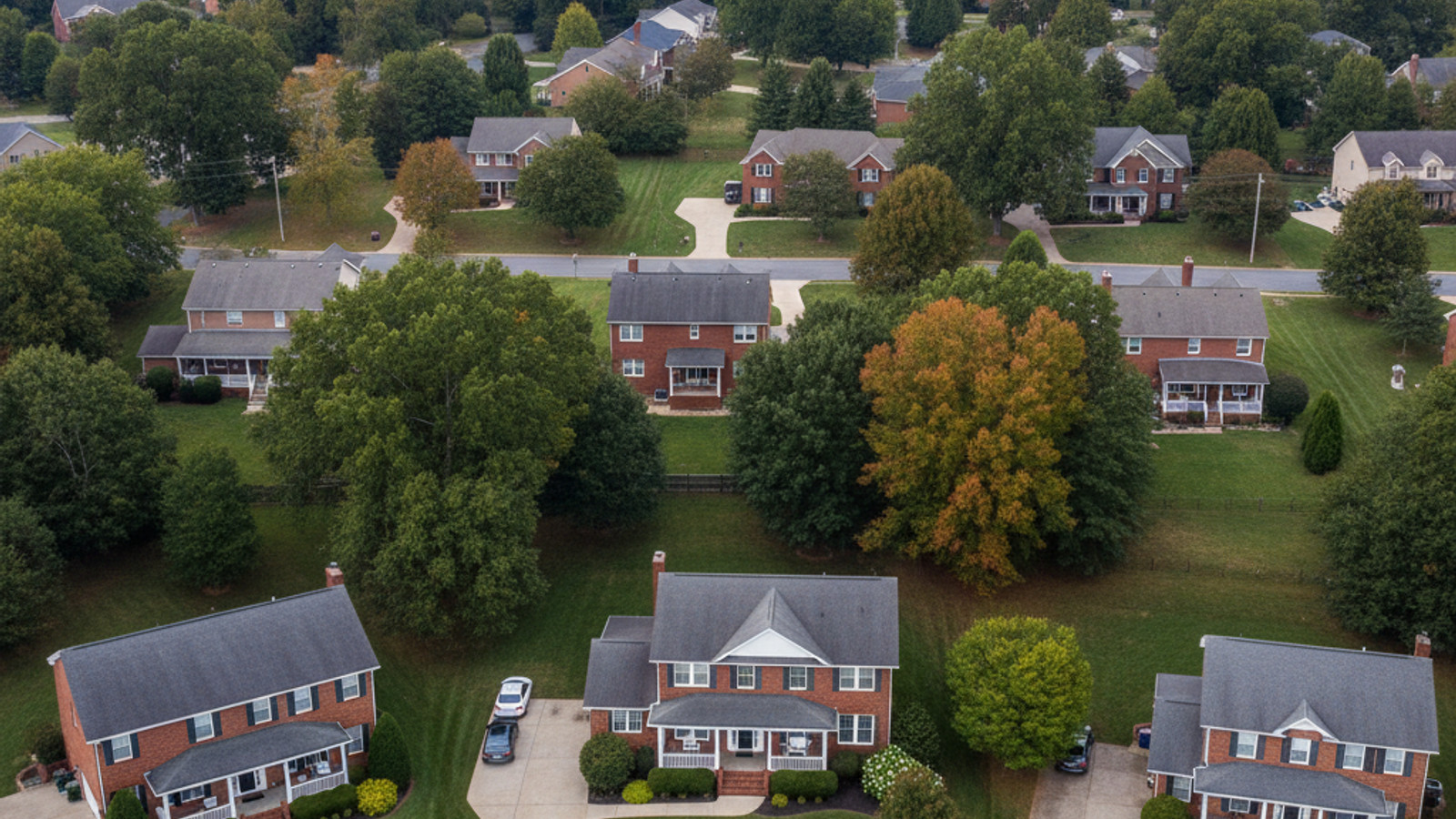
Moving to a new state requires a clear picture of your day-to-day expenses, especially in a dynamic 2026 real estate market. Buyers looking at the cost of living in East Tennessee often find a favorable balance between everyday expenses and regional amenities.
Whether you are eyeing the vibrant city center of Knoxville or the scenic surroundings of Chattanooga, knowing exactly where your dollars go is crucial. This region has consistently maintained an economic edge over the national average, making it a major draw for out-of-state relocators. Here is a realistic look at what you can expect to pay for housing, utilities, and daily necessities this year.
Is It Expensive to Live in East Tennessee?
The short answer is that the region provides significant financial value compared to many other parts of the United States. The 2026 cost-of-living index for East Tennessee generally sits 8 to 15 percent lower than the national average.
Cities like Knoxville and Chattanooga anchor the region by pairing these lower everyday costs with strong local infrastructure. Residents benefit from robust commercial centers, extensive public parks, and a steady business climate without paying premium coastal prices. Ultimately, your budget stretches further here without forcing a compromise on the quality of life or access to modern conveniences.
Housing Costs: Renting vs. Buying in East Tennessee
Housing remains the single most significant factor driving the overall affordability of the region. As of early 2026, the median single-family home price in the Knoxville area ranges from approximately $390,000 to $401,000. This presents a much lower barrier to entry than the national median, allowing buyers to secure more square footage for their money.
For those not quite ready to purchase, the rental market offers predictable monthly expenses. The average rent for a two-bedroom apartment in Knoxville is roughly $1,345 per month. In Chattanooga, a similar two-bedroom unit averages around $1,520 per month.
Deciding whether to rent or buy depends heavily on your timeline and current interest rates. With steady property appreciation across TN, purchasing a home currently offers a stronger long-term financial advantage.
The Tennessee Tax Advantage: Property and Income Taxes
One of the most celebrated financial benefits of moving to the state is the complete lack of a state income tax on earned wages. This policy means workers keep a noticeably larger percentage of their gross household income compared to most other states. For a relocator coming from a high-tax area, this immediate boost in take-home pay often offsets other moving expenses.
Property taxes are also highly favorable, calculated using a 25 percent residential assessment ratio. In Knox County, the property tax rate is $1.5540 per $100 of assessed value, which translates to an effective rate of about 0.37 percent. Meanwhile, Hamilton County features an effective rate near 0.55 percent, and Sevier County ranges from approximately 0.24 to 0.41 percent.
It is important to note the trade-off for these low income and property taxes. The combined state and local sales tax in East Tennessee is relatively high, frequently reaching 9.25 percent on most retail purchases. Buyers should factor this higher sales tax into their budget for major retail purchases and daily goods.
Average Utility Costs and Daily Expenses
Keeping the lights on in East Tennessee is notably cheaper than in many other regions, largely thanks to the Tennessee Valley Authority. The average residential electricity rate hovers around 12 to 13.5 cents per kilowatt-hour in 2026. Consequently, a typical combined utility bill – covering water, sewer, trash, and electricity – averages approximately $231 per month.
Grocery store costs also trend comfortably below the national median. Residents spend less on standard food items, which frees up extra money for discretionary spending or savings.
Transportation expenses provide another layer of savings for the average commuter. Local gas prices consistently trend below the national average, making driving more affordable. This is a crucial benefit for those who commute daily to major employers or frequently travel the interstate corridors.
Healthcare, Infrastructure, and Commuting
Beyond basic expenses, the region boasts an impressive network of amenities that add immense value to the local lifestyle. Residents have direct access to top-tier medical facilities, most notably the UT Medical Center in Knoxville. This ensures that world-class healthcare is always within a short drive, regardless of which county you choose to call home.
The area is also famous for its incredible outdoor recreation, which costs very little to enjoy. Proximity to the Great Smoky Mountains National Park provides endless opportunities for hiking, fishing, and exploring without expensive membership fees.
Navigating the region is straightforward due to major transportation arteries like the I-40 east-west corridor and the I-75 north-south route. While rush hour traffic exists near the major cities, average commute times remain highly manageable compared to larger metropolitan areas. Efficient infrastructure ensures that traveling between work, home, and recreational spots is a smooth process.
Frequently Asked Questions About the Cost of Living in East Tennessee
What salary is needed to live comfortably in East Tennessee?
A comfortable standard of living in 2026 generally requires a household income that can comfortably support a $390,000 to $401,000 median home price. Because there is no state income tax, you retain a larger portion of your paycheck to cover housing and daily expenses. An annual household income of roughly $75,000 to $85,000 provides a solid baseline for homeownership and discretionary spending here.
Which city in Tennessee has the lowest cost of living?
While major hubs like Knoxville and Chattanooga are highly affordable relative to their size, rural counties offer the absolute lowest costs. Areas outside the main interstate corridors feature significantly cheaper land and home prices. However, these lower housing costs often require a longer commuter drive to reach major employers and healthcare facilities.
Does Tennessee have state income tax?
No, the state does not levy an income tax on earned wages. This is one of the biggest financial draws for professionals and relocators moving to the area. Keeping more of your gross wage helps offset the slightly higher local sales tax.
Is moving to East Tennessee worth it financially?
Yes, relocating to this region makes excellent financial sense for most buyers in 2026. The combination of low property taxes, zero state income tax, and accessible housing creates a highly favorable economic environment. It allows residents to build wealth while enjoying a high quality of life.


