

 Facebook
 X
X
 Pinterest
 Copy Link
Douglas Lake Real Estate Market Report
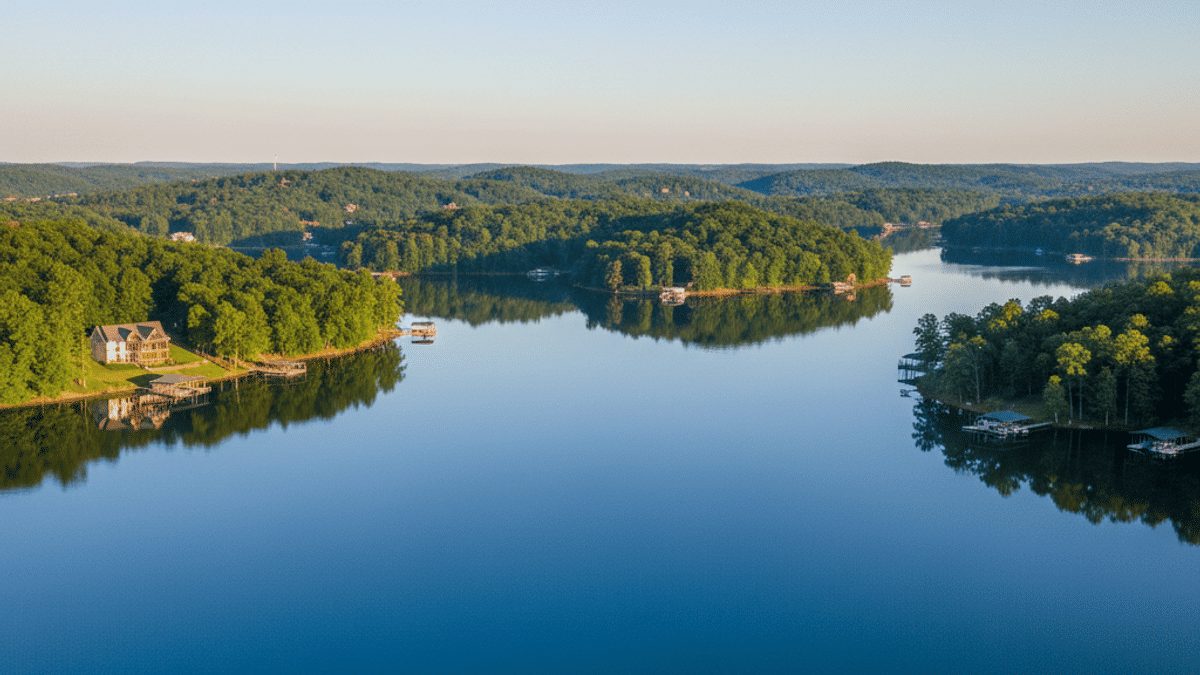
Douglas Lake, Tennessee sits in East Tennessee across Jefferson, Grainger, and parts of Cocke County, and it functions as both a lakeside residential area and a regional recreational hub.
Tracking the Douglas Lake real estate market matters because lakefront living, acreage parcels, and short-term rental interest create different supply and demand dynamics than nearby metro markets. This Market Report pulls together the latest pricing of homes for sale in Douglas Lake, sales, and value signals so you can see how listings, closings, and finance are interacting YTD in 2025.
What is the Current State of the Douglas Lake Real Estate Market?
Douglas Lake’s market in 2025 shows steady demand for lakefront and near-lake homes, with active inventory concentrated around Dandridge, Baneberry, and the Jefferson City corridors. Local brokers and lake-home aggregators report roughly 150–225 lake-related listings at snapshot periods in 2025, a supply level that gives buyers choices but still lets well-priced lakefront homes attract attention quickly.
Regional market indexes tell a slightly different story at the county level. Zillow’s Jefferson County overview reports a modest year-over-year rise in typical home values and median sale/list metrics that reflect more stable county activity; for buyers and sellers on Douglas Lake, combine lake-specific comparables with county metrics for a complete picture.
Average List Price
List prices on Douglas Lake vary widely by frontage, acreage, and finished improvements. Broker and MLS snapshots for lakefront listings in mid-2025 show median list points ranging from the mid-$400,000s for smaller, non-prime frontage homes up to $800,000+ for larger, turnkey lakefront properties with multiple bedrooms and finished living area.
Expect the median list price for prime frontage to be meaningfully higher than inland comparables.
Because many Douglas Lake properties are marketed as lakefront or acreage parcels, the average list price depends heavily on how many high-amenity frontages vs vacant land parcels are active at any snapshot. Use listing-level filters (shoreline feet, acre, bedrooms) to align comparables with your target property type.
Average Sales Price
Sales price distributions on Douglas Lake show that closed transactions for true lakefront homes often sit well above general county medians.
Local market reports indicate median sold prices for lakefront closings in 2025 that frequently exceed $500,000 for improved properties, while inland or non-waterfront sales closer to Jefferson City and Dandridge track closer to county medians. Use recent closed sales with similar frontage and lot size to estimate market value.
Because lakefront sales volume is limited, single high-dollar closings can push short-term medians higher; pairing sale-price medians with a ZHVI- or county-level baseline reduces noise from small transaction samples.
Number of Homes Listed
Douglas Lake listings tend to cluster in Dandridge, Baneberry, White Pine, and the Jefferson City areas. Zillow and lake-home aggregators show roughly 150–225 active Douglas Lake-related listings at common 2025 snapshots, while broader municipal and county inventories number in the hundreds to low thousands depending on the county.
That concentrated lake inventory provides choice for buyers focused on lakefront living, acreage, or multi-bedroom cabins.
Active listing counts shift seasonally, with more inventory typically appearing in spring and summer. If you are shopping for lakefront features, monitor new listings closely because well-priced frontage often moves faster than inland properties.
Number of Homes Sold
Closed sales for Douglas Lake properties are fewer month to month than for metro neighborhoods, which makes city- or lake-level monthly counts volatile.
Redfin and local MLS snapshots show small batches of lakefront closings in each active season, while county totals provide a steadier picture of regional turnover; for example, Dandridge and Jefferson City county aggregates recorded dozens of closed sales in mid-2025, compared with a smaller handful of waterfront closings.
Because of the low monthly volumes for true lakefront homes, buyers should weigh recent closings over multi-year averages for the closest comparables and consider seasonal demand when timing offers.
Average Days on Market
Time on market for Douglas Lake listings is mixed by product type. MLS-oriented lake reports indicate average days on market for active lake homes often fall in the multi-week to multi-month range depending on price band and season; some brokers cite average DOM near 90–160 days for lake properties in 2025 snapshots, while county-level days-to-pending averages are typically shorter for general housing stock.
Expect longer DOMs for vacant land and higher DOM volatility for niche cabins.
Well-staged, competitively priced turnkey lakefront homes will show materially lower DOM than niche, heavily customized properties. That pattern reflects the broader buyer base for move-in ready lake homes versus the narrow buyer pool for unique parcels.
Price Drops
Price reductions occur regularly in the Douglas Lake market, especially on listings that are priced high for their frontage or need updates. Lake-focused broker reports and MLS snapshots from 2025 show a meaningful share of lake listings with price adjustments, a pattern consistent with broader regional market behavior as sellers calibrate to buyer demand.
Seasonal softening at the end of summer can trigger additional price reductions for homes that missed peak demand windows, which creates buying opportunities for well-prepared purchasers.
How Have Home Values Changed in Douglas Lake?
Douglas Lake prices are up in recent years, with the biggest gains on upgraded waterfront homes. Results vary by shoreline, slope, and access; inland sales move more slowly and react more to available inventory.
One-Year Change
One-year comparisons show modest appreciation for many Douglas Lake segments in 2025, with broker snapshots indicating 2–5% increases since 2024 for many improved lake homes; however, small sample sizes and mix effects mean variation is common between prime frontage and inland sales. Pair local closed sales with county ZHVI baselines to see both the transaction and typical-value stories.
Three-Year Change
Over three years the Douglas Lake area has benefited from steady interest in lakefront living, remote-work buyers, and retiree demand, driving multi-year gains in many price bands. County-level indexes show larger market moves when pandemic-era demand is included, and lakefront product outperformed broader county medians in many periods.
Five-Year Change
Five-year trends reflect a durable lift in value for improved lakefront properties and a modest re-rating of certain acreage parcels. Aggregated lake-home data suggest values for many upgraded lake homes remain above pre-pandemic levels, though not every segment rose equally.
Ten-Year Change
Over a decade Douglas Lake reflects steady long-term appeal for lakefront and acreage ownership in East Tennessee. Long horizons smooth short-term volatility from specific events and highlight the premium that waterfront and clear-access properties typically hold relative to inland comparables. Use county-level long-run indexes for the cleanest ten-year baseline.
How Are Mortgage Rates?
Freddie Mac’s Primary Mortgage Market Survey shows a 30-year fixed rate around 6.34% as of October 2, 2025, and Fannie Mae’s September 2025 forecast projects 30-year averages near 6.4% at end-2025 and 5.9% by end-2026. Those levels mean monthly payments for financed lake homes will remain above the low-rate environment of earlier years, which can temper buyer budgets and negotiation dynamics.
If rates ease toward the 5.5–6% range over the next 6–12 months, buyer activity could pick up, particularly for purchasers seeking second homes or long-term rental buys who underwrite based on financing costs. Conversely, persistent high rates tend to lengthen DOM and increase price sensitivity for financed buyers.
Is it a Buyer or Seller’s Market in Douglas Lake?
Short answer: it depends on the product. For well-priced, turnkey lakefront homes with good access and finished living spaces, the market often behaves seller-friendly during peak season because demand from vacation and second-home buyers is concentrated.
For vacant land, heavily customized cabins and higher-priced niche parcels, the balance leans toward buyers who can wait for the right deal. Investors evaluating lake properties should include occupancy seasonality and association rules, and confirm local restrictions or HOA requirements that affect rental use. Those operational details often swing the investment case more than headline sale prices.
FAQs
How many Douglas Lake listings are typically active at any time?
Broker and lake-site snapshots show roughly 150–225 Douglas Lake-related listings at common 2025 checkpoints, concentrated near Dandridge, Baneberry, and Jefferson City. That inventory gives buyers a meaningful set of choices but leaves prime frontage relatively scarce.
What is the typical lot size or acre mix on Douglas Lake listings?
Douglas Lake inventory includes a mix of small lakefront parcels, multi-acre lots, and finished homes on 0.2 to several acres. Listings often note acreage. Buyers seeking specific acre thresholds should filter by acre on MLS or lake-home sites and confirm deeded shoreline access.
Do Douglas Lake properties have association rules or HOA fees?
Some communities and resort subdivisions around Douglas Lake have HOAs or shared amenities; Douglas Lake Resort and similar areas maintain association rules and fees that cover common space maintenance. Review HOA documents for fee schedules, use rules, and any short-term rental policies before purchase.
How seasonal is rental and buyer demand?
Demand is strongly seasonal, with peak activity in spring, summer, and holiday windows. Seasonal occupancy affects both short-term rental income and showing traffic, so plan touring and offers with that seasonality in mind.
Gatlinburg, TN: 2025 Housing Market Trends
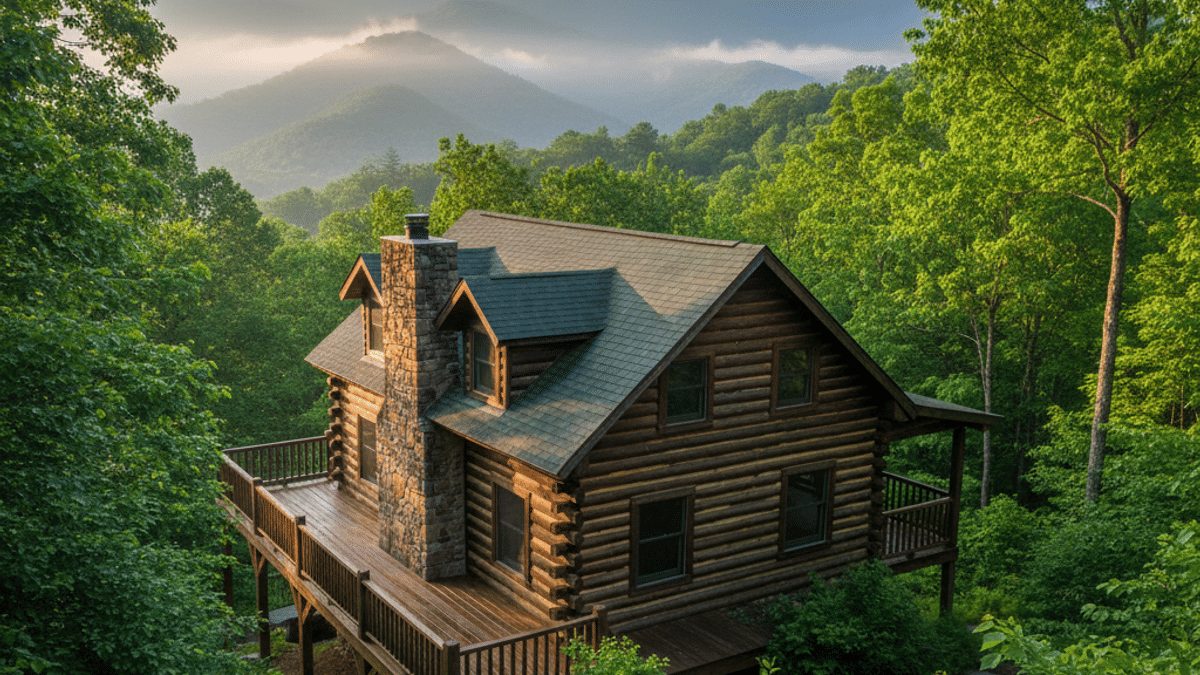
Buying a home in Gatlinburg, TN means sitting at the southern edge of the Great Smoky Mountains National Park and the area functions as both a small mountain town and a tourism engine for Sevier County.
Tracking the Gatlinburg, TN housing market matters because the area’s strong tourism economy, short-term rental demand, and flood/fire exposure create local price swings that differ from nearby metros.
This market report pulls together the latest pricing of homes for sale in Gatlinburg, sales, and value signals so you can see how supply, demand, and finance are interacting right now.
What is the Current State of the Gatlinburg Real Estate Market?
Gatlinburg market signals are mixed in 2025. Redfin’s city-level snapshot shows a sharp jump in median sale price for Gatlinburg in August, with a median sale price of $939,000, a 51.9% increase year over year, but that same report also shows very few closed sales (10 in August), which makes month-to-month medians volatile.
At the same time, Zillow’s ZHVI (a broad measure of typical home values) reports an average Gatlinburg home value of about $408,689 and a one-year decline of 11.4% through August, indicating that the “typical” home has moved differently than a small set of high-dollar sales.
Local and county metrics therefore need to be read together: small sample sizes of high-end cabins can push median sale price up, while broader indexes capture the bulk of residences.
Average Home Listing Price
Median listing points vary by source and by property type. Redfin shows example list prices and a median list figure for active listings that can be well over $600k for many single-family and cabin-style properties as of Aug–Sep 2025.
At the county scale, FRED’s Realtor-derived series reports a Sevier County median listing price near $650,000 in Sep 2025, which helps anchor how list prices in Gatlinburg compare regionally.
Because Gatlinburg’s inventory includes condos and high-end multi-bedroom cabins marketed to short-term rental investors, the average list price depends heavily on which property types are active that month. Expect month-to-month swings when a cluster of turnkey cabins or a few large mountain homes hit market.
Median Sales Price
Redfin’s median sale price for Gatlinburg in August 2025 was $939,000, but that represents a small number of transactions and is therefore sensitive to a handful of high-priced closings.
Zillow’s county-level numbers and broader indices show lower “typical” values, which suggests that while some sales fetch premium prices, the distribution of closed sales includes many lower-priced homes and condos. Use both measures: sale-price medians for recent transaction comparables, and ZHVI or county medians for the broader market context.
Number of Homes Listed
Inventory in Gatlinburg is larger than in many small towns because the market mixes permanent residences with second-home and investor listings. Zillow lists roughly 500+ active Gatlinburg listings at snapshot periods in 2025 (late summer/early fall), reflecting substantial active supply for a town of this size.
Sevier County inventory is much larger and shows thousands of listings countywide; FRED/Realtor series report Sevier County for-sale inventory totals in mid-2025 in the low thousands.
The practical takeaway: buyers who are flexible on product type (condo vs cabin vs single-family) will usually find selection; buyers chasing specific high-amenity cabins should expect competition when turnkey STR properties hit the market.
Number of Homes Sold
Closed-sale counts in Gatlinburg are relatively small month to month. Redfin reported 10 closed sales in August 2025, down sharply from prior-year counts, which makes medians jump when a handful of luxury sales occur. For broader perspective, Sevier County reported 179 closed sales in August, giving a more stable regional frame than the city’s thin monthly totals.
If you are tracking activity YTD, follow county totals for scale and the city/zip totals for close-in comparables; expect homes sold in Gatlinburg to move in small batches and to be seasonal (peak spring–summer tourism months).
Average Days on Market
Time-to-contract measures are longer in Gatlinburg than in many urban markets. Redfin shows median days on market around 120–137 days for Gatlinburg (August 2025), and Zillow reports a days-to-pending figure near 96 days for its index. Different measurement methods and the impact of seasonal inventory explain part of the gap.
Longer DOM here reflects a market with many specialty listings (STR-ready cabins, remote mountain properties) where buyer search is narrower and pricing negotiation windows are wider. Expect more time on market for unique properties and faster movement for competitively priced turnkey cabins.
Price Drops
Price adjustments are a meaningful signal. About 24.9% of Gatlinburg listings had price drops, indicating sellers often lower expectations to get traction. That percentage was lower year over year, but the absolute share of price reductions remains the same for buyers evaluating list price strategy.
Across Sevier County, more sellers are trimming their list price as inventory builds and buyers gain leverage—similar to national trends where supply is catching up to demand. Expect to see price cuts when demand softens seasonally or when financing costs push buyer budgets inward.
How Have Home Values Changed in Gatlinburg?
Home values in Gatlinburg track local tourism and rental demand more than traditional suburban trends. Because buildable land is scarce and buyer traffic follows tourism seasons, the market tends to heat up quickly, then level off once peak demand passes. Prices move with occupancy and buyer interest, not a fixed annual cycle.
One-Year Change
One-year signals differ by measure. Redfin reports a median sale price increase of +51.9% (August 2025) for the area based on recent closings, while Zillow’s ZHVI shows an average home value down 11.4% over the past year.
The contrast comes from small sample sizes and the weighting differences between transaction medians and broader value indices. Use both numbers but weight decision-making toward the series that best matches your target property type.
Three-Year Change
Longer-view indicators show that Gatlinburg and Sevier County experienced sizable pandemic-era appreciation followed by a moderation from 2024. Sevier County’s median sale/listing indicators (e.g., median listing price per square foot and county medians) were elevated through 2022–2024 and remain higher than pre-pandemic levels as of mid-2025.
Five-Year Change
Over five years the region has meaningfully re-priced: the county-level Zillow and FRED series show that typical home values remain above the 2019 baseline even when short-term corrections occur in 2024 and beyond.
That five-year lift is driven by constrained for-sale inventory, high tourism demand for rentals, and new buyer interest in mountain properties during the pandemic era. Reported county medians in mid-2025 remain substantially above mid-2010s levels, per Zillow/FRED county series.
Ten-Year Change
Over a ten-year horizon Gatlinburg’s market reflects long-term tourism-driven demand and episodic events (wildfire and localized flood risk awareness, plus STR rules) rather than steady urban appreciation. Ten-year comparisons show values higher than a decade ago, but expect significant dispersion between low-price condos and high-end turnkey cabins. For long-term perspective, county-level ZHVI and FRED series provide the best multi-year baseline.
How Are Mortgage Rates?
National mortgage rates are an important headwind. Freddie Mac’s Primary Mortgage Market Survey shows the 30-year fixed rate averaged about 6.34% as of Oct 2, 2025; that weekly rate has been moving in the 6%+ range through 2025.
Fannie Mae’s September 2025 forecast expected the 30-year to end 2025 near 6.4% and to fall toward about 5.9% by end-2026, providing a modest easing path but not an immediate return to the ultra-low rates of earlier cycles.
Predictions for the next 3, 6, and 12 months are inherently uncertain. Based on Fannie Mae’s outlook (Sep 2025), expect modest downward pressure on rates toward early-to-mid 2026 if inflation and Fed signals continue to ease; however, short swings tied to the 10-year Treasury can move weekly averages a few tenths. Locally, higher rates tend to reduce buyer traffic and lengthen negotiation windows in Gatlinburg, especially for buyers financing cabins or investment purchases.
Is it a Buyer or Seller’s Market in Gatlinburg?
Short answer: it depends on product and timing. For mainstream single-family homes and many condos the market reads as neutral-to-buyer-leaning in 2025, with longer days on market and a material share of price cuts.
If you are an investor focused on short-term rental revenue, check STR permitting rules and occupancy trends first; if you are a primary-home buyer the broader inventory and longer DOM offer more opportunities to negotiate.
FAQs
What portion of Gatlinburg inventory is used as short-term rentals?
Exact counts vary, but Gatlinburg and Sevier County have a substantial STR presence. The city requires compliance with local STR rules and permits; official Sevier County and Gatlinburg resources outline registration and tax responsibilities for short-term operators as of 2025. Always confirm permit status on the county/city portal before assuming rental legality.
How much rental income can a typical Gatlinburg property generate?
Average asking rents for market-rate long-term rentals differ from STR revenue. Zillow rental data shows average asking rent figures in the low thousands, while STR nightly revenues vary widely by season, property size, and location. Use local occupancy and STR comparables to model revenue rather than generic national averages.
Are insurance and climate risks priced into values?
Yes. Redfin and other climate-risk tools flag flood and wildfire exposure for Gatlinburg; Redfin’s climate overlays note elevated flood and wildfire risk for parts of the area. That risk profile appears in buyer pricing and can affect insurance costs and financing options.
How seasonal is the Gatlinburg market?
Highly seasonal. Peak listing and buyer activity track tourism cycles (spring–summer and holiday windows). That seasonality affects showing traffic, pricing cadence, and the speed of offers. Plan timing around peak open-house windows if you need a faster sale.
Is Gatlinburg a good market for investors right now?
Investor suitability depends on strategy. The area’s tourism demand supports STR cash flows in many properties, but rising rates, higher operating costs, and local permit rules increase operating risk. Evaluate occupancy history, local permit compliance, insurance costs, and realistic expense assumptions before underwriting.
What should a local buyer watch for in the next 6–12 months?
Watch mortgage rate movement, county inventory counts, and the share of listings with price reductions. If rates fall toward the 5.5–6.0% range and inventory tightens, competition can heat up quickly; if rates remain elevated, expect steadier supply and more negotiating leverage for buyers.
Gatlinburg vs Asheville
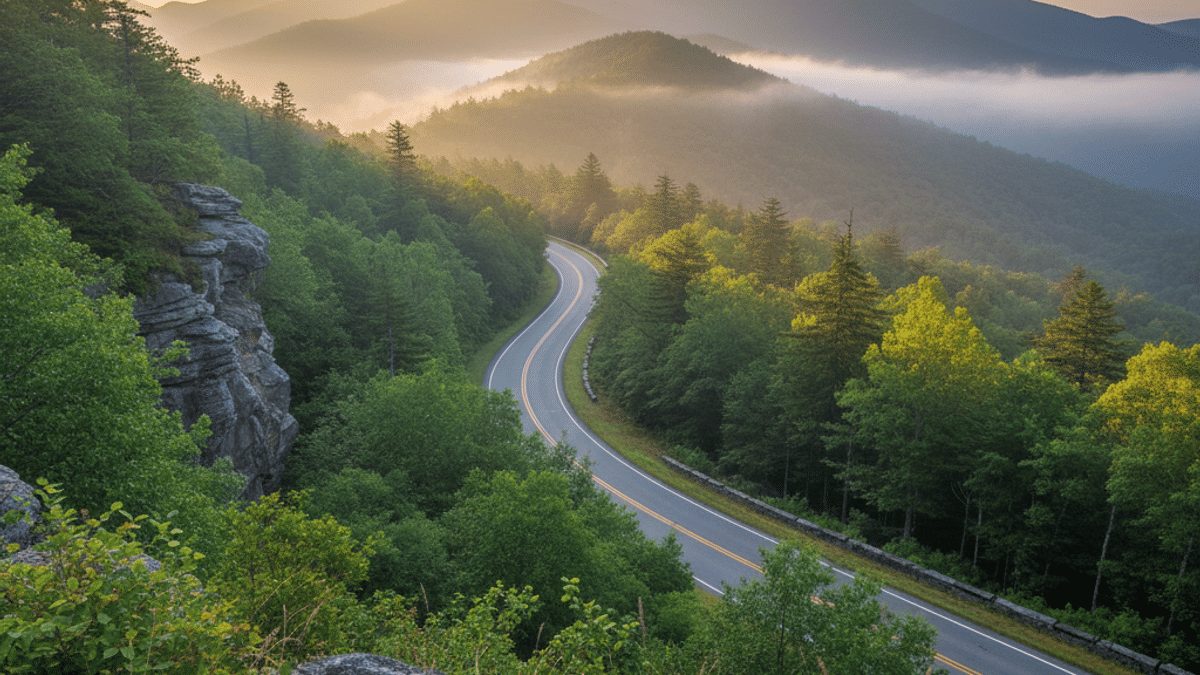
Gatlinburg sits on the Tennessee side of the Great Smoky Mountains, right at the entrance to Great Smoky Mountains National Park. It is about 41 miles from McGhee Tyson Airport in Alcoa near Knoxville, typically an hour to a little over that by car depending on traffic. The aerial tram to Ober Mountain starts downtown, so the mountains feel close even before you drive into the park.
Asheville is in Western North Carolina on the French Broad River, surrounded by mountains and near Pisgah National Forest. Asheville Regional Airport is roughly 13 to 14 miles from the downtown area, commonly a 20 to 25 minute drive. The Blue Ridge Parkway threads along the city’s eastern rim and, as of mid September 2025, key stretches near Craggy Gardens have reopened after Helene repairs, with continuing spot closures posted by the National Park Service.
Getting from Gatlinburg to Asheville is a scenic trip across the Smokies. Drivers often go US 441 over Newfound Gap to Cherokee, then continue to Asheville, or they connect to the Blue Ridge Parkway when open. With normal stops it can be a half day drive for those who want overlooks and a scenic smoky view. Plan ahead and check current Parkway conditions if you want to travel along the Blue Ridge Parkway.
What Is The Housing Market Like?
The housing market in Gatlinburg leans toward cabins, chalets, and mountain homes, many with short term rental histories.
Redfin reported a median sale price of about $939,000 in August 2025, up 51.9 percent year over year, with a small number of monthly sales and longer market times. Adjacent ZIP 37738 shows a broader mix, with a median around $565,000 in August 2025 and slower sales pace than a year earlier.
The range on the ground is wide, from simple cottages close to the City of Gatlinburg to luxury view homes above Roaring Fork or near the Ober Gatlinburg corridor.
Asheville offers more urban and suburban variety. You will see craftsman bungalows in the Downtown area fringe, condos near Downtown Asheville, and single family homes across neighborhoods from North Asheville to South Asheville and Hendersonville Road.
Redfin placed Asheville’s August 2025 median at about $490,000, down 2.0 percent year over year, with a larger pool of sales and moderate days on market. That lines up with what you feel touring neighborhoods like the River Arts District and along the Blue Ridge Parkway access points, where price points vary by lot size and condition.
Rent patterns reflect the different housing stock. Zillow’s rental data in late September 2025 shows an average advertised rent around $2,300 in Gatlinburg and about $2,000 in Asheville. Both figures swing with seasonal listings, especially in the Smokies where vacation stock mixes with year round rentals. Use them as a snapshot, not a ceiling, and compare by property type and location.
What Is The Lifestyle And Community?
Gatlinburg reads as a classic mountain town focused on the Great Outdoors. The Great Smoky Mountains, the Gatlinburg Trail, and the Roaring Fork Motor Nature Trail start close to the City of Gatlinburg.
Ober Gatlinburg, now Ober Mountain, brings the Aerial Tramway right out of downtown, and the Aquarium of the Smokies anchors a walkable line of attractions.
Asheville balances outdoor access with an artsy, brewery forward culture. The Asheville Art Museum faces Pack Square, Downtown Asheville is filled with local food and beer, and the River Arts District houses hundreds of working studios.
The Biltmore Estate sits just south of downtown and remains the largest privately owned house in the country, a central draw along the Blue Ridge Parkway and within the Asheville Area. The vibe feels urban for a mountain city, with venues, galleries, and a steady calendar of events.
When you compare nightlife, Asheville offers more concentrated options near the Downtown area and in South Slope with brewery taprooms and music spots. Gatlinburg’s evenings run quieter once you step off the Parkway, with Ripley’s attractions, the Space Needle, and local restaurants keeping the lights on for after-hike dinners. The broader Sevier County corridor adds Dollywood and Pigeon Forge amusements for those who want shows and theme park days.
What Is The Cost Of Living?
Taxes create one of the clearer differences. Tennessee does not levy a state income tax on wages. The Hall income tax on interest and dividends was repealed for tax periods beginning January 1, 2021.
North Carolina levies a flat individual income tax, set at 4.25 percent for the 2025 tax year, and scheduled to decrease to 3.99 percent after 2025 under current law. For households with W-2 income, that line item alone can shift monthly budgets.
Property tax rates also vary. In Sevier County, the county property tax rate for 2024 is $1.48 per $100 of assessed value, with city rates added where applicable. In Asheville, the FY 2025 to 2026 rates total 54.66 cents per $100 for Buncombe County and 44.19 cents per $100 for the City of Asheville, with separate school and municipal district rates in some areas. Always combine county and city when you compare neighborhoods, since city limits materially change the bill.
Day to day costs like groceries and utilities usually track regional norms, but they can shift with the season or the part of town. Wages and service pricing have also been in flux after Helene, with the biggest moves showing up in Asheville’s hospitality scene.
How Do the Schools Compare?
Gatlinburg is served by Sevier County Schools. The district lists more than 14,000 students across 30 plus schools and publishes assessment, accountability, and testing updates through the Tennessee Department of Education’s report card portal.
Asheville students may attend Asheville City Schools or Buncombe County Schools depending on address. Asheville City Schools operates a small city district with open choice inside the system, while Buncombe County Schools covers suburban and rural areas around the city. North Carolina’s School Report Cards site provides performance, growth, and program details for individual schools and districts. Private and charter schools add more choices with their own application timelines.
Both areas offer extracurriculars tied to the setting. In Sevier County, outdoor clubs and seasonal sports often make use of the Gatlinburg Trail and nearby Cove areas. In Asheville, you see arts and crafts programs linked to the River Arts District, music, and mountain hiking groups tied to the Blue Ridge Mountains and Pisgah National Forest. Program availability changes by campus, so it helps to review each school’s activity roster.
Which Town Should You Choose?
Choose Gatlinburg if your priority is living at the entrance to the Great Smoky Mountain National Park, with trailheads and scenic drives like Roaring Fork Motor Nature Trail minutes away, and quick access to Pigeon Forge, Mountain Coasters, and Dollywood. The housing stock tilts toward cabins and view properties. Daily life follows the seasons, from leaf peeping to spring waterfalls. Tourism traffic is part of the rhythm, especially near Ripley’s Aquarium and along the Gatlinburg Space Needle corridor.
Choose Asheville if you want a small city feel with a walkable Downtown Asheville, galleries in the River Arts District, brewery clusters, and the Biltmore Estate close by. You can drive the Blue Ridge Parkway for a scenic smoky loop when sections are open, then be home in 15 to 25 minutes from most in-town neighborhoods. The housing mix is wider, from craftsman era streets to new infill, and the price point in mid 2025 has been more moderate than resort driven areas.
In both places, the Great Outdoors is the anchor. If you are comparing Asheville and Gatlinburg for day trip access, think about your routine. If you plan to hike three mornings a week, Gatlinburg’s proximity to the Entrance to the Great Smoky is hard to beat. If you want both trail time and urban arts, see Asheville as the base and keep a list of hikes along the Blue Ridge Parkway and in Pisgah National Forest.
FAQs
How long does it take to drive from Gatlinburg to Asheville?
With direct routing, the trip often runs about 2.5 to 3.5 hours depending on stops and road conditions. The fastest path is usually US 441 over Newfound Gap to Cherokee, then on to Asheville. Scenic Parkway segments can be slower and may have temporary closures, so check the National Park Service road status before you go.
What are the signature attractions in each place?
Gatlinburg offers Ripley’s Aquarium, the Gatlinburg Space Needle, Hollywood Star Cars Museum, and the aerial tram to Ober Mountain. Pigeon Forge adds Dollywood and the Titanic Museum Attraction. Asheville centers on Biltmore House, the Asheville Art Museum, the Asheville Pinball Museum, the River Arts District, and winery tastings on the estate.
How do housing prices compare right now?
As of August 2025, Redfin reported a median sale price around $939,000 in Gatlinburg, with limited monthly sales and longer market times, while Asheville’s median was about $490,000 with a larger transaction count. Neighborhood, view, and short term rental eligibility drive the spread more than a simple city average.
Are there differences in state and local taxes that affect budgets?
Yes. Tennessee does not tax wages at the state level and repealed its Hall income tax on dividends and interest for tax years beginning in 2021. North Carolina taxes individual income at a flat 4.25 percent for 2025, scheduled to decline to 3.99 percent after 2025 under current law. Local property tax rates also differ, so compare county and city rates for the address you are considering.
What is the “Asheville or Gatlinburg” choice like for outdoor access?
Both sit in the Smokies region. Gatlinburg touches the park boundary and the Gatlinburg Trail. Asheville is surrounded by the Blue Ridge Mountains, connects to the Blue Ridge Parkway, and sits near Pisgah National Forest. Waterfall hikes, Middle Prong Trail, scenic drives, and overlooks are common to both, with drive times and trail styles varying by side of the range.
Is there a difference in airport access and flight convenience?
Gatlinburg residents typically use McGhee Tyson Airport near Knoxville, about an hour away in normal conditions. Asheville residents use Asheville Regional Airport, about 20 to 25 minutes from the center of town. Both airports offer regional connections to larger hubs.
What about culture, food and beer, or live events?
Asheville’s Downtown area and South Slope concentrate brewery taprooms, galleries, and venues, with the Asheville Art Museum and River Arts District adding daytime options. Gatlinburg leans into visitor oriented attractions, aquarium shows, and mountain amusement, with Pigeon Forge shows and Dollywood a short drive away. The choice comes down to whether you want a city arts scene in daily life or to live at the front door of the Smokies’ tourist attractions.
Snowbird’s Guide to Owning a Condo in Gatlinburg
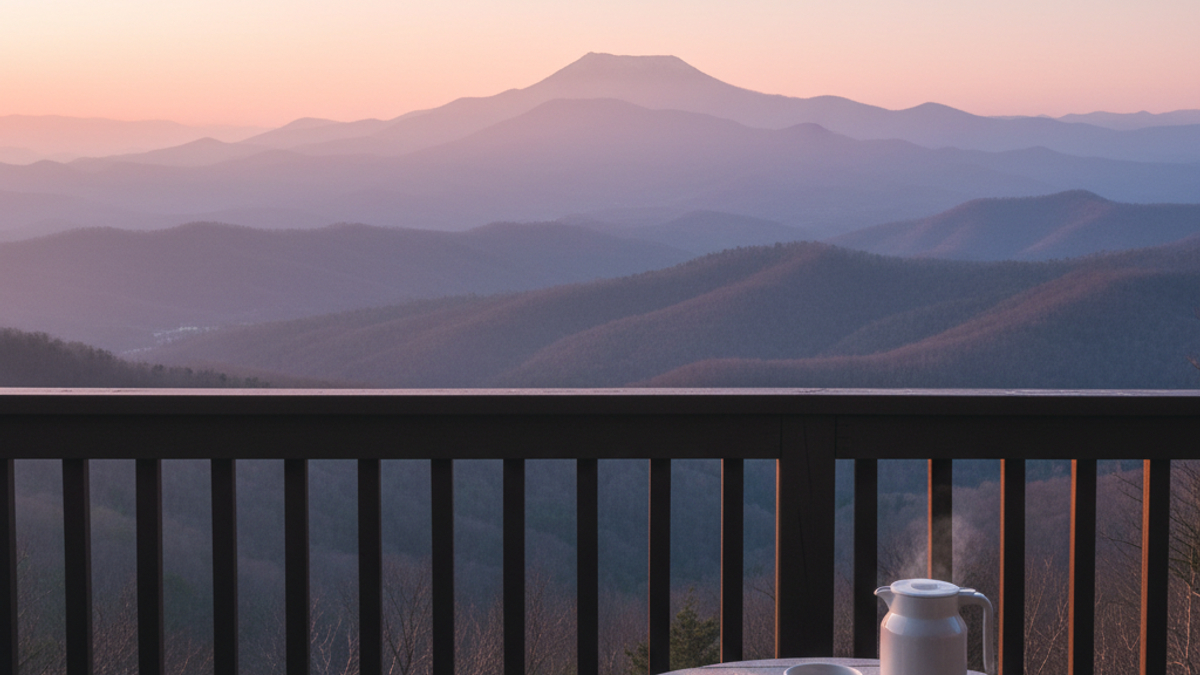
Gatlinburg folds mountain scenery, a compact downtown, and an easy visitor rhythm into one small footprint.
For snowbirds looking to trade snowy drives for milder winters and morning hikes, a Gatlinburg condo can offer the comfort of a cozy living room, a balcony with mountain views, and the convenience of being within walking distance of restaurants and attractions.
This guide focuses on what seasonal residents should know about price, parking, HOA rules, and the everyday features that make a condominium feel like home.
Why is Gatlinburg an Ideal Spot for Snowbirds?
Winter days here hover in the 40s and 50s, so you swap snow shovels for light jackets and watch pink sunrises spill over Mount Le Conte without scraping ice off the windshield. Sidewalks stay clear enough for a quick walk to the coffee shop before the hikers roll in.
Almost everything you need sits within a mile or two of the Parkway, and the trolley loops past groceries, galleries, and lunch spots, making it easy to leave the car parked. Five minutes up the road, the national park entrance opens to quiet mid-week trails and year-round scenic pull-offs.
Back at the condo, heated pools and gas fireplaces keep evenings cozy, while local restaurants, art shows, and the occasional bluegrass night liven up the shoulder season.
For snowbirds, this blend of gentle weather, walkable errands, and mountain scenery shows why living in Gatlinburg, even part of the year, feels like such an easy seasonal fit.
How Do Gatlinburg’s Attractions Fit the Snowbird Lifestyle?
From Anakeesta’s tree-canopy walks to Ober Gatlinburg’s winter tubing lanes and Ripley’s Aquarium of the Smokies, snowbirds have endless things to do in Gatlinburg that don’t require long drives or complicated planning.
When the weather turns rainy, a show in Pigeon Forge or an afternoon tasting local moonshine keeps the calendar full without venturing far.
Weekend wanderers can reach Dollywood or the wildlife-rich loop at Cades Cove in under an hour, then be back in time to watch dusk settle over the Smoky Mountains from a balcony.
That mix of gentle adventure and close-to-home comfort means visiting grandkids stay entertained, yet slow mornings with coffee and mountain views remain the norm.
Is Gatlinburg Easy to Reach From Popular States?
Most seasonal owners come from Florida, the Carolinas, Georgia, and parts of the Midwest.
Driving times vary: for example, a trip from central Florida is often a full day, while drives from Atlanta or Charlotte are shorter.
Commercial flights into McGhee Tyson Airport near Knoxville, plus a roughly 45-minute drive, make Gatlinburg straightforward for those who prefer flying and renting a car.
Because many snowbirds arrive for multi-week stays, having reliable parking or valet options at your condominium matters. If you plan to fly in and out, check the condo’s parking rules and proximity to the Parkway or tram links before making an offer.
What Is the Average Price of a Condo in Gatlinburg?
As of July 2025, condos in Gatlinburg are changing hands for about $426,100 on average, or roughly $354 per square foot. That figure blends everything from snug ski-in studios near Ober Mountain to roomy two-bed units with gas fireplaces and balconies that frame postcard mountain views.
Prices swing with location and perks. A tidy one-bedroom a few blocks off the Parkway might slip into the high $270,000s, while a renovated, view-heavy unit along Historic Nature Trail can push past $550,000. Spring sales even clocked a handful of older-building bargains around $265,000, showing how age, amenities, and rental potential all nudge the final number.
What Makes Condo Living Stress-Free for Seasonal Residents?
Think of a good seasonal condo as a hassle-shaving machine: maintenance crews fix things while you’re out exploring, the laundry room sits a few steps from your door, your car gets its own sheltered space, and key-card entry keeps everything secure. Top it off with a hot tub or a heated pool for evening unwinding, and day-to-day chores practically disappear.
Many condo communities also offer property management and rental coordination, which snowbirds use to offset holding costs by listing on Airbnb or other platforms when away. Before you buy, confirm HOA rules about renting and guest turnover because some associations restrict short-term rentals or require a Tourist Residency Permit if the condo is inside the city limits.
What Should Be Considered When Choosing a Condo?
Start with the setting you want to wake up to. A condo perched above the Parkway offers twinkling night views, while one tucked off Historic Nature Trail trades bustle for woodsy quiet.
Decide early if you hope to offset costs with occasional short-term rentals; permit rules vary by street and can shape your options.
Check the building’s age, soundproofing, and what the HOA covers. such as roofs, siding, pool upkeep, so you know whether weekend visits stay carefree or come with surprise repair calls.
Next, look at day-to-day logistics. Dedicated parking saves headaches when festivals fill downtown lots, elevators and luggage carts matter on grocery day, and heated water lines or winterization services keep pipes safe during frosty snaps.
Review monthly dues, any pending special assessments, and Sevier County’s property-tax bill just as you would when comparing homes for sale in Gatlinburg or other seasonal properties.
FAQs About Owning A Condo in Gatlinburg As a Snowbird
Are condos in downtown Gatlinburg good for snowbirds who want walkability?
Yes. Many downtown Gatlinburg condos put you within walking distance of restaurants, attractions, and trolleys that connect the center of Gatlinburg, making it easy to leave the car parked and walk to a cup of coffee or an evening show. Check each listing for “within walking” details and proximity to the Parkway.
How common are parking and storage options in Gatlinburg condos?
Parking varies. Some buildings include assigned spaces or covered parking while others rely on nearby municipal or private lots. If parking or storage is critical, confirm a dedicated parking space and any seasonal storage rules before signing.
Can I use my Gatlinburg condo as an Airbnb when I am not there?
Possibly, but you must comply with local permits and HOA rules. Gatlinburg requires Tourist Residency Permits inside city limits, and Sevier County runs inspection and permit programs outside the city; some HOAs forbid short-term vacation rentals outright. Verify rules before planning an Airbnb strategy.
What seasonal features should I prioritize for comfort?
Look for a gas fireplace or efficient heating, a tub or a spa-like bathroom for soaking after hikes, a balcony to enjoy mountain mornings, and washer/dryer hookups to minimize packing.
A management plan for winterization and a property manager who can handle guest logistics are practical must-haves for many snowbirds.
Douglas Lake vs Cherokee Lake
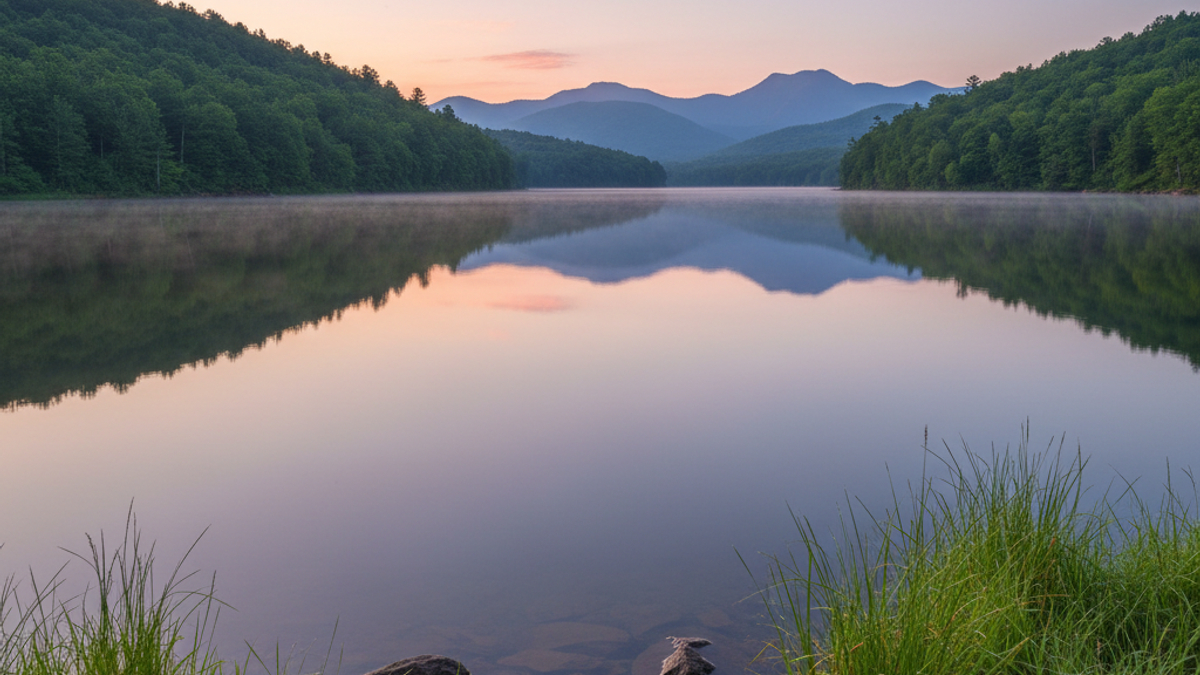
Where Are They Located?
Douglas Lake sits on the French Broad River in East Tennessee, with much of its shoreline in Jefferson County near Dandridge and a short drive to Dandridge town services and I-40. The lake hugs the foothills of the Smokies, so many boat ramps and marinas have mountain views that are a short drive from Pigeon Forge and Sevierville.
Cherokee Lake lies east of Douglas and runs through parts of Jefferson, Hamblen, Grainger, and Hawkins counties, stretching toward Morristown and Jefferson City. Cherokee is fed by the Holston River system and sits nearer to Morristown on its western shoreline, making it convenient for residents who commute to smaller East Tennessee towns or want shorter drives to local shopping and services.
What Is The Housing Market Like?
Around Douglas Lake, lakefront and lakeside homes for sale tend to range from modest weekend cottages to midprice waterfront homes, and a few larger custom properties with private docks. As of August 2025, Jefferson County median sale prices were near $402,000, and Jefferson City saw a median sale of about $333,000.
Cherokee Lake areas present a similar spread but with pockets that lean more suburban near Morristown and Hamblen County, and some higher-priced lakefront lots in Grainger County. Waterfront listings for parts of the Cherokee Lake area often show medians near the mid $300,000s to $400,000s, with Grainger County waterfront inventory skewing higher in some places.
Expect prices to vary by cove, view, dock access, and whether a property sits on a deeper channel or a shallower bank.
What Is The Lifestyle And Community?
Douglas Lake life leans toward a lakeside, outdoors-first rhythm. Boating, swim stops, launching at local ramps, and weekend fishing tournaments are common, and the Smokies backdrop attracts visitors and vacation rentals during busy months. Marinas, short drives to the Smokies, and waterfront access make it easy to keep a boat or jet ski on site for summer pool days or early spring prespawn runs.
Cherokee Lake mixes day-use recreation with neighborhood living. Many marinas and public ramps support anglers and families who boat, swim, and cruise in coves and channels that are wider and sometimes deeper than parts of Douglas. The larger footprint means you can find quieter, more secluded coves for paddling and angling, while other sections near Morristown and Jefferson City support denser residential and service networks.
What Is The Cost Of Living?
Overall affordability in both areas tracks county-level housing and utility costs for East Tennessee, which remain below many larger metro regions in the Southeast.
Property tax rates, utility tiers, and insurance can differ by county and by whether a home is on a private well or septic system, so two otherwise similar lakeside properties can have noticeably different recurring costs. For high-level context, Jefferson County market activity showed year-over-year price gains into 2025, so buyers should factor current market pricing and seasonal inventory when budgeting.
Day-to-day expenses such as groceries, fuel, and short-drive commuting are similar between the two lakes because both sit within easy range of the same regional grocery and service markets. Vacation rentals and seasonal demand can push nightly rates and local service prices up during summer and peak Smokies visitation times, which is worth noting if a property will be rented occasionally.
Time of year matters for marina slip availability and summer pool activity; full pool and summer pool timing can vary with TVA release schedules and spring rains.
How Do the Schools Compare?
Pick a home on Douglas Lake and you land in Jefferson County Schools. The district runs neighborhood elementary campuses such as Dandridge and White Pine, two middle schools, and Jefferson County High, just west of Jefferson City. Scores hover near the state average, and students can tap into career and agriculture programs alongside the usual lineup of sports and clubs.
Cherokee Lake shorelines weave through Hamblen, Grainger, and slices of Jefferson County, so the assigned district changes by cove. Hamblen County, which includes Morristown West and Morristown East High, posts slightly stronger reading and math results and offers a wider menu of electives and after-school activities. Grainger schools are smaller, which can mean tighter class sizes but a leaner course catalog.
Which Town Should You Choose?
If short drives to the Smokies, mountain views, and a strong marina scene are priorities, Douglas Lake and nearby Dandridge put the Smokies front and center while staying within Jefferson County services.
Those who prioritize slightly larger suburban centers, a wider lake footprint, and varied cove profiles for fishing or quieter coves may find Cherokee Lake’s spread and access points appealing.
Consider whether you value a shorter commute to Morristown or Jefferson City, proximity to specific ramps and marinas, and whether you need the local county services tied to a particular parcel.
For anglers, think about the fishery differences. TVA reservoirs are actively managed, and TWRA notes strong largemouth and smallmouth populations on Douglas and abundant black bass on Cherokee, so tournament and recreational anglers find good opportunities at both lakes. Lake level, runoff after spring rains, and seasonal prespawn patterns all affect where fish bite, so the best time for specific species can vary year to year.
FAQs About Douglas Lake vs. Cherokee Lake
How do TVA lake levels affect boating and docks on Douglas and Cherokee?
TVA manages lake level and release schedules for both reservoirs and posts daily water level and release updates. That affects launch ramps, full pool timing, and seasonal access for docks and storage. Check TVA’s lake status for current water level and potential flood or drawdown schedules.
Are both lakes good for bass fishing year-round?
Yes. You can catch largemouth and smallmouth on both reservoirs in every season, but the patterns shift.
On Douglas, the prespawn bite heats up in shallow coves each spring, then fish move to deeper structure when summer pool peaks and water warms.
Cherokee’s clearer water keeps smallmouth active even in winter, especially along rocky points and main-lake ledges, while largemouth slide into grassy pockets after spring rains.
Match your tackle to the season: topwater in early summer, crankbaits in fall, finesse rigs in the cold months, and there is always a productive spot somewhere on the lake.
Where can I find marinas and boat storage?
Both lakes have multiple marinas and commercial docks that offer slips, seasonal storage, and fuel. Cherokee and Douglas each list several marina options near Jefferson City, Morristown, and Dandridge. Call marinas for slip waitlists, winter storage policies, and ramp access.
Do people use these lakes for vacation rentals?
Plenty of cabins, tiny homes, and lake houses around both reservoirs operate as short-term rentals, especially in coves near public ramps and marinas. Bookings peak during summer and the fall foliage season when Smokies traffic is highest. Before listing, owners need to confirm county permit rules, occupancy limits, and seasonal insurance requirements.
What is the best time of year for boating and fishing?
Late spring through early fall is prime for boating and swimming, while prespawn and spring rains often concentrate baitfish and shad and trigger active bass bites in the shallows. The exact best time will vary year to year with runoff and TVA pool management.
Moving to Douglas Lake, TN
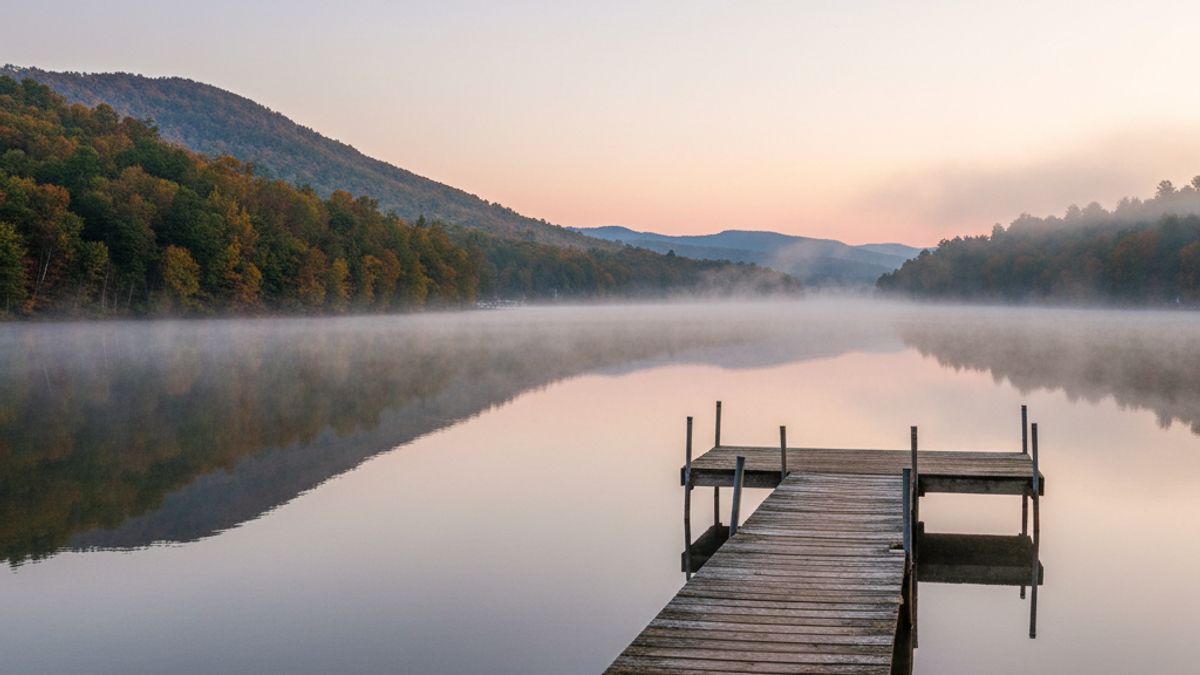
Douglas Lake sits where rolling East Tennessee farmland meets the lower slopes of the Smoky Mountain foothills. The reservoir’s long coves, pocket beaches, and scattered lakefront neighborhoods make the area feel part recreational escape and part working landscape. Boaters and anglers mix with residents who commute into Knoxville or work in nearby towns.
Expect a mix of cabins, lakefront homes, and older ranch-style housing along the shore. Life here is measured in evenings on a deck, weekend boat runs, and the changing waterline that defines the seasons.
Where is Douglas Lake Located?
Douglas Lake is a TVA reservoir tucked east of Knoxville and northeast of Sevierville, with the town of Dandridge on its western shore. The lake sits in Jefferson County and spills into a broad watershed that reaches into nearby counties.
From many points on the east side, you can see the Great Smoky Mountains on a clear day. That location puts Douglas Lake within a 30–40 minute drive of Pigeon Forge, Sevierville, and central Knoxville, which keeps the lake accessible for weekend trips and commutes.
What is the Douglas Lake Real Estate Market Like?
August 2025 data shows a median sale price of about $371,000 for homes in Dandridge, roughly 8% lower than the same time last year.
Lakefront property carries a clear premium. Mid-2025 listings labeled “Douglas Lake Waterfront” on Zillow cluster around the mid-$500,000s, with rustic cabins occasionally offered under $300,000 and larger estates pushing well past the million-dollar mark. Buyers comparing shoreline homes to inland inventory should plan on a 30–40% price premium for direct water access and panoramic Smoky Mountain views.
Inventory remains tight. Redfin logged just eight closed sales in August 2025 versus thirteen a year earlier, and average days on market fell to roughly 23 days. Well-priced homes with usable shoreline and modern docks still attract quick offers even in a softening regional market.
If you are shopping for homes for sale on Douglas Lake, expect a range: cabins and smaller lake cottages, full lakefront estates with docks and decks, and family-style houses a short drive from the shore. Rental inventory also exists, both seasonal and long-term, so rentals can be an entry point for newcomers who want to test life around the lake before buying.
What is the Cost of Living in Douglas Lake?
Overall living costs in Jefferson County tend to be lower than in larger Tennessee metros, but housing near the shoreline drives local variation.
As of mid-2025, area home medians in the Dandridge area have moved with wider regional trends, and waterfront listings often list substantially above the town median. Typical tradeoffs you’ll find are higher purchase prices for lakefront property in exchange for private shoreline, a dock, or unobstructed views.
Everyday expenses like groceries, utilities, and fuel generally follow East Tennessee levels. Shopping and dining are more limited on the lake itself, so budget for occasional trips to Sevierville or Knoxville for larger grocery runs or specialty items. Local markets and seasonal farm stands do supply fresh produce during warmer months.
What are the Utilities in Douglas Lake?
Electric service in most of the Jefferson County / Dandridge area is provided by local cooperatives such as Appalachian Electric Cooperative. TVA generates wholesale power for the region, but distribution is handled locally.
Municipal water and sewer for Dandridge are run through the town’s water management facility, and new service signups, fees, and billing details are available directly from the town. Natural gas service is available in parts of the county through regional suppliers and distributors. For internet and cable, Charter Spectrum and AT&T are the primary providers in much of the area.
If you are moving in, expect to contact the town water office for accounts and to reach the local electric cooperative for residential hookup. Marinas and seasonal rentals often outline local utility connections and any on-site facility rules for renters.
Is Douglas Lake a Safe Place to Live?
Crime rates in small towns and lake communities vary neighborhood by neighborhood.
Jefferson County and the town of Dandridge typically report crime figures that are comparable to or lower than national averages on several measures, though statistics depend on the metric and time window used. Local law enforcement and Tennessee’s crime dashboards are the best sources for current, block-level information if you want specifics for a particular cove, subdivision, or side of the lake.
Expect safety to be a localized matter, as some shore neighborhoods see more seasonal visitors, which can affect property-crime patterns during peak months.
What is the Weather Like in Douglas Lake?
Douglas Lake sits in the humid subtropical transition of East Tennessee. Summers are warm and humid with plenty of boating days. Average highs often reach the mid-to-upper 80s in July and August, while winters are mild to cool with occasional freezes and light snow.
Spring and fall are popular for lake recreation because of comfortable daytime temperatures and clear mountain scenery.
How are the Schools in Douglas Lake?
Douglas Lake is served by Jefferson County Schools, a mid-sized district that operates multiple elementary, middle, and high schools across the county. Recent state report cards place the district in solid “progressing” territory for academic growth, and Jefferson County High School posts a graduation rate in the low-to-mid 90 percent range.
Residents on the west and north sides of the lake typically start at Dandridge or Piedmont Elementary, move on to Maury Middle School, and finish at Jefferson County High School in Dandridge. These campuses offer a mix of traditional academics, career-technical programs, and extracurricular activities.
Home-school and private options are available within a 25- to 40-minute drive, including district-run virtual programs and several parochial or independent schools in Jefferson City and Knoxville. Enrollment caps and tuition vary, so it’s wise to contact each campus directly for the latest details.
What are the Job Opportunities in Douglas Lake?
Douglas Lake itself is not a large employment center. The local economy is anchored by small businesses, tourism-related employers like marinas, restaurants, and lodging, and services that support the Jefferson County community.
Many residents commute to larger job markets such as Knoxville, Sevierville, and nearby industrial or healthcare employers, so the lake is often a residential choice for people willing to commute.
Remote work has also become common for residents who prefer lakeside living while working for employers elsewhere.
What is Transportation Like in Douglas Lake?
Interstate 40 skims the south edge of the lake, so drivers can reach Knoxville in about half an hour when traffic is light. Head the other way, and the highway feeds into Smoky Mountain Parkway, putting Sevierville and Pigeon Forge 25 to 40 minutes out, depending on the season and which cove you start from.
Buses are scarce, and there is no rail service, so most residents rely on their own vehicles and get to know the back roads that loop around the shoreline.
What is the Lifestyle Like in Douglas Lake?
Life around Douglas Lake centers on water and outdoor recreation.
Residents spend evenings on docks or decks, weekends on the water with a boat or paddle craft, and holidays at lakeside pavilions and picnic spots. The lake attracts anglers, paddlers, and boating enthusiasts who value largemouth bass, crappie, sauger, and other species that make the reservoir a notable fishing destination.
Seasonal swings in water levels affect shoreline access and dock use, so lake life here includes planning around winter drawdowns and spring refills managed by TVA.
What are the Shopping and Dining Options in Douglas Lake?
Daily errands are straightforward. Food City on Highway 25/70 anchors grocery shopping with extended hours and a full pharmacy, while a Walmart Supercenter and Publix in neighboring Sevierville broaden the big-box choices. Kenny’s Market & Deli near Swann’s Marina stocks bait, deli platters, and convenience items for a quick run before a day on the water.
For broader retail, residents often make the 25-minute drive to Tanger Outlets Sevierville, a 100-plus-store complex that consistently pulls four-plus-star reviews and offers everything from Nike to home goods. Downtown Dandridge adds boutique antiques, a seasonal farmers market, and the vintage soda-fountain counter at Tinsley-Bible Drug—a 4.3-star local favorite for burgers and milkshakes.
Dining is casual and lakeside. Millstone Restaurant & Country Store at Swann’s Marina earns mid-four-star ratings for smoked meats and deck seating overlooking the water. Angelo’s at the Point pairs wood-fired pizza and pub fare with sunset views from a covered patio. Inland, Taste of Dandridge ranks among the town’s highest-scoring spots for steaks and Southern comfort plates, while Baneberry Bar & Grill offers an easy dock-and-dine option near the north shore.
Whether you need weekly groceries, outlet bargains, or a post-boat dinner, most essentials sit within a half-hour drive, another perk of living in a lake community that still connects easily to Knoxville and the Smokies.
What Are the Best Things to Do in Douglas Lake?
Fishing tournaments, bass and crappie outings, pontoon days, paddle sports, and shoreline hikes top the list. Many marinas rent boats and paddle gear and host seasonal events.
The lake’s coves and public boat launches make it easy to explore different sides of the lake.
For mountain attractions, Dollywood, the Smokies, and Gatlinburg/Pigeon Forge are all a short drive for a day trip.
FAQs About Moving to Douglas Lake, TN
How far is Douglas Lake from Knoxville and Pigeon Forge?
Driving distance into Knoxville is roughly 30–35 miles and usually takes about 30–40 minutes. Pigeon Forge and the Parkway are about 20–30 miles and typically a 30–45 minute drive depending on traffic.
Do lake water levels change a lot, and will that affect my dock?
Yes. TVA manages Douglas Reservoir for flood control and hydroelectric needs. Water levels vary seasonally (TVA cites multi-dozen-foot seasonal swings), which can affect dock height and shoreline access, so plan docks and storage accordingly.
What kinds of fish are common in the lake?
Douglas Reservoir supports largemouth bass, smallmouth and spotted bass, crappie, sauger, and other species, making it popular for anglers and fishing tournaments throughout the season.
Are there marinas and boat rentals on the lake?
Yes. Several full-service marinas offer slips, rentals, and dining. Swann’s Marina and multiple lakeside marinas provide boat rentals, storage, and lakeside amenities.
Can I store my boat at a local marina year-round?
Slip space and dry storage are offered both for the season and for the entire year, but each marina sets its own prices and calendar. A quick call to the dock office will tell you what’s available, what it costs, and how they handle winter haul-outs.
Is there good access to groceries and healthcare nearby?
Yes. Dandridge and Jefferson City have grocery and healthcare services. For larger hospitals or specialty care, Knoxville is the regional hub, about a 30–40 minute drive away.
Gatlinburg vs Pigeon Forge

Drive south from Sevierville, and the Parkway delivers two mountain towns that share the same postcard backdrop yet feel worlds apart.
Gatlinburg tucks itself into the folds of the Smokies, where art studios, pancake houses, and trailheads sit close enough to reach on foot. Pigeon Forge unfolds along broader lanes filled with coasters, outlet malls, and roomy cabin resorts that cater to groups.
Both give you the national park at your doorstep, but the day-to-day rhythm, housing mix, and cost of living shift once you pick a side of the ridge.
Where Are They Located?
Gatlinburg and Pigeon Forge sit side by side along the northern edge of the Great Smoky Mountains National Park in Sevier County, Tennessee. Gatlinburg hugs the mountain foothills at the park boundary and feels like a gateway town; Pigeon Forge spreads out along the Parkway to the west and leans more toward entertainment corridors and roadside attractions.
Both towns are within a short drive of Sevierville and about 35 miles from downtown Knoxville, so regional errands, hospitals, and an airport are reachable without a long commute. If you plan visits to the Smokies, either town gives fast access to trailheads and scenic drives, though traffic can build on weekends and during peak season.
What Is The Housing Market Like?
Housing around Gatlinburg tends to include smaller lots, condos, and cabins tucked into steep, wooded lots near downtown and park access. Many properties are marketed as vacation or second homes with features like hot tubs, mountain views, and short-term rental readiness. Prices vary widely depending on proximity to the Parkway and the size of the lot; compact downtown condos and older cabins often cost less than larger log homes with long driveways.
Pigeon Forge and the areas around it offer more new construction options, larger developments, and a higher share of purpose-built vacation rentals and family-style cabins. Pigeon Forge cabins often come with multiple bedrooms, game rooms, and parking for guests, which can make them attractive for owners who plan to host groups. Around Pigeon Forge you will also find more traditional single-family neighborhoods and subdivisions outside the main tourist strip.
What Is The Lifestyle And Community?
Gatlinburg feels compact and walkable in its downtown core, with an arts and crafts community, specialty shops, and attractions like the Gatlinburg Space Needle and Ripley’s Aquarium of the Smokies within walking distance of many lodgings. The town leans into mountain culture with galleries, craft demonstrations, and access to hiking that begins right at the edge of town. Nights are quieter away from the Parkway, but downtown is lively when visitor numbers rise.
Pigeon Forge has a resort and theme park rhythm. Attractions like Dollywood and numerous dinner shows, go-kart tracks, and amusement-style venues create a steady stream of visitors. The Parkway is wider and easier to navigate for motorists, and many eateries, outlet shopping, and family entertainment complexes sit just off the main road. Community life outside the tourist corridor is small-town and residential, but the public face of Pigeon Forge is unmistakably entertainment-oriented.
What Is The Cost Of Living?
Home prices create the widest gap between the two towns.
In July 2025, Gatlinburg’s median sale price reached about $643,300, roughly eight percent higher than Pigeon Forge’s $597,600. Gatlinburg homes command a premium because buildable land is tighter near the park boundary, while Pigeon Forge offers more subdivisions and larger parcels that keep purchase costs in check.
Property taxes do not differ much. Both towns share Sevier County’s base rate of roughly $1.48 per $100 of assessed value, which works out to an effective residential rate just above 0.40 percent, well below the national median.
Because the same utility providers serve the corridor, residents in both places pay similar bills: electricity averages about 14 ¢ per kWh, and the typical combined water-and-sewer charge sits near $60 per month.
Everyday expenses vary mainly with shopping habits. Pigeon Forge’s outlet centers and big-box grocers often undercut Gatlinburg’s downtown markets on staples, especially outside peak visitor weeks. Restaurant tabs climb during foliage and holiday seasons in both towns, but Gatlinburg’s compact, walkable core tends to carry a slightly higher menu price on busy weekends.
How Do the Schools Compare?
Public education in the area is administered by Sevier County Schools, which serves Gatlinburg, Pigeon Forge, and surrounding towns. The district includes elementary, middle, and high schools serving neighborhoods around each municipality, plus vocational and alternative options countywide.
Both towns also have access to private and parochial schools located in the county, and extracurricular offerings like sports, arts, and vocational clubs are available through schools and community centers.
Which Town Should You Choose?
If you want a compact, walkable downtown with immediate access to trails, galleries, and an arts-and-crafts atmosphere, Gatlinburg is the natural fit. It’s a good match for people who value being on the park edge and enjoy an easy foot rhythm to restaurants, the Space Needle, and other downtown attractions.
If you prefer easier driving, larger cabins for groups, outlet shopping nearby, and a theme-park–centric entertainment scene, Pigeon Forge or neighborhoods around it will likely suit you better.
For owners who plan to operate a short-term rental, Pigeon Forge typically offers more purpose-built inventory and guest-oriented infrastructure, while Gatlinburg properties can command premium nightly rates when they are walkable to attractions or offer unique mountain settings.
Ultimately, you’ll choose based on how you use the property, whether it’s everyday living, occasional getaway, or vacation rental, so factor in access, parking, and how close you want to be to attractions like Dollywood or trailheads.
FAQs About Gatlinburg vs. Pigeon Forge
Which town is more walkable downtown?
Downtown Gatlinburg is generally more walkable, with a compact core of attractions and restaurants within walking distance of many lodgings. Pigeon Forge centers more on the Parkway and often requires a car to move between attractions and shopping.
Is it easy to visit the Great Smoky Mountains National Park from either town?
Absolutely. Gatlinburg sits at the park boundary and provides immediate trailhead access; Pigeon Forge is a short drive away and offers convenient routes into the Smokies. Either town works well for day trips into the national park.
Do either Gatlinburg or Pigeon Forge have major attractions like Dollywood or the Space Needle?
Dollywood sits on the Pigeon Forge side of the map, anchoring a full resort complex packed with roller coasters, shows, and seasonal festivals.
In Gatlinburg, the skyline is marked by the Space Needle, while Ripley’s Aquarium of the Smokies, Ober Mountain’s alpine adventures, and the treetop walks at Anakeesta round out a busy roster of attractions.
Between the two towns, you can move from theme-park thrills to mountaintop views in a single afternoon
Are there outlet shopping and dinner shows nearby?
Tanger Outlets in Sevierville is close by for outlet shopping, and Pigeon Forge hosts many dinner shows, variety acts, and family theaters along the Parkway. Both towns provide abundant options for dining and evening entertainment.
Will I need a car to get around?
You’ll find driving to be the most convenient option, especially in Pigeon Forge, where attractions are spread along the Parkway and larger parking areas are standard. Gatlinburg’s core can be navigated on foot, but a car is useful for groceries, regional errands, and access to trailheads outside downtown.
Are cabins in this area suitable for vacation rentals and getaways?
Many cabins and condos around Gatlinburg and Pigeon Forge are set up for vacation use with features like hot tubs, game rooms, and proximity to attractions. Owners should check local regulations, permitting, and transient occupancy rules if they plan to rent short-term.
Best Neighborhoods in Douglas Lake, TN
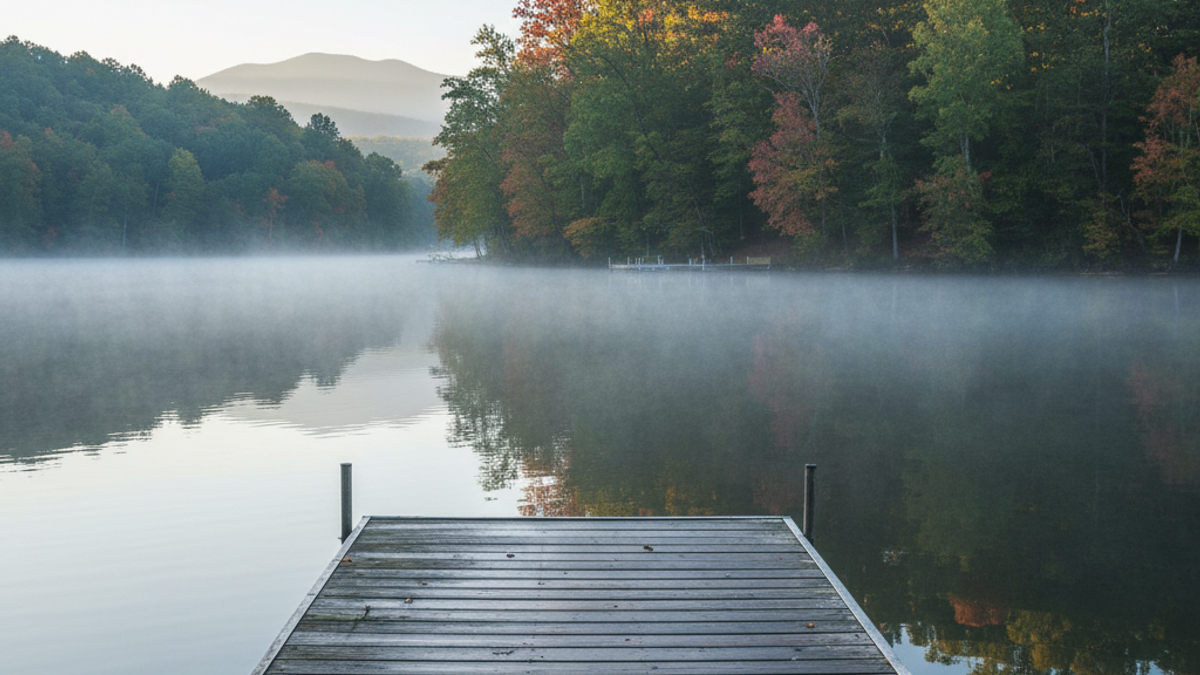
Life on Douglas Lake is less about rushing and more about enjoying the everyday. People spend their mornings on porches watching the fog lift off the water, or meet friends at the marina before heading out for an afternoon of fishing or cruising. The slower pace gives you space to enjoy the outdoors, while bigger towns like Knoxville, Sevierville, and Pigeon Forge are close enough when you want shopping, dining, or a night out.
There’s also a strong sense of connection in the communities here. Neighbors often see each other at the local farmers market in Dandridge, on the fairways at the Dandridge Golf and Country Club, or around the slips at a nearby marina. Seasons shape the rhythm of life. summer days on the boat, crisp fall evenings with mountain views, and winter gatherings in town.
Whether you want the energy of nearby cities or the calm of a lakeside cove, living on Douglas Lake offers both in reach.
Why Is Douglas Lake a Desirable Place to Live?
Douglas Lake is a Tennessee Valley Authority reservoir created by Douglas Dam; TVA reports roughly 28,420–30,600 acres of water and about 513–555 miles of shoreline, depending on seasonal water levels. That scale makes the lake attractive for boaters, anglers, and people who want easy marina access or a private dock for year-round boating and bass and crappie fishing. The reservoir’s summer elevation near 1,000 feet and winter drawdowns of roughly 60 feet are managed by TVA and affect water depth and shoreline access seasonally.
Location matters. Dandridge serves as the county seat of Jefferson County and sits a short drive from Knoxville to the west and Pigeon Forge, Sevierville, and Gatlinburg to the east, so lakeside living here blends scenic, foothill quiet with suburban convenience and regional medical facilities.
For buyers who prioritize amenities, the area has marinas with full-service slips, boat ramps, nearby golf course options such as the Dandridge Golf and Country Club, and a compact historic downtown that supports fresh produce markets, basic retail, and local services.
What Are the Top 5 Most Popular Neighborhoods in Douglas Lake?
The five neighborhoods below turn up most often when people browse homes for sale on Douglas Lake. Each pocket has its own mix of shoreline scenery, housing styles, and day-to-day rhythm, giving buyers choices that range from quiet coves to lively lakefront communities close to town.
Chestnut Hill
Chestnut Hill runs along a stretch of quiet coves just south of Dandridge. Mid-century cabins still pop up beside newer lake homes that feature glass walls, broad decks, and stone fireplaces. Most addresses include either a private dock or a shared ramp, so launching the boat before sunrise is easy.
Day-to-day life stays relaxed: neighbors swap waves on the two-lane roads, keep an eye on one another’s docks when storms roll through, and still reach groceries in Dandridge or Interstate 40 in about fifteen minutes.
Prices cover plenty of ground. July 2025 sales show smaller waterfront cottages starting a touch over $300,000, while larger homes on deep-water lots with long Smoky Mountain views land well above $1 million.
Douglas Lake Estates
Douglas Lake Estates is a broad label you’ll see across local MLS feeds for subdivisions and planned sections that prioritize waterfront or close-in lake access. Character here varies from low-maintenance condos and townhome-style units with private slips to custom single-family estates on larger lots.
Price ranges are wide; MLS snapshots in mid-2025 put many estate and waterfront listings in the $500K–$1.5M band, with beachfront and deep-water parcels commanding top dollar based on water depth and dockability.
Amenity expectations include private slips, nearby marinas, and straightforward roadway access to Dandridge and the Tennessee Valley corridors.
Harbor Crest Condominiums
Harbor Crest offers a condo option for buyers who prefer low-maintenance, lock-and-leave lakefront living with shared boat slips and managed common areas. Units here commonly include boat storage or the ability to secure a private slip and deliver true lakefront panoramas and Smoky Mountain views
Recent listings for Harbor Crest units in 2025 have appeared in the upper mid-range for Douglas Lake condos, often reflecting included dock rights and proximity to full-service marinas.
For someone wanting lake access without lawn care, this cluster is popular with part-time residents, retirees, and buyers who value condo amenities and a sense of camaraderie among neighbors.
Riverbend / Lake Ridge / Bridgeview Hills
This grouping covers several adjacent pockets of higher-end lakefront development spanning Riverbend Drive, Lake Ridge, and the Bridgeview Hills area. Expect large, custom homes, deeper water off private docks, and long, panoramic water views across main channels.
These neighborhoods skew toward estate lots and homes with acreage, extensive porches, and multi-slip boathouses; many were built or updated to capture broad Smoky Mountain vistas and year-round water.
Market evidence in mid-2025 shows luxury lakefront sales and active listings here reaching into the multiple millions for showpiece estates and large acreage parcels with private slips. These areas are less about tight subdivisions and more about individual properties with room to breathe.
Sanctuary Shores (Sevierville side)
Sanctuary Shores sits closer to the Sevier County side of Douglas Lake and tends to mix vacation rental-friendly homes with owner-occupied lakefront properties. It is a good example of how the lake’s real estate character shifts by side of the lake. On the Sevier side, you will find more short-term rental activity tied to Pigeon Forge and Gatlinburg tourism, alongside year-round residents who commute toward Knoxville or Sevierville.
Recent listings in Sanctuary Shores and nearby Sevierville waterfront communities show active market interest from both buyers seeking lake access for boating and investors looking for managed rental performance.
How to Choose the Right Neighborhood For You?
Think first about how the lake fits into daily life.
Long boating seasons call for deep water and an easy-to-reach slip, so spots with private docks or a nearby full-service marina make sense. Those who want less upkeep often lean toward condo clusters such as Harbor Crest, where shared docks and common areas handle the heavy lifting. For wide open space and quiet nights, larger lots in Riverbend or Lake Ridge keep neighbors at arm’s length and leave room for a multistall boathouse.
Convenience is the next filter. Dandridge’s downtown covers groceries, farmers markets, and quick errands, while Jefferson County’s schools sit a short drive north of the shoreline. Anyone commuting to Knoxville or counting on year-round medical care usually favors neighborhoods closer to Interstate 40.
Balance those drives against the lake vibe you want, and the right pocket of Douglas Lake tends to reveal itself.
FAQs About Douglas Lake Neighborhoods
How close is Douglas Lake to Knoxville, Pigeon Forge, and Gatlinburg?
Douglas Lake is roughly a 25–40 minute drive to Knoxville from central Dandridge under normal traffic conditions and about 25–40 minutes to Pigeon Forge and Sevierville, depending on which side of the lake you are on. Travel times vary by exact neighborhood and route choice.
Are there marinas and boat ramps for storing your boat?
Yes. Multiple marinas and public boat ramps serve Douglas Lake, including Harbor Crest, Indian Creek boat docks, The Point Marina, Mountain Cove Marina, and several privately operated marinas that offer year-round slips, winter storage, and fuel and service. Availability and services vary by facility.
Is lake living on Douglas Lake seasonal or year-round?
Many neighborhoods have year-round residents, and water level management by TVA provides reliable summer water depth for boating; however, TVA’s normal winter drawdowns reduce surface elevation by about 60 feet from summer to winter, which can affect dock placement and shallow cove access seasonally. Buyers should confirm dock rights and water depth for a specific parcel.
What kinds of properties are available for homes for sale on Douglas Lake?
The market includes lakefront estates with acreage, modest cottages in quiet coves, low-maintenance condos with private slips, and lake access lots. Pricing varies with frontage, water depth, marina access, and proximity to Dandridge or Sevierville; mid-2025 lists show typical waterfront and estate ranges from the low $300Ks into multiple millions for flagship estates.
How are the local schools and community amenities?
Jefferson County Schools operates the public schools serving much of the Douglas Lake area, including Jefferson County High School in Dandridge. Local amenities center around Dandridge’s historic downtown and the growing marina corridor, with nearby golf course options, basic retail, and seasonal farmers’ markets for fresh produce.
Cost of Living In Douglas Lake, TN
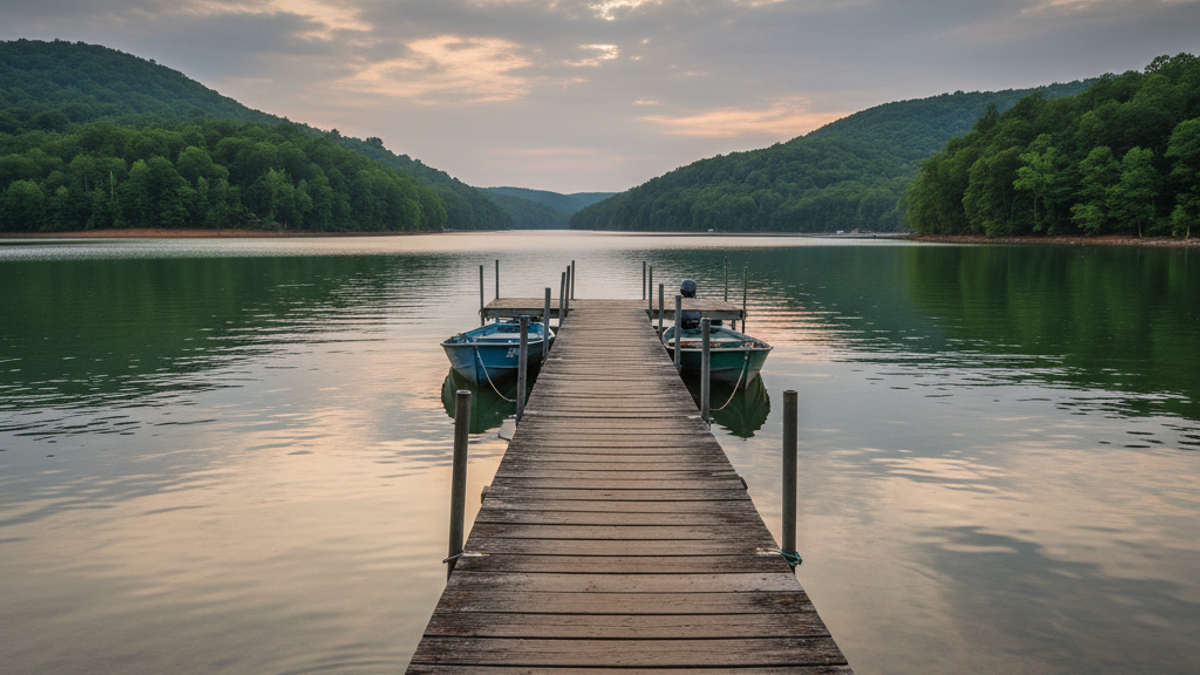
Douglas Lake winds through the foothills of the Great Smoky Mountains, where the French Broad River slows and widens, trading fast water for calm coves and long views. Weekends here revolve around boating, fishing, and porch sunsets, yet errands in Dandridge, Sevierville, or even Knoxville stay within an easy drive.
Buyers hunting for homes for sale on Douglas Lake enjoy that mix of laid-back lake life and nearby town conveniences. The guide below walks through the real-world costs, from housing and utilities to groceries and commuting, to show how living on the lake stacks up against other spots in East Tennessee.
Is It Expensive To Buy A Home In Douglas Lake?
As of August 2025, the median sale price across ZIP 37725, which captures most of Douglas Lake’s shoreline communities, sat at $464,000. That figure reflects a 24.9% rise year over year and shows how strong lake-related demand remains.
Active listing data points higher. Zillow’s market snapshot showed a $570,000 median list price in late summer 2025, and many lakefront addresses with dock permits or unobstructed water views start in the upper $800,000s and climb past $1 million. Inventory was roughly 165 active listings at the end of August 2025, offering a reasonable mix of on-lake and inland options.
Days on market vary. County-wide homes took about 70 days to close in August 2025, but well-priced waterfront houses often move faster, especially if they include modern docks or deep-water frontage.
What is the Average Rent in Douglas Lake?
Rent in towns that serve the lake, like Dandridge, tends to run below big urban centers but above many rural parts of East Tennessee.
Market trackers in mid-2025 put average asking rent in the Dandridge area around the low-to-mid $1,900s per month; smaller units and off-lake rentals fall below that, while short-term and seasonal lake cottages can be much higher during peak seasons.
If you plan to rent, expect seasonal swings. Vacation rental demand around Douglas Lake, Pigeon Forge, and the Smoky Mountain corridor makes nightly and weekly rates jump in spring and summer. Long-term rentals are steadier, but inventory is limited in the most desirable lake neighborhoods.
What Are The Taxes in Douglas Lake?
Tennessee does not levy a tax on wage income, so residents keep every dollar of salary that would otherwise go to state income tax. The state sales tax is 7% on most goods and services, and Jefferson, Sevier, Hamblen, and Cocke counties add a local sales tax of 2.75%, bringing the combined rate on most purchases to 9.75%.
Groceries are taxed at a reduced 4% state rate plus the same local add-on, so grocery receipts usually show 6.75 percent sales tax.
County clerks collect modest fees on vehicle registration (about $29–$66 per year, depending on plate type), and the state imposes a single-article tax of 2.75% on the portion of any single retail item priced from $1,600 to $3,200. Tennessee also has no estate or inheritance tax, which can matter for long-term planning.
How High Are Property Taxes in Douglas Lake?
Property tax bills depend on which county and city a parcel sits in. Rates are stated per $100 of assessed value, and residential property in Tennessee is assessed at 25% of market value. Current countywide rates for the jurisdictions that touch Douglas Lake are:
- Jefferson County – $1.43
- Sevier County – $1.48
- Hamblen County – $1.97
- Cocke County – $2.56
(City taxes, where applicable, add a smaller additional rate; for example, Dandridge’s 2024 city rate is $0.5813.)
To see how that translates to dollars, a lakefront home in Jefferson County appraised at $500,000 would have an assessed value of $125,000. Multiplying 1,250 (hundreds of dollars) by the $1.43 county rate produces an annual county tax of about $1,788. Adding a Dandridge city levy would raise the total to roughly $2,516. Similar math applies in the other counties using their respective rates.
What Are the Average Monthly Utility Bills in Douglas Lake?
Utility bills in the Douglas Lake region reflect Tennessee averages for electricity and typical small-town service prices for water and sewer.
For Tennessee overall, typical residential electric bills are commonly reported in the low-to-mid hundreds per month as of 2025; individual bills depend on home size, whether you heat with electricity, and seasonal usage.
Natural gas availability is uneven around the lake; some neighborhoods use propane or electric heat, which changes winter bills. Water and sewer costs are usually modest in small towns, but septic systems on rural lots add maintenance and periodic pumping costs that you should budget for.
How Much Should I Budget for Groceries in Douglas Lake?
Food prices here track national patterns. The Bureau of Labor Statistics noted grocery costs up roughly 2.4% year over year in July 2025, and the USDA’s Moderate-Cost Plan puts a two-adult household at about $725 a month and a family of four near $1,060. Local shoppers hitting Food City, Walmart, or Sam’s Club usually spend $140–$180 a week for two adults, depending on meat and brand choices.
Summer farm stands along Highway 92 trim produce bills, and many residents run to Knoxville or Morristown for bulk staples. Add 6.75% sales tax on most groceries (4% state plus 2.75% local), which tacks on roughly $6.75 for every $100 spent.
How Much Does Transportation Cost in Douglas Lake?
Driving is the main transportation mode for most Douglas Lake residents. Knoxville is roughly a 30 to 40 minute drive from central Dandridge under normal traffic, and Sevierville or Pigeon Forge are often within 25 to 40 minutes, depending on which side of the lake you are on. If you commute to Knoxville daily, fuel and vehicle wear are your biggest recurring costs; budget more if you tow a boat or trailer regularly.
Public transit options are limited around the lake. That means owning a reliable car is a practical necessity for most residents, and you should factor in insurance, maintenance, and occasional longer trips to regional centers into your monthly transportation budget.
What is the Recommended Income to Live In Douglas Lake?
Using the 30 percent housing-cost rule, a $464,000 median-price home with 20 percent down and a 6.5 percent loan runs about $2,645 a month once taxes and insurance are added, so a household income near $105,000 keeps the payment manageable.
Lakefront homes that start around $800,000 raise the monthly bill to roughly $4,500, suggesting a target income of about $180,000. Renters paying the area’s $1,900 average rent would aim for at least $76,000 a year.
How Does the Cost of Living in Douglas Lake Compare to the National Average?
Overall, living near Douglas Lake typically costs less than living in major metro centers but more than remote rural corners of Tennessee.
Housing and seasonal tourism around Pigeon Forge and the Smoky Mountain corridor push some service costs up during busy months. The lake’s appeal, with its boat launches, miles of shoreline, scenic lake views, and proximity to the Smokies and attractions like Dollywood, adds lifestyle value that often translates into a higher price for lakefront properties and short-term rentals.
FAQs About the Cost of Living on Douglas Lake, TN
Are HOA fees common around Douglas Lake?
Some planned lakefront subdivisions charge homeowners’ association dues to maintain private roads, shared docks, or gated entries. Fees vary widely, but many fall between $250 and $800 per year; always confirm rules on short-term rentals, dock design, and shoreline use before you buy.
Do homes near Douglas Lake require flood insurance?
Most waterfront parcels lie outside the FEMA high-risk flood zones because Douglas is a managed reservoir, yet select low-elevation lots and coves fall within moderated flood areas. Lenders decide on a case-by-case basis, so verify the FEMA panel and, if needed, budget $600–$1,000 annually for a standard NFIP policy.
How much does it cost to keep a boat legal on Douglas Lake?
Tennessee boat registration runs $13 to $45 every year, depending on vessel length, and a one-time $5 fee covers the required state-issued hull decals. No separate lake permit is needed, but all motorized craft must carry the current TWRA registration card onboard.
Which grocery stores are closest to the lake?
Everyday shopping is easiest in Dandridge and Sevierville, where Kroger, Food City, and Walmart Supercenter anchor the retail strips. Smaller lake communities rely on Dollar General or local markets for quick staples, so plan a weekly run to town for full-line grocery choices.
What broadband options can remote workers expect?
Spectrum’s cable network serves much of Dandridge and some shoreline roads, while AT&T offers DSL in scattered pockets. Newer lakefront builds often use fiber from rural co-ops or fixed wireless from Starlink or local WISPs, so speeds range from 25 Mbps to 1 Gbps depending on the address.
Does living outside town limits affect utility hookups?
Unincorporated parcels usually tie into the Jefferson-Cocke Utility District for water and rely on septic systems instead of municipal sewer. Connection fees and inspection costs add roughly $1,200–$2,000 up front when building, so include those line items in a new-construction budget.
Is Douglas Lake, TN, Safe?
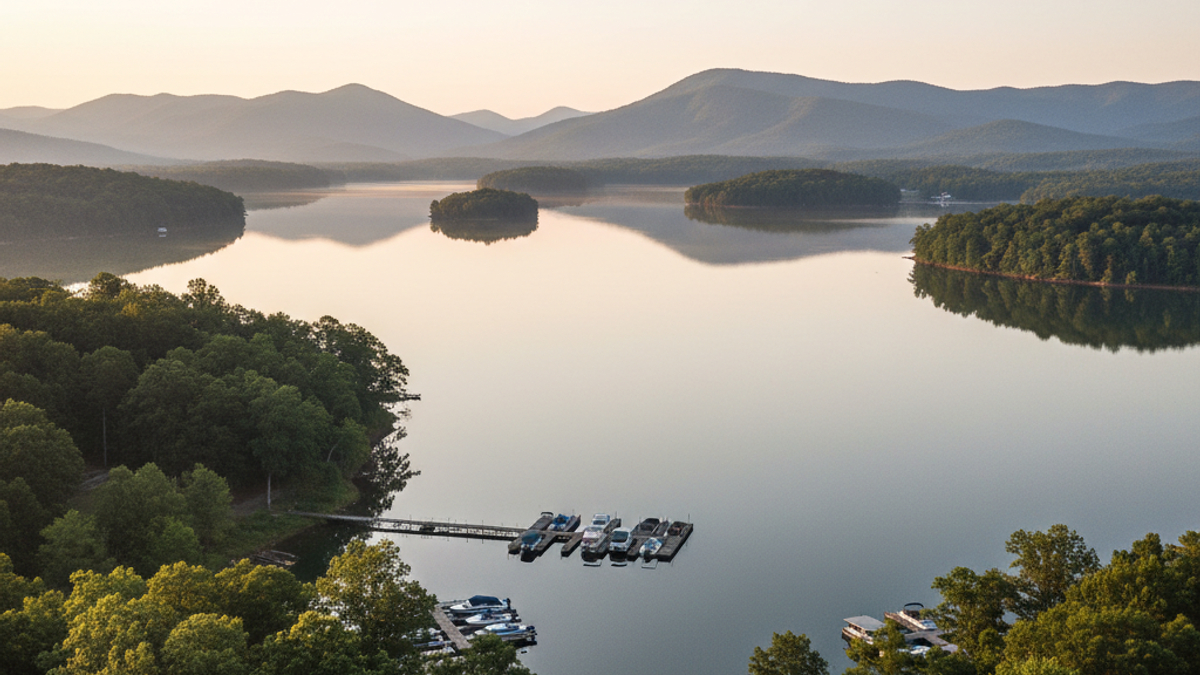
Douglas Lake sits where the French Broad River slows and fans out through the foothills of the Great Smoky Mountains. The reservoir and its marinas draw boaters, anglers, and second-home buyers who are looking for Tennessee water access close to towns such as Dandridge and Sevierville.
Like many reservoir communities, safety around Douglas Lake is a mix of conventional crime patterns tied to the neighboring towns and seasonal, water-related risks that are managed by the Tennessee Valley Authority and state agencies.
What Are The Official Crime Rates in Douglas Lake?
Because Douglas Lake is a reservoir rather than an incorporated place, the most reliable figures come from county-level reporting.
Countywide data compiled by CrimeGrade for 2025 shows Jefferson County, the jurisdiction that surrounds most of the shoreline, records an estimated 31.2 total offenses per 1,000 residents in a typical year.
Within that, violent crime averages 4.0 incidents per 1,000 residents (about 225 reports) and property crime averages 13.4 incidents per 1,000 residents (roughly 750 reports), while other non-violent categories add another 13.8 incidents per 1,000.
These numbers translate to a countywide “C+” safety grade, roughly on par with the national midpoint and slightly better than Tennessee’s statewide property-crime average.
Seasonal tourism can push short-term spikes near Sevierville and the busiest marinas, but year-round residents in the quieter coves generally see lower incident counts.
How Does Crime On Douglas Lake Compare To Nearby Areas?
When you line up Douglas Lake’s shoreline communities with nearby towns, a clear pattern emerges.
Dandridge, the Jefferson County seat, reports lower violent-crime and property-crime rates, reflecting its smaller population and limited commercial corridors.
Sevierville, by contrast, records higher property-crime totals tied to heavy visitor traffic and large retail districts, although its violent-crime rate sits near statewide norms.
Jefferson City falls somewhere in between, with per-capita numbers closer to Dandridge than to Sevierville yet slightly higher than the lake’s quiet coves.
Overall, residents around Douglas Lake experience crime conditions that align more with the smaller county seats than with the tourism hub, and the biggest variable is proximity to high-traffic commercial zones rather than the water itself.
How to Research Crime Data for Douglas Lake?
Start with the primary reporting agencies: the municipal police department or county sheriff for the neighborhood you are interested in.
For example, check the Dandridge Police Department, Sevierville Police Department, or Jefferson County Sheriff’s Office annual reports and press releases to find calendar-year totals and trend commentary. The Tennessee Bureau of Investigation’s Crime Insight portal provides standardized state submissions and lets you pull jurisdictional comparisons.
Third-party aggregators can give neighborhood-level maps, but always cross-check those with the original agency data and recent annual reports for the most accurate, date-stamped numbers.
Who Provides Law Enforcement and Emergency Services in Douglas Lake?
Public safety on and near Douglas Lake is provided by a combination of municipal police departments (Dandridge PD, Sevierville PD), county sheriff’s offices (Jefferson County, Sevier County), and state agencies when incidents cross jurisdictions.
Emergency medical services and county rescue squads handle shoreline and boating incidents; TVA and the U.S. Coast Guard are not the primary law-enforcement bodies but coordinate on water rescues and response planning when needed.
For swimmers, boaters, and property owners, local dispatch is the point of contact for 911 calls, and each county posts contact details and annual reports describing staffing and special units.
Is There A Community Watch in Douglas Lake?
Yes, community watch and volunteer safety efforts are active around much of the lake shoreline, which gives those looking at Douglas Lake real estate great peace of mind.
Several neighborhoods and marina communities maintain informal watch programs and coordinate directly with local police or the sheriff’s office for reporting and prevention tips. In addition, county sheriff’s offices and municipal police departments run outreach programs, safety-awareness campaigns, and seasonal patrol increases during peak recreation months.
If you live on or near the lake, your town website or county sheriff page will list neighborhood-watch signups and community-safety events.
FAQs About Douglas Lake Safety
What should I know about water-related risks at Douglas Lake?
Douglas Lake is a TVA reservoir with planned seasonal changes to water levels; TVA publishes observed and predicted levels and daily release schedules. Summer recreation pool targets and drawdowns are part of reservoir management, so boaters should confirm current water levels before heading out.
Is the lake’s water safe after storms like Hurricane Helene?
After Hurricane Helene (October 2024) the Tennessee Department of Environment and Conservation conducted sampling and by January 2025 reported water-quality results indicating conditions had returned toward pre-event levels in sampled tributaries. State and federal agencies posted advisories while sampling and debris removal were ongoing.
Are floating logs and debris a common hazard?
Yes. Heavy rainfall and upstream runoff can push woody debris into coves and downstream to the dam. TVA and local marinas coordinate debris removal operations, and temporary navigational hazards are most common after major storms.
Do TVA releases create dangerous currents?
Planned generation releases can alter surface currents near the dam and in downstream channels. TVA posts release schedules and recreational advisories; avoid the immediate downstream zone of the Douglas Dam during active releases.
How do seasonal visitors affect safety?
Tourism increases foot and vehicle traffic in Sevierville and parts of the lake corridor. That typically raises property-crime reports in commercial and parking areas but does not necessarily raise violent-crime totals in residential neighborhoods.
Who enforces boating rules on Douglas Lake?
Boating enforcement is primarily handled by county and municipal marine patrols and by local sheriff’s deputies. They enforce Tennessee boating regulations, life-jacket requirements, and wake/anchoring rules.


