

 Facebook
 X
X
 Pinterest
 Copy Link
Best Things To Do In Gatlinburg, TN
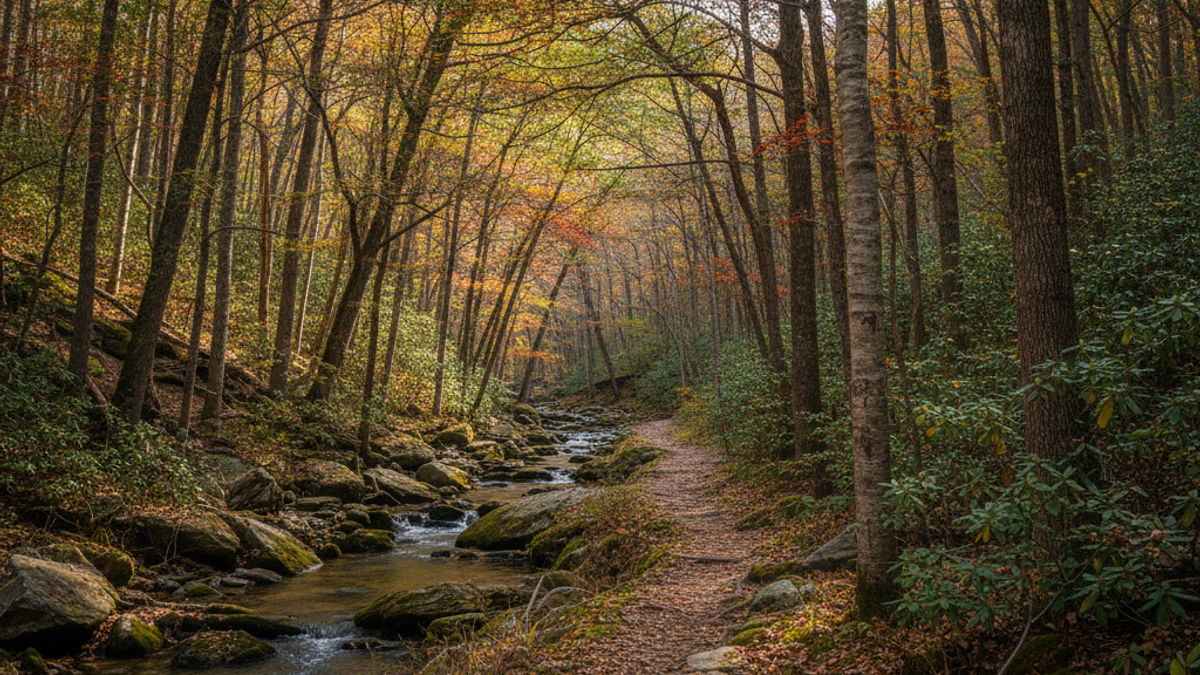
Most mornings in Gatlinburg start with pancakes sizzling on the Parkway and a blue haze lifting off the Smokies.
Listen for the clack of the SkyLift overhead, pass candy makers pulling taffy in shop windows, and spot day hikers tightening boot laces along the curb. The town is small enough to cross on foot yet packed with detours such as moonshine tastings, trout dinners, shortcut trails, and even a black-bear mural ready for the photo roll.
A visitor’s perfect day begins with breakfast downtown, continues with a walk across the SkyBridge before lunch, and wraps up chasing waterfalls along Roaring Fork at sunset. Everything else stumbled upon just makes the story better.
Where Are The Best Places to Eat in Gatlinburg?
The Parkway through downtown Gatlinburg is the culinary spine of town.
Breakfast is almost a sport here. Pancake Pantry stacks sweet-potato flapjacks and other scratch batters before crowds form, while Crockett’s Breakfast Camp serves skillet-size cinnamon rolls and cornmeal griddle cakes in a cozy log-cab setting.
For lunch or dinner, riverside The Peddler Steakhouse hand-cuts rib-eyes in the historic Ogle cabin, and lodge-style Cherokee Grill plates hickory-grilled trout alongside an impressive bourbon list. If mountain views matter as much as the menu, ride the chairlift to Anakeesta’s Cliff Top Restaurant for burgers and local drafts served against sunset ridgelines.
Overall, plan your meals around where you will be exploring that day. Downtown for variety, the Parkway for convenience, and the mountaintops for scenery and slower pacing.
Which Areas Have The Best Nightlife in Gatlinburg?
Nightlife in Gatlinburg is compact and approachable rather than sprawling. The Parkway remains the busiest stretch after dark, with live-music venues, bars inside the larger resorts, and family-oriented evening attractions.
If live music is your aim, look for bars and restaurants that advertise nightly local acts; many venues feature acoustic sets, bluegrass, and country music that feel appropriate to the region.
For a more laid-back evening, the SkyLift Park and SkyBridge host nighttime viewings and seasonal light events that operate after dinner hours; those mountaintop options are quieter alternatives to bar scenes but still feel “evening out.”
Distilleries like Ole Smoky and Sugarlands offer late hours and occasional live entertainment that can substitute for a conventional nightclub.
Remember that Gatlinburg’s nightlife is largely walkable when based on the central Parkway, so you can combine dinner, a local show, and a late stroll with little driving.
What Nearby Attractions Does Gatlinburg Have?
Gatlinburg is the gateway to a broad corridor of attractions.
The Great Smoky Mountains National Park is the single largest draw, offering scenic drives, established trailheads, and several visitor centers reachable within a short drive of town.
Roaring Fork Motor Nature Trail and other one-way scenic loops let you see waterfalls, historic cabins, and classic Appalachian mountain streams without lengthy hikes.
Neighboring Pigeon Forge is a short drive away and offers multiple entertainment options such as family-themed amusement areas, dinner theaters, and larger-scale attractions. Pigeon Forge’s attractions mix well with a Gatlinburg visit when you want indoor entertainment or high-energy options like alpine coasters and arcades.
Many visitors split time between downtown Gatlinburg and nearby towns to combine scenic hiking with theme-park style experiences. It’s easy to see why so many people start browsing Gatlinburg homes for sale after experiencing both the town and the mountains.
Are There Famous Landmarks In Gatlinburg?
Gatlinburg’s most distinctive landmark is the Gatlinburg SkyBridge at SkyLift Park, a long pedestrian suspension bridge perched over the valley with a glass-panel viewing section. The SkyBridge and the chairlift that carries visitors to the SkyDeck are visually iconic and make for memorable photos and panoramic views.
Downtown’s Arts and Crafts Community is a landmark zone for locally made crafts, galleries, and historic craftsman studios where you can see demonstrations and purchase handmade goods.
Other recognizable places include Ripley’s Aquarium of the Smokies in the downtown footprint and the cluster of distilleries and local specialty shops along the Parkway.
While Gatlinburg is not defined by a single monumental building, the combination of SkyBridge, the Parkway, and the National Park entrances forms a set of landmarks visitors use when planning their days.
Does Gatlinburg Have Outdoor Activities?
Gatlinburg is a living trailhead to the Great Smoky Mountains and offers outdoor activities for a wide skill range. For visitors and those living in Gatlinburg alike, the town doubles as a basecamp for hiking, rafting, and seasonal skiing.
Hikers will find short, family-accessible trails such as the Gatlinburg Trail as well as longer treks to places like Rainbow Falls and Mount LeConte. Roaring Fork Motor Nature Trail gives a scenic driving option with multiple pull-offs that connect to waterfall hikes like Grotto Falls and Rainbow Falls.
Adventure activities include mountain coasters, treetop canopy adventures, and zipline operators that run guided canopy tours in nearby foothills. Anakeesta’s mountaintop park blends easy walking paths with zipline and coaster options for families.
For water-based outings, nearby whitewater rafting operators run class II–III sections on local rivers, and seasonal raft trips are an option for day-trippers seeking a cooler outdoor activity.
Seasonal changes matter: leaf season in fall and spring wildflowers each bring heavy visitor interest, while winter opens skiing at Ober Mountain in colder months.
Are There Local Events in Gatlinburg?
Gatlinburg runs a year-round event calendar with events that emphasize seasonal character.
Winter Magic, Gatlinburg’s holiday lights and parade series, runs in late fall and winter and fills the downtown corridors with lights and seasonal programming. Spring and summer bring music events such as Smoky Mountain Tunes and Tales, and the area hosts arts and crafts shows tied to the Great Smoky Arts and Crafts Community throughout the year.
Food-focused events like GatlinBURGER Week and wine or chili festivals appear at regular intervals and are often promoted on the city’s events calendar.
When planning around a festival, check official event pages for the specific year so you know whether vendor markets, parades, or ticketed concerts are part of the schedule.
Can I Find Free Things To Do in Gatlinburg?
The Great Smoky Mountains National Park itself offers many no-fee opportunities: scenic drives, picnic areas, pull-offs, and shorter trails like the Gatlinburg Trail are free to use.
The Sugarlands Visitor Center near Gatlinburg provides exhibits and short interpretive walks that do not require admission.
Downtown walking is free and enjoyable; strolling the Parkway, exploring the little shops, and watching street performers or local musicians requires no ticket.
The City of Gatlinburg often posts free event listings, and the Arts and Crafts Community invites window-shopping and artist demonstrations that are open to the public.
FAQs About Things to Do in Gatlinburg, TN
What are the top, not-to-miss attractions in Gatlinburg for first-time visitors?
A first-time visitor should plan to ride the Gatlinburg SkyLift and cross the SkyBridge for an immediate sense of the mountain views, visit Ripley’s Aquarium of the Smokies for a short indoor activity, and spend time in the Great Smoky Mountains National Park for a short hike or scenic drive.
Anakeesta offers a condensed mountain-adventure experience that combines elevated dining, views, and family-friendly rides if you want one place that covers multiple activity types.
Is the Great Smoky Mountains National Park busy year-round?
Yes. The Great Smoky Mountains National Park recorded roughly 12.2 million recreational visits in 2024, making it the most visited national park in the United States in that year.
For the park’s busiest windows, expect heavy traffic on fall leaf weekends, summer holidays, and spring break periods; plan hikes and drives early in the day to avoid peak congestion.
Are mountain coasters and alpine rides safe for kids?
Most mountain coasters and alpine rides have operator-set height and weight limits and require adult accompaniment for younger riders; each coaster posts safety rules and rider requirements online. If you have a child under height minimums, look for tandem-ride options or family-friendly coasters.
When is the best time of year to visit Gatlinburg for hiking and scenic views?
Late spring and early fall are the most comfortable for hiking and scenery. Spring brings wildflowers and cooler temperatures, while fall offers the peak leaf season and dramatic color; both seasons can be busy on weekends.
Summer is warm and popular with groups; winter gives you a quieter town and access to Ober’s ski area when conditions permit.
Can I combine Gatlinburg with a Pigeon Forge day trip?
Yes. Pigeon Forge is a short drive and packages well with Gatlinburg when you want theme-park style rides, dinner shows, or larger family entertainment options that Gatlinburg’s smaller footprint does not provide.
Because both towns are gateway points to the national park, it is common to base in one location and take day trips to the other.
Are pet-friendly activities common in Gatlinburg?
Several outdoor trails and public spaces near Gatlinburg are pet-friendly; many restaurants also offer outdoor seating that accepts dogs.
If you plan to bring a pet, verify leash rules in the national park, check individual attraction pet policies, and consider pet-friendly lodging options that explicitly allow animals.
Best Neighborhoods in Gatlinburg, TN
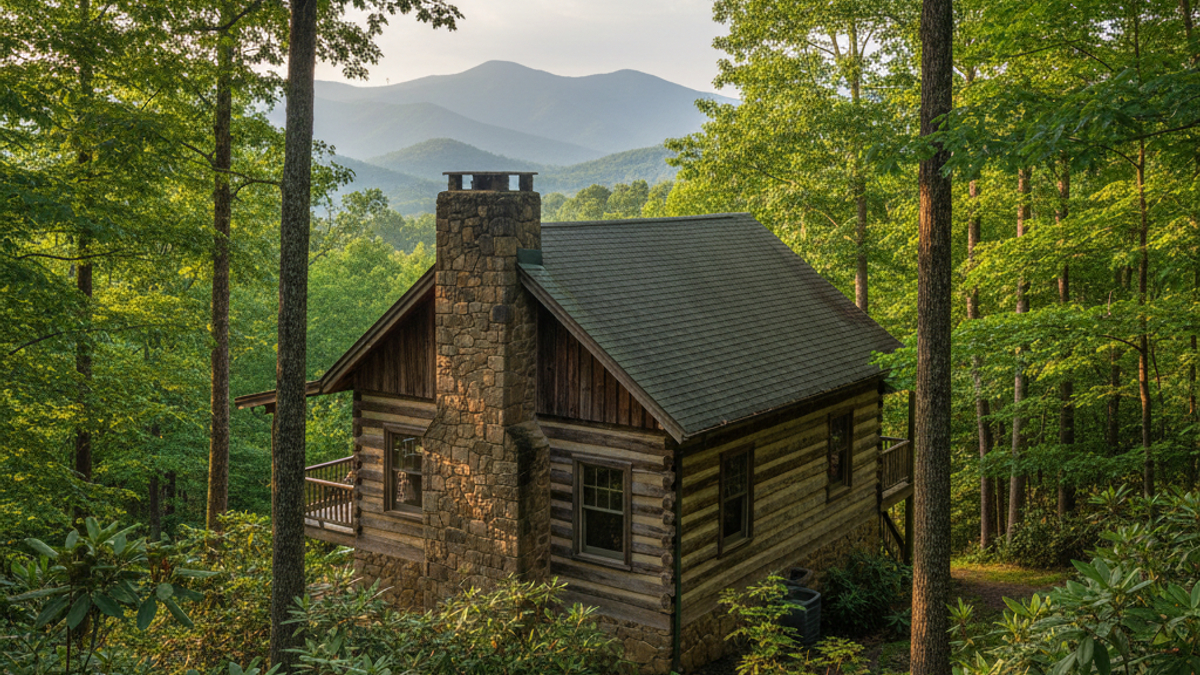
Gatlinburg sits at the doorstep of the Smokies, blending lively tourist energy with quiet mountain living. Tree-framed cabins, riverfront condos, and cozy crafts cottages share the same ridgelines, giving anyone searching for homes for sale in Gatlinburg plenty of character to choose from.
From weekend adventurers to families putting down roots, each neighborhood offers a different way to wake up to those blue-gray peaks.
Why Is Gatlinburg a Desirable Place to Live?
Stand on a front porch in Gatlinburg, and the ridgelines of the Great Smoky Mountains frame nearly every view.
Trailheads into the national park begin just minutes from town, and morning hikers often spot the mist rolling through Sugarlands Valley before the day’s first tour buses arrive. Creekside picnic areas, trout streams, and scenic drives like the Roaring Fork Motor Nature Trail give residents year-round access to easy outdoor escapes without a long commute.
Downtown adds its own flavor. The Parkway’s candy shops and pancake houses fill the air with sweet smells, while the Gatlinburg trolley rattles past spots such as the Space Needle, Ripley’s Aquarium of the Smokies, and the chairlift up to Anakeesta. There are plenty of things to do in Gatlinburg with Seasonal events such as winter lights, spring wildflower festivals, and summer craft fairs.
Housing here leans toward log cabins, chalets, and condo buildings perched on wooded hillsides. Many serve double duty as both homes and short-term rentals, giving owners flexibility. As of August 2025, the average home value is about $409,000, reflecting steady demand from buyers who want proximity to national park adventures and a built-in visitor economy.
What Are the Top 5 Most Popular Neighborhoods in Gatlinburg?
Below are five well-known areas people ask about, with the character, housing styles, and price notes that matter when you shop or rent.
Downtown Gatlinburg / The Parkway
Sidewalks buzz with taffy shops, moonshine tastings, and trolley bells, so living downtown feels like a front-row seat to Gatlinburg’s daily show. Mornings start quietly enough, then crowds build until neon lights twinkle against the mountains after dusk. Condo balconies pick up the hum of arcades and live music drifting out of the Ole Smoky courtyard.
Homes here lean toward compact condos tucked behind the Parkway or steep-drive cabins just above it. One-bedroom units often list in the mid-$300,000s, while larger two-bed condos and small cabins climb into the $600,000–$800,000 range. The broader downtown ZIP posted a $650,000 median listing price in August 2025, though individual condo sales dip lower when square footage or parking is limited.
Living amid the attractions means nightly rental demand stays brisk, residents trade extra traffic for true walkability and constant energy.
Chalet Village
Follow Ski Mountain Road uphill, and suddenly thick hardwoods muffle Parkway noise; bear-proof trash cans hint at regular four-legged visitors. Chalet Village spreads across three owners’ clubs, each with pools, tennis, and clubhouses, so social life often centers around summer BBQs or a quick dip after a hike.
Cabins range from 1970s A-frames with stone fireplaces to brand-new luxury builds sleeping 20. Median sale price hit $765,000 in August 2025, though renovated five-bed “mini-lodges” can push beyond $1,300,000.
Short-term rental permits are common, yet plenty of owners keep a home strictly for family ski trips to Ober Mountain, five minutes away.
Roaring Fork / Motor Nature Trail Area
Turn onto Historic Nature Trail, and the forest closes in quickly. Creeks gurgle beside narrow lanes, and trailhead traffic replaces souvenir traffic. Residents swap neon for rhododendron and red oaks, with the one-way Roaring Fork Motor Nature Trail looping into the national park just beyond their mailboxes.
Buyers value the five-minute drive to downtown without sacrificing privacy, plus immediate access to trailheads that tourists line up for at dawn.
Housing is a patchwork: 1940s log homes, 1990s chalets, and a sprinkling of modern cabins on larger parcels. Average sales along Roaring Fork Road ran about $426,000 in July 2025, though creek-front or fully renovated cabins can double that.
Great Smoky Arts and Crafts Community
Eight scenic miles of Glades and Buckhorn roads form a loop dotted with pottery kilns, leather shops, and glass studios. Weekdays feel unhurried as locals chat with artists over coffee, while October’s craft fair weekends turn the loop into a moving gallery. Front porches often double as gallery space, and neighbors swap tips on kiln repairs as readily as lawn care.
Real estate fits the artisan vibe: quirky cottages, converted barns, and mid-century cabins with detached studios or storefronts. Median list price on Glades Road sat around $661,500 in June 2025, but inventory spans from $280,000 hand-hewn cabins to multi-million-dollar live-work compounds.
Gatlinburg Summit / Ober Mountain Area
Four miles above downtown, Gatlinburg Summit perches at roughly 3,000 feet, where ridge-top breezes cut summer heat and the night sky feels close enough to touch.
Morning coffee often comes with a sea-of-clouds sunrise; winter brings watching skiers trace Ober Mountain’s slopes from the balcony. The complex pools, sauna, and picnic areas make it feel more like a mountain resort than a condo community.
Owners juggle steep, sometimes icy winter roads against unbeatable panorama views and rental appeal. For many, a five-minute drive down Ski View Drive to the Parkway is a small price for sunsets that stop conversations mid-sentence.
Units run from snug studios to three-bed lofts. Median sale price in Summit Phase 1 was $535,500 in September 2025, yet entry-level one-bed condos still list in the low-$200,000s.
How to Choose the Right Neighborhood For You?
Thinking of moving to Gatlinburg? Decide first whether you want a primary residence, a second home, or an income-focused rental.
Downtown and Parkway-adjacent areas excel for short-term rental visibility and walkable convenience.
If you want quiet, wooded lots and a more residential feel, Roaring Fork or the Arts and Crafts Community fit better. Chalet Village and Summit areas strike a middle ground with larger cabins and strong rental histories.
Practical checks matter: look at road grades and winter maintenance for steep lots, confirm towing and ATV or tram access near Ober Mountain, and study short-term rental regulations or HOA rules if you plan to rent.
Also factor in seasonal traffic: summer and fall leaf seasons bring heavy visitor volumes that affect commute times and local services. Use town planning pages and the city site to verify services and ordinances.
FAQs About the Best Neighborhoods in Gatlinburg
How close are Gatlinburg neighborhoods to the Great Smoky Mountains National Park?
Many neighborhoods, especially Roaring Fork and areas along the north side of town, are adjacent to or within a short drive of park access points and trailheads. The park’s Roaring Fork Motor Nature Trail is a direct example of nearby trail access.
Is downtown Gatlinburg noisy year-round?
Downtown is busiest in peak tourist seasons such as summer and leaf season in October; off-season it quiets considerably. If you value night noise levels, consider neighborhoods uphill or a few minutes from the Parkway.
Are cabin rentals a good investment in Gatlinburg?
Cabin and condo rentals can perform well because of steady visitor demand, but results depend on location, condition, rental management, and local regulations. Properties near major attractions like Ripley’s Aquarium and Anakeesta typically capture higher occupancy, though they also face more competition.
When is the best time to visit Gatlinburg?
Summer and fall are the busiest for hiking and foliage viewing; spring brings wildflowers and lighter crowds; winter offers skiing and fewer visitors in some neighborhoods. Each season highlights different local activities and influences traffic and lodging rates.
What nearby towns should I consider?
Pigeon Forge and Sevierville sit very close and often offer more conventional residential neighborhoods, shopping, and schools while keeping Gatlinburg attractions within easy reach. Many buyers compare all three when deciding where to base themselves.
Living In Douglas Lake, TN
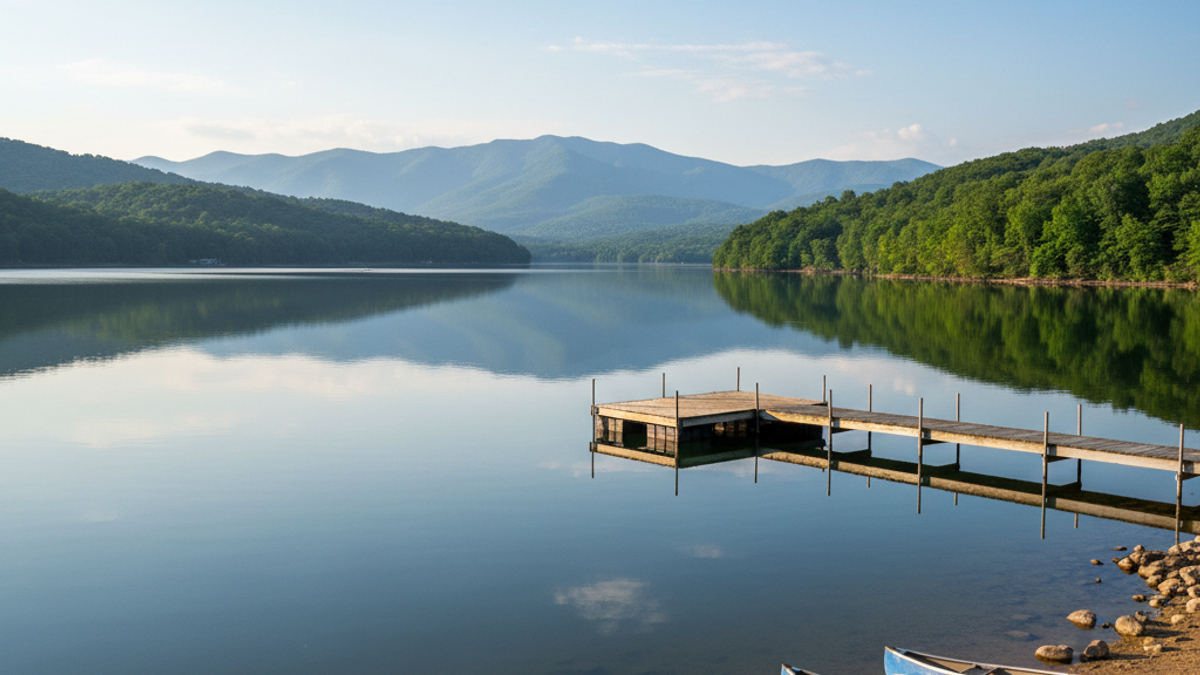
Douglas Lake sits where the foothills of the Smoky Mountain range step down into long, winding shoreline and calm coves.
Living on Douglas Lake means trading part of the city rush for lakeside views, boat mornings, and a noticeably quieter pace while still being within driving distance of larger towns such as Sevierville and Knoxville.
This guide covers housing, costs, schools, safety, local employers, and the recreational rhythms that shape daily life on the Douglas Reservoir and surrounding communities.
What’s The Housing Market Like In Douglas Lake?
Home prices on Douglas Lake generally move in step with nearby Dandridge and the rest of the 37725 ZIP code, which together set the pace for local real estate.
In August 2025, the median sale price in Dandridge was roughly $371,000, a softening from the prior year but still reflective of steady demand for lakefront and lakeside homes. This gives buyers a range of options from modest single-family homes and cabins to fully finished lakefront properties with private docks.
Days on market and inventory levels vary by micro-location; true lakefront parcels and properties with direct dock access generally move faster than inland homes.
What Are The Best Neighborhoods In Douglas Lake?
Neighborhood definitions around Douglas Lake are informal and often referenced by marina, cove, or proximity to Douglas Dam rather than strict HOA names.
Areas near Dandridge, the lakeside stretches that face the Smoky Mountain ridgeline, and communities clustered around popular marinas are among the most sought after for lake views and boating access. If you want quick boat access and serviceable marina facilities, look for homes near established marinas in the Dandridge stretch.
For quieter lakeside living, many buyers prefer coves farther from the main thoroughfares where the shoreline is broken into smaller stretches and properties sit on longer lots.
Expect fewer commercial attractions within walking distance in these quieter pockets; driving a few miles to Dandridge, Sevierville, or Pigeon Forge remains common.
What Are The Most Popular House Types in Douglas Lake?
Lakefront cottages and single-family homes with dock rights are the most common property types marketed as “lake homes.” Older cabins and modest lakeside bungalows coexist with newer construction that prioritizes open living spaces, elevated water views, and garage space for boats and toys.
Because the shoreline is irregular, split-level and raised foundations are common where lots slope to the water. Inland, you’ll find traditional suburban ranches and modern builds on acre-plus parcels.
Many buyers looking at homes for sale on Douglas Lake choose properties that can double as vacation rentals or seasonal camps when they are not using them.
What Is The Cost Of Living In Douglas Lake?
Overall, the cost of living for the Dandridge/Douglas Lake area tends to sit below the national average.
Salary.com’s 2025 estimate places monthly living costs for a single person in Dandridge at around $2,251 and roughly $4,956 for a family of four, which translates to about 9–13% below the U.S. average depending on the metric used. Expect housing to be the single biggest variable; lakefront homes will push budgets higher than the general community median.
Everyday costs such as groceries, utilities, and local services align with smaller Tennessee towns rather than larger cities. Gas and grocery prices may track slightly higher than big-box hubs simply because some services require a drive to nearby Sevierville or Knoxville.
For prospective residents, factoring in fuel and occasional trips to larger regional employers or specialty medical facilities is practical when comparing total monthly budgets to purely urban cost-of-living estimates.
Who Are The Major Employers in Douglas Lake?
Douglas Lake itself is not an employment center the way a city is, but nearby towns supply the majority of regional jobs.
Major employers in the broader Sevier/Jefferson/Knox corridor include school systems (Sevier and Jefferson County Schools), regional healthcare providers, retail and hospitality around Pigeon Forge and Gatlinburg, and manufacturing or distribution employers across the Knoxville metro.
Tourism and recreation are important economic drivers, particularly in Sevier County, where attractions, restaurants, and lodging support large seasonal workforces.
For people who prefer shorter commutes to employment, Knox County and the Knoxville metro are the logical hubs, with 20–45 minute drives depending on traffic and the exact starting point.
Is It Easy To Commute in Douglas Lake?
Driving to nearby Sevierville, Pigeon Forge, or Dandridge is straightforward and typically takes under 30 minutes from many lake neighborhoods.
A commuter heading into downtown Knoxville should expect drives in the 35–50 minute range from the lake edge, depending on route and time of day. Interstate 40 provides the primary east–west corridor and is the main artery connecting the lake to Knoxville and wider regional employers.
Road-based commutes are normal here; public transit options are limited, so most residents rely on personal vehicles.
How are the Schools in Douglas Lake?
Douglas Lake addresses fall under Jefferson County Schools, with students generally attending Dandridge Elementary for PK–5, Maury Middle for grades 6–8, and Jefferson County High for grades 9–12.
GreatSchools assigns Dandridge Elementary a 7 / 10 rating based on 2024 TCAP proficiency and growth data, placing it above the state average for comparable elementary campuses. Maury Middle shares the same 7 / 10 score and ranks in the top third of Tennessee middle schools on SchoolDigger’s 2025 list. Jefferson County High carries a 6 / 10 GreatSchools rating for the 2024–25 cycle, and its graduation rate has hovered near 92 percent, matching the statewide average reported in December 2024.
Whichever path you choose, it’s wise to confirm attendance zones with Jefferson County Schools before purchasing, as boundaries can shift with enrollment changes.
Is Douglas Lake A Safe Place To Live?
General crime activity in the Douglas Lake area tends to mirror small-town Tennessee patterns: lower violent crime rates than many urban centers, but with property-related incidents seasonally higher in areas with vacation rentals or transient tourist traffic.
Local safety resources include county sheriff offices, volunteer fire departments with marine rescue capabilities, and TVA-operated lake patrols in certain stretches.
Because tourism and boating activity can create seasonal spikes in certain incident types, community organizations and lake associations often coordinate public-safety messaging, boat-safety checks, and volunteer rescue support during peak months.
What’s The Community Like in Douglas Lake?
Douglas Lake’s community complexion is a mix of year-round residents, weekenders, and seasonal tourists. You will find long-time neighbors who fish the same coves every summer and newer owners who use lake properties as retreats.
Community life tends to center on marinas, lakeside restaurants, volunteer events, and small-town festivals in Dandridge or nearby Sevierville and Pigeon Forge. The atmosphere is scenic and relaxed, with active boating, kayaking, and hiking communities who use the Smoky Mountain trails and shoreline consistently.
Neighborhood social life often revolves around shared dock ownership and marina events rather than dense, walkable retail strips. For shopping, dining, and healthcare needs, residents drive the short distance to Dandridge or farther into Sevierville and Knoxville.
If you appreciate neighborly, lakeside living with easy access to mountain recreation and tourist attractions, Douglas Lake offers a distinctive regional feel.
What Are The Best Things To Do In Douglas Lake?
Boating, fishing, and water sports are the obvious draws. The lake supports largemouth bass, crappie, sauger, bluegill, and other warm-water species, and Douglas Lake has hosted national bass events in the past. Fishers and tournament anglers describe it as a productive bass fishing lake with scenic Smoky Mountain backdrops.
Beyond fishing and boating, you can hike local trailheads that link into broader Smoky Mountain trails, visit nearby attractions in Pigeon Forge or Gatlinburg for entertainment and restaurants, and explore riverside parks and marina facilities. The Tennessee Valley Authority operates Douglas Dam and maintains lake-level schedules, which matter if you own a dock or keep a boat on the water; TVA also emphasizes flood control and hydroelectric power as part of the lake’s regional purpose. Knowing TVA release schedules helps plan big boating weekends and understand seasonal water-level variation.
FAQs About Living on Douglas Lake, TN
How do lake levels affect owning a dock on Douglas Lake?
TVA sets water-release schedules and posts next-day release plans; water level can vary seasonally with flood control and hydroelectric operations. If you own a dock, it is wise to monitor TVA lake-level updates because drawdowns or releases can change water depth at specific ramps and shoreline access overnight.
Are there marinas and boat rental options nearby?
Yes. Several marinas around Dandridge and Douglas Lake offer boat rentals, fuel, and slips; for example, locally operated Douglas Lake marinas provide pontoon and fishing rentals plus basic services for boaters. Marinas are clustered near Dandridge and other service nodes, making it easy to rent a boat for a day or secure seasonal dockage.
Is Douglas Lake good for bass and crappie fishing?
Douglas Lake supports largemouth bass, crappie, sauger, and bluegill, and has hosted competitive bass events, which reflects the lake’s reputation for quality bass fishing among Tennessee waters. Fishing success can vary with season, water temperature, and lake level, so local tackle shops and marina staff are useful seasonal guides.
How close is Douglas Lake to Pigeon Forge and Gatlinburg?
Many lake neighborhoods are within 20–35 minutes of Pigeon Forge and Gatlinburg by car, making day trips to attractions, entertainment, and restaurants easy to plan from a Douglas Lake base.
Proximity to those tourist centers is a frequent reason second-home owners choose Douglas Lake, since they can mix quiet lakeside living with nearby entertainment options.
Does TVA operate Douglas Dam, and what does that mean for residents?
Yes. TVA operates the Douglas Dam hydroelectric facility and manages the reservoir for power generation, flood control, and recreation; the dam’s size and generating capacity are documented in TVA materials.
TVA’s operational role affects shoreline management, lake levels, and public safety guidance for boating and shoreline construction.
Are homes on Douglas Lake affordable compared with Knoxville?
Affordability depends on whether you target inland properties versus true lakefront parcels. On average, Dandridge and nearby ZIP medians are lower than Knoxville’s hottest suburbs, but premium lakefront homes command higher prices that can exceed many local urban neighborhoods. Use Dandridge median figures as a regional benchmark when comparing affordability.
Living in Gatlinburg vs. Pigeon Forge: Which Smoky Mountain Town Should You Call Home?

Tucked into East Tennessee, Gatlinburg and Pigeon Forge sit like sister towns along the Parkway at the northern entrance to Great Smoky Mountains National Park.
Folks new to the Smokies often lump them together, yet everyday life feels surprisingly different once you’ve unpacked the boxes, chosen a neighborhood, and figured out whether you’ll need a car for those last-minute grocery runs.
This guide digs into what really separates Gatlinburg vs Pigeon Forge so you can plan your perfect Smoky Mountain getaway, whether you’ll stay a weekend or put down roots for good.
Overview of Gatlinburg and Pigeon Forge
Where They’re Located and How Close They Are
Gatlinburg and Pigeon Forge sit just eight miles apart, but each claims its own stretch of mountain views.
Gatlinburg hugs the national park boundary; Pigeon Forge spreads out along the wide valley floor around Pigeon Forge, twice the size of Gatlinburg by land area.
It’s a quick drive, about twenty minutes, yet traffic near major attractions can stretch the trip, especially around Dollywood and the Island in Pigeon Forge.
Population and Community Size
Gatlinburg’s population hovers around 3,800, giving it a small-town vibe where you’ll likely bump into neighbors on the Downtown Gatlinburg strip.
Pigeon Forge’s 6,300 residents create a busier scene that swells whenever a theme park festival or dinner show lets out.
General Lifestyle and Pace of Life
Think of Gatlinburg as walkable, artsy, and scenic. It’s perfect if you like stepping out of Gatlinburg cabins and strolling the downtown area within walking distance of the Gatlinburg Space Needle or Gatlinburg SkyPark.
Pigeon Forge offers wider roads, sprawling outlet malls, and parking lots big enough for tour buses. Attractions are spread across several miles of Parkway, so you’ll need a car to get around Pigeon Forge comfortably.
Cost of Living
Housing Market and Home Prices
Median list prices tell the story: Gatlinburg averaged about $675,000 in mid-2025, while Pigeon Forge clocked in near $629,000, though both towns offer many cabins that skew luxury.
Homes in Gatlinburg now spend about seventy-eight days on market and just under seventy in Pigeon Forge, giving buyers longer breathing room compared with the 2021 cabin rush.
Property Taxes and Utilities
Property taxes stay level across Sevier County: $1.48 per $100 of assessed value in 2024, which works out to an effective bite of roughly 0.34 percent, among the lightest in the country. Tennessee charges no state income tax, so the savings show up every April.
Electricity averages about 12.83 cents per kWh statewide, and most local owners report summer power bills in the $160-$180 range for an eighteen-hundred-square-foot cabin, with winter bills closer to $120 thanks to mild cold snaps.
Water runs a bit higher in Gatlinburg because pumps push uphill, while flat Pigeon Forge neighborhoods see cheaper monthly fees.
Cost of Groceries, Gas, and Essentials
BestPlaces puts Gatlinburg’s grocery index at 97.4 and Pigeon Forge at 98.2, both a touch under the nationwide average; bargain-hunters often make a Costco run to Knoxville to stock up.
At the pump, Sevier County drivers paid an average $2.74 per gallon of regular in late July 2025-about a nickel below the wider Tennessee figure and nearly forty cents under the U.S. mean.
Remember the Volunteer State leans on sales tax instead of income tax: the 7 percent state levy plus the 2.25 percent local slice in Sevier County lands a combined 9.25 percent on most checkout receipts.
Job Market and Economic Opportunities
Main Industries and Employment Options
Tourism drives nearly everything.
Gatlinburg cabins near the entrance to the Great Smoky Mountains National Park feed restaurants, galleries, and outfitters.
Over in Pigeon Forge, Dollywood, Tripadvisor’s top-ranked theme park in the United States, anchors thousands of seasonal and full-time jobs, backed by dinner shows and outlet retail.
Remote Work Viability and Internet Access
Gatlinburg enjoys fiber in pockets, with download speeds often between 87 Mbps and 318 Mbps.
Pigeon Forge’s average download speed sits near 138 Mbps, spiking to gigabit in neighborhoods served by cable or new 5G gateways, so working from a cabin overlooking the Smoky Mountain ridgeline is practical in either town.
Smoky Mountain Tourism’s Impact on Local Jobs
Jobs ebb with tourist season; service staff can hop back and forth between Pigeon Forge vs Gatlinburg to chase hours.
The National Park Service, Ober Gatlinburg, and attractions like Ripley’s employ locals year-round, easing the winter dip.
Housing and Neighborhoods
Types of Homes and Areas in Gatlinburg
Gatlinburg is a picturesque patchwork of A-frame Gatlinburg cabins, mid-century chalets, and new-build view homes. Neighborhoods cling to ridges, so mountain views come with switchback driveways.
Vacation rentals sit beside full-time residences, delivering the best of both worlds if you plan to share your place on weekends.
Types of Homes and Areas in Pigeon Forge
Pigeon Forge cabins cluster above Wears Valley Road, but closer to the Parkway you’ll find brick ranchers, condo resorts, and new subdivisions that feel suburban.
Pigeon Forge’s flatter land makes garages and lawns more common, and Pigeon Forge also hosts several RV parks for snowbirds who want a Smoky Mountain basecamp.
Vacation Rentals vs. Full-Time Residency Impact
Short-term rentals are booming.
Gatlinburg makes stricter noise and parking rules; Pigeon Forge offers more lenient regulations, tempting investors.
If you want to stay long-term, consider Pigeon Forge neighborhoods tucked back from major attractions for quieter nights.
Lifestyle and Things to Do
Dining, Coffee Shops, and Local Hangouts
Foodies find small-batch moonshine distilleries around Pigeon Forge and Gatlinburg, plus pancake houses every few blocks.
Gatlinburg is perfect for pub-crawling on foot, while Pigeon Forge’s larger footprint draws chain spots and family-style buffets. Popular attractions like the Island in Pigeon Forge pair Margaritaville cocktails with fountain shows.
New menus keep things fresh: Chesapeake’s Seafood and Raw Bar pulls oysters from the Gulf to a riverside deck in Downtown Gatlinburg, and Split Rail Eats plates fried-green-tomato BLTs in the historic arts-and-crafts loop, giving cabin owners a reason to venture out on weeknights.
Entertainment, Attractions, and Events for Locals
Dollywood lights up with Smoky Mountain Summer Celebration fireworks, and Ober Gatlinburg flips to an amusement park on skis come winter.
Pigeon Forge vs Gatlinburg dinner-show rivalry means locals can snag half-price tickets on slow weeknights to acts ranging from Dolly Parton’s Stampede to comedy hypnosis.
Gearheads circle their calendars for the bi-annual Pigeon Forge Rod Run, when thousands of classic cars cruise the Parkway and every motel lot turns into a chrome-and-coffee meetup.
Gatlinburg answers with Winter Magic, throwing three million LED lights over downtown from November to February and turning simple evening strolls into selfie marathons for families chasing that festive glow.
Outdoor Recreation and Proximity to Nature
Both towns offer easy access to hiking in the Great Smoky Mountains backcountry.
Gatlinburg’s Sugarlands entrance sits minutes from the Gatlinburg Trail, a stroller-friendly riverside path that even allows leashed dogs, while the Laurel Falls trail delivers one of the park’s most photographed cascades without an all-day commitment.
Pigeon Forge’s Wears Valley spur opens to horseback-riding stables and quiet picnic spots with mountain views, so you can swap roller-coaster screams for birdsong in ten minutes flat.
Schools and Education
Public Schools Overview
Sevier County Schools serve both towns.
Class sizes run small compared with state averages, and athletics lean into tourism-friendly schedules so student workers can keep jobs in peak season.
Options for Higher Education or Nearby Colleges
Pellissippi State and the University of Tennessee Knoxville sit within an hour, giving locals a shot at four-year degrees without leaving the Smoky Mountain region.
Satellite programs meet at Sevierville’s campus for trades tied to major attractions and restaurants.
Homeschooling and Private School Options
Private academies in Sevierville, plus co-op homeschool networks, allow flexible schooling for families running cabin rentals or working odd tourism hours.
Community and Local Culture
Vibe and Personality of Each Town
Gatlinburg offers a bohemian streak: craft fairs, galleries, and walking festivals.
Pigeon Forge’s vibe screams high-energy fun things such as go-karts, mini-golf, and live music.
Both towns offer mountain hospitality, yet locals say Pigeon Forge’s community events feel larger thanks to the city’s size.
How Welcoming Are the Communities?
Tourists cycle through year-round, so newcomers blend in quickly. Church potlucks and volunteer trail days help you plug in, whether you choose Gatlinburg or Pigeon Forge.
Events, Churches, and Social Involvement
Hundreds of churches dot the valley, and towns offer Smoky Mountain heritage festivals, rod runs, and craft fairs that shut the Parkway down for parades.
Which Town Is Best For…?
Those Looking for Peace and Scenery in the Smokies
Stay in Gatlinburg. Nesting among tall pines, waking to misty mountain views, and sipping coffee while wild turkeys stroll past feels like the classic Smoky Mountain postcard.
Those Seeking a Balanced Lifestyle
Pigeon Forge vs Gatlinburg? If you crave shopping sprees one minute and quiet back roads the next, Pigeon Forge offers that balance with big-box convenience and wooded hollows minutes apart.
Entrepreneurs or Small Business Owners
Gatlinburg cabins near the bustling downtown area command premium nightly rates, but Pigeon Forge’s commercial zoning and cheaper land leave room for workshops, studios, or storefronts.
People Who Love the Outdoors
Gatlinburg vs Pigeon Forge debates aside, both towns offer easy trailheads. Yet Gatlinburg sits closer to the national park in the United States that attracts more than twelve million visitors a year, making spur-of-the-moment hikes simpler.
Final Thoughts: Gatlinburg vs Pigeon Forge
Summary of Key Differences for Full-Time Living
Gatlinburg is walkable and artsy, with cabins clinging to ridges and downtown attractions within walking distance. Pigeon Forge is your answer if you want room to park, newer subdivisions, and theme parks like Dollywood right down the street.
Questions to Ask Yourself Before You Move
Are mountain roads a thrill or a chore? Do you want to visit Gatlinburg galleries on foot or load groceries into the trunk under fluorescent lights? How tolerant are you of peak-season gridlock around major attractions?
Why Some Locals Love Living Between the Two
Plenty of families split the difference in Sevierville, grabbing the best of both worlds: quick drives either direction, lower taxes, and neighborhoods that feel residential even in July when attractions throughout the valley hit capacity.
FAQ’s About Pigeon Forge vs Gatlinburg
Is Gatlinburg or Pigeon Forge better for families with young kids?
If you want walkable streets and arcades stuffed into a few downtown blocks, Gatlinburg is perfect. Need stroller-friendly parking and family-friendly attractions flanking every stoplight? Consider Pigeon Forge.
How far is Dollywood from Gatlinburg?
Dollywood sits about nine miles from Gatlinburg, a fifteen-to-twenty-minute drive that can double during fall-color weekends, so plan days in Gatlinburg around morning traffic.
Can I rely on public transit, or will I need a car?
Both towns run trolleys, yet routes end early and attractions are spread out, meaning you’ll need a car for late dinners or grocery runs after a hike.
Which town has better cabin rentals for a long family vacation?
Pigeon Forge cabins generally sit on gentler slopes, making them easier to reach in winter, while Gatlinburg cabins offer higher elevations and postcard-worthy sunsets.
Do both towns allow short-term rentals?
Yes. Gatlinburg vs Pigeon Forge regulations differ, but both towns offer permits. Gatlinburg’s process is slightly stricter, so Pigeon Forge also attracts investors aiming for quicker approvals.
Living in Pigeon Forge, TN: A Complete Guide
Overview of Pigeon Forge
Where Is Pigeon Forge Located?
Pigeon Forge sits in eastern Tennessee along the Little Pigeon River, tucked into the foothills of the Great Smoky Mountains. Glance at any road map and you’ll spot the town halfway between Gatlinburg and Sevierville, thirty-five miles from Knoxville via Interstate 40 and the easy-to-navigate Parkway.
That corridor keeps the transportation straightforward and the town accessible, even for a big move from a new city looking for a slower pace in the mountains that have to offer.
A Snapshot of the Town’s Personality
Ask a resident what it feels like living here, and you’ll hear words such as friendly, relaxed, and slightly quirky.
Tourism fuels the vibe, yet tight-knit local communities still greet new people on the porch. The atmosphere blends cabin chic with roadside neon, producing a diverse mix of people of all ages who come for adventure, then stay to relax with a stroll beside the river.
Who Lives in Pigeon Forge?
Roughly 6,327 folks call this town in Tennessee home.
Median household income hovers around $53,800, a notch below the national figure yet comfortable for a resort economy.
Seasonal workers swell numbers during peak months, so you’ll share sidewalks with retirees, artisans, college kids chasing tips, and snowbird families chasing mild snowfall totals that rarely disrupt daily life.
Cost of Living in Pigeon Forge
Housing Costs and Neighborhoods
The phrase “homes for sale in Pigeon Forge” usually conjures images of riverfront cottages, creek-side cabins, land ready to be developed, and chalet-style rentals.
In June 2025, the median listing price sat at $629,000, proving that vacation appeal drives values.
Long-term rent for a two-bedroom typically starts near $1,300, while overnight rental permits carry an annual fee that investors happily pay because occupancy stays high every year.
Utilities, Groceries, and Transportation
BestPlaces pegs the overall cost of living index at 81.8, well below the national baseline of 100, thanks to lower utility and grocery tabs.
Fuel and car insurance run modestly because most errands unfold within five miles, though summer traffic on the Parkway can test patience and fill parking lots.
Comparing Cost of Living to Nearby Cities
Sitting between two vacation hot spots keeps living in Pigeon Forge comfortably mid-pack on pricing.
Current listings average about $629,000 in town, while just up the Parkway, Sevierville hovers near $679,000, and neighboring Gatlinburg tracks close at $675,000.
Every day expenses echo that spread.
Pigeon Forge posts an overall cost-of-living index of 81.8, roughly eighteen percent under the national baseline. Sevierville comes in a touch higher at 86.5, while the larger city of Knoxville scores 91.8, still affordable but minus the doorstep mountain access.
Things to Do in Pigeon Forge
Local Attractions and Theme Parks
Dollywood headlines the roster; TripAdvisor crowned it America’s top theme park again in 2025, drawing roughly 3 million guests annually.
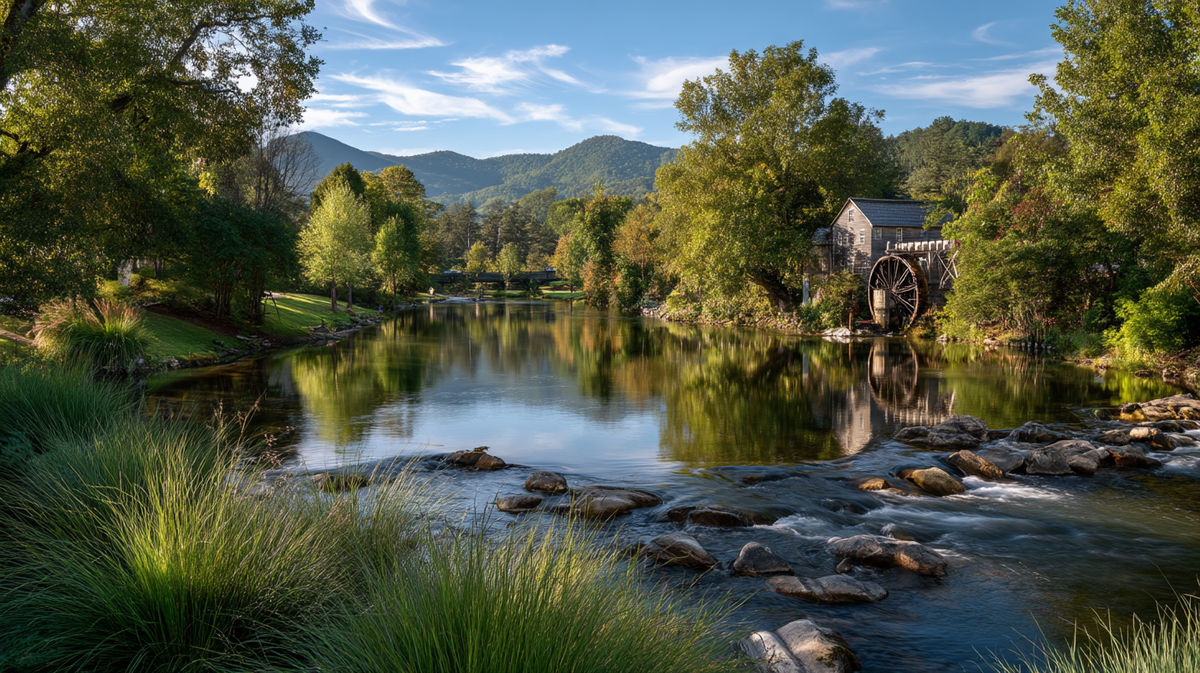
The Island entertainment complex, Old Mill Square with its 1830s mill, and quirky spots like the Titanic museum or indoor snow tubing park keep weekends buzzing.
Outdoor Adventures in the Smoky Mountains
Being minutes from Great Smoky Mountains National Park means you can explore more than 800 miles of trails, sneak in an evening hike, or launch a kayak from the park boundary.
The breathtaking scenery and majestic ridgelines remind locals that there’s always another vista to discover.
Entertainment, Shopping, and Dining
Outlet mall bargains, moonshine tastings, live-music theaters, and down-home restaurant plates keep both tourists and locals fueled. Whether you crave biscuit sandwiches or gourmet trout, the variety ensures something for everyone, plus late-night amusement rides that are also great for kids.
Start your evening at The Island, a 23-acre playground with more than 80 shops, the soaring Great Smoky Mountain Wheel, and free fountain shows that light up the night. If retail therapy is calling, cruise north to Tanger Outlets Sevierville, where more than 100 brand-name stores dish out savings of up to seventy percent off retail.
History buffs swap stories over stone-ground grits at The Old Mill Restaurant, served beside an 1830 water-powered gristmill still turning today.
Craft-beer fans dig into scratch burgers at Local Goat before wandering the lawn at Mountain Mile & Tower Shops, a fresh open-air complex lined with boutiques, a 200-foot drop ride, and weekend concerts on the green. Sweet cravings find a happy ending at Apple Barn & Cider Mill, where warm fritters pair with house-pressed cider for a riverside nightcap that feels pure Smoky Mountain comfort.
Family-Friendly Activities
Mini-golf courses, go-kart tracks, water coasters, and the ever-popular Ripley’s attractions mean children (and nostalgic adults) never run out of things to do indoors or outdoors, rain or shine. The town markets itself as a four-season destination that welcomes people of all ages.
Quality of Life in Pigeon Forge
Schools and Education Options
Students attend Sevier County schools, a district earning a solid grade B from Niche, with Pigeon Forge High ranked among Tennessee’s top 100 publics.
Head up to Knoxville and you’ll find private schools and trade programs that open up even more learning paths.
Healthcare Facilities and Services
Residents rely on LeConte Medical Center in Sevierville for emergency care, surgery, and a Dolly Parton-themed birthing unit, proof that mountain humor shows up even in healthcare corridors.
Safety and Community Engagement
Tourist crowds demand a visible police presence, and crime rates trend close to statewide averages. Neighborhood watch groups, church leagues, and civic clubs keep the atmosphere neighbourly and friendly, proving small-town values still steer daily life.
Internet and Work-From-Home Readiness
Gig-speed fiber by AT&T and Spectrum covers key subdivisions, while satellite fills dead zones, giving remote workers a great opportunity to log in with minimal lag.
Coffee shops offer free Wi-Fi so freelancers can grab mountain-roasted beans between Zoom calls.
Employment and Business Opportunities
Major Industries and Employers
Hospitality tops payrolls—think hotels, attraction staffing, amusement ride techs, and business roles at Dollywood. Retail, healthcare, and construction follow, with dozens of small outfitters converting cabins for the robust overnight rental market.
Seasonal Job Trends
Jobs spike in summer and the October leaf season. College students score waitress gigs, while retirees pick up museum docent shifts.
Tourism may be labeled tourist-centric, yet it pays the bills and offers plenty of overtime when visitors arrive in abundance.
Starting a Business or Working Remotely
Low-cost permits and a steady flow of tourists make it simple to launch a pottery studio, park a food truck, or run an adventure-guide outfit, and still count on a built-in crowd.
Remote pros enjoy zero local income tax, a perk that keeps moving to Pigeon Forge attractive for high-earning telecommuters.
Local Events and Culture
Year-Round Festivals and Gatherings
Winterfest lights flip on in early November and glow through February, wrapping the Parkway in six million LEDs.
Classic cars rumble back each spring and fall during the Pigeon Forge Rod Run, packing hotels yet gifting eye candy to gearheads.
Community Life and Local Traditions
From softball at Wear Farm City Park to Friday night gospel revivals, locals lean into simple pleasures. It’s common to see church buses unloading picnic coolers beside Patriot Park, sharing casseroles with neighbors and passers-by.
Arts, Music, and Theater Scene
Dinner theaters mix slapstick with bluegrass, while mountain artisans sell dulcimers and hand-thrown mugs at craft fairs. Seasonal concert series on The Island stage brings everything from contemporary Christian to 90s country hits under open skies.
Pros and Cons of Living in Pigeon Forge
What Residents Love
Easy access to trails, low property tax, endless entertainment, and a welcoming local spirit rank high. Many say the town’s friendly vibe and breathtaking scenery make it the perfect place to live, relocate or simply unwind on a rocking chair porch.
Potential Challenges to Consider
Weekends can jam with traffic, rates jump during peak season, and snagging a spot off the street sometimes feels like a scavenger hunt.
If you need big-city privacy or get worn out by tourist chatter, the nonstop holiday buzz might wear on you.
Final Thoughts: Is Pigeon Forge Right for You?
Who Will Enjoy Living Here Most
Outdoor lovers, aspiring hosts eyeing short-term rentals, families seeking an amenity-rich small town, and retirees chasing mild winters will likely thrive. Folks who appreciate a slower pace yet want quick thrills nearby find Pigeon Forge and Gatlinburg a winning combo.
How to Explore Before You Move
Book a weekend cabin, drive the Parkway at dusk, sample a skillet breakfast at the restaurant overlooking the river, then hike a quiet cove in the national park. Use that exploratory trip to decide whether this great place aligns with your goals for moving to Tennessee.
FAQ’s About Living in Pigeon Forge, TN
Is Pigeon Forge affordable compared to other mountain towns?
Overall expenses sit below the U.S. average, and housing is cheaper than in many Rocky Mountain resorts.
Budget travelers still find nightly cabin deals, while full-time residents enjoy grocery and utility costs that beat big metro benchmarks.
How bad is the traffic?
The Parkway can crawl during summer or rod-run weekends, yet back roads such as Wears Valley Road ease the pressure. Locals time errands before noon or after dinner to dodge the heaviest flows.
Can I make a living outside tourism?
Yes. Healthcare, construction, remote tech gigs, and craft entrepreneurship all provide stable year-round income. Fiber internet and supportive small-business programs open doors for professionals far beyond lodging and attractions.
What outdoor activities are nearby?
Within ten minutes, you can fish a trout-filled creek, ride a mountain coaster, or set foot on the Appalachian Trail. The foothills of the Great Smoky deliver kayaking, horseback rides, and hundreds of miles of trails to explore.
Does Pigeon Forge get much snow?
Average annual snowfall is about seven inches—just enough to dust rooftops and delight kids without locking down roads. Major storms are rare, and the city salts bridges quickly, keeping daily life on track.
6 Unforgettable Hikes in Gatlinburg, TN
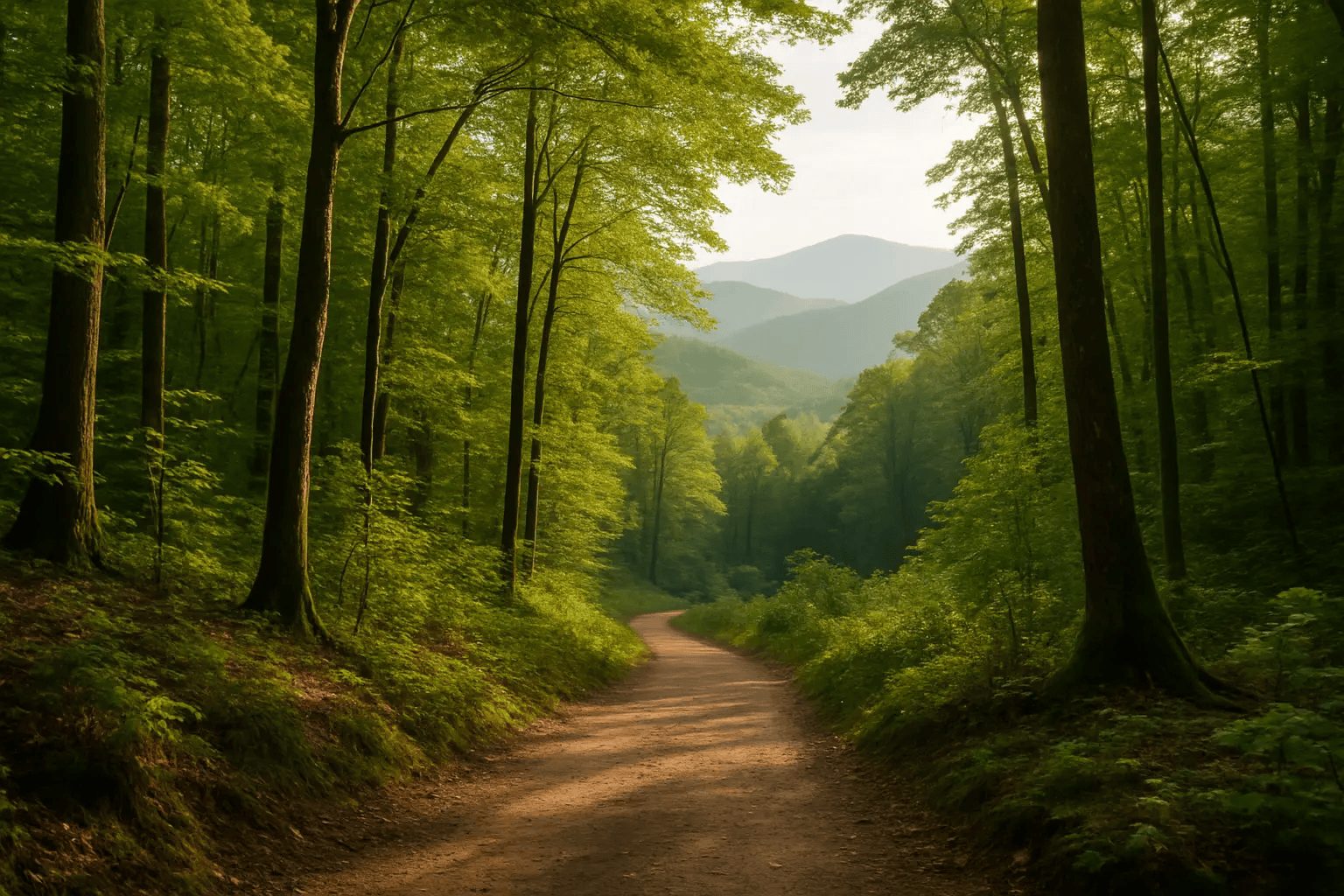
For many folks, Gatlinburg, Tennessee is synonymous with pancake houses, family vacation photos, and a neon-lit Parkway bustling with traffic. But the city is also the gateway to hikes that redefine what it means to step into nature. Think misty mountain trails, waterfalls hidden in lush forests, and ridge lines with panoramic views of the Smokies. If you’ve had enough of the tourist strip and want to trade carnival noise for chirping birds, this guide is for you. Below are the six best hikes in Gatlinburg, complete with tips to aid you if you’ve never hiked there before. Lace up your boots and let’s dive in.
1. Alum Cave Trail: Early Birds Get the Best Views
Overview
Alum Cave Trail is often showcased in brochures, but don’t let the popularity fool you—it’s a majestic route worth your time. The entire trail (out-and-back) is about 4.4 miles if you only go to Alum Cave Bluffs, or closer to 10 miles if you continue all the way to Mount LeConte’s summit. Early risers tend to have the best experience: fewer crowds, cooler temps, and a better chance of seeing wildlife (like the occasional black bear roaming deeper in the woods).
Why This Hike Stands Out
- Progressive Scenery: The path starts along a gentle river, then you reach landmarks like Arch Rock, followed by the striking Alum Cave Bluffs, which aren’t caves in the literal sense but a dramatic overhang.
- Optional Summit: Many hikers press on to Mount LeConte for a top-of-the-world view. If you have the stamina, that extra push is worth it.
Tips
- Go Early to Dodge Crowds: Parking can get wild by mid-morning. Aim to arrive by 7 or 8 AM, especially in peak season.
- Watch for Icy Conditions: In cooler months or early spring, parts of the trail can turn slippery, especially near Arch Rock’s stone steps. Carry traction devices if you’re tackling it in winter or during a cold snap.
- Pack Enough Water: It’s easy to underestimate how thirsty you’ll get in the Smokies’ humidity. Refilling is not straightforward on this route unless you carry a filtration system.
2. Chimney Tops: Short but Steep, and an Adrenaline Rush at the End
Overview
Chimney Tops is renowned for being relatively short (around 4 miles round trip) but with a final stretch that will make your legs quake. The original summit scramble was closed after the 2016 wildfires, but a rerouted final segment offers a vantage point that’s jaw-dropping without as much risk. Still, it’s a steep trek, gaining more than 1,400 feet in under 2 miles.
Why This Hike Stands Out
- Physical Challenge: For a short distance, you get a serious workout. If you’re short on time but want a heart-pounding ascent and a scenic payoff, this is your spot.
- Incredible Overlook: The platform near the top lets you soak in the Smokies’ layered ridges. On a clear day, you’ll see far into the distance (rolling peaks and valleys that seem endless).
Tips
- Trek Poles for the Descent: Some find trekking poles overkill on short hikes, but descending a steep path can punish your knees. Poles help, especially if the trail is damp.
- Weekday Afternoons: Mornings and weekends are packed. A weekday afternoon can feel a tad quieter, though afternoons can also bring pop-up storms in summer.
- Respect the Restoration Areas: Post-wildfire, certain spots are fragile with new growth. Stick to the designated path and keep an eye on signage to avoid damaging the recovering ecosystem.
3. Grotto Falls on Trillium Gap Trail: A Family-Friendly Waterfall Stroll
Overview
For those craving a more relaxed excursion, Grotto Falls fits the bill. The entire round trip is about 2.6 miles, with moderate elevation gain. The trailhead is along the Roaring Fork Motor Nature Trail, a scenic drive in its own right. Grotto Falls is famous because you can actually walk behind the waterfall, making for memorable photos and a refreshing cool-down spot in warmer months.
Why This Hike Stands Out
- Behind-the-Falls Experience: Not every waterfall in the Smokies lets you meander behind the curtain of water. Here, you’ll literally feel the mist on your face.
- Wildlife Potential: Keep your eyes peeled for salamanders near the wet rocks or black bears foraging (especially in the early morning or late evening).
Tips
- Parking Logistics: Roaring Fork Motor Nature Trail can be closed in winter and is often jammed in peak tourist season. Arrive early or later in the day to secure a spot.
- Gentle Enough for Most: Families with kids or older adults in decent shape can handle this. Just note that the terrain can get muddy, so footwear with good grip is essential.
- Keep an Eye on Trail Junctions: The Trillium Gap Trail continues beyond Grotto Falls to Mount LeConte. If you’re only aiming for the waterfall, pay attention to signage so you don’t wander off on a longer trek than planned.
4. Ramsey Cascades: The Tallest Waterfall in the Park
Overview
Ready to go big? Ramsey Cascades is the highest waterfall in the national park, and the out-and-back trek is about 8 miles total. This journey is more challenging, climbing over 2,000 feet in elevation. The last stretch includes boulder hopping, so expect to use your hands a bit. The payoff is a magnificent multi-tiered waterfall, with the final tier plunging around 100 feet.
Why This Hike Stands Out
- Serene Old-Growth Forest: Early on, you’ll pass through sections of old-growth trees. Some are massive poplars, reminiscent of the Smokies before logging reshaped the region.
- Less Crowded: Because it’s longer and more strenuous, fewer casual tourists tackle this path. You might find segments of the trail all to yourself, especially on weekdays.
Tips
- Plan for an Entire Morning or Afternoon: At 8 miles, plus the drive out to the Greenbrier area, this isn’t a quick jaunt. Factor in breaks, photography, and possibly a picnic near the falls.
- Mind the Boulder Section: The approach to the waterfall involves climbing over slippery rocks. Keep your footing and go slow. If it’s rained recently, the stones can be treacherous.
- Don’t Climb the Falls: Several tragic accidents have occurred here from people trying to scramble up the slick rocks at the waterfall’s base. The signs might seem repetitive, but they’re there for good reason.
5. Laurel Falls: A Paved Path with Big Rewards
Overview
Laurel Falls is probably the most visited waterfall trail in the park, thanks to a paved walkway and a relatively short 2.6-mile round trip. The waterfall itself is a picturesque, multi-tiered cascade that flows into a small pool. This route is child-friendly, though the pavement is old and can be uneven in spots.
Why This Hike Stands Out
- Easy Access: If you’re not a seasoned hiker or you’ve got limited mobility, this is a friendlier option. It’s not fully wheelchair-accessible due to wear and tear, but the paved surface helps reduce tripping hazards.
- Classic Photo Op: The upper and lower sections of Laurel Falls are both photogenic. Expect crowds brandishing cameras during almost any daylight hour.
Tips
- Arrive Early or Go Late: The parking area along Little River Road overflows quickly, so aim for off-peak times.
- Stay on the Trail: The edges near the waterfall can be slippery. Resist the urge to hop across rocks or explore side slopes.
- Keep an Eye on Kids: Although the trail is paved, certain sections have steep drop-offs. Supervise children closely, especially near the waterfall’s edge.
6. The Boulevard Trail (Mount LeConte Alternate): A Longer, Less-Traveled Path
Overview
While most folks ascend Mount LeConte via Alum Cave, The Boulevard Trail offers an alternate route with fewer people and extended ridgeline views. The trail typically starts from the Appalachian Trail at Newfound Gap, linking up with The Boulevard before reaching LeConte’s summit. Expect a 14-15 mile round trip, depending on your exact starting point.
Why This Hike Stands Out
- Sweeping Ridges: The path skirts along high ridges, granting vantage points across the Smokies that most day hikers miss.
- Fewer Crowds: Because it’s longer and more complicated to access, you won’t see the heavy foot traffic that clogs the Alum Cave route.
- A Glimpse of the AT: You’ll briefly tread the iconic Appalachian Trail near Newfound Gap, which adds an extra layer of excitement if you’ve dreamed of this legendary footpath.
Tips
- Check Weather Reports: At these higher elevations, conditions can shift suddenly. A mild day in Gatlinburg can turn into chilly winds or fog on the ridge.
- Carry Layers: Even in summer, breezes at 5,000+ feet can drop temps, especially on exposed ridges. A light jacket or windbreaker is smart.
- Consider a Shuttle: If you want to avoid backtracking, coordinate with a friend or local shuttle service. But plan carefully—this isn’t the most straightforward route to arrange.
Extra Pointers for Hiking Around Gatlinburg
1. Parking Realities
Great Smoky Mountains National Park introduced a parking tag system for certain lots. If you haven’t heard, you might be surprised at the trailhead if a ranger asks about your tag. It’s generally inexpensive and helps maintain trails. But definitely buy a tag online or at a visitor center before you park.
2. Bear Safety
Black bears roam these forests, so keep your food tucked away and don’t try to grab a selfie with a cub. If you encounter one, speak calmly, make yourself look bigger, and back away slowly. Never run—that can trigger a chase instinct.
3. Weather Swings
Don’t underestimate how fast conditions can change. Gatlinburg might be warm, but a higher-elevation trail could have swirling fog and a 20-degree temperature drop. Always stash an extra layer and a rain jacket in your pack.
4. Leave No Trace
With tens of millions visiting the park annually, each individual’s impact adds up. Pack out any trash, stay on designated trails, and respect wildlife. Your good habits help preserve these areas for future visitors.
Planning for Each Season
- Spring: Blooming wildflowers along trails like Porters Creek or Chestnut Top can be spectacular. Watch for muddy paths after rain.
- Summer: Expect crowds and humid conditions. Early mornings or weekday afternoons reduce the congestion.
- Fall: Leaf-peeping mania hits full force in October. If you want a perfect snapshot of autumn foliage, plan your route and start time meticulously; parking lots fill up before dawn.
- Winter: Some roads (like Roaring Fork Motor Nature Trail) close. Check the park’s Twitter feed or website for updates. Trails at higher elevations might have icy patches, so traction devices can be a lifesaver.
The Real Takeaway
Gatlinburg’s touristy reputation might overshadow the fact that you’re on the doorstep of incredible wilderness. From a short stroll behind a waterfall to an all-day trek over ridges, there’s a trail for every fitness level. The main challenge is choosing your route—and dodging peak tourist traffic. Plan well, respect the park’s guidelines, and keep an eye out for those steep drop-offs or icy rocks. With the right preparation, you’ll discover that these mountain paths deliver an experience more memorable than any pancake breakfast or souvenir shop. Whether you’re a beginner testing out your first day hike or a seasoned trekker craving a strenuous climb, Gatlinburg’s backcountry has what you need.
So next time you find yourself stuck behind a slow-moving car downtown, cursing the traffic, remember: you’re only a short drive away from some of the most captivating trails in the Smokies. Pack your gear, arrive early, and let the natural world remind you why this corner of Tennessee is so much more than its neon lights. Keep your feet on the path, your eyes on the ridges, and you’ll leave with stories (and photos) worth telling long
Douglas Lake Distance from Gatlinburg, TN: Your Quick Smoky Mountain Day-Trip Playbook
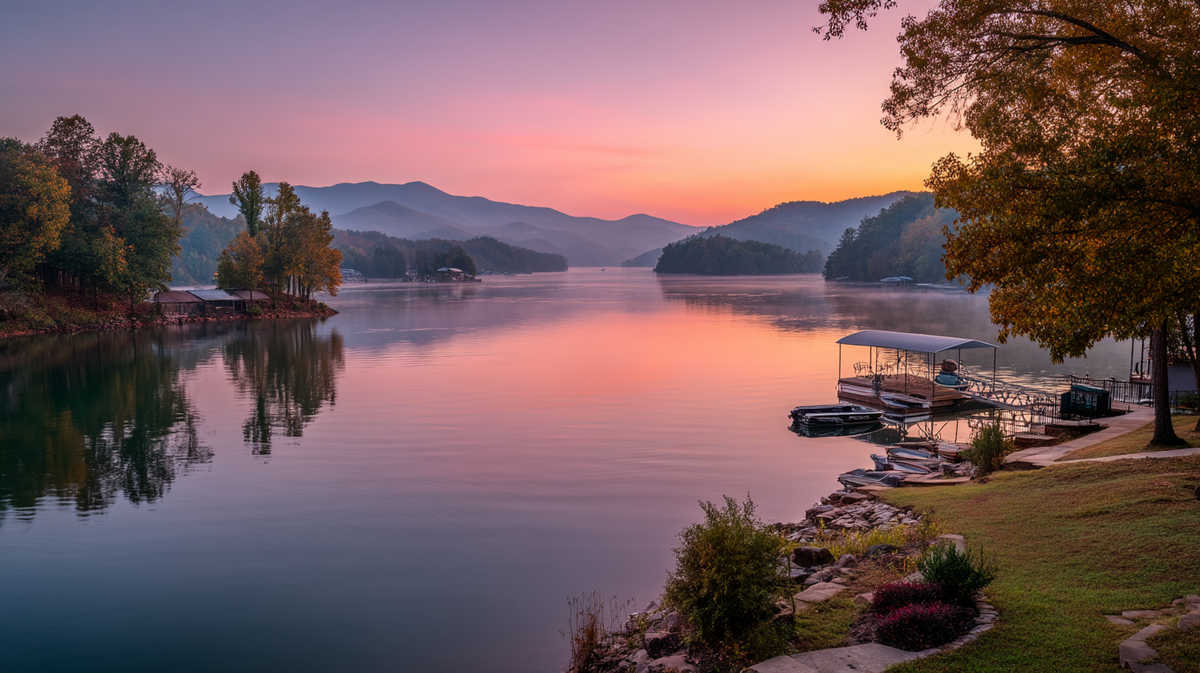
Douglas Lake Distance from Gatlinburg, TN: Your Quick Smoky Mountain Day-Trip Playbook
Quick Answer: Distance and Drive Time
Need a quick stat?
Douglas Lake, TN, sits about 31 road miles from downtown Gatlinburg, a shade under 50 minutes when traffic is kind, with Pigeon Forge and Sevierville sliding by your windows on US-321.
The lake may feel remote, yet you’re never far from a funnel cake or a view of the Great Smoky Mountains. This is one of the reasons why homes in Douglas Lake sell quickly.
Route and Map Breakdown
Fastest Route to Douglas Lake, TN (US-321 via Pigeon Forge & Sevierville)
Roll north out of Gatlinburg, skim through Pigeon Forge and Gatlinburg proper again at Teaster Lane, then cruise past Sevierville’s strip malls before the road spills into East Tennessee farm country near Douglas.
You’ll spot Douglas Dam, miles of shoreline shimmering beside the highway, and the foothills of the Great Smoky fading in your rear-view.
Most Scenic Back-Road Alternative
If you’ve got time, veer on TN-139 and Old Dandridge Pike.
The twisty lanes shadow the French Broad River, wander through the Tennessee River Valley, and drop you at Mountain Cove Marina-a laid-back perch near Douglas Lake with lake and mountain views perfect for a picnic.
Travel Time Factors
Traffic to Douglas Lake
Summer Saturdays jam with Smoky Mountain vacationers headed for boat rentals or a day on the water.
Leaving at dawn avoids the Pigeon Forge roller-coaster backups and lets you snag lake access parking before everyone else brings their own boat.
Best Time to Travel from Gatlinburg to Douglas Lake
Weekday mornings are gold. By 9 a.m., you’re already scoping crappie fishing spots while the tour buses idle back in town.
Evening return runs can slow when Pigeon Rivers of headlights snake through Sevierville, so budget an extra fifteen minutes.
Best Time of the Year to Visit Douglas Lake
Spring brings steady lake levels and hungry largemouth bass.
By late fall, TVA lowers the water level to capture winter rains, revealing sandy coves ideal for paddle boats or a mellow kayak spin.
Winter? Quiet, stark, gorgeous-and yes, jet ski diehards still show up.
Where You’re Headed: Douglas Lake Overview
Snapshot of the Lake
Douglas Lake is one of the Tennessee Valley Authority’s crown jewels, a 28,000-acre Douglas Reservoir carved by the impounded French Broad River and the tributaries of the Pigeon River.
Douglas Dam was built in 1942-built in record time at just twelve months-and its combined net dependable capacity clocks in at 111 megawatts of hydroelectric power.
The reservoir stretches 43 miles upriver from the dam and offers 550 miles of the Pigeon to explore.
Fun on the Water
Douglas Lake fishing headlines the show, with largemouth bass and crappie fishing ranking among the top spots for fishing in East Tennessee. A state fishing license is required-grab one before you launch.
Rent a pontoon boat, paddle, kayak, or even a jet ski at Mountain Cove Marina, then glide past the shores of Douglas Lake for fun on the water.
If you prefer simple pleasures, toss a line from one of the fishing lakes near Douglas Lake, or just drift and watch the sunset shimmer over miles upriver from Douglas Dam.
Why Locals Love It
Locals rave about the lake and mountain views, the easy access to downtown Dandridge for barbecue runs, and the fact that Douglas Lake offers a quick escape without sacrificing cell service.
Crappie and largemouth bass are always biting somewhere, and with over 550 miles of shoreline, there are endless fishing opportunities-even during those midsummer afternoons when every paddle boat, pontoon, and paddleboards share the wake.
Can’t-Miss Stops Along the Way
Pigeon Forge Attractions near Douglas Lake
Dollywood, The Island, and the Titanic Museum line the route, proving you can squeeze a coaster ride between Gatlinburg coffee and a Douglas Dam sunset. “Pigeon Forge and Gatlinburg” locals say the combo is hard to beat for day-trippers.
Foodie Detours
Start your day where locals carb-load for waterfall hikes: The Old Mill Restaurant in Pigeon Forge turns out cinnamon-swirled French toast and stone-ground grits inside a 200-year-old mill overlooking the Little Pigeon River.
A couple of miles up the parkway, Local Goat grills scratch-made bison burgers and hand-cuts its fries-perfect fuel before you point the hood toward the lake.
Rolling into Sevierville, swing into Applewood Farmhouse Restaurant for its signature apple fritters and tangy Apple Julep-both worth the brief detour off US-321.
Once you’re lakeside, downtown Dandridge dishes small-town charm with a side of nostalgia at the soda-fountain lunch counter inside Tinsley Bible Drugs; grab a “Bible Burger” and a hand-dipped cone before scouting coves for crappie.
Need something hoppier after a day on the water? Dandridge Brewing Company pours local craft ales and plates deli-style sandwiches just steps from the shoreline sunset.
Best Coffee Shops on the Way to Douglas Lake
Kick things off in downtown Gatlinburg with a pour-over at Gatlinburg Grind, where beans get roasted right behind the counter.
Rolling into Pigeon Forge, swing by Espresso Yourself on Old Mill Street for a mint-chocolate-chip frappe and those front-porch rocking chairs, or pop a mile north to The Coffee Armory inside Mountain Mile-the first café in the country to exclusively pour Black Rifle beans.
Sevierville keeps the caffeine flowing: Black Rifle Coffee Company cranks out espresso flights for folks who like their patriotism with a double shot, while Honeybee Coffee & Brewery sweet-talks third-wave fans with single-origin pour-overs and a back-patio view of the Smokies.
Right before you reach the lake, Historic Dandridge offers a final buzz: Dandridge Brewing Company pulls surprisingly solid Americanos alongside its craft ales, and Courthouse Donuts next door pairs custom doughnuts with drip coffee that’ll power your afternoon paddle.
Shopping on the Way to Douglas Lake
Tanger Outlets sit minutes off US-321-grab water shoes or a floppy hat-then slip back toward those lake-level adventures.
Enjoy the Road Trip from Gatlinburg to Douglas Lake
Whether you’re chasing hydroelectric history, miles of shoreline to paddle, or simply craving a day on the water, the short hop from Gatlinburg to Douglas Lake feels like cheating-world-class scenery with hardly any drive.
Visit Douglas Lake soon; bring your own boat or rent one, but don’t forget that fishing license and sense of adventure.
FAQs about How Long It Takes to Drive from Gatlinburg to Douglas Lake and About the Road Trip
How long does it really take to get from Gatlinburg to Douglas Lake?
On a good day, it’s right around 45-50 minutes door-to-dock, covering roughly 31 meandering Smoky Mountain miles.
Leave early, keep an eye on Pigeon Forge stop-and-go, and you’ll be tying off your pontoon boat at Mountain Cove Marina before most folks finish breakfast.
Does traffic ever make the drive feel longer?
Sure does. Summer Saturdays and peak leaf-peeping weekends can tack on 15-20 extra minutes, especially through Pigeon Forge and Sevierville. Roll out at dawn or wait until early afternoon once the morning rush is clear, and the drive stays smooth.
What’s the prettiest route if I’m not in a hurry?
Detour onto TN-139 after Sevierville and follow the French Broad River’s bends.
You’ll trade a couple more minutes for foothills-of-the-Great-Smoky views, pastoral farms, and a first glimpse of Douglas Reservoir sparkling beyond the tree line.
Is the road RV- or trailer-friendly?
Yep. US-321 is a wide four-lane highway most of the way, and the TVA ramps at Douglas Dam and Mountain Cove are designed for big fishing rigs. Just fuel up before you leave Gatlinburg-gas is scarce once you skirt the lake.
Any can’t-miss pit stops between Gatlinburg and Douglas Lake?
Grab a cinnamon roll at The Old Mill in Pigeon Forge, swing by a Sevierville tackle shop for crappie jigs, then stretch your legs at Douglas Dam Overlook. By the time you reach the shoreline, the road-trip snacks are gone, and you’re ready for a day on the water.
Douglas Lake Distance from Pigeon Forge: Your Quick Smoky Mountain Day-Trip Playbook
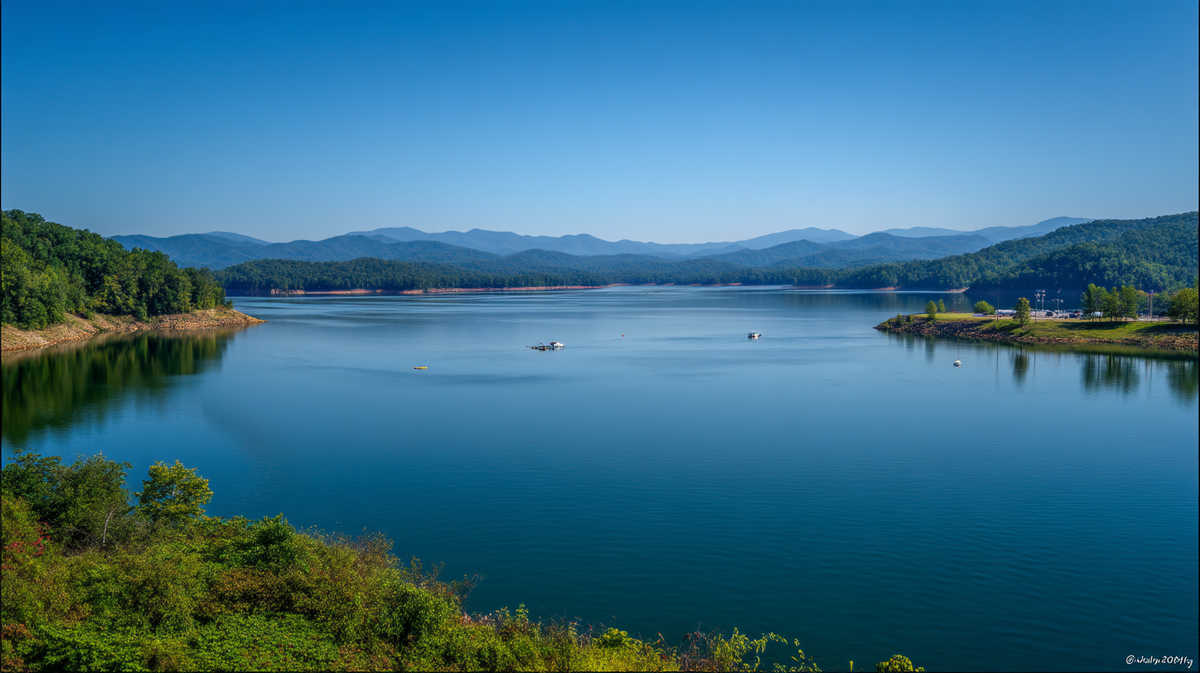
Quick Answer: Distance and Drive Time
Douglas Lake sits about 20 – 25 road miles east of the Parkway in Pigeon Forge, TN, a straight shot that usually clocks in at 30 minutes if Dollywood traffic behaves.
That tiny hop means you’re only “miles from the Pigeon” bustle before the scenery flips to farm fields, quiet coves, and the wide blue reservoir locals call Douglas.
Route and Map Breakdown
Fastest route via Veterans Blvd → TN-66 → TN-139
Roll south on Veterans, merge onto TN-66 at Sevierville, then hang a left on TN-139.
You’ll skim the French Broad River just below Douglas Dam, the 1940s concrete giant the Tennessee Valley Authority built to provide hydroelectric power and flood control for the Tennessee River Valley-it still drops the lake 40-plus feet every winter to manage lake levels.
Fun fact: that slab holds back a lake that plunges 140 feet deep and boasts over miles of shoreline many anglers swear are endless.
Scenic alternative through US-441, Sevierville, and Douglas Dam Road
If you’d rather trade speed for views, cruise US-441 through the vintage neon of Sevierville, loop past the foothills of the Great Smoky Mountains, then meander across Douglas Dam Road.
Pull off at the TVA overlook near Douglas Dam for panoramas of the Great Smoky Mountains mirrored in the Douglas Reservoir, and maybe spot a white bass busting bait below the turbines.
Tips for avoiding peak tourist congestion and road work
Hit the road before 9 a.m. or after dinner to dodge Pigeon Forge and Gatlinburg convoy traffic.
In summer, construction crews sometimes shut down a lane on TN-66; when that happens, detour onto Nichols Street and Old Knoxville Highway to stay rolling while still hugging the tributaries of the Pigeon.
Where You’re Headed: Douglas Lake, TN Overview
Snapshot of the Lake
Douglas Lake is one of East Tennessee’s signature fishing lakes, stretching 43 miles up the French Broad River with roughly 550 miles of shoreline for paddling and exploring.
Created when Douglas Dam was built in 1943, the lake now lures over 1.7 million visitors a year with picture-perfect water framed by the Great Smoky Mountains National Park.
Recreation Activities
Rent a pontoon boat or grab a kayak, paddle, or even a jet ski at one of the marinas offering every flavor of boat rental. The lake is open year-round for bass fishing, crappie fishing, and sightseeing cruises-just remember a fishing license is required, and the Tennessee Wildlife Resources Agency posts daily limits.
Spring brings tournament-level largemouth bass fishing; fall is prime for hungry crappie schooling around flooded timber. Guides specialize in largemouth bass and crappie fishing, but they’ll happily help you chase white bass too.
Prefer dry land? Spread out in the designated picnic areas, explore a hidden cove, or simply float near the dam where the lake offers warm shallows perfect for a lazy swim.
Why Locals Love It
Ask any angler and they’ll gush that the mix of largemouth, bass, and crappie, plus deep structure and stained water, makes Douglas Lake fishing tough to beat.
Families rave about plentiful campgrounds around the lake, while history buffs appreciate how the dam was built in record time to provide hydroelectric power during WWII.
With water drawn down in winter, shoreline treasure hunts reveal old roads and homesteads-proof that the lake levels never stop telling stories near Douglas Lake.
Can’t-Miss Stops Along the Way
Attractions
Pop into historic Dandridge, stroll its riverside boardwalk, then swing by the Douglas Dam visitor center to watch turbines hum along the Tennessee River.
If you still crave mountains, Dollywood sits minutes away, and the Great Smoky Mountains skyline hovers on every horizon.
Foodie Detours
Before you trade Parkway neon for Douglas Reservoir glass water, fuel up in Sevierville. If slow-smoked pork sounds right, swing into Buddy’s bar-b-q for a plate piled high with hickory-kissed meat and hush-puppies that’ve kept locals happy since the ’70s.
Prefer something chef-driven? Two blocks over, The Appalachian turns East Tennessee farm goods into fire-licked trout, sorghum-glazed carrots, and a bourbon list worth a designated driver.
Roll another ten minutes and the shoreline appears-so does Angelo’s at the Point in Dandridge, where wood-fired pizzas, lake-caught catfish, and tiki-bar cocktails come with boat-dock parking.
Prefer pure lake vibes? Cruise a mile south to Cowboy’s Bar & Grill at Lakeside for brisket nachos and live country tunes that echo across the coves at sunset.
Best Coffee Shops on the Way to Douglas Lake
Need caffeine for those largemouth bass dawn patrols? Slide off Veterans Boulevard for a Smoky Mountain Mocha at Smoky Mountain Espresso; the log-cabin vibe and red-velvet latte make early launches hurt less.
If the traffic crawl has you snoozing, the drive-thru at Black Rifle Coffee Company pours stout patriotic brews right beside Tanger Outlets.
Ten more miles lands you in historic Dandridge-duck down the brick alley to Alleyway Café for a caramel cold brew and a fresh-baked hand pie before you back the pontoon down the ramp.
Shopping on the Way to Douglas Lake
Outlet junkie? Sneak into Tanger Outlets, then pick up hand-tied jigs and new line in Dandridge’s bait shop so you’re ready when those fishing guides call.
Day Trip vs. Overnight Game Plan
Day Trip to Douglas Lake Itinerary
Leave Pigeon Forge at 8 a.m., grab breakfast in Sevierville, launch a rented pontoon boat by 9 a.m., troll for largemouth and crappie till noon, enjoy a dockside picnic, then beach on a quiet cove for an afternoon swim before heading back through mountain twilight.
Overnight Trip to Douglas Lake Itinerary
Book a lakeside cabin or a lakeshore RV rental as your place to stay.
After sunset, cast for schooling stripers under dock lights, then sleep to the hum of the dam.
Thinking long-term? Current homes for sale on Douglas Lake list at a median of about $600,000, according to Realtor.com.
Enjoy the Road Trip from Pigeon Forge to Douglas Lake
Whether you’re chasing bass and crappie, cruising the great outdoors on a paddle board, or simply soaking up Smoky Mountain sun, the short hop to Douglas delivers maximum lake-life payoff with minimal windshield time.
FAQs about the Drive from Pigeon Forge to Douglas Lake
How long does the drive really take?
Outside rush hour, you’ll cover the 20 – 25 mile route in about half an hour; add ten minutes on peak summer Saturdays when every camper in East Tennessee seems to be towing a boat.
Is a fishing license required on Douglas Lake?
Yes-a fishing license is required for anyone 13 and up. Buy it online from the Tennessee Wildlife Resources Agency or pick one up at a marina tackle shop.
Can I rent a boat once I arrive?
Absolutely. Marinas around the lake advertise everything from boat rental basics to luxury tritoons, plus jet ski, kayak, and paddleboard packages-perfect if you didn’t haul your own rig.
Where can I stop for a picnic?
TVA maintains shady designated picnic areas at both the headwater and tailwater recreation zones near Douglas Dam-each with grills, tables, and views of the deep reservoir water churning through the turbines.
What’s special about Douglas Lake water levels?
TVA drops the lake roughly 40 feet every winter, so plan ahead if you’re launching in late fall; summer brings full pool for swimming, tubing, and unbeatable largemouth bass action along submerged timber.
The Ultimate Guide to Douglas Lake, TN: Everything You Need to Know

Overview of Douglas Lake
Tucked between the rolling farms of Jefferson County and the hazy ridgelines of the Great Smoky Mountains, Douglas Lake is a 28,000-acre playground scratched out by the Tennessee Valley Authority when it threw up Douglas Dam in just 12 months flat during World War II.
These days, the lake’s deep blue water hosts everything from sunrise bass and crappie fishing tournaments to lazy pontoon cruises, while nearby towns like Dandridge and Sevierville give travelers quick access to Smoky Mountain hikes and tourist haunts in Pigeon Forge.
Thousands roll in each summer to swim coves, pitch tents, and chase striper boils-yet even on a holiday weekend, you can still idle into a quiet cut where it feels like the whole Tennessee River Valley is yours alone.
Whether you’re scouting homes for sale on Douglas Lake, TN, eyeing a weekend cabin rental, or plotting a one-day splash-and-dash, this lake sets the stage for just about every East Tennessee adventure you can dream up
Location and Geography
Douglas Lake sits in Jefferson County, about 30 minutes east of Knoxville in East Tennessee (East TN). The lake is really the widened French Broad River where it meets the Pigeon River, hugging the foothills of the Great Smoky Mountains.
You’re ten miles from Downtown Dandridge, 25 minutes from Pigeon Forge, and only a half hour from the main entrance to Great Smoky Mountains National Park. Because the water wraps through countless hollows, drivers get 43 meandering miles of blue coves and more than 550 miles of shoreline.
History of Douglas Lake
To fuel American industry during the peak of World War II, the Tennessee Valley Authority (TVA) needed power fast.
The Douglas Dam was built by the agency in record time for a facility this size-just 382 days, an engineering sprint that provided crucial hydropower to drive the war effort. Built in record time, the hydroelectric project closed its gates in February 1943, flooding farms and hollows to create Douglas Reservoir-often called Lake Douglas.
At maximum depth, the water drops roughly 140 feet, making the lake deep enough for bass boats yet shallow enough near shore for kids to wade.
Things to Do on Douglas Lake
Boating & Water Sports
Launch from any of TVA’s free boat ramps, tie up at a marina for snacks, or simply rent a boat at Swann’s or Indian Creek. Choices range from nimble jet-skis to a family-sized pontoon boat. You’ll find smooth water for tubing, wide channels perfect for water skiing, and protected coves if you prefer a quiet day on the water.
No wonder things to do on Douglas start with throttling a motor.
Fishing on Douglas Lake
Douglas Lake’s claim to fame is its steady parade of largemouth bass and slab crappie.
Spring means sight-fishing the shallows; midsummer pushes the bite to deep humps and ledges; fall finds bass corralling shad in every cove. Hotspots like Flat, Muddy, and Nina Creeks keep rods bent year-round, while Rankin Bottoms up the north arm is crappie central. Winter tailwater releases below Douglas Dam even cough up smallmouth and sauger.
Just snag a Tennessee fishing license, know the daily creel limits, and launch from one of the many TVA ramps-then let the tug tell the rest of the story.
Swimming & Beaches
TVA’s Headwater Park offers a roped-off swim area, shady trees for a lazy picnic, and restrooms. Locals rave about the blue water clarity on calm July mornings.
Camping & RV Sites
Whether you love a primitive tent pad or a resort-style campground, options hug nearly every bend around the lake. The highly rated Anchor Down RV Resort pairs lakeside pads with boat slips, a pool, and on-site boat rentals. Several TVA campgrounds sit closer to the dam for budget-friendly stays.
Hiking & Nature Around the Lake
Short boardwalks near the dam reveal osprey nests, while longer treks in the national park satisfy summit-seekers. Keep binoculars ready for migrating waterfowl skimming beautiful Douglas Lake each winter.
Best Places to Stay Near Douglas Lake
Lakefront Cabins & Vacation Rentals
Hundreds of cabin rentals perch on ridges or sit steps from the water. Many come with private docks so guests can rentals on Douglas Lake for sunset cruises. If you need a bigger place to stay, multi-family chalets sleep a dozen with game rooms and hot tubs.
Campgrounds & RV Parks
Besides Anchor Down, look for Douglas Dam Tailwater, Mountain Vista, and Smoky Mtn Premier to snag full-hookup pads and quick access to the lake.
Hotels & Resorts in the Area
Chain hotels cluster near I-40, but boutique lodges on TN-139 deliver fire-pits, paddleboard rentals, and Smoky Mountain views-perfect for anyone planning a trip to Douglas mixed with shopping sprees in Pigeon Forge.
Living Near Douglas Lake
Cost of Living
Day-to-day expenses around Douglas Lake feel refreshingly light on the wallet.
Jefferson County’s overall cost-of-living index sits around 85, meaning things like groceries, utilities, and healthcare run roughly 15 percent cheaper than the national average.
Housing is the biggest bargain-maker-lake-adjacent homes that would crush budgets in bigger metros stay surprisingly attainable here, so long as you don’t insist on trophy frontage. Toss in modest property-tax rates and you’ve got extra cash for boat fuel or a Friday catfish platter in Downtown Dandridge.
Crime Rate and Safety
While no place is crime-proof, the lakefront communities score better than many Tennessee towns.
BestPlaces pegs Jefferson County’s property-crime rate just below the U.S. average, and violent-crime numbers track even lower.
Zooming in, NeighborhoodScout gives nearby Jefferson City a crime-safety index of 24-hardly Mayberry, but manageable with basic precautions like locking up your tackle box and truck after a late-night run to the marina store.
Douglas Lake Real Estate Overview
Scroll the listings and you’ll find everything from vintage fishing shacks to glass-walled modern builds labeled “homes for sale on Douglas Lake, TN.”
Many parcels hug coves with gentle slopes-perfect for a pontoon dock-while others perch high for panoramic Great Smoky views. Lakefront commands the premium, but “lake-access” homes one street back often share private ramps and cost 20-40 percent less. Vacant lots pop up, too, but TVA setback rules and septic approvals mean doing homework before you dream up that custom cabin.
Inventory stays tight, so serious buyers keep lenders and inspectors on speed dial.
Buying a Home or Cabin on the Lake
If you’re angling for a weekend crash pad that pays its own way, Douglas Lake shines.
Waterfront cottages under $400,000 still exist in hidden hollows, while newly built chalets crest seven figures along the main channel. Lakefront equals instant kayak launches and dock fishing at dawn; second-row spots trade shoreline for savings but usually allow golf-cart rides to the nearest shared ramp.
And don’t forget winter drawdown; set dock pilings deep enough to float a boat in January.
Current Real Estate Trends & Pricing
Numbers tell the story: zip-code 37725 clocked a median listing price of about $600,000 in May 2025, up roughly 4% year-over-year.
Zillow‘s broader value index shows average home values hovering near $385,000, with listings typically going under contract in three weeks.
Local agents report cash buyers from Florida and the Carolinas snapping up lakefront fixers, while remote tech workers compete for new construction with fiber internet. Expect bidding wars on anything turnkey with a dock, but off-water ranchers still trade below $350,000, leaving breathing room for remodel budgets.
Other Things to Know About Living on Douglas Lake
TVA drops the Douglas Reservoir roughly 44 feet every winter-great for flood control, bad for deep-keel sailboats-so plan dock heights and boat-house rails accordingly. Cell coverage is solid on the north shore but spotty in back coves; many owners install boosters.
Students attend Jefferson County Schools, with bus routes winding right past some coves. Grocery runs are a 15-minute hop to Dandridge Food City, but Knoxville’s big-box perks sit just 35 minutes west on I-40.
In short, lake life delivers blue-water mornings and Smoky Mountain sunsets, with just enough modern convenience to keep everyone grinning.
When to Make a Trip to Douglas Lake
Seasonal Guide
Spring rolls in with blooming dogwoods and bass bedding in the shallows, perfect for sight-fishing before the summer rush.
By June, Douglas Lake hits its stride-boats buzz the main channel, fireworks pop over the dam, and long daylight hours leave room for tubing runs and late-night bass fishing.
Come fall, crisp air and scarlet maples frame the Smokies while cabin decks brim with leaf-peepers sharing hot cider after morning hikes.
Winter draws the water down and the crowds out; quiet coves are left to bald-eagle watchers, and lakeside cabins slash rates for budget-minded travelers. For a little extra flavor, time your visit around the spring Bloomin’ BBQ & Bluegrass Festival or the midsummer Jefferson County Fair.
Ask C
Weather and Lake Levels
July highs push 90°F; January averages near freezing. According to TVA’s operating guide, Douglas’ pool swings roughly 44 feet each year, full by Memorial Day, lowest by January.
Tips for Visiting Douglas Lake in East Tennessee
Local Dining & Shopping
If you roll into town hungry, start at Taste of Dandridge for smoky ribs and sweet-tea hospitality, or grab a lakeside table at Angelos’ at the Point where wood-fired pizzas come with front-row Douglas Lake views.
Craving something truly local? Cruise up to Bush’s Family Café beside the famous bean museum for a bowl of pintos and slaw, then wind down Main Street for a milkshake at the century-old soda fountain inside Tinsley-Bible Drug Co.-the “Bible Burger” is a rite of passage.
Need caffeine before the next cove? Historic Gay Street pours house-roasted blends at the cozy Dandridge Brewing Company, while the mobile crew at Alleyway Coffee sets up behind the courthouse most mornings. Driving south, detour through Pigeon Forge for a lavender latte at Espresso Yourself; the rocking-chair porch doubles as prime people-watching when the strip gets busy.
Rainy afternoon or you just want to swipe the card? Tanger Outlets in Sevierville lines over 100 retailers along covered walkways-and posts frequent lake-day coupons on their website. If artisan grits and hand-thrown pottery are more your speed, stroll the riverside shops at The Old Mill Square.
For an all-in-one carnival of rides, boutiques, and live music, park once at The Island in Pigeon Forge and let the kids spin on the 200-foot wheel while you hunt salted-caramel fudge.
Safety and Local Rules
Wear a life jacket, watch your wake near marinas, and remember quiet hours after 10 p.m. Pets are welcome in most parks-just leash them. No official boat size limit, but deep-draft cruisers struggle during winter drawdown.
Final Thoughts
From early-morning casts to sunset cruises framed by the lake and the Smoky Mountains, Douglas Lake is one East Tennessee gem that caters to everyone-anglers chasing largemouth bass and crappie, families craving a sandy swim beach, or newcomers hunting that perfect lakefront cabin.
Consider this online guide your ticket to endless adventures around Douglas Lake.
FAQ’s About Douglas Lake, TN
Can you swim in Douglas Lake?
Absolutely. TVA designates several swimming areas near the dam, and locals wade in quiet coves near Douglas all summer.
Are pets allowed at campgrounds?
Yes-most campgrounds welcome dogs; check individual rules before you book.
Is there a boat size limit?
TVA sets no horsepower cap, but stick to posted no-wake zones.
Do you need a license for Douglas Lake fishing?
Everyone 13 + needs a Tennessee fishing license before casting.
When is the best time to visit?
Late April through mid-June balances comfortable temps with full summer-pool water.
Can you rent boats or jet skis on-site?
Yes-multiple marinas offer hourly and daily rentals, including ski boats, kayaks, and pontoons.
How to Make Your Cherokee Reservoir Cabin an Unforgettable Vacation Rental
Cherokee Lake-locals still call it Lake Cherokee or simply “the reservoir”-is East Tennessee’s sleeper hit.
Tucked between Morristown, Bean Station, and Jefferson City, the 28,000-acre lake draws anglers at dawn, boat-party squads at noon, and sunset chasers clutching rocking-chair photos for Aunt Linda’s fridge.
If you own a lake-view cottage, a cozy log cabin, or a remodeled ranch with a sun deck and fire pit, you’re sitting on prime vacation-rental turf.
Ready to turn that place into a top-rated getaway? Let’s dive in.
What Makes Cherokee Lake So Attractive to Tourists
Cherokee Lake is only an hour from downtown Knoxville, yet it feels a world apart.
Clear water, Clinch Mountain ridgelines, and commercial marinas that still charge small-town dock fees create an easy stopover for travelers bound for Gatlinburg, Pigeon Forge, or the Great Smoky Mountains National Park.
Outdoor Activities and Recreation
With 28,000 acres of water and nearly 400 miles of shoreline, Cherokee Reservoir is a choose-your-own-adventure park.
Guests roll out of bed, step onto a private ramp, and reel in striped bass before breakfast-or rent a pontoon or jet ski from Black Oak Marina for an all-day cruise. Glass-calm coves double as wakeboard runs and sunset paddleboard lanes, while kids hang on for dear life during tubing laps, then roast s’mores at the fire pit.
Prefer dry land? Panther Creek State Park offers 17 hiking routes, 15 miles of mountain-bike single-track, and the Point Lookout Trail’s panoramic Smoky-facing overlook. Bird-watchers scan Cherokee Dam tailwaters for wintering bald eagles; photographers chase fall color along Clinch Mountain’s ridgeline.
Bundle boat access, trail maps, and a cornhole set on your covered porch and your vacation home becomes the trip itself-one reason Cherokee Lake cabin rentals stay booked long after summer crowds drift to Gatlinburg.
Scenic Beauty and Atmosphere
Morning fog lifts off Cherokee Reservoir, revealing emerald inlets dotted with lakeside cabins, riverfront chalets, and tiny homes perched above seasonal babbling brooks.
Sunset paints Clinch Mountain pink, and every rocking chair, hot-tub platform, or sun deck feels like VIP seating for a nightly show of stunning views.
Easy Access to Other Attractions – Smoky Mountain Day Trips & Downtown Knoxville
Guests can day-trip to Gatlinburg and Pigeon Forge, hike the Smoky Mountain high country, or catch a Vols game in Knoxville-all within ninety minutes.
Downtown shops in Rogersville, Morristown’s Crockett Tavern Museum, and Kingsport’s mountain-biking parks add rainy-day variety.
Why Your Cherokee Lake Home Could Be a Great Rental Investment
Outdoor Recreation Magnet
More than 2.5 million visitors a year pour into Cherokee Lake’s 28,000 acres-drawn by striped-bass runs, wake-churned coves, and weekend sailing regattas out of Black Oak Marina. Those numbers swell even higher when you count Panther Creek State Park‘s several-hundred-thousand annual hikers, bikers, and paddlers who spill onto the water after tackling its 30-plus miles of trails.
For hosts, that means a built-in audience hungry for lake-view cabins with private boat ramps, covered porches, and a crackling fire-pit to swap fish stories after sunset.
When you can offer guests a front-row seat to boating, fishing, sailing, and shoreline barbecues-all without leaving the property-your rental sells the experience, not just the house.
Compelling Short-Term Rental (STR) Metrics
Cherokee Lake’s core markets post eye-catching stats.
Jefferson City averages a $201 ADR with 43% occupancy (AirDNA) and even hits 67% occupancy at a $102 ADR on Airbtics, showing plenty of pricing headroom. Morristown follows with 49% occupancy and a $145 ADR, while Bean Station logs 53% occupancy on a $178 ADR.
At those clips, a three-bed lakefront can clear roughly $20-25K in annual gross revenue before add-ons like pet fees or hot-tub surcharges.
Compare that with the U.S. average 54% occupancy, and you’re competing toe-to-toe on nights booked while commanding premium lakefront rates. Factor in Tennessee’s modest permit fee and no county caps, and the math on homes for sale in Cherokee Lake still pencils out for cash-flow-oriented investors.
Limited Competition and Attractive Price Points
Median sale prices remain manageable for investors: $315,000 in Morristown, $312,500 across Hamblen County, and $334,000 in lake-heavy.
Compared with Gatlinburg’s seven-figure cabins, Cherokee Lake still lets buyers nab lakefront for the price of a downtown Knoxville condo.
Favorable Regulatory Climate
Tennessee’s Short-Term Rental Unit Act requires a county permit, on-site parking, and a 24-hour local contact, but it sets no countywide cap. Annual renewal is $250 and inspections focus on basic safety, so compliance is wallet-friendly.
Seasonality Works in Your Favor
Peak demand runs from April through October when lake levels and temperatures climb.
Off-season bookings drop but never vanish thanks to anglers, holiday gatherings, and travelers using Cherokee Lake as a peaceful setting en route to Florida.
Smart hosts adjust nightly rates, promote hot-tub weekends, and snag longer winter stays from remote workers chasing mountain views.
Prepare Your Cherokee Lake Cabin for Guests – Popular Amenities Checklist
Non-Negotiable Safety Gear
Install interconnected smoke detectors, CO alarms, and fire extinguishers on each level. Label lake-access paths and post water-safety rules near the boat dock so every guest-especially first-timers-knows where the life jackets hang.
Core Comfort Basics Every Guest Expect
Quality mattresses, blackout shades, and a dependable HVAC system matter more than knotty-pine aesthetics. Upgrade to a sleeper sofa in the loft, add fast Wi-Fi, and mount a smart TV pre-loaded with streaming apps-comforts of home that drive five-star reviews.
Fully Stocked Kitchen
Think beyond plates and pans: include a Crock-Pot for chili after a chilly Clinch River paddle, a waffle iron for sunrise breakfasts, and local coffee beans from downtown Morristown’s roasters. Label shelves so guests find everything in seconds.
Entertainment and Rainy-Day Backups
Board games, paperback thrillers, and a Bluetooth speaker keep morale high when thunderstorms move over Clinch Mountain. A telescope on the sun deck lets astronomy buffs scan starry Smoky Mountain skies.
Cherokee Lake Specific Must-Haves – Fire Pit, Hot Tub & Covered Porch
Stack seasoned wood by the fire pit, keep s’mores skewers handy, and service that lakeside hot tub weekly. A covered porch with rocking chairs turns drizzle into ambiance, and a boat ramp or at least a kayak launch pad will clinch bookings.
Outdoor Comfort
A gas grill under a BBQ pavilion, picnic tables overlooking the reservoir, and cushioned loungers on the sun deck beat any restaurant patio. String lights create Instagram magic; a seasonal babbling brook or tiny waterfall pushes the vibe over the top.
How to List Your Cherokee Lake Cabin Rentals on Airbnb
Create an Airbnb Host Profile
Upload a friendly headshot, verify ID, and complete the tax info so Airbnb releases payouts without hiccups. Mention your Morristown heritage and love for mountain-biking to build guest trust.
Create a Top-Rated Airbnb Listing
Headline your home’s best hook-“Lakefront Cabin with Hot Tub & Boat Ramp”-and work popular keywords like “Cherokee Lake cabin,” “vacation home,” and “cabin rentals in Cherokee Reservoir” into the description. Shoot daylight photos, frame mountain views, and photograph every amenity from firepit to soaking tub.
Publish Your Listing
Once live, sync calendars with Vrbo to prevent double bookings. Offer an early-bird discount for the first three reviews. Guests will quickly “find and book” if your rates undercut similar lakefront house rentals in Knoxville’s suburbs.
Other Things to Know About Renting Your TN Vacation Home
Cleaning, Maintenance & Turnover
Schedule a cleaner who can flip the cabin in four hours; have a handyman on-call for leaking hot-tub pumps. A tidy, peaceful setting earns repeat guests.
Insurance & Liability
Add short-term rental coverage that spans firepit accidents, boat-ramp slips, and riverfront dock mishaps. Require guests to sign a simple waiver before operating watercraft.
Pricing Your Cherokee Lake Rental
Start with the benchmarks: Jefferson City cabins see about 43% occupancy at a $201 ADR; Morristown clocks 54% at $145; Bean Station lands 53% at $173-all on par with, or better than, the 54% U.S. average.
Use those numbers as guardrails, then flex rates by season. Peak summer and holiday weeks can command $275-$325 / night for lake-view homes with a dock and hot tub; spring and fall settle near $180-$225, while mid-week winter stays dip to $110-$140 but attract remote workers if you bundle fast Wi-Fi.
Dynamic-pricing tools (PriceLabs, Wheelhouse) automatically spike rates when bass tournaments, Knoxville game days, or Smoky Mountain foliage weekends flood the market. Keep a two-night minimum in shoulder months to fill weekends, slide to three nights in July to cut turnover, and charge $125-$150 cleaning plus $50 pet or $25 hot-tub fees for extra margin.
Review comps every month-undercut similar cabins by 5% until your first ten five-star reviews, then inch up $10 at a time until bookings slow. Dialed-in, that approach turns local data into steady cash flow.
Beyond Airbnb-Marketing & Repeat Stays
List on niche platforms like LakehouseVacations, partner with commercial marinas for referral cards, and drop a fridge magnet marketing peaceful winter getaways with a soaking tub and mountain views.
Secret Tips from Seasoned Hosts
Offer a “take the kids” starter-kit: fishing poles, marshmallow roasting sticks, and a laminated map of Cherokee Park hiking trails. Provide coupons to downtown shops and Panther Creek State Park bike rentals. Guests will rave-and return.
Ready to Make Your Cherokee Reservoir Home the Ultimate Getaway Rental?
Cherokee Lake marries lakefront adventure, Smoky Mountain day-trip convenience, and a friendly Tennessee regulatory climate.
Combine top-rated amenities-boat ramp, hot tub, BBQ pavilion-with savvy pricing based on strong local occupancy data, and your cabin can outperform national averages while staying booked solid through the long, warm East Tennessee season.
FAQs About Renting Your Cherokee Lake Cabin
Do I need a special permit to operate vacation rentals in Cherokee Reservoir?
Yes. Under Tennessee’s Short-Term Rental Unit Act, you’ll apply once, keep a 24-hour local contact, and renew each year for $250.
How much can I earn on a Cherokee Lake vacation rental?
Jefferson City listings see about 67% occupancy and $102 ADR, while Morristown averages 49 percent occupancy and $145 ADR-figures that can translate into $20-27K annual revenue for a well-equipped lakefront home.
What seasons are busiest?
Late spring through early fall dominate, but anglers and holiday travelers keep calendars filled year-round, so a flexible strategy works best.
Are there limits on the number of house rentals around Cherokee Lake?
No county-level caps currently exist in Hamblen or Jefferson counties, though HOA rules may vary.
How far is Cherokee Lake from other attractions?
About 35 minutes to downtown Knoxville, one hour to Pigeon Forge, and 70 minutes to Gatlinburg-close enough for day trips yet far enough for that peaceful lakeside vibe.


