

 Facebook
 X
X
 Pinterest
 Copy Link
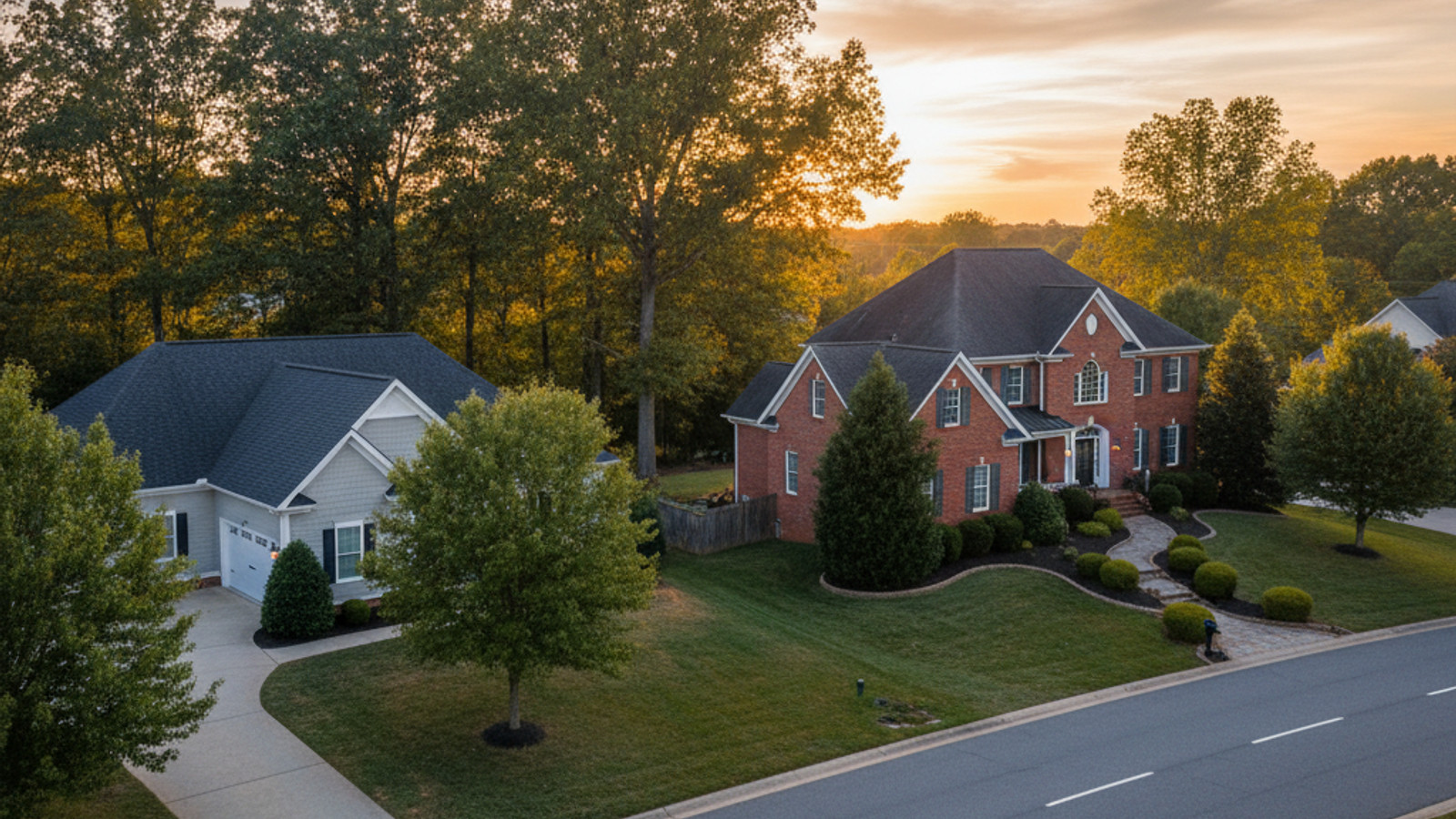
Buyers looking at the Tri-Cities region often find themselves weighing the exact differences between two major anchors. Choosing between Johnson City vs Kingsport requires looking past the beautiful Appalachian scenery to examine daily logistics. Both cities offer distinct housing markets, employment sectors, and recreational amenities that cater to different buyer priorities.
The current market in 2026 presents a fascinating contrast between urban growth and suburban value across East Tennessee. Real estate dynamics require looking closely at localized data rather than regional averages. Understanding the nuances of property taxes, commute times, and housing inventory will ultimately dictate which city makes the most financial sense for your purchase.
Real Estate Market Data: Johnson City vs Kingsport
The overall real estate landscape in the Tri-Cities region remains highly active as of Spring 2026. Buyers exploring Johnson City, TN will find an approximate median home price ranging from $350,000 to $375,000. This market features a strong mix of downtown condos near the university and established residential neighborhoods.
Kingsport presents a different value proposition with an approximate median home price hovering around $311,000. The inventory here leans heavily toward traditional suburban single-family homes with larger lot sizes.
From an investment perspective, Johnson City is currently appreciating at a faster rate due to ongoing downtown revitalization and university growth. This makes it a stronger target for buyers prioritizing long-term equity gains. However, Kingsport easily wins out for buyers whose primary goal is maximizing their square footage and securing the most physical property for their dollar.
Cost of Living and Property Taxes
Relocating to Tennessee brings immediate financial benefits, most notably the absence of a state income tax. This baseline advantage stretches your housing budget further, but local expenses still vary between neighboring municipalities. Routine costs for groceries, healthcare, and utilities generally run slightly lower in Kingsport compared to the regional average.
Property taxes introduce another layer of financial strategy when comparing these two locations. Johnson City residents typically see an effective property tax rate of around 0.43 percent. Kingsport spans multiple county lines, meaning effective tax rates range from roughly 0.54 percent to 0.76 percent depending on your specific ZIP code.
Kingsport holds the edge on overall day-to-day affordability, especially regarding retail and utility costs. The critical takeaway for buyers is to verify exact county tax rates before making an offer in Kingsport. A home situated in Sullivan County will carry a different annual tax burden than one located just across the line in Hawkins County.
Commute Times and Major Employers in the Tri-Cities
Regional infrastructure heavily dictates daily commute patterns across East Tennessee. Interstate 26 and Interstate 81 serve as the primary arteries connecting these two cities. Residents typically expect a 25 to 30-minute drive when traveling between the downtown commercial centers of both locations.
The economic engines driving each city dictate where many residents ultimately choose to purchase real estate. Proximity to major job centers remains a top priority for buyers looking to minimize their daily driving time. The region relies on several massive employers that anchor the local economy:
- Eastman Chemical Company operates its massive global headquarters in Kingsport.
- Ballad Health maintains a dominant presence across both cities with multiple large medical centers.
- East Tennessee State University serves as a massive economic and employment driver for Johnson City.
If your career is rooted in academia or specialized healthcare, the infrastructure and job density in Johnson City are unbeatable. Conversely, Kingsport remains the undisputed industrial and corporate manufacturing hub of the region. Buyers should map their specific workplace to potential neighborhoods, as crossing the region during peak hours adds measurable time to a daily commute.
Public Schools and Higher Education
Educational infrastructure plays a significant role in local real estate demand. The region features two distinct public school districts: Johnson City Schools and Kingsport City Schools. Both districts maintain robust academic programming, extensive extracurricular facilities, and comprehensive dual enrollment opportunities.
Campus facilities often serve as a focal point for buyers researching the area. Science Hill High School anchors the Johnson City district with a massive campus that rivals some small colleges. Dobyns-Bennett High School in Kingsport boasts an equally impressive footprint, featuring renowned music programs and extensive athletic facilities.
Johnson City offers a highly convenient, direct pipeline to higher education with East Tennessee State University located right in its backyard. This proximity provides high school students with exceptional access to early college credits and campus resources. Meanwhile, the Kingsport district commands deep community loyalty and offers a highly structured, tradition-rich environment.
Amenities, Parks, and Outdoor Recreation
The lifestyle offerings in each city cater to very different weekend routines. Downtown Johnson City delivers a vibrant, heavily student-influenced atmosphere packed with local restaurants, breweries, and walkable entertainment venues. The urban core here feels energetic and constantly active, drawing residents who prefer dining out and attending community events.
Kingsport contrasts this urban energy with sprawling nature reserves and quieter, expansive recreational spaces. The city prioritizes access to the outdoors, offering massive protected areas that feel entirely removed from commercial development. Buyers heavily invested in hiking, mountain biking, and nature photography often gravitate toward this side of the region.
Specific local parks define the recreational landscape for residents in both municipalities. Buffalo Mountain Park and Winged Deer Park provide Johnson City locals with excellent hiking trails and lakefront access right near the city center. Kingsport features the expansive Bays Mountain Park, which includes a nature preserve, a planetarium, and miles of rugged trails.
Buyers seeking high walkability and a dense, varied dining scene will undoubtedly prefer the pace of Johnson City. Dedicated outdoor enthusiasts will find better immediate access to large-scale, immersive nature trails in Kingsport. Your choice ultimately comes down to whether you prefer spending your weekends at downtown street festivals or deep in a nature preserve.
Frequently Asked Questions
Is it cheaper to live in Johnson City or Kingsport?
Kingsport generally offers a lower overall cost of living and more affordable median home prices. Buyers can typically secure a larger property for around $311,000 in Kingsport compared to the higher entry point in Johnson City. However, buyers must carefully calculate property taxes, as Kingsport rates can fluctuate based on specific county lines.
Which city has better access to healthcare, Johnson City or Kingsport?
Both cities offer exceptional medical access, primarily managed by the expansive Ballad Health network. Johnson City holds a slight advantage due to the presence of the VA Medical Center and the university’s medical school. Residents in either location will find comprehensive hospitals and specialized clinics within a short 15-minute drive.
What is the vibe and lifestyle like in Johnson City versus Kingsport?
Johnson City operates as a bustling college town with a highly walkable downtown, active nightlife, and a thriving restaurant scene. Kingsport offers a more relaxed, industrially anchored environment with a massive emphasis on outdoor recreation and community traditions. The final choice depends entirely on a buyer’s preference for urban amenities versus quiet, expansive outdoor access.


