

 Facebook
 X
X
 Pinterest
 Copy Link
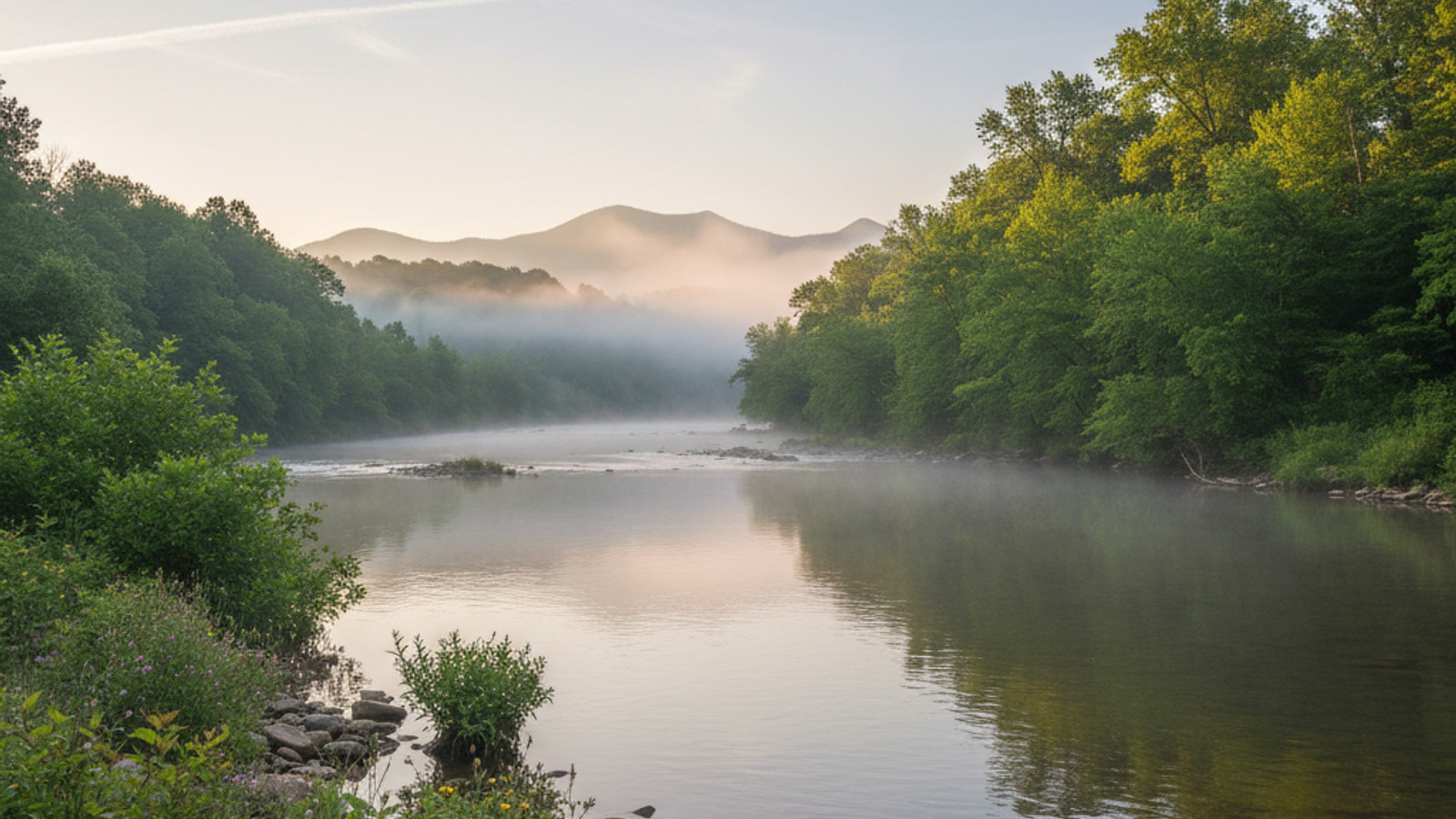
When most people hear “Pigeon Forge,” they immediately picture the neon lights of the Parkway, the towering coasters at Dollywood, and the endless stacks of pancakes. But for those of us who know Sevier County well, this town is more than just a weekend getaway. It is the gateway to the Great Smoky Mountains, a tax-friendly haven, and a place where the hustle of tourism meets the quiet of mountain living.
If you are considering relocating here, you have to look past the attractions to see the residential reality. Situated in the foothills of the Smokies, Pigeon Forge offers a unique lifestyle blend. You get the economic benefits of a thriving tourism hub combined with the scenic beauty of East Tennessee. Whether you are an investor looking for the next high-performing rental or a retiree seeking a flat, accessible community with zero state income tax, there is a side to this town that the average tourist never sees.
Let’s peel back the layers of the tourist map and look at what it actually costs—and feels like—to call this place home.
Pros and Cons of Moving to Pigeon Forge
Every town has its trade-offs, and Pigeon Forge is no exception. The very things that make it a powerhouse for investors—millions of visitors and a booming economy—can be hurdles for full-time residents. It is important to weigh the financial perks against the daily logistical realities before you sign a contract.
Here is a quick look at the lifestyle balance:
- Financial Freedom: Tennessee has no state income tax, and Sevier County boasts some of the lowest property tax rates in the nation. This can mean significant annual savings compared to other states.
- Outdoor Lifestyle: You have unmatched access to nature. Whether it’s fishing in the Little Pigeon River or taking a quick drive into the Great Smoky Mountains National Park, your “backyard” is world-class.
- The Tourist Tax: Because there is no income tax, the state makes up for it elsewhere. The sales tax here is high—hovering around 9.75%—because it capitalizes on the tourism economy.
- Traffic Volume: We have to be honest about the roads. With 9 to 10 million visitors annually, traffic can be intense, especially during the famous Rod Runs or October leaf season.
- Privacy Struggles: In some zones, it can be hard to find a quiet neighborhood. If you buy in the wrong spot, your next-door neighbor might be a different bachelorette party every weekend due to the density of short-term rentals.
Pigeon Forge vs. Gatlinburg: Which Neighbor Suits Your Lifestyle?
One of the most common questions I get from buyers is, “Should I look in Pigeon Forge or Gatlinburg?” While they are only about 5 to 7 miles apart, they feel like two completely different worlds when it comes to daily living and real estate.
The biggest difference is topography. Pigeon Forge sits on the valley floor. It is wider, flatter, and generally easier to navigate. If you dislike driving up steep, winding mountain roads in the winter, Pigeon Forge is the safer bet. Gatlinburg, on the other hand, is a tight mountain village. The homes there are often “chalet style” and perched on steep ridges, which offers incredible views but can be a challenge for daily commuting.
The “vibe” is also distinct. Gatlinburg has a walkable downtown strip with a rustic, historic, and pedestrian-heavy feel. Pigeon Forge is built around the Parkway, a six-lane highway. It is car-centric and commercial. If you want a traditional subdivision with a lawn and a garage, you are more likely to find homes for sale in Pigeon Forge or on the border of Sevierville. If you want that classic “cabin in the woods” feel, Gatlinburg is usually the go-to.
The Pigeon Forge Real Estate Market
The housing market here is unique because you are competing with two different types of buyers: the person who wants a home, and the investor who wants a business. The market is heavily driven by Short-Term Rental (STR) investors, which keeps demand high even when the national market cools.
If you are looking strictly for investment, the “Golden Zone” is often near Dollywood or just off the Parkway. Cabins here command high nightly rates because tourists want proximity to the action. However, if you are looking for a permanent residence, you need to look elsewhere. The best residential pockets are usually found towards the Sevierville border or off Veterans Boulevard. These areas offer a buffer from the noise while keeping you close to grocery stores and healthcare.
Price-wise, the market has seen significant appreciation over the last few years. While things have cooled slightly in 2024 and 2025 compared to the post-pandemic frenzy, you should still expect median home prices to hover in the $550,000 to $590,000 range. The silver lining for homeowners is the carrying cost. Sevier County property taxes are incredibly low—historically around $0.41 per $100 of assessed value. That low holding cost is a massive draw for retirees and investors alike.
Logistics: Getting Around and Traveling Out
If you are moving from a major metro area, you need to adjust your expectations regarding public transit and connectivity. This is a car-dependent region, and knowing your exit routes is vital.
For air travel, your primary hub is McGhee Tyson Airport (TYS) in Knoxville. It is a fantastic, easy-to-navigate medium-sized airport, but it is about a 30 to 45-minute drive from Pigeon Forge depending on traffic. It offers good connections to major hubs like Charlotte, Atlanta, and Chicago.
A common misconception is that you can take a train here. To be clear: there is no Amtrak service in Pigeon Forge, nor is there a station in Knoxville. If you are loyal to rail travel, your nearest Amtrak stations are quite a haul—you would need to drive to Greenville, South Carolina, or Atlanta, Georgia.
For drivers, your main artery to the outside world is I-40, specifically Exit 407. This exit is the primary funnel for tourists, so locals learn quickly to time their departures to avoid the Friday afternoon influx or the Sunday morning exodus.
A Local’s Guide: What Not to Do in Pigeon Forge
Once you get your keys and settle in, you stop acting like a tourist and start thinking like a local. The first rule of living in Pigeon Forge is knowing how to dodge the crowds.
Here are a few insider tips to keep your sanity:
- Don’t Drive the Parkway: Unless you absolutely have to. Locals use Teaster Lane and Veterans Boulevard. These roads run parallel to the main strip and can save you twenty minutes of sitting at stoplights.
- Watch the Calendar: During the spring and fall “Rod Runs” (massive car shows), the Parkway essentially becomes a parking lot. If you don’t have a classic car to show off, plan to stay home or take back roads those weekends.
- Skip the Tourist Groceries: Convenience stores and markets near the hotels have tourist pricing. For your weekly haul, head north toward the larger supermarkets in Sevierville or Kodak where prices are normal.
- Eat Off-Peak: The popular pancake houses and dinner theaters will have hour-long waits. Find the local diners tucked away on Wears Valley Road or hidden strip malls where the food is just as good, but the line is non-existent.
Frequently Asked Questions
Does Amtrak go to Pigeon Forge, TN?
No, Amtrak does not serve Pigeon Forge or the surrounding area. There is no train station in Knoxville or Sevier County. The closest Amtrak stations are located in Greenville, SC, or Atlanta, GA, both of which are several hours away by car.
What is the closest airport to Pigeon Forge?
The closest commercial airport is McGhee Tyson Airport (TYS), located just south of Knoxville. It is approximately 30 to 35 miles away, which usually translates to a 45-minute drive from downtown Pigeon Forge.
Is Pigeon Forge a good place to retire?
Yes, it is a very popular retirement destination due to the financial benefits. Retirees appreciate that Tennessee has no state income tax on wages or pension income, and Sevier County offers a low cost of living regarding property taxes. The flat terrain of the Pigeon Forge valley also makes it more accessible than the steeper slopes of Gatlinburg.
What is the property tax rate in Pigeon Forge?
Property taxes in this area are exceptionally low compared to the national average. While rates can fluctuate slightly with assessments, the Sevier County rate has historically hovered around $0.41 per $100 of assessed value, making homeownership very affordable from a tax perspective


