

 Facebook
 X
X
 Pinterest
 Copy Link
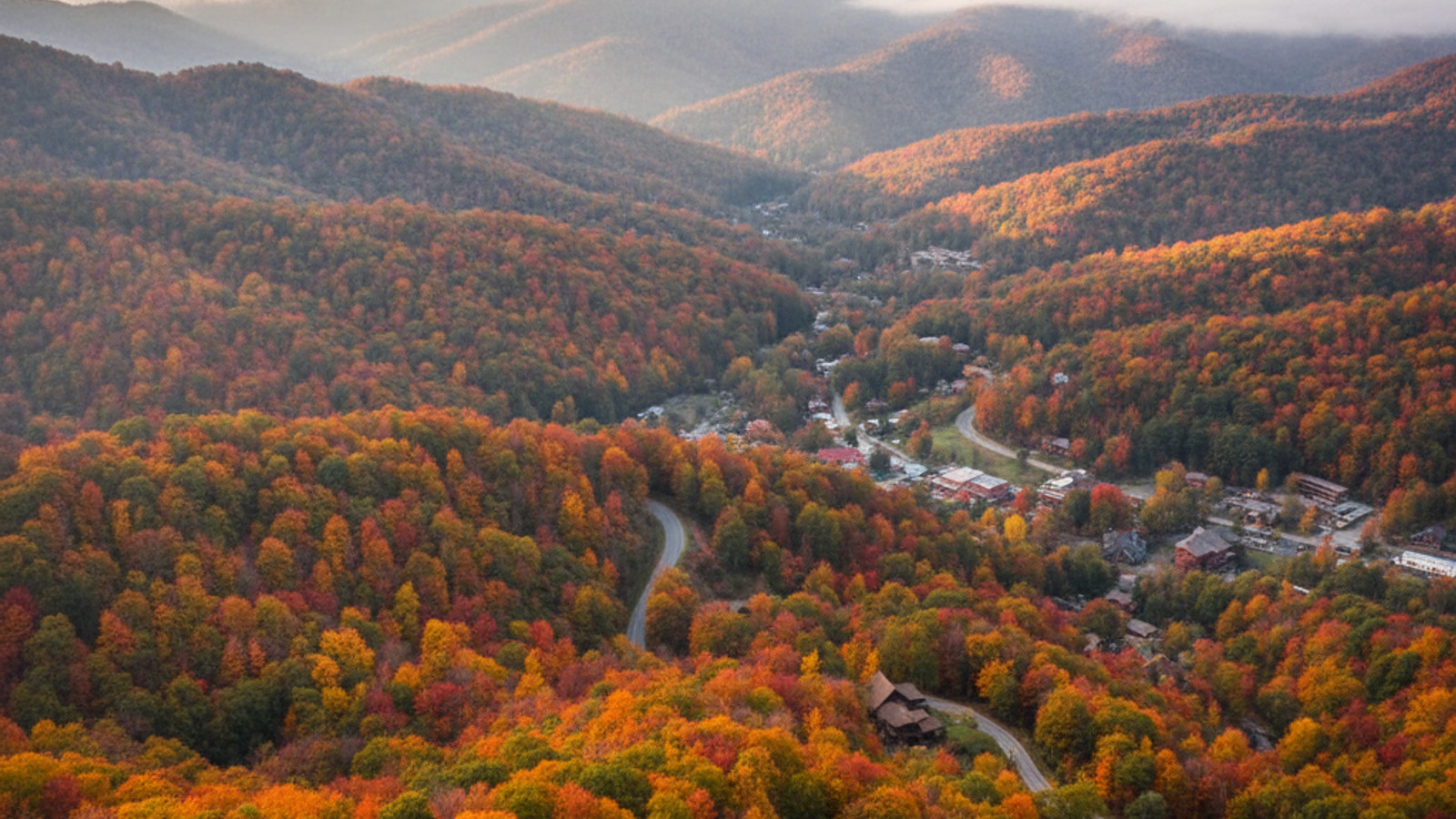
Most people know Gatlinburg as the neon-lit gateway to the Great Smoky Mountains—a place of pancake houses, moonshine tastings, and weekend getaways. But for those of us looking at the property data or planning a permanent move, Gatlinburg is a different beast entirely. It is a town where small-town geography meets big-city tourism economics.
Whether you are looking for a lucrative short-term rental investment or a quiet retirement cabin with a view of Mount Le Conte, you have to look past the Parkway. Living here offers a dual lifestyle: you have unparalleled access to the most visited national park in the country, but you also have to navigate a real estate market driven by high ROI potential.
In this guide, we are going to dig into the numbers and the logistics. We will cover the 2026 market shifts, the truth about short-term rental regulations, and what it actually costs to live in the Smokies.
Geography & Logistics: Getting to Know the Lay of the Land
Before we talk about buying a home, we need to talk about where you are actually landing. Gatlinburg is physically unique because it is a valley floor surrounded by steep vertical relief. This geography dictates everything from your view to your winter driving experience.
Elevation Matters Downtown Gatlinburg sits at an elevation of approximately 1,289 feet. However, the homes and cabins you are likely looking at are often perched on ridges that go much higher. Surrounding peaks, such as Mount Le Conte, rise above 6,000 feet. This elevation difference means it might be raining on the Parkway but snowing at your cabin.
Getting In and Out A common confusion for newcomers involves air travel. You might see “Gatlinburg-Pigeon Forge Airport” on a map, but don’t plan on booking a commercial flight there; it is strictly for general aviation and private aircraft.
For commercial travel, your hub is McGhee Tyson Airport (TYS) in Knoxville. It is roughly a 40 to 45-mile drive, which translates to about an hour depending on traffic through Sevierville and Pigeon Forge. If you are coming from the North Carolina side, Asheville Regional Airport (AVL) is about two hours away, but that drive involves crossing the mountains, which can be tricky in winter.
Time Zone We are on Eastern Standard Time (EST). This is a small but important detail for remote workers relocating from the Central time zone parts of Tennessee.
The Gatlinburg Real Estate Market: Trends & Investment Potential
Let’s get down to business. The real estate market here is heavily influenced by the short-term rental (STR) industry. If you are buying a home here, you are often competing with investors looking for cash flow, which keeps prices resilient even when the national market cools.
2026 Market Trends Inventory remains tight, but the frenzy of a few years ago has settled into a more normalized rhythm. We are seeing days on market extend to the 90-120 day range. This isn’t a bad thing; it means buyers have a moment to breathe and perform due diligence. The highest demand right now is for properties with “true mountain views”—buyers are becoming more selective and are willing to pay a premium for scenery over square footage.
Navigating STR Regulations If you plan to rent out your property, you need to understand the local rules. Gatlinburg requires a “Tourist Residency Permit” for rentals. Since the zoning updates in 2018, the city has been stricter about safety and location. Not every property qualifies for a permit, so never assume a home is rental-ready until you verify the zoning.
The Tax Conversation Here is a detail that catches many investors off guard: Sevier County property tax assessments. There has been a shift toward assessing short-term rentals at the commercial rate (40% of assessed value) rather than the residential rate (25%). While this doesn’t apply to every single property in every zone, it is a calculation you must factor into your ROI spreadsheets.
Cost of Living in Gatlinburg (2026 Update)
While real estate prices can be high due to investment demand, the day-to-day cost of living in Gatlinburg paints a mixed picture. Generally, the overall index hovers slightly below or at the national average, though it is higher than many rural Tennessee neighbors.
Housing Costs Housing is by far the biggest line item. Because the short-term rental market is so dominant, long-term rental inventory for residents is incredibly scarce. Finding a standard 12-month lease for a house or apartment is difficult, and when available, prices often range between $1,200 and $1,500 per month for modest accommodations.
Taxes and Daily Expenses One of the biggest financial perks of living in Gatlinburg is the lack of state income tax in Tennessee. That keeps more money in your paycheck. However, local governments make up for this with sales tax. You will notice high sales tax rates (often near 9.75% combined state/local) and specific tourism surcharges on dining or amusements.
Life in the Gateway: Amenities & Environment
Living in a major tourist destination means the amenities are oversized for a town of this population. You have access to world-class entertainment that most small towns could only dream of.
Attractions as Resident Perks Locals often have a love-hate relationship with the Parkway, but the perks are undeniable. Residents can enjoy attractions like Anakeesta, Ober Mountain, and the Ripley’s Aquarium of the Smokies—often with local resident discounts. It’s like having a theme park in your backyard that you can visit on a quiet Tuesday afternoon.
The Great Outdoors The real reason most people move here is the Great Smoky Mountains National Park. It is one of the few national parks with no entrance fee. You have immediate access to over 800 miles of hiking trails. For those interested in astronomy, the “dark skies” movement has gained traction here. During the solar maximum periods (2024-2026), it is even possible to catch glimpses of the Northern Lights from high-elevation spots like Newfound Gap, though it’s a rare treat rather than a daily occurrence.
The Arts and Crafts Community If you want to escape the neon lights, you head to the Great Smoky Arts & Crafts Community. This is an 8-mile loop designated for local artisans. It offers a quieter, slower pace of life where you can buy hand-crafted furniture, pottery, and art. It feels like the “old” Gatlinburg and is a favorite spot for locals to shop and dine away from the crowds.
Addressing the Past & Future: Wildfire Recovery & Safety
It is impossible to talk about real estate in Gatlinburg without addressing the 2016 Chimney Tops 2 fire. It is a part of our history, but it has also shaped a safer future for the community.
Resilience and “Firewise” Status Gatlinburg has rebuilt with resilience in mind and is now a designated “Firewise USA” community. This program emphasizes landscaping and building techniques that reduce wildfire risks.
Modern Building Codes Since the fires, the area has adopted stricter safety standards, including the 2018 International Building and Fire Codes. If you are looking at new construction homes for sale in Gatlinburg, you will find they are built with higher standards for fire resistance than older cabins.
Emergency Alerts Sevier County has significantly overhauled its emergency notification systems. Evacuation protocols are clearer, and communication infrastructure has been hardened to ensure residents get timely alerts during weather events or emergencies.
Education and Schools in Sevier County
For those moving with children, understanding the school landscape is a priority. Gatlinburg is served by the Sevier County School System.
- Primary Education: Younger students typically attend Pi Beta Phi Elementary, which is located right in the heart of Gatlinburg.
- Secondary Education: older students move on to Gatlinburg-Pittman High School, which serves the eastern part of the county.
- Higher Education: For post-secondary options, Walters State Community College has a campus nearby in Sevierville, providing convenient access to higher education and technical training.
Frequently Asked Questions About Moving to Gatlinburg
Is Gatlinburg, TN worth investing in?
From a numbers perspective, Gatlinburg remains a strong market, but the “easy money” days are gone. It is worth it if you run conservative numbers, account for the 40% commercial tax assessment possibility on rentals, and prioritize location and views. Cash flow is still possible, but appreciation is the longer-term play for many current buyers.
What is the closest airport to Gatlinburg, TN?
The closest commercial airport is McGhee Tyson Airport (TYS) in Knoxville, located about 45 miles west of Gatlinburg. While there is a local airfield called the Gatlinburg-Pigeon Forge Airport, it is strictly for private planes and charters.
Does it snow in Gatlinburg?
Yes, it does. Downtown Gatlinburg sees light snow a few times a year, but the higher elevations and ski slopes at Ober Mountain see significantly more. If you buy a cabin at a high elevation, a 4WD or AWD vehicle is highly recommended for winter access.
Can you see the Northern Lights in Gatlinburg?
It is rare, but possible. During periods of high solar activity (like the solar maximums predicted through 2026), the aurora borealis has been visible from high-elevation points with dark skies, such as Newfound Gap or Clingmans Dome.
What is the sales tax in Gatlinburg?
The total sales tax in Sevier County is generally 9.75%. This combines the Tennessee state sales tax of 7% with the local county tax of 2.75%. Keep in mind that certain tourism-related purchases may carry additional small surcharges.


