

 Facebook
 X
X
 Pinterest
 Copy Link
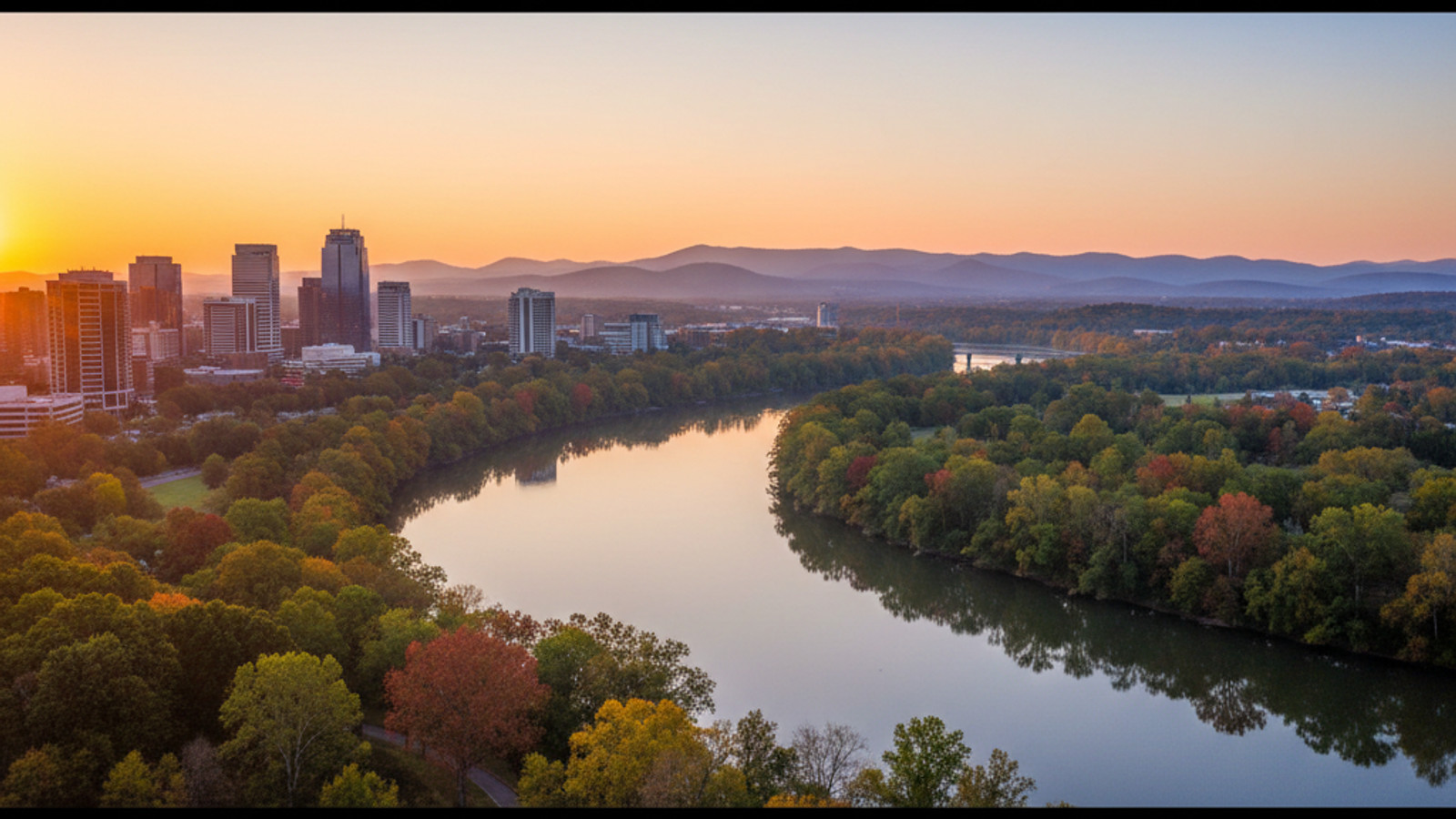
If you have been looking for a place that sits right in the “Goldilocks zone” of American cities, you might have just found it. Knoxville, Tennessee, often called the “Marble City” or the “Gateway to the Smokies,” has quietly become one of the most sought-after relocation destinations in the Southeast. It manages to balance the amenities of a major metro area with the genuine, slow-down-and-say-hello vibe of a small town.
Located in East Tennessee, right where the French Broad and Holston Rivers meet to form the Tennessee River, this city is defined by its landscape. We are nestled in a valley with the Great Smoky Mountains as our backyard. That geography dictates everything from our breathtaking views to our weekend plans.
Lately, we have seen a surge of people trading in bigger, more expensive metros for life here. With a city population around 198,000 and a wider metro area pushing 900,000, it feels substantial without being overwhelming. People are drawn here by the lifestyle—hiking in the morning and hitting a rooftop bar in the evening—but they stay for the value. If you are thinking about moving to Tennessee, you will quickly find that Knoxville offers a compelling mix of affordability and culture that is hard to replicate elsewhere.
Cost of Living & Real Estate Market (2026 Update)
Let’s talk numbers, because this is usually the first thing buyers ask me about. The financial reality of living here is one of our biggest selling points. Generally speaking, the overall cost of living in Knoxville sits about 13% to 14% lower than the national average. When you factor in that Tennessee has no state income tax on wages, your take-home pay simply stretches further here than it might in other states.
The housing market has been interesting over the last few years. While prices have certainly risen—long-time locals will tell you it doesn’t feel as “cheap” as it did a decade ago—it is still remarkably affordable compared to national figures. The good news for buyers in 2026 is that the market is balancing out. We have seen inventory rise significantly, roughly 40% recently, which means you have more options and a bit more negotiating power than buyers did during the post-pandemic rush.
If you are looking at Knoxville homes for sale, the median home price typically hovers in the $360,000 to $400,000 range. To put that in perspective, your money goes a lot further here than it does in Nashville or Atlanta. If you aren’t ready to buy yet, the rental market is also competitive. You can expect to find a nice 2-bedroom apartment for around $1,450 a month. Compare that to the $1,950+ you might pay for a similar spot in Nashville, and the savings start to add up quickly.
Knoxville Safety Statistics & Crime Rates
Safety is a top priority for anyone moving to a new city, and it is important to look at the data with a clear eye. Like any growing urban center, Knoxville has areas with higher activity and areas that are very quiet. When you look at raw numbers, crime rates here can appear higher than the national average, but that data requires context. Much of the reported crime is concentrated in specific pockets or commercial districts rather than being spread evenly across residential neighborhoods.
However, the trend line is moving in the right direction. In early 2025, the Knoxville Police Department reported significant improvements, with violent crime and murder rates dropping between 26% and 64% depending on the specific report. This shift is largely credited to new community policing initiatives and focused efforts in specific districts, such as the East District.
When you are looking at crime maps online, it is helpful to distinguish between commercial areas and where people actually live. A shopping center might have high reports due to shoplifting or traffic incidents, which paints a different picture than residential safety. The best approach is to drive through neighborhoods at different times of day to get a true feel for the environment.
Top Neighborhoods & Districts
Knoxville is a “patchwork quilt” city. We have incredibly distinct neighborhoods, each with its own personality and architectural flavor. Whether you want a historic bungalow or a new build near the water, there is likely a spot that fits your criteria.
- Downtown & Market Square: This is the heartbeat of the city. If you love walkability, historic lofts, and having coffee shops and theaters right downstairs, this is where you want to be. It is vibrant, busy, and the center of our nightlife.
- Sequoyah Hills: If you drive west from downtown along the river, you hit “Sequoyah.” This is one of our most prestigious areas, known for grand historic homes, boulevard-style streets, and massive riverside parks. It is quiet, established, and visually stunning.
- Farragut: Further west, Farragut offers a distinct suburban feel. This area is known for larger lots, modern shopping centers, and close proximity to the lakes. It is a popular choice for those looking for homes for sale in Farragut who want space and convenience.
- South Knoxville (SoKno): Over the bridge lies the adventure hub of the city. SoKno has exploded in popularity thanks to the Urban Wilderness. It has a younger, grittier, outdoorsy vibe with lots of breweries and bike trails.
- North Knoxville (Old City/Happy Holler): This area is full of character. You will find Victorian-era houses, revitalized properties, and a quirky mix of breweries and bakeries. It has a strong community feel and plenty of historic charm.
Job Market & Major Employers
A common misconception is that everyone here works for the university. While UT is a massive economic engine, our economy is actually quite diverse. We call this region “Innovation Valley” for a reason.
The job market is anchored by heavy hitters in education, research, and science. The University of Tennessee (UTK) and Oak Ridge National Laboratory (ORNL) employ thousands of people and attract top-tier talent from around the globe. In the healthcare sector, Covenant Health and Tennova Healthcare are major regional employers.
Beyond that, we have a strong manufacturing and corporate presence. Clayton Homes, Denso, and the Y-12 National Security Complex are significant pillars of the local economy. We also serve as a media and logistics hub, with Warner Bros. Discovery maintaining a large regional campus and the Pilot Company headquartered right here. Unemployment rates typically stay competitive, and the diversity of industries helps insulate the local economy from downturns.
Climate & Geography: Does it Snow in Knoxville?
This is the “Goldilocks” factor I mentioned earlier. We have a humid subtropical climate, which is a fancy way of saying we get four distinct seasons, but none of them are too extreme.
- Winter: Yes, it gets cold, and yes, it snows. However, it is usually very manageable. We average about 4 to 6 inches of snow a year. It typically falls, looks pretty for a day, and melts by the next afternoon. You get the cozy winter vibes without needing a snowblower.
- Summer: It gets hot and humid. July and August are the peak months where highs sit in the upper 80s or low 90s. You will learn to appreciate air conditioning and days on the lake.
- Geography: Because we are in a valley, we are protected from some of the harshest weather, but that geography does trap pollen. If you suffer from allergies, you will want to be prepared for spring in the valley.
Things to Do: Culture, Outdoors & Dining
Knoxville was once dubbed the “Scruffy City,” a nickname we have embraced with pride. It speaks to our unpretentious, authentic culture. There is always something to do here, whether you are an adrenaline junkie or an art lover.
For outdoor enthusiasts, the Urban Wilderness is a crown jewel—over 1,000 acres of preserved space right near downtown with miles of hiking and biking trails. You can paddleboard on the Tennessee River or spend a day exploring Ijams Nature Center. And, of course, the Great Smoky Mountains National Park is only about a 45-minute drive away.
Culturally, we punch above our weight. You can catch a show at the historic Tennessee Theatre or the Bijou Theatre, or explore the Sunsphere at World’s Fair Park (yes, the one from The Simpsons). We host massive events like the Big Ears Festival and the Rossini Festival.
And I cannot talk about lifestyle without mentioning the Vols. When it is football season, the entire city turns orange. Neyland Stadium is a cultural pillar, and game days are an event unto themselves. Even if you aren’t a sports fan, the energy is infectious—though you should plan for heavy traffic on Saturdays in the fall.
Education & Schools
For those looking into the academic landscape, Knox County operates as one unified school district, Knox County Schools. This simplifies things as you don’t have to navigate a patchwork of city versus county systems.
Regarding higher education, the University of Tennessee dominates the landscape, bringing a youthful energy and research dollars to the city. However, Pellissippi State Community College is another vital institution providing excellent two-year degrees and technical training. There are also numerous private education options available throughout the county for those who prefer an alternative to the public system.
Frequently Asked Questions About Moving to Knoxville
Is Knoxville, TN a safe place to live?
Yes, but like any city, it depends on where you are. While overall crime stats can look high due to urban density, recent data from 2025 shows a significant drop in violent crime. Most residents find that by sticking to residential areas and practicing standard awareness, they feel very comfortable here.
Does Knoxville get a lot of snow?
Not really. We usually get about 4 to 6 inches of snow annually. It is enough to cancel school and buy bread and milk, but it rarely stays on the ground for more than a day or two.
What is the average cost of a house in Knoxville?
As of recent market data, you can expect the median home price to fall between $360,000 and $400,000. It is significantly more affordable than many coastal cities or larger southern metros.
How far is Knoxville from Nashville and the Smoky Mountains?
We are centrally located. You can drive to the Great Smoky Mountains in about 45 minutes for a day hike. Nashville is a straight shot west on I-40, taking about 3 hours depending on traffic.
Is expensive to live in Knoxville, TN?
Compared to the national average, no. The cost of living is roughly 13% to 14% lower than the U.S. average. Between affordable housing options and zero state income tax, it is financially attractive for many movers.


