 Facebook
 X
X
 Pinterest
 Copy Link
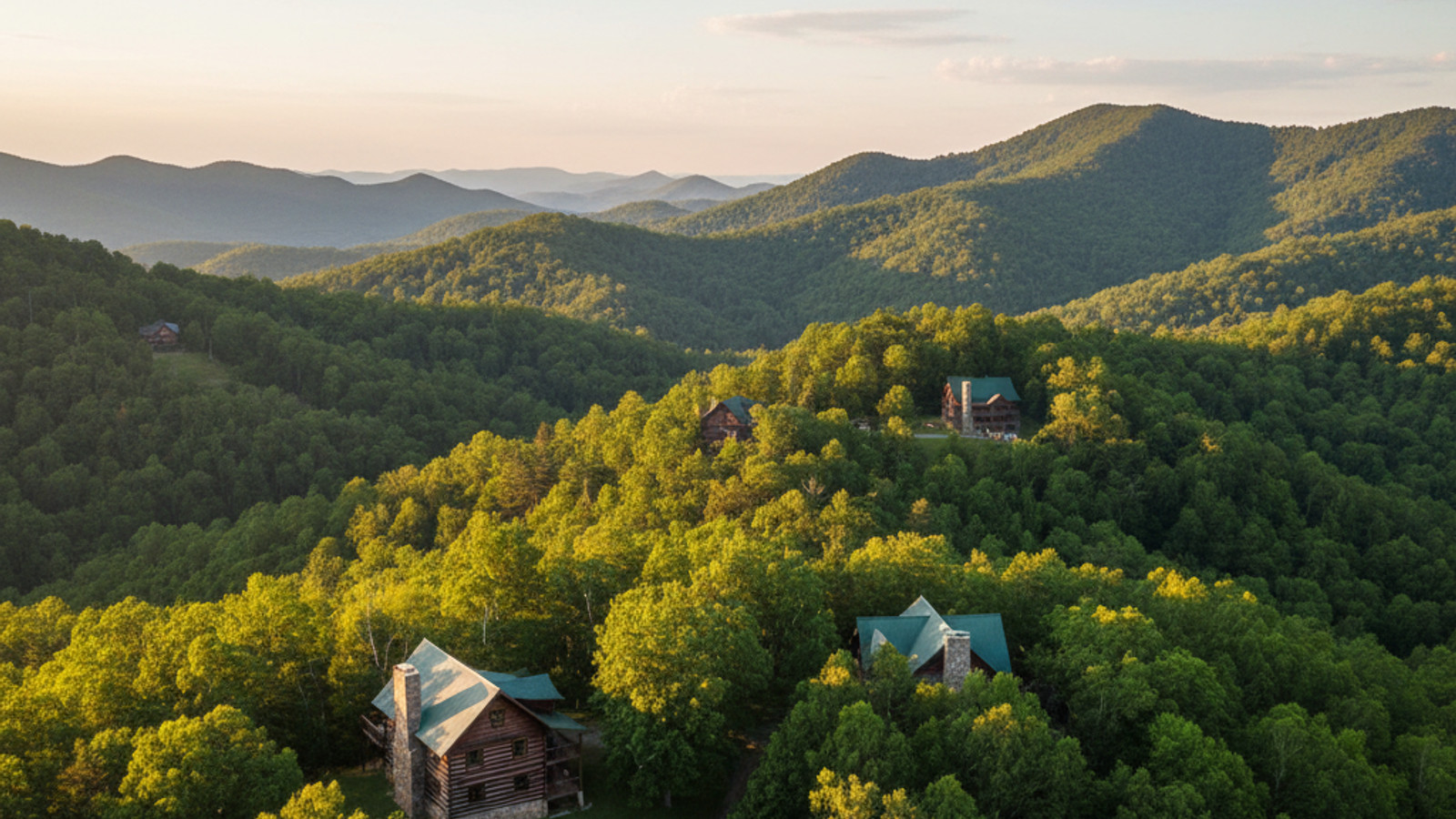
The Gateway to the Smokies: Why Buy in Sevier County?
If you have spent any time driving through the “Golden Triangle” of Sevierville, Pigeon Forge, and Gatlinburg, you already know the energy here is undeniable. Anchored by the Great Smoky Mountains National Park, this region isn’t just a scenic getaway; it is an economic powerhouse driven by over 12 million annual visitors. For real estate buyers, that volume of tourism translates directly into property potential.
However, buying here isn’t a one-size-fits-all proposition. The market is split between two distinct groups: investors chasing high ROI on short-term rentals, and people relocating to escape high-tax states for a permanent mountain home. Whether you are looking to capitalize on the vacation rental market or settle down in a region with no state income tax, understanding the nuances of Sevier County is critical. It is a market where breathtaking views meet serious business fundamentals.
2026 Market Update: A Shift to a Buyer’s Market
Let’s be real about where we stand. If you were looking at property here in 2021 or 2022, you likely remember the frenzy of bidding wars and sight-unseen offers. As we move through 2026, the landscape has shifted significantly. We have moved away from that pandemic panic and settled into a more normalized, healthy market. This is actually great news for buyers who want to make smart, calculated decisions rather than emotional ones.
The most notable change is inventory. We are seeing active listings up roughly 20% to 33% year-over-year. That increase means you finally have choices. You aren’t forced to grab the first cabin that pops up on the MLS. Along with more options, the pace of the market has slowed down. Days on Market (DOM) has normalized to the 60 to 80-day range. This gives you the breathing room to perform proper due diligence—inspections, permit checks, and financing—without feeling the pressure to waive contingencies just to get a foot in the door.
Prices have also found a new equilibrium. We aren’t seeing the skyrocketing appreciation of previous years, but we also aren’t seeing a crash. Median sales prices have stabilized in the $478,000 to $540,000 range. While some areas in Sevierville have seen a slight cooling, the overall market remains robust. It is a stabilization, not a decline, which offers a much safer entry point for long-term holding.
The Cabin Economy: Short-Term Rental (STR) Investment
For the investor crowd, the “cabin economy” is the primary draw. But running a vacation rental in the Smokies is no longer as simple as putting a key in a lockbox. The financials are still attractive, but they require active management and a sharp eye for what guests actually want.
Revenue expectations have shifted as the market has matured. Currently, performing properties in Sevierville are averaging around $54,000 in annual revenue, while Gatlinburg properties sit closer to $47,500. These are averages, of course, and top-tier properties outperform this significantly. Occupancy rates have also corrected from the post-pandemic highs, settling into a sustainable 53% to 58% range. With gross yields typically landing between 7% and 10%, the math still works, provided you buy the right asset.
The biggest factor driving that revenue today is the “Amenities War.” Guests are paying an Average Daily Rate (ADR) of $300 to $375, and for that price, they expect an experience. Standard cabins are getting passed over for properties with indoor pools, theater rooms, and unobstructed mountain views. If you are analyzing a property for investment, you need to budget for these differentiators. A view might cost more upfront, but it pays for itself in occupancy consistency.
CRITICAL: 2026 Short-Term Rental Regulations & Permits
If you take only one thing away from this guide, let it be this: Do not assume you can rent out a property just because it is in a tourist town.
The regulatory landscape changed drastically with the introduction of new permitting rules in January 2024. Failing to understand these boundaries can leave you with a house you cannot legally rent on the short-term market.
Here is the breakdown of the current rules:
- Sevier County (Unincorporated): The county launched the “STRU Permit Program” in early 2024. If your property is in the unincorporated county (outside city limits), you must obtain an annual permit. This costs roughly $250 (for smaller occupancy homes) and requires a safety inspection and a business license. It is mandatory, not optional.
- Pigeon Forge: This is where investors get tripped up most often. Pigeon Forge has strict zoning. Short-term rentals are frequently restricted in R-1 (low-density residential) zones. You absolutely must verify the zoning map before making an offer. Do not take a listing description’s word for it.
- Gatlinburg: Historically the most STR-friendly, Gatlinburg generally allows rentals but requires a Tourist Residency Permit. It is straightforward, but it is paperwork you cannot ignore.
- Sevierville City: Rentals are explicitly allowed here, but like the county, they require specific permitting and life-safety inspections.
Grandfathering rules often apply to building codes for existing permits, but if you buy a home that has never been a rental, you will likely need to bring it up to current safety codes to get that first permit.
Neighborhood Guide: Where to Buy?
The “Smokies” isn’t one big homogeneous blob. Each town has a distinct personality, investment profile, and lifestyle vibe. Choosing the right location depends entirely on your goals.
Sevierville
Think of Sevierville as the “hometown” of the area. It is the county seat and offers a mix of residential neighborhoods and high-performing rental cabins. It is often where you find larger plots of land and a bit more breathing room. For investors, Sevierville often offers better price-per-square-foot value than Gatlinburg, which helps with cash flow.
Gatlinburg
This is the classic, walkable tourist experience. If you want high pedestrian traffic and the feeling of being right in the mountains, this is it. The terrain here is steep—many cabins cling to the side of ridges. It has the highest density of “legacy” cabins (older builds). It is fantastic for occupancy because the brand name “Gatlinburg” is world-famous.
Pigeon Forge
Pigeon Forge is the entertainment hub, home to Dollywood and The Island. The terrain here is generally flatter than Gatlinburg, which makes it more accessible during winter months. However, because of the strict zoning mentions earlier, you have to be very careful about where you buy. It is ideal for investors who want to be near the action but requires careful due diligence.
Wears Valley & Douglas Lake
These are the emerging markets. Wears Valley offers some of the most stunning, quiet views in the region, acting as a “back door” to the National Park. Douglas Lake offers a completely different dynamic: summer water sports. Lakefront properties are becoming a premium niche for investors looking to diversify away from the standard mountain cabin.
Relocating to Sevier County: Lifestyle & Logistics
For those looking to live here full-time, the conversation shifts from ROI to quality of life. The financial benefits are the obvious starter: Tennessee has no state income tax. Combined with Sevier County’s low property tax (the effective rate is roughly 0.37%), your holding costs are significantly lower than the national average. While sales tax is high (around 9.75%) to offset this, most residents find the trade-off well worth it.
The cost of living is generally affordable, though housing costs have risen in line with the investment boom. You get more house for your money here than in many coastal states, but it is no longer “cheap.”
You also need to be realistic about the traffic. Living in a major tourist destination means dealing with seasonal congestion. The Parkway and Highway 66 can become parking lots during rod runs or peak October leaf season. Locals quickly learn the back roads (veterans swear by Veterans Boulevard), but it is a lifestyle adjustment you need to be ready for.
On the infrastructure side, things are improving. Fiber internet is expanding rapidly through local utility providers, making remote work viable in many cabins—though you should always verify the specific address before closing. Healthcare access is anchored by LeConte Medical Center in Sevierville, a modern facility that handles the needs of both the local population and the millions of visitors.
Due Diligence for Mountain Properties
Buying in the mountains involves technical checks that you just don’t deal with in the suburbs. If you skip these, you risk buying a money pit.
- Well & Septic Reality: Most cabins are not on city sewer; they are on septic systems. Here is the golden rule: The number of bedrooms you can market is determined by the septic permit, not the number of sleeping rooms in the house. If a house has four rooms with beds but a septic permit for only two bedrooms, it is legally a two-bedroom house. This caps your occupancy and your income. Always pull the permit.
- Steep Driveways: Photos flatten terrain. A driveway that looks mild in a listing might be terrifying in January. Steep driveways can cause accessibility issues for guests (or you) during winter weather. Many rental listings now require 4WD warnings for guests.
- Fire Safety: The region is Firewise-conscious. Ensure the property has defensible space and check on insurance availability early. Some carriers are hesitant about remote, steep properties, or premiums may be higher than you expect.
- HOA Fees: These vary wildly. Some areas have zero HOA fees, while resort communities can charge significant monthly amounts. However, those high fees often cover water, road maintenance, and amenity upkeep, which can actually save you money and headaches in the long run.
Frequently Asked Questions
Is Sevier County a dry county?
It is a common misconception that the area is dry. While Sevier County has historical roots in prohibition, the cities of Sevierville, Pigeon Forge, and Gatlinburg all allow the sale of alcohol. You can buy beer, wine, and spirits in these municipalities, and restaurants serve alcohol by the drink. However, regulations can vary slightly once you step outside city limits into the unincorporated county.
What is the property tax rate in Sevier County?
This is one of the biggest draws for buyers. The property tax rate is exceptionally low, sitting at approximately $1.48 per $100 of assessed value. It is important to note that Tennessee assesses residential property at 25% of its appraised value. This math results in an annual tax bill that is often a fraction of what buyers from the Northeast or Midwest are used to paying.
Are short-term rentals allowed everywhere in Sevier County?
No, they are not allowed everywhere. While the unincorporated county allows them with the new STRU permit, the cities have zoning maps that restrict rentals in certain residential areas. Pigeon Forge is particularly strict about keeping STRs out of R-1 zones. Never assume a property can be a vacation rental without verifying the zoning and HOA restrictions first.
What is the best area for cabin investment ROI?
If you are looking strictly for yield (cash-on-cash return), Sevierville often wins because entry prices can be slightly lower while still commanding high nightly rates. However, if your goal is consistency and high occupancy rates year-round, Gatlinburg often takes the lead due to its high walkability and year-round tourist density. The “best” area depends on whether you prioritize maximum cash flow or occupancy stability.


