

 Facebook
 X
X
 Pinterest
 Copy Link
Living in Pigeon Forge, TN: More Than Just a Vacation Destination
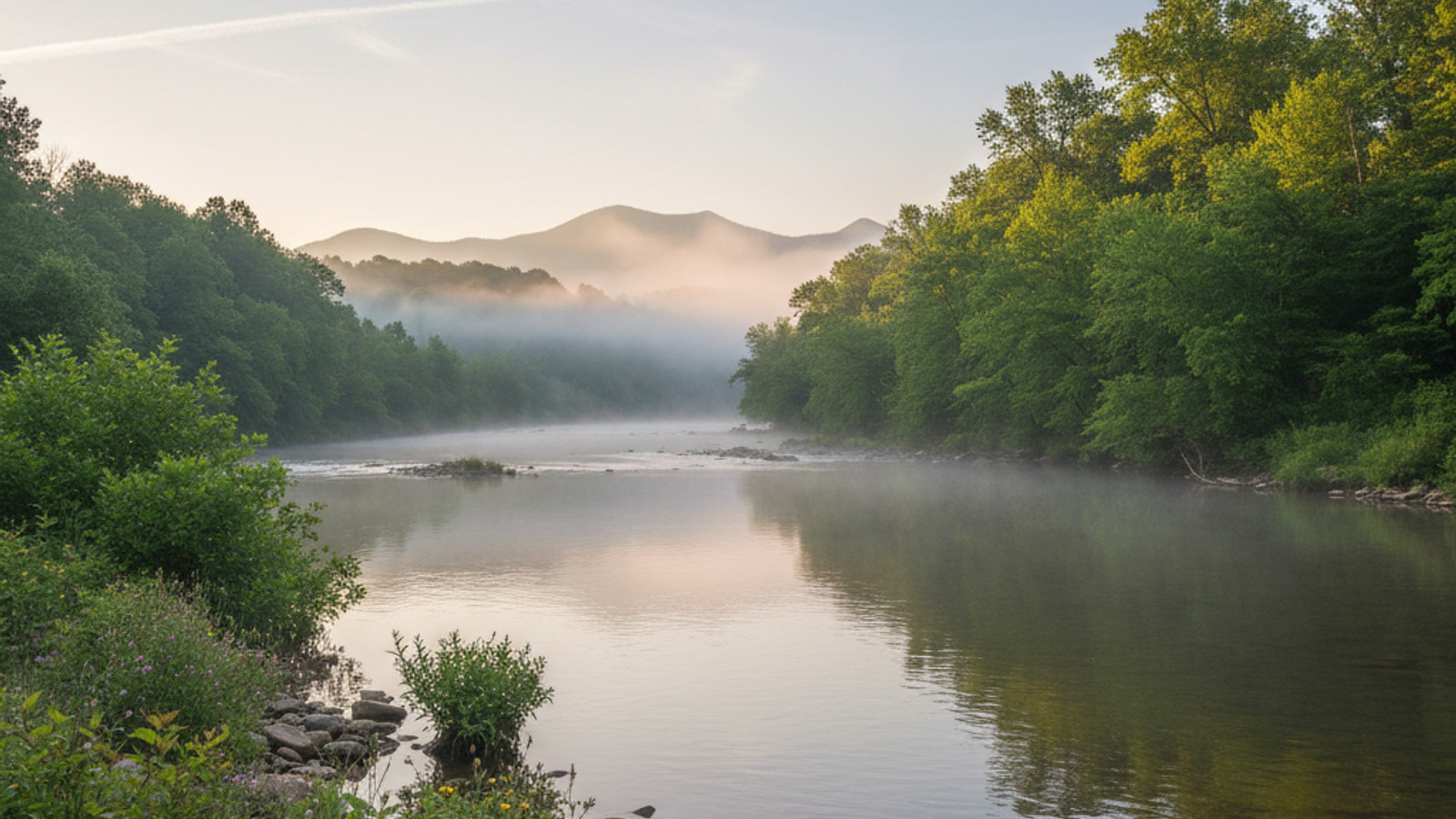
When most people hear “Pigeon Forge,” they immediately picture the neon lights of the Parkway, the towering coasters at Dollywood, and the endless stacks of pancakes. But for those of us who know Sevier County well, this town is more than just a weekend getaway. It is the gateway to the Great Smoky Mountains, a tax-friendly haven, and a place where the hustle of tourism meets the quiet of mountain living.
If you are considering relocating here, you have to look past the attractions to see the residential reality. Situated in the foothills of the Smokies, Pigeon Forge offers a unique lifestyle blend. You get the economic benefits of a thriving tourism hub combined with the scenic beauty of East Tennessee. Whether you are an investor looking for the next high-performing rental or a retiree seeking a flat, accessible community with zero state income tax, there is a side to this town that the average tourist never sees.
Let’s peel back the layers of the tourist map and look at what it actually costs—and feels like—to call this place home.
Pros and Cons of Moving to Pigeon Forge
Every town has its trade-offs, and Pigeon Forge is no exception. The very things that make it a powerhouse for investors—millions of visitors and a booming economy—can be hurdles for full-time residents. It is important to weigh the financial perks against the daily logistical realities before you sign a contract.
Here is a quick look at the lifestyle balance:
- Financial Freedom: Tennessee has no state income tax, and Sevier County boasts some of the lowest property tax rates in the nation. This can mean significant annual savings compared to other states.
- Outdoor Lifestyle: You have unmatched access to nature. Whether it’s fishing in the Little Pigeon River or taking a quick drive into the Great Smoky Mountains National Park, your “backyard” is world-class.
- The Tourist Tax: Because there is no income tax, the state makes up for it elsewhere. The sales tax here is high—hovering around 9.75%—because it capitalizes on the tourism economy.
- Traffic Volume: We have to be honest about the roads. With 9 to 10 million visitors annually, traffic can be intense, especially during the famous Rod Runs or October leaf season.
- Privacy Struggles: In some zones, it can be hard to find a quiet neighborhood. If you buy in the wrong spot, your next-door neighbor might be a different bachelorette party every weekend due to the density of short-term rentals.
Pigeon Forge vs. Gatlinburg: Which Neighbor Suits Your Lifestyle?
One of the most common questions I get from buyers is, “Should I look in Pigeon Forge or Gatlinburg?” While they are only about 5 to 7 miles apart, they feel like two completely different worlds when it comes to daily living and real estate.
The biggest difference is topography. Pigeon Forge sits on the valley floor. It is wider, flatter, and generally easier to navigate. If you dislike driving up steep, winding mountain roads in the winter, Pigeon Forge is the safer bet. Gatlinburg, on the other hand, is a tight mountain village. The homes there are often “chalet style” and perched on steep ridges, which offers incredible views but can be a challenge for daily commuting.
The “vibe” is also distinct. Gatlinburg has a walkable downtown strip with a rustic, historic, and pedestrian-heavy feel. Pigeon Forge is built around the Parkway, a six-lane highway. It is car-centric and commercial. If you want a traditional subdivision with a lawn and a garage, you are more likely to find homes for sale in Pigeon Forge or on the border of Sevierville. If you want that classic “cabin in the woods” feel, Gatlinburg is usually the go-to.
The Pigeon Forge Real Estate Market
The housing market here is unique because you are competing with two different types of buyers: the person who wants a home, and the investor who wants a business. The market is heavily driven by Short-Term Rental (STR) investors, which keeps demand high even when the national market cools.
If you are looking strictly for investment, the “Golden Zone” is often near Dollywood or just off the Parkway. Cabins here command high nightly rates because tourists want proximity to the action. However, if you are looking for a permanent residence, you need to look elsewhere. The best residential pockets are usually found towards the Sevierville border or off Veterans Boulevard. These areas offer a buffer from the noise while keeping you close to grocery stores and healthcare.
Price-wise, the market has seen significant appreciation over the last few years. While things have cooled slightly in 2024 and 2025 compared to the post-pandemic frenzy, you should still expect median home prices to hover in the $550,000 to $590,000 range. The silver lining for homeowners is the carrying cost. Sevier County property taxes are incredibly low—historically around $0.41 per $100 of assessed value. That low holding cost is a massive draw for retirees and investors alike.
Logistics: Getting Around and Traveling Out
If you are moving from a major metro area, you need to adjust your expectations regarding public transit and connectivity. This is a car-dependent region, and knowing your exit routes is vital.
For air travel, your primary hub is McGhee Tyson Airport (TYS) in Knoxville. It is a fantastic, easy-to-navigate medium-sized airport, but it is about a 30 to 45-minute drive from Pigeon Forge depending on traffic. It offers good connections to major hubs like Charlotte, Atlanta, and Chicago.
A common misconception is that you can take a train here. To be clear: there is no Amtrak service in Pigeon Forge, nor is there a station in Knoxville. If you are loyal to rail travel, your nearest Amtrak stations are quite a haul—you would need to drive to Greenville, South Carolina, or Atlanta, Georgia.
For drivers, your main artery to the outside world is I-40, specifically Exit 407. This exit is the primary funnel for tourists, so locals learn quickly to time their departures to avoid the Friday afternoon influx or the Sunday morning exodus.
A Local’s Guide: What Not to Do in Pigeon Forge
Once you get your keys and settle in, you stop acting like a tourist and start thinking like a local. The first rule of living in Pigeon Forge is knowing how to dodge the crowds.
Here are a few insider tips to keep your sanity:
- Don’t Drive the Parkway: Unless you absolutely have to. Locals use Teaster Lane and Veterans Boulevard. These roads run parallel to the main strip and can save you twenty minutes of sitting at stoplights.
- Watch the Calendar: During the spring and fall “Rod Runs” (massive car shows), the Parkway essentially becomes a parking lot. If you don’t have a classic car to show off, plan to stay home or take back roads those weekends.
- Skip the Tourist Groceries: Convenience stores and markets near the hotels have tourist pricing. For your weekly haul, head north toward the larger supermarkets in Sevierville or Kodak where prices are normal.
- Eat Off-Peak: The popular pancake houses and dinner theaters will have hour-long waits. Find the local diners tucked away on Wears Valley Road or hidden strip malls where the food is just as good, but the line is non-existent.
Frequently Asked Questions
Does Amtrak go to Pigeon Forge, TN?
No, Amtrak does not serve Pigeon Forge or the surrounding area. There is no train station in Knoxville or Sevier County. The closest Amtrak stations are located in Greenville, SC, or Atlanta, GA, both of which are several hours away by car.
What is the closest airport to Pigeon Forge?
The closest commercial airport is McGhee Tyson Airport (TYS), located just south of Knoxville. It is approximately 30 to 35 miles away, which usually translates to a 45-minute drive from downtown Pigeon Forge.
Is Pigeon Forge a good place to retire?
Yes, it is a very popular retirement destination due to the financial benefits. Retirees appreciate that Tennessee has no state income tax on wages or pension income, and Sevier County offers a low cost of living regarding property taxes. The flat terrain of the Pigeon Forge valley also makes it more accessible than the steeper slopes of Gatlinburg.
What is the property tax rate in Pigeon Forge?
Property taxes in this area are exceptionally low compared to the national average. While rates can fluctuate slightly with assessments, the Sevier County rate has historically hovered around $0.41 per $100 of assessed value, making homeownership very affordable from a tax perspective
Living in Sevierville, TN: The Gateway to the Smokies Relocation Guide
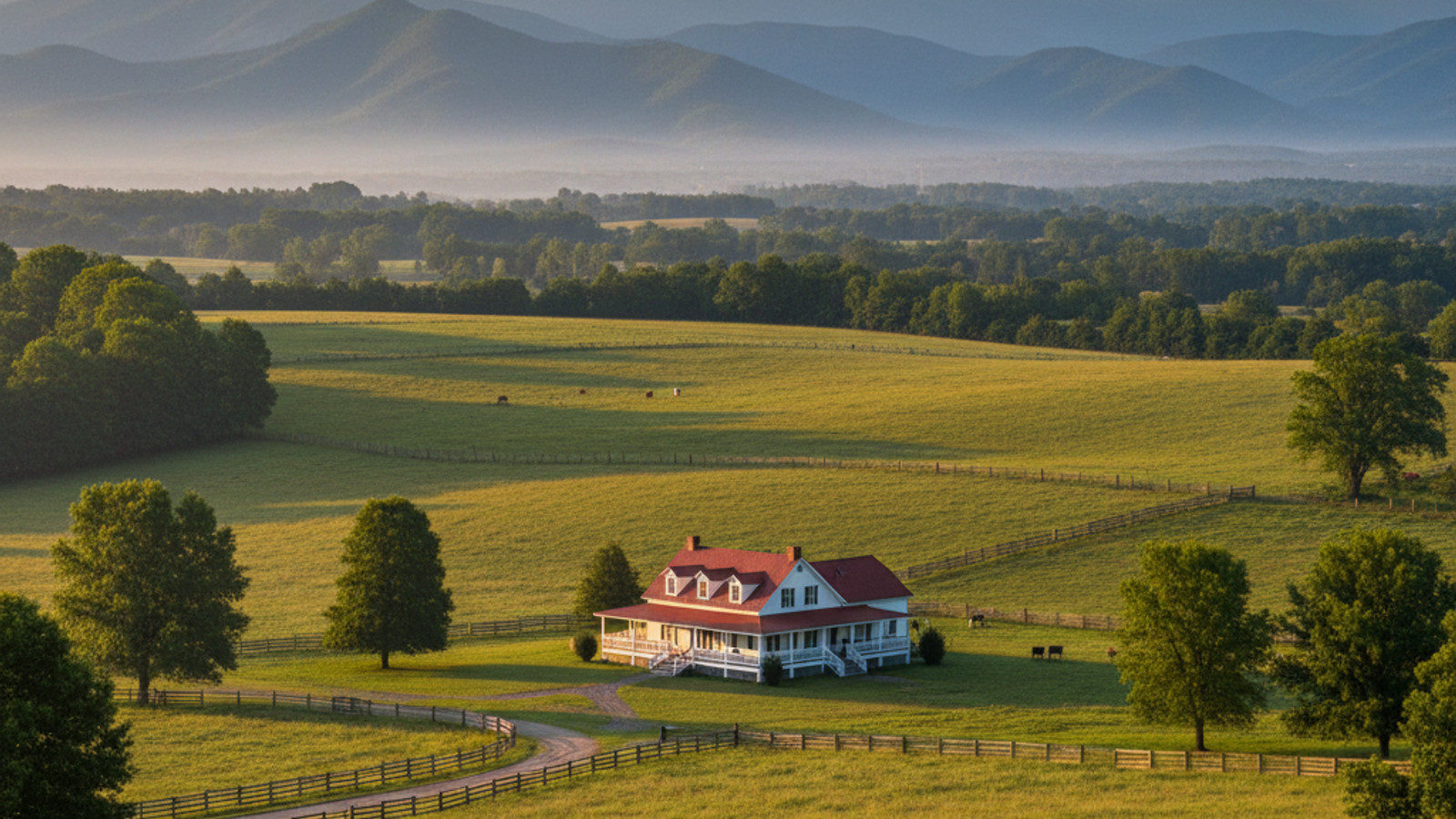
If you have ever driven toward the Great Smoky Mountains National Park, you have almost certainly driven through Sevierville. For millions of visitors, it’s the first sign that vacation has started. But for those of us who call East Tennessee home, Sevierville is much more than just a waypoint on the road to a cabin rental.
While its neighbors, Pigeon Forge and Gatlinburg, are famous for neon lights, dinner shows, and high-energy tourism, Sevierville offers a different pace. It is the historic, residential heart of the area—a place where history meets modern convenience. If you are looking for that sweet spot where mountain living meets practical logistics, without the constant gridlock of the main tourist strips, living in Sevierville might be your perfect move.
Let’s break down what life is actually like here, from the cost of housing to the local food scene.
Where is Sevierville, TN? Location & Logistics
Sevierville sits in the foothills of East Tennessee and serves as the county seat of Sevier County. Because it is the first major town you hit coming off Interstate 40 (at Exit 407), it acts as the primary commercial hub for the entire region.
For residents, this location is strategic. You have the mountains in your backyard, but you are also much closer to major infrastructure than you would be further up the mountain. If you travel for work or love to vacation, McGhee Tyson Airport (TYS) in Knoxville is your gateway to the world. It is the closest major airport, located roughly 45 to 50 minutes away depending on traffic.
Here is a quick look at the driving distances to the neighbors you’ll visit most often:
- Distance to Pigeon Forge: Approximately 6 to 7 miles (a quick drive, traffic permitting).
- Distance to Gatlinburg: Approximately 13 to 14 miles.
- Distance to Knoxville: Approximately 25 to 30 miles.
The Sevierville Vibe: History, Dolly, and Community
You can’t talk about this town without mentioning its most famous daughter, Dolly Parton. But here, she is more than a celebrity; she is a respected philanthropist and a massive part of the local identity. You will see her influence everywhere, most notably the bronze statue of a young Dolly holding a guitar on the lawn of the Sevier County Courthouse.
That courthouse, built in 1896, anchors a downtown area that feels miles away from the go-karts of the Parkway. Downtown Sevierville has seen a beautiful revitalization in recent years. We are talking about updated streetscapes, stunning murals, and a walkable grid of streets that feels authentic and grounded.
This is where the community actually lives. While Pigeon Forge is built for visitors, Sevierville is where locals go to the bank, visit the hardware store, and do their weekly grocery shopping. It offers a genuine small-town community feel where the person bagging your groceries likely knows your neighbors.
Is Sevierville a Dry County? Navigating Alcohol Laws
One of the most common questions newcomers ask involves alcohol sales. There is a lingering myth that this area is entirely “dry,” but the reality is a bit more nuanced.
While Sevier County has historical restrictions, the City of Sevierville is not dry. You can order liquor by the drink at restaurants within city limits, and package stores are legal here. You will find well-stocked stores for wine and spirits right in town.
However, it is important to know where the city limits end and the unincorporated county begins. The rules can change once you cross that invisible line, so if you are buying a home in the outskirts, it is worth checking the specific zoning if that convenience matters to you.
Real Estate & Cost of Living in Sevierville
When you start looking at homes in Sevierville, you will notice the inventory is incredibly diverse. Because the landscape varies from rolling pastures to riverbanks and steep ridges, the housing stock follows suit. You can find riverfront condos along the Little Pigeon River, sprawling farmhouses, and modern subdivisions all within the same zip code.
There is also a significant market for short-term rentals and investment cabins. However, local zoning is strict about where these can operate. Many subdivisions are designated for permanent residents only, ensuring that your next-door neighbor is a long-term resident rather than a bachelor party weekend group.
Financially, Tennessee is very attractive for retirees and workers alike because there is no state income tax on wages. Property taxes in Sevier County are also generally low compared to the national average, which helps offset the rising home prices we have seen in recent years.
Things to Do: Shopping, Outdoors, and Attractions
Living here means you have access to world-class amenities without always having to fight the worst of the tourist crowds.
Shopping
For retail therapy, Tanger Outlets Sevierville is a massive draw, offering brand-name deals right off the Parkway. For a more local feel, the Five Oaks area has developed into a great mix of shopping and dining.
Family Fun
You don’t have to go to Dollywood to have fun (though it’s right next door). SkyLand Ranch is a newer attraction that has become a local favorite, featuring a chairlift, miniature animals, and great views. For hot summer days, Soaky Mountain Waterpark is a massive modern park right in Sevierville.
Nature
If you want to escape the noise, Forbidden Caverns offers a fascinating tour of an underground river. Boaters and anglers love being close to Douglas Lake, which offers wide-open water for recreation. Plus, locals know the “back roads” (like Veterans Boulevard or Dolly Parton Parkway) to slip into the Great Smoky Mountains National Park while bypassing the main drag.
Dining in Sevierville: From Southern Staples to Pizza
The food scene here has evolved way beyond fast food. Whether you want a quick bite or a date-night spot, you have options.
- The Apple Barn & Cider Mill: This is a local icon. Yes, it draws tourists, but the apple fritters and juleps are a staple that locals still enjoy.
- Casual Eats: If you are craving pizza, Big Daddy’s Pizzeria uses a wood-fired brick oven that is hard to beat. for a great burger, Graze Burgers in the downtown area is a top pick.
- Fine Dining: For a special occasion, The Appalachian in downtown Sevierville brings modern Southern cuisine to the table in a sophisticated setting.
Pros and Cons of Living in Sevierville
Every town has its trade-offs. Here is an honest look at the good and the bad of settling down here.
Pros:
- Access to Nature: You are minutes from the most visited national park in the country.
- Tax Benefits: No state income tax and reasonable property taxes keep monthly costs down.
- Revitalized Downtown: A walkable, historic center that offers a break from the tourist zones.
- Proximity to Knoxville: You can easily commute to the city for bigger jobs or specialized healthcare.
Cons:
- Traffic: There is no sugar-coating this. During peak seasons and car shows (like the Rod Run), traffic on the Parkway can be intense.
- Crowds: You share your town with millions of visitors, which means wait times at popular restaurants can get long in the summer and fall.
- Public Transit: Like most of East Tennessee, this is a car-dependent area with limited public transportation options.
Frequently Asked Questions About Sevierville, TN
Is Sevierville TN a dry county?
It is a mix. The City of Sevierville allows liquor by the drink and has package stores, so it is not dry. However, parts of the unincorporated county outside city limits may have stricter regulations regarding alcohol sales.
How far is Sevierville from Gatlinburg and Pigeon Forge?
Sevierville is the first city you encounter, located just 6 to 7 miles north of Pigeon Forge and about 13 to 14 miles from Gatlinburg. Traffic can significantly affect drive times, but they are geographically very close.
What airport do you fly into for Sevierville TN?
The closest major airport is McGhee Tyson Airport (TYS) in Knoxville. It is located about 45 to 50 minutes west of Sevierville and offers connections to most major hubs.
What famous person is from Sevierville TN?
Dolly Parton was born in Sevier County and is Sevierville’s most famous native. She maintains strong ties to the community through her businesses and the Dollywood Foundation.
Oak Ridge, TN: Living in the Secret City Where Science Meets Nature
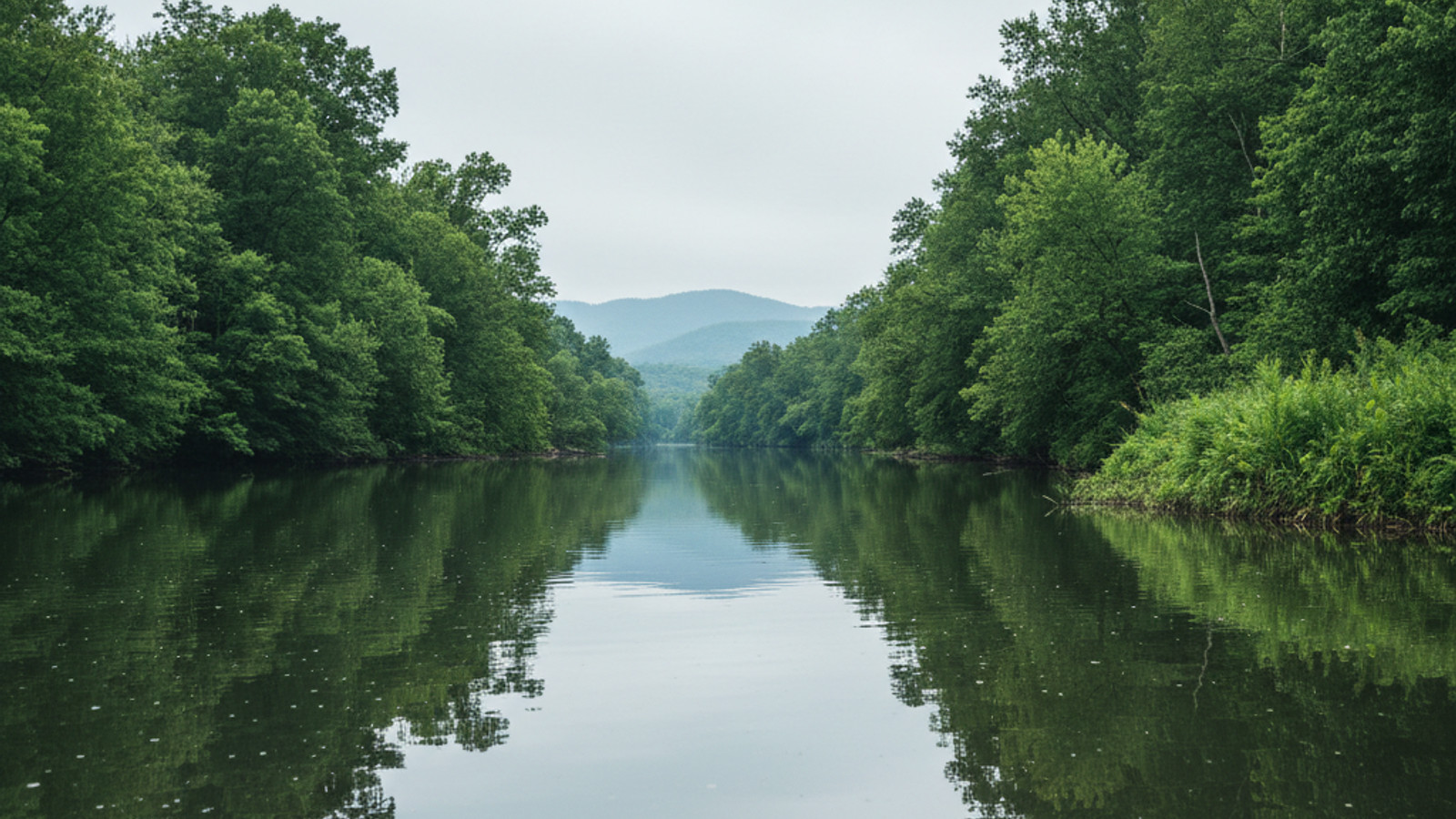
If you are looking for a standard, cookie-cutter suburb, you might want to look elsewhere. But if you want a community with a backstory that sounds like a movie script, nestled right between the mountains and the river, welcome to Oak Ridge.
Known globally as the “Secret City,” Oak Ridge was built from scratch in 1942 under total secrecy as part of the Manhattan Project. Back then, it didn’t appear on any maps. Today, the fences are down, and it has evolved into one of the most intellectually vibrant communities in the South.
Located about 25 miles northwest of Knoxville, this town of approximately 34,000 people sits at roughly 900 feet elevation, tucked between the Clinch River and the Cumberland Mountains. It’s a place where your neighbor might be a nuclear physicist or a master gardener—or both. It’s uniquely defined by a high concentration of PhDs, a love for the outdoors, and a deep pride in its role as a global science capital.
Is Oak Ridge Safe? Addressing the Radioactive Question
Let’s tackle the elephant in the room first. When people hear “Oak Ridge” and “nuclear,” the first question is almost always about safety.
The short answer is: Yes, it is safe to live here.
There is a big difference between the secured government facilities and the residential neighborhoods. The Oak Ridge National Laboratory (ORNL) and Y-12 National Security Complex are highly secure, access-controlled sites distinct from where people live, shop, and go to school.
In the residential areas, background radiation levels are normal and comparable to what you would find in any other city in Tennessee. The Department of Energy (DOE), the EPA, and the Tennessee Department of Environment and Conservation (TDEC) conduct rigorous, continuous environmental monitoring. Major cleanup projects, particularly at the former K-25 site (now the East Tennessee Technology Park), have largely been completed, transforming old industrial zones into safe historical parks and nature preserves.
You simply won’t “glow in the dark” here. That’s an old myth, but the reality is a town that is monitored more closely for environmental safety than almost anywhere else in the country.
A History Written in Atoms: The Manhattan Project Legacy
History isn’t just something you read about here; it’s literally built into the streets. In 1942, the federal government acquired this land and 75,000 people moved in to work on the Manhattan Project. They built a city overnight to help end World War II.
This rapid construction left a unique mark on the local housing market: the “Alphabet Houses.” To house thousands of workers quickly, the government built standardized home models labeled A, B, C, and D. You will still see these charming cottages all over town. Many have been beautifully renovated, while others are waiting for a new owner to bring them back to life.
Culturally, this history is a huge asset. The Manhattan Project National Historical Park draws visitors from all over, and historic Jackson Square—the original town center during the war—remains a hub for local business and community gatherings. Living here means being a steward of a pivotal chapter in American history.
The Economy: Big Science and Future Tech
While history draws tourists, science drives the economy. Oak Ridge is often called the “Silicon Valley of East Tennessee” because of the sheer volume of federal investment and research occurring here.
The economy is anchored by three massive employers:
- Oak Ridge National Laboratory (ORNL): The largest multi-program science and energy laboratory in the DOE system, employing over 6,000 people.
- Y-12 National Security Complex: A premier manufacturing facility dedicated to national security, employing over 7,000 staff.
- UCOR: The lead environmental management contractor.
But it’s not just government work anymore. We are seeing a “Nuclear Innovation Hub” emerge, with private companies like Kairos Power and TRISO-X setting up shop to develop next-generation energy solutions.
For residents, this means a stable job market that is often insulated from typical economic swings by long-term government contracts. Plus, if you work in Knoxville, the commute is an easy drive against the grain of traffic.
Oak Ridge Real Estate: Neighborhoods & Housing Market
The housing market here offers a surprising amount of variety. Whether you are looking for homes for sale in Oak Ridge that need a little TLC or a brand-new build with a view, you can usually find it at a price point that beats the national average.
As of early 2026, the median home price hovers between $350,000 and $390,000, with average rents sitting around $1,600 per month.
Historic Neighborhoods If you love character, look toward areas like West Hills or Woodland. These neighborhoods are full of mid-century charm and those famous Alphabet homes. They are generally very walkable, with mature trees and easy access to greenways.
Modern Living For those who prefer new construction and amenities, The Preserve at Oak Ridge is a major draw. Located on the west end, it offers resort-style living with a pool, marina access, and stunning views of the water.
Central ConvenienceEmory Valley is another popular spot. It offers a diverse mix of housing styles, from ranch homes to split-levels, and is centrally located near schools and shopping.
For renovation enthusiasts, the smaller “A” and “B” model homes offer an affordable entry point into the market, allowing buyers to build equity through sweat equity.
Education: The ‘Preschool to PhD’ Pipeline
It shouldn’t come as a surprise that a city built by scientists places a massive premium on education. When a large percentage of the parent population holds advanced degrees, the expectations for local schools are naturally high.
Oak Ridge Schools consistently rank near the top of state listings. Oak Ridge High School recently underwent a massive renovation, resulting in facilities that rival some small colleges.
The district has a unique advantage: a direct partnership with ORNL. This allows for STEM education opportunities that other districts simply can’t match, giving students access to world-class mentors and equipment. If you are pursuing higher education, Roane State Community College has a significant campus right here in town, completing the “preschool to PhD” pipeline.
Things to Do: Outdoors, Dining, & Culture
Don’t let the intellectual vibe fool you; people here know how to unplug. The lifestyle is a blend of active outdoor recreation and quirky local culture.
Outdoor RecreationMelton Hill Lake is the crown jewel of the area. It provides flat water that is perfect for rowing (it’s a nationally recognized rowing venue), kayaking, and fishing. If you prefer land, Haw Ridge Park offers nearly 30 miles of trails that are legendary among mountain bikers in East Tennessee. For a quieter pace, the North Boundary Greenway is excellent for hiking and bird watching.
Museums & Culture You can’t live here without visiting the American Museum of Science and Energy (AMSE). It’s interactive, fun, and explains the city’s complex science heritage. The K-25 History Center and the Children’s Museum of Oak Ridge are also fantastic local resources.
Dining & Retail The city is currently revitalizing its retail options with the Main Street Oak Ridge development, which has brought in new shops and restaurants. However, the heart of local dining is arguably Big Ed’s Pizza in Jackson Square. It’s an institution—thick crust, cold beverages, and memorabilia covering every inch of the walls.
Events The annual Secret City Festival is the highlight of the year, featuring concerts, history exhibits, and WWII reenactments that bring the whole town together.
Living in Oak Ridge: Pros and Cons
If you are weighing a move, here is a quick look at the trade-offs.
Pros
- High-Quality Schools: Consistently top-rated with a strong STEM focus
- Affordability: Lower cost of living compared to national averages
- Outdoor Access: Immediate access to lakes, rivers, and trails
- Stable Economy: Anchored by federal labs and the energy sector
Cons
- Older Housing Stock: Many homes are 70+ years old and may require maintenance
- Quiet Nightlife: Limited late-night entertainment options
- Limited Shopping: Major malls often require a drive to nearby cities (e.g., Knoxville)
- Strict Zoning: Historic overlays can restrict exterior renovations
Frequently Asked Questions
Is Oak Ridge, TN radioactive?
No, the residential and commercial areas of Oak Ridge are not radioactive. Background radiation levels are consistent with normal levels found elsewhere in the United States. The restricted government sites where nuclear work occurs are separate from the city and are heavily monitored for safety.
What is Oak Ridge, TN famous for?
Oak Ridge is famous for being the “Secret City” established in 1942 as part of the Manhattan Project to produce enriched uranium for the first atomic bombs. Today, it is known globally as a hub for scientific research, home to the Oak Ridge National Laboratory and supercomputing facilities.
Is Oak Ridge a suburb of Knoxville?
Technically, Oak Ridge is its own distinct city with its own economy and school system, not a traditional bedroom suburb. However, because it is located just 25 miles from downtown Knoxville, it is considered part of the greater Knoxville Metropolitan Area.
What are “Alphabet Houses” in Oak Ridge?
“Alphabet Houses” refer to the standardized home models (Type A, B, C, D, etc.) built by the government during World War II to quickly house workers. These historic homes are still the primary housing stock in many of the city’s older neighborhoods and are popular for their unique character.
Welcome to Maryville, TN: The Peaceful Side of the Smokies
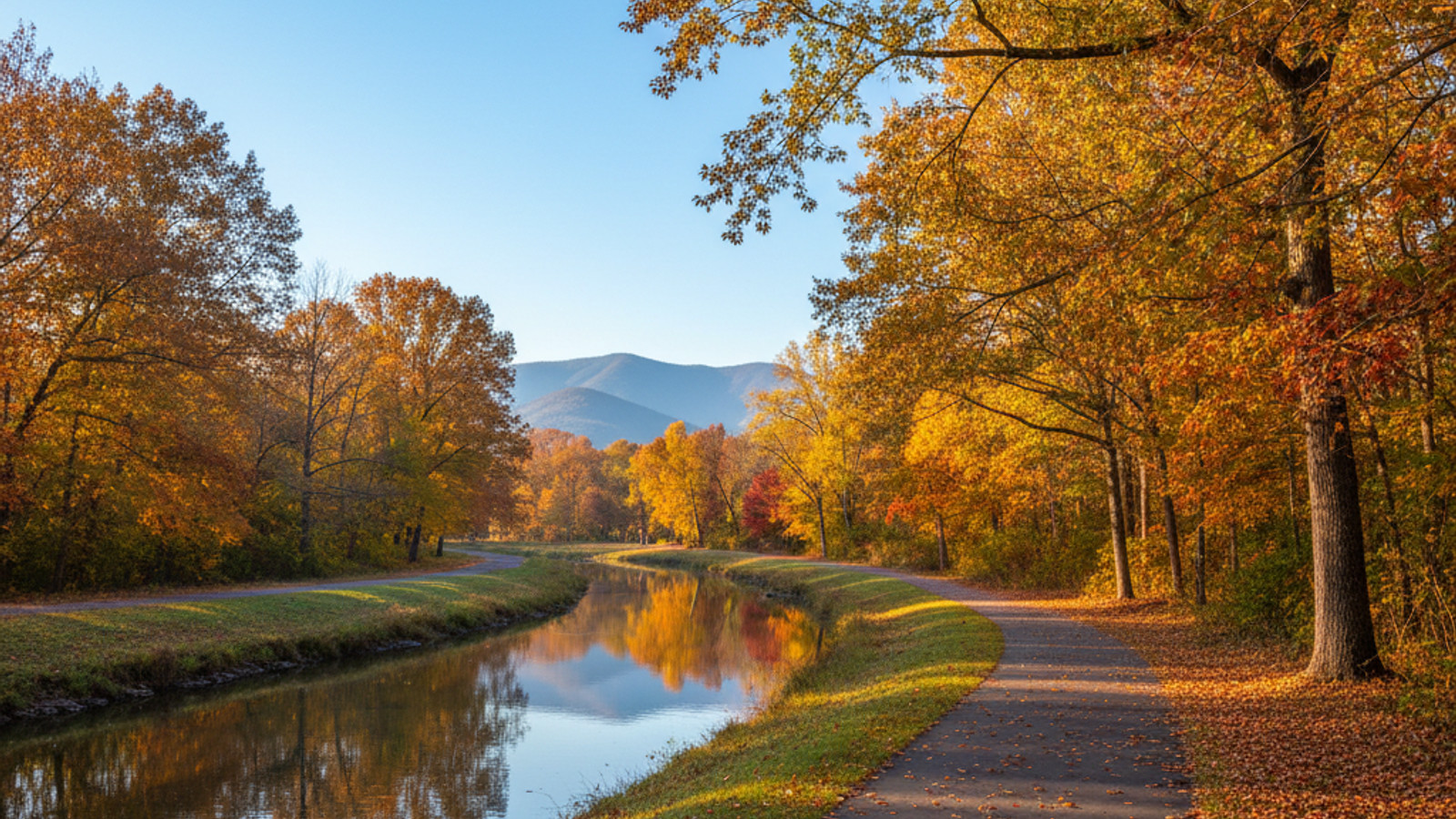
If you are looking for that elusive sweet spot’ in East Tennessee – a place that isn’t as busy as Knoxville but not as isolated as a cabin in the deep woods – you usually land on Maryville.
Located just 20 minutes south of Knoxville and about 25 minutes from the entrance to the Great Smoky Mountains National Park, Maryville serves as the county seat of Blount County. It’s a town that manages to balance a rich history with modern suburban growth. We were founded way back in 1795, and you’ll still see that history alive today, from the Sam Houston Schoolhouse to the brick-lined paths of Maryville College, which has been here since 1819.
The vibe here is unique. It feels like a blend of historic Appalachian charm and a sophisticated college town. You have the convenience of the McGhee Tyson Airport right next door and a straight shot up Alcoa Highway for commuting, yet you can be driving the scenic Foothills Parkway in under half an hour. For many people thinking about moving to East Tennessee, Maryville offers the perfect middle ground.
Living in Maryville, TN: Pros and Cons
If you are in the research phase, you probably want the highlights without the fluff. Here is a quick look at the trade-offs of calling this area home.
- Pros:
- Access to Nature: You have the Great Smoky Mountains in your backyard and the Bicentennial Greenbelt Park running right through town.
- Top-Rated Education: The public schools here are some of the highest-rated in the state.
- Tax Benefits: Property taxes are generally lower than the national average, and Tennessee has no state income tax.
- Community: There is a genuine sense of connection here, from Friday night football to local festivals.
- Cons:
- Housing Costs: It is a seller’s market, and prices have risen significantly compared to a few years ago.
- Traffic: Alcoa Highway (the main artery to Knoxville) can get congested, though ongoing construction aims to fix this.
- Humidity: The summers are sticky.
- Public Transit: It is limited; this is definitely a car-dependent community.
Cost of Living & Real Estate Market (2026 Update)
Let’s get down to the numbers. A few years ago, Maryville was considered a “budget” alternative to West Knoxville. Today, the secret is out, and the real estate market reflects that.
We are currently in a seller’s market with tight inventory, hovering around a 1.5-month supply. This means when good homes for sale in Maryville TN hit the market, they tend to move fast, often with multiple offers. You aren’t just competing with locals anymore; you are competing with people relocating from all over the country.
Buying vs. Renting
If you are looking to buy, you should budget for a median home price range between $380,000 and $400,000. You can still find fixer-uppers for less, but a move-in ready family home in a desirable zone will likely fall in that bracket.
If you plan to rent first to get a feel for the area, be prepared for a competitive rental market as well. A decent single-family home or a nice apartment typically rents for $1,800 – $2,100 per month.
Taxes
One of the biggest financial draws remains the tax structure. Tennessee has no tax on earned income. Blount County property taxes are reasonable, though it is important to note that if you live within the Maryville City limits, you will pay both city and county property taxes. However, many residents feel the extra cost is worth it for the municipal services and school access.
Is Maryville, TN Safe? Crime Rate & Statistics
A common question for anyone relocating is: “Is it safe?” When we look at the data, Maryville is statistically safer than 59% of Tennessee communities.
However, when you look at online crime maps, you might see some red zones. It is important to understand the nuance here. The overall crime rate is approximately 7 per 1,000 residents. The majority of this is property crime – specifically theft – rather than violent crime.
The statistics can be slightly skewed because Maryville is a retail hub for the surrounding rural counties. A lot of the reported theft happens in commercial areas (like the mall or big-box store parking lots) rather than in residential neighborhoods. The chance of being a victim of violent crime here is very low (roughly 1 in 753), while property crime is about 1 in 190. Generally speaking, it is safer than the Knoxville metro average, though it naturally has a higher activity rate than a quiet rural town like Townsend.
Education: Maryville City Schools vs. Blount County Schools
If you have school-aged children, this is the most critical section of this article. In real estate terms, the school district you are zoned for can significantly impact your home’s value.
The “City Schools” Premium
Maryville City Schools are consistently ranked as the #1 district in the Knoxville area and are top-tier statewide. Maryville High School, for instance, boasts “A” ratings and 5-star status. Because of this reputation, homes zoned for the city school district often command a higher price per square foot.
Blount County Schools
The county system surrounds the city and serves a much larger geographic area. Blount County Schools are solid, with Heritage High and William Blount High being the two main high schools. While they generally have lower test scores compared to the city district, they offer strong vocational programs and community support.
The Tuition Option
Here is a local tip: If you find the perfect house just outside the city limits (in the county), you don’t necessarily have to give up on the city schools. Maryville City Schools allow out-of-district students to attend on a tuition basis, provided there is space available. The cost is approximately $2,500 per year. It’s a popular workaround for many residents who want best schools in East Tennessee without paying city property taxes, but acceptance isn’t guaranteed.
Best Neighborhoods in Maryville for Every Lifestyle
Maryville isn’t one giant subdivision; it’s a collection of distinct areas, each with a different feel.
- Royal Oaks: This is one of the premier communities in the area. It is built around a golf course and features a mix of condos and large estate homes. It is popular with retirees and professionals. Keep in mind, there are multiple HOAs here depending on which street you live on.
- Historic Downtown / College Hill: If you love vintage charm, this is the spot. You’ll find walkable streets, century-old bungalows, and a lot of character. It’s close to the college and the library, giving it a very pedestrian-friendly atmosphere.
- Briarcliff: This is a well-established neighborhood with mature trees and larger lots. It feels very stable and quiet, making it a favorite for those looking for a traditional residential setting.
- Clover Ridge: If you prefer newer construction, this area has seen a lot of growth. It is slightly more affordable than the historic core, but you need to double-check your school zoning here, as the lines between city and county can get tricky in developing areas.
Lifestyle, Culture, and Politics
Maryville offers a “Southern hospitality” vibe that is very real. People hold doors open for you, and neighbors tend to look out for one another. The pace of life is noticeably slower than in Knoxville or Nashville.
Politically, Blount County is deeply red. It is a conservative area, with 70%+ of the county typically voting Republican. The city center is slightly more moderate, but the overall climate is traditional. Church attendance is high and plays a central role in the social fabric of the community.
However, the presence of Maryville College brings a layer of diversity and “liberal arts” culture that you don’t always find in towns of this size. The college draws in speakers, international students, and art exhibits.
Regarding social life, Maryville is not a dry county. In fact, we have a thriving local brewery scene. Unlike some surrounding rural areas that restrict alcohol sales, Maryville has embraced taprooms and craft beer culture, creating nice social hubs for adults.
Things to Do in Maryville: Nature & Nightlife
You don’t have to drive into Knoxville to have a good time. There is plenty to do right here.
The Great Outdoors
The crown jewel of the city is the Bicentennial Greenbelt Park. It’s a greenway that circles the city center, perfect for walking, running, or taking the dog out. For serious nature lovers, you are only about 20 miles from the Smokies. Locals often head to the Foothills Parkway for sunset drives or “The Dragon” (US 129) for spirited driving and motorcycling.
Arts and Events
For culture, the Clayton Center for the Arts on the college campus is a major asset. They host Broadway tours, concerts, and plays that would usually skip a town this size.
As for festivals, you might see old articles mentioning the “Foothills Fall Festival.” That event was retired back in 2014. Today, the big events are Summer on Broadway, a massive street party with music and food, and Hops in the Hills, a celebration of craft beer and music.
Dining
The food scene has exploded recently. You have high-end options like Foothills Milling Co. for special occasions, alongside casual spots and food trucks that gather near the breweries.
Weather & Climate: What to Expect
If you aren’t from the South, the weather takes some getting used to.
- Summers: They are hot and humid. Expect average highs in the upper 80s and 90s, with air that feels thick.
- Fall: This is the peak season. The humidity drops, the leaves on the mountains turn bright orange and red, and tourism spikes.
- Winters: Generally mild compared to the North. We get the occasional dusting of snow, but it rarely accumulates for long.
- Spring: Absolutely beautiful with blooming dogwoods, but be warned: the pollen count is high. If you have allergies, stock up on antihistamines.
Frequently Asked Questions
How far is Maryville TN from Knoxville?
Maryville is very close to Knoxville. It takes about 20 to 25 minutes to drive from downtown Maryville to downtown Knoxville via Alcoa Highway, depending on traffic.
Does Maryville TN get snow?
Yes, but usually not much. We average about 4 to 6 inches of snow annually, and it typically melts within a day or two.
Is Maryville TN a good place to retire?
Yes, it is a very popular retirement destination. The combination of no state income tax, access to Blount Memorial Hospital, and low violent crime makes it attractive for retirees.
What happened to the Foothills Fall Festival?
The Foothills Fall Festival was retired in 2014 due to rising costs. It has since been replaced by “Summer on Broadway,” a series of events that captures a similar community spirit without the ticket prices.
Living in Knoxville, TN: The Heart of the Valley
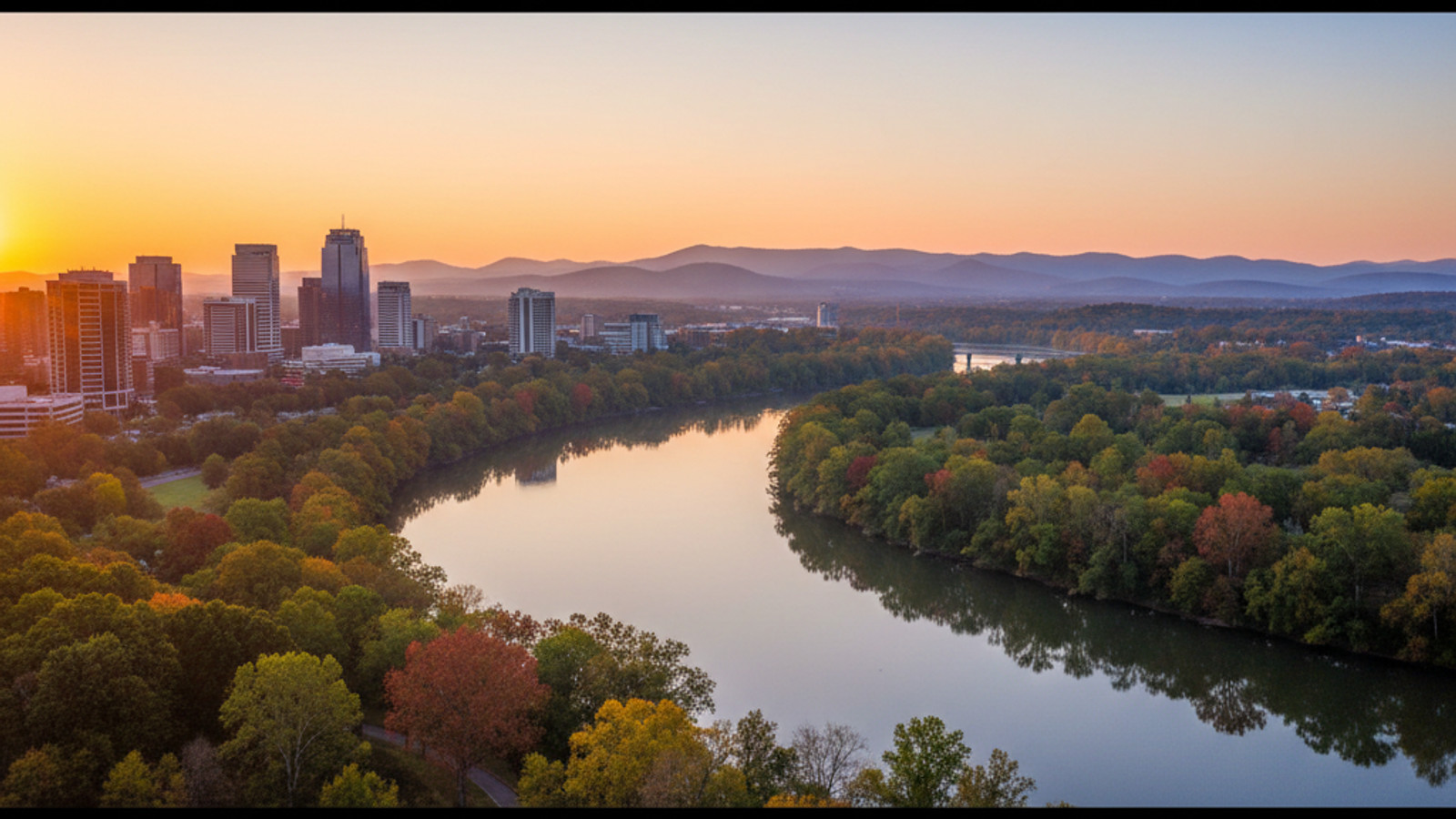
If you have been looking for a place that sits right in the “Goldilocks zone” of American cities, you might have just found it. Knoxville, Tennessee, often called the “Marble City” or the “Gateway to the Smokies,” has quietly become one of the most sought-after relocation destinations in the Southeast. It manages to balance the amenities of a major metro area with the genuine, slow-down-and-say-hello vibe of a small town.
Located in East Tennessee, right where the French Broad and Holston Rivers meet to form the Tennessee River, this city is defined by its landscape. We are nestled in a valley with the Great Smoky Mountains as our backyard. That geography dictates everything from our breathtaking views to our weekend plans.
Lately, we have seen a surge of people trading in bigger, more expensive metros for life here. With a city population around 198,000 and a wider metro area pushing 900,000, it feels substantial without being overwhelming. People are drawn here by the lifestyle—hiking in the morning and hitting a rooftop bar in the evening—but they stay for the value. If you are thinking about moving to Tennessee, you will quickly find that Knoxville offers a compelling mix of affordability and culture that is hard to replicate elsewhere.
Cost of Living & Real Estate Market (2026 Update)
Let’s talk numbers, because this is usually the first thing buyers ask me about. The financial reality of living here is one of our biggest selling points. Generally speaking, the overall cost of living in Knoxville sits about 13% to 14% lower than the national average. When you factor in that Tennessee has no state income tax on wages, your take-home pay simply stretches further here than it might in other states.
The housing market has been interesting over the last few years. While prices have certainly risen—long-time locals will tell you it doesn’t feel as “cheap” as it did a decade ago—it is still remarkably affordable compared to national figures. The good news for buyers in 2026 is that the market is balancing out. We have seen inventory rise significantly, roughly 40% recently, which means you have more options and a bit more negotiating power than buyers did during the post-pandemic rush.
If you are looking at Knoxville homes for sale, the median home price typically hovers in the $360,000 to $400,000 range. To put that in perspective, your money goes a lot further here than it does in Nashville or Atlanta. If you aren’t ready to buy yet, the rental market is also competitive. You can expect to find a nice 2-bedroom apartment for around $1,450 a month. Compare that to the $1,950+ you might pay for a similar spot in Nashville, and the savings start to add up quickly.
Knoxville Safety Statistics & Crime Rates
Safety is a top priority for anyone moving to a new city, and it is important to look at the data with a clear eye. Like any growing urban center, Knoxville has areas with higher activity and areas that are very quiet. When you look at raw numbers, crime rates here can appear higher than the national average, but that data requires context. Much of the reported crime is concentrated in specific pockets or commercial districts rather than being spread evenly across residential neighborhoods.
However, the trend line is moving in the right direction. In early 2025, the Knoxville Police Department reported significant improvements, with violent crime and murder rates dropping between 26% and 64% depending on the specific report. This shift is largely credited to new community policing initiatives and focused efforts in specific districts, such as the East District.
When you are looking at crime maps online, it is helpful to distinguish between commercial areas and where people actually live. A shopping center might have high reports due to shoplifting or traffic incidents, which paints a different picture than residential safety. The best approach is to drive through neighborhoods at different times of day to get a true feel for the environment.
Top Neighborhoods & Districts
Knoxville is a “patchwork quilt” city. We have incredibly distinct neighborhoods, each with its own personality and architectural flavor. Whether you want a historic bungalow or a new build near the water, there is likely a spot that fits your criteria.
- Downtown & Market Square: This is the heartbeat of the city. If you love walkability, historic lofts, and having coffee shops and theaters right downstairs, this is where you want to be. It is vibrant, busy, and the center of our nightlife.
- Sequoyah Hills: If you drive west from downtown along the river, you hit “Sequoyah.” This is one of our most prestigious areas, known for grand historic homes, boulevard-style streets, and massive riverside parks. It is quiet, established, and visually stunning.
- Farragut: Further west, Farragut offers a distinct suburban feel. This area is known for larger lots, modern shopping centers, and close proximity to the lakes. It is a popular choice for those looking for homes for sale in Farragut who want space and convenience.
- South Knoxville (SoKno): Over the bridge lies the adventure hub of the city. SoKno has exploded in popularity thanks to the Urban Wilderness. It has a younger, grittier, outdoorsy vibe with lots of breweries and bike trails.
- North Knoxville (Old City/Happy Holler): This area is full of character. You will find Victorian-era houses, revitalized properties, and a quirky mix of breweries and bakeries. It has a strong community feel and plenty of historic charm.
Job Market & Major Employers
A common misconception is that everyone here works for the university. While UT is a massive economic engine, our economy is actually quite diverse. We call this region “Innovation Valley” for a reason.
The job market is anchored by heavy hitters in education, research, and science. The University of Tennessee (UTK) and Oak Ridge National Laboratory (ORNL) employ thousands of people and attract top-tier talent from around the globe. In the healthcare sector, Covenant Health and Tennova Healthcare are major regional employers.
Beyond that, we have a strong manufacturing and corporate presence. Clayton Homes, Denso, and the Y-12 National Security Complex are significant pillars of the local economy. We also serve as a media and logistics hub, with Warner Bros. Discovery maintaining a large regional campus and the Pilot Company headquartered right here. Unemployment rates typically stay competitive, and the diversity of industries helps insulate the local economy from downturns.
Climate & Geography: Does it Snow in Knoxville?
This is the “Goldilocks” factor I mentioned earlier. We have a humid subtropical climate, which is a fancy way of saying we get four distinct seasons, but none of them are too extreme.
- Winter: Yes, it gets cold, and yes, it snows. However, it is usually very manageable. We average about 4 to 6 inches of snow a year. It typically falls, looks pretty for a day, and melts by the next afternoon. You get the cozy winter vibes without needing a snowblower.
- Summer: It gets hot and humid. July and August are the peak months where highs sit in the upper 80s or low 90s. You will learn to appreciate air conditioning and days on the lake.
- Geography: Because we are in a valley, we are protected from some of the harshest weather, but that geography does trap pollen. If you suffer from allergies, you will want to be prepared for spring in the valley.
Things to Do: Culture, Outdoors & Dining
Knoxville was once dubbed the “Scruffy City,” a nickname we have embraced with pride. It speaks to our unpretentious, authentic culture. There is always something to do here, whether you are an adrenaline junkie or an art lover.
For outdoor enthusiasts, the Urban Wilderness is a crown jewel—over 1,000 acres of preserved space right near downtown with miles of hiking and biking trails. You can paddleboard on the Tennessee River or spend a day exploring Ijams Nature Center. And, of course, the Great Smoky Mountains National Park is only about a 45-minute drive away.
Culturally, we punch above our weight. You can catch a show at the historic Tennessee Theatre or the Bijou Theatre, or explore the Sunsphere at World’s Fair Park (yes, the one from The Simpsons). We host massive events like the Big Ears Festival and the Rossini Festival.
And I cannot talk about lifestyle without mentioning the Vols. When it is football season, the entire city turns orange. Neyland Stadium is a cultural pillar, and game days are an event unto themselves. Even if you aren’t a sports fan, the energy is infectious—though you should plan for heavy traffic on Saturdays in the fall.
Education & Schools
For those looking into the academic landscape, Knox County operates as one unified school district, Knox County Schools. This simplifies things as you don’t have to navigate a patchwork of city versus county systems.
Regarding higher education, the University of Tennessee dominates the landscape, bringing a youthful energy and research dollars to the city. However, Pellissippi State Community College is another vital institution providing excellent two-year degrees and technical training. There are also numerous private education options available throughout the county for those who prefer an alternative to the public system.
Frequently Asked Questions About Moving to Knoxville
Is Knoxville, TN a safe place to live?
Yes, but like any city, it depends on where you are. While overall crime stats can look high due to urban density, recent data from 2025 shows a significant drop in violent crime. Most residents find that by sticking to residential areas and practicing standard awareness, they feel very comfortable here.
Does Knoxville get a lot of snow?
Not really. We usually get about 4 to 6 inches of snow annually. It is enough to cancel school and buy bread and milk, but it rarely stays on the ground for more than a day or two.
What is the average cost of a house in Knoxville?
As of recent market data, you can expect the median home price to fall between $360,000 and $400,000. It is significantly more affordable than many coastal cities or larger southern metros.
How far is Knoxville from Nashville and the Smoky Mountains?
We are centrally located. You can drive to the Great Smoky Mountains in about 45 minutes for a day hike. Nashville is a straight shot west on I-40, taking about 3 hours depending on traffic.
Is expensive to live in Knoxville, TN?
Compared to the national average, no. The cost of living is roughly 13% to 14% lower than the U.S. average. Between affordable housing options and zero state income tax, it is financially attractive for many movers.
Rural Mountain Towns in Upper East Tennessee: The Quiet Side of the Mountains
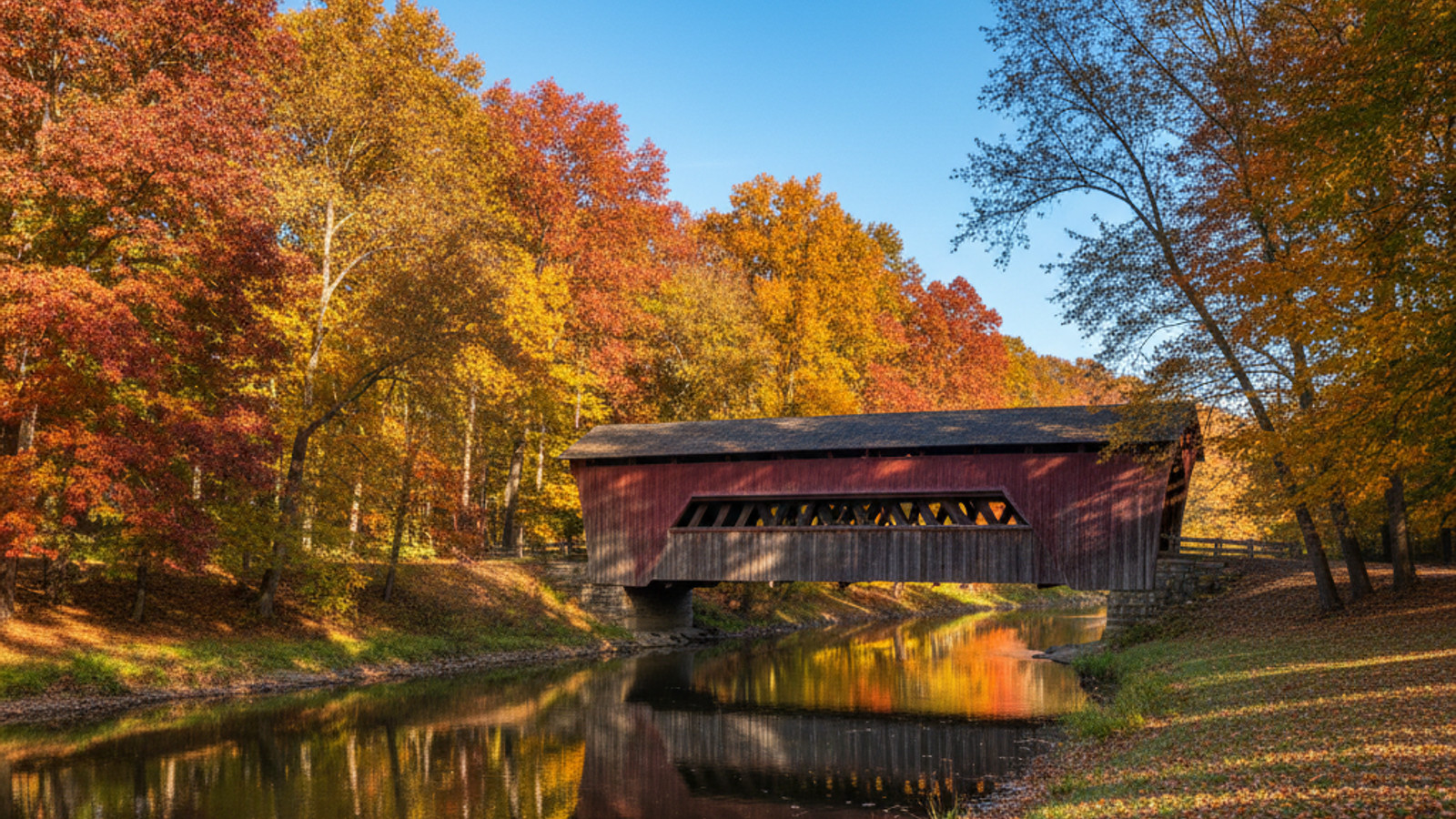
If you tell someone outside the state that you are moving to the mountains of East Tennessee, they almost immediately assume you mean Gatlinburg or Pigeon Forge. They picture traffic jams, pancake houses, and tourist crowds.
But if you are looking for the real Appalachia—the quiet, misty ridges, the historic Main Streets, and the tight-knit communities—you need to look a little further north. We call this “Upper East Tennessee.”
Geographically, we are talking about the northeast corner of the state, distinct from the Smokies. This area covers Washington, Carter, Unicoi, and Johnson counties. It’s the hinterland of the Tri-Cities (Johnson City, Kingsport, and Bristol).
The value proposition here is simple. You get the stunning four-season climate and the mountain views, but without the tourist traps. The cost of living in Tennessee vs National Average remains attractive here, and the vibe is less about buying souvenirs and more about sitting on a porch watching the fog roll off the river.
Let’s dig into what it’s actually like to live here, especially as we navigate the changes of the last few years.
Resilience & Recovery: The Post-Helene Reality (2026 Update)
We have to address the elephant in the room before we talk about square footage or school districts. In late 2024, Hurricane Helene brought significant flooding to our river valleys, specifically along the Nolichucky and Doe Rivers. It was a historic event that left scars, but it also revealed the incredible character of this region.
As we move through 2026, the recovery is well underway. Most major infrastructure repairs, including key bridges managed by TDOT, are either complete or in the final stages of restoration. The communities here didn’t fold; they rebuilt. You will hear a lot about “Neighbor to Neighbor” funds and grassroots efforts because that is just how people operate here. When things get tough, the casseroles and chainsaws come out.
For real estate buyers, this has shifted the conversation. There is a renewed focus on geography. Buyers are smarter now about distinguishing between riverfront flood zones and high-elevation properties. Due diligence regarding flood insurance is now a standard part of the buying process, even for homes that didn’t see a drop of water. The market is active, but it is more informed than it was three years ago.
Top Rural Mountain Towns in Upper East Tennessee
This region isn’t a monolith. A cabin in Mountain City feels very different from a historic cottage in Jonesborough. Here is a breakdown of the main towns to help you figure out which lifestyle fits you best.
Jonesborough: The Historic Storytelling Capital
If you love history, Jonesborough is likely already on your radar. As the oldest town in Tennessee (and the county seat of Washington County), it feels like a movie set—but people actually live and work here. The downtown is paved with brick sidewalks and lined with preserved 18th and 19th-century architecture.
The vibe here is artsy but grounded. It is home to the International Storytelling Center, and despite the disruptions of recent years, the National Storytelling Festival has made a resilient return, drawing crowds back to Main Street.
Real estate here is a mix. You have the premium historic homes right in town, but if you drive five minutes out, you find newer developments and rolling farmland. It is arguably the best spot for retirees or remote workers who want a walkable town center with coffee shops and a strong sense of community.
Elizabethton: River Life & Covered Bridges
Locals call it “Betsy.” Located in Carter County, Elizabethton is the gateway to Watauga Lake and Roan Mountain. The town is physically shaped by the convergence of the Doe and Watauga Rivers, making it a paradise for trout fishermen and kayakers.
The centerpiece is the Covered Bridge Park, a beautiful green space that anchors the downtown. While parts of the riverfront areas saw impact from the 2024 floods, the downtown core and the hillside neighborhoods remain robust.
Elizabethton is often more affordable than Jonesborough or Johnson City. It is a top choice for anglers, nature lovers, and anyone looking for a small-town feel that is still just 15 minutes from the big box stores in Johnson City.
Mountain City: High Elevation Seclusion
If you keep driving northeast until you almost hit Virginia or North Carolina, you’ll find Mountain City. This is the county seat of Johnson County, and it is distinct because of its elevation. It is higher up than the rest of the Tri-Cities, which means significantly cooler summers and a bit more snow in the winter.
This is true rural living. It is quieter, more secluded, and feels “hidden” from the hustle of the interstate. The big draw here is the Doe Mountain Recreation Area, which offers thousands of acres for ATV riding and hiking.
Real estate here is perfect for homesteaders or those seeking maximum privacy. You get more land for your money here, but you are also a longer drive (30-45 minutes) from major hospitals and shopping hubs.
Erwin: The Appalachian Trail Gateway
Erwin is the hub of Unicoi County, nestled deep in the mountains and surrounded by the Cherokee National Forest. For decades, this has been a haven for hikers, as the Appalachian Trail runs along the ridges above town.
Erwin faced some of the toughest challenges during the recent floods, particularly near the river industrial areas. However, the spirit of rebuilding here is fierce. Investors and locals are working hard to restore the river access points and rafting businesses.
For buyers, Erwin offers incredible access to the outdoors. If your dream weekend involves rafting the Nolichucky or hiking to a waterfall, this is your spot. It is currently attracting investors and buyers who believe in the long-term growth of this scenic valley.
Safety & Lifestyle: The Realities of Rural Living
When people ask about moving to rural Tennessee, two questions usually come up first: “Is it safe?” and “How is the internet?”
Safety and Community
Statistically, rural areas in Carter, Johnson, and Unicoi counties generally see lower crime rates than the denser urban centers. Safety here is less about gated communities and more about low density and nosy neighbors—in a good way. In these towns, people tend to know who belongs on their road. It is a quiet lifestyle.
Healthcare Access
One major advantage of this specific rural region is Ballad Health. Even if you are living in a cabin in the woods, you are rarely more than 30 to 40 minutes from Johnson City Medical Center, which is a Level 1 Trauma Center. For retirees, having high-level specialty care accessible without moving to a big city is a massive plus.
The “Zoom Town” Factor
A few years ago, working remotely from Mountain City was a gamble. That has changed. Fiber internet expansion through providers like Point Broadband and Brightspeed has lit up the region. We are seeing a wave of “Zoom Town” residents—professionals who bring their salaries from New York or Austin but spend them on a mortgage in Roan Mountain.
Economy & Jobs: How Locals Make a Living
You might be wondering, “If I don’t work remotely, what do I do?”
The reality is that Upper East Tennessee functions on a commuter economy. Most residents in towns like Elizabethton or Jonesborough commute 20 to 40 minutes into the Tri-Cities (Johnson City, Kingsport, Bristol). That is where the major healthcare, manufacturing, and corporate jobs are located.
However, the local economies are evolving. Tourism is growing rapidly as people rediscover the outdoors. Agriculture is also shifting; the old tobacco fields are turning into vineyards, hemp farms, and niche organic operations.
It is also worth noting that wages in Northeast Tennessee have been catching up. In 2024 and 2025, wage growth in these counties outpaced the state average, narrowing the gap between local pay and the cost of living.
Real Estate Market Trends (2026 Outlook)
If you are looking at homes for sale in Northeast Tennessee right now, the market looks different than the frenzy of 2022.
As of early 2026, inventory is up roughly 30% year-over-year. This is good news for buyers. You actually have options to choose from, and you aren’t forced to make a decision in 15 minutes. Prices have stabilized; we are seeing slow, normal growth rather than the double-digit explosions of the past.
You can still find solid homes in these rural counties in the $350,000 range, which is significantly below the national median.
The “new reality” of the market, however, is insurance. Your agent should be helping you check flood maps and insurance quotes before you make an offer. It’s not a dealbreaker, but it’s a budget item that requires more attention than it did five years ago.
Frequently Asked Questions About Upper East TN
What is the safest mountain town in Upper East Tennessee?
While most of the region is safe, the rural areas of Johnson County (like Mountain City) and the historic districts of Jonesborough tend to have very low crime rates due to their lower population density and strong community cohesion.
How did Hurricane Helene affect real estate in Northeast Tennessee?
The primary effect was a shift in buyer due diligence. While riverfront properties in low-lying areas face higher scrutiny and insurance costs, demand has remained strong (or increased) for homes on higher ground and ridges. The market has not crashed; it has just become more specific regarding location.
Is internet available for remote work in rural East Tennessee?
Yes. Unlike many rural areas in the US, Upper East Tennessee has seen aggressive fiber expansion from utilities and private companies like Point Broadband. High-speed internet is available in most towns, though you should always verify the specific address before buying.
Which town is better: Jonesborough or Elizabethton?
It depends on your lifestyle. Choose Jonesborough if you want history, arts, and a walkable, polished Main Street. Choose Elizabethton if you prioritize river access, fishing, and a more casual, outdoor-centric lifestyle.
Does it snow in Upper East Tennessee?
It does, but the amount depends heavily on elevation. The valleys (Jonesborough, Elizabethton) might get a few inches that melt quickly. High-elevation towns like Mountain City or Roan Mountain can see significant snowfall and cooler temperatures throughout the winter.
Living in the Chattanooga Metro: The East Tennessee Advantage
When you look at a map of the Chattanooga metropolitan area, you notice something unique right away. The city sits directly on the border, meaning half the metro feels like Tennessee and the other half spills into North Georgia. For many relocators, the biggest decision isn’t just which house to buy, but which state to call home.
While the Georgia suburbs have their appeal, the “East TN Side” – specifically Hamilton County and its northern and eastern suburbs – offers a distinct mix of financial perks and lifestyle amenities. This isn’t just about the downtown city center; it is about the thriving communities of Ooltewah, East Brainerd, Collegedale, and Soddy-Daisy. Choosing the Tennessee side of the line often comes down to keeping more of your paycheck and enjoying infrastructure that makes daily life just a little bit smoother.
Let’s break down exactly why so many buyers decide to plant their roots in Hamilton County.
The Financial Edge: Why Choose the Tennessee Side?
For most people moving here, the conversation starts with taxes. It is easily the number one topic I discuss with buyers moving from high-tax states. When you run the numbers, living on the Tennessee side of the metro area often results in significant annual savings.
Income Tax Savings The headline here is simple: Tennessee has 0% state income tax on wages. Compare that to Georgia, which levies a flat tax of roughly 5.39% on income. If your household earns $100,000 a year, living in Ooltewah versus Ringgold could effectively put an extra $5,000 back in your pocket every single year. That is a substantial amount of money that can go toward a mortgage, renovations, or college funds.
Property Tax Differences Property taxes in Hamilton County are generally reasonable. While rates fluctuate slightly depending on if you are in the city limits or just the county, the effective rate hovers around 0.55% to 0.67%. While some North Georgia counties have lower property valuations, the lack of income tax in Tennessee usually makes Hamilton County the overall winner for working professionals.
The Sales Tax Trade-Off You will notice that sales tax is higher here – usually around 9.55% when you combine state and local rates. This is how the state keeps the lights on without taxing your income. However, for most high earners or retirees, the math still works in their favor. You have to spend a massive amount of money on taxable goods to outweigh the benefit of keeping 5% of your gross income.
Retirement Benefits If you are retiring, the Tennessee side is particularly attractive. The state does not tax pension income or 401(k) distributions. This makes the area a financial haven for retirees looking to stretch their savings further.
Top Suburbs on the East TN Side
Once you have decided on the finances, the next step is finding the right neighborhood vibe. The suburbs east and north of the central ridges offer distinct personalities, from bustling retail hubs to quiet lakeside retreats.
Ooltewah Ooltewah has transformed over the last decade from a quiet pass-through to a booming residential destination. It is a primary target for buyers looking for new construction homes and modern amenities. The heart of the social scene here is Cambridge Square, a walkable mixed-use development packed with local restaurants, wine bars, and live music on the weekends. The commute to downtown is typically 25 to 30 minutes, making it an easy drive for a high quality of life.
East Brainerd If convenience is your priority, East Brainerd is hard to beat. This area surrounds the Hamilton Place Mall district, meaning you are never more than five minutes from major retail, grocery stores, and medical centers. The housing stock here includes a lot of established brick subdivisions with mature trees. Because it is closer to the city core, the commute is often just 15 to 20 minutes, depending on traffic near the I-75 interchange.
Collegedale Technically a neighbor to Ooltewah, Collegedale has a unique, community-focused feel. It is home to Southern Adventist University and the massive McKee Foods bakery (yes, the air often smells like vanilla and oatmeal cookies). The crown jewel here is the Collegedale Greenway, a miles-long paved path that connects parks, the library, and neighborhoods. It is a very sought-after area for those who want a quieter pace while staying close to homes for sale in Ooltewah.
Soddy-Daisy Heading north along Highway 27 takes you to Soddy-Daisy. This area feels different from the eastern suburbs – it is more spread out, more rural, and heavily influenced by the water. If you want acreage or a house with a workshop, your money often goes further here. It sits right along the main channel of the lake, offering easy access to marinas and boat ramps.
Lifestyle & Topography: The “Scenic City” Experience
Geography plays a huge role in how these suburbs feel. The terrain in East Tennessee creates natural separation between neighborhoods, giving each area a sense of privacy.
Ridge and Valley Landscape The “East TN Side” is defined by the Ridge and Valley topography. Ooltewah and Collegedale roll gently between White Oak Mountain and the interstate, providing scenic views without the steep, winding roads found on the plateau. Soddy-Daisy sits at the foot of the Cumberland Plateau, offering dramatic backdrops and quick access to hiking trails.
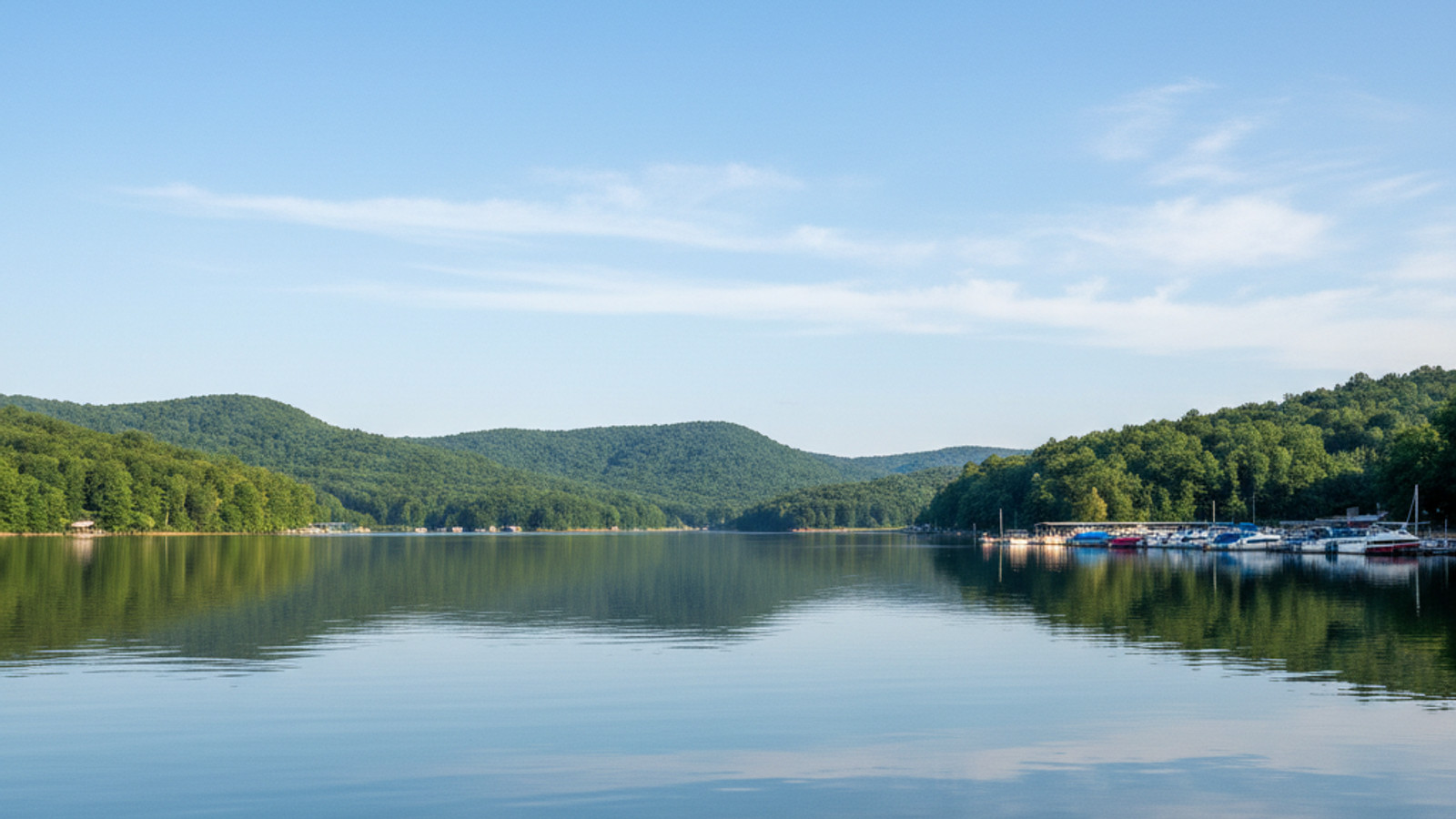
Life on the Water While the river winds through downtown, the true lake life happens in the suburbs. The Tennessee side offers superior access to Chickamauga Lake. Major recreational hubs like Harrison Bay State Park and Chester Frost Park are located in Hamilton County. These spots feature swimming beaches, camping, and deep-water marinas that are central to the local lifestyle.
The “Gig City” Standard We cannot talk about lifestyle without mentioning the internet. Hamilton County is powered by EPB Fiber Optics. This is a municipally owned utility that provides 1-Gig and even 10-Gig internet speeds to every home in their service area. For remote workers, this is often the tie-breaker. While internet in rural North Georgia is improving, EPB on the Tennessee side is widely considered the gold standard for reliability and speed.
Education & Schools in Hamilton County
Navigating school zones is a major part of the relocation process. There is a common misconception that you have to cross the border for quality education, but Hamilton County offers a wide variety of highly rated options.
Sought-After Zones Several districts on the Tennessee side are heavily targeted by buyers. Areas zoned for East Hamilton High School (covering parts of Ooltewah and East Brainerd) and Signal Mountain are consistently in high demand. Ooltewah High School also serves a large portion of the growth corridor in the eastern suburbs.
Magnet and Choice Schools One advantage of the Tennessee side is the robust magnet school system. Residents can apply to specialized schools like CSAS (Chattanooga School for the Arts & Sciences) or the STEM School Chattanooga. These options allow students to pursue specific interests regardless of which neighborhood they live in, provided they secure a spot through the lottery system.
Private Institutions If you are considering private education, the prestigious options are concentrated on the Tennessee side. Schools like Baylor, McCallie, and GPS (Girls Preparatory School) are nationally recognized and located within a reasonable driving distance from the suburbs mentioned above.
Frequently Asked Questions About Moving to East Chattanooga
What is the difference between living in Chattanooga TN vs North Georgia suburbs?
The main differences are taxes and utilities. Tennessee offers no state income tax and access to EPB Fiber Optics internet, while North Georgia has a state income tax but generally lower sales tax. Geographically, the Tennessee suburbs tend to offer more direct access to Chickamauga Lake and major employment hubs.
Does Chattanooga have state income tax?
Tennessee does not tax earned income from wages and salaries. This 0% rate is a primary financial driver for people moving to the area. However, it is important to budget for the higher sales tax on goods and services.
Is Ooltewah considered part of Chattanooga?
Ooltewah is a separate census-designated place, but it functions as a primary suburb of the Chattanooga metropolitan area. It has its own zip code (37363) but is located entirely within Hamilton County, and most residents commute into Chattanooga for work or entertainment.
How far is the commute from Soddy-Daisy to downtown Chattanooga?
The commute from Soddy-Daisy is surprisingly fast because of Highway 27, which is a divided highway that rarely sees the congestion of I-75. Depending on where you live in Soddy-Daisy, you can typically reach downtown in about 20 to 25 minutes.
What counties are in the Chattanooga metro area (TN side)?
The primary county for the Chattanooga metro on the Tennessee side is Hamilton County. However, the Metropolitan Statistical Area (MSA) also includes neighboring Tennessee counties like Marion and Sequatchie, though the suburbs discussed here (Ooltewah, East Brainerd, Soddy-Daisy) are all inside Hamilton County.
Living in the Tri-Cities TN/VA: A Local’s Guide to Johnson City, Kingsport, and Bristol
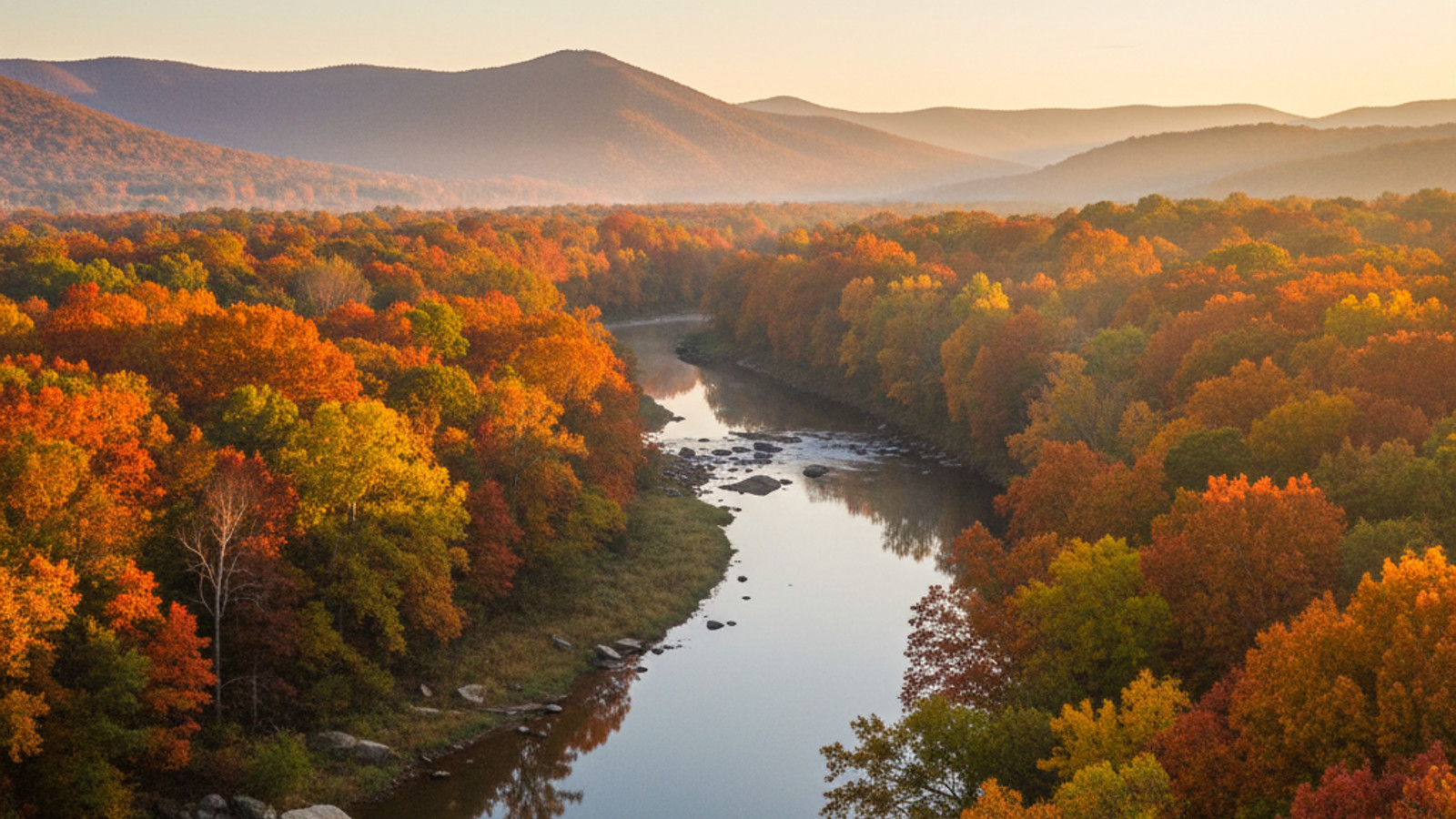
If you’ve been looking for a place where mountain views meet affordability, you’ve probably stumbled across the “Tri-Cities.” Nestled in the Appalachian foothills of Northeast Tennessee and Southwest Virginia, this region has transformed from a quiet industrial hub into one of the most sought-after relocation destinations in the Southeast.
Let’s clear up the name first. When locals talk about the Tri-Cities, we are referring to the Combined Statistical Area (CSA) anchored by Johnson City, Kingsport, and Bristol. While these three cities are distinct, the region functions as a single economic and cultural heartbeat with a population over 500,000.
Since 2020, we’ve seen a massive wave of new residents moving here. The secret is out: people are drawn by the lack of state income tax in Tennessee, the four distinct seasons, and a cost of living that makes homeownership actually attainable. Whether you are looking for homes in Johnson City or exploring the Virginia side of the line, understanding the layout of this region is your first step.
Geography & Counties: Where is the Tri-Cities?
One of the first things that confuses newcomers is the county map. Knowing which city lies in which county is crucial because it directly impacts your property taxes and which school system your home falls under.
Johnson City serves as the hub for Washington County, though small parts of the city spill over into Carter and Sullivan counties. It’s centrally located and often feels like the connector for the region. Just down the road, you’ll find Kingsport, which is primarily situated in Sullivan County with a section reaching into Hawkins County.
Then there is Bristol, which is unique because it is a true twin city. You have Bristol, TN (Sullivan County) and Bristol, VA (an Independent City). The state line runs right down the middle of State Street downtown. This matters for your wallet: living on the Tennessee side means no state income tax on wages, while the Virginia side is subject to Virginia state income tax laws.
Surrounding these anchors are charming towns like Elizabethton in Carter County and Jonesborough in Washington County, which holds the title of Tennessee’s oldest town.
The Vibe Check: Johnson City vs. Kingsport vs. Bristol
While they are close geographically, each city has a completely different personality. Finding the right fit depends on what kind of lifestyle you are looking for.
Johnson City
Locals often think of Johnson City as the energetic, youthful hub of the region. It is a true “College Town,” home to East Tennessee State University (ETSU) and the chaotic energy of game days. It’s also the medical center of the region, anchored by Ballad Health and the VA Medical Center. If you want a trendy downtown with breweries, easy access to Watauga Lake, and a slightly younger demographic, this is usually the top pick.
Kingsport
Kingsport is often called the “Model City” because it was historically planned and designed for industry and livability. It is the industrial heart of the region, dominated by the massive Eastman Chemical Company campus. The vibe here is a bit more structured and community-focused. The housing inventory tends to be affordable, and the city layout features circles and greenbelts that make getting around very easy.
Bristol
Bristol is the entertainment capital of the area. It is officially designated as the “Birthplace of Country Music,” but it’s just as famous for the roar of the engines at Bristol Motor Speedway. Recently, the vibe has shifted even more toward tourism with the permanent opening of the Hard Rock Hotel & Casino Bristol in November 2024. If you love nightlife, music, and living on the border of two states, Bristol offers a culture you won’t find elsewhere.
Safety, Weather & Infrastructure Reliability
If you are moving from out of state, you probably have questions about safety and how the region handles weather, especially after the events of late 2024.
When it comes to safety, the Tri-Cities generally feels much calmer than major metros. Johnson City typically reports property and violent crime rates that are roughly 19-22% lower than its neighbors, though Kingsport and Bristol also have plenty of quiet, rural pockets. As with any growing region, the denser urban areas have higher activity, while the outskirts remain very peaceful.
Regarding weather, our inland location usually protects us from direct hurricane hits. However, the remnants of Hurricane Helene in 2024 showed that we are not immune to flooding and wind events. The community response was massive, showcasing incredible resilience, and local utilities have been aggressive about grid hardening since then.
Speaking of utilities, power is generally reliable through Appalachian Power and local cooperatives like BrightRidge and Holston Electric. If internet speed is a priority for your remote work setup, you are in luck. Fiber availability is excellent here. BrightRidge in Johnson City is a standout, offering speeds up to 10Gbps in many neighborhoods, making it a premier spot for working from home.
Cost of Living & Real Estate Market (2026 Update)
The financial appeal of Northeast Tennessee is undeniable. Overall, the cost of living here sits about 10-15% lower than the US national average.
As we move through 2026, the real estate market remains a Seller’s Market. Inventory is still tight, with less than a 5-month supply of homes available. Median home prices have been hovering in the $290,000 to $300,000 range, reflecting an appreciation of about 8% year-over-year.
If you see a house you like, you need to move quickly. Well-priced homes are spending a median of just 22 to 27 days on the market before going under contract.
Beyond the mortgage, the tax benefits are a major draw. Tennessee has no state income tax on wages. Property taxes are also significantly lower compared to the Northeast or West Coast, though you should verify the specific city and county tax rates for any property you consider.
Economy & Major Employers
You might be wondering, “If I move there, who is hiring?” The economy here is diverse and no longer relies solely on manufacturing.
Healthcare is the largest sector, with Ballad Health employing thousands across hospitals and clinics in the region. Eastman Chemical Company in Kingsport remains a massive economic driver, employing engineers, operators, and business professionals.
Education is another pillar, with East Tennessee State University (ETSU) providing stable employment in Johnson City. The tourism and service sector also got a massive jolt recently. The Hard Rock Hotel & Casino Bristol has created over a thousand new jobs since fully opening its permanent facility.
For those bringing their own job, the region is highly attractive for remote workers. The combination of low housing costs and high-speed fiber internet makes it easy to earn a big-city salary while living a mountain lifestyle.
Lifestyle: Mountains, Music & Motors
Life here isn’t just about low taxes; it’s about what you can do on the weekends. The lifestyle is heavily focused on the outdoors and entertainment.
For nature lovers, the Appalachian Trail runs right through our backyard. Roan Mountain is famous for the world’s largest natural rhododendron garden and offers stunning views year-round. If you prefer the water, Watauga Lake offers pristine boating and fishing opportunities nestled between mountain peaks. Warriors’ Path State Park in Kingsport is another local favorite for hiking and golf.
Culturally, music is in our DNA. You can visit the Birthplace of Country Music Museum in Bristol or catch the Rhythm & Roots Reunion festival every September. For sports fans, Bristol Motor Speedway hosts major NASCAR races that turn the city into a massive spectacle twice a year.
Shopping and dining have also leveled up. Johnson City has seen a significant downtown revitalization with local eateries, while The Pinnacle in Bristol serves as the major retail hub for big-box shopping.
Schools & Education
If you have school-aged children, understanding the distinction between “City Schools” and “County Schools” is vital. In Tennessee, city municipalities often operate their own school districts separate from the county.
Kingsport City Schools, Johnson City Schools, and Bristol Tennessee Schools are separate systems that frequently outperform the surrounding county districts in state rankings. High schools like Dobyns-Bennett in Kingsport and Science Hill in Johnson City are large institutions known for robust AP programs and extracurriculars.
For higher education, residents have access to ETSU in Johnson City, as well as private institutions like Milligan University and King University in Bristol. Northeast State Community College also provides excellent technical training and two-year degrees.
Frequently Asked Questions
Is the Tri-Cities TN/VA area safe?
Generally, yes. While urban centers in Johnson City, Kingsport, and Bristol have pockets of property crime typical of any city, violent crime rates are generally lower than major metropolitan areas. The rural areas and suburbs surrounding the cities tend to have very low crime rates.
What is the cost of living in the Tri-Cities?
The cost of living is a major attraction, sitting roughly 15% below the national average. Housing is the biggest factor, with median prices around $290K, and Tennessee residents benefit from having zero state income tax on wages.
Does the Tri-Cities area have reliable power and internet?
Yes, the infrastructure is generally robust. While the region is recovering and hardening the grid after the storms of late 2024, power is reliable through Appalachian Power and local co-ops. Internet access is excellent, with providers like BrightRidge offering high-speed fiber service in many areas.
Which Tri-City is best for lifestyle and amenities?
It depends on what you are looking for. Kingsport is often favored for its parks and planned city layout, while Johnson City offers a bustling downtown and university vibe. Bristol is the top choice for those who want immediate access to entertainment, music, and the new casino district.
Sevier County Smoky Mountains Real Estate: 2026 Relocation & Investment Guide
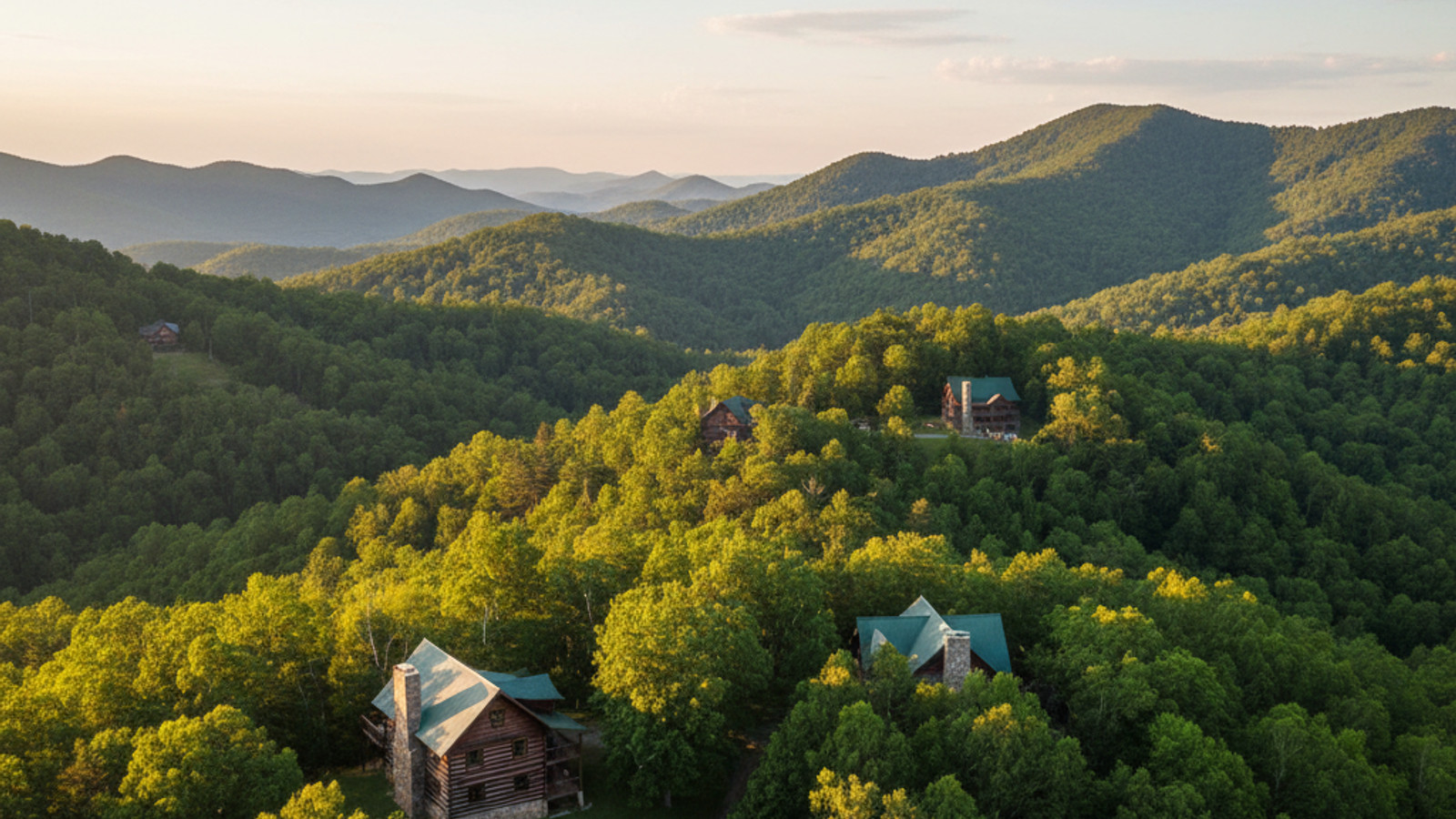
The Gateway to the Smokies: Why Buy in Sevier County?
If you have spent any time driving through the “Golden Triangle” of Sevierville, Pigeon Forge, and Gatlinburg, you already know the energy here is undeniable. Anchored by the Great Smoky Mountains National Park, this region isn’t just a scenic getaway; it is an economic powerhouse driven by over 12 million annual visitors. For real estate buyers, that volume of tourism translates directly into property potential.
However, buying here isn’t a one-size-fits-all proposition. The market is split between two distinct groups: investors chasing high ROI on short-term rentals, and people relocating to escape high-tax states for a permanent mountain home. Whether you are looking to capitalize on the vacation rental market or settle down in a region with no state income tax, understanding the nuances of Sevier County is critical. It is a market where breathtaking views meet serious business fundamentals.
2026 Market Update: A Shift to a Buyer’s Market
Let’s be real about where we stand. If you were looking at property here in 2021 or 2022, you likely remember the frenzy of bidding wars and sight-unseen offers. As we move through 2026, the landscape has shifted significantly. We have moved away from that pandemic panic and settled into a more normalized, healthy market. This is actually great news for buyers who want to make smart, calculated decisions rather than emotional ones.
The most notable change is inventory. We are seeing active listings up roughly 20% to 33% year-over-year. That increase means you finally have choices. You aren’t forced to grab the first cabin that pops up on the MLS. Along with more options, the pace of the market has slowed down. Days on Market (DOM) has normalized to the 60 to 80-day range. This gives you the breathing room to perform proper due diligence—inspections, permit checks, and financing—without feeling the pressure to waive contingencies just to get a foot in the door.
Prices have also found a new equilibrium. We aren’t seeing the skyrocketing appreciation of previous years, but we also aren’t seeing a crash. Median sales prices have stabilized in the $478,000 to $540,000 range. While some areas in Sevierville have seen a slight cooling, the overall market remains robust. It is a stabilization, not a decline, which offers a much safer entry point for long-term holding.
The Cabin Economy: Short-Term Rental (STR) Investment
For the investor crowd, the “cabin economy” is the primary draw. But running a vacation rental in the Smokies is no longer as simple as putting a key in a lockbox. The financials are still attractive, but they require active management and a sharp eye for what guests actually want.
Revenue expectations have shifted as the market has matured. Currently, performing properties in Sevierville are averaging around $54,000 in annual revenue, while Gatlinburg properties sit closer to $47,500. These are averages, of course, and top-tier properties outperform this significantly. Occupancy rates have also corrected from the post-pandemic highs, settling into a sustainable 53% to 58% range. With gross yields typically landing between 7% and 10%, the math still works, provided you buy the right asset.
The biggest factor driving that revenue today is the “Amenities War.” Guests are paying an Average Daily Rate (ADR) of $300 to $375, and for that price, they expect an experience. Standard cabins are getting passed over for properties with indoor pools, theater rooms, and unobstructed mountain views. If you are analyzing a property for investment, you need to budget for these differentiators. A view might cost more upfront, but it pays for itself in occupancy consistency.
CRITICAL: 2026 Short-Term Rental Regulations & Permits
If you take only one thing away from this guide, let it be this: Do not assume you can rent out a property just because it is in a tourist town.
The regulatory landscape changed drastically with the introduction of new permitting rules in January 2024. Failing to understand these boundaries can leave you with a house you cannot legally rent on the short-term market.
Here is the breakdown of the current rules:
- Sevier County (Unincorporated): The county launched the “STRU Permit Program” in early 2024. If your property is in the unincorporated county (outside city limits), you must obtain an annual permit. This costs roughly $250 (for smaller occupancy homes) and requires a safety inspection and a business license. It is mandatory, not optional.
- Pigeon Forge: This is where investors get tripped up most often. Pigeon Forge has strict zoning. Short-term rentals are frequently restricted in R-1 (low-density residential) zones. You absolutely must verify the zoning map before making an offer. Do not take a listing description’s word for it.
- Gatlinburg: Historically the most STR-friendly, Gatlinburg generally allows rentals but requires a Tourist Residency Permit. It is straightforward, but it is paperwork you cannot ignore.
- Sevierville City: Rentals are explicitly allowed here, but like the county, they require specific permitting and life-safety inspections.
Grandfathering rules often apply to building codes for existing permits, but if you buy a home that has never been a rental, you will likely need to bring it up to current safety codes to get that first permit.
Neighborhood Guide: Where to Buy?
The “Smokies” isn’t one big homogeneous blob. Each town has a distinct personality, investment profile, and lifestyle vibe. Choosing the right location depends entirely on your goals.
Sevierville
Think of Sevierville as the “hometown” of the area. It is the county seat and offers a mix of residential neighborhoods and high-performing rental cabins. It is often where you find larger plots of land and a bit more breathing room. For investors, Sevierville often offers better price-per-square-foot value than Gatlinburg, which helps with cash flow.
Gatlinburg
This is the classic, walkable tourist experience. If you want high pedestrian traffic and the feeling of being right in the mountains, this is it. The terrain here is steep—many cabins cling to the side of ridges. It has the highest density of “legacy” cabins (older builds). It is fantastic for occupancy because the brand name “Gatlinburg” is world-famous.
Pigeon Forge
Pigeon Forge is the entertainment hub, home to Dollywood and The Island. The terrain here is generally flatter than Gatlinburg, which makes it more accessible during winter months. However, because of the strict zoning mentions earlier, you have to be very careful about where you buy. It is ideal for investors who want to be near the action but requires careful due diligence.
Wears Valley & Douglas Lake
These are the emerging markets. Wears Valley offers some of the most stunning, quiet views in the region, acting as a “back door” to the National Park. Douglas Lake offers a completely different dynamic: summer water sports. Lakefront properties are becoming a premium niche for investors looking to diversify away from the standard mountain cabin.
Relocating to Sevier County: Lifestyle & Logistics
For those looking to live here full-time, the conversation shifts from ROI to quality of life. The financial benefits are the obvious starter: Tennessee has no state income tax. Combined with Sevier County’s low property tax (the effective rate is roughly 0.37%), your holding costs are significantly lower than the national average. While sales tax is high (around 9.75%) to offset this, most residents find the trade-off well worth it.
The cost of living is generally affordable, though housing costs have risen in line with the investment boom. You get more house for your money here than in many coastal states, but it is no longer “cheap.”
You also need to be realistic about the traffic. Living in a major tourist destination means dealing with seasonal congestion. The Parkway and Highway 66 can become parking lots during rod runs or peak October leaf season. Locals quickly learn the back roads (veterans swear by Veterans Boulevard), but it is a lifestyle adjustment you need to be ready for.
On the infrastructure side, things are improving. Fiber internet is expanding rapidly through local utility providers, making remote work viable in many cabins—though you should always verify the specific address before closing. Healthcare access is anchored by LeConte Medical Center in Sevierville, a modern facility that handles the needs of both the local population and the millions of visitors.
Due Diligence for Mountain Properties
Buying in the mountains involves technical checks that you just don’t deal with in the suburbs. If you skip these, you risk buying a money pit.
- Well & Septic Reality: Most cabins are not on city sewer; they are on septic systems. Here is the golden rule: The number of bedrooms you can market is determined by the septic permit, not the number of sleeping rooms in the house. If a house has four rooms with beds but a septic permit for only two bedrooms, it is legally a two-bedroom house. This caps your occupancy and your income. Always pull the permit.
- Steep Driveways: Photos flatten terrain. A driveway that looks mild in a listing might be terrifying in January. Steep driveways can cause accessibility issues for guests (or you) during winter weather. Many rental listings now require 4WD warnings for guests.
- Fire Safety: The region is Firewise-conscious. Ensure the property has defensible space and check on insurance availability early. Some carriers are hesitant about remote, steep properties, or premiums may be higher than you expect.
- HOA Fees: These vary wildly. Some areas have zero HOA fees, while resort communities can charge significant monthly amounts. However, those high fees often cover water, road maintenance, and amenity upkeep, which can actually save you money and headaches in the long run.
Frequently Asked Questions
Is Sevier County a dry county?
It is a common misconception that the area is dry. While Sevier County has historical roots in prohibition, the cities of Sevierville, Pigeon Forge, and Gatlinburg all allow the sale of alcohol. You can buy beer, wine, and spirits in these municipalities, and restaurants serve alcohol by the drink. However, regulations can vary slightly once you step outside city limits into the unincorporated county.
What is the property tax rate in Sevier County?
This is one of the biggest draws for buyers. The property tax rate is exceptionally low, sitting at approximately $1.48 per $100 of assessed value. It is important to note that Tennessee assesses residential property at 25% of its appraised value. This math results in an annual tax bill that is often a fraction of what buyers from the Northeast or Midwest are used to paying.
Are short-term rentals allowed everywhere in Sevier County?
No, they are not allowed everywhere. While the unincorporated county allows them with the new STRU permit, the cities have zoning maps that restrict rentals in certain residential areas. Pigeon Forge is particularly strict about keeping STRs out of R-1 zones. Never assume a property can be a vacation rental without verifying the zoning and HOA restrictions first.
What is the best area for cabin investment ROI?
If you are looking strictly for yield (cash-on-cash return), Sevierville often wins because entry prices can be slightly lower while still commanding high nightly rates. However, if your goal is consistency and high occupancy rates year-round, Gatlinburg often takes the lead due to its high walkability and year-round tourist density. The “best” area depends on whether you prioritize maximum cash flow or occupancy stability.
Living in Knoxville, TN: The Ultimate Relocation Guide (2026)
If you’ve been looking for a place that sits right in the sweet spot between a bustling college town and a mountain retreat, Knoxville might just be it. Locals affectionately call it the “Scruffy City”—a nickname that hints at its grit, authenticity, and lack of pretense. It’s not trying to be Nashville or Atlanta. It’s comfortable in its own skin as Tennessee’s third-largest city and the primary gateway to the Great Smoky Mountains.
Life here is a unique mix of energy and calm. On Saturdays in the fall, the entire town turns into a sea of orange for the University of Tennessee “Vols” games, creating an electric atmosphere you can feel miles away from the stadium. Yet, just ten minutes from downtown, you can disappear into the woods for a silent hike. People are moving here in droves lately, drawn by the promise of affordability and the financial freedom that comes with having no state income tax. Let’s break down what it’s actually like to call Knox County home.
Pros and Cons of Living in Knoxville
Before you pack the moving truck, it’s important to look at the full picture. I always tell my clients that while the perks here are incredible, no place is perfect. You need to weigh the lifestyle benefits against a few local quirks.
- Pro: Your dollar goes further. Between the low cost of living and zero state income tax on wages, your bank account generally stays healthier here.
- Pro: Nature is literally in your backyard. You have the Urban Wilderness for daily adventures and the Great Smoky Mountains National Park less than an hour away for weekend trips.
- Pro: A vibrant culture. It’s a true college town with SEC sports, a revitalized downtown, and a strong local arts scene.
- Con: The allergies are intense. Knoxville frequently ranks near the top of the list for worst cities for allergy sufferers in the US due to the valley geography trapping pollen.
- Con: Summer humidity. It is a humid subtropical climate. July and August can feel heavy and oppressive if you aren’t used to Southern heat.
- Con: The Traffic Split. The I-40/I-75 exchange can be a headache, with congestion common during rush hour and game days.
Cost of Living in Knoxville: Is it Expensive?
Let’s talk numbers, because this is usually the first question I get over coffee. Generally speaking, your money buys you a higher quality of life here than in many other parts of the country. The overall cost of living in Knoxville sits at approximately 13.7% lower than the national average.
When we look specifically at housing, the gap is even more favorable. Median home prices here are roughly 23% lower than the US average. However, it is worth noting that prices have been rising steadily as popularity grows, so the “bargains” of five years ago are harder to find, but it remains accessible compared to coastal markets.
Beyond the mortgage or rent check, your daily expenses like utilities and healthcare also tend to trend below national baselines. And don’t forget the tax advantage: Tennessee levies 0% state income tax on earned wages. That is an immediate raise for anyone relocating from a high-tax state, leaving more room in your monthly budget for renovations or exploring the city.
Crime and Safety: Is Knoxville Safe?
This is a topic we need to address head-on because if you look at the raw data online, it can look alarming. It is true that the crime rate within the specific city limits of Knoxville is higher than the national average—statistics show violent crime is about 106% higher and property crime is roughly 99% higher.
However, real estate is hyper-local, and these numbers require context. There is a stark contrast between specific pockets within the inner city and the surrounding neighborhoods or the greater Knox County area. The city limits cover a relatively small geographic area where crime density is higher, whereas the suburbs and county zones generally report much different safety profiles.
For anyone moving here, I strongly suggest using crime mapping tools to look at the specific streets you are interested in. You will find that safety varies block by block. Many residents live their entire lives here feeling perfectly secure, but being informed about where you are buying is the smartest way to navigate the market.
Best Places to Live in Knoxville by Lifestyle
One of the best things about this city is that you can pick a neighborhood that matches your specific vibe. Whether you want land, walkability, or history, there is a corner of town for you.
- For Residential Living: Look toward Farragut and West Hills. These areas are known for their proximity to highly-rated schools, expansive parks, and a quieter, suburban atmosphere. It’s where you go for larger lots and established subdivisions.
- For Young Professionals & Students: You can’t beat Downtown, the Old City, and The Fort. These spots offer high walkability to coffee shops, breweries, and nightlife. You are also right next to the University of Tennessee, so the energy is high and the commute is non-existent.
- For Nature Lovers: South Knoxville, or “SoKno” as locals call it, is the place to be. This area has exploded in popularity because it offers direct access to Ijams Nature Center and the Urban Wilderness trail system. It’s perfect if you want to mountain bike or kayak after work.
- For Historic Charm: Check out Sequoyah Hills and 4th and Gill. If you love architecture, tree-lined boulevards, and homes with character, these neighborhoods are stunning. Sequoyah Hills, in particular, features beautiful estates along the Tennessee River.
Job Market and Economy
Knoxville isn’t just a college town; it has a diverse economic backbone that keeps the region stable. While retail and service jobs are plentiful, the local economy is anchored by massive institutions. The University of Tennessee is a top employer, naturally, but Covenant Health and the Tennessee Valley Authority (TVA) are also major players providing thousands of jobs.
Just outside the city, the Oak Ridge National Laboratory drives a very strong science and technology sector. This “Innovation Valley” corridor attracts engineers, researchers, and scientists from all over the world. Additionally, because of the low cost of living and high quality of life, Knoxville has become a growing hub for remote workers who bring their jobs with them but leave the high costs of big cities behind.
Culture, Wildlife, and Famous Residents
Knoxville has a personality that is hard to pin down until you’re here. It’s a place where you might spot a black bear on a weekend hike and then see a Broadway-caliber show at the historic Tennessee Theatre the same evening.
Speaking of wildlife, because we are so close to the Smokies, biodiversity is high. In the Urban Wilderness, you’ll see everything from coyotes to a massive variety of bird species. While bear sightings are rare inside the city limits, they do happen occasionally on the outskirts, serving as a reminder of how close we are to true wilderness.
Culturally, the city punches above its weight. Market Square is the living room of the city, hosting farmers’ markets, concerts, and festivals year-round. And we have our share of star power, too. Country superstar Kenny Chesney is from the area, director Quentin Tarantino was born here, and of course, Johnny Knoxville took the city’s name as his own. Country singer Kelsea Ballerini also hails from right here in East Tennessee.
Weather in Knoxville: What to Expect
If you like distinct seasons, you’re going to be happy here. We get all four, and they are generally mild compared to the extremes of the North or Deep South.
Spring is absolutely gorgeous with blooming dogwoods and azaleas, though this is when that high pollen count kicks in—stock up on antihistamines. Summer brings the heat; it is a subtropical climate, so expect humidity to be high from June through August. Fall is the local favorite, bringing crisp air and stunning foliage that rivals New England. Winter is generally mild; while we might get a dusting of snow, heavy accumulation is rare, and it usually melts within a day or two.
Frequently Asked Questions
Is Knoxville, TN a red or blue city?
This depends entirely on where you draw the line. The City of Knoxville itself tends to lean Democratic (blue), with a focus on urban initiatives and social programs. However, once you step into the broader Knox County and surrounding suburbs, the demographic shifts heavily Republican (red).
What is the main downside of living in Knoxville?
The two most commonly cited downsides are the crime rates in specific inner-city pockets and the seasonal allergies. The valley geography traps pollen, making spring and fall difficult for people with sensitivities.
How far is Knoxville from the ocean?
Knoxville is landlocked, situated near the mountains rather than the coast. The closest ocean beaches are roughly a 6 to 7-hour drive away, typically toward the South Carolina or Georgia coastlines.
What celebrities live in Knoxville?
While many keep a low profile, the area has deep ties to fame. Kenny Chesney has roots in East Tennessee, and Quentin Tarantino was born here. Johnny Knoxville is obviously the most famous namesake, and other artists like Kelsea Ballerini grew up in the area.


