

 Facebook
 X
X
 Pinterest
 Copy Link
Living in Johnson City, TN: The Jewel of the Tri-Cities
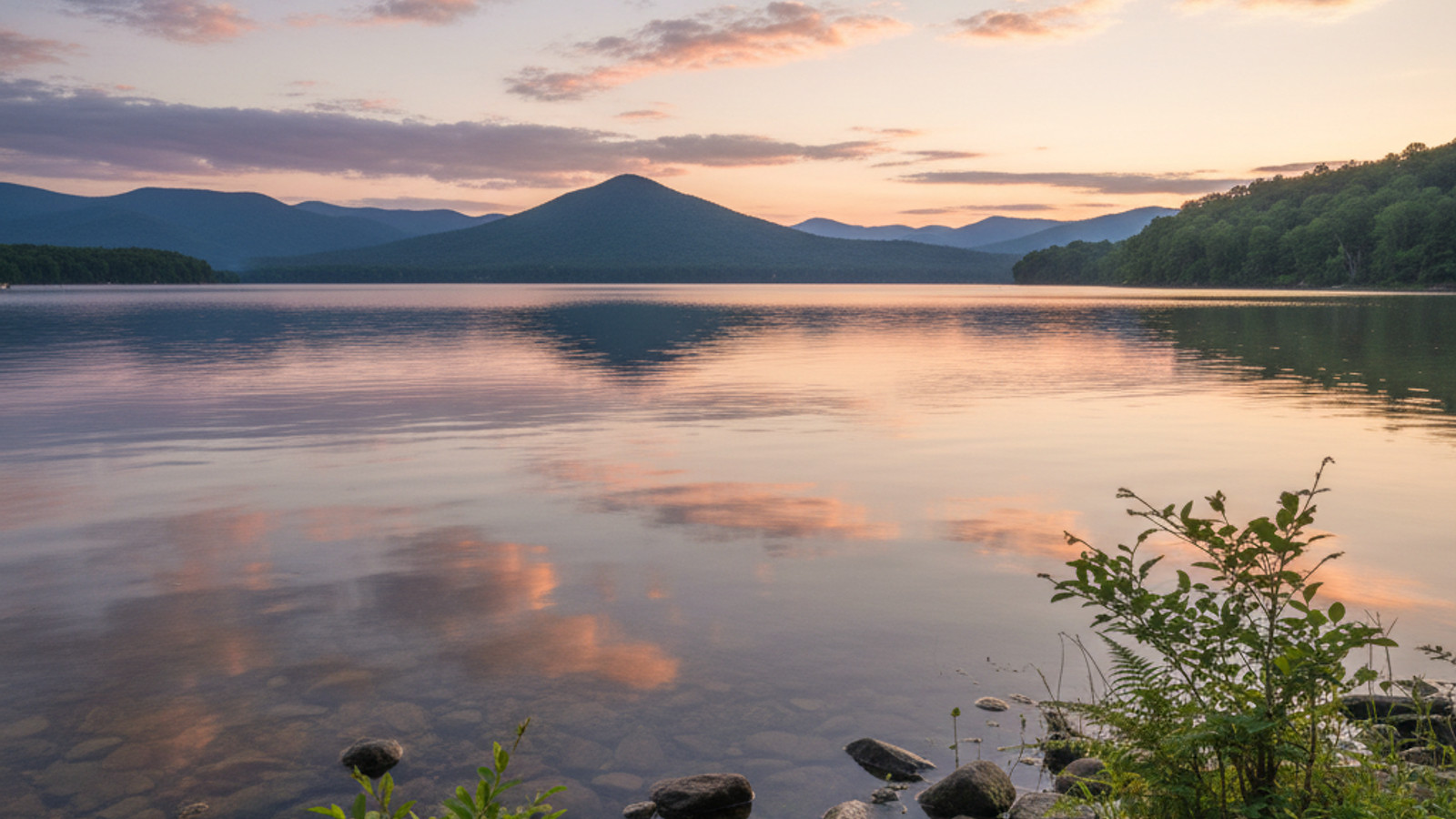
If you dig into the history books, you’ll see Johnson City referred to as “Little Chicago” – a nod to its rowdy, prohibition-era past as a railroad hub. But if you visit today, you’ll find a very different vibe. Nestled in the foothills of the Appalachian Mountains, this city has transformed into a modern, bustling center for healthcare, education, and outdoor enthusiasts.
As the economic heartbeat of the Tri-Cities region (which includes Kingsport and Bristol), Johnson City offers a unique blend of energy. You have the youthful, academic buzz from East Tennessee State University (ETSU) mixed with the laid-back charm of a mountain town. For anyone thinking about moving to Tennessee, this area offers a sweet spot of amenities and small-town feel.
Whether you are looking for homes in Johnson City or just scouting the area, this guide is designed to give you the real story. We aren’t just looking at the brochure highlights; we’re going to talk about safety, housing costs, and what daily life actually looks like for the 72,000+ people who call this place home.
Pros and Cons of Living in Johnson City, TN
Every town has its trade-offs, and Johnson City is no exception. Before you pack the moving truck, it helps to weigh the benefits against the frustrations locals deal with every day.
The Pros
- Tax Benefits: This is a big one. Tennessee has no state income tax on wages. That means you keep more of your paycheck.
- Outdoor Access: You don’t have to drive hours to find nature. With spots like Buffalo Mountain Park right within city limits, hiking is a Tuesday evening activity, not just a weekend trip.
- Healthcare Hub: Thanks to the Med Tech Corridor, access to top-tier medical care is better here than in many much larger cities.
- Revitalized Downtown: Downtown Johnson City has seen a massive facelift, offering walkable breweries, parks, and festivals.
The Cons
- High Sales Tax: The trade-off for no income tax is the sales tax. When you combine state and local rates, you are paying around 9.75% on purchases.
- Car Dependency: Public transit exists, but it is limited. You really need a car to get around efficiently here.
- Seasonal Allergies: Living in a valley surrounded by mountains is beautiful, but it traps pollen. If you have allergies, stock up on antihistamines in the spring.
- Job Market Variety: While healthcare and education are booming, high-paying corporate jobs outside of those sectors can be harder to find compared to a city like Nashville.
Cost of Living & Housing Market
Let’s talk numbers. Historically, the cost of living in Johnson City has been significantly lower than the national average. While that is still true, popularity has a price. As more people discover the area, demand has pushed prices up, though it remains a bargain compared to many other parts of the country.
The housing market here is currently a seller’s market. Inventory can be tight, especially for move-in ready homes in desirable neighborhoods. If you are looking to buy, you will find a median home price hovering between $305,000 and $340,000. It fluctuates, but that gives you a baseline.
If you aren’t ready to buy, the rental market is active, largely driven by the university population. You can expect to pay anywhere from $1,300 to $1,500 per month for an average rental. Keep in mind that property taxes here are generally low, which helps offset monthly mortgage payments if you do decide to purchase.
Is Johnson City Safe? Crime Rates & Reality
One of the most common questions from newcomers is about safety. If you look purely at the numbers, you might see property crime rates that look higher than the national average. However, statistics rarely tell the whole story.
The reality on the ground is that Johnson City generally feels safe to residents. The higher property crime rates are often driven by theft – specifically, people leaving car doors unlocked. Violent crime rates are near or at the national average, and most residents feel comfortable walking around their neighborhoods.
Geography matters here. Areas like “West” Johnson City and the northern Boone’s Creek districts tend to have statistically lower incident rates. As with any growing city, the best advice is simply to be proactive: lock your car doors, secure your valuables, and get to know your neighbors.
Best Neighborhoods in Johnson City
Finding the right spot to live depends entirely on what you are looking for. Do you want historic charm, a new build near the highway, or a little land? Here is a breakdown of some local favorites.
- The Tree Streets: This is perhaps the most iconic neighborhood in town. Located near ETSU and downtown, it features charming bungalows and historic homes. It is highly walkable and has a tight-knit community feel. It sits within the city school district, notably near Southside Elementary.
- North Johnson City (Boone’s Creek/Green Valley): If you want newer construction and easy access to shopping, this is the spot. It is close to I-26 and the airport, making it convenient for commuters.
- Gump Addition: This is a historic, planned subdivision that offers a different vibe than the Tree Streets. You will generally find larger lots here, giving it a bit more breathing room while still being central.
- Boone Lake Communities: For those who love the water, areas like Lake Harbor offer access to Boone Lake. It is ideal for anyone who wants to spend their summer weekends on a boat.
- Gray, TN: technically just outside the city limits, Gray is exploding with growth. It is a popular choice for those who want more space and newer subdivisions. Note that living here places you in the Washington County school system rather than the city system, which is a key distinction for many households.
Job Market: The Med Tech Corridor & ETSU
The local economy is anchored heavily by “Eds and Meds.” If you drive down State of Franklin Road, you are driving through the Med Tech Corridor, the economic engine of the region.
The largest employer by far is Ballad Health, centered around the Johnson City Medical Center. Right alongside it is the VA Medical Center and the university, East Tennessee State University (ETSU). These institutions provide a stable employment base that insulates the local economy somewhat from national downturns.
For those outside of healthcare and education, manufacturing plays a role with major employers like A.O. Smith. Remote work has also become increasingly popular here due to the low cost of living. If you are working remotely, just be sure to verify high-speed internet availability if you choose a home on the rural outskirts of the county.
Lifestyle: Outdoor Adventure & Culture
So, what do you do when you aren’t working? This is where Johnson City really shines. The lifestyle here is heavily focused on getting outside and enjoying the Appalachian scenery.
For hikers, Buffalo Mountain Park offers incredible views from White Rock and is located surprisingly close to the city center. Cyclists and runners love the Tweetsie Trail, a rails-to-trails project that stretches roughly 10 miles, connecting Johnson City to Elizabethton. If you prefer water over land, Boone Lake and Watauga Lake are nearby for fishing and boating.
Culturally, the city has come alive in the last decade. Founders Park in downtown serves as a community gathering space for events like the Blue Plum Festival. You can grab a pint at Yee-Haw Brewing or explore local eateries. For educational fun, the Gray Fossil Site and the Hands On! Discovery Center are fantastic local assets that attract visitors from all over the state. Plus, if you need a bigger city fix, Asheville, NC, is an easy one-hour drive away.
Weather & Climate
Living here means experiencing all four seasons distinctly. It is a humid subtropical climate, which is a fancy way of saying summers are hot and sticky, but winters are generally manageable.
- Summer: Expect highs in the mid-80s°F with significant humidity. It is warm, but usually cooler than the deep South.
- Fall: This is the payoff. The foliage in the mountains is spectacular, drawing tourists from everywhere. The air is crisp and the humidity drops.
- Winter: It gets cold, with average lows in the mid-20s°F. We do get snow, but it usually melts within a day or two.
- Spring: The area blooms beautifully, but as mentioned earlier, the pollen counts can be high.
FAQ: Living in Johnson City
Is Johnson City, TN a good place to retire?
Yes, it is a very popular retirement destination. The combination of no state income tax on wages (and no tax on pension income), access to the Med Tech Corridor for healthcare, and a lower cost of living makes it attractive for retirees.
Does Johnson City, TN have a high crime rate?
While property crime rates (mostly theft) are higher than the national average, violent crime rates are average. Most residents feel safe, especially in established neighborhoods, but standard precautions like locking car doors are recommended.
What is the cost of living in Johnson City, TN?
The cost of living is generally lower than the national average. While housing prices have risen to a median of around $305,000 – $340,000, daily expenses and utilities remain reasonable compared to major metros.
How far is Johnson City from Asheville or Nashville?
Johnson City is centrally located for day trips. It is about a 1-hour drive to Asheville, NC, and approximately a 4-hour drive to Nashville, TN.
Johnson City TN Housing Market Trends: 2026 Data & Analysis
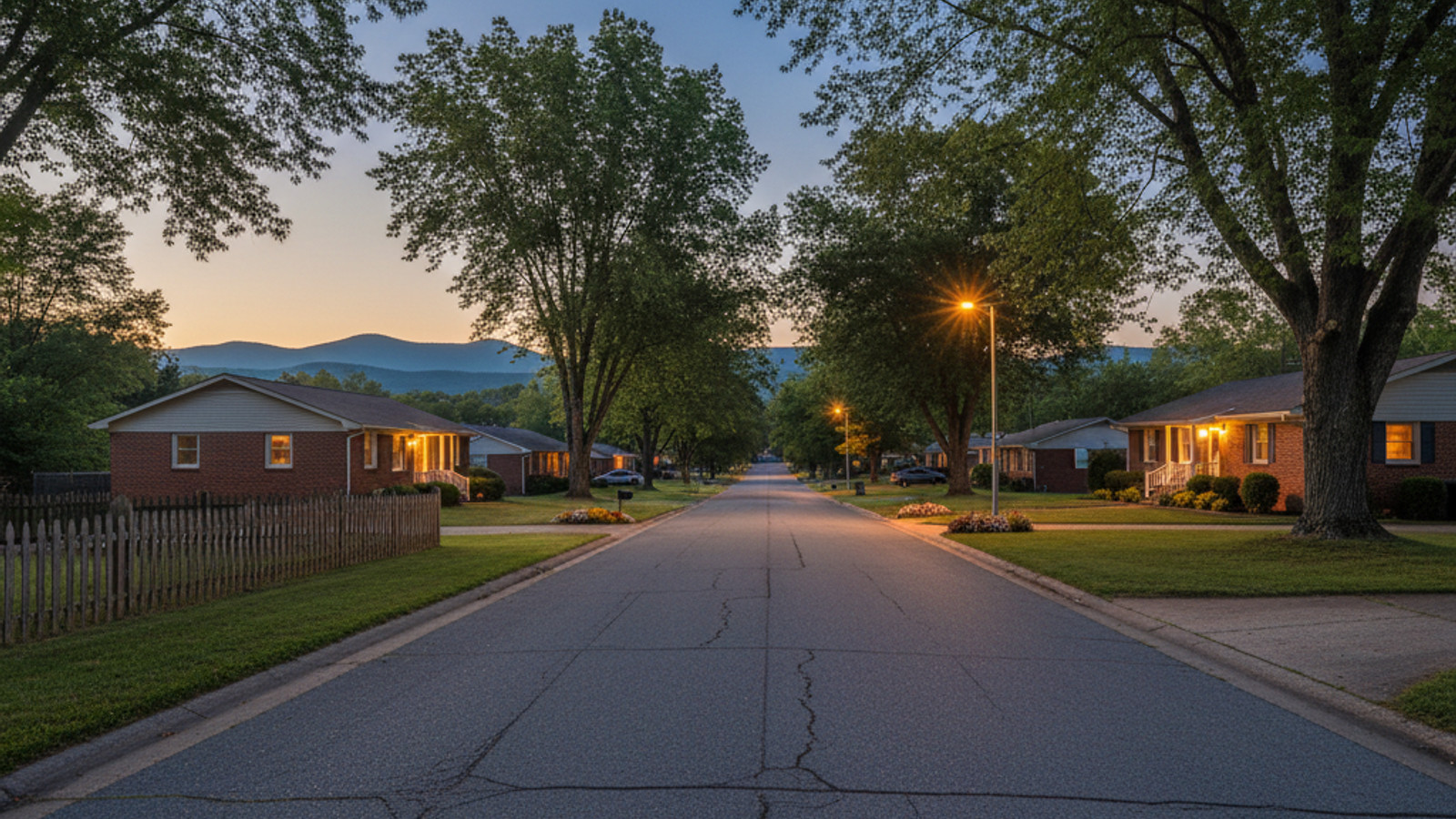
Welcome to early 2026 in the Tri-Cities. If you have been watching the real estate news lately, you know that the frantic energy of the post-pandemic years has shifted. Johnson City remains a highly desirable hub in Northeast Tennessee, but the market feels different than it did just two years ago. We are seeing a move toward stabilization, which is honestly a relief for everyone involved.
As of February 2026, we are technically still in a Seller’s Market, but I like to call it a “somewhat competitive” one. It isn’t the Wild West anymore. The primary drivers keeping our market active haven’t changed: people are still moving here for the quality of life and the fact that our housing affordability—while higher than it used to be—still beats the national average by a long shot. If you are thinking about moving to Johnson City, understanding these nuances is key to getting a good deal.
Market Overview: Is Johnson City a Buyer’s or Seller’s Market?
Let’s get right to the question every client asks me over coffee: “Who has the upper hand right now?” To answer that, we look at a metric called “Months of Supply.” In a perfectly balanced market, we would have about six months of housing inventory. Right now, Johnson City is hovering around 3.6 months of supply. This means sellers still have a slight advantage, but buyers aren’t totally out of luck.
Another telling sign is the “List vs. Sold” price dynamic. A few years ago, homes were selling for way over the asking price. Today, the data shows a cooling trend. On average, homes are selling at about 97% to 98% of their list price. This means buyers are negotiating again, and sellers are having to be realistic rather than aspirational with their pricing.
However, it is important to realize that Johnson City is essentially two different markets right now. If you are looking for affordable homes priced under $300,000, that segment is still incredibly hot and competitive. Meanwhile, the luxury market is moving much slower, giving buyers in that price bracket significantly more leverage.
Key Housing Statistics (2026)
If you love numbers, this section is for you. We have crunched the data from late 2025 through the start of 2026 to see exactly where things stand.
At a Glance: The Numbers
- Median Sold Price: $315,000 – $350,000 (varies by data source)
- Year-Over-Year Growth: 3% to 5%
- Days on Market (DOM): 50 – 60 days
Let’s break that down. The median sold price is currently sitting between $315,000 and $350,000, depending on whether you are looking at Zillow or Redfin data. While prices are higher than they were five years ago, the year-over-year growth has settled into a sustainable 3-5% increase. We aren’t seeing those double-digit spikes anymore, which suggests the market is stabilizing rather than skyrocketing.
Perhaps the most important number for buyers is the “Days on Market” (DOM). Homes are now sitting for an average of 50 to 60 days. Compare that to the 17-day frenzies of the past, and you realize you actually have time to breathe. You can view a home, sleep on it, and make a rational decision without feeling pressured to sign a contract in the driveway.
Johnson City Rental Market: Rates & Trends
Not everyone is ready to buy, and that is fine. The rental market in Johnson City has its own unique rhythm right now. Whether you are a relocator needing a temporary landing spot or an investor looking at cash flow, the supply here remains fairly tight.
If you are looking for an apartment, you can expect average rents to range from $1,000 to $1,400 per month. If you need more space, the median rent for a single-family home is hovering around $1,700.
Interestingly, rental prices have flattened out recently. In some sectors, we are seeing near 0% year-over-year growth. While vacancies are still low, landlords aren’t pushing rents up as aggressively as they were last year. It is a stable environment for tenants, though finding the right unit still requires acting fast.
Living in Johnson City: Lifestyle & Economy Factors
Data is great, but you don’t live in a spreadsheet. You live in a community. So, why are people keeping the demand high in Washington County? The local economy is anchored by major entities like East Tennessee State University (ETSU) and Ballad Health, along with a growing tech and manufacturing corridor. These stable jobs provide a floor for the housing market.
Beyond work, the lifestyle draw is massive. Residents have immediate access to outdoor gems like Boone Lake, the hiking trails at Buffalo Mountain, and the popular Tweetsie Trail.
When we talk about the financial side of living in Johnson City, the cost of living is a major factor. Generally speaking, expenses here run about 10% to 15% lower than the national average. Even with home prices rising, your dollar still stretches further here than in many other parts of the country.
Crime Statistics & Safety Overview
When looking at a new area, safety is always a top priority. It is important to look at the hard data rather than relying on hearsay. In Johnson City, the crime statistics tell a specific story that distinguishes between property issues and violent crime.
Violent crime in the area is roughly on par with the national average, sitting at about 3.7 incidents per 1,000 residents. However, property crime—things like theft and burglary—trends higher here, roughly 60% above the national average.
Local authorities are active in addressing community safety, with initiatives like the “Safer 26” traffic campaigns aiming to improve road safety across the region. When evaluating neighborhoods, it is always smart to check the most recent local police reports for the specific streets you are interested in.
2026 Market Forecast: What to Expect
So, what does the rest of 2026 hold for Tri-Cities TN real estate? Based on current trends, we aren’t expecting a crash, but we are expecting a continued “return to normal.”
- Price Stabilization: Expect modest appreciation. We are likely looking at 2% to 4% growth for the remainder of the year.
- Inventory Outlook: As interest rates potentially ease, we expect a gradual increase in listings.
- Advice for Buyers: Your negotiation power is returning. Do not be afraid to ask for repairs or closing costs, and definitely do not waive your inspections.
- Advice for Sellers: Pricing is critical. If you overprice your home today, it will likely sit on the market for 60+ days. The “aspirational pricing” strategy of 2022 does not work in 2026.
Frequently Asked Questions
Is Johnson City TN a buyer’s or seller’s market right now?
As of early 2026, Johnson City is a somewhat competitive seller’s market. With about 3.6 months of inventory, sellers still have a slight edge, but buyers have much more room to negotiate than they did in previous years.
What is the average rent in Johnson City, TN?
The average rent depends heavily on the property type. Apartments generally range from $1,000 to $1,400 per month, while single-family homes typically rent for around $1,700 per month.
Will house prices go down in Johnson City in 2026?
It is unlikely that home prices will drop significantly. Instead, the market is seeing a deceleration of growth. We expect prices to stabilize with a modest increase of 2% to 4%, rather than a decline.
Living in Sevierville, TN: More Than Just Dolly’s Hometown
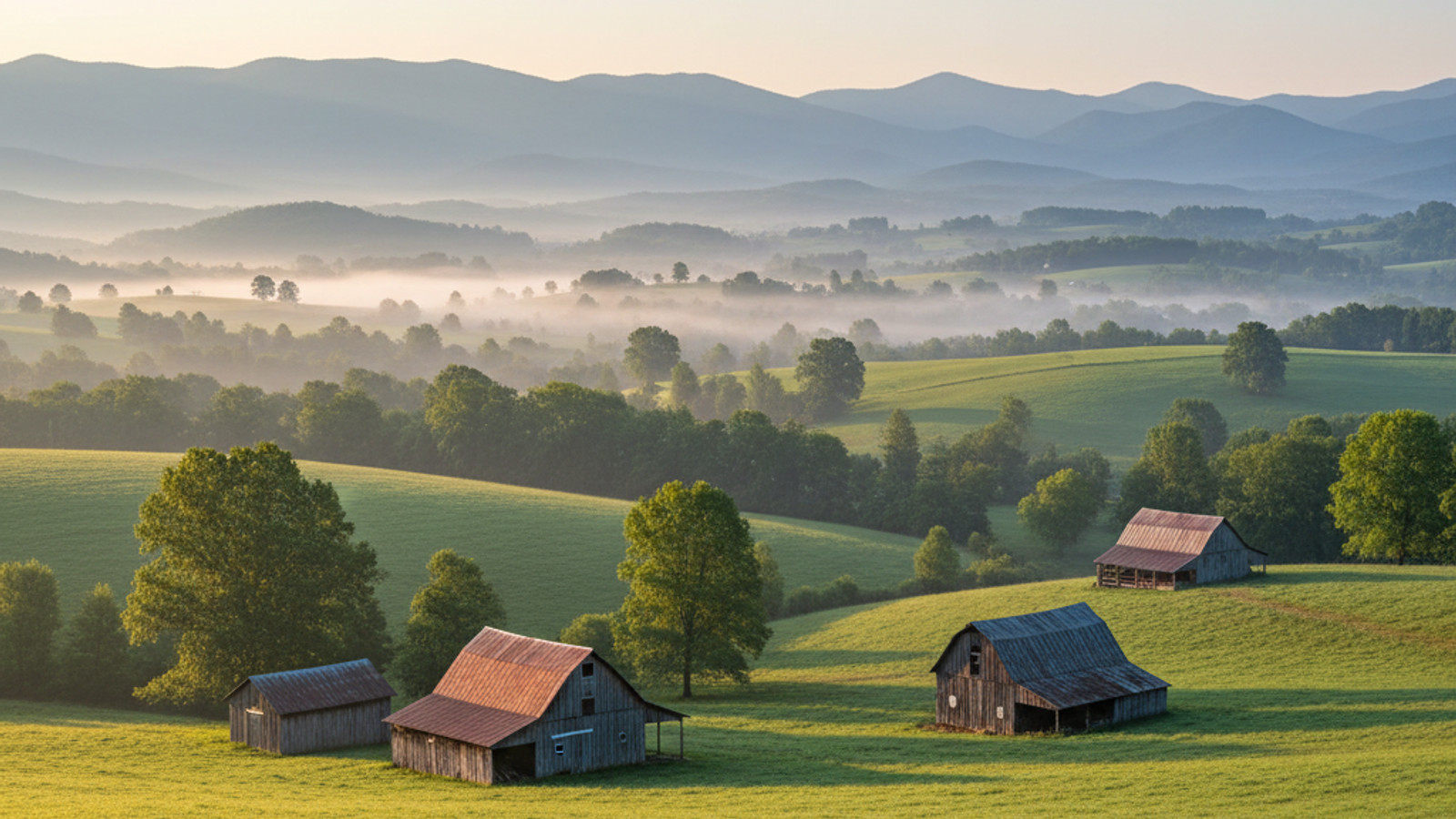
If you’ve ever visited the Smokies, you know the drill: you snap a photo with the bronze statue of Dolly Parton on the courthouse lawn, grab a stack of pancakes, and head toward the mountains. But living in Sevierville is a completely different experience than visiting it.
While Sevierville is the gateway to the Great Smoky Mountains National Park—drawing in over 12 million visitors a year—it is also home to a tight-knit community of about 18,000 permanent residents. There is a “real” town here hidden behind the neon lights and dinner theaters.
For those considering a move to Sevier County, the challenge isn’t finding something to do; it’s finding the balance between mountain peace and the bustle of a major tourism hub. Sevierville offers a unique blend of scenic beauty and city amenities, provided you know exactly where to look and how to navigate the local market.
The Dolly Connection: Does She Actually Live Here?
Let’s tackle the most common question first, because everyone asks it. While Sevierville is proudly Dolly Parton’s hometown (she was born nearby in Locust Ridge), she does not currently live here. Her primary residence is in Brentwood, near Nashville.
However, her influence on the local economy is massive. Between Dollywood, the DreamMore Resort, and her various philanthropic efforts, she is the area’s economic engine. Locals take immense pride in this connection. Even though you won’t see her picking up milk at the grocery store, living here means benefiting from the infrastructure and tourism dollars she has helped bring to the county.
Cost of Living: The ‘Tourist Tax’ on Real Estate
When you look at the numbers, the cost of living in Sevierville is generally lower than the national average, but the housing market has a unique quirk: you are competing with investors.
The “Airbnb Effect”
Because this is a premier vacation destination, short-term rental investors are constantly on the hunt for properties. This drives up home prices, particularly for anything that looks like a cabin or sits near a view. It can make finding a standard “starter home” more challenging than in other Tennessee towns, as sellers know they can often get a premium from an investor.
Rent vs. Buy
The rental market here can be tough. Because landlords can make significantly more money renting to tourists by the night, long-term rentals are in short supply. You can expect average rents to hover around $2,000 to $2,200 per month. In many cases, buying offers better long-term value, with median home prices ranging between $360,000 and $400,000 depending on the property type.
The Tax Advantage
The financial upside to living here is significant. Tennessee has no state income tax, which is an immediate raise for anyone moving from a high-tax state. Furthermore, Sevier County property taxes are very reasonable, generally around $1.48 per $100 of assessed value. These savings often help offset the higher cost of housing.
Best Neighborhoods for Locals (Avoiding the Tourists)
If you are looking for homes in Sevierville, the golden rule is to separate the “resort zones” from the “living zones.” You generally want to avoid areas dominated by overnight rentals, like Wears Valley or Cobbly Nob, unless you want your neighbors to change every weekend.
Catlettsburg & North Sevierville This area is north of the chaotic Parkway and is characterized by rolling hills and farmland. It is popular with those seeking quiet because it feels miles away from the tourist traffic while still being a short drive to the grocery store.
Boyd’s Creek Located on the western edge of town, Boyd’s Creek is a favorite for commuters. It offers the easiest access to Knoxville, making it perfect for professionals who work in the city but want to live in the mountains. It feels very residential and grounded.
Downtown Sevierville The historic downtown area is undergoing a major revitalization. With new spots like The Pines and boutique restaurants opening up, this area is becoming highly walkable. It offers a more urban feel compared to the rest of the county.
Middle Creek This corridor is highly convenient for access to local amenities, including LeConte Medical Center and Sevier County High School. It’s a practical, central location that avoids the worst of the tourist gridlock.
Lifestyle Reality: The Parkway vs. The Backroads
Living in a tourist town requires a specific set of survival skills, mostly involving traffic management.
Traffic and The Parkway Highway 441, known locally as “The Parkway,” is the main artery through town. During peak season (summer and October) and during classic car “Rod Run” weekends, this road becomes a parking lot. Locals quickly learn to avoid it at all costs.
The Backroad Network To survive here, you will learn the backroads. Veterans Boulevard and Dolly Parton Parkway are the lifelines that locals use to run errands without getting stuck behind a minivan from Ohio. Once you master these routes, the traffic becomes a manageable annoyance rather than a daily crisis.
Shopping and Dining You have access to massive shopping centers like Tanger Outlets, which is a nice perk. However, locals tend to skip the chain restaurants on the strip in favor of local favorites like Graze Burgers or Holston’s Kitchen.
Connectivity A huge plus for remote workers is the internet infrastructure. The Sevier County Utility District (SCUD) has rolled out high-speed fiber across much of the area, making working from home very reliable.
Is Sevierville Safe? Understanding the Crime Stats
If you look at online crime maps, Sevierville can sometimes appear to have a high crime rate. It is vital to understand the context behind those numbers.
Crime rates are calculated based on the permanent population (about 18,000 people). However, on any given day, the actual number of people in town is vastly higher due to the millions of tourists. When you divide the number of incidents by the small resident population, the rate skyrockets artificially.
The reality on the ground is that violent crime against residents is low. Most reported crimes are property-related, such as shoplifting at outlet malls or car break-ins at hotel parking lots and trailheads. The residential neighborhoods mentioned above are generally very safe and quiet.
Outdoor Recreation Beyond the National Park
While the Great Smoky Mountains National Park is the main attraction, locals often avoid it during peak hours to dodge the crowds. Fortunately, there is plenty to do outside the park.
- Douglas Lake: This is the local go-to for boating, bass fishing, and swimming. It offers wide-open water and is generally less congested than the park’s hiking trails.
- Sevierville City Park: This is the hub of community life, featuring a large outdoor pool, bowling, dog parks, and sports fields.
- Greenway System: For a casual jog or walk, the Memorial River Trail Greenway offers miles of paved paths along the Little Pigeon River.
- Golf: The Sevierville Golf Club offers two championship courses that are well-maintained and offer beautiful mountain views.
Job Market & Economy
The economy here is undeniably built on tourism. The dominant industries are hospitality, retail, and dining. If you work in these sectors, jobs are abundant, though wages can sometimes struggle to keep pace with the rising cost of rent.
Beyond tourism, healthcare is a major employer, anchored by the LeConte Medical Center.
Many residents choose to live in Sevierville for the lifestyle but commute to Knoxville for work. The drive takes about 25 to 30 minutes depending on where you live, opening up access to higher-paying corporate and industrial jobs while still allowing you to wake up in the mountains.
FAQ: Living in Sevier County
What are winters like in Sevierville, TN?
Winters are generally mild compared to the north. You will see some snow, usually a few inches a couple of times a year, but it typically melts within a day or two in the lower elevations. The mountains will keep their snow caps longer, providing a great view without the shoveling.
Is it expensive to live in Sevierville?
It is a mixed bag. You save money with no state income tax and low property taxes, but housing prices have risen due to demand. Overall, it is often more affordable than many national metro areas, provided you can secure housing outside of the short-term rental zones.
How far is Sevierville from Gatlinburg and Pigeon Forge?
They are practically connected. You can drive from downtown Sevierville to Pigeon Forge in about 10–15 minutes, and Gatlinburg is just another 10–15 minutes past that. They flow into one another, though Sevierville is distinctively more “residential” than its neighbors.
Does Sevierville have a property tax?
Yes, but it is relatively low. Residents pay Sevier County property taxes, and if you live within the city limits, there is a city tax as well. However, the combined rate is still generally lower than many other parts of the country.
Sevierville TN Housing Market: 2026 Trends & Forecast
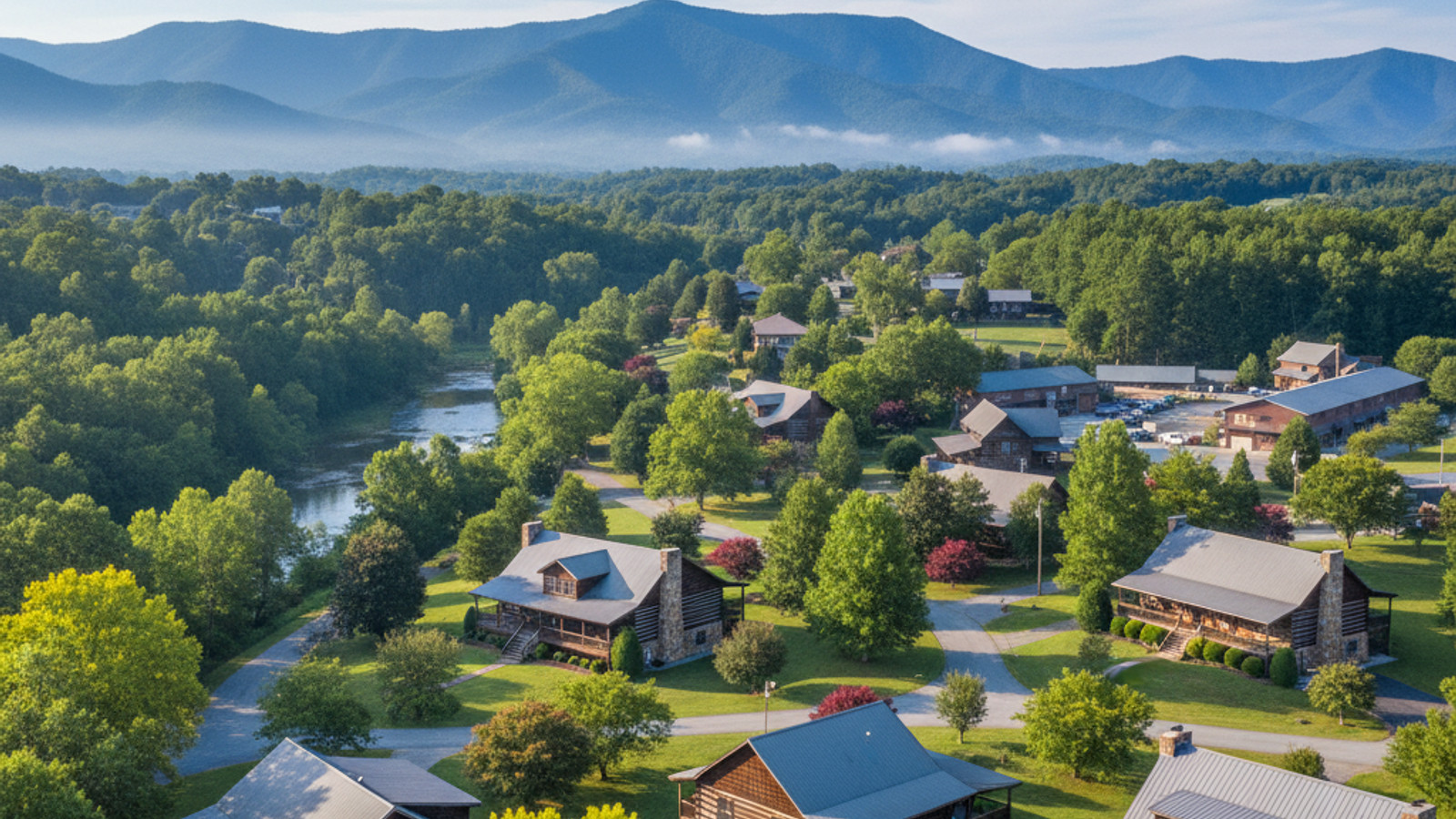
If you are looking at real estate in Sevierville, you aren’t just looking at a town; you are looking at the front door to the Great Smoky Mountains. This geography makes it one of the best places to live in East Tennessee and creates a unique real estate economy that functions differently than almost anywhere else in Tennessee.
As we move through 2026, the market is shifting gears. After the frantic pace of the last few years, we are finally seeing the dust settle, creating a distinct “window of opportunity” for buyers who have been waiting on the sidelines. However, to understand the numbers, you have to understand that Sevierville has a split personality.
There are really two markets here. First, there is the residential market, where locals buy ranch-style homes and bungalows to live in. Second, there is the short-term rental (STR) market, dominated by log cabins designed to maximize ROI from Dollywood tourists. The trends for these two groups are diverging, so let’s break down what is actually happening on the ground.
Market Verdict: Is Sevierville a Buyer’s or Seller’s Market?
Let’s cut right to the chase: The leverage has officially shifted. As of early 2026, Sevierville is operating as a Buyer’s Market.
For the first time in years, supply is outpacing demand. We have seen inventory levels in Sevier County rise significantly—up roughly 32.8% year-over-year. This influx of homes means buyers aren’t forced to waive inspections or get into bidding wars just to get a foot in the door.
Because homes are sitting on the market longer—often seeing a median days on market between 100 and 119 days—buyers have room to breathe. This is much slower than the national average, giving you the power to negotiate. We are seeing more sellers accepting contingencies, offering rate buydowns, or agreeing to price drops to get deals across the finish line.
It is also important to note the “aspiration gap.” There is currently a wide discrepancy between what sellers hope to get and what the market is actually paying. You will see average list prices hovering north of $600,000, but the actual median sold prices are often landing between $360,000 and $480,000. This gap is where your negotiation power lives.
Sevierville Home Prices & Appreciation Trends
When we look at the price tags, the data shows that the market is normalizing, not crashing. We are seeing a correction after the post-pandemic boom, which is healthy for long-term stability.
Median sale prices have cooled, showing a year-over-year dip ranging from -3.1% to -6.8% depending on which data source you look at. This isn’t a freefall; it’s a stabilization. The days of 20% annual appreciation are behind us, and we are returning to historical norms where real estate is a steady, rather than explosive, asset.
Here is a quick look at how the numbers shake out:
- Residential Price Per Square Foot: You can often find traditional permanent homes for around $230 per square foot.
- Investment/Cabin Price Per Square Foot: Turnkey cabins with views command a premium, pushing that cost significantly higher.
- Median Sale Price: Depending on the mix of luxury cabins and residential homes sold that month, the median generally sits between $359,000 and $478,000.
If you are a buyer, this cooling trend is good news. It means you are buying into a market that has let off some steam, reducing the risk of buying at the absolute peak.
Short-Term Rental (STR) Market Analysis: The “Dollywood Effect”
For investors, Sevierville is synonymous with overnight rentals. The demand drivers here are massive: The Great Smoky Mountains National Park and Dollywood ensure a steady stream of millions of visitors every year. However, the “if you build it, they will come” era has evolved.
Occupancy rates have normalized. We are no longer seeing the frantic 80%+ occupancy of 2021. Instead, the market has settled into a sustainable range of 53% to 58%. While gross revenue remains strong—with the average STR generating around $54,600 annually—averages can be misleading.
Here is the reality of the current STR landscape:
- Saturation in Small Units: The market is flooded with 1- and 2-bedroom cabins. Inventory has grown 5-6x since 2015, and much of that growth is in smaller units.
- The “Amenities War”: To compete today, you need more than just a hot tub. Properties with indoor pools, theater rooms, and unique views are outperforming standard cabins.
- Size Matters: larger units (3+ bedrooms) are currently seeing less saturation and often provide a better ROI because they cater to multi-generational families who can’t fit in a hotel room.
Cost of Living: Why Are Houses So Cheap in Sevierville?
We often hear people from out of state ask, “Why is it so cheap here?” The answer usually depends on where you are moving from.
When you compare Sevierville to a major metro like Nashville, the value proposition is huge. While Nashville prime areas are commanding $300+ per square foot, Sevierville’s residential market offers much more land and house for your money, often in the $230 to $280 per square foot range.
Beyond the sticker price, the ongoing cost of ownership is lower here:
- No State Income Tax: Tennessee does not tax wages, which immediately boosts your purchasing power.
- Property Taxes: Sevier County property taxes are generally lower than the national average, keeping monthly payments manageable.
However, there is a nuance to the word “cheap.” The most affordable inventory usually consists of older ranch homes or bungalows off the main tourist corridors. If you are looking for a modern mountain chalet with a view of Mount LeConte, you will be paying a premium that rivals many larger cities.
Living in Sevierville: Safety, Schools & Lifestyle
If you are looking to relocate rather than invest, you are probably wondering what day-to-day life looks like once the tourists go home (or at least back to their hotels).
One common question involves safety statistics. On paper, crime rates in Sevierville can appear skewed. This is because crime stats are calculated based on the permanent population, but the daily population swells by tens of thousands due to tourism. Most reported incidents are property-related (like theft from vehicles in tourist areas) rather than violent crime.
For families, the Sevier County School System serves the area, with Sevier County High School being a central hub. The lifestyle here is distinct from the neon lights of Pigeon Forge. Sevierville feels more like a hometown—it is, after all, the hometown of Dolly Parton.
Residents enjoy access to Douglas Lake for boating and fishing, and the community vibe is much more relaxed than the strip immediately south. It offers a balance: you have access to world-class entertainment and dining within 15 minutes, but you can live in a quiet subdivision that feels miles away from the traffic.
2026 Forecast: What to Expect Next?
Looking ahead to the next 12 to 18 months, we expect the market to continue its trend toward balance.
We predict price stabilization rather than sharp growth or decline. Prices will likely remain flat or dip slightly as the remaining inventory is absorbed. This creates a stable environment for buyers who want to purchase without fear of immediate depreciation.
For investors, the focus in 2026 will be on amenities and uniqueness. The “easy money” is gone, but the “smart money” is still very active. Investors who buy properties with unique features—or those who renovate dated cabins to add “wow” factors—will continue to win.
Ultimately, the window of opportunity is open. With sellers more willing to negotiate and inventory offering plenty of choices, 2025 and 2026 look like excellent years to secure a piece of the Smokies.
Frequently Asked Questions
Is Sevierville TN a good place to invest in real estate?
Yes, Sevierville remains a top destination for short-term rental investors due to the consistent tourism draw of the National Park and Dollywood. However, because the market has seen a surge in inventory, investors must be selective, focusing on properties with unique amenities (like indoor pools) or larger layouts to ensure high occupancy.
Will house prices drop in Sevierville in 2026?
We are currently seeing a softening of prices rather than a crash, with modest year-over-year declines of roughly 3% to 6%. The forecast suggests prices will likely stabilize or remain flat as the market corrects from the post-pandemic highs, giving buyers more leverage.
What is the average cost of a home in Sevierville?
It is important to look at the sold price rather than the list price; while sellers often ask for over $600,000, the median sold price typically lands between $360,000 and $480,000. This range varies heavily depending on whether you are buying a standard residential home or a turnkey vacation rental.
Is Sevierville cheaper than Nashville?
Yes, Sevierville is significantly more affordable than Nashville. While Nashville’s price per square foot often exceeds $300 in desirable areas, Sevierville offers residential homes in the $230 range, along with generally lower property taxes and a lower overall cost of living.
Living in Maryville, TN: The Quiet Side of the Smokies
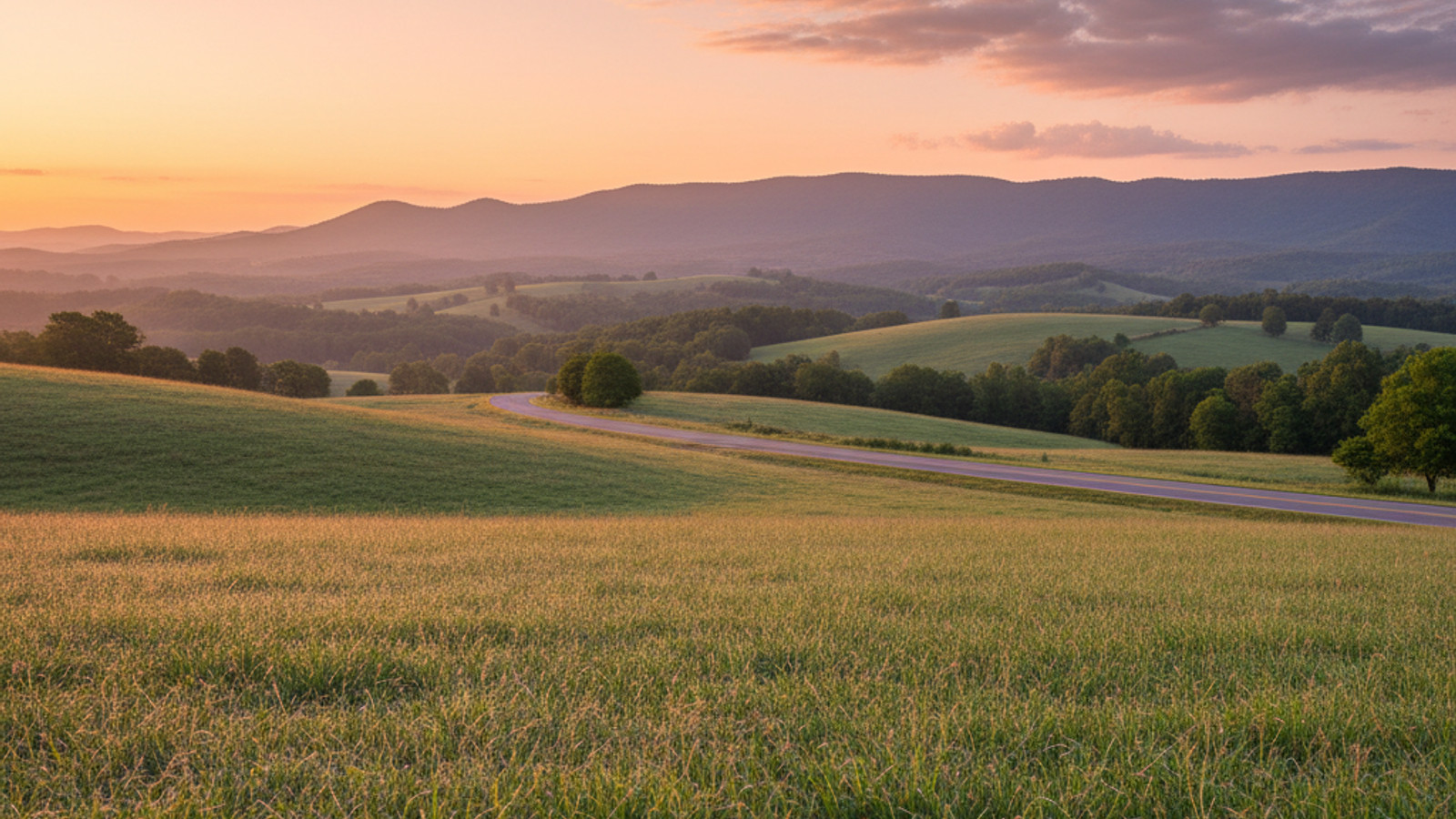
If you’ve been looking at a map of East Tennessee trying to decide where to land, you’ve probably noticed Maryville. Locals call it the “Foothills of the Smokies,” and for good reason. It sits in a sweet spot – just 20 minutes south of the energy in Knoxville, but only about 30 minutes from the quiet entrances of the Great Smoky Mountains National Park.
Maryville offers a distinct vibe that sets it apart from its bigger neighbor, Knoxville. It is often branded as the “Peaceful Side of the Smokies,” blending small-town charm with enough suburban convenience that you don’t feel isolated. While the population has grown steadily as more people discover Blount County, the area has managed to keep its community feel intact. Whether you are relocating for a job or looking to retire near the mountains, living in Maryville offers a balance of accessibility and scenery that is hard to beat. Plus, having McGhee Tyson Airport just minutes away makes travel incredibly easy.
Pros and Cons of Living in Maryville, TN
Every town has its trade-offs, and it is important to look past the marketing photos to understand the daily reality. Here is a balanced look at the good and the bad of life in this part of Blount County.
The Pros:
- No State Income Tax: Tennessee has no state income tax on wages, and this extends to retirement income as well.
- Top-Rated Schools: The Maryville City School system is consistently ranked among the best in the state, which is a major draw for newcomers.
- Scenery and Location: You have immediate views of the Chilhowee mountain range and easier access to the national park than Gatlinburg or Pigeon Forge.
- Community Feel: It feels safer and more tight-knit than metro Knoxville, with a strong emphasis on local events and outdoor living.
The Cons:
- Rising Housing Costs: Because the area is desirable, inventory is often low, and prices have crept up significantly in recent years.
- Traffic Congestion: Highway 411 and Broadway can get very backed up during rush hour. The infrastructure is playing catch-up with the population growth.
- Car Dependency: Public transit is very limited. You will need a vehicle to get groceries, go to work, or visit the mountains.
- Nightlife: While downtown has improved, it is not a party hub. For clubs or late-night entertainment, you will likely be driving into Knoxville.
Cost of Living in Maryville, TN: Is it Expensive?
When people consider moving to Maryville TN, the budget is usually the first topic of conversation. Generally speaking, the cost of living here runs about 8% to 10% lower than the national average. However, it is worth noting that housing costs are catching up to national trends due to high demand.
The housing market here is competitive. You can generally expect median home prices to land in the $380,000 to $450,000 range, though this varies heavily by neighborhood. While this is often slightly higher than some rural parts of Tennessee, buyers are usually paying a premium for access to the city schools and the mountain views.
If you aren’t ready to buy, the rental market can be a bit tricky. There are fewer large apartment complexes compared to Knoxville, and single-family rental homes tend to get snapped up quickly. On the financial bright side, the lack of state income tax on wages, pensions, and 401k distributions makes your monthly budget stretch much further here than in many other states.
Best Neighborhoods & Real Estate Zones
Maryville isn’t just one uniform block; it has distinct areas with different lifestyles. Understanding the difference between “City” and “County” is the most critical part of your house hunt here.
Downtown and College Area This is the heart of the city. You will find historic homes, bungalows, and walkable streets near Maryville College. This area is perfect if you want to be close to the library, coffee shops, and the Greenbelt.
West Maryville (Foothills Mall Area) If you prioritize convenience, the West side near the Foothills Mall offers newer subdivisions and quick access to major retail and dining. It is busier, but you are never far from a grocery store or the movies.
East Maryville As you head east toward the mountains, the landscape changes. This area feels more rural, with larger lots and scenic views. It is quieter, but your drive to the grocery store might take a few minutes longer.
The “City vs. County” School Distinction This is the number one point of confusion for newcomers looking at homes in Maryville. Just because a home has a “Maryville, TN” mailing address does not mean it is inside the Maryville City limits.
- City Limits: Residents pay city taxes but gain automatic access to the highly desirable Maryville City Schools.
- County Limits: Residents pay lower county-only taxes and are zoned for Blount County Schools. If you live in the county but want your children to attend Maryville City Schools, you must apply and pay annual tuition, and acceptance is not guaranteed.
Maryville TN Crime Rate & Safety Statistics
Safety is a top priority for anyone relocating, and objectively, Maryville performs well. Statistically, the area is safer than the Tennessee state average and significantly safer than downtown Knoxville.
When you look at the data, you will see that violent crime rates are quite low. The majority of reported incidents are property crimes – specifically theft. These numbers are often skewed by the retail corridors where shoplifting at big-box stores drives up the statistics. In the residential neighborhoods and subdivisions, the atmosphere is generally calm and quiet. It is the kind of place where people feel comfortable walking their dogs in the evening, though standard precautions like locking car doors are always smart, especially in commercial parking lots.
Local Legend: Does Shaquille O’Neal Live in Maryville?
If you search for info on the area, you might stumble upon a rumor that NBA legend Shaquille O’Neal lives here. It is a valid question that locals get asked often.
Here is the verdict: Shaq did spend a significant amount of time living in Maryville roughly between 2010 and 2013. He owned a property in the area and was frequently spotted by locals shopping at Walmart, working out at local gyms, or dining at local restaurants. He was known for being incredibly friendly and generous with fans.
Currently, he does not maintain a primary residence here, spending most of his time in Atlanta, Texas, or Florida. However, the fact that a global superstar chose this town as a retreat highlights exactly what makes it special: privacy, a relaxed pace of life, and a community that treats people like neighbors rather than celebrities.
Lifestyle: Things to Do in Maryville
Life here revolves around the outdoors and local community spots. You won’t find high-rise clubs, but you will find plenty of ways to stay active.
The Greenbelt This is the gem of the city. The Maryville-Alcoa Greenway is a paved trail system that loops through parks, connects to the library, and runs along the water. It is the go-to spot for walking, running, and biking.
Great Smoky Mountains You are practically neighbors with the most visited national park in the country. Locals prefer the Townsend entrance (the “Quiet Side”) to avoid the tourist traffic of Pigeon Forge. Cades Cove is a short drive away for wildlife viewing and history.
Downtown and Culture Downtown Maryville has revitalized nicely. You can grab a craft coffee at Vienna Coffee House, visit a local brewery, or browse boutiques. For culture, the Clayton Center for the Arts on the Maryville College campus hosts concerts, plays, and touring acts, bringing a touch of high culture to the foothills.
Job Market & Major Employers
While many residents commute to Knoxville, there is a robust local job market right here in Blount County. You don’t necessarily have to leave town to find a good career.
Manufacturing and Industry The area is a manufacturing hub. Denso Manufacturing is the largest employer in the region, providing thousands of jobs. Clayton Homes, a national leader in housing, is also headquartered nearby.
Healthcare and Education Blount Memorial Hospital is a major regional medical center and a top employer for healthcare professionals. Additionally, the Maryville City Schools system and Maryville College provide numerous opportunities in education and administration.
Commuting For those who do work in Knoxville—perhaps at the University of Tennessee or Oak Ridge National Laboratory—the commute is straightforward. Alcoa Highway connects the two cities, making it easy to live in the quiet of Maryville while earning a Knoxville paycheck.
Retiring in Maryville: A Top Destination
Maryville has become a magnet for retirees, and it is not just because of the mountain views. The financial incentives are strong. As mentioned earlier, Tennessee has no state income tax on wages, but more importantly for seniors, there is no tax on retirement income like 401k distributions or pensions.
Beyond the money, the lifestyle fits. You get four distinct seasons, but the winters are generally mild compared to the north. Blount Memorial Hospital provides excellent local care, and the University of Tennessee Medical Center is just a short drive away for specialists. With active senior centers and a slower pace of life, it is a place where you can relax without being bored.
Frequently Asked Questions
Is Maryville TN a safe place to live?
Yes, Maryville is generally considered very safe and ranks safer than the Tennessee state average. Most crime statistics for the area are driven by non-violent property theft in retail areas, while residential neighborhoods remain quiet and secure.
How far is Maryville TN from the Smoky Mountains?
You are very close. It takes about 20 to 30 minutes to drive from downtown Maryville to the Townsend entrance of the Great Smoky Mountains National Park, making it easy to visit the mountains for a quick afternoon trip.
Does Maryville TN have state income tax?
No, Tennessee does not have a state income tax on wages or salaries. This is a huge benefit for residents, as it also applies to retirement income such as pensions and 401k withdrawals.
What is the difference between Alcoa and Maryville?
Maryville and Alcoa are “twin cities” that share a border, but they are separate municipalities with their own governments, police forces, and school systems. While they share many amenities and the airport is technically in Alcoa, residents are zoned for different schools depending on which side of the line they live on.
Maryville TN Housing Market: What’s Happening in Early 2026?
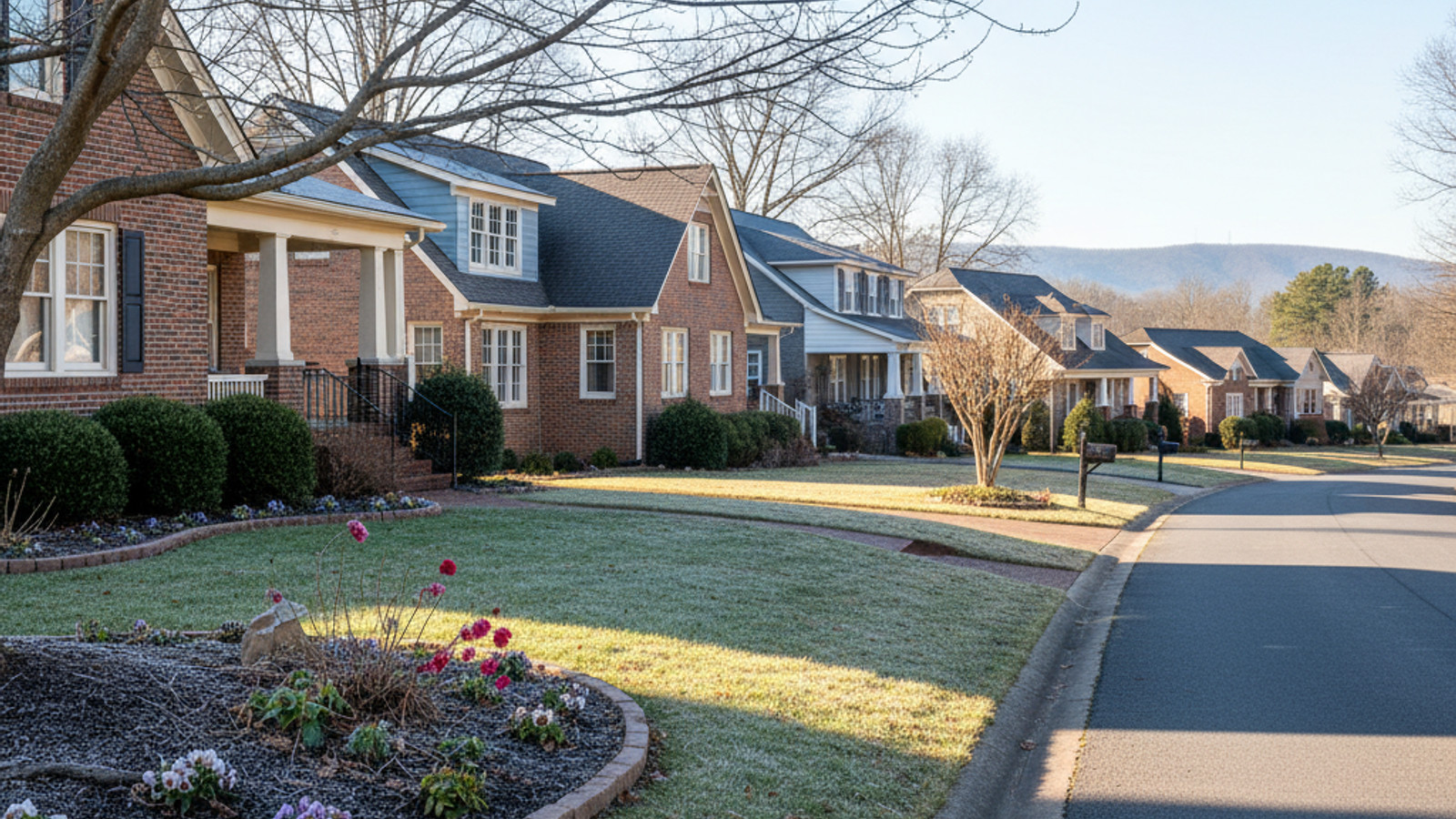
Maryville, TN Housing Market Overview (Early 2026)
If you have been keeping an eye on real estate in East Tennessee, you likely noticed the shift from the frantic pace of a few years ago to something that feels a bit more grounded. Maryville remains a highly sought-after destination, largely because folks want that easy access to the Great Smoky Mountains while staying close to the amenities in Knoxville.
We are currently seeing what I like to call a “Stabilizing Seller’s Market.” Inventory is still historically tight, which keeps a floor on prices, but we aren’t seeing the wild bidding wars on every single listing like we did back in 2021 or 2022. Homes are sitting on the market a little longer, giving everyone a chance to breathe.
So, is now the right time to make a move? For sellers, the answer is generally yes because you likely have significant equity built up, and prices are holding steady. For buyers, the “yes” comes from a different angle: while rates and prices are higher than they were five years ago, you face far less competition today. You actually have time to think before you write an offer.
If you are new to the area, it helps to read up on the cost of living in Maryville to see how these housing numbers fit into your overall budget.
Market Statistics: Prices, Inventory, & Speed
Let’s get into the nitty-gritty numbers for January and February 2026. It is important to look at what is actually happening on the ground rather than just national headlines.
Median Home Prices Depending on where you look, the numbers vary slightly, but the trend is clear. The median sold price for a home in Maryville currently hovers between $380,000 and $400,000. Interestingly, you will often see median list prices sitting higher—sometimes upwards of $430,000. This gap suggests that sellers are testing the waters with ambitious pricing, but the final deal is often struck a bit lower.
Days on Market (DOM) This is one of the biggest changes we have seen. Homes are now taking roughly 60 to 80 days to sell. Compared to the lightning-fast sales of previous years, this feels slow, but it is actually a return to a more normal pace. A house sitting for two months doesn’t necessarily mean something is wrong with it; it just means buyers are being more selective.
Inventory and Supply We are currently looking at about 1.5 to 2 months of supply. In the real estate world, anything under six months is technically a seller’s market. However, because this number is creeping up from the rock-bottom lows of the past, buyers have a little more leverage than the “months of supply” metric might initially suggest.
If you are curious about what your specific property might be worth in this climate, a home value estimator can give you a rough starting point before we dig deeper.
Key Trends Shaping Maryville Real Estate in 2026
Understanding the why behind the prices helps you make a smarter decision. There are three main forces pushing and pulling the Maryville market right now.
The Migration Factor We are still seeing a steady stream of interest from out-of-state buyers. People are relocating from high-tax states like California, Illinois, and Florida, drawn by Tennessee’s lack of state income tax and the lifestyle change. This external demand is a big reason why prices haven’t dropped significantly despite higher interest rates.
Correction, Not a Crash I get asked constantly if the market is going to crash. The data for 2026 points toward stabilization rather than a cliff. Most forecasts and local data suggest modest growth in the 2% to 4% range. We are seeing a price correction where overvalued homes come down to reality, but the fundamentals of Blount County are too strong to support a crash scenario right now.
The “Lock-in” Effect This is the invisible hand constraining inventory. Many current homeowners are sitting on mortgage rates of 3% or 4% and are hesitant to sell only to trade up to a higher rate. This “lock-in” effect keeps the number of homes for sale in Maryville TN lower than it would be in a totally free-flowing market, which ironically helps support home values for those who do list.
Buyer’s vs. Seller’s Market: Who Has the Edge?
Navigating this market requires a different strategy depending on which side of the closing table you are on.
Advice for Buyers
You finally have the luxury of time. In 2022, you had to waive inspections and offer over asking price just to be considered. Now, you can conduct thorough inspections and even negotiate on price, especially if a home has been active for 60+ days. If you are just starting out, check our First Time Home Buyer Guide TN to get your ducks in a row.
Advice for Sellers
Pricing is absolutely critical. Because buyers can be picky, you cannot get away with “aspirational pricing” anymore. If you price it right, it sells. If you overprice it, it sits and becomes stale. Curb appeal and staging matter more now than they have in years. You need your home to stand out against the competition.
A Note on Rentals
For investors or those waiting to buy, the rental market has softened slightly or stabilized. With rents averaging around $1,800 per month, some residents are finding that the math on buying—despite the rates—starts to look attractive again when thinking long-term.
Popular Maryville Neighborhoods & Zip Codes
Maryville isn’t just one big block; different areas offer very different vibes and price points.
- 37801 (Historic & Central): This zip code covers the downtown area and historic districts. You will often find older, character-rich homes here with a median price point around $380,000. It offers a more walkable, town-centered lifestyle.
- 37803 (Foothills & Suburban): Generally located further south and east towards the mountains, this area often commands slightly higher prices. It is popular for its suburban feel and proximity to the foothills.
- New Construction Zones: We are seeing growth near William Blount Drive and the outer edges of the county. If you want brand-new modern amenities, these are the areas to watch.
- School Districts: Home values are often heavily influenced by school zones. Properties zoned for Maryville City Schools often carry a premium compared to the broader county, though Blount County Schools also service many desirable, growing subdivisions.
If you are trying to narrow down your search, looking into the best neighborhoods in Maryville can help you match your lifestyle to the right area.
Frequently Asked Questions
Is Maryville TN a buyer’s or seller’s market right now?
Technically, it is still a seller’s market because there is less than 2 months of inventory available. However, it has cooled significantly compared to previous years, giving buyers much more negotiating power than before.
Are home prices dropping in Maryville TN?
Listing prices have softened as sellers adjust to reality, but sold prices are largely stabilizing or flattening rather than dropping off a cliff. We are not seeing a major crash in the 2026 data; values are holding steady.
What is the average price of a house in Maryville?
As of early 2026, the median sold price generally falls between $380,000 and $400,000. Keep in mind that specific neighborhoods or luxury mountain homes will skew these numbers higher.
Why are people moving to Maryville TN?
The primary drivers are the lack of state income tax, a lower cost of living compared to national averages, and the incredible access to the Great Smoky Mountains. It offers a balance of small-town feel with easy access to Knoxville city amenities.
Living in Bristol, TN: The Birthplace of Country Music
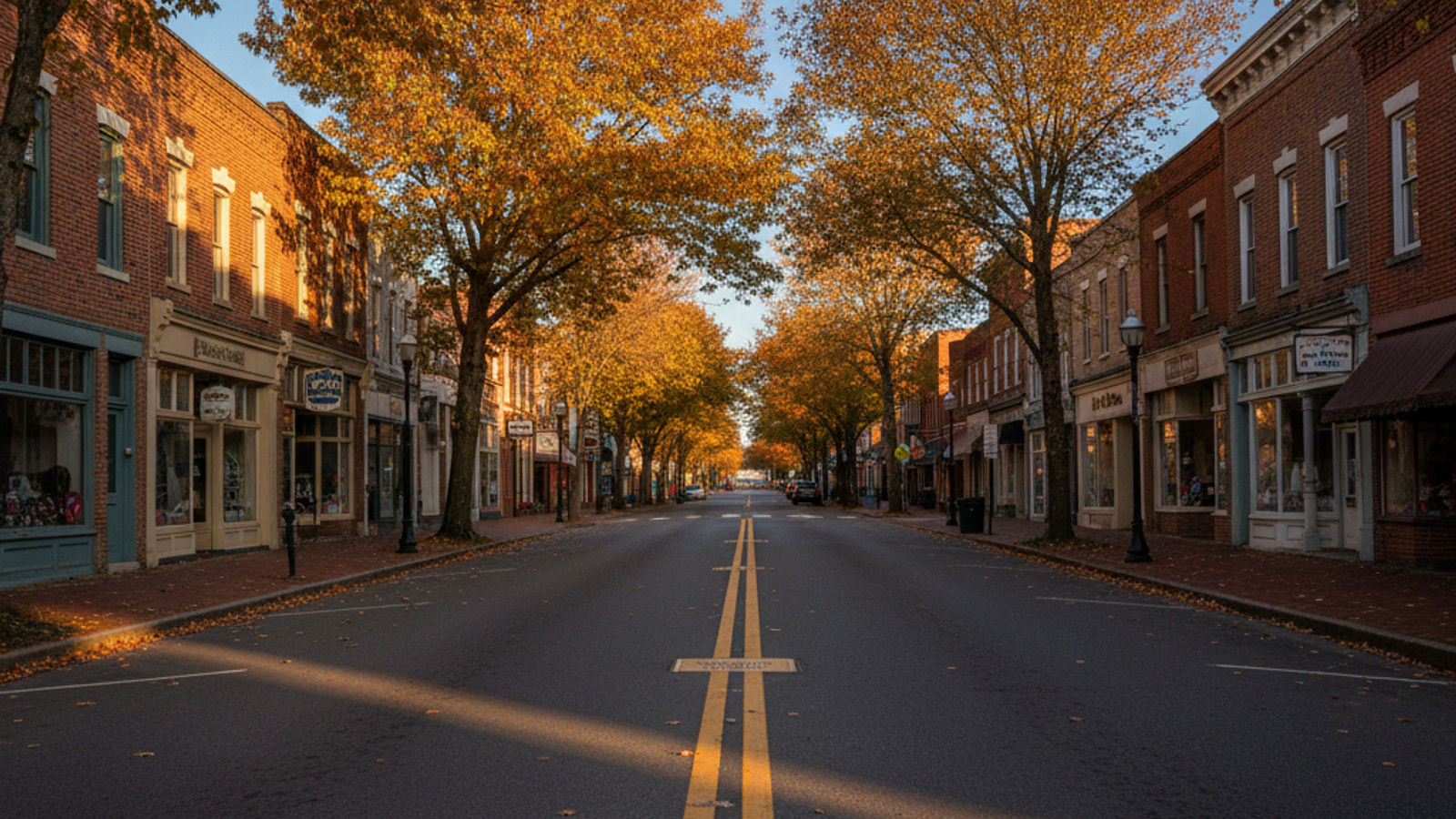
If you are looking at a map of Northeast Tennessee, you’ll notice Bristol isn’t just another dot on the highway. It is part of the “Tri-Cities” region—alongside Kingsport and Johnson City—but it has a distinction the others don’t. Bristol is a true “Twin City,” straddling the border of Tennessee and Virginia.
It’s a place where you can stand in the middle of the road with one foot in the South and the other… well, slightly further North in the South. Beyond the novelty of the border, Bristol offers a blend of Appalachian mountain charm, serious outdoor recreation, and a musical heritage that changed the world. Whether you are drawn here by the roaring engines of NASCAR or the quiet misty mornings on South Holston Lake, living here offers a pace of life that is hard to find elsewhere.
But before you pack the moving truck, you need to understand the unique dynamics of living on the line.
The Twin City Dynamic: Bristol TN vs. Bristol VA
When locals talk about Bristol, they are usually referring to the greater community, but when it comes to buying a home, the distinction between the Tennessee side and the Virginia side is massive. The city is divided right down the middle of State Street. There are brass markers running along the yellow line separating the two states.
While the culture flows freely across the street, the laws and finances do not. Here is the breakdown of why you might choose one side over the other:
- The State Line: It really is just a street. You can eat dinner on the Virginia side and walk across the street to a bar on the Tennessee side. However, your mailbox address determines your tax bill.
- Income Tax: This is often the deciding factor for transplants. Tennessee has No State Income Tax on wages. Virginia, on the other hand, has a graduated state income tax that ranges from roughly 2% to 5.75%. For high earners or retirees with taxable income, the Tennessee side often wins this argument.
- Vehicle & Personal Property Tax: This is a shocker for people moving from TN to VA. Virginia residents pay an annual personal property tax on cars, boats, and recreational vehicles. Tennessee residents do not pay this annual tax on vehicles.
- Sales Tax: Here is the trade-off. Tennessee has a high sales tax, generally hovering around 9.25% in this area. Virginia’s sales tax is significantly lower, around 5.3%. A common local strategy is to live in Tennessee to save on income/property tax, but drive five minutes to shop in Virginia to save on sales tax.
- Politics & Vibes: While both sides share a similar Appalachian culture, they operate under different state legislatures, which affects everything from school curriculums to alcohol laws.
Cost of Living & Real Estate Market
Let’s talk numbers. Generally speaking, the cost of living in Bristol is lower than the national average, which is a major draw for people relocating from high-cost coastal areas or even from Nashville.
The housing market here has seen appreciation, but it remains accessible. You can typically find a spacious single-family home here for significantly less than you would pay in Knoxville or Asheville. Whether you are looking for a historic bungalow near downtown or a new build in the rolling hills of Sullivan County, the dollar tends to stretch further here.
A quick note on property taxes: You might notice that the property tax rate (per $100 of assessed value) can sometimes look higher in Tennessee compared to some Virginia jurisdictions. However, you have to look at the total monthly budget. When you remove the state income tax and the annual car tax from the equation, the total tax burden for a homeowner in Bristol, TN is often lower than for their neighbor across the line. This makes the area particularly attractive for retirees looking to maximize their pensions.
Geography & Climate: Life in the Appalachian Highlands
Bristol sits squarely in the Appalachian Highlands. We aren’t on flat land, but we aren’t on the side of a cliff either. The terrain is defined by rolling hills, ridges, and valleys, with the Unaka Mountains providing a stunning backdrop.
We enjoy four very distinct seasons:
- Spring & Summer: Springs are green and lush (thanks to the rain), and summers are warm and humid. You will definitely want air conditioning.
- Autumn: This is the glory season. The fall foliage here rivals New England, with vibrant oranges and reds covering the hillsides in October.
- Snow: We do get snow, but we aren’t buried in it. The average snowfall is roughly 9-12 inches per year. It usually falls in bursts and melts within a day or two. The true “snowy period” is generally December through February.
- Severe Weather: It is important to be realistic. While we are protected by mountains, East Tennessee does get severe thunderstorms and the occasional tornado risk. The storms can sometimes be nocturnal (happening at night), so having a good weather radio or app is just part of living here.
The Economy: NASCAR, Tourism, and Beyond
You can’t talk about Bristol without talking about the Bristol Motor Speedway. It is known as the “Last Great Colosseum,” and for good reason. It is a massive economic engine for the region, bringing in over $100 million in economic impact during major events.
For locals, the Speedway is a double-edged sword. On race weeks (usually twice a year), the population swells, and traffic on the Volunteer Parkway becomes a challenge. However, that tourism revenue supports a density of restaurants, hotels, and amenities that a town of this size wouldn’t normally have.
But the economy isn’t just cars driving in circles. The area has a robust healthcare sector anchored by Ballad Health and a strong manufacturing base. Perhaps most importantly for newcomers, Bristol Tennessee Essential Services (BTES) provides incredible fiber-optic internet. They were one of the first municipal utilities to deploy a gigabit network. This infrastructure has made Bristol, TN a hidden gem for remote workers who need city-speed internet with country-style views.
Safety & Crime Rates in Bristol
When you look up crime statistics for Bristol, you might see numbers that look higher than the national average. As a local, let me add some necessary context to those spreadsheets.
Bristol is a tourism and retail hub. Between the Speedway, the new casino activity on the VA side, and the downtown nightlife, the number of people in the city during the day (or on race weekends) is vastly higher than the number of people who sleep here at night. Crime rates are calculated per resident, so a busy commercial area often skews the “per capita” numbers.
The majority of reported incidents are property crimes—shoplifting, theft from vehicles, or non-violent disputes. The residential areas, particularly neighborhoods further out near Steele Creek Park or Holston View, tend to be quiet communities. As with any city, situational awareness in busy commercial zones is key, but the stats rarely tell the full story of the daily lifestyle here.
Lifestyle: Music, Outdoors, and Culture
So, what do you do on a Tuesday night or a Saturday morning?
- Music Heritage: In 1927, the “Bristol Sessions” recordings captured the Carter Family and Jimmie Rodgers, effectively launching the country music industry. You can explore this history at the Birthplace of Country Music Museum. Every September, the Rhythm & Roots Reunion festival takes over downtown, filling the streets with Americana, country, and rock.
- The Great Outdoors: If you love water, South Holston Lake is a paradise for boating and fishing. Below the South Holston Dam, the weir dam offers some of the best fly fishing for trout in the eastern United States.
- Parks & Rec: Steele Creek Park is a massive asset—over 2,200 acres of parkland right within the city limits, featuring a lake, golf course, and miles of hiking trails.
- Downtown Life: State Street is the heartbeat of the social scene. It is walkable and packed with breweries, local burger joints, antique shops, and the iconic Bristol slogan sign.
- Gaming: While located on the Virginia side, the Hard Rock Casino (currently in a temporary space with a permanent resort underway) has added a new layer of entertainment and nightlife options for residents on both sides of the line.
Frequently Asked Questions
Is Bristol, TN a good place to live?
Yes, for many people it offers a great balance. The low cost of living, lack of state income tax, and access to outdoor recreation make it very appealing. However, you have to be okay with humidity in the summer and heavy traffic during NASCAR race weeks.
Does it snow in Bristol, TN?
Yes, but it is manageable. We average about 9-12 inches of snow annually. It rarely stays on the ground for long, so you get the beauty of a winter wonderland without months of shoveling.
What is the difference between living in Bristol TN vs VA?
The biggest financial difference is taxes. Bristol, TN has no state income tax and no annual vehicle tax, but higher sales tax. Bristol, VA charges state income tax and an annual personal property tax on cars, but has lower sales tax.
Is Bristol TN safe?
While property crime rates can appear elevated due to the high volume of tourists and shoppers relative to the population, the residential areas are generally quiet. Most “crime” is concentrated in retail areas (theft) rather than violent crime in neighborhoods.
How far is Bristol TN from Nashville?
Bristol is on the far eastern tip of the state. It is approximately a 4 to 4.5-hour drive to Nashville depending on traffic along I-40 and I-81.
Living in Kingsport, TN: The Model City of the Tri-Cities
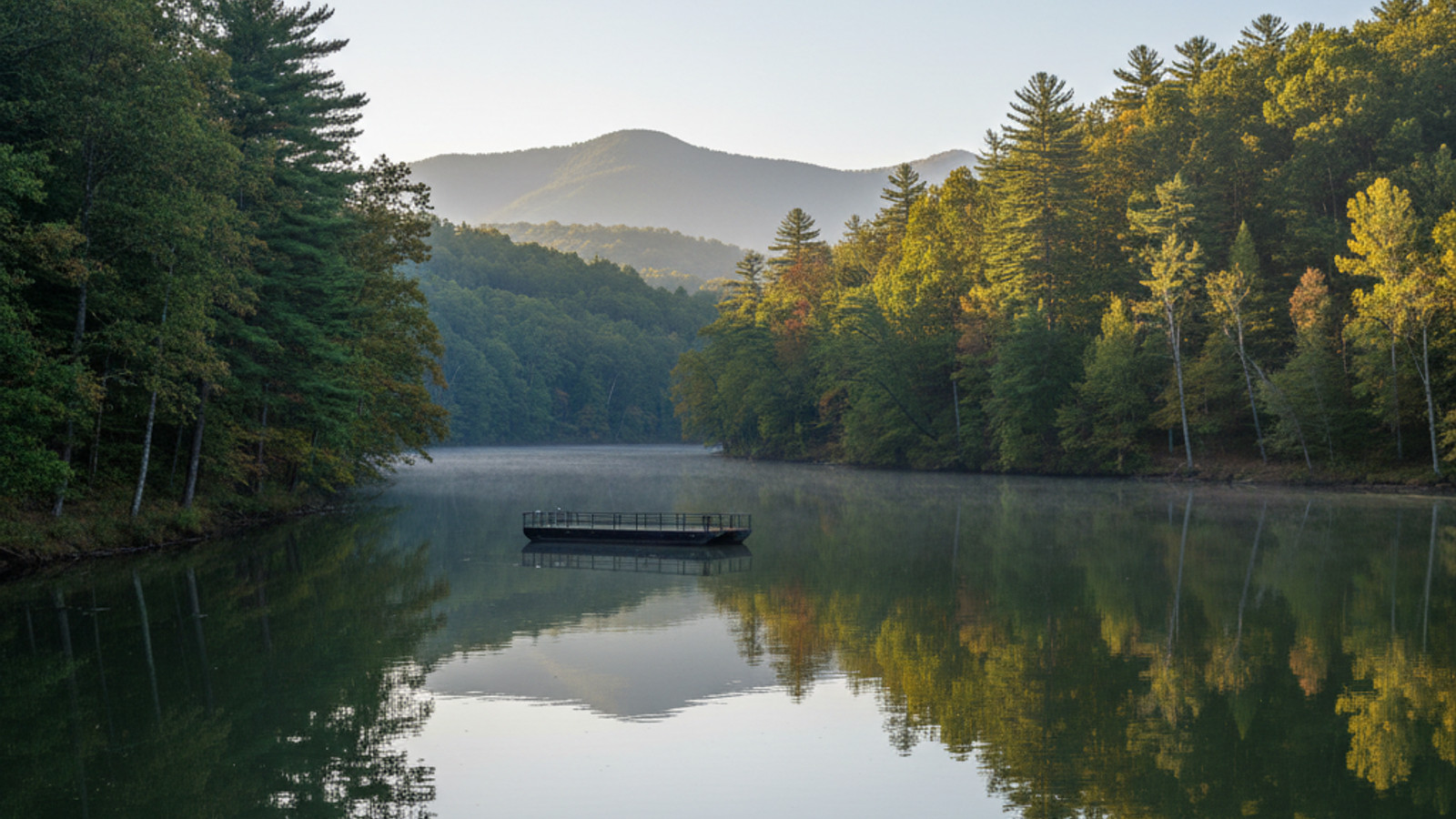
If you are looking at the map of Northeast Tennessee, you will see three distinct cities clustered together in the corner of the state. While Johnson City often gets attention for the university and Bristol is famous for the speedway, Kingsport holds its own as the industrial and medical heartbeat of the region.
Locals and historians often call Kingsport “The Model City.” That is not just a marketing slogan; it comes from the fact that the city was meticulously planned and designed back in 1917 by city planner John Nolen. Instead of springing up randomly, the residential and industrial zones were mapped out with purpose.
Today, that planning pays off in a unique way. You get a city that balances a heavy industrial economic backbone with incredible access to nature. You can be working at a Fortune 500 company downtown and be hiking a ridge at Bays Mountain Park fifteen minutes later. For anyone thinking about moving to Tri-Cities TN, Kingsport offers a compelling mix of affordability, scenery, and urban amenities.
Kingsport at a Glance: Quick Facts
Before we dive into the housing market and school zones, here are the administrative details you need to know.
Area Overview
- Population: ~57,000 (City), ~300,000+ (Metro Area)
- Counties: Sullivan County (majority) & Hawkins County
- ZIP Codes: 37660, 37663, 37664, 37665
- Area Code: 423
- Time Zone: Eastern (EST/EDT)
Cost of Living & Real Estate Market
When I sit down with buyers moving from out of state, the first thing they notice is how far their dollar goes here. The overall cost of living in Kingsport is approximately 18% lower than the US national average.
Housing is the biggest factor in those savings. While prices have risen locally just like everywhere else, the median home value sits around $265,000. That is significantly below national medians. Whether you are looking for a historic bungalow or a new build, homes for sale in Kingsport TN remain accessible for many budgets. Renters also see savings, with average rents hovering around $1,268 per month.
Beyond the sticker price of a home, you have to look at taxes. Tennessee is very friendly to your paycheck—there is no state income tax on wages. However, property taxes require a little explanation. If you buy a home inside the city limits, you pay both City and County property taxes. If you live just outside the limits, you only pay County taxes.
It might seem cheaper to live in the county, but remember that city taxes fund services like weekly trash pickup, brush collection, and, most importantly, access to the city school system.
Economy & Major Employers
Kingsport was built on industry, and that legacy is still very much alive. The economic anchor is undoubtedly Eastman Chemical Company. With roughly 6,500 employees, their headquarters dominates the skyline and the local economy.
However, the job market has diversified significantly over the years.
- Healthcare: Ballad Health is a massive regional employer, with Holston Valley Medical Center serving as a Level 1 Trauma Center right in town.
- Manufacturing: Companies like Domtar (paper) and BAE Systems maintain a strong industrial presence.
- Education & Retail: Kingsport City Schools and the nearby headquarters for Food City provide stable employment options.
For remote workers, the infrastructure is solid. We have widespread fiber internet availability through providers like Brightridge (in parts of the region) and major carriers like Comcast. It is becoming increasingly common to see professionals working from home in the morning and heading to the Greenbelt in the afternoon.
Crime Rates and Safety in Kingsport
This is one of the most common questions I get, and it deserves a nuanced answer rather than a simple “yes” or “no.” If you look at online aggregators like NeighborhoodScout, you might see crime scores that look concerning, particularly regarding property crime.
However, it is important to look at the local trend lines. The 2024-2025 Annual Report from the Kingsport Police Department shows significant improvements. Burglaries are down by 26%, and vandalism reports have dropped by 45%. Robberies and vehicle collisions have also seen decreases of 8.6% and 12% respectively.
The context here matters. A large portion of the reported incidents are property-related—theft and shoplifting—rather than violent crime. Geographically, incident rates vary. Areas like Colonial Heights and Orebank typically report fewer incidents, while downtown sectors and areas with high retail density tend to have higher call volumes.
Schools & Education: City vs. County
If you have school-aged children, understanding the difference between the two school systems here is vital. We have Kingsport City Schools (KCS) and Sullivan County Schools. They are separate entities.
KCS is a major draw for homebuyers. The district is highlighted by Dobyns-Bennett High School, which is famous for its high academic standards and a world-class band program that regularly marches in the Rose Parade.
Here is the catch regarding Kingsport school zones: To attend KCS tuition-free, you generally need to live inside the city limits.
If you find a house you love that is technically in the county, you can still apply for your child to attend KCS, but you will have to pay tuition. This process is competitive, and spots are not guaranteed. Applications for tuition and zoning usually open in March, so you need to plan your move timeline carefully if this is a priority.
For higher education, the city is close to East Tennessee State University (ETSU) and hosts a campus for Northeast State Community College, making it easy to access degree programs.
Popular Neighborhoods & Areas
Kingsport has a variety of neighborhoods, each with a distinct feel.
- Downtown Kingsport: This area has seen a revitalization in recent years. You will find converted lofts that are walkable to breweries, coffee shops, and local boutiques.
- Colonial Heights: Located near the I-81 and I-26 interchange, this area feels more suburban. It is popular for its larger lot sizes and easy commute to Johnson City. Note that parts of this area are annexed into the city while others remain in the county.
- Ridgefields: This is a historic riverfront community centered around the old country club grounds. It features established homes with unique architecture.
- Fairacres & Preston Forest: These are traditional residential subdivisions featuring mature trees, sidewalks, and established streetscapes.
- Edinburgh: If you prefer modern construction, this development offers newer homes with community amenities and contemporary layouts.
Outdoor Recreation & Lifestyle
One of the best parts of living here is that you don’t have to leave town to get into the woods. The “Outdoors” lifestyle is baked into the city’s design.
Bays Mountain Park & Planetarium is the crown jewel. It is the largest city-owned park in the state of Tennessee. You can view the wolf habitat, take a barge ride across the lake, or hike miles of trails.
Warriors’ Path State Park offers a different vibe with a boundless playground, a golf course, and extensive boating facilities on the lake.
For daily exercise, the Kingsport Greenbelt is fantastic. It is an 8-mile paved trail system that winds along the Reedy Creek and Holston River, connecting several neighborhoods. It is perfect for walking, running, or cycling.
The Holston River itself is a destination for anglers, known for excellent fly fishing and kayaking. And we can’t forget the community spirit—every summer, the city hosts Fun Fest, a massive festival featuring hot air balloons, concerts, and block parties.
FAQs
Is Kingsport, TN a safe place to live?
According to the 2025-2026 KPD Annual Report, crime trends in Kingsport are moving in the right direction, with significant drops in burglary and vandalism. While property crime rates can be higher in retail-dense areas compared to similar-sized cities, residential areas like Colonial Heights generally see lower incident rates.
What is the main industry in Kingsport, TN?
The economic landscape is anchored by Eastman Chemical Company, which employs thousands of locals. However, the healthcare sector is also a massive employer through Ballad Health, along with manufacturing roles at Domtar and BAE Systems.
Does Kingsport, TN have snow?
Yes, but it is usually very mild. We typically see 1 to 3 inches of snow annually, and it rarely stays on the ground for more than a day or two. You get the beauty of a winter dusting without the hassle of long-term shoveling.
How far is Kingsport from Johnson City and Bristol?
The “Tri-Cities” form a triangle, and Kingsport is about 20 to 25 minutes driving distance from both Johnson City and Bristol. This makes it easy to live in one city and commute or shop in another.
Is Moving to Kingsport Right for You?
Kingsport offers a balance that is hard to find elsewhere. You get the affordability of a smaller town, the job market of an industrial hub, and the scenery of the Blue Ridge foothills. Whether you are drawn to the academic reputation of Dobyns-Bennett or the hiking trails at Bays Mountain, there is a lot to like here.
The best way to decide is to see it for yourself. Come drive down the Greenbelt, walk through downtown, and explore the different neighborhoods. If you are ready to look at what is available, feel free to contact us to speak with a local expert who can guide you through the market.
Living in Johnson City, TN: The Jewel of the Tri-Cities
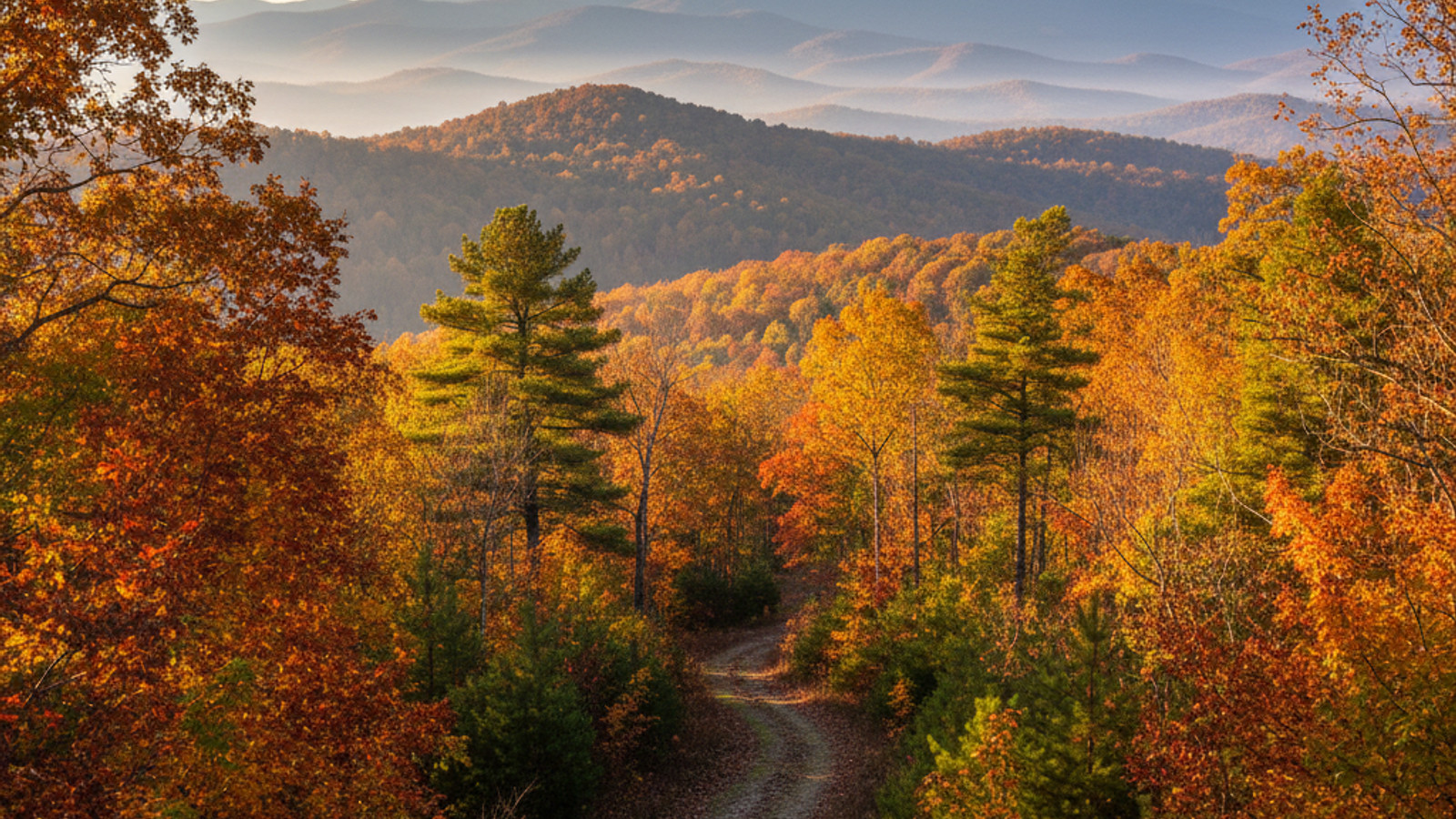
You probably can’t mention this town without humming that famous chorus. While the “Wagon Wheel” lyrics by Bob Dylan and Old Crow Medicine Show definitely put us on the pop-culture map, there is a lot more to this area than just a catchy song. Nestled right in the foothills of the Appalachian Mountains, Johnson City is the vibrant heart of Northeast Tennessee’s “Tri-Cities” region, sitting alongside Kingsport and Bristol.
The vibe here is a unique mix. It has the energetic pulse of a college town thanks to East Tennessee State University (ETSU), but it also feels like a laid-back outdoor adventure hub. It’s a place where you can hike a mountain in the morning and catch a craft brew downtown in the evening.
History buffs often know the city by its Prohibition-era nickname, “Little Chicago.” Back in the day, it was known for speakeasies and railways connecting the south to the north. Today, that history adds a bit of grit and character to a city that is rapidly becoming one of the most popular relocation spots in the Southeast.
Johnson City at a Glance: Fast Facts
If you are just starting your research, here are the numbers you need to know to get oriented.
Area Overview
- Population: ~73,600 (2024 estimate)
- Elevation: 1,634 ft (contributes to four distinct seasons)
- Counties: Primarily Washington County; also extends into Carter & Sullivan counties
- ZIP Codes: 37601, 37604, 37615, 37659
- Time Zone: Eastern Standard Time (EST)
- Nickname: “Little Chicago”
Cost of Living: Affordability in the Appalachians
One of the first things people ask me about is the price tag. Generally speaking, the cost of living here is about 15% lower than the US national average, which is a massive draw for people moving from coastal cities or the northeast.
Let’s talk about housing. The market has certainly heated up over the last few years, but it remains accessible compared to national figures. As of early 2026, the median sold price for a home sits between $307,000 and $315,000. If you are looking to rent before you buy, you can expect to pay around $1,300 to $1,400 for a decent two-bedroom apartment.
Beyond the mortgage or rent check, your daily dollar goes further here. Utilities and groceries generally run 5-10% below the national average. But the biggest financial perk is the tax situation. Tennessee has no state income tax on wages. Whether you are still working or drawing a pension, that is an immediate raise just for changing your zip code.
Is Johnson City, TN Safe? Crime & Safety Explained
This is the most common question I get from clients looking at homes in Johnson City, and it deserves an honest, nuanced answer. If you look purely at online crime databases, you might see that the total crime rate is roughly 60% above the national average. However, you have to look at what drives those numbers.
The statistics here are heavily skewed by property crime, specifically retail theft. Because Johnson City is the commercial retail hub for the entire region – drawing shoppers from Virginia, North Carolina, and Kentucky – the “daytime population” is much higher than the resident population. This inflates the theft statistics significantly.
When it comes to violent crime, the rates are much closer to the national average. Most residents will tell you they feel very safe, particularly in the residential neighborhoods away from the big box stores and commercial strips. As with any growing city, it is smart to lock your car doors and be aware of your surroundings, but the “feeling” on the street is generally calm and community-focused.
Why Retire in Johnson City? A Top Destination
There is a reason Forbes and other publications keep listing Johnson City as a top spot for retirement. The combination of affordability and lifestyle is hard to beat, but the healthcare infrastructure is the real closer for many retirees.
We are a major medical hub for the multi-state region. You have access to Ballad Health, the Johnson City Medical Center, and a massive VA Medical Center. Having Level 1 Trauma care and specialized specialists right in your backyard is a huge peace of mind factor.
Financially, the lack of tax on pension income and wages pairs well with low property taxes to make fixed incomes stretch further. Socially, it is an easy place to stay active. Whether it is taking lifelong learning classes at ETSU, golfing, or volunteering at the senior center, the community is very engaged. If you are looking at retirement communities in East TN, this area should be at the top of your list.
Economy & Major Employers
While we are a popular retirement spot, the local economy is bustling for the workforce, too. The area is often called a “Med-Tech Corridor.” Healthcare is the primary economic engine, employing thousands of residents across the hospital systems and private practices.
Education is another pillar, with East Tennessee State University providing stable employment and driving the local culture. On the industrial side, manufacturing remains strong with companies like General Shale (brick manufacturing) and major water heater production facilities calling the area home.
Recently, we have seen a surge in remote workers. The local utility, BrightRidge, has rolled out high-speed fiber internet across much of the city and county. This has made living in Johnson City TN a viable option for tech workers who want mountain views from their home office.
Neighborhoods & Housing Overview
Johnson City has a diverse mix of neighborhoods, each with a different architectural flavor and lifestyle.
North Johnson City is where you will find a lot of newer developments. This area is close to the major shopping hubs and offers modern subdivisions with easy access to Boones Creek. It is convenient if you want to be near the interstate and big-box retail.
If you prefer historic charm, check out the Tree Streets on the south side. This area is full of early 20th-century bungalows and cottages. It is highly walkable, with sidewalks that lead you right to the university or into downtown. It has a very distinct, tight-knit community feel.
Boones Creek is a rapidly developing area that sits between the main city and the Gray area. It offers a mix of that rural feel with brand-new subdivisions. Speaking of Gray, this community is located right between Johnson City and Kingsport, making it an excellent choice for commuters who might work in one city but play in the other.
Things to Do: From Peaks to Pints
One of the best things about living here is that you don’t have to choose between nature and nightlife. You get a solid dose of both.
For outdoor enthusiasts, Buffalo Mountain Park offers incredible hiking trails with sweeping views, right within the city limits. The Tweetsie Trail is another local favorite – a rails-to-trails project that provides a flat, crushed-stone path for walking and biking that stretches all the way to Elizabethton. If you are into mountain biking, Tannery Knobs Mountain Bike Park offers world-class riding just minutes from downtown.
When you are done sweating, the downtown scene is waiting. Founders Park is the central gathering spot for events like the Blue Plum Festival. You can grab a pint at Yee-Haw Brewing Company or grab some unique food at White Duck Taco. For educational fun, the Hands On! Discovery Center (home to the Gray Fossil Site) is a world-class facility that is fascinating for all ages.
Weather & Climate: Four Distinct Seasons
If you are tired of brutal winters or unrelenting summer heat, you will like the balance here. We have a humid subtropical climate, but our elevation of over 1,600 feet takes the edge off the extremes.
Summers are warm and can get humid, with average highs in the mid-80s, but it is generally cooler than Nashville or Memphis. Winters are cool, with lows dipping into the mid-20s. We do get snow, but it usually isn’t overwhelming – just enough to be pretty before it melts a day or two later.
The real showstopper is autumn. The fall foliage in the Blue Ridge Mountains is stunning and draws tourists from all over. Spring is equally beautiful, with dogwoods and azaleas blooming everywhere.
Pros and Cons of Living in Johnson City
To help you weigh your options, here is a quick summary of the trade-offs.
- Pros:
- Low cost of living and housing prices compared to the national average.
- No state income tax.
- Incredible scenic beauty and outdoor access.
- University town perks (culture, sports, energy).
- Cons:
- Public transit is limited; you really need a car to get around efficiently.
- Property crime rates are statistically higher in retail areas.
- Humidity can be high in July and August.
FAQ: Common Questions About Moving to Johnson City
Is Johnson City TN a good place to retire?
Absolutely. It is consistently ranked as a top retirement destination due to its low cost of living and lack of state income tax on pensions. The access to high-quality healthcare through Ballad Health and the VA Medical Center seals the deal for many seniors.
What is Johnson City TN known for?
The city is best known as the home of East Tennessee State University (ETSU) and as a regional medical hub. Culturally, it is famous for the “Wagon Wheel” song reference and its history as “Little Chicago” during the Prohibition era.
Does it snow in Johnson City TN?
Yes, but it is usually manageable. We experience four distinct seasons, so while you will see snow occasionally in the winter, it rarely stays on the ground for long. It is enough to enjoy the scenery without dealing with months of shoveling.
What is the cost of living in Johnson City TN?
The cost of living is roughly 15% lower than the national average. Housing is the biggest factor here, with median home prices sitting around the $310,000 range, making it much more affordable than many other parts of the country.
Living in Gatlinburg, TN: The Ultimate Relocation & Real Estate Guide
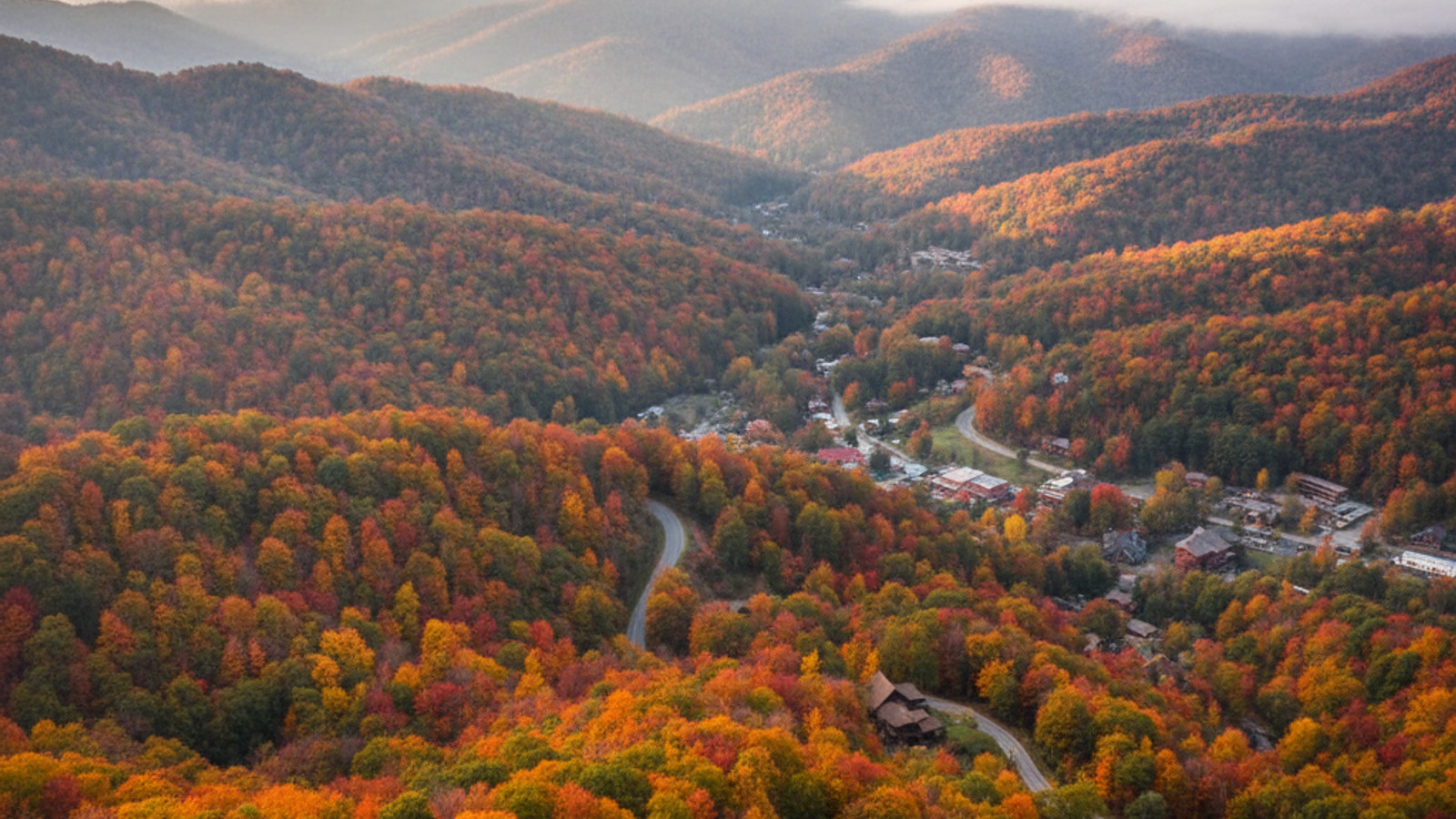
Most people know Gatlinburg as the neon-lit gateway to the Great Smoky Mountains—a place of pancake houses, moonshine tastings, and weekend getaways. But for those of us looking at the property data or planning a permanent move, Gatlinburg is a different beast entirely. It is a town where small-town geography meets big-city tourism economics.
Whether you are looking for a lucrative short-term rental investment or a quiet retirement cabin with a view of Mount Le Conte, you have to look past the Parkway. Living here offers a dual lifestyle: you have unparalleled access to the most visited national park in the country, but you also have to navigate a real estate market driven by high ROI potential.
In this guide, we are going to dig into the numbers and the logistics. We will cover the 2026 market shifts, the truth about short-term rental regulations, and what it actually costs to live in the Smokies.
Geography & Logistics: Getting to Know the Lay of the Land
Before we talk about buying a home, we need to talk about where you are actually landing. Gatlinburg is physically unique because it is a valley floor surrounded by steep vertical relief. This geography dictates everything from your view to your winter driving experience.
Elevation Matters Downtown Gatlinburg sits at an elevation of approximately 1,289 feet. However, the homes and cabins you are likely looking at are often perched on ridges that go much higher. Surrounding peaks, such as Mount Le Conte, rise above 6,000 feet. This elevation difference means it might be raining on the Parkway but snowing at your cabin.
Getting In and Out A common confusion for newcomers involves air travel. You might see “Gatlinburg-Pigeon Forge Airport” on a map, but don’t plan on booking a commercial flight there; it is strictly for general aviation and private aircraft.
For commercial travel, your hub is McGhee Tyson Airport (TYS) in Knoxville. It is roughly a 40 to 45-mile drive, which translates to about an hour depending on traffic through Sevierville and Pigeon Forge. If you are coming from the North Carolina side, Asheville Regional Airport (AVL) is about two hours away, but that drive involves crossing the mountains, which can be tricky in winter.
Time Zone We are on Eastern Standard Time (EST). This is a small but important detail for remote workers relocating from the Central time zone parts of Tennessee.
The Gatlinburg Real Estate Market: Trends & Investment Potential
Let’s get down to business. The real estate market here is heavily influenced by the short-term rental (STR) industry. If you are buying a home here, you are often competing with investors looking for cash flow, which keeps prices resilient even when the national market cools.
2026 Market Trends Inventory remains tight, but the frenzy of a few years ago has settled into a more normalized rhythm. We are seeing days on market extend to the 90-120 day range. This isn’t a bad thing; it means buyers have a moment to breathe and perform due diligence. The highest demand right now is for properties with “true mountain views”—buyers are becoming more selective and are willing to pay a premium for scenery over square footage.
Navigating STR Regulations If you plan to rent out your property, you need to understand the local rules. Gatlinburg requires a “Tourist Residency Permit” for rentals. Since the zoning updates in 2018, the city has been stricter about safety and location. Not every property qualifies for a permit, so never assume a home is rental-ready until you verify the zoning.
The Tax Conversation Here is a detail that catches many investors off guard: Sevier County property tax assessments. There has been a shift toward assessing short-term rentals at the commercial rate (40% of assessed value) rather than the residential rate (25%). While this doesn’t apply to every single property in every zone, it is a calculation you must factor into your ROI spreadsheets.
Cost of Living in Gatlinburg (2026 Update)
While real estate prices can be high due to investment demand, the day-to-day cost of living in Gatlinburg paints a mixed picture. Generally, the overall index hovers slightly below or at the national average, though it is higher than many rural Tennessee neighbors.
Housing Costs Housing is by far the biggest line item. Because the short-term rental market is so dominant, long-term rental inventory for residents is incredibly scarce. Finding a standard 12-month lease for a house or apartment is difficult, and when available, prices often range between $1,200 and $1,500 per month for modest accommodations.
Taxes and Daily Expenses One of the biggest financial perks of living in Gatlinburg is the lack of state income tax in Tennessee. That keeps more money in your paycheck. However, local governments make up for this with sales tax. You will notice high sales tax rates (often near 9.75% combined state/local) and specific tourism surcharges on dining or amusements.
Life in the Gateway: Amenities & Environment
Living in a major tourist destination means the amenities are oversized for a town of this population. You have access to world-class entertainment that most small towns could only dream of.
Attractions as Resident Perks Locals often have a love-hate relationship with the Parkway, but the perks are undeniable. Residents can enjoy attractions like Anakeesta, Ober Mountain, and the Ripley’s Aquarium of the Smokies—often with local resident discounts. It’s like having a theme park in your backyard that you can visit on a quiet Tuesday afternoon.
The Great Outdoors The real reason most people move here is the Great Smoky Mountains National Park. It is one of the few national parks with no entrance fee. You have immediate access to over 800 miles of hiking trails. For those interested in astronomy, the “dark skies” movement has gained traction here. During the solar maximum periods (2024-2026), it is even possible to catch glimpses of the Northern Lights from high-elevation spots like Newfound Gap, though it’s a rare treat rather than a daily occurrence.
The Arts and Crafts Community If you want to escape the neon lights, you head to the Great Smoky Arts & Crafts Community. This is an 8-mile loop designated for local artisans. It offers a quieter, slower pace of life where you can buy hand-crafted furniture, pottery, and art. It feels like the “old” Gatlinburg and is a favorite spot for locals to shop and dine away from the crowds.
Addressing the Past & Future: Wildfire Recovery & Safety
It is impossible to talk about real estate in Gatlinburg without addressing the 2016 Chimney Tops 2 fire. It is a part of our history, but it has also shaped a safer future for the community.
Resilience and “Firewise” Status Gatlinburg has rebuilt with resilience in mind and is now a designated “Firewise USA” community. This program emphasizes landscaping and building techniques that reduce wildfire risks.
Modern Building Codes Since the fires, the area has adopted stricter safety standards, including the 2018 International Building and Fire Codes. If you are looking at new construction homes for sale in Gatlinburg, you will find they are built with higher standards for fire resistance than older cabins.
Emergency Alerts Sevier County has significantly overhauled its emergency notification systems. Evacuation protocols are clearer, and communication infrastructure has been hardened to ensure residents get timely alerts during weather events or emergencies.
Education and Schools in Sevier County
For those moving with children, understanding the school landscape is a priority. Gatlinburg is served by the Sevier County School System.
- Primary Education: Younger students typically attend Pi Beta Phi Elementary, which is located right in the heart of Gatlinburg.
- Secondary Education: older students move on to Gatlinburg-Pittman High School, which serves the eastern part of the county.
- Higher Education: For post-secondary options, Walters State Community College has a campus nearby in Sevierville, providing convenient access to higher education and technical training.
Frequently Asked Questions About Moving to Gatlinburg
Is Gatlinburg, TN worth investing in?
From a numbers perspective, Gatlinburg remains a strong market, but the “easy money” days are gone. It is worth it if you run conservative numbers, account for the 40% commercial tax assessment possibility on rentals, and prioritize location and views. Cash flow is still possible, but appreciation is the longer-term play for many current buyers.
What is the closest airport to Gatlinburg, TN?
The closest commercial airport is McGhee Tyson Airport (TYS) in Knoxville, located about 45 miles west of Gatlinburg. While there is a local airfield called the Gatlinburg-Pigeon Forge Airport, it is strictly for private planes and charters.
Does it snow in Gatlinburg?
Yes, it does. Downtown Gatlinburg sees light snow a few times a year, but the higher elevations and ski slopes at Ober Mountain see significantly more. If you buy a cabin at a high elevation, a 4WD or AWD vehicle is highly recommended for winter access.
Can you see the Northern Lights in Gatlinburg?
It is rare, but possible. During periods of high solar activity (like the solar maximums predicted through 2026), the aurora borealis has been visible from high-elevation points with dark skies, such as Newfound Gap or Clingmans Dome.
What is the sales tax in Gatlinburg?
The total sales tax in Sevier County is generally 9.75%. This combines the Tennessee state sales tax of 7% with the local county tax of 2.75%. Keep in mind that certain tourism-related purchases may carry additional small surcharges.


