

 Facebook
 X
X
 Pinterest
 Copy Link
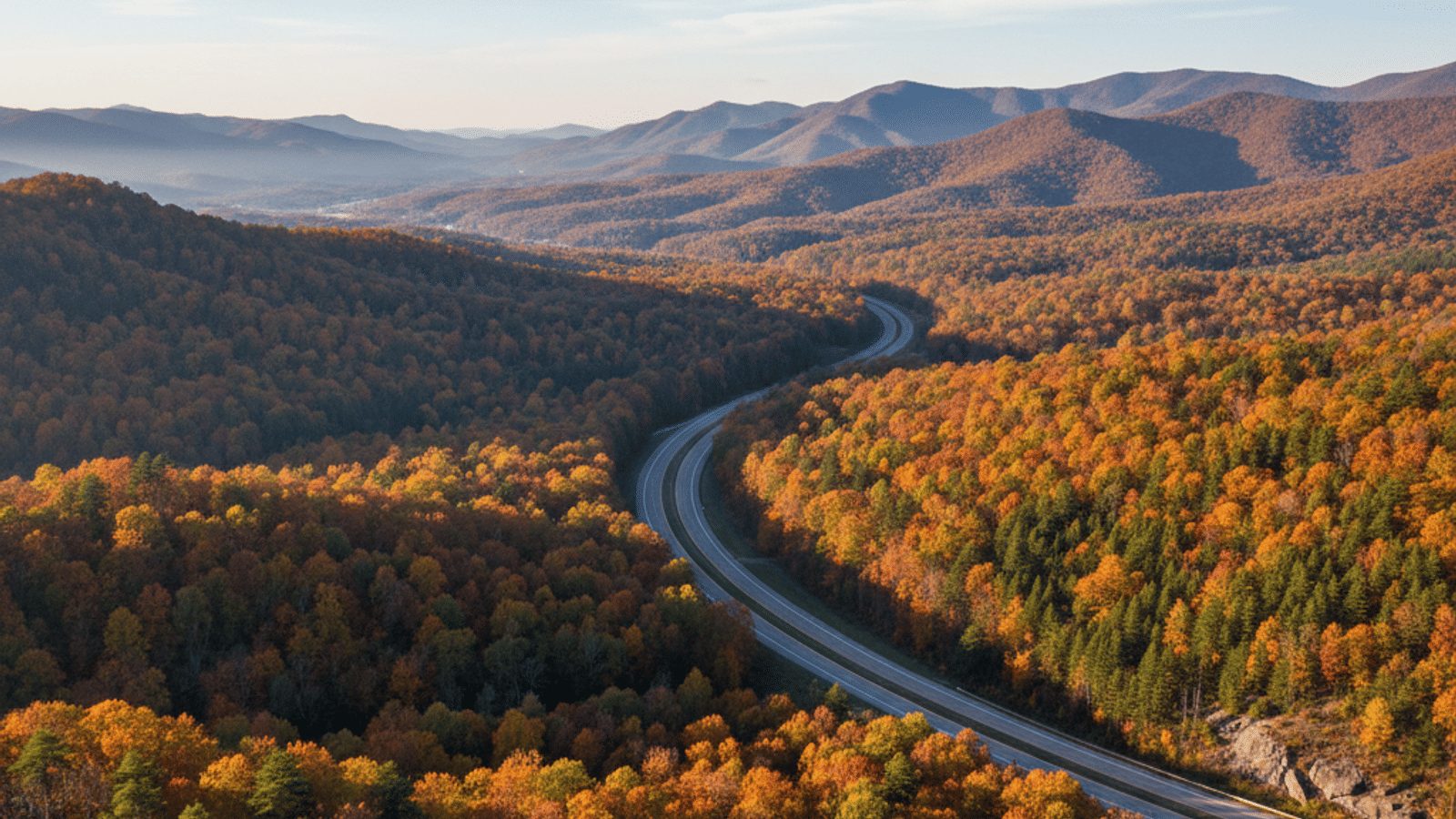
East Tennessee is defined by its landscape. We have sweeping valleys, ridgelines that seem to go on forever, and metropolitan areas that tend to spread outward rather than upward. When you’re thinking about moving to East Tennessee, the first thing to understand is that our geography dictates how we get around.
The honest reality for most newcomers is that you are going to need a car. While our downtowns are becoming more walkable, the region is vast. Living here means your daily routine might involve hopping between counties for work, shopping, or hiking. Whether you are looking at living in Knoxville, settling down in the Tri-Cities, or moving to Chattanooga, understanding the flow of traffic and the lay of the land is just as important as finding the right house.
It’s also worth noting that driving here isn’t just a commute; often, it’s a scenic tour. But to enjoy the view, you need to know how to handle the roads, where the bottlenecks are, and what alternatives exist when you want to leave the car in the garage.
The Backbone of the Region: Major Interstates
If you look at a map of East Tennessee, you’ll see a network of interstates that act as the primary arteries for the entire region. These roads don’t just carry commuters; they carry a massive amount of freight and tourism traffic, so knowing which one does what is essential.
I-40 is the main east-west corridor and likely the road you will use most often. It connects Knoxville to Nashville in the west and runs straight through the mountains into North Carolina in the east. It handles heavy truck traffic, so you have to stay alert. I-75 is the major north-south route connecting Chattanooga to Knoxville.
A specific spot you need to know about is the “split” in West Knoxville where I-40 and I-75 merge and then separate. This is widely considered the busiest congestion point in the area. If you are looking at the best suburbs of Knoxville, pay attention to where they sit relative to this interchange, as it will dictate your morning routine.
For those further northeast, I-81 is vital. It bypasses Knoxville to the north and serves as the main line for accessing Bristol, Kingsport, and Johnson City. Finally, I-26 acts as the connector for the Tri-Cities, dropping south into Asheville, NC. One thing to keep in mind regarding I-40 near the North Carolina border is the gorge—it is beautiful, but it is a winding stretch that can occasionally close due to rockslides or severe weather, so it pays to check your route before heading to the coast.
Public Transportation: What to Expect in Major Cities
If you are coming from a city with a massive subway system or 24/7 bus lines, you’ll find the pace different here. Public transit exists, but it is generally designed to serve city centers and main corridors rather than sprawling suburbs.
In Knoxville, KAT (Knoxville Area Transit) provides bus service that covers the downtown area, the university district, and major shopping corridors. It is reliable for getting around the city core, but if you choose a home in a far-flung suburb, the bus likely won’t reach your driveway.
Chattanooga offers the CARTA system, which is actually quite robust for a city of its size. The standout feature here is the Electric Shuttle. It’s a free loop that runs daily in the downtown area. This isn’t just for tourists visiting the Aquarium; plenty of locals use it to commute between the North Shore and downtown offices without worrying about parking. If you are interested in downtown Chattanooga living, this shuttle is a massive perk.
In the tourist heavy areas of Sevier County—specifically Gatlinburg and Pigeon Forge—transit looks a little different. We have extensive trolley systems. The Gatlinburg Trolleys are free and run year-round, making them a genuine pedestrian asset. The Pigeon Forge “Fun Time” trolleys have very low fares (usually $1 to $3). While these are designed for visitors, locals absolutely use them to avoid the headache of parking during peak seasons.
Driving in the Mountains: Tips for Flatlanders
If you are relocating from a flat area, driving in the foothills and mountains requires a slight adjustment in driving style. The roads here are gorgeous, but they demand respect.
Winter weather is the biggest variable. We don’t get deep snow very often, but we do get ice. The mountains create microclimates where a wet road in the valley becomes a sheet of black ice on a shaded mountain curve. The motto from the Tennessee Department of Transportation (TDOT) is “Take it Slow,” and it’s good advice.
Topography also plays a role in daily driving. In counties like Sevier, Blount, and rural Hamilton, you will encounter steep grades and switchbacks. You’ll want to be mindful of your brakes on long descents. Wildlife is another real factor; deer are everywhere, and in the outlying areas near the Smokies, black bears crossing the road at dusk is a common occurrence.
For the best real-time info, I always tell clients to download the TDOT SmartWay app. It gives you access to live traffic cameras and road condition reports. Also, be aware that GPS signals can drop completely in the deep cuts of the Great Smoky Mountains, so having a general sense of direction helps.
Connecting to the World: Regional Airports
When you need to travel for business or vacation, you have three solid local options, plus two major international hubs nearby.
McGhee Tyson Airport (TYS) serves the Knoxville area and is located about 12 miles south of downtown. It’s the largest regional hub here and is currently undergoing some exciting changes. As of March 2026, Southwest Airlines has expanded its service at TYS, adding more nonstop flights to major destinations like Nashville, Dallas, and Orlando. This has been a huge win for local connectivity.
Chattanooga Metropolitan Airport (CHA) is a favorite among locals because it is incredibly user-friendly. The lines are short, parking is close, and it connects well to Atlanta and Charlotte. Further northeast, the Tri-Cities Airport (TRI) serves the Kingsport, Johnson City, and Bristol area. It is compact, easy to navigate, and rarely crowded.
For direct international flights or cross-country hauls, most East Tennesseans drive to Nashville (BNA) or Atlanta (ATL). Both are within a manageable driving distance (roughly 2 to 3 hours depending on your starting point) and open up the rest of the world.
Daily Commute Times and Traffic Patterns
When budgeting for the cost of transportation, time is just as valuable as gas money. Traffic in East Tennessee has increased as more people discover how great it is to live here, but it generally beats the gridlock of major coastal cities.
In Knoxville, rush hour typically hits between 7:30–9:00 AM and again from 4:30–6:00 PM. As mentioned earlier, the West Knoxville corridor along I-40/I-75 sees the heaviest volume. Fridays can be particularly heavy as weekend travelers mix with commuters.
Chattanooga traffic usually centers around the “Ridge Cut” on I-24, where the interstate curves around Missionary Ridge. It is a known bottleneck, but outside of that, the average commute for many residents hovers around 20 minutes.
The Tri-Cities area offers a different dynamic. Traffic is generally lighter here. Because the region is composed of three distinct cities, it is very common to live in one and work in another. Commuting via I-26 or I-81 is usually efficient, with less “stop-and-go” stress than the larger metros.
Walkability, Biking, and Ride-Shares
For those moments when you want to leave the car keys on the counter, there are options, though they depend heavily on your zip code.
Walkability is high in our downtown cores. Gay Street and Market Square in Knoxville, or the North Shore and Riverfront in Chattanooga, are incredibly pedestrian-friendly. However, once you move into the suburbs, walkability drops significantly, and you are back in car territory.
Greenways are a massive part of the lifestyle here. Both Knoxville and Chattanooga have invested heavily in paved trail systems. The Tennessee Riverwalk in Chattanooga spans miles and is used by many for biking to work or weekend exercise. Knoxville’s greenway system connects several parks and neighborhoods, offering a safe route for cyclists away from road traffic.
Regarding ride-shares like Uber and Lyft: they are reliable and plentiful in the city centers and near the airports. However, if you are buying a home in a rural part of Blount County or deep in Sevier County, do not rely on ride-shares as a daily commuting tool. Availability can be very scarce, especially early in the morning or late at night.
Frequently Asked Questions
Is public transportation reliable in East Tennessee?
In the downtown centers of Knoxville and Chattanooga, public transit is reliable and useful for short hops. However, for regional travel or daily commuting from the suburbs, it is not a viable replacement for owning a personal vehicle.
Do I need 4-wheel drive to live in East Tennessee?
You don’t strictly need a 4-wheel drive vehicle for most city driving, but All-Wheel Drive (AWD) is very helpful if you have a steep driveway or plan to drive on back roads during the winter. It provides extra peace of mind on wet, winding mountain roads.
How bad is the traffic in Knoxville vs. Chattanooga?
Knoxville generally sees higher overall volume, especially in the western suburbs where the interstates merge. Chattanooga traffic is usually lighter but suffers from specific choke points, like the Ridge Cut on I-24 and the I-75 split, which can cause significant delays during rush hour.
What is the closest international airport to East Tennessee?
While local airports like TYS and CHA connect to major hubs, the closest true international airports are Nashville International (BNA) and Hartsfield-Jackson Atlanta (ATL). Most residents drive to one of these for direct overseas flights.


