 Facebook
 X
X
 Pinterest
 Copy Link
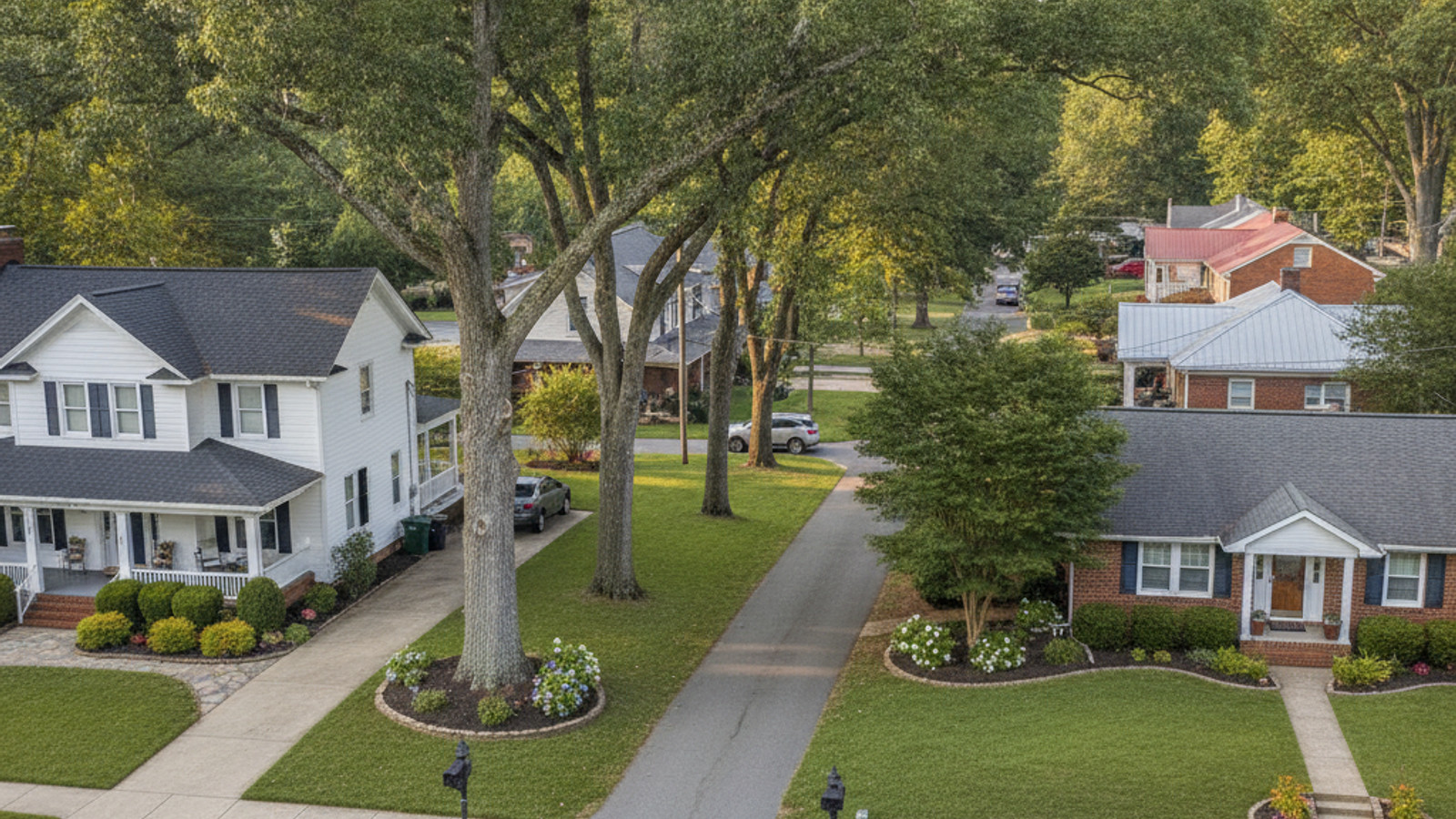
The median sale price for homes in Dandridge, TN sits around $314,000. With available inventory hovering near 27 homes as of mid-2026, most first-time home buyers in Dandridge, TN are doing their budget math before they ever set foot in a showing – not after.
And that’s the right instinct. Figuring out what you can actually afford requires more than a quick look at your paycheck. You’ll need to account for Jefferson County’s tax structure, current mortgage rates, and the upfront costs that come with closing in Tennessee.
Calculating Your Home Buying Budget in Dandridge
Most mortgage professionals start with two numbers: your gross monthly income and your recurring monthly debts. Lenders use those figures to establish a maximum loan amount – and that ceiling matters more here than in markets with deeper inventory.
One thing worth keeping in mind: the maximum loan amount a lender offers you isn’t a target. It’s the outer limit. Leaving some breathing room in your budget for unexpected expenses is how people stay financially stable after closing, not just before it.
Local variables will move your monthly payment around more than most buyers expect. Jefferson County’s tax structure, for example, changes the math meaningfully compared to buying in other states.
The 28/36 Rule of Thumb
Financial advisors frequently point to the 28/36 rule as a starting framework. The idea is straightforward: spend no more than 28% of your gross monthly income on housing expenses.
The second part of the rule says your total monthly debt load – mortgage, car loans, credit cards, all of it – should stay under 36% of your gross income. It’s a blunt instrument, but it’s a useful one for narrowing down a price range before you start touring properties.
Factoring in Jefferson County Property Taxes
Jefferson County’s effective property tax rate generally falls between 0.50% and 0.60% of a home’s market value – relatively low compared to national averages. On a median-priced home around $314,000, that works out to an annual tax bill of roughly $1,570 to $1,884.
That yearly figure gets folded into your monthly payment by your lender. It’s not a line item you can ignore, because it factors directly into your debt-to-income calculation.
What Lenders Look For in Your Application
Getting approved comes down to one thing: proving you have the financial capacity to repay the loan. Underwriters are going to dig into your financial profile, and they’re going to be thorough about it.
They’ll review the past two years of your financial history. Consistent earnings and a track record of on-time payments are what they’re looking for. Whether you’re going FHA, VA, or conventional, the core metrics they’re evaluating don’t change much across loan types.
Income and Employment History
Expect to hand over W-2s, recent pay stubs, and tax returns. If you’re self-employed, you’ll also need two years of business tax returns and profit-and-loss statements – plan ahead for that paperwork.
Lenders want to see a steady two-year employment history in the same field. A recent career change isn’t automatically disqualifying, but you’ll need to walk your loan officer through it.
Calculating Your Debt-to-Income Ratio
Your debt-to-income ratio – DTI – compares your gross monthly income to your monthly debt obligations. That includes student loans, auto loans, minimum credit card payments, and the projected mortgage payment.
The 36% guideline is a reasonable target, but many lenders will go higher depending on the loan program. Some conventional and FHA loans permit a DTI up to 43% or 45% if you have strong credit or a larger down payment.
Credit Score Requirements
Your credit score determines both your interest rate and which loan programs you qualify for. A conventional loan generally requires a minimum score of 620. If your score is in the 500s, you may still be able to secure financing through an FHA loan – though you’ll pay higher mortgage insurance premiums for it.
Upfront and Ongoing Costs of Buying a Home
The purchase price is just the beginning. There are immediate out-of-pocket costs required to close, and then ongoing costs once you own the place – and buyers who don’t account for both sometimes find themselves financially stretched within the first year.
The upside is that understanding these costs before you make an offer gives you more to work with at the negotiating table. In some cases, you can ask the seller to cover a portion of your initial expenses.
Closing Costs in Tennessee
Buyer closing costs in Tennessee typically run between 2% and 5% of the purchase price. On a $314,000 home, that means coming to the closing table with roughly $6,280 to $15,700 in hand. Industry estimates put the state average at about 3.63% of the purchase price.
Those funds cover lender fees, title insurance, appraisals, and prepaid property taxes. None of it is negotiable in the sense of going away – but some of it can be shifted to the seller depending on how the deal is structured.
HOA Fees in Local Neighborhoods
There’s no single standard HOA fee in Dandridge – and plenty of properties here don’t have one at all. Rural lots and many lakefront homes carry no HOA obligation.
For communities that do have an association, fees vary based on the amenities provided. Some neighborhoods charge around $250 per year; others run $410 annually to maintain shared features like gates, pavilions, and boat launches.
Maintenance and Upkeep
Once you own the home, the repair bills are yours. A common guideline is to set aside 1% to 2% of your home’s value each year for maintenance – so on a $314,000 home, that’s $3,140 to $6,280 annually just for upkeep.
Properties near Douglas Lake or older homes in the historic district may need more attention than average. A thorough home inspection before you close is the best way to understand what you’re taking on.
Current Real Estate Market Trends in Dandridge
Homes here are spending a median of 30 days on the market, and recent sales are averaging 100.9% of the list price – meaning buyers are consistently paying slightly above asking. With about 3.4 months of supply available, the market leans modestly toward sellers. About 25% of recent sales closed above the initial listing price.
Knowing how fast homes move helps you decide when to put in an offer and how much negotiating room you realistically have.
Average Home Prices in Jefferson County
The median sale price in Dandridge is approximately $314,000 as of mid-2026, which reflects a year-over-year decrease of about 7.6%. Some listing aggregators show higher asking prices, but the actual closed sale data points to that more moderate figure.
When you’re deciding what to offer, focus on recent comparable sales – not what sellers are currently asking.
Tennessee First-Time Homebuyer Programs
The Tennessee Housing Development Agency (THDA) runs several programs worth knowing about. The Great Choice Home Loan is a 30-year fixed-rate mortgage that can pair with FHA, VA, USDA, or conventional loans – a flexible option for buyers in Jefferson County who qualify for USDA rural financing.
The Great Choice Plus program adds down payment and closing cost assistance in the form of a no-interest second mortgage worth up to 5% of the home’s value. You don’t repay it until you sell, refinance, or move out.
Military members, veterans, and first responders can also apply for the Homeownership for Heroes program, which offers a 0.5% interest rate reduction on the mortgage.
Frequently Asked Questions
What salary do I need to make to afford an average-priced home in Dandridge, TN?
It depends on your current debts and the size of your down payment. For a median-priced home around $314,000, you generally need an income that keeps your total monthly payment under 28% of your gross earnings.
How do Jefferson County property taxes impact my monthly housing budget in Dandridge?
They add a relatively small amount compared to most other areas. With an effective tax rate of 0.50% to 0.60%, expect to pay roughly $1,570 to $1,884 annually on a $314,000 home – which your lender will fold into your monthly payment calculation.
Are homes in Dandridge eligible for zero-down USDA rural housing loans?
Yes, buyers in the area often use USDA loans. The Tennessee Housing Development Agency (THDA) Great Choice Home Loan program can be paired directly with USDA financing for eligible borrowers.
How much does buying a house on Douglas Lake change my affordability calculation?
It depends on the specific property’s amenities and association rules. Many lakefront properties here carry no HOA fees at all, but some communities charge annual fees – $410 per year, for example – to maintain boat launches, pavilions, and slips.


