
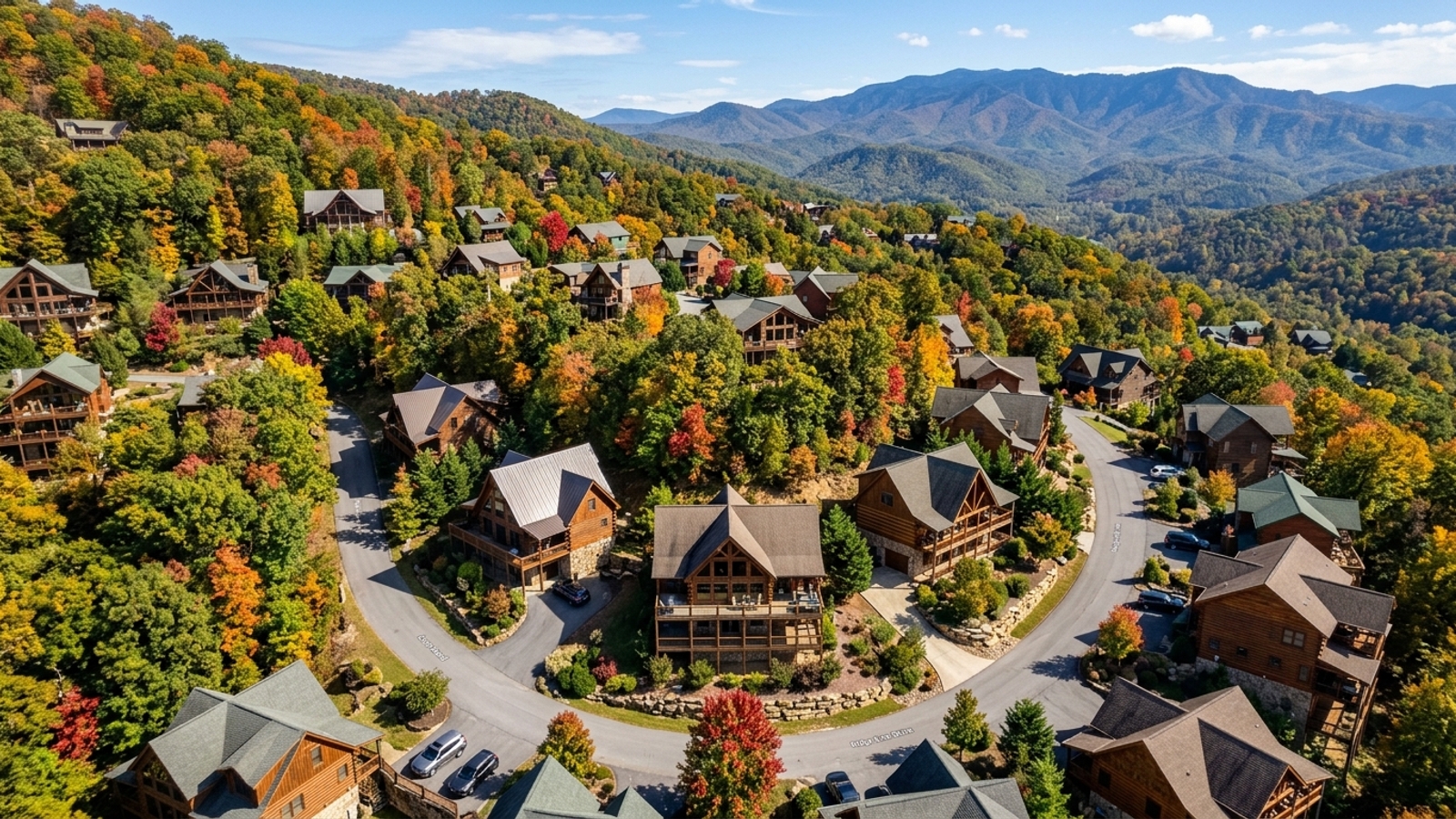
Gatlinburg, TN pulls millions of visitors every year, and most of them are there because of the Great Smoky Mountains National Park. Whether you are looking at Chalet Village Gatlinburg homes for sale or cabins closer to the downtown strip, that consistent foot traffic is exactly what makes buying a short-term rental here worth serious consideration – tourism doesn’t stop, and neither does the demand for places to stay.
That said, the market rewards preparation more than impulse. As of mid-2026, the median sale price sits around $802,500. Homes are averaging 90 days on market, which gives you real time to evaluate properties, dig into the local regulations, and run your numbers before you make a move.
The Gatlinburg Short-Term Rental Market
The local landscape shifts depending on where you’re looking and what you’re buying. Luxury cabins can push prices well above the median, but the broader market holds around $802,500. There are currently about 267 active listings and a 13.4-month supply of inventory – that’s a buyer’s market by any reasonable measure, and it means you have room to negotiate and time to do your homework.
The income picture is worth understanding clearly. Historical data from 2025 showed average daily rates around $347, which translated to roughly $46,400 in annual revenue for an average short-term rental. Properties here are selling at about 95.9% of list price, so pull recent comparable sales with your agent before you decide what to offer.
Seasonal Demand Cycles
Revenue follows the tourist calendar closely. Gatlinburg has two main peaks: summer, running June through August with July as the busiest month, and fall foliage season from mid-October to mid-November.
There’s also a secondary surge around Thanksgiving and Christmas, when visitors come for the city’s winter light displays. January and February are the slow months. Plan your maintenance windows and your cash flow budget around those quieter weeks – they’re predictable, so there’s no reason to be caught off guard.
Local Zoning Rules and Permits
This is where a lot of buyers get tripped up, so pay attention before you submit any offer. Gatlinburg enforces specific zoning ordinances that dictate exactly where short-term rentals can legally operate within the city limits.
Short-term rentals are permitted in R-3 High Density Residential zones, Tourism Development Zones, and commercial zones classified as C-1 and C-2. They’re prohibited in R-1A Low-Density Residential and R-2A Medium Density Residential zones. Verify zoning for any specific property before you go any further.
Tourist Residency Permits and Licensing
Every short-term rental inside the city limits needs a Tourist Residency (TR) permit. The application fee runs $200 for one- or two-bedroom units, with an additional $75 for each bedroom beyond that. You’ll also need separate city and county business licenses – those typically run $15 each.
Keeping the permit active means passing an annual fire and safety inspection and designating a local contact who’s reachable 24 hours a day. Larger properties face a stricter standard: any cabin over three stories, larger than 5,000 square feet, or designed for 12 or more occupants must have a sprinkler system installed. That’s not a suggestion – it’s a code requirement, and it’s a cost you need to factor in before you close.
Taxes on Overnight Rentals
What you collect and remit depends on where the property sits. Inside Gatlinburg, operators collect a combined tax of about 12.25%. That breaks down as a 7% Tennessee state sales tax, a 2.75% Sevier County local option sales tax, and a 2.5% city lodging tax.
Properties in unincorporated Sevier County run on a different structure. Those owners pay a 3% county lodging tax – remitted to the Sevier County Trustee’s Office – on top of the standard state and local sales taxes. Know which side of that line your property is on.
Choosing the Right Property Type
Condos exist in this market, but cabins are the dominant property type and the one visitors are actually looking for. When someone books a trip to the Smoky Mountains, they expect a mountain cabin – that expectation shapes the entire booking market here.
Think carefully about how a property’s layout and features match what guests are after. Cabins with outdoor decks, mountain views, and straightforward road access tend to hold up well year-round and bring people back.
Proximity to Attractions
Location drives bookings more than almost any other single factor. Properties near the entrances to Great Smoky Mountains National Park draw hikers and outdoor visitors who want to be on the trail without a long drive.
For guests who want entertainment, proximity to Anakeesta, Ober Mountain, the Space Needle, Ripley’s Aquarium of the Smokies, and the Mysterious Mansion moves the needle on booking decisions. Short drives to those attractions matter to a large segment of the visitor base.
Operating Costs and Property Management
The ongoing costs here are real and they add up. Deep cleaning between guests, marketing fees, and lodging tax remittance are the baseline. Beyond that, a mountain environment is hard on property – steep driveways, wooden decks, and outdoor amenities take a beating through the busy summer and fall seasons and need consistent attention.
Budget for maintenance like it’s guaranteed, because in this climate, it is.
Managing the Rental
Decide early whether you’ll self-manage or hire a local property manager. A local manager handles the city’s 24/7 contact requirement and coordinates the mandatory annual fire inspections – two things that aren’t optional and aren’t easy to cover remotely.
Self-managing saves on fees but puts the full workload on you: guest communication, cleaner scheduling, emergency repairs at inconvenient hours. Neither approach is automatically better. It comes down to how much of your time this investment can actually have.
Frequently Asked Questions
Do you need a special permit to operate a short-term rental in Gatlinburg?
Yes. Any short-term rental inside city limits requires a Tourist Residency (TR) permit. You also need separate city and county business licenses to operate legally.
What are the typical property management fees for vacation cabins in the Gatlinburg area?
It depends entirely on the company and what they cover. Full-service managers who handle marketing, cleaning, and the required 24/7 local contact will charge more than basic booking services. Get specifics from any manager before you commit.
Is it better to buy an investment cabin inside Gatlinburg city limits or in unincorporated Sevier County?
That depends on your investment strategy and your comfort with the zoning requirements. Properties inside city limits pay a combined tax of about 12.25%, while those in unincorporated Sevier County pay a 3% county lodging tax plus state and local sales taxes.
How long does it take to get a Gatlinburg tourist residency permit approved before I can start renting?
The timeline varies by property and inspection availability. Before the city approves the permit, you’ll need to pass a fire and safety inspection and secure your business licenses. Don’t assume you can rent immediately after closing.
What are the biggest hidden maintenance costs when owning a Smoky Mountain rental cabin?
Larger properties carry specific regulatory costs that can run high. Cabins over three stories, larger than 5,000 square feet, or designed for 12 or more guests must maintain dedicated sprinkler systems to comply with city code. That’s an ongoing obligation, not a one-time expense.
How does financing differ for a Gatlinburg short-term rental compared to a traditional second home?
Investment loans typically require higher down payments and carry different interest rates than primary residence mortgages. Talk to a local lender familiar with Sevier County’s rental market to understand your specific options.


