

 Facebook
 X
X
 Pinterest
 Copy Link
Cost of Living in Gatlinburg, TN: The No-Nonsense 2025 Guide
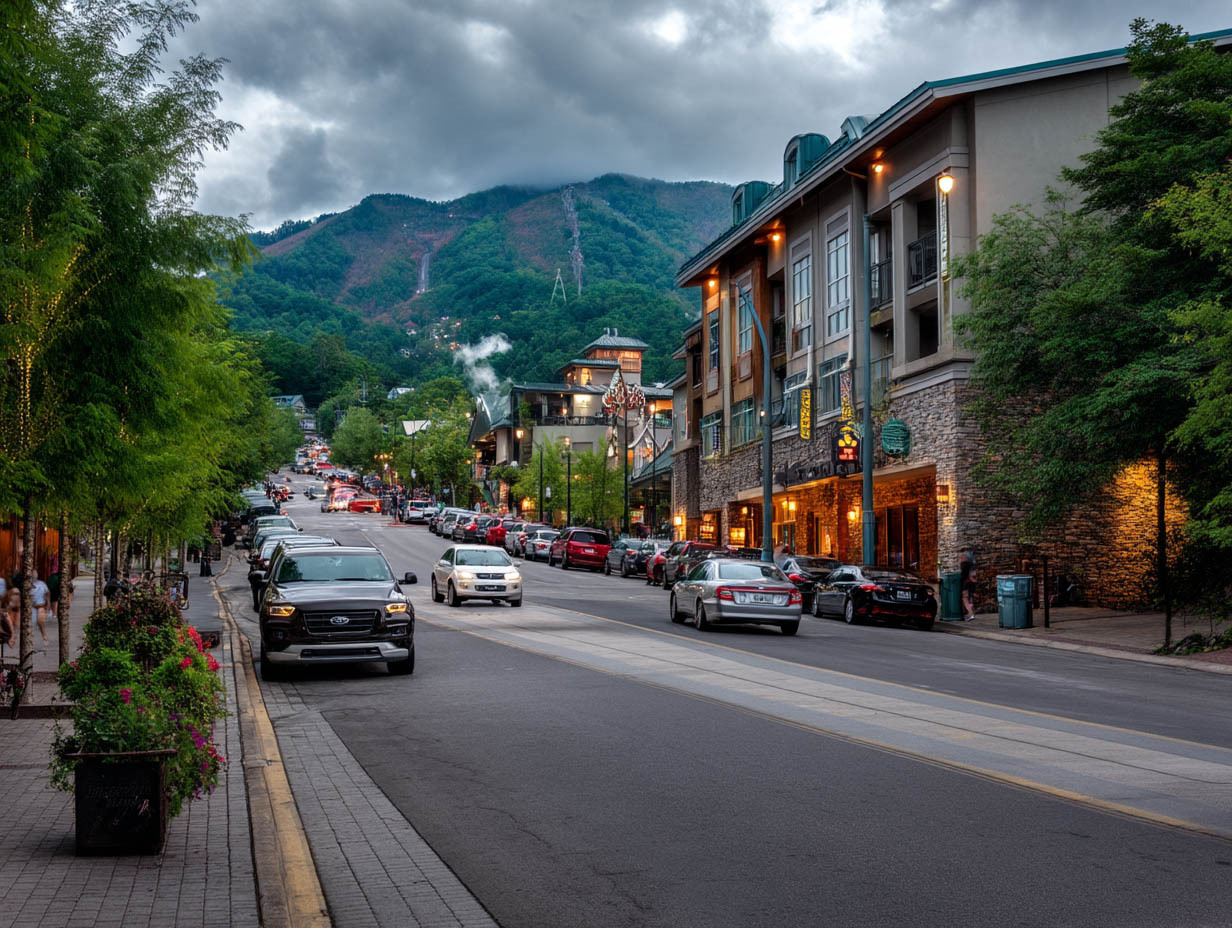
Gatlinburg, Tennessee is that cozy little mountain town perched at the doorstep of the Great Smoky Mountains National Park, but don’t be fooled by the dolled-up tourist façade. Beneath the neon lights of pancake houses and family attractions, there’s a living, breathing community of roughly 4,200 full-timers in 2025. Thanks to ever-growing tourist demand, property values have nudged up about 4% over the past couple of years, pulling fresh faces into the market—while some long-timers take the exit, weary of congestion. Overall, though, more people keep streaming in than moving out, lured by that Smoky Mountain dream and short-term rental hustle. Understanding Gatlinburg’s cost of living is key if you want to survive—let alone thrive—in this town that’s equal parts mountain magic and commercial chaos.
Housing and Utilities Costs
Let’s cut straight to the heart of the matter: housing in Gatlinburg can be a wild ride. In 2025, the average single-family home here hovers around $400,000, give or take. It’s not exactly cheap for a small mountain town, but the short-term rental game has shoved prices higher than you’d expect in the heart of East Tennessee. Prime cabins with sweeping mountain views can easily catapult past the $600,000 mark, especially if they’re decked out and ready to plug into that lucrative tourist circuit.
For renters, it’s a bit of a mixed bag. A decent two-bedroom apartment might run you between $1,200 and $1,500 a month, assuming you’re not trying to live in a prime, tourist-traffic zone. But watch out—some property owners go full-throttle on short-term Airbnb listings, which pinches the supply of long-term rentals and can drive up monthly rates. Don’t be shocked if you find yourself commuting in from Sevierville or Pigeon Forge just to land a more reasonable deal.
Utilities can also play games with your wallet, especially through those frosty Smoky Mountain winters. Expect monthly electricity bills in the $100-$150 range for modest properties, though larger cabins with high ceilings (and older insulation) can gulp down considerably more juice. Water and sewage costs usually float around $30-$50 per month, give or take, depending on usage and location. Gatlinburg’s mountainous terrain can complicate infrastructure, meaning certain properties—especially those perched on steep slopes—might get hit with maintenance surcharges or special fees for water lines.
And then there’s the hidden cost many folks forget: bear-proofing. If your home is close to the national park boundaries (or anywhere black bears like to wander), you might end up shelling out extra for reinforced trash bins and random repairs if a curious bear decides to rummage around your deck. It’s not the biggest line item, but it’s a quirk of living in Gatlinburg, a place where wildlife occasionally roams your yard. Bottom line: housing costs here aren’t a bargain, but if you can wrangle the right rental or score a fixer-upper in a less touristy pocket, you can still enjoy that mountain-town dream without losing your shirt.
State and Local Taxes
In Tennessee, the banner news is that there’s no state income tax on wages, which sounds like a sweet deal—especially if you’re used to shelling out in other states.
The old Hall income tax on interest and dividends was fully phased out by 2021, so by 2025, you’re mostly off the hook there, too.
But don’t pop the champagne yet: the state and local sales tax can be eye-watering for newcomers. Gatlinburg and the rest of Sevier County often hover around 9.75% sales tax on most items. When you’re restocking that fridge or grabbing new gear for your weekend hikes, you’ll feel it.
If you’re a homeowner, property taxes in Sevier County are generally lower than in major metro areas, but they’re not negligible.
Rates fluctuate year to year, but you might see something around $1.80-$2.00 per $100 of assessed value. For a $400,000 home, that can add up. Also keep in mind any special assessments for living near city limits—some properties snag you an extra line item on your annual tax bill. Factor these taxes into your monthly expenses so you’re not blindsided come payment time.
Groceries and Entertainment
One of Gatlinburg’s best-kept secrets (and a bit of a local headache) is the groceries situation. Local supermarket prices often run higher than bigger Tennessee cities, partly due to the town’s remote location and the constant flux of tourists. If you’re looking to keep costs reasonable, you might end up driving to Sevierville or Pigeon Forge for bulk trips at Walmart or Kroger. Think of it as your chance to escape the tourist gridlock on the Parkway—at least until you hit traffic on the way home.
When it comes to entertainment, well, Gatlinburg is built on that industry. You’ve got everything from Ripley’s attractions to endless mini-golf spots, plus the gateway to Great Smoky Mountains National Park. Expect to pay premium “tourist pricing” for many in-town activities—think $20-$30 per person for attractions. That said, if you lean into the local perks, you’ll find deals on season passes or special resident discounts. Don’t forget the free stuff: hiking the national park is basically the best show in town, and you only have to pony up for parking passes at certain trailheads these days.
Gas Prices
Now, about gas prices: historically, East Tennessee tends to trail the national average by a few cents. In 2025, that gap’s gotten narrower. You might see local fuel prices hovering right around $3.25-$3.50 per gallon, give or take. The big shock is that, during peak tourist seasons, some stations in the immediate Gatlinburg area jack up their prices—sometimes 10 to 15 cents over the state average. Tourists in rental cars often pay blindly, so stations know they can charge a premium.
If you’re trying to beat the system, you might fill up in Sevierville or on the outskirts of Knoxville where competition keeps costs lower. But if you’re running on fumes in the middle of Gatlinburg, you’re stuck paying up. Such is the trade-off for living in a top-tier vacation spot tucked away in the mountains.
Wrapping Up
So, is Gatlinburg’s cost of living high? Let’s just say it’s higher than you’d guess for a town of 4,200 people, but that’s the price of Smoky Mountain charm and endless tourist action. You’ll fork over a bit more for groceries, gas, and maybe even bear-proof trash cans, but at least you can wave goodbye to that pesky state income tax. If you’re careful—maybe by scoring a lower-rent spot on the outskirts, doing your bulk shopping outside the tourist radius, and cherry-picking local discounts—the mountain lifestyle can still be a sweet deal. The key is to weigh the spectacular views and lively vibe against the extra bucks you’ll drop on everyday living. Now you know what to expect—no sugarcoating, no spin, just the real Gatlinburg.
FAQs
- Are housing prices in Gatlinburg expected to keep rising?
Yes. With steady tourism and short-term rental demand, most real estate watchers foresee at least moderate growth in the local market. - Do I need a bear-proof trash can?
If you’re living anywhere near the park boundary, it’s wise. Black bears can (and do) roam residential areas. - Why are groceries more expensive in Gatlinburg?
Limited in-town options, higher transport costs, and a tourist-heavy economy drive up prices. - Are there any special tax breaks for locals?
Tennessee doesn’t have a state income tax, which helps. Some local attractions offer resident discounts, but property taxes still apply. - How can I keep entertainment costs down?
Look for local coupons, season passes, or focus on the countless hiking trails in the Smokies—fresh air is free, after all.
The Pros and Cons of Living in Gatlinburg, TN in 2025: The Raw, Real Buyer’s Guide
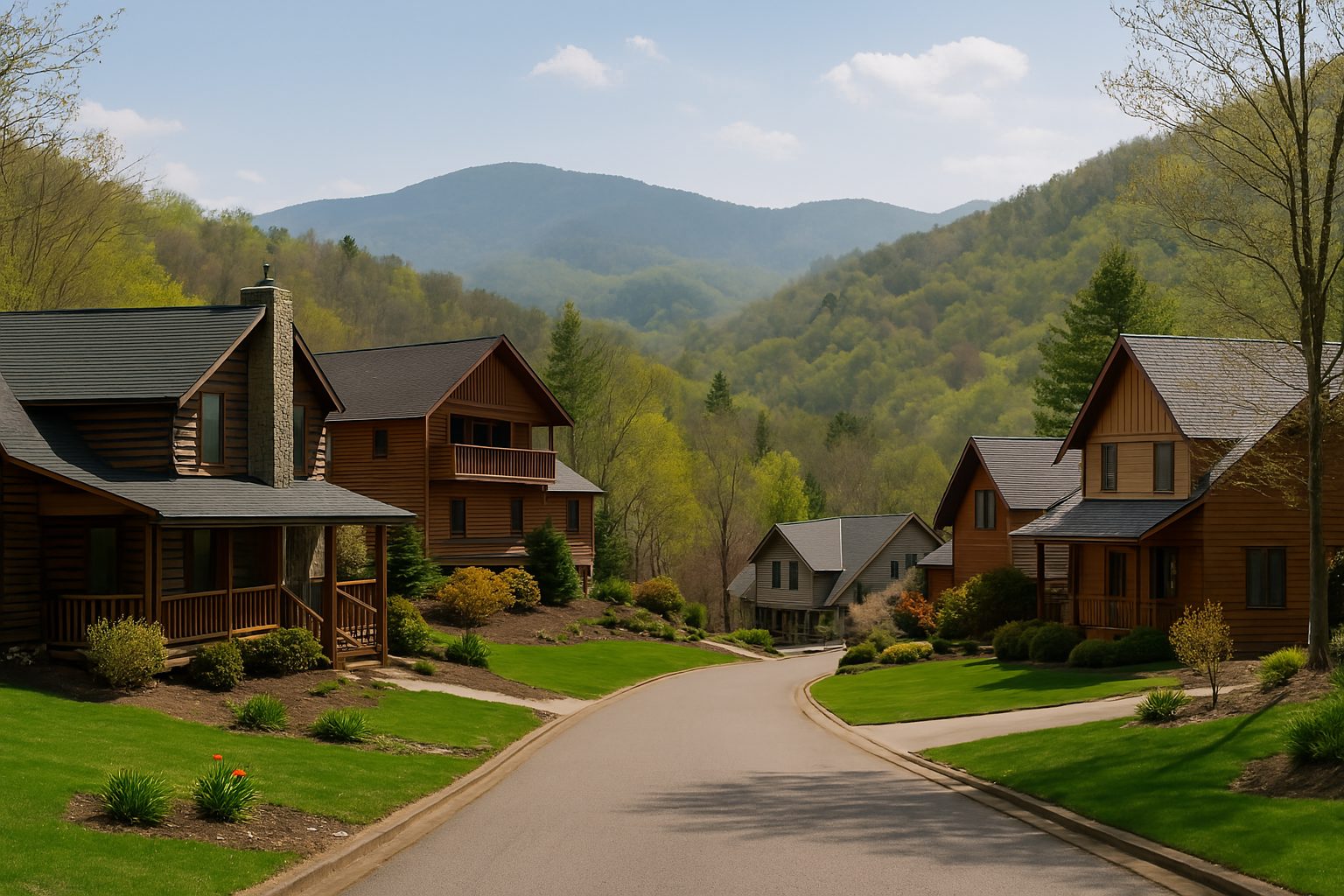
Gatlinburg, Tennessee is that postcard mountain town you’ve seen in a dozen family vacation slideshows—but there’s a whole lot more beneath the tourist glitz. Nestled up against the Great Smoky Mountains and roughly an hour southeast of Knoxville, Gatlinburg has a year-round population hovering around 4,200 as of early 2025.
Despite what the souvenir shops may suggest, it’s not just funnel cakes and black bears in these parts. The real estate market here has been chugging along, showing a roughly 4% increase in home values compared to 2023.
Locals say it’s still steady—new folks keep streaming in for that mountain air and short-term rental potential. Some old-timers are packing up, but the net flow is decidedly inbound.
Pros of Moving to Gatlinburg
Let’s talk about the big “why” when it comes to packing up and settling down in Gatlinburg.
First things first: the setting is ridiculous—in a good way. You’re jammed right against the Great Smoky Mountains National Park, which means the landscape basically looks like a Bob Ross painting come to life. Every sunrise you catch from your back porch feels like a reward for making the move. If you’re the outdoorsy type, Gatlinburg’s got trails on trails on trails.
From the classic Chimney Tops trek to lesser-known routes behind the Roaring Fork area, you can wear out a pair of hiking boots in no time. And you’ll never tire of the panoramic views—mountaintops layered against each other in that perfect, misty gradient.
Another big plus: the unique mountain-town vibe. Gatlinburg might seem touristy at first glance, but peel back the carnival lights of the Parkway and you’ll find a tight-knit community that’s been around for generations.
There’s a certain scrappiness in the locals who’ve weathered floods, wildfires, and the constant hustle of seasonal crowds.
You’ll see them at mom-and-pop diners slinging homemade biscuits, or at small craft shops carving out black bear figurines for next to nothing. If you’re craving a sense of culture that feels both Southern and distinctly “Smoky,” well, you’ll find it here.
Wildlife encounters can be a major plus, too.
Sure, you might have to bear-proof your trash cans, but it’s not every day you get to see a black bear chilling in your yard. Some folks call it a nuisance; others consider it a perk of living in an honest-to-goodness mountain town.
The area’s biodiversity is off the charts—deer, turkey, bobcats, and enough bird species to keep a binocular buff busy for years.
Beyond nature, there’s some real money to be made if you play your cards right.
Short-term rentals have boomed in Gatlinburg for decades, and that market isn’t exactly fizzling. If you snag a cabin with a view, you could tap into that sweet tourist economy. Even if you just rent out part of your home, you’ll find decent demand, especially during peak leaf-peeping season (think October) or holiday breaks in winter when folks flock to Ober Gatlinburg for skiing.
Now, some days you might curse the traffic, but if you own a rental property, that same traffic pays your mortgage.
Another pro is the proximity to Knoxville, which is just about an hour away. That means you’re not cut off from the modern world. Need a good hospital, a big-box store, or a taste of more robust nightlife? Hop in the car.
Knoxville’s definitely not a massive metropolis, but it’s got what you need—like a home-cooked meal from a grandmother who also knows how to bartend. It’s still East Tennessee, after all.
If you love small-town life mixed with the bustle of a tourism hotspot and a daily dose of Smoky Mountain scenery, Gatlinburg can reel you in hook, line, and sinker.
The vibe is laid-back, the people are genuine, and that crisp mountain air is downright addictive.
Cons of Moving to Gatlinburg
Alright, buckle up—because living in a postcard-perfect mountain town isn’t all pancake houses and scenic overlooks.
Tourist crowds might be the biggest turn-off. In peak season, the Parkway can feel like a theme park queue, with out-of-state license plates clogging roads. On those days, “running errands” turns into a contact sport of brake lights and packed parking lots.
If you don’t time your grocery trip around the tourist rush, you’ll pay in precious minutes and frayed nerves. Locals who work in town often jokingly refer to this phenomenon as “The Gauntlet.” S
ummer, fall foliage season, winter holidays—there’s always another wave of visitors coming at you.
Another elephant in the room: the cost of living in Gatlinburg can be sneaky high for a small town.
Because Gatlinburg is a tourism goldmine, many local businesses cater to visitors ready to shell out for a memorable vacation. Groceries, gas, and even basic services can carry a bit of a premium because those businesses are used to a constant influx of short-term big spenders.
Plus, the real estate prices aren’t as “down-home cheap” as you might expect in rural Tennessee. Cabins with a mountain view command steep prices, and you might find yourself in bidding wars against out-of-state buyers scouring the market for lucrative Airbnb investments. If you’re looking for a budget-friendly single-family home, the pickings can feel slim.
Another con that might catch you off guard: the local job market isn’t exactly diverse.
Tourism, hospitality, and service gigs dominate. If you’re not involved in real estate, property management, or something that benefits from out-of-towners, you might find it challenging to land a high-paying, full-time position. Many year-round residents either hustle with multiple jobs or commute to Knoxville for broader employment options.
And while the short-term rental market can bring in big bucks, it also means you’re competing with property investors to buy that cozy fixer-upper. Locals will tell you stories about trying to snag a home only to lose it to an out-of-state cash offer in 48 hours.
For some, the tight-knit community might be a con, too.
If you’re the new kid on the block, locals can be warm but also guarded at first. There’s a sense that Gatlinburg has been “discovered” too many times over by outsiders.
While most folks are friendly, it’s not uncommon to feel like an interloper until you’ve weathered a few seasons of tourist insanity alongside the rest. That might mean adjusting to small-town gossip or folks knowing your business a little more than you’d like.
Finally, the simple fact that you’re in a mountain region can mean a lack of certain “big city” amenities.
Sure, Knoxville isn’t far, but daily convenience—like finding a specialty medical specialist or a wide variety of ethnic restaurants—might require a decent drive. And let’s not forget the spotty cell service in certain hollers.
If you’re a digital nomad banking on blazing-fast internet, you’d better check that coverage map twice.
All in all, if you’re ready to handle the crowds, the sometimes-steep prices, and the realities of mountain living, you’ll be fine. But if you hate traffic, high tourist energy, or job markets that revolve around the next tour bus rolling in, Gatlinburg’s quirks might drive you up the wall.
Wrapping Up
So, there it is—Gatlinburg unfiltered. On the plus side, you’ve got majestic views and a community vibe that’ll make you feel like you’re living in a scenic postcard (because you basically are).
On the flip, brace yourself for the constant stream of tourists, the sometimes-pricier cost of daily life, and a job market that doesn’t stray far from the vacation hustle. If you can handle the wild swings in population—and love waking up to mist-shrouded mountains out your window—Gatlinburg might just be the perfect Smoky Mountain escape.
From short-term rental opportunities to daily wildlife sightings, the place has a soul like no other. Still, it’s not for everyone. But hey, if you’re reading this, maybe it’s worth a shot.
FAQs
How much do homes in Gatlinburg typically cost in 2025?
Prices vary, but expect to see listings from around $300,000 for a modest cabin to well over $700,000 for properties with prime mountain views or prime tourist locations.
Is Gatlinburg safe to live in year-round?
Generally, yes, though mountain weather can lead to road closures and the occasional flood risk. Wildfires are rare but not unheard of. Staying updated on local alerts is key.
Is Knoxville the closest major city for healthcare and shopping?
Yes. Knoxville is about an hour’s drive away. It offers larger hospitals, specialized medical clinics, and a wider range of shopping and dining options.
What’s the job market like beyond tourism?
Tourism, hospitality, and service industries dominate. For more diverse opportunities, many residents commute to Knoxville or work remotely.
Will I need a car?
Absolutely. Public transport is minimal, and the mountainous terrain isn’t friendly for extensive walking or biking beyond the main strip.
Are schools in Gatlinburg any good?
hey’re decent, with small class sizes. However, the selection of schools is limited, so families with specialized needs may want to explore neighboring counties or consider private/charter options.
Is internet connectivity an issue?
It can be spotty in some areas. You’ll find decent broadband near main roads, but tucked-away mountain properties might rely on satellite or slower connections. Always check coverage before you buy.


