

 Facebook
 X
X
 Pinterest
 Copy Link
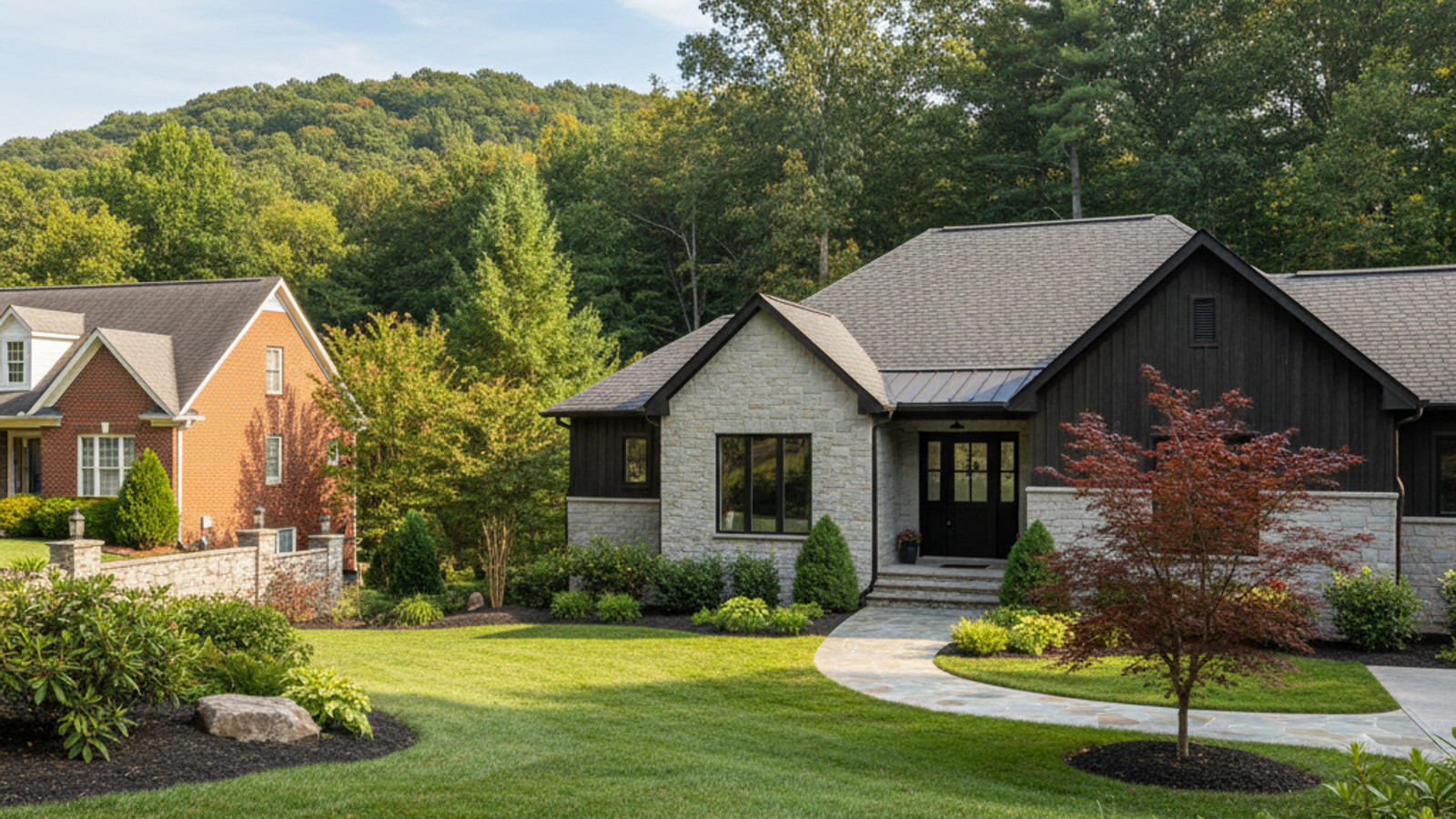
Buying property in the eastern part of the state requires more than just finding a beautiful mountain view or a prime downtown lot. The specific zoning & land use rules in East Tennessee dictate exactly what you can build, how you can use the property, and what future developments might appear next door. As the region continues to experience steady population growth through 2026, local municipalities are strictly enforcing these regulations to manage density and infrastructure.
Local zoning ordinances can feel overwhelming when you cross county lines, as rules shift dramatically between rural areas and city centers. Understanding these property use regulations upfront is the only way to protect your investment and avoid costly delays during the permitting process.
What Are Zoning and Land Use Rules in East Tennessee?
Local zoning ordinances serve as the regulatory framework that dictates how land can be utilized within specific municipal boundaries. These rules separate conflicting property uses by dividing land into distinct zoning districts, such as residential, commercial, and agricultural zones. The primary goal is to organize community growth – while ensuring that a heavy industrial facility does not open directly adjacent to a lower-density residential area.
Agricultural zones are typically designed to preserve farming operations and open space, often requiring larger minimum acreage for any residential structures. Residential zones are further broken down by density, dictating whether a parcel is approved for high-density apartments or strictly single-family home construction.
Never assume you can change the zoning of a vacant lot just because the surrounding area is developing rapidly. Buyers must verify the specific zoning classification and review the official zoning maps before going under contract on any property. Failing to confirm these details can leave you holding land that legally cannot support your intended project.
Understanding Short-Term Rental Zoning Near the Smoky Mountains
The booming tourism economy around the Great Smoky Mountains has prompted local governments to implement strict regulations on overnight rentals. Investors looking at Sevier County must navigate a complex web of local zoning restrictions that vary wildly depending on whether the property sits inside or outside city limits. The 2026 Sevier County Short-Term Rental Unit annual permit and inspection program requires owners in unincorporated areas to meet specific safety and parking standards.
City municipalities have their own distinct zoning districts that often prohibit overnight rentals entirely in traditional residential neighborhoods. For instance, the city of Gatlinburg strictly prohibits tourist residences in R-1A and R-2A residential zones to maintain long-term housing inventory.
These zoning restrictions directly impact your potential return on investment and long-term revenue projections. When evaluating a legally zoned cabin priced around $500,000, investors should remember that local property managers typically charge roughly 25% to 35% of gross rental revenue. Ensuring regulatory compliance from day one prevents unexpected fines and keeps your rental income flowing without interruption.
Building Permits and Subdivision Regulations
Before breaking ground on any construction project, developers and buyers must secure the proper approvals from the local planning and zoning commission. The permitting process in major jurisdictions like Knox, Sevier, and Washington counties in TN involves submitting detailed site plans that comply with subdivision regulations. These local government entities review everything from road access and drainage to how the proposed lots align with the broader county master plan.
All new construction must also adhere to the current building codes in Tennessee, which establish minimum safety standards for structural integrity, electrical wiring, and plumbing. Subdivision rules often add another layer of compliance, dictating infrastructure requirements like sidewalk installations and street lighting for new neighborhood developments. Attempting to build without securing a valid permit will inevitably lead to significant project delays, stop-work orders, and heavy financial penalties.
If your proposed project does not perfectly align with the existing zoning ordinance, you may need to apply for a zoning variance. This process requires presenting your case at a public hearing before the local zoning authority to explain why a strict application of the rules creates an undue hardship. Securing a variance is never guaranteed, so buyers should always base their purchase decisions on the current zoning district regulations rather than hoped-for exceptions.
Key Property Features Influenced by Local Zoning Laws
Beyond dictating the broad category of property use, local zoning laws establish strict mathematical parameters for how a structure sits on a given parcel. Municipalities enforce minimum lot sizes to control density, meaning you might need at least half an acre to build a single-family home in one district, while another requires five acres. Zoning regulations also cap building heights to preserve mountain views and maintain the architectural scale of the surrounding community.
Setback requirements are another critical feature, dictating exactly how far a structure must be placed from the front, side, and rear property lines. For example, a residential zone might require a primary dwelling to sit at least 15 feet away from the side property lines and 30 feet from the road.
Utility access is also deeply intertwined with local zoning and health department regulations across the region. In rural areas without municipal sewer connections, buyers must obtain septic system approvals, which require specific soil conditions and adequate space for drain fields. If a lot fails its soil evaluation for a septic system, it becomes unbuildable regardless of its underlying zoning classification.
How Major Infrastructure Impacts Zoning Designations
The physical landscape of East Tennessee is heavily shaped by its major transportation corridors, which directly influence local zoning maps. Interstate 40 and Interstate 75 act as powerful catalysts for high-density commercial zoning and large-scale industrial development. Local planners intentionally designate the land immediately surrounding highway interchanges for commercial land use to accommodate high traffic volumes and support local economic growth.
As you move further away from these major interstate exits, the zoning designations naturally transition to support different types of development. High-density commercial zones typically give way to mixed-use developments and multi-family residential zones before fading into lower-density single-family neighborhoods. This deliberate stepping-down of density helps buffer single-family residential areas from the noise and heavy traffic of major logistics hubs.
Infrastructure-driven land development plays a massive role in where new retail centers and employment hubs are established. Buyers analyzing property values should pay close attention to planned infrastructure upgrades, as road expansions often trigger future zoning changes. Properties positioned just outside current commercial corridors often see significant appreciation as municipal utilities and zoning districts expand outward.
Frequently Asked Questions About East Tennessee Zoning
What is the difference between land use and zoning?
Land use is a broad planning concept that outlines the general vision for how a community wants its land to be utilized over time. Zoning represents the specific, legally binding local ordinances and maps that regulate and enforce those broader plans. While a land use plan might suggest an area is suited for retail, the zoning ordinance dictates the exact building size, parking requirements, and permitted business types.
Can you build a house on land zoned agricultural in Tennessee?
Yes, single-family homes are generally permitted on agricultural land throughout the state. However, building a home in these rural zones requires meeting strict minimum acreage requirements and securing health department approvals for a septic system. Buyers should always verify the exact acreage minimums for their specific county before purchasing farmland for residential use.
Can you put a tiny house or ADU on land in Tennessee?
Accessory Dwelling Units and tiny homes require specific zoning district approvals and must adhere strictly to local building codes. Even if the local government permits these alternative structures, a local Homeowners Association may have overlaying rules that prohibit them entirely. You must verify both municipal zoning laws and private neighborhood covenants before moving a tiny home onto a property.


