

 Facebook
 X
 Pinterest
 Copy Link
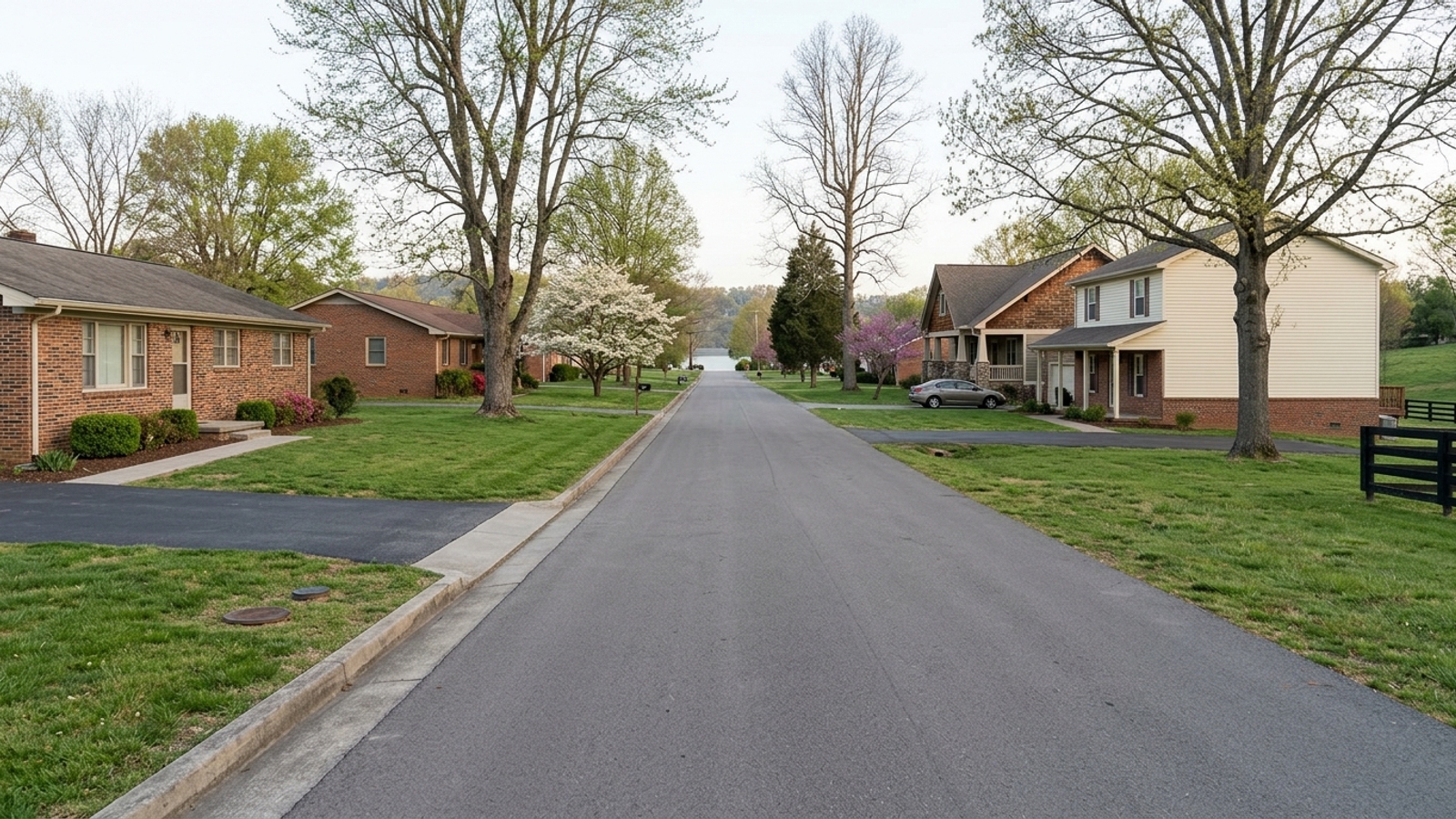
Homes in Dandridge, TN, sell for a median price of around $311,000, and the typical property sits on the market for about 32 days. When evaluating the pros and cons of living in Dandridge, TN, buyers find a mix of historic homes near the town center and rural properties spread across Jefferson County – and that geographic variety matters more than most people realize, because where a home sits largely determines what kind of water system you’re dealing with.
The Dandridge Water Management Facility (DWMF) handles municipal water and wastewater services for the town, while properties further out typically rely on private wells. The difference between these two systems shows up in your monthly budget, your maintenance responsibilities, and what you need to inspect before you close. Whether you’re looking inside the city limits or further out in the Morristown metropolitan area, verify which system serves the property.
The Basics of City Water and Private Wells
The DWMF has been managing municipal water for this town since 1930. It sources its supply from the Jefferson City Water Department, the Knoxville Utilities Board, and the Newport Utilities Board. In parts of Jefferson County outside the town’s immediate reach, the Shady Grove Utility District handles the municipal connection. Either way, with public water, someone else treats it, pipes it to your home, and meters what you use.
A private well works completely differently. There’s no utility provider in the picture – the well draws groundwater directly from the aquifer beneath your property using an electric pump. Dug, driven, and drilled wells all exist, but drilled wells are the standard for modern residential use because they reach deeper, more dependable water.
Identifying Your Water Source
A water meter near the street is the clearest sign a home is on city water. The property disclosure documents and any monthly water bill from DWMF or Shady Grove will confirm it.
A well-served property looks different. You’ll find a wellhead in the yard – typically a metal or plastic pipe rising a few feet out of the ground with a cap on top. Inside, there’s a pressure tank somewhere in the basement, crawlspace, or utility closet that regulates flow from the pump into the home’s plumbing. Once you know what you’re looking for, it’s hard to miss.
Comparing the Monthly Costs in Dandridge
Municipal customers pay based on usage. Per current DWMF rates, residents inside the city limits pay a base rate of $27.90 for the first 2,000 gallons, plus $5.18 per 1,000 gallons after that. Sewer service adds a $30.51 base charge and $7.81 per 1,000 gallons. Outside the city limits, that base water rate climbs to $41.77, plus $10.14 per 1,000 gallons, with sewer rates adjusted to a $46.70 base and $16.81 per 1,000 gallons. A high bill on the municipal system almost always traces back to heavy usage – lawn irrigation, a pool, or a slow leak hiding somewhere in the plumbing.
Well water carries no monthly per-gallon charge. You pay for the electricity to run the pump, and that’s it for routine operating cost.
Factoring in Well Maintenance and Septic
No monthly water bill doesn’t mean no cost. Well owners absorb everything when something goes wrong – routine inspections, pump replacements, pressure tank servicing. You should budget for those expenses going in, not after the fact.
Most well properties also use a private septic system, so there’s no monthly sewer fee to the city. What you have instead are periodic pumping and maintenance costs that fall entirely on you.
Health, Safety, and Water Quality
The DWMF and other local utility districts treat their water to meet federal and state drinking water standards. Municipal water gets tested regularly for bacteria, heavy metals, and other contaminants before it reaches your tap – that monitoring is ongoing and built into the system.
Well water can be just as safe, but testing is your responsibility as the homeowner. The Jefferson County health department and environmental agencies recommend annual testing for bacteria, nitrates, and local mineral levels. Groundwater quality isn’t static – it changes over time, and an annual test is simply standard practice for any well owner who’s paying attention.
Treating Hardness and Filtering Well Water
Tennessee well water commonly contains dissolved calcium and magnesium, which means hard water. You’ll notice it in spots on dishes, mineral buildup in pipes, and the way it feels on your skin and hair.
Water softeners pull out the excess minerals. Reverse osmosis systems and whole-house filtration setups handle sediment and taste. These systems have upfront installation costs, and they require ongoing maintenance – softeners need salt, filters need replacing. Factor that in when you’re comparing well versus city.
Weighing the Pros and Cons of a Private Well
The straightforward case for a well is independence. You won’t face rate adjustments from the DWMF or Shady Grove, and your monthly operating cost is basically whatever electricity the pump draws. For properties with large gardens or livestock, pulling unlimited water without a per-gallon charge adds up to real savings.
The case against is also straightforward: wells run on electricity. Power goes out during a storm, the pump stops, and you have no water pressure until power comes back or a generator picks up the load. Municipal customers call the city when a water main breaks. Well owners call a plumber and write the check themselves.
Connecting a Well to the Municipal System
Some homeowners near expanding municipal grids decide to make the switch from well to city water. To do that, the DWMF or local utility needs an existing water main near your property boundary. If the line is there, you pay tap fees, run a service line from the meter to the house, and have a plumber connect it to the interior plumbing.
What that costs depends on how far your house sits from the street – more distance means more trenching and more pipe – plus whatever the utility’s current connection fees happen to be.
Buying a Home with an Existing Well
A standard home inspection won’t go deep on well equipment. When you’re buying a well-served property in Dandridge, plan to bring in a professional specifically for the well – someone who will test the water quality, check the pump’s flow rate, and inspect the pressure tank. Schedule that during your due diligence period, not after.
Ask the seller for maintenance records, the well’s depth, and the date of the last water quality test. The age of the pump alone tells you a lot about what you might be looking at in the near term.
Frequently Asked Questions
Is it better to have a well or be on city water in Dandridge, TN?
It depends on your priorities and where the property is. City water offers convenience and regular testing through the DWMF, while a well means independence from monthly utility bills. Buyers after rural acreage are usually on wells; those near the town center are typically on the municipal grid.
Is it cheaper to use well water or city water in Dandridge?
Month to month, well water is generally cheaper because there’s no per-gallon charge from the city. That said, well owners need to budget for long-term maintenance – pump repairs, water treatment systems – while city water customers pay a predictable rate and leave the infrastructure headaches to someone else.
Is city or well water safe and healthy to drink in the Dandridge area?
Both can be safe. The DWMF treats and tests municipal water to meet safety standards. Well owners need to do their own annual testing to confirm their groundwater stays free of contaminants. The water doesn’t test itself.
How much does it cost to switch from well to city water in Dandridge?
The exact figure depends on the DWMF’s current tap fees and the distance from the municipal water main to your home. You’re paying for the physical connection, trenching the service line, and whatever plumbing modifications the interior requires.
What inspections are required when buying a home with well water in Dandridge, TN?
Nothing is legally required to close, but you should always arrange a well inspection regardless. That typically means testing the water quality for bacteria and checking the mechanical components – pump and pressure tank at minimum.
Can a Dandridge property be hooked up to both well water and city water?
Some properties keep an old well for outdoor irrigation while using municipal water inside. Check with the DWMF or Jefferson County authorities on local regulations and required backflow prevention devices before running both systems.
Do storms in Dandridge affect private well systems?
Because private wells rely on electric pumps, severe weather patterns in Dandridge, TN can temporarily disrupt your water supply if the power goes out. Homeowners without a backup generator will lose water pressure until the electricity is restored.
Are private wells common in Dandridge compared to larger cities?
Buyers evaluating a move often notice that rural properties across Jefferson County rely on private wells, unlike the municipal systems found in major metropolitan areas. A direct comparison of Dandridge, TN vs Nashville highlights how much more likely you are to encounter well water and private septic systems in the smaller town’s outlying areas.


