

 Facebook
 X
X
 Pinterest
 Copy Link
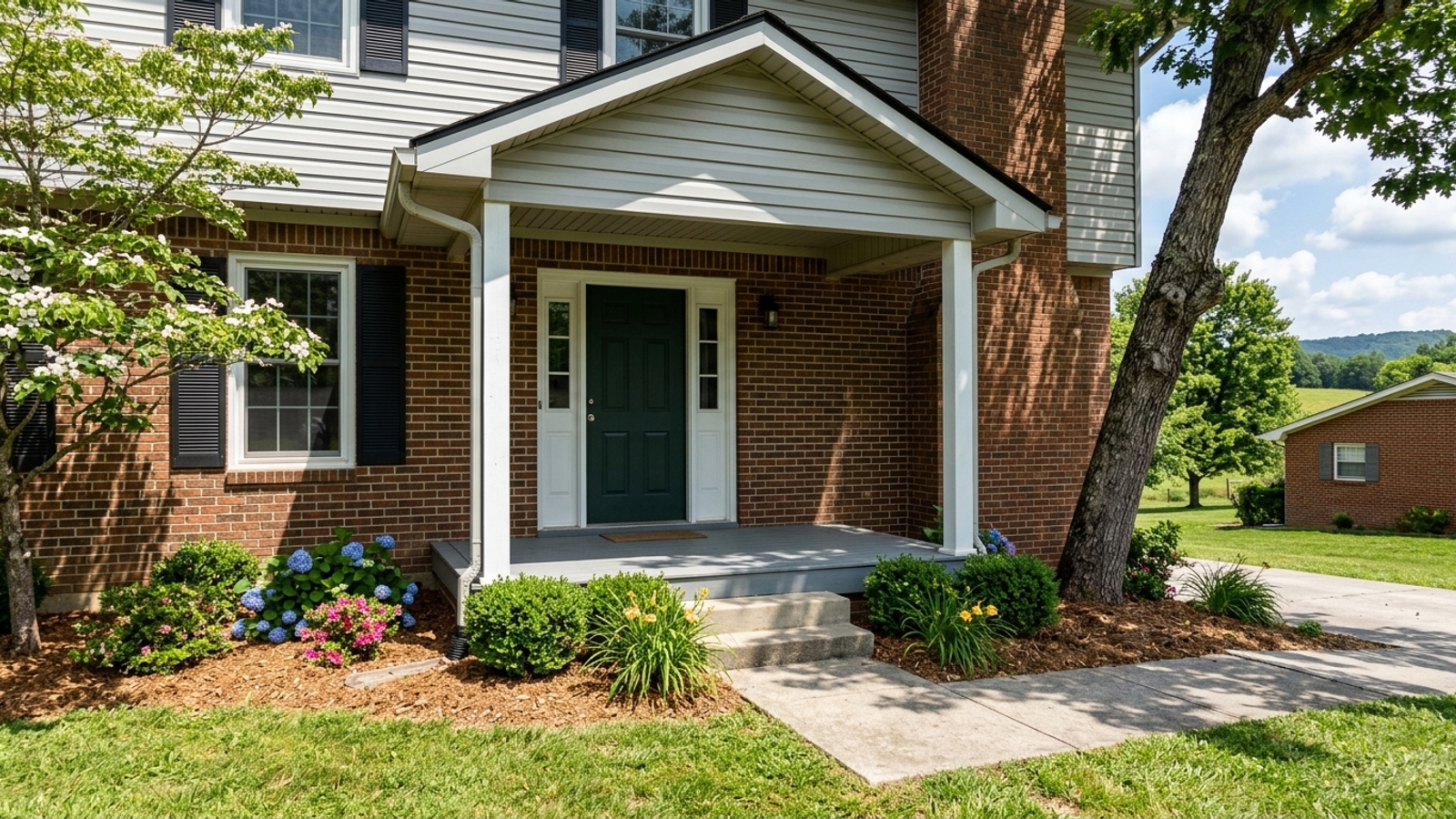
Dandridge, TN sits at an elevation of 997 feet above sea level in East Tennessee. It’s one of the first things buyers ask about when they’re seriously considering living in Dandridge, TN – what does the weather look like, month to month? The answer matters more than people expect. The local climate shapes your daily commute, your utility bills, and how much maintenance you’ll be doing on any property you buy.
What you get here is a genuine four-season pattern. Warm summer afternoons, light winter snowfalls, and two very pleasant windows in between. Let’s walk through what the numbers look like throughout the year.
Dandridge, TN Weather at a Glance
Dandridge falls under a Humid Subtropical climate, classified as Cfa under the Köppen-Geiger system. Long, warm summers. Mild, short winters. The surrounding topography of the Morristown Metropolitan Statistical Area does some work here too, keeping the most extreme temperature swings in check compared to the higher mountain elevations nearby.
The town sits in USDA Plant Hardiness Zone 7b – a detail that matters if you’re planning a garden or if you have exposed outdoor plumbing. Zone 7b anticipates extreme winter minimums between 5°F and 10°F, so you’ll want to plan accordingly for the coldest nights.
You get the full experience of spring blooms and fall color without the prolonged deep freezes you’d find further north. That’s a reasonable trade.
Understanding the Local Climate Zone
The Humid Subtropical designation means moisture is a constant. The air holds enough water that summer days feel warmer than the thermometer reads – not the dry heat of the southwest, just steady warmth with some weight to it.
For buyers, this translates to one practical priority: a well-maintained HVAC system. Jefferson County’s lush green landscape is a direct product of this climate, but so is the demand on your home’s heating and cooling through the warmer, wetter months.
Average Temperatures by Month
July is the hottest month, with average highs running between 87°F and 89°F and overnight lows around 64°F to 68°F. That warmth stretches through late June and August. January is the other end of the spectrum – average highs drop to roughly 45°F to 49°F, and overnight lows typically fall to around 27°F to 29°F.
The transitional months are genuinely comfortable. Spring and fall bring daytime temperatures that rarely demand heavy heating or cooling, and those are the stretches when you want to open the windows.
Hottest and Coldest Months
The gap between a 89°F July afternoon and a 27°F January night tells you most of what you need to know about the local wardrobe and the home maintenance calendar. Summer heat builds fast in the afternoon hours. Winter cold is most noticeable during early morning commutes.
If you’re looking at older properties, factor those extremes into your utility projections. Updated windows and modern insulation handle those swings much more efficiently than a drafty older home will.
Rain, Snow, and Humidity in East Tennessee
Dandridge averages about 44 to 47 inches of rain per year. December is typically the wettest month. That consistent precipitation is why the region stays green, but it also means gutters, downspouts, and proper yard grading aren’t optional – they’re just part of owning a home here.
Annual average relative humidity runs around 76% to 77%. It dips slightly in summer, dropping to around 72% to 73% from June through August. Winter months trend a bit higher, averaging 76% to 78% from December through February. The variation is modest, but it’s there.
Snow is part of the picture too, though it rarely shuts things down for long.
Annual Snowfall Expectations
The town averages roughly 5 inches of snow per year – slightly more than many other parts of Tennessee, though nothing that should worry you. Most of it falls between January and March, with February typically being the snowiest month.
Keep a snow shovel accessible and build in some extra time for winter driving during that stretch. That’s about the level of preparation you need.
Planning a Move Around the Weather
Dandridge is part of the broader Knoxville – Morristown – Sevierville Combined Statistical Area, so local weather affects regional traffic and moving logistics just as much as it affects your street. Moving companies operate year-round, but your timing can spare you some real headaches.
Spring and fall are the most forgiving. You’re clear of the 89°F July highs and the 27°F January lows, which means you can load and unload without misery. Fewer weather-related delays on the highways connecting Jefferson County to the rest of the state, too.
Summer and winter moves are doable – they just require planning. Summer often means climate-controlled storage in Dandridge to protect anything sensitive from the heat. Winter means building flexibility into your schedule in case a February snowstorm drops a few inches on moving day.
Best Months for Relocation
April, May, September, and October are your best bets. The weather is predictable, temperatures are moderate, and you avoid December’s heavy rains – which are genuinely inconvenient when you’re carrying furniture in and out of a truck.
One thing worth verifying before a winter closing: make sure the heating system is fully operational before you arrive. Showing up to a cold house in January when overnight lows are hitting 27°F is not the welcome you want.
Living in Dandridge: Weather and Real Estate
The median home price in Dandridge is currently around $353,000. Listings are spending roughly 40 days on the market, with about 4.2 months of supply and a total inventory of around 31 homes. Houses are generally selling for about 96.4% of their list price.
When you’re walking through those properties, let the climate shape your checklist. A covered porch or sunroom earns its value during the wetter months. Mature shade trees do real work during those 89°F July afternoons. These aren’t luxury features – in a Humid Subtropical climate, they’re practical.
Your utility budget and your maintenance schedule both depend on understanding what you’re buying into. Whether you’re looking at a historic home downtown or a newer build, the Cfa climate is part of the picture year-round.
Evaluating Homes for the Climate
Drainage and roof condition deserve serious attention during your inspection. With up to 47 inches of rain annually, water management isn’t a secondary concern – it’s central.
Ask sellers for their average seasonal utility bills. That single question gives you a real-world picture of how well the home manages the swing between 27°F January nights and 89°F July afternoons, before you commit to anything.
Frequently Asked Questions (FAQ)
What is the weather like in Dandridge, TN year round?
Dandridge experiences a Humid Subtropical climate with four distinct seasons. Summers are warm with average highs around 87°F to 89°F in July, while winters are chilly, with January lows dropping to about 27°F to 29°F. The area receives steady rainfall throughout the year, averaging 44 to 47 inches annually.
Does it snow in Dandridge, TN, and how much?
Yes, it does snow in Dandridge. The town averages about 5 inches of snow per year, which is slightly more than many other parts of Tennessee. Most of this snowfall occurs between January and March, with February typically being the snowiest month.
Is it humid in Dandridge, TN?
Yes, Dandridge maintains a fairly consistent humidity level year-round. The annual average relative humidity is about 76% to 77%. The summer months have the lowest average humidity at around 72% to 73%, while winter months peak at roughly 76% to 78%.
When is the best time of year to move to Dandridge to avoid extreme weather delays?
The spring and fall months are generally the best times to move to Dandridge. April, May, September, and October offer moderate temperatures and avoid the peak 89°F heat of July and the snowy conditions of February. You also avoid December, which is typically the wettest month of the year.
How does the climate impact waterfront properties in the area?
The region receives up to 47 inches of rain annually, making proper yard grading and water management essential. Buyers evaluating a home on Douglas Lake should pay close attention to drainage during their inspections. Covered porches are also practical for enjoying the outdoors during the wetter months.
How does the local weather affect the moving process?
The timing of your relocation dictates how much weather-related planning is required. Anyone organizing a move to Dandridge during the summer should consider climate-controlled storage to protect sensitive items from the heat. Winter relocations require extra schedule flexibility to account for potential snowstorms or freezing morning temperatures.


