

 Facebook
 X
X
 Pinterest
 Copy Link
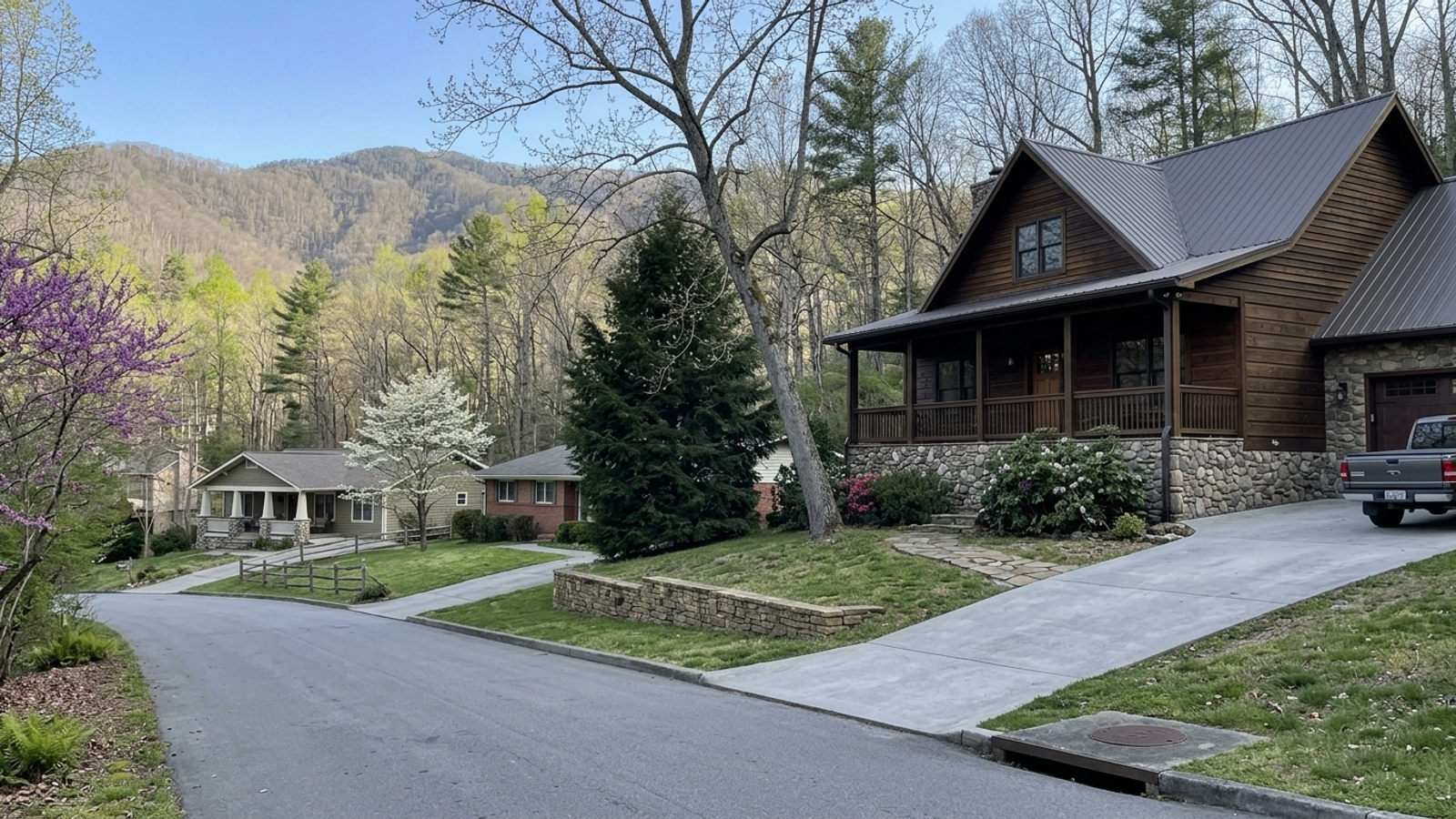
The median home sale price in Gatlinburg, TN sits around $475,000, and buyers currently have about 319 listings to choose from. Spend any time weighing the pros and cons of living in Gatlinburg, TN and looking at properties in Sevier County – especially cabins tucked up in the mountains – and you’ll notice pretty quickly that not every home gets its water the same way.
Some connect to the municipal grid. Others are entirely on their own. Knowing which situation you’re walking into matters for your monthly budget, your maintenance expectations, and, honestly, your peace of mind.
The Basics of Gatlinburg Water Sources
The Gatlinburg Utilities Department – sometimes called the Gatlinburg Water Department – runs the municipal water system. They handle treatment, distribution, and wastewater for properties inside city limits.
Once you move out into Sevier County, those municipal lines stop, and private wells take over. Homes closer to the downtown strip or along major paved routes tend to connect to the public grid. Secluded cabins, almost as a rule, rely on their own groundwater access. Public water means the city handles pressure, testing, and supply – you don’t think about it much. A private well puts all of that on you as the homeowner. No monthly bill, but no one else to call when something goes wrong.
Defining City Water and Private Wells
A private well is a bored, drilled, or driven hole in the ground that reaches an underground aquifer. A pump brings that groundwater up into the home’s plumbing.
Buyers occasionally ask about a “city water well” – that’s a mix-up of terms worth clearing up. Municipalities do draw from large-scale public wells or surface water sources, but at the residential level, a home is either connected to the public utility grid or it operates its own standalone private well. There’s no hybrid version of that.
How to Tell What a Home Has
The seller’s disclosures should spell this out, but you can also figure it out just by looking at the property. A home on public water will have a water meter near the street and a monthly bill from the Gatlinburg Utilities Department.
A home with a private well will have a wellhead somewhere in the yard – typically a capped PVC or metal pipe sticking a few feet out of the ground – and a pressure tank inside, usually in the basement, garage, or utility closet. Once you know what to look for, it’s pretty obvious.
Comparing Monthly and Long-Term Water Costs
No monthly water bill sounds appealing, and with a private well, that’s genuinely true. You don’t pay for the water itself, and if the home also has a private septic system, there’s no municipal sewer charge either.
The real costs show up elsewhere.
Maintenance and Installation Expenses
The pump runs on your home’s electrical panel, so there’s a small ongoing addition to your power bill. That’s minor. What’s not minor is the eventual replacement cost when equipment wears out – a new well pump or pressure tank can run anywhere from hundreds to thousands of dollars depending on what’s needed.
And if you’re ever looking at a property that needs a well drilled from scratch, get ready for a significant number. Drilling a new well in East Tennessee can cost between $10,000 and $20,000 or more, depending on how deep the drill has to go to reach an aquifer. That’s a number worth knowing before you fall in love with a parcel.
Safety, Testing, and Water Quality
The Gatlinburg Utilities Department treats and tests its public supply to meet federal and state drinking standards. What comes out of the tap has been filtered and chlorinated. You’re not thinking about it.
Private groundwater in this area is generally safe for drinking and bathing, but the monitoring is entirely on the homeowner. The Sevier County Environmental Health Department offers water sample testing for $100 – a reasonable cost, and one you should plan on periodically.
Treating Groundwater at Home
Groundwater in East Tennessee picks up natural minerals – calcium and magnesium mostly – from the surrounding rock. Many homeowners install water softeners to keep mineral buildup from working through their plumbing and appliances over time.
Reverse osmosis units and UV light purifiers are common additions too. They handle sediment and bacteria, and for most people on well water, some version of a filtration setup becomes a standard part of the house rather than an optional upgrade.
The Upside and Downside of Private Wells
Homes in Gatlinburg sit on the market for roughly 62 days on average, which gives you real time to think through what you’re getting into with any given property. A private well has a straightforward appeal: no monthly water bill, no exposure to municipal rate increases, and no city-wide shutoffs during maintenance windows. You control your own supply.
Common Drawbacks to Consider
The flip side is that the well pump runs on electricity. A winter storm that knocks out power to your cabin means no water pressure until power comes back or you run a generator. That’s not hypothetical in the mountains – it happens.
Mechanical failures are entirely your problem too. A frozen pipe, a burned-out pump motor – you’re calling a local well contractor, not the city. Budget accordingly.
Switching Between Well and City Water
Connecting a well property to the public grid is only possible if municipal lines run past the home. Many properties in the mountains don’t have that option – the infrastructure simply isn’t there.
Where lines are available, homeowners can pay to tap in and run a service line to the house. It’s also technically possible to keep both systems active on one property – city water for indoor plumbing, the well running for exterior irrigation. That’s not uncommon.
Permitting and Drilling Rules
Any new well has to be drilled by a licensed contractor. Local regulations control placement – particularly how far the well must sit from property lines and septic drain fields. Regional data for East Tennessee puts typical well permit costs at roughly $400 to $500. The Sevier County Health Department oversees environmental health services, though their published fee schedule focuses primarily on septic permits and water sample testing.
Buying a Gatlinburg Home with a Well
Gatlinburg homes are currently selling for about 96% of list price, which means there’s still room to negotiate if an inspection turns something up. On a well property, a standard home inspection isn’t enough on its own.
You’ll want a specialized well inspector to evaluate the pump, pressure tank, and flow rate. That flow test matters – it confirms the system can produce enough gallons per minute to support a household during peak use. Don’t skip it.
Asking the Right Questions
Ask the sellers for maintenance records and any drilling logs they have. Those documents tell you the well’s depth, the pump’s age, and the history of any past work done on the system.
Request a recent water quality test if they have one. If they don’t, get one done during your due diligence period. Check for bacteria, pH levels, and heavy metals before you close. It’s a $100 test through the Sevier County Environmental Health Department – there’s no good reason not to do it.
Frequently Asked Questions About Gatlinburg Water
Is it better to have a well or be on city water in Gatlinburg?
It depends on your location and preferences. City water provides a hands-off, treated supply managed by the Gatlinburg Utilities Department, while a well offers independence from monthly bills but requires you to manage your own testing and pump maintenance.
Is it cheaper to use well water or city water in Gatlinburg?
A private well is cheaper on a month-to-month basis because there is no municipal water bill. However, well owners face higher long-term costs when pumps or pressure tanks eventually need replacement.
Is well water safe and healthy to drink in the Gatlinburg area?
Yes, groundwater in Sevier County is generally safe for daily use. Homeowners should have their water tested regularly, which the Sevier County Environmental Health Department offers for $100, and install filtration if minerals or bacteria are present.
What should I look out for when buying a Gatlinburg cabin with well water?
You should test the water quality and verify the system’s flow rate. Hiring an inspector to check the age and condition of the well pump and pressure tank is a smart step during the due diligence period.
How much does it cost to switch from well to city water in Gatlinburg?
It depends on the distance from the house to the municipal line. You will have to pay tap fees to the Gatlinburg Utilities Department and hire a contractor to trench and run the physical pipe to your home.
How do I find out if a property in Gatlinburg is eligible to connect to city utilities?
You can contact the Gatlinburg Utilities Department directly with the property address. They can verify if municipal water lines run adjacent to the parcel and explain the tap process.
Are private wells common in other nearby mountain towns?
A Gatlinburg vs Asheville relocation involves similar utility setups across both markets. Properties closer to major paved routes tend to connect to the public grid, while secluded cabins almost always rely on private groundwater.
Will I need a private well if I buy a cabin in a neighboring town?
A standard Gatlinburg vs Pigeon Forge property comparison reveals the exact same utility dynamics in both areas. Secluded cabins generally require private wells, which leaves the homeowner responsible for pump maintenance and water testing.


