

 Facebook
 X
X
 Pinterest
 Copy Link
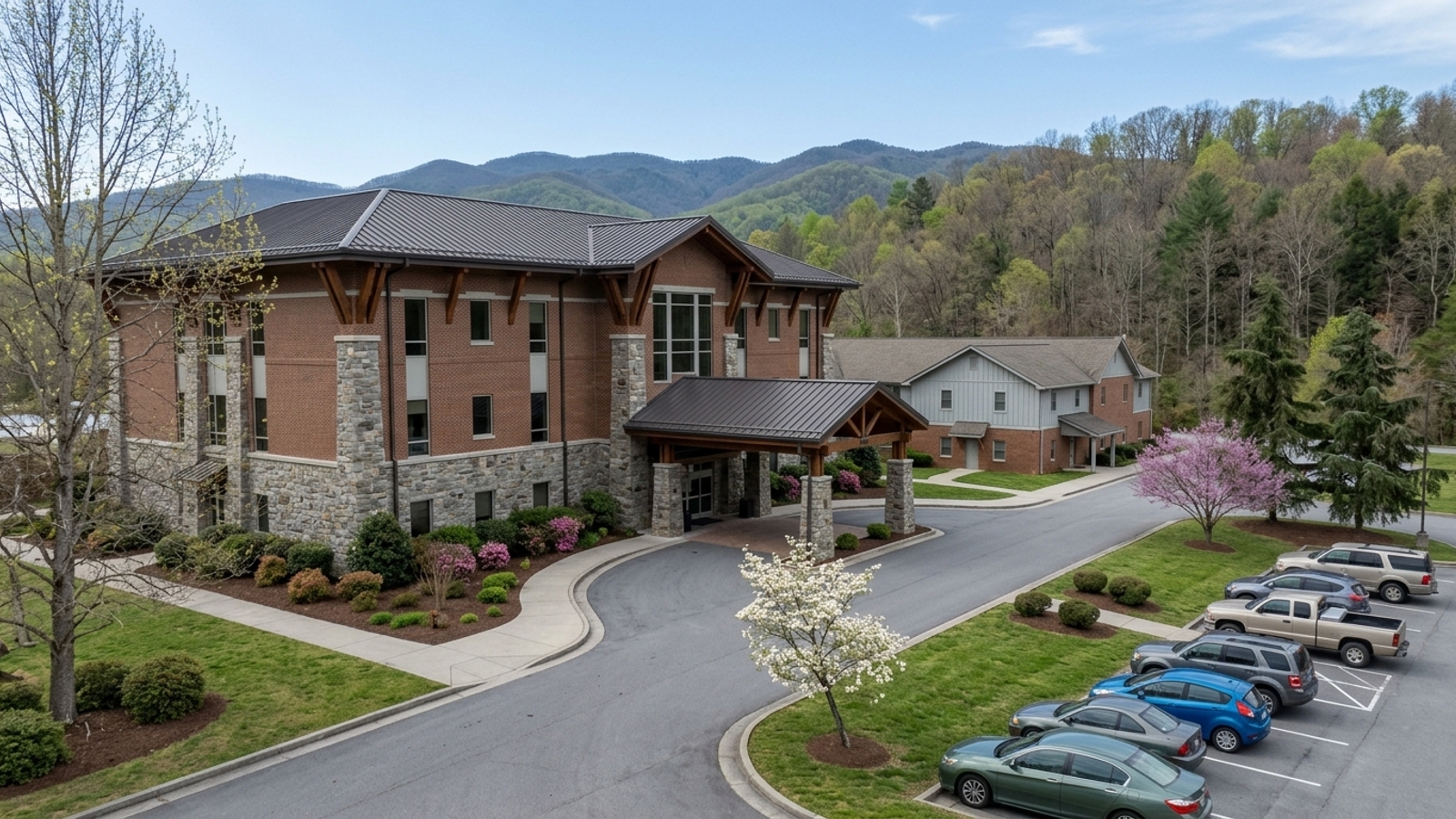
The median home price in Gatlinburg, TN sits around $475,000, and there are currently about 319 properties on the market. For a lot of buyers weighing the pros and cons of living in Gatlinburg, TN – especially those coming from larger metro areas – access to medical care is one of the first practical questions that comes up.
It’s a fair question to ask. Gatlinburg is a mountain town, and that means the serious medical infrastructure is in neighboring cities, not here. The exact locations of emergency rooms and specialty clinics, and the time it takes to reach them, help you pick the right location before you buy.
Healthcare Access in the Smoky Mountains Region
There’s no major hospital inside Gatlinburg’s city limits. For hospital-level care, residents head north to Sevierville or further west to Knoxville. The local network is built around urgent care centers in town, with larger regional hospitals reachable via the main highways.
One thing worth keeping in mind: there’s no fixed-route mass transit connecting Gatlinburg to the hospital districts. You’ll need a car.
Major Hospitals Serving the Gatlinburg Area
Two medical centers handle most of the emergency and inpatient care for Sevier County residents. Which one you’re heading to usually comes down to the severity of the situation.
Both facilities sit near major commuting routes, so they’re straightforward to reach from most parts of the Gatlinburg area.
LeConte Medical Center in Sevierville
LeConte Medical Center at 742 Middle Creek Rd in Sevierville is your closest hospital. It’s about 9.9 miles from downtown Gatlinburg, just off Veterans Blvd near US Highway 441.
Part of the Covenant Health system, this 79-to-123-bed acute care hospital is where most local physicians are affiliated. You’ll find a 24-hour emergency room, an intensive care unit, surgery, cardiology, and imaging services here.
University of Tennessee Medical Center
When a case is beyond LeConte’s scope, patients go to the University of Tennessee Medical Center in Knoxville – located at 1924 Alcoa Hwy, near the I-40 and I-75 interchange. That’s approximately 29 miles from Gatlinburg. UT Medical Center handles the region’s highest-level trauma cases and specialized procedures.
Urgent Care and Outpatient Clinics
For non-life-threatening issues, you don’t have to drive to Sevierville. There are smaller clinics closer to home that fill the gap between your primary care doctor and a hospital emergency room, and most of them sit right along the main parkways.
Urgent Care Centers
AFC Urgent Care and Urgent Care of the Smokies are the local walk-in options for routine illnesses and minor injuries. Full-time residents and seasonal visitors use them regularly. They handle x-rays, basic lab work, and standard prescriptions – and they’re considerably faster than making the trip to Sevierville for something that doesn’t warrant an ER.
Specialty Clinics and Facilities
Veterans in the area have access to the Dannie A. Carr Veterans Outpatient Clinic at 1124 Blanton Dr in Sevierville, which covers primary care, specialty services, and women’s health.
For pediatric care, Dolly Parton Children’s Hospital operates as a 152-bed state-certified regional pediatric center out of Knoxville. They also run a Sevierville Outpatient Center at 502 Winfield Dunn Pkwy, which brings pediatric primary care, urgent care, and rehabilitation services considerably closer to Gatlinburg.
Housing Options Near Medical Districts
Homes in Gatlinburg typically sit on the market for about 62 days. Buyers who put healthcare access high on their list tend to zero in on properties near the main traffic arteries, and that’s a reasonable way to narrow the search.
The market offers single-family homes, condominiums, and mountain cabins. Properties near the northern edge of Gatlinburg generally give you the most direct routes to the medical centers in Sevierville.
Property Types
Condominiums along the parkway offer low-maintenance living with immediate access to the main roads. Cabins and single-family homes further up the mountain give you privacy, but there’s a real-world trade-off: you’re driving down winding roads before you even reach the highway.
Don’t just look at the map distance. Factor in the drive from your specific driveway to the main road. A cabin that looks close on a map can easily add several minutes to an emergency trip once you account for steep or narrow access roads.
Commuting and Accessibility
Gatlinburg connects to the broader region through US Highway 441, US Highway 321, and the Gatlinburg Bypass – roads that link the town to Pigeon Forge, Sevierville, and the interstate system in Knoxville.
You’ll need a personal vehicle to reach the hospital district. The route to LeConte Medical Center takes you north on US 441 through Pigeon Forge, then turns onto Veterans Blvd and Middle Creek Rd.
Relocating for Healthcare Employment
Medical professionals moving here often want mountain living without an unreasonable commute. The drive from Gatlinburg to LeConte Medical Center in Sevierville is about 10 miles – roughly 15 to 20 minutes under normal conditions. That said, plan for delays during peak tourist seasons, when traffic through Pigeon Forge and Gatlinburg can back up.
Staff working at the University of Tennessee Medical Center in Knoxville are looking at a longer haul: 34 to 35 miles, typically 50 minutes to just over an hour, using US 441, US 321, and I-40 to reach Alcoa Highway. It’s doable, but it’s a real commute.
Frequently Asked Questions
What are the major hospitals serving Gatlinburg?
The two primary facilities are LeConte Medical Center in Sevierville and the University of Tennessee Medical Center in Knoxville. LeConte handles most acute care and emergency needs, while UT Medical Center serves as the referral hospital for complex cases.
Are there specialized healthcare facilities in Gatlinburg?
Yes. The Dannie A. Carr Veterans Outpatient Clinic in Sevierville serves veterans in the area. For pediatric care, the Sevierville Outpatient Center – run by Dolly Parton Children’s Hospital – offers pediatric primary care, urgent care, and rehabilitation services.
What types of homes are available near Gatlinburg medical centers?
You’ll find condominiums, traditional single-family homes, and mountain cabins. Properties closer to US Highway 441 offer the fastest access to the hospitals in Sevierville.
How long is the typical drive from a remote Gatlinburg mountain cabin to the nearest emergency room?
It depends on the cabin’s exact location and current traffic. The base drive from Gatlinburg to LeConte Medical Center takes 15 to 20 minutes, but navigating steep mountain roads to reach the main highway adds to that time.
What are the best neighborhoods for medical professionals relocating to work at hospitals near Gatlinburg, TN?
Medical staff often focus on areas near the northern edge of Gatlinburg or along the Gatlinburg Bypass. Those locations give you quicker access to US Highway 441 for the commute into Sevierville or Knoxville.
Do homes located close to Sevier County healthcare facilities carry a real estate price premium?
It depends on the specific property and its amenities. Proximity to hospitals matters to some buyers, but Gatlinburg’s median sale price of around $475,000 is driven by views, rental potential, and access to the national park.
How does healthcare access factor into choosing between Gatlinburg and other mountain towns?
Anyone weighing the choice between Gatlinburg and Asheville should look closely at the distance to major medical centers. While Gatlinburg offers local urgent care clinics, residents must drive to neighboring Sevierville or Knoxville for hospital-level treatment.
Is it faster to reach the hospital from Gatlinburg or Pigeon Forge?
Since LeConte Medical Center is located in Sevierville, residents living further north generally have a shorter commute to the emergency room. Buyers researching the differences between Gatlinburg and Pigeon Forge will find that Pigeon Forge sits closer to these primary medical facilities along US Highway 441.


