

 Facebook
 X
X
 Pinterest
 Copy Link
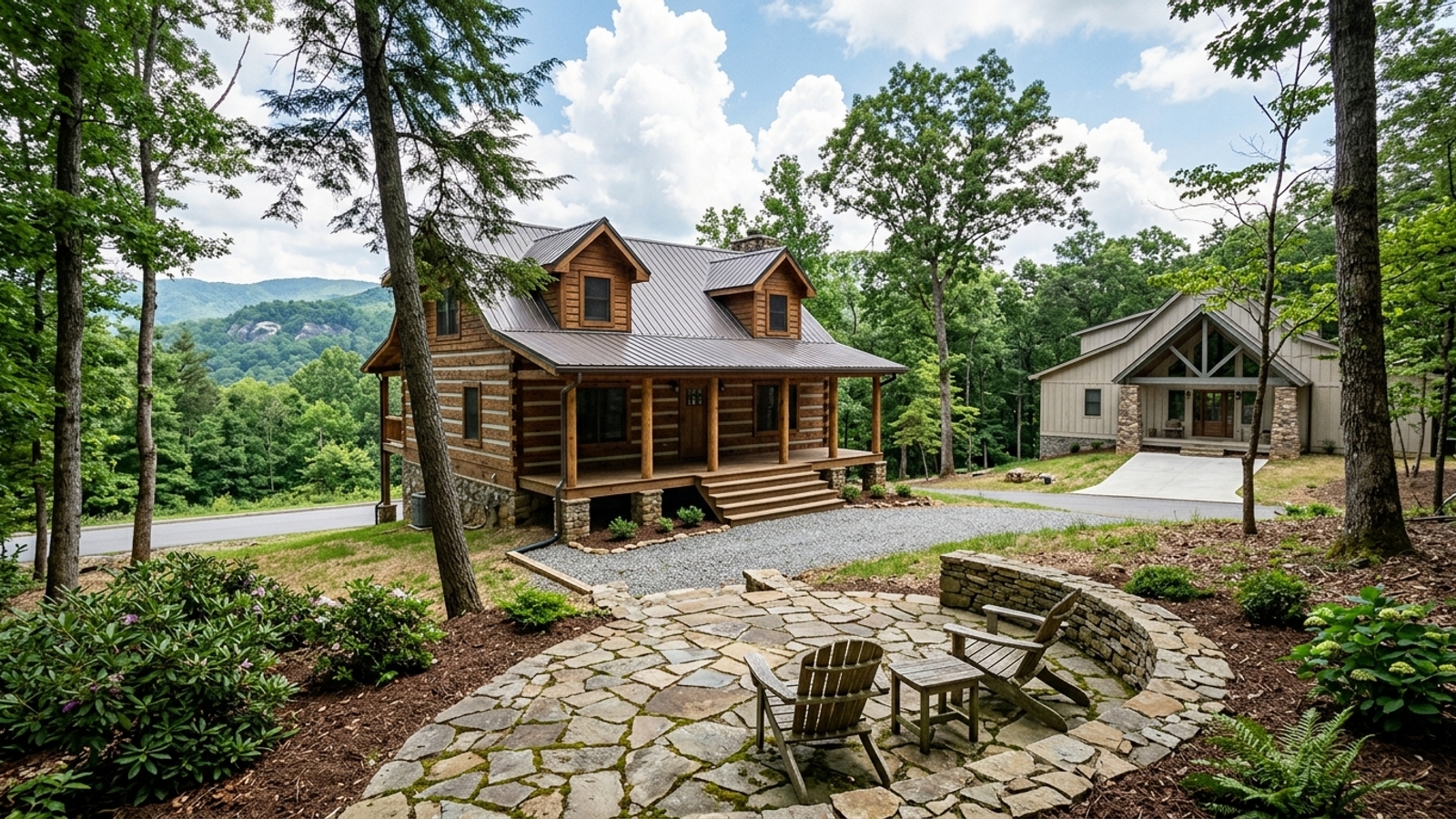
If you’re evaluating the pros and cons of living in Gatlinburg, TN, the weather is not a minor footnote – it’s a core part of what daily life looks like here. The city sits in a valley at approximately 1,289 feet above sea level, surrounded by the much higher peaks of the Great Smoky Mountains. That specific geography creates a local microclimate that doesn’t behave like the surrounding flatlands, and it shapes everything from your heating bill to whether you can get your car out of the driveway in January.
Downtown Gatlinburg stays relatively moderate even while the higher peaks face near-boreal conditions. But “moderate” is relative. What you’re looking at is a true four-season climate, and if you’re buying here, it’s worth knowing what each of those seasons demands from a property.
Gatlinburg Climate at a Glance
Most climate authorities classify Gatlinburg as a Humid Subtropical zone – Cfa under the Köppen climate system. That means hot, humid summers and mild, wet winters with no distinct dry season. A few sources apply the Subtropical Highland classification given the elevation, but Humid Subtropical is the standard designation.
No dry season means precipitation is always in the picture. You’ll see frequent rain showers through spring and summer, shifting to occasional snow in winter.
Understanding the Humid Subtropical Zone
A Cfa classification means living with consistent atmospheric moisture. Relative humidity in the area generally stays in the mid-60s to mid-70s percentage range, occasionally hovering near 80 percent.
Pair that humidity with summer heat and the warmer months feel hotter than the thermometer suggests. Plan to run both air conditioning and dehumidifiers steadily from late May through September.
Year-Round Seasons in the Smoky Mountains
The four seasons here are genuinely distinct – this isn’t a place where winter is just a slightly cooler version of fall. The shift from winter to spring brings rapid warming and heavy rain. Autumn delivers cooler, drier air. Elevation makes all of it more dramatic than you’d expect from the numbers alone.
A short drive from downtown up to Clingmans Dome at 6,643 feet will show you an entirely different weather event on the same afternoon.
Summer Conditions
July is the hottest month. Average highs run between 85 and 88 degrees Fahrenheit, and with the humidity, it feels warmer than that. Afternoon thunderstorms are routine during peak heat – not the occasional dramatic exception, just a regular part of summer afternoons.
Winter Snow and Cold
January is the coldest month, with average lows dropping into the mid-to-upper 20s. Daytime highs typically reach the upper 40s, which provides enough of a thaw to keep heavy snow from accumulating in the valley floor.
Spring and Fall Transitions
October is the sweet spot for a lot of people – crisp air, average highs around 71 degrees, and roads that are generally clear and cooperative. Spring and fall are the mildest stretches of the year, and for good reason they’re popular for both outdoor activities and home shopping.
Average Monthly Temperatures
The annual average high temperature in the city lands at about 68.8 degrees, with the annual average low near 45.5 degrees. Those averages reflect the moderating effect of that valley location – you’re not getting the extremes that hit the higher elevations.
Month-by-month figures help you think through practical things like when to schedule your move or what your utility costs might look like across the year. The numbers below are average highs and lows in degrees Fahrenheit.
Month-by-Month Averages
Based on local climate data, here’s what to expect throughout the year:
- January: 48.0 / 27.1
- February: 52.3 / 29.8
- March: 60.9 / 35.8
- April: 70.4 / 43.6
- May: 77.3 / 53.0
- June: 83.3 / 60.8
- July: 86.0 / 64.5
- August: 85.3 / 63.4
- September: 80.6 / 57.5
- October: 71.0 / 45.4
- November: 60.0 / 34.9
- December: 51.0 / 30.2
These figures apply to the downtown valley area. If you’re looking at a home higher up the mountainside, subtract a few degrees from these averages for every thousand feet of elevation gained.
Rain, Snow, and Humidity Levels
Water defines this environment – it falls regularly, in both liquid and frozen form, throughout the year. Annual rainfall comes in between 51 and 58 inches, with most sources settling on an average of about 54 inches. That’s what keeps the mountain forests dense and green, and it’s also what makes drainage a serious property consideration.
Gutters, grading, and site drainage aren’t optional upgrades here. They’re standard requirements, and a home that’s been neglected in those areas will show it.
Annual Snowfall Expectations
Downtown Gatlinburg averages 7 to 9 inches of snow per year. The National Oceanic and Atmospheric Administration’s normals put the figure at about 7.7 inches for the city center.
Go a few miles up the road and those numbers change fast. Newfound Gap at 5,049 feet receives roughly 69 inches of snow annually – a completely different winter driving situation, and worth understanding if you’re considering a property anywhere above the valley floor.
Managing the Humidity
That persistent mid-60s to high-70s humidity takes a toll on properties over time. Exterior paint, wood siding, and outdoor decks need regular treatment to stay ahead of mold and moisture damage – it’s not a matter of if, it’s a matter of when if maintenance lapses.
If you’re relocating and have furniture or electronics to store during the transition, renting climate controlled storage in Gatlinburg, TN is worth considering. The humidity alone can do real damage to sensitive items sitting in a standard unit.
Severe Weather and Natural Hazards
Mountain environments carry a different set of hazards than flat suburban areas. Tornadoes are rare in this part of the state, though strong storms can push high winds through the valleys. That’s not the primary concern here.
The most serious recurring threat is wildfire. Dry autumn leaf litter combined with wind patterns that funnel through the Smokies creates real seasonal fire risk – and this area has experienced it firsthand.
Wildfire Risks and History
The Great Smoky Mountains wildfires in late November 2016 were devastating. Driven by drought conditions and hurricane-remnant winds, the fires destroyed or damaged over 2,400 structures and resulted in 14 deaths.
Since then, the city and the National Park Service have stepped up fuel-reduction efforts and prescribed burns, and early-warning systems have improved. Even so, the recurring fall drought means wildfire stays on the seasonal hazard list. It’s not a reason to walk away from a property, but it is a reason to ask smart questions during your due diligence.
Best Times to Visit or Relocate
Autumn is widely considered the most comfortable time to be in the area – cool, dry days and clear roads. It’s also when the mountains are at their most visually striking, which doesn’t hurt.
Late spring is the other strong window. The risk of winter ice has cleared, and the heavy summer heat hasn’t locked into the valley yet. For moving purposes, those two windows – late spring and early fall – are genuinely easier on you and on a moving truck.
Comparing Gatlinburg to Knoxville
Buyers sometimes ask how Gatlinburg compares to nearby Knoxville, TN. Because Gatlinburg sits higher in elevation and closer to the mountains, it tends to run slightly cooler than the broader Knoxville valley. The mountains also trap moisture, so Gatlinburg sees slightly more annual rainfall and snowfall than its larger neighbor.
Not a dramatic difference day to day, but worth knowing if you’re used to Knoxville’s baseline and planning around it.
How Weather Impacts Gatlinburg Real Estate
Climate conditions here have real effects on what buyers should look for and what properties are worth. The median home sale price in Gatlinburg, TN was recently about $474,686. The market holds around 319 homes in inventory, which represents a 14.3-month supply. With homes averaging 62 days on the market, you’re not in a situation where you have to skip the inspection to stay competitive.
Use that time. Weather-related wear and tear – moisture intrusion, deck rot, drainage issues – shows up in inspections if you’re looking for it.
Buying a Home in the Mountains
Pay close attention to access roads and driveway inclines. A steep driveway that feels perfectly manageable in July can become impassable after a January ice storm – and that’s not an edge case in these mountains, it’s a real annual possibility.
Properties here have recently sold for about 96 percent of list price, which means sellers are negotiating. If an inspection turns up drainage problems or moisture damage, you have room to ask for repairs. Take it.
Frequently Asked Questions
What is the weather like in Gatlinburg, TN year round?
Gatlinburg has a humid subtropical climate with four distinct seasons. Summers are hot and humid, winters are mild and wet, and the city averages about 54 inches of rain annually.
Does it snow in Gatlinburg, TN, and how much?
Downtown Gatlinburg gets about 7 to 9 inches of snow per year. Nearby higher elevations like Newfound Gap average around 69 inches annually – a significant difference even within a short drive.
Are there tornadoes or severe weather in Gatlinburg, TN?
The most significant severe weather hazard is wildfire, particularly during dry autumn months. The city has increased prescribed burns and early-warning systems since the 2016 wildfires.
How does elevation affect weather and winter road conditions for homes in Gatlinburg, TN?
Downtown sits at roughly 1,289 feet, which keeps snow totals manageable. Homes at higher elevations see cooler temperatures, more snowfall, and a greater likelihood of icy driveways during winter months.
How do the humidity and rainfall in Gatlinburg impact year-round home maintenance?
Relative humidity often sits between 64 and 80 percent, so consistent HVAC use or dehumidifiers aren’t a luxury – they’re a practical necessity. The 54 inches of annual rainfall means gutters and drainage systems need regular attention to function properly.
When is the best time of year to move to Gatlinburg, TN to avoid unpredictable mountain weather?
Late spring and early autumn offer the mildest temperatures and clearest roads for a moving truck. July brings high heat and humidity, and January carries the greatest risk of ice and snow.
How does Gatlinburg compare to other mountain cities in the region?
Buyers looking for a four-season climate often weigh multiple locations across the mountains. A thorough comparison between Gatlinburg and Asheville will show that properties in both areas require attention to drainage and winter access.
Will I see different weather patterns in nearby Pigeon Forge?
These neighboring towns sit in the same general area and share very similar humid subtropical weather conditions. Buyers weighing the choice between Gatlinburg and Pigeon Forge should plan for the same summer heat and regular year-round precipitation.


