

 Facebook
 X
X
 Pinterest
 Copy Link
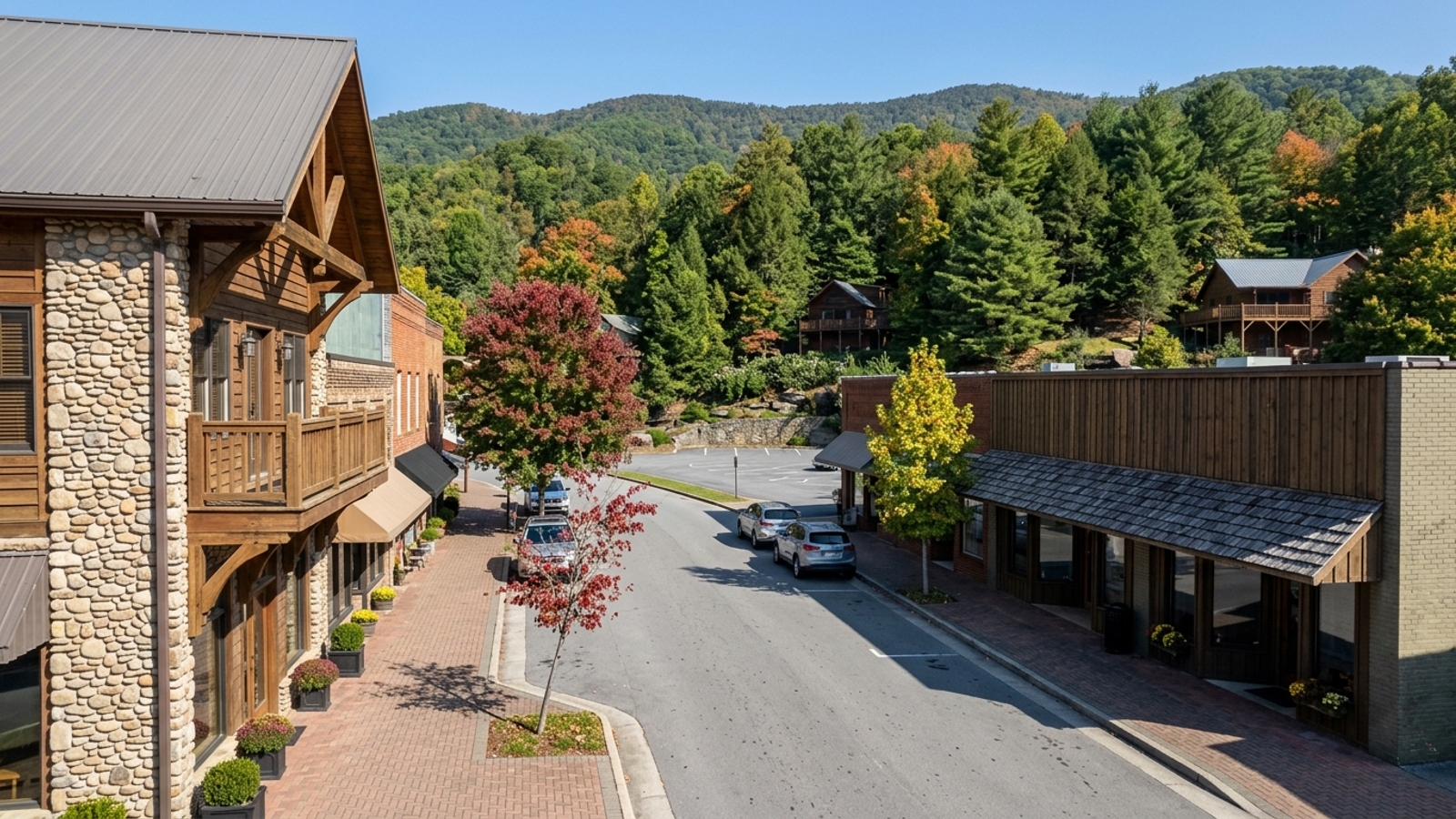
Gatlinburg, TN has a permanent population of around 3,700 to 3,800 residents – but that number undersells how much economic activity moves through this town. Tourism runs everything here, and for anyone weighing the pros and cons of living in Gatlinburg, understanding the job market means holding two pictures in your head at once: the steady year-round positions and the massive seasonal swings that summer visitors drive.
The local real estate market is moving at a deliberate pace right now. The median home sale price sits around $475,000, and homes are spending roughly 62 days on the market. If you’re relocating for work, knowing who the major employers are and what the salary ranges look like is the only honest way to set a realistic housing budget before you start touring properties.
Current Hiring Trends in Gatlinburg
Job availability here rises and falls with the tourist calendar. Hiring peaks during the summer when visitor volume is at its highest, then pulls back noticeably in winter. That’s not a flaw in the local economy – it’s just how a resort town works, and it’s worth understanding before you commit to a move.
Beneath all that seasonal noise, Gatlinburg does show a modest annual population growth rate of about 1.27%. That steady trickle of new permanent residents keeps year-round service and administrative roles alive even when the hospitality sector is in its slow phase.
Unemployment estimates for the area range between 4.5% and 5.4%, depending on the source. The lower end of that range sits below the national average; the higher end reflects the seasonal lulls you’d expect in any resort community.
Seasonal vs. Year-Round Work
Most entry-level and service positions scale up quickly in the spring to get ready for summer tourists. Come the colder months, reduced hours and paused operations are common – which makes 12-month stability genuinely competitive to find.
If you need consistent work regardless of the season, healthcare, municipal government, and regional administrative roles are where to look. Those sectors don’t move with the tourist calendar.
Statewide Employment and Labor Data
The broader Tennessee picture is worth knowing. As of August 2026, the state’s seasonally adjusted unemployment rate held at a two-year low of 3.4% – well below the national rate of 4.1%. Employers across the state added 16,400 nonfarm jobs over the past year.
At the same time, the overall labor force shrank by more than 50,000 workers since August 2025. State officials attribute that to a mix of AI-related hiring pauses and reduced workforce availability. It’s a tension worth watching.
Growth Sectors Across Tennessee
Healthcare and social assistance lead the state in job creation, adding nearly 70,000 jobs over the past five years. Administrative services, support roles, and the leisure and hospitality sectors follow closely behind.
The Tennessee Department of Labor and Workforce Development (TDLWD) tracks these shifts and publishes monthly economic analysis through its workforce portal – a useful bookmark whether you’re already in the state or planning your move.
Roles Hiring Immediately in the Region
Medical professionals are seeing some of the strongest demand statewide right now. The Bureau of Labor Statistics projects advanced practice registered nurses (APRNs) to see a 38% growth rate, with physician assistant roles expected to grow by 27%. Those aren’t numbers you see very often.
Skilled trades and transportation round out the immediate-need list. CDL truck drivers, crane operators, and IT directors are all being actively recruited to support infrastructure and business expansion across the region.
High-Paying Jobs Without a Degree
A four-year degree isn’t the only path to a solid income here. Welding and electrical work offer immediate hiring opportunities with pay based on certification and experience rather than college credits – and demand for both is real.
Firefighting and municipal emergency response roles are also worth considering. These positions typically include on-the-job training and benefits packages that hold up well against what the private sector offers at comparable experience levels.
Top Employers Driving the Local Economy
Gatlinburg’s largest private employers are almost entirely in tourism, hospitality, and food service. That’s not a surprise – it mirrors how the town’s economy is structured.
Ripley Entertainment, Anakeesta, Ober Gatlinburg, and Westgate Resorts anchor the local job market. Between them, they cover a wide range of positions: frontline guest services, back-office management, maintenance, and everything in between.
Food Service and Hospitality Anchors
Restaurants and lodging providers are the two biggest workforce engines in town. Food City (K-VA-T), Smoky Mountain Brewery, Calhoun’s, McDonald’s, and the Copper Cellar Family of Restaurants all maintain large staffs built to handle high visitor volumes.
On the lodging side, Holiday Inn and Kampgrounds of America (KOA) are regular hirers – both for seasonal peaks and for the permanent management roles that keep operations stable year-round.
Salaries and Local Income Averages
The median household income in Gatlinburg sits at approximately $53,475. Stack that against the $475,000 median home price, and it’s clear that buying here typically requires careful budgeting, dual incomes, or income that comes from outside the local hospitality market.
The town’s poverty rate is about 13.46%. Seasonal service jobs are easy enough to find, but the hourly wages attached to most of them don’t get you to a comfortable mortgage payment on their own.
Highest-Paying Occupations
At the top of the local salary range, nurse practitioners earn between $102,500 and $142,400 annually. Nothing else in the immediate area comes close.
From there, electricians typically make $47,500 to $65,000, and welders earn $46,000 to $67,400. Hotel management positions land somewhere between $34,600 and $60,800, depending largely on the size and volume of the property.
Public Sector and State Positions
State government jobs offer a real alternative to the hospitality-heavy private sector. The State of Tennessee posts job announcements across various agencies regularly, and these roles tend to come with stable benefits and retirement plans that seasonal hospitality work simply doesn’t match.
Most state administrative and support positions run on standard year-round schedules – which is exactly what makes them appealing to workers who’d rather not plan their finances around tourist traffic.
Remote Work Opportunities
More professionals are choosing to live in Gatlinburg while earning salaries tied to out-of-state employers. Tennessee state jobs are also increasingly posting remote or hybrid options for administrative and IT positions.
One practical note: mountain topography can affect internet connection speeds depending on your exact address. If remote work is your plan, verify high-speed availability at any specific property before you make an offer – not after.
Where to Look for Open Positions
Indeed, ZipRecruiter, LinkedIn, and CareerBuilder collectively list well over 100 active local openings at any given time. The bulk of those listings are crew member, retail associate, and hospitality roles, but the volume is real and updated frequently.
Seasonal opportunities at major attractions like Ripley’s Entertainment show up on these platforms as well. Checking regularly in late winter puts you ahead of the summer hiring rush rather than chasing it.
Using State Resources
The TDLWD website is the primary hub for state-level employment resources – public reports, economic analysis, and official state job postings all live there. If you’re relocating from out of state, getting into that portal early gives you time to sort out credential transfers or state-specific certifications before your move date, not after.
Frequently Asked Questions
Is it hard to find a job in Gatlinburg, Tennessee?
Finding an entry-level or seasonal job in Gatlinburg is generally easy, especially leading up to the summer tourist season. Securing high-paying, year-round employment outside of the hospitality and healthcare sectors is a different story – the town’s tourism-focused economy keeps those roles competitive.
What jobs are in high demand in Gatlinburg and Tennessee?
Healthcare roles like advanced practice registered nurses (APRNs) and physician assistants are in extremely high demand statewide. Locally, Gatlinburg sees continuous demand for retail associates, restaurant staff, hotel management, and skilled trades like electricians and welders.
What are the biggest employers in Gatlinburg?
The largest employers are tied to tourism and hospitality. Ripley Entertainment, Ober Gatlinburg, Food City, Westgate Resorts, and the Copper Cellar Family of Restaurants are among the top companies hiring locally.
What is a good salary in Gatlinburg, Tennessee?
Anything above the local median household income of $53,475 puts you in solid standing for the immediate area. At the top end, nurse practitioners can earn between $102,500 and $142,400 annually.
What is the unemployment rate in Gatlinburg, Tennessee?
Current estimates range between 4.5% and 5.4%, depending on the source. That number moves throughout the year – typically dropping during the busy summer months and rising when winter weather slows tourist traffic.
Are most jobs in Gatlinburg seasonal tourism roles, or is steady year-round work available?
The majority of local jobs lean seasonal, peaking in summer. Year-round work exists, but it’s concentrated in healthcare, municipal government, and management positions at larger resorts.
Is Gatlinburg a good place to live if I work remotely?
It can be a good fit, but verify high-speed internet availability at any specific address before committing. Earning a remote salary makes the area’s $475,000 median home price more manageable without depending on the local hospitality job market to carry the mortgage.
How does the local economy factor into choosing between Gatlinburg and other mountain towns?
Gatlinburg relies on tourism and seasonal hospitality roles, which means year-round professional positions can be competitive. Buyers weighing a Gatlinburg vs Asheville move should note that Gatlinburg’s major employers are almost entirely in the resort and food service sectors. Remote work or a career in healthcare often provides the most stability for permanent residents.
Should I expect different employment opportunities if I look at Pigeon Forge instead of Gatlinburg?
The entire immediate region relies on a seasonal tourist economy driven by attractions, restaurants, and lodging providers. Anyone making a Gatlinburg vs Pigeon Forge comparison will find that hospitality and service roles dominate the local private sector. Securing stable year-round work in this area typically requires looking toward healthcare, municipal government, or remote positions.


