
 Facebook
 X
X
 Pinterest
 Copy Link
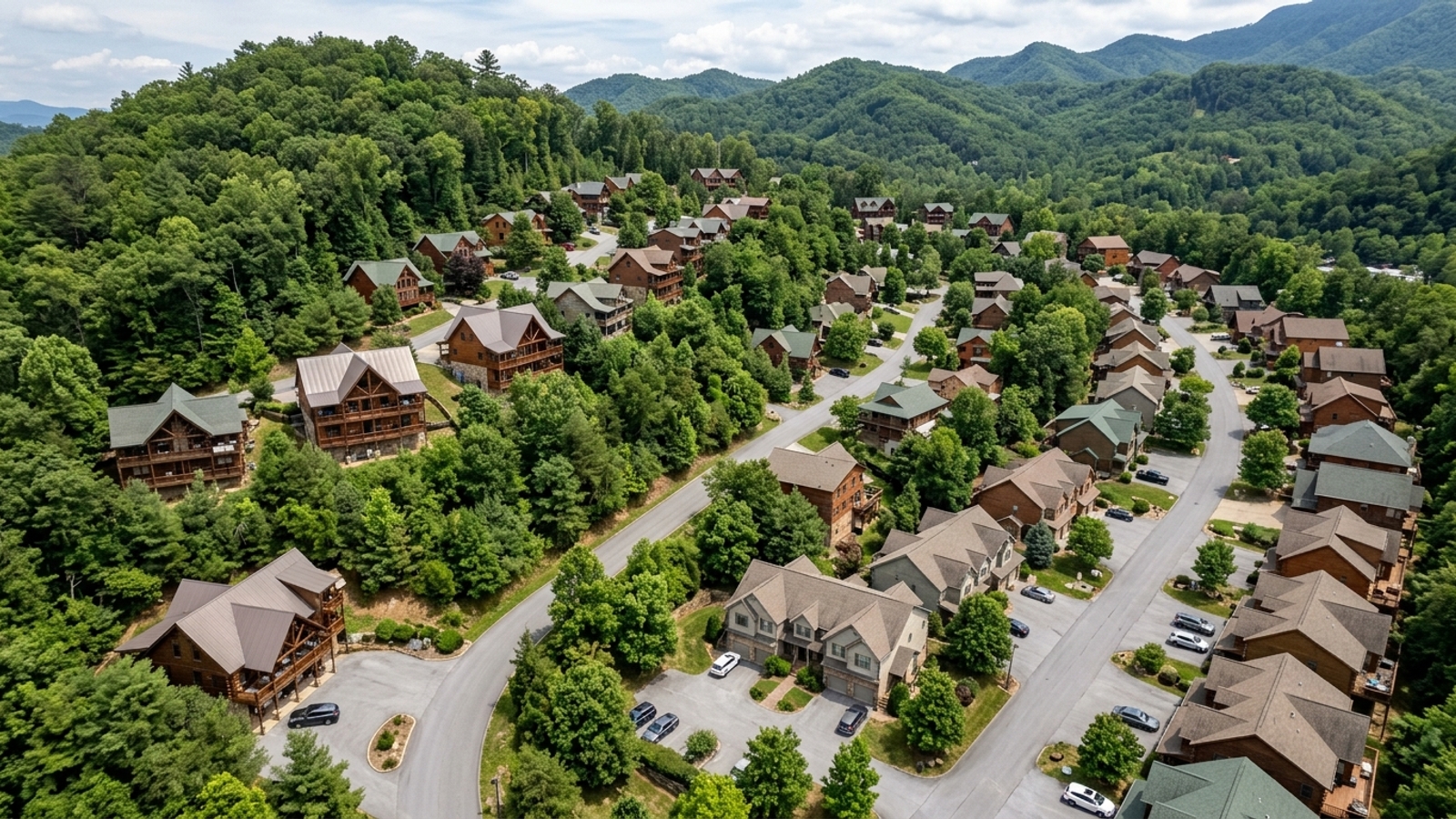
Great Smoky Mountains National Park draws millions of visitors year-round, and that foot traffic has built a massive short-term rental industry right outside its entrance. Investors buying a short-term rental in Gatlinburg, TN are looking at a market built almost entirely around vacationers – cabins and condos functioning as lodging businesses, not primary residences.
The local housing market reflects that reality. As of mid-2026, the median sale price sits around $802,500, with homes spending roughly 90 days on the market. Inventory is at about 267 available homes and a 13.4-month supply, so buyers have options. Whether any of those options actually pencil out financially comes down to understanding the income side of the equation.
Why Investors Target Gatlinburg Real Estate
Sevier County runs on tourism. Gatlinburg is the immediate gateway to the national park, with attractions like Ober Mountain pulling visitors who need somewhere to sleep. That geography creates demand for short-term rentals that doesn’t depend on a local economy doing well or a corporate relocation cycle – it depends on people wanting to see the Smokies, which they’ve been doing reliably for decades.
The current buyer’s market adds some leverage on price. Sellers are closing at roughly 95.9% of their list price, so there’s room to negotiate on what you see sitting in active inventory. That $802,500 median, for context, gets pushed up by large multi-bedroom luxury cabins – the same properties that generate the highest nightly rates.
What to Expect for Nightly Rates and Bookings
You’ll see different numbers depending on which analytics platform you look at, because these services track active listings differently and don’t always use the same timeframes. Look at a few of them together rather than anchoring to one figure.
What the trailing data through mid-2026 tells you is that this is a mature market. Overall revenue has seen slight year-over-year dips, but top-tier properties are still pulling premium rates. The range between a well-positioned six-bedroom cabin and a downtown studio condo is enormous – treat any market-wide average as a starting point, not a projection.
Average Daily Rates
AirDNA reports an average daily rate (ADR) of $347 per booked night in Gatlinburg. Other platforms land in different spots: Rabbu estimates $234, while AirROI cites up to $371.
Property size drives that spread more than anything else. A studio condo might average $134 per night. A large six-bedroom cabin can command anywhere from $581 to well over $720 per night.
Annual Occupancy Trends
AirDNA tracks an average annual occupancy rate of 53% across Gatlinburg’s 7,032 active listings for 2026. Other datasets put the median occupancy between 42.4% and 65%, depending on whether they filter out part-time owner-occupied units.
The seasonality here is real and predictable. Summer vacations and the peak fall foliage season drive the highest occupancy. Winter holidays produce a secondary spike. Late winter is slow – that’s just the rhythm of the market, and your cash flow projections should reflect it.
Estimated Annual Revenue
According to AirDNA, the average active listing in Gatlinburg generated $46,400 over the past twelve months. That number is honest but limited – it groups small condos with massive lodges, so the average smooths over a lot of variation.
SummerOS data suggests a higher market-level median of roughly $86,000 per year. For buyers specifically targeting large six-bedroom cabins, AirROI estimates annual revenue can exceed $138,630.
Choosing the Right Property Type for Your Investment
Mountain cabins are what Gatlinburg tourists are looking for. Visitors come for the Smoky Mountain experience, and that means specific architectural styles and outdoor features matter to their booking decisions in ways that don’t apply in most other markets.
Downtown condos are a different investment profile entirely – lower purchase price, lower maintenance costs, lower nightly rates. They appeal to smaller groups and couples who want to walk to downtown attractions, which is a real segment of the market, just a different one than the classic cabin buyer.
Amenities move the needle more than most buyers initially expect. Hot tubs, unobstructed mountain views, game rooms, and ample parking consistently separate higher-performing listings from basic ones. If the property you’re evaluating is missing some of these, factor in the cost of adding or maintaining them before you run the numbers.
Local Rules and Taxes for Short-Term Rentals
Tennessee’s 2018 Short-Term Rental Unit Act prevents local governments from banning short-term rentals outright, and Gatlinburg hasn’t tried to work around that – the city doesn’t impose a citywide cap on permits. It’s a genuinely friendly regulatory environment for this type of investment.
That said, friendly doesn’t mean unregulated. Zoning controls where these properties can operate, and the permit and tax requirements are real obligations that need to be part of your operating budget from day one.
Zoning and Permit Requirements
Gatlinburg prohibits short-term rentals in R-1A (Low-Density Residential) and R-2A (Medium Density Residential) zones. They’re permitted in R-1, R-2, and R-3 residential zones, as well as commercial (C-1, C-2) and tourist commercial zones. Before you get excited about a specific property, confirm the zoning – this is a step you can’t skip.
Operators need a Tourist Residency Permit. The city charges a $200 base fee for properties with up to two bedrooms, plus $75 for each additional bedroom. The permit requires annual renewal, proof of property insurance, a designated 24/7 local contact, and a life-safety self-certification.
Taxes and HOA Fees
The total tax burden on short-term rentals in Gatlinburg runs between 12.25% and 12.75%. That includes state and local sales taxes plus a mandatory 3% local lodging tax that hosts are responsible for collecting and remitting.
If you’re looking at property inside a mountain resort community, read the HOA documents carefully. Some associations have their own restrictions on short-term leasing that can override what the city zoning allows. You don’t want to close on a property and find that out afterward.
Frequently Asked Questions
What is the average annual Airbnb revenue for a cabin in Gatlinburg, TN?
It depends on the size of the cabin. The overall market average is around $46,400, but large six-bedroom cabins can generate over $138,630 annually.
What months have the highest and lowest short-term rental occupancy rates in Gatlinburg?
Summer vacations and the fall foliage season see the highest occupancy rates. The lowest booking periods typically fall in the late winter months after the holiday season ends.
Do I need a special permit or zoning approval to operate an Airbnb inside Gatlinburg city limits?
Yes. You need an annual Tourist Residency Permit, which costs $200 for up to two bedrooms plus $75 for each additional bedroom. The property also has to be in an approved zone – rentals are prohibited in R-1A and R-2A districts.
How much do local property management fees typically cut into Gatlinburg cabin profits?
It depends on the company and the level of service. Management fees reduce gross income from an active listing – which averages $46,400 per year across the market – so build those operating costs into your numbers before you buy.
Which cabin amenities increase Gatlinburg Airbnb nightly rates and bookings?
Hot tubs, unobstructed mountain views, and game rooms consistently drive higher rates. Ample parking is also a major factor that helps properties outperform basic listings.
Does Gatlinburg or Pigeon Forge offer a better return on investment for short-term rental buyers?
It depends on the specific property and purchase price. Both cities are in Sevier County, where regional short-term rentals average between 53% and 58% occupancy, so evaluate individual cabin revenues rather than just the city name.


