
 Facebook
 X
X
 Pinterest
 Copy Link
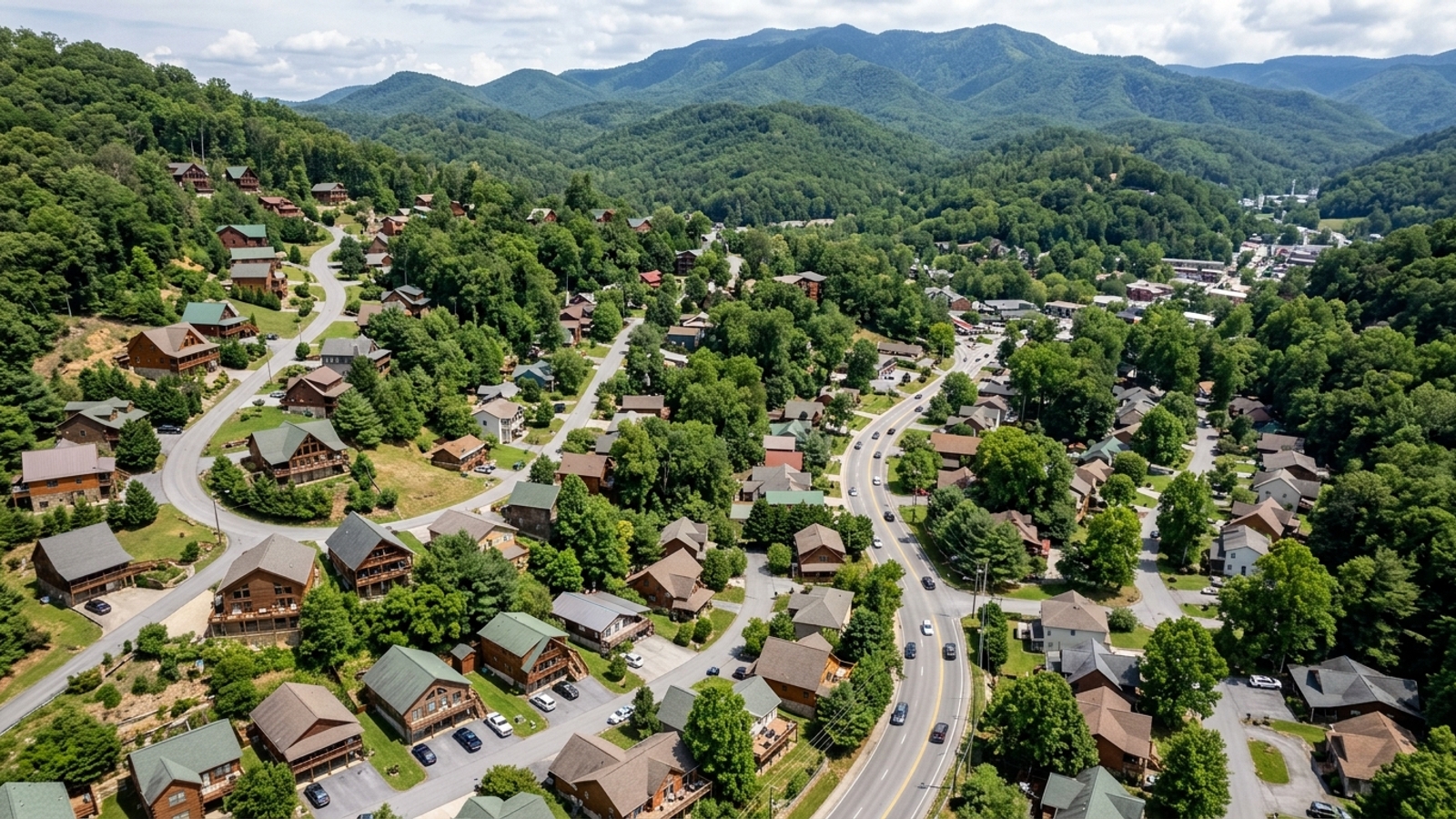
The median sale price for a home in Gatlinburg, TN sits around $802,500. Homes are averaging 90 days on market right now, with roughly 267 properties available. Whether your goal is buying a short-term rental in Gatlinburg, TN or finding a long-term investment, that’s actually enough breathing room to think things through before you make a move.
And one of the first things you’ll need to think through is this: nightly guests or a twelve-month lease? Both strategies work here. They just work differently – different income profiles, different workloads, different risks. Let me walk you through the local numbers so you can figure out which one fits your situation.
Market Overview for Gatlinburg Investment Properties
Great Smoky Mountains National Park logged more than 12 million recreational visits in 2024 – the most of any national park in the country. That’s not a fluke. Visitation has climbed 20% over the last decade, and that consistent foot traffic is what shapes the housing economy here. The park generated over $2.2 billion in 2023 and supported 33,748 jobs in surrounding communities.
So when you’re buying here, you’re essentially choosing which side of that economy you want to serve. You can cater to the millions of visitors coming through, or you can house the workforce that keeps the whole operation running. Those are two very different tenant bases, and they pull you toward different property types and locations.
Tourism Demand Drivers
Short-term visitors come year-round, but you’ll see real peaks during summer vacations and fall foliage. They’re looking for cabins and condos close to park entrances or downtown, and they care about hot tubs, mountain views, and game rooms. The sheer volume of park traffic gives you a massive potential customer base – the challenge is converting that traffic into consistent bookings.
Resident Housing Needs
The tens of thousands of jobs tied to park tourism don’t go away when tourist season slows down. Those workers need stable, year-round housing, and they’re generally looking for practical things – proximity to grocery stores, reliable internet, reasonable commute times. Properties outside the immediate tourist zones tend to serve this market well, and the demand for twelve-month leases stays steady regardless of what month it is.
Revenue Potential: Daily Rates vs. Monthly Rent
Short-term rentals in Gatlinburg average about $347 per booked night. Based on data from 2025, long-term rentals averaged around $1,555 per month, though some sources showed a median up to $2,500 depending on property type.
Do the quick math: a property booked for ten nights at the average daily rate already out-grosses a standard monthly lease. But ten nights is just ten nights – what carries you the rest of the month matters just as much. Occupancy is everything here, and Gatlinburg short-term rentals average between 53% and 70% of available nights, depending on the property and the data source you use. Model your cash flow on the conservative end of that range.
Analyzing Short-Term Income
Worth knowing: while some sources track the average daily rate at $347, Airbnb listings in Gatlinburg run closer to $234 by other measures. Even at the lower figure, the per-night yield holds up well against a monthly lease. That said, Sevier County has real seasonality. Summer and October carry the bulk of the income. Winter and early spring are softer, and your projections need to account for that.
Analyzing Long-Term Rental Income
A twelve-month lease pays the same amount every month, full stop. No seasonal swings, no vacancy gaps between bookings. The gross monthly number is lower than what a fully booked vacation cabin can produce, but you know exactly what’s coming in, which makes it a lot easier to cover a fixed mortgage and plan ahead.
Local Regulations and Zoning Laws
Gatlinburg requires a Tourist Residency Permit for any rental operating for fewer than 90 days. The application fee is $200 for a unit with up to two bedrooms, plus $75 for each additional bedroom. That’s just the starting point.
Zoning is where a lot of buyers get tripped up. Short-term rentals are prohibited in R-1A (Low-Density Residential) and R-2A (Medium Density Residential) zones. They’re permitted in R-1, R-2, and R-3 residential districts. Check the zoning status on any property before you make an offer – not after.
Zoning and Permits for Short-Term Operations
Beyond the permit itself, you’re looking at annual fire and safety inspections and a requirement to designate a 24/7 local contact person for the property. You’ll also need to collect and remit a total tax stack of 12.25%, which covers state, county, and city taxes. These are real compliance costs, and they belong in your operating budget from day one.
Rules for Long-Term Leases
Rentals of 90 days or more fall under standard Tennessee landlord-tenant law. No Tourist Residency Permit, no 12.25% lodging tax stack. You’re dealing with standard lease agreements, security deposit rules, and typical eviction protocols. The regulatory footprint is smaller, and you’re not making regular trips to the municipal compliance office.
Operating Expenses and Management Costs
Traditional vacation property managers in Gatlinburg charge between 20% and 35% of rental revenue – that fee covers dispatching, local field management, and guest services. Some lighter-service models start around 10%, so there’s a range. Long-term rental management runs considerably less, though Gatlinburg-specific percentages for annual leases aren’t widely published.
The expense gap between the two strategies goes well beyond management fees. Short-term rentals turn over constantly, and every turnover costs money.
Upkeep and Maintenance Realities
With short-term rentals, you’re paying for cleaning after every stay, restocking supplies, and replacing furniture and fixtures as they wear out – because they will wear out faster. You furnish everything.
Long-term tenants bring their own furniture and pay their own utilities. Your job is major system repairs, not restocking coffee pods after every checkout. Turnover costs are essentially zero until the lease ends.
Property Management Fees
Hand a vacation cabin to a full-service manager and you’re giving up as much as a third of your gross revenue. What you get in return is a genuinely passive investment – guests, cleanings, and 2 a.m. emergency calls all belong to someone else.
Self-manage and you keep that 20% to 35%, but you’ve also taken on a part-time job. Inquiries, cleanings, maintenance coordination – it’s a daily commitment. Know which version of “investment property” you’re actually signing up for.
Making Your Decision on a Gatlinburg Property
Your financial goals and your available time – those two things should drive this decision. Short-term gets you higher gross revenue. Long-term gets you stable, predictable income. Neither is wrong; they’re just different.
Run the numbers on both scenarios for any property you’re seriously considering. Mortgage, taxes, insurance, management fees – model all of it before you write an offer.
Assessing Your Investment Goals
If you want to use the property yourself for a few weeks a year, a short-term rental is your only real option. That flexibility is a big part of why out-of-state buyers are drawn to Gatlinburg – a mountain retreat that also generates income when you’re not there.
If consistent cash flow with minimal daily oversight is the goal, a long-term rental makes more sense. You skip the seasonal dips and the high turnover costs, and the property more or less runs itself.
Next Steps for Sevier County Investors
Start with the City of Gatlinburg’s zoning map. Identifying which zones allow short-term rentals narrows your search right away and keeps you from falling in love with a property that won’t work for your strategy.
Then work with a local agent who actually knows the difference between R-1 and R-1A zoning in practice – not just on paper. That distinction matters, and it should matter early in your search.
Frequently Asked Questions
Which is generally more profitable in Gatlinburg: a short-term vacation cabin or a long-term rental?
It depends on your occupancy rate and what you’re spending on management. Short-term rentals have higher gross revenue potential – an average daily rate of $347 compared to long-term monthly rents around $1,555. But the 20% to 35% property management fees and constant turnover costs take a real bite out of those numbers.
Do I need a special permit to operate a short-term rental in Gatlinburg city limits compared to a standard 12-month lease?
Yes. Gatlinburg requires a Tourist Residency Permit for rentals under 90 days, which costs $200 for a unit with up to two bedrooms. Standard 12-month leases don’t require that permit or the associated 12.25% lodging tax stack.
How does Gatlinburg’s tourist off-season affect short-term rental income versus having a stable long-term tenant?
Short-term income drops during winter and early spring when park visitation slows – year-round occupancy averages 53% to 70%. A long-term tenant pays the same rent every month, no matter what the calendar says.
What are the average property management fees for an Airbnb cabin compared to a long-term rental in the Smokies?
Traditional vacation property managers in Gatlinburg charge 20% to 35% of rental revenue because they’re staffing local field managers and guest-services agents. Long-term rental management fees run lower, though exact local averages for annual leases aren’t widely published.
Are there different local taxes in Sevier County for short-term vacation rentals versus long-term investment properties?
Yes. Short-term rentals in Gatlinburg are subject to a total tax stack of 12.25%, which includes state, county, and city taxes. Long-term investment properties aren’t subject to those lodging taxes.
Can I easily convert my Gatlinburg short-term rental into a long-term rental if my investment strategy changes?
Generally, yes. Long-term rentals face fewer zoning restrictions, so the conversion is usually straightforward. Once the property is leased for 90 days or more, you no longer need to maintain the Tourist Residency Permit or collect the 12.25% lodging tax.


