

 Facebook
 X
X
 Pinterest
 Copy Link
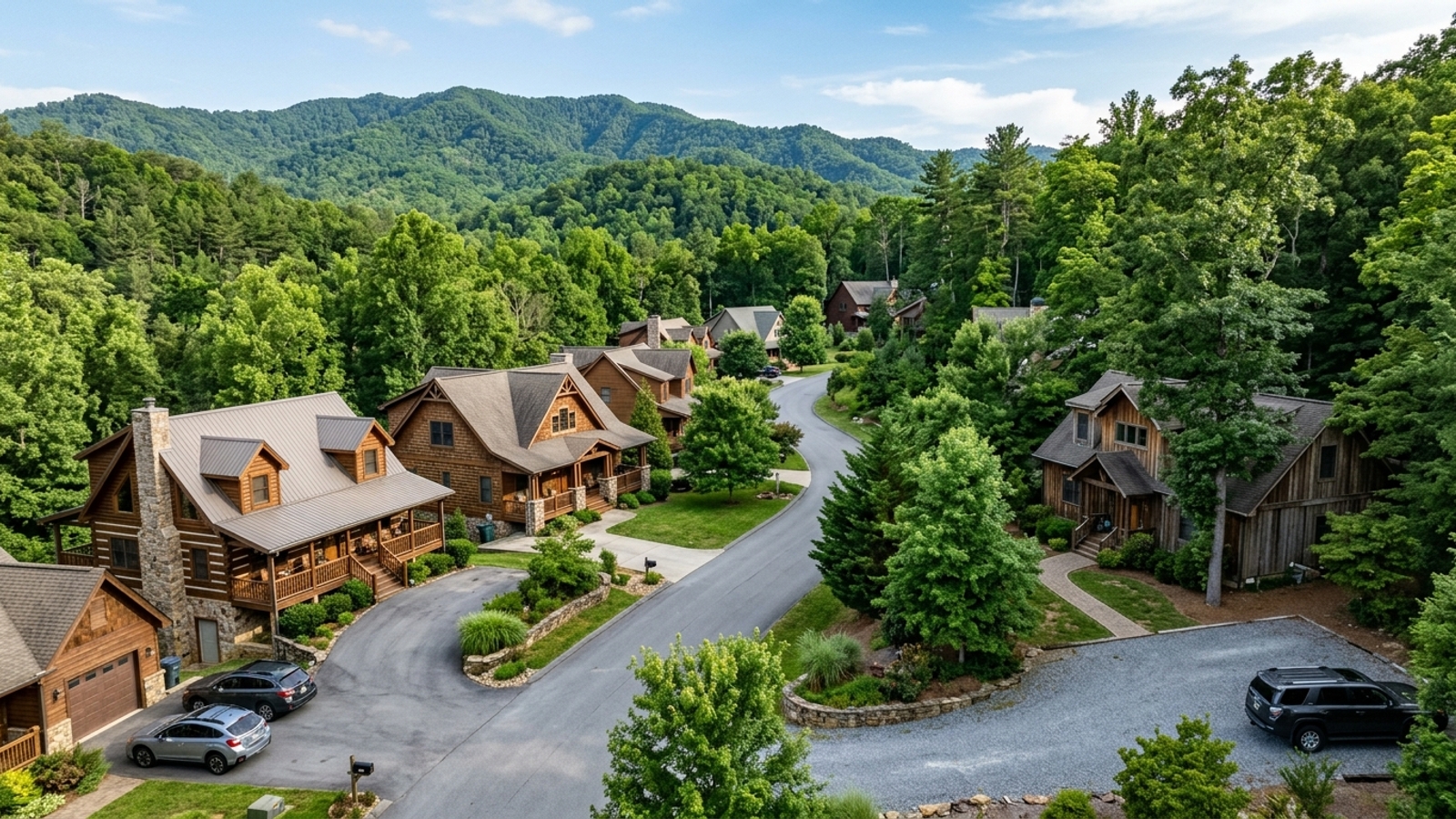
The Gatlinburg, TN real estate market is sitting at a median sale price of roughly $802,500, with homes averaging about 90 days on the market. There are 267 active listings right now, so those buying a short-term rental in Gatlinburg, TN have real choices – but the purchase process here requires looking beyond price per square foot. Municipal code matters, and you need to understand it before you make an offer.
Operating a vacation property means following rules set by both the City of Gatlinburg and Sevier County. Zoning laws, permitting costs, and tax rates all belong in your budget from day one.
How Gatlinburg Defines a Short-Term Rental
The City of Gatlinburg treats any stay shorter than 90 continuous days as a short-term or tourist residency rental. In practice, that means each individual booking is capped at 89 days or fewer.
There’s no annual ceiling on total nights rented. Unlike some cities that cut you off after 90 or 180 nights per year, Gatlinburg lets you book year-round – as long as each reservation stays under that 90-day threshold.
Some markets treat non-owner-occupied rentals as a separate, restricted category. Gatlinburg doesn’t. Both owner-occupied and non-owner-occupied properties can operate legally, provided the property sits in an approved zoning district and carries the right permits.
Zoning and Location Restrictions
Before you fall in love with a specific property, pull the zoning map. Gatlinburg’s Zoning Ordinance controls exactly where a vacation rental can legally operate, and running a tourist residency requires either a conditional use permit or standard zoning compliance – depending on where the property sits.
The city divides neighborhoods into density zones, and not all of them allow transient occupancy. Buy in the wrong zone and you can’t legally list the place on Airbnb or VRBO. Full stop.
Permitted and Prohibited Zones
R-1A (Low-Density Residential) and R-2A (Medium Density Residential) are off the table for Tourist Residencies. Properties in those zones are limited to primary residences or long-term rentals.
Short-term rentals are permitted in R-1, R-2, and R-3 residential zones, as well as commercial zones C-1 and C-2, tourist commercial zones, and mixed-use developments.
Accessory Dwelling Units and Primary Residences
Some buyers come to the table looking for a property with an Accessory Dwelling Unit – live on one side, rent the other. That strategy can work here, but any secondary structure used for transient occupancy has to meet the same zoning requirements as the main house. Sevier County and Gatlinburg have specific building codes that apply.
If the property is in an approved zone like R-1 or R-2, you don’t have to live on-site. Investors can run a dedicated vacation rental without treating it as a primary residence.
The Permitting and Licensing Process
Every vacation rental operating within city limits needs an active Tourist Residency Permit. No permit means you’re violating municipal code, and fines follow.
The City of Gatlinburg’s Building and Planning Department handles applications. Call them at 865-436-7792 to verify whether a specific property already holds a permit or to ask about building requirements before you’re under contract.
Application Steps
The Tourist Residency Permit application lives on the City of Gatlinburg’s official government website. You’ll submit property details, proof of zoning compliance, and contact information for whoever will manage the unit.
One thing buyers miss: if you’re purchasing an existing rental, the seller’s permit doesn’t transfer to you. It’s tied to the property and the owner. You apply fresh, in your own name.
Permit Fees
A Tourist Residency Permit runs $200 per year for a unit with two bedrooms or fewer. Every bedroom beyond two adds $75 to that figure.
The permit renews annually at the same fee structure. There’s no discount for renewals – same math every year.
Taxes, Fees, and HOA Rules
Gatlinburg charges a 3% city Hotel/Motel lodging tax on every short-term rental booking. That’s the local piece, but it’s not the whole picture.
Stack that 3% city tax with a 7% Tennessee state sales tax and a 2.75% local option sales tax for Sevier County, and you’re looking at a combined lodging tax burden of 12.75% on every booking. That’s what gets collected and remitted.
Platform Collection vs. Host Collection
Booking platforms often collect and remit the state sales tax portion automatically. What they don’t always cover is the Sevier County and Gatlinburg city portions. Verify what your platform actually remits – don’t assume.
If those local taxes aren’t being remitted on your behalf, you’re filing monthly or quarterly returns with the city and county yourself. Miss that, and you’re looking at penalties and potential permit revocation.
Homeowners Association Guidelines
City zoning gives you the green light; an HOA can still shut you down. If the community’s Covenants, Conditions, and Restrictions ban rentals under six months, you can’t operate a tourist residency there regardless of what the zoning map says.
Read the HOA bylaws before closing – not after. Some governed communities in Gatlinburg do allow rentals but tack on annual fees or specific insurance requirements. Know what you’re agreeing to.
Frequently Asked Questions
Which zoning districts in Gatlinburg allow short-term vacation rentals?
Tourist Residencies are permitted in R-1, R-2, and R-3 residential zones, as well as C-1, C-2, tourist commercial, and mixed-use developments. They are prohibited in R-1A (Low-Density Residential) and R-2A (Medium Density Residential) zones.
What are the steps to apply for a Tourist Residency Permit in Gatlinburg?
You apply through the City of Gatlinburg’s Building and Planning Department via their official government website. For questions about the application, contact the department directly at 865-436-7792.
How much are the annual permit fees and local taxes for Gatlinburg hosts?
The annual permit fee is $200 for a unit with up to two bedrooms, plus $75 for each additional bedroom. Hosts must also collect and remit a combined 12.75% lodging tax – made up of a 3% city tax, a 7% state tax, and a 2.75% Sevier County tax.


