

 Facebook
 X
X
 Pinterest
 Copy Link
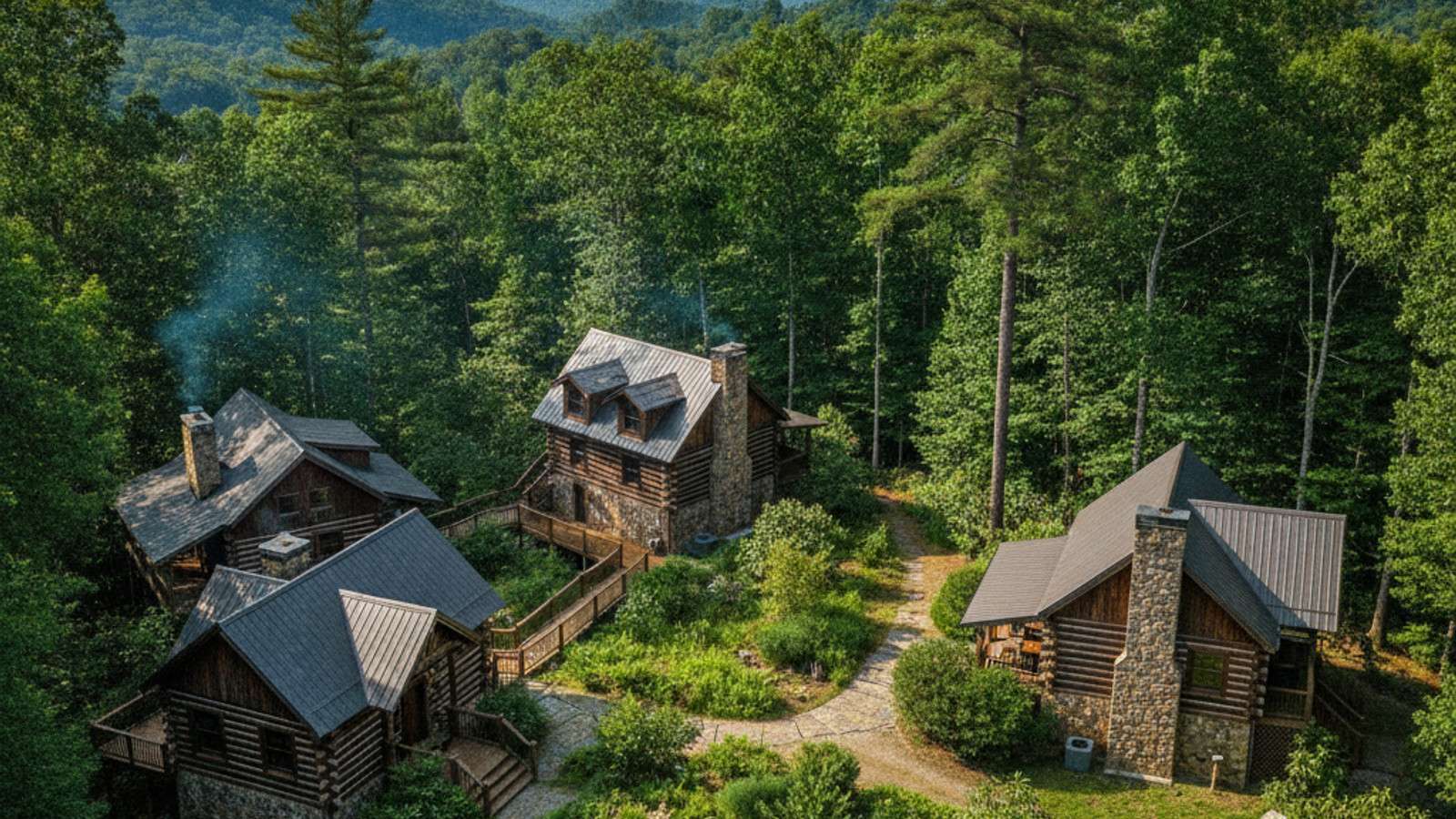
Gatlinburg, TN currently sees median home sale prices around $802,500, with a housing market driven by tourism and vacation rentals. Available inventory sits at about 267 properties, including Chalet Village Gatlinburg homes for sale. The local real estate landscape features a 13.4-month supply of housing – ample inventory, but prices remain elevated compared to historical norms.
Relocating here means balancing the appeal of the Great Smoky Mountains against the realities of a busy tourist economy. Before you commit, you’ll want to look closely at housing costs, commute times, and natural hazard exposures. The objective data sets clearer expectations than any brochure will.
The Quick Verdict on Gatlinburg, TN
If you’re trying to decide whether Gatlinburg makes sense for you, three things are going to drive that conversation: housing costs, daily commute patterns, and what the local climate actually means for your property. The broader cost of living index sits below the national average, but the real estate market itself is a different story – short-term rental demand keeps prices elevated.
Homes currently spend about 90 days on the market, which is slower than most urban centers. That’s useful to know if you’re timing a purchase or a sale.
Pros at a Glance
The overall cost of living index is recorded at 84.3, which is a meaningful gap below the national average. You’ve got immediate access to state and national parks, and Tennessee’s lack of a state income tax is a real financial benefit. Local amenities lean heavily toward outdoor recreation and dining, and Knoxville is close enough – within an hour’s drive – to cover major medical and retail needs.
Cons at a Glance
The median home price is high, largely because so much of the inventory is investment property rather than primary residences. Flood and fire hazards are genuine concerns here, not boilerplate disclosures, and they affect what you’ll pay for insurance. Seasonal tourist traffic will affect your daily errands more than you expect. The local economy concentrates in hospitality and property management, so job diversity outside those sectors is limited.
Factors to Weigh Before Moving
The 23.6% year-over-year increase in median sale prices is a number worth sitting with when you’re mapping out a long-term housing budget. Properties generally sell for about 95.9% of list price, which tells you there’s some room but not a lot. Factor in hazard insurance premiums early – they’re not an afterthought here, they’re a line item.
Where Is Gatlinburg and What County Is It In?
Gatlinburg sits in Sevier County along the eastern edge of Tennessee, right at the entrance to the Great Smoky Mountains National Park. The town covers 10.4 square miles of mountain terrain, and Route 441 is the main artery connecting residents to the rest of the county and to nearby cities.
It’s a genuinely scenic location. It’s also one where geography shapes everything from your commute to your insurance rate.
Sevier County and Knoxville Access
Knoxville is the nearest major city, about an hour’s drive northwest. That’s where most residents go for specialized healthcare, McGhee Tyson Airport access, and larger retail. If you’re working outside the immediate tourism district, you should mentally add that drive time to your daily routine now, before you buy.
Mountain topography and seasonal traffic make the route feel longer on certain days than the mileage suggests.
Population and Town Size
Census Reporter estimates Gatlinburg’s year-round population at 3,663 people – a density of roughly 350.9 people per square mile. The town saw its permanent population decrease about 10.9% between 2010 and 2020, then tick back up 4.14% between 2020 and 2023. Small numbers on paper. In practice, the daily population swells considerably with visitors, which is something you’ll feel the moment you try to run a quick errand on a Saturday in October.
Gatlinburg Crime Statistics and Data
The Gatlinburg Police Department is the primary law enforcement agency here. They handle reporting for the town but don’t publish detailed statistics directly on their own website. For actual numbers, the FBI Crime Data Explorer aggregates what the Gatlinburg Police Department submits – that’s where you want to go, not third-party neighborhood ranking sites that often don’t explain their methodology.
How Crime Rates Are Measured Here
According to the FBI Crime Data Explorer, Gatlinburg recorded 725 violent crimes and 738 property crimes between 2019 and 2024. The average violent crime rate over that period was 351.4 per 100,000 residents – a figure that sits 230.9% above the national average.
That number looks alarming until you understand how it’s calculated. Crime rates are based on the permanent population of 3,663, not the millions of annual tourists who move through the area. When your denominator is that small, the rate inflates significantly. That context doesn’t change the data, but it does change how you read it.
Where to Find Official Local Data
If you want street-level or address-specific information, contact the Sevier County Sheriff’s Office or the Gatlinburg Police Department directly. The FBI’s National Incident-Based Reporting System (NIBRS) is also a primary tool for researching property and violent crime trends. Pull the raw data and draw your own conclusions.
Cost of Living and Housing Prices
As of May 2026, the median home sale price in Gatlinburg sits around $802,500 – up 23.6% year-over-year. That’s a significant jump, and it reflects real demand in this market. At the same time, the broader cost of living index for Gatlinburg was recorded at 84.3, which places it below the national average of 100. Groceries, utilities, and transportation are pulling that number down even as real estate pushes it the other way.
Home Prices and Rent
Current inventory is around 267 homes for sale, with just 20 homes sold in a recent monthly period. Homes generally sell for about 95.9% of list price, and the 13.4-month supply of housing tells you there’s more inventory than immediate buyers to absorb it.
Census data reports a median gross rent of $1,138 in the area, though if you’re trying to lease long-term, you’re competing with the short-term vacation rental market for the same units. That’s a real friction point for renters here.
Overall Cost of Living
Census data places the median property value at $332,000, though current market transactions are running considerably higher than that. Tennessee’s lack of a state income tax does help offset some of the housing cost. Day-to-day expenses are relatively moderate – the things that can surprise you are winter utility bills and property insurance premiums, both of which warrant a careful look before you close.
Gatlinburg Population and Community Details
Gatlinburg has just under 4,000 permanent residents. The community’s identity is shaped by the national park on one side and a steady stream of visitors on the other – the two realities aren’t really separable here. Civic life centers on the downtown district and county-wide events in Sevier County, and year-round residents share roads, utilities, and commercial infrastructure with a visitor population that dwarfs them in numbers.
Age Profile and Demographics
Census data shows a median age of 42. About 13.7% of the population is under 15, and 16% falls between 15 and 24. Adults aged 25 to 44 make up 23.7% of the town, those aged 45 to 64 account for another 23.7%, and residents 65 and older represent roughly 22.9% of the community.
Local Income Statistics
The median household income in Gatlinburg is $53,475, according to recent Census estimates. That’s about 80% of the median income in the broader Sevierville, TN micro area, which sits at $62,581. Measured against the Tennessee state median of $69,595, Gatlinburg’s figure is roughly three-quarters of the statewide number. The local economy is service and hospitality-driven, and the income data reflects that directly.
Climate, Amenities, and Things to Do
Gatlinburg has a mountain climate – warm summers, cold winters, and occasional snow. That’s the appealing version. The less-discussed version is that the local geography also means real flood and fire exposure, which affects both what you’ll pay to insure a property and how carefully you should read a hazard disclosure. Research specific property elevations and historical fire boundaries when you’re touring; it matters here more than in most markets.
Climate and Natural Hazards
The town sits in a densely forested valley, which means wildfire risk is not hypothetical. Historical events have shaped local building codes and insurance requirements for new construction. Properties near the Little Pigeon River or its tributaries carry flood risk as well. Request full hazard disclosures and check FEMA flood maps during the inspection period – don’t leave that to the last minute.
Local Parks and Civic Life
Gatlinburg is the primary gateway to the Great Smoky Mountains National Park, with hundreds of miles of hiking trails accessible year-round. The downtown Parkway has dozens of dining options, attractions, and retail stores. Those businesses exist for visitors, but residents use the same infrastructure – and for a town of about 3,600 people, the volume of restaurants and entertainment options available is genuinely unusual.
Gatlinburg vs Nearby Alternatives
Buyers looking at eastern Tennessee typically weigh Gatlinburg against Knoxville or neighboring towns like Pigeon Forge. Each market offers a different tradeoff between housing cost, commute convenience, and how much tourist traffic you’re willing to fold into your daily life. Gatlinburg is a mountain resort environment; Knoxville is a traditional mid-sized city. Those aren’t interchangeable preferences.
Comparing Gatlinburg to Knoxville
Knoxville brings a broader employment base outside of hospitality, larger healthcare networks, and university amenities. The commute from Gatlinburg runs about an hour under normal traffic conditions – more during peak seasons. Housing styles differ, too: Gatlinburg skews toward cabins and investment properties, while Knoxville has the kind of traditional single-family subdivisions that many buyers relocating from other metros are used to. If you’re timing a purchase in Gatlinburg, keep that 13.4-month housing supply in mind.
Local Amenities by Life Stage
Gatlinburg provides public education and localized healthcare clinics for its year-round residents, with Sevier County managing the larger administrative and educational facilities. One practical thing new residents figure out quickly: you’ll want to learn the secondary roads. Routing around the main tourist corridors to reach grocery stores, pharmacies, and municipal buildings is just part of daily life here.
Sevier County R-1 School District
Gatlinburg is part of the Sevier County R-1 School District. The public school system serving the immediate area includes two elementary schools, one middle school, and one high school. Verify exact boundary lines with the district office before you buy – school assignments can vary based on where a property sits within Sevier County, and it’s worth confirming rather than assuming.
Healthcare and Dining
Basic medical clinics and urgent care centers are available within Gatlinburg and neighboring Pigeon Forge. For major procedures or specialized care, you’re making that drive to Knoxville. The dining scene, on the other hand, is a genuine local benefit – dozens of casual steakhouses and pancake cabins, serving a visitor base that keeps restaurants open and varied in a way you wouldn’t normally find in a town of 3,600 people.
Frequently Asked Questions
What is the true cost of living in Gatlinburg, TN compared to the national average?
The overall cost of living index in Gatlinburg is 84.3, which is below the national average of 100. Housing costs are the outlier – median sale prices are around $802,500 as of mid-2026. Everyday expenses like groceries and utilities remain relatively moderate.
How bad is the tourist traffic for full-time residents living in Gatlinburg?
Traffic along Route 441 and the downtown Parkway gets congested during peak summer months and fall foliage seasons. Full-time residents typically rely on secondary mountain roads to bypass the main commercial strips. Commute times to Knoxville or Sevierville will fluctuate based on the tourist season.
Is it hard to get homeowners insurance in Gatlinburg due to wildfire risks?
It depends on the specific location and hazard exposure of the property. Local market analysis notes that fire and flood exposure are real factors in the area. Get insurance quotes early in the transaction – don’t wait until you’re under contract to find out what premiums look like.
Do mountain homes in Gatlinburg have reliable high-speed internet for remote work?
Internet reliability varies significantly depending on the home’s elevation and distance from the town center. Properties closer to the downtown Parkway generally have better access to broadband services. Verify connection speeds with local providers before purchasing a remote cabin.
Should I buy a house in Gatlinburg or Pigeon Forge for year-round living?
It depends on your housing preferences and tolerance for traffic. Both towns are part of Sevier County and experience heavy tourism, but Gatlinburg offers more mountain terrain and direct national park access. Compare available inventory and property types in both markets before deciding.
Are there good job opportunities in Gatlinburg outside of the tourism and hospitality industries?
The local economy is dominated by tourism, short-term rentals, and hospitality services. The median household income is $53,475, which reflects this service-based market. Professionals seeking corporate or industrial roles typically commute to Knoxville.
How do local homeowners deal with frequent black bear encounters in Gatlinburg neighborhoods?
Black bears are common in Gatlinburg given the town’s border with the Great Smoky Mountains National Park. Homeowners manage this by using bear-proof trash receptacles and securing outdoor food sources. Local ordinances prohibit feeding wildlife.


