

 Facebook
 X
X
 Pinterest
 Copy Link
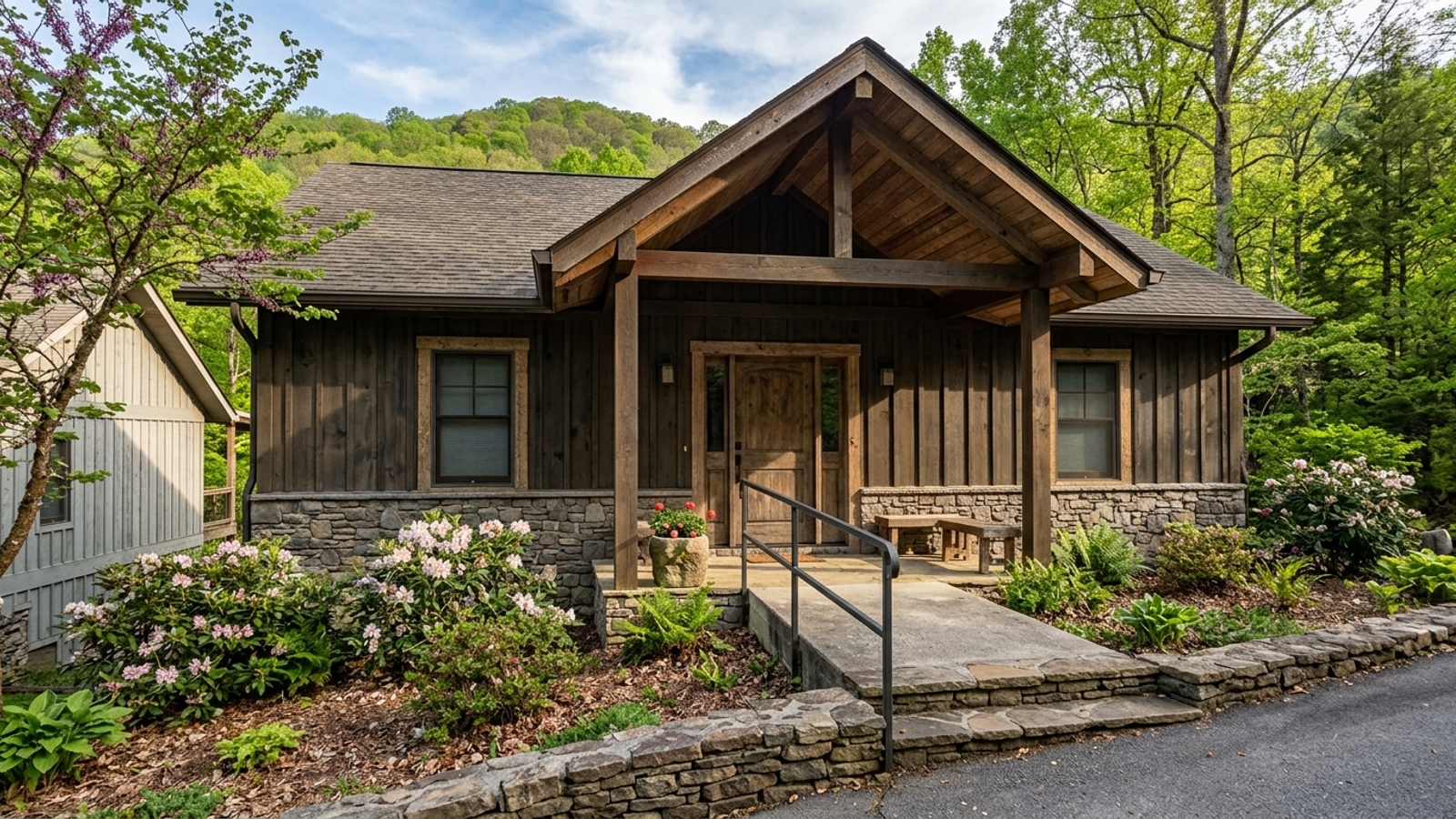
For those weighing the pros and cons of living in Gatlinburg, TN, the median home sale price is around $475,000 right now, with 14.3 months of supply and 319 active listings sitting on the market. Homes are averaging about 62 days before going under contract, so you’re not rushing into anything.
That said, if you’re specifically hunting for a dedicated senior community, the picture changes. There are no age-restricted 55+ communities within Gatlinburg’s city limits – none. Buyers and renters who want that kind of setup typically expand their search to Sevierville, where you’ll find active-adult apartments and independent living facilities.
Gatlinburg Senior Living at a Glance
Tennessee’s statewide average HOA fee runs about $150 per month, but condo buyers in Gatlinburg regularly see higher dues depending on what the building offers. That gap matters when you’re on a fixed income and comparing a standard condo against a dedicated senior facility with bundled services.
The broader Sevier County area does fill the gap that Gatlinburg itself leaves. You’ll find several housing arrangements for older adults there, ranging from standard independent rentals to income-restricted senior apartments.
Housing Types Available to Seniors
If low-maintenance living is the goal, many retirees simply buy a standard condo in Gatlinburg and use it as their primary residence. Buildings like Gatlinburg Chateau and LeConte Towers East offer elevator access and exterior maintenance – they just don’t restrict residents by age.
Buyers who want dedicated senior programming look toward Sevierville for 55+ rental communities. These properties group residents of similar ages and typically include accessible unit designs alongside shared gathering spaces.
How the 80/20 Age Rule Works
The Housing for Older Persons Act sets the standard for how communities maintain their age-restricted status. Under the 80/20 rule, at least 80% of occupied units must have at least one resident who is 55 or older.
Management has the legal right to enforce that ratio and can turn away younger applicants if the percentage drops too close to the threshold. Before you submit an application anywhere, ask the property manager where they currently stand on that number.
Senior Living Categories in the Area
Gatlinburg homes are selling for an average of 96% of their list price – even with the current inventory, sellers aren’t giving property away. Retirees who are cashing out of large single-family homes often use that equity to step into one of the specialized housing categories below.
Knowing the difference between independent living, assisted living, and lifetime care will save you a lot of wasted tours. Each one covers a fundamentally different level of daily support.
Active-Adult and Independent Living
Active-adult communities are built around lifestyle, not healthcare. Residents live completely independently – in apartments or single-family homes – and the draw is usually the clubhouses, fitness centers, and organized social events, not medical services.
Independent living facilities work similarly but often bundle meals, housekeeping, and transportation into the monthly rent. They’re designed for seniors who don’t need medical supervision but want the daily maintenance handled for them.
Assisted Living and Senior Apartments
Assisted living facilities employ staff to help residents with bathing, medication management, and daily dressing. The monthly rates are higher because they cover 24-hour on-site care and specialized medical support – that’s the trade-off.
Senior apartments are a different animal. They’re standard rental complexes with age restrictions but far fewer built-in services than assisted living. Some operate under income restrictions to keep them affordable for older adults.
Continuing Care Facilities
A Continuing Care Retirement Community – a CCRC – lets residents move from independent living through assisted living and into skilled nursing care without ever leaving the campus. There are no CCRCs operating directly in Gatlinburg, so if that’s what you need, you’re looking elsewhere in Tennessee.
The structure involves a large upfront entrance fee tied to a lifetime care contract, plus regular monthly dues on top of that. The appeal is obvious: your care is guaranteed long-term, and you’re not forced to relocate as your health changes.
Nearby 55+ Communities to Consider
Since Gatlinburg itself is largely vacation rentals and standard residential neighborhoods, Sevierville is where the senior-specific housing is. If you’re set on renting in a 55+ community, that’s your starting point.
It’s a short drive, and the proximity to the Smoky Mountains doesn’t change much. You’re still in the same general area – just not inside Gatlinburg’s city limits.
Sevierville Rental Communities
Breckenridge Apartments and LeConte Terrace Apartments are two established senior rental communities operating near Gatlinburg. Both require prospective tenants to call directly for current pricing and availability.
Woodland Park Apartments and Riverview Apartments – also known as Renaissance Square – round out the senior housing options in Sevierville. All four cater to older adults who want to stay close to the Smokies without the maintenance burden of homeownership.
Income-Restricted Options
Under HUD’s Section 202 program for Tennessee seniors, “very low income” means household income below 50% of the area median income. “Low income” extends up to 80% of the area median income.
Low-Income Housing Tax Credit (LIHTC) senior housing typically caps eligibility at 50% to 60% of the area median income. Applicants for these units will need to provide tax returns and bank statements to document where their income lands.
The Chalet Village Area
Buyers who want to stay within Gatlinburg often look at Chalet Village in the northern part of the city. It’s not age-restricted, but it offers mountain views and reasonable proximity to downtown.
One thing worth knowing before you fall in love with a listing there: homes in Chalet Village often feature steep driveways and multiple levels. If mobility is a factor for you now – or might be in a few years – walk the property carefully before you commit. Retirees who do buy in Chalet Village frequently hire local property management companies to handle seasonal maintenance and landscaping.
The Cost of 55+ Living in the Region
Monthly rents for 55+ rental communities serving the Gatlinburg area generally run from $1,500 up to $3,200, depending on unit size and what’s included. That’s a wide range, and the difference between the low and high end usually comes down to amenities and services.
Seniors comparing those rental figures to homeownership costs need to factor in property taxes, maintenance, and HOA fees. Gatlinburg condo buildings carry diverse fee structures, and those numbers can move around over time.
HOA Dues and Facility Entrance Fees
At Gatlinburg Chateau, monthly HOA fees run roughly $244 to $351. At LeConte Towers East, they climb to between $526 and $777. The range across buildings is significant, and it should be part of your budget math before you make an offer.
If you’re looking at CCRCs elsewhere in Tennessee, brace yourself: entrance fees for lifetime care contracts range from $160,000 to $600,000, with monthly fees charged on top of that. That’s a different financial conversation entirely.
Medicare and Healthcare Costs
Medicare doesn’t cover room and board in an assisted living facility or a standard senior apartment. It only pays for specific, short-term skilled nursing care or approved medical therapies – a distinction that catches a lot of people off guard.
Seniors paying for assisted living typically draw on private savings, long-term care insurance, or proceeds from selling a primary residence. Those who exhaust their assets may qualify for Medicaid programs that help cover specific care services, though which facilities participate varies.
Pros and Cons of Age-Restricted Housing
About 7.5% of homes sold in Gatlinburg recently closed above list price, so even with the inventory available, well-priced properties still see competition. If you’re selling a family home to fund a move into senior housing, that’s useful context.
The decision to move into a 55+ community reshapes your daily environment and your financial obligations. It’s worth sitting with both the benefits and the trade-offs before you sign anything.
Advantages of Senior Communities
Age-restricted communities limit younger residents and children, which translates to a quieter day-to-day environment. The amenities – fitness classes, accessible walking paths – are designed specifically for older adults rather than retrofitted as an afterthought.
Most of these communities also handle all exterior maintenance, lawn care, and snow removal. If you want to travel or simply not think about the yard, that’s a real quality-of-life benefit.
Drawbacks to Consider
The rules in a 55+ community govern who can live on the property and, to a degree, who can visit. Grandchildren are generally welcome, but HOA rules place strict limits on how many consecutive days they can stay.
Ongoing monthly fees are the other sticking point – they can increase over time, and a fixed retirement income doesn’t always keep pace. Standard 55+ communities also don’t provide on-site medical care, which means if your health needs change, you’ll likely need to move again.
Touring and Choosing a Facility
With 319 homes currently on the market in Gatlinburg, you have a solid baseline for comparison as you tour senior facilities in Sevierville. Seeing multiple properties in person is the fastest way to understand what your monthly budget gets you.
Photos don’t tell you whether the hallways smell like deferred maintenance or whether the staff knows the residents’ names. Schedule formal tours and come with a list of specific questions.
Questions to Ask on Your Tour
Ask the property manager for a complete breakdown of all monthly fees – not just the headline rent or HOA figure. Then ask for a history of recent fee increases, because what you pay at move-in isn’t necessarily what you’ll pay in three years.
Confirm the community’s exact age restrictions and ask where they currently stand on the 80/20 ratio. Before you leave, pin down exactly which exterior maintenance tasks fall to management and which ones land on you.
Frequently Asked Questions
Is Gatlinburg, TN a good place to retire?
Gatlinburg offers mountain views, ample housing inventory, and proximity to the Smoky Mountains. Because there are no age-restricted 55+ communities within the city limits, though, retirees seeking dedicated senior housing usually end up looking to neighboring Sevierville.
What is the 80/20 rule in a 55+ / retirement community?
The 80/20 rule requires that at least 80% of occupied units in a 55+ community have at least one resident who is 55 or older. Property managers enforce this federal guideline to maintain the community’s legal age-restricted status.
What is the average rent for 55+ apartments in Gatlinburg?
Senior rental communities serving the Gatlinburg area – primarily located in Sevierville – list monthly rents ranging from $1,500 to $3,200. Properties like Breckenridge Apartments and LeConte Terrace Apartments require prospective tenants to call for current pricing.
What is the average entrance fee for a CCRC in Gatlinburg?
There are no Continuing Care Retirement Communities operating directly in Gatlinburg. For Tennessee as a whole, CCRC entrance fees range between $160,000 and $600,000 for lifetime care contracts, plus regular monthly fees.
Is it better to rent or buy in a Gatlinburg 55+ community?
Renting in nearby Sevierville provides flexibility and avoids the property taxes and HOA dues that come with homeownership. Buying a standard condo in Gatlinburg builds equity, but factor in monthly HOA fees that can range from $244 to over $777.
What is the downside of a 55+ community in Gatlinburg?
The main drawback is the absence of dedicated 55+ communities within Gatlinburg’s city limits, which means moving to a neighboring town for age-restricted living. Strict HOA rules also limit how long younger family members and grandchildren can stay on the property.
What should I look for when touring a retirement community in Gatlinburg?
Look closely at the physical accessibility of the units and ask for a detailed history of rent or fee increases. Confirm exactly which maintenance tasks property management covers and which ones fall to you.
Should retirees consider other mountain towns instead of Gatlinburg?
Buyers looking for mountain views often evaluate the differences between Gatlinburg and Asheville before making a move. Gatlinburg provides easy access to the Smokies, but those wanting age-restricted neighborhoods must expand their search to nearby towns.
Do neighboring towns offer better senior living options than Gatlinburg?
Anyone evaluating the lifestyle in Gatlinburg versus Pigeon Forge should note that Gatlinburg consists mostly of vacation rentals and standard residential properties. Retirees seeking dedicated senior programming typically focus their housing search on Sevierville instead.


