

 Facebook
 X
X
 Pinterest
 Copy Link
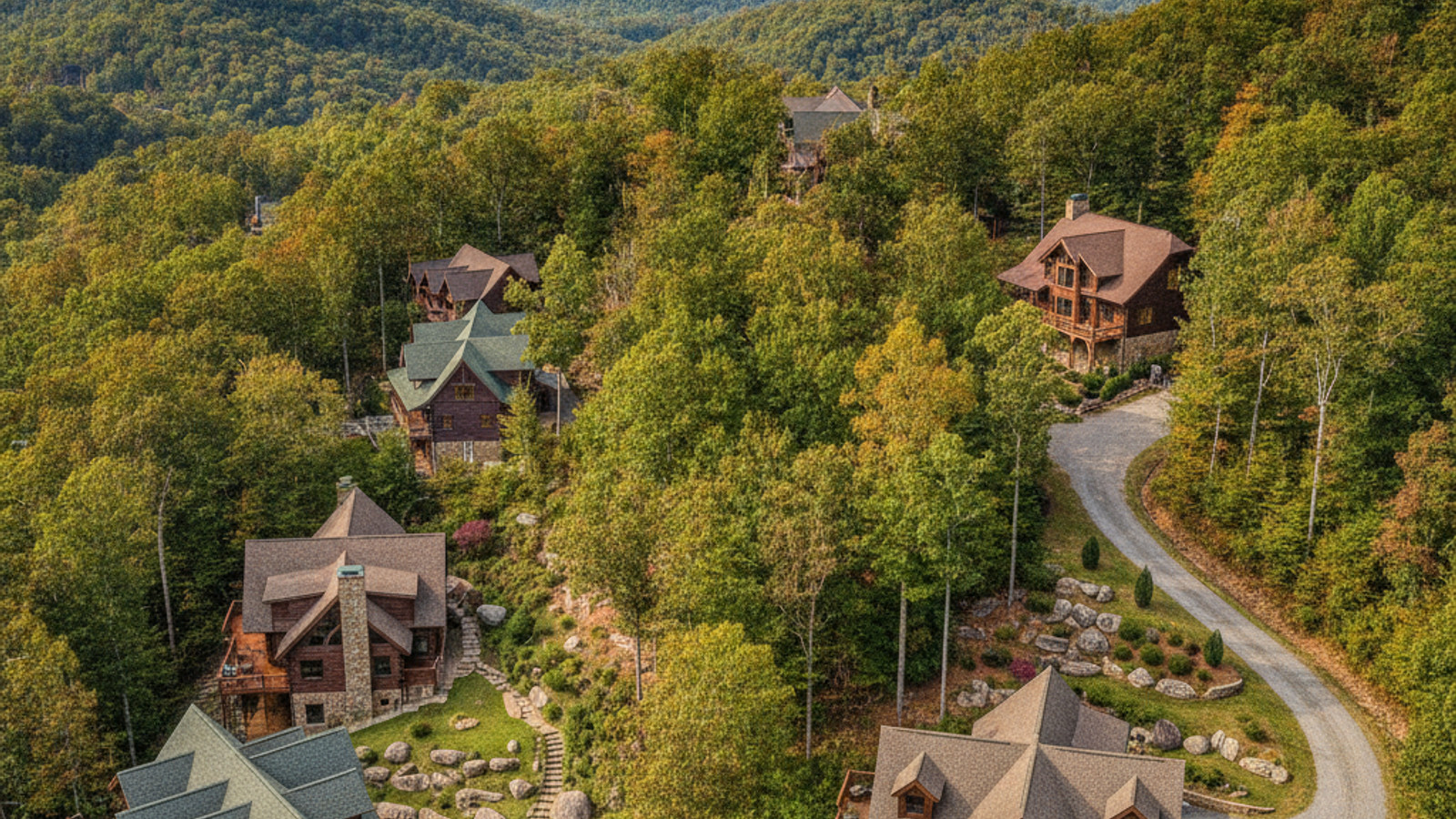
Gatlinburg, TN, sits at the doorstep of the Great Smoky Mountains National Park, and that one geographic fact drives almost everything about buying here. As of mid-2026, the median home sale price across Gatlinburg, TN zip codes is around $802,500 – a number that reflects how seriously the market prices that park access.
If you’re coming from out of state, the geography will surprise you a little. This isn’t flat land with clean grid roads. The terrain dictates how the area connects to neighboring towns and major commercial centers, so mapping these routes saves you from setting expectations that don’t hold up once you’re actually driving these routes.
Exact Location and Geography
Gatlinburg sits entirely within Sevier County, Tennessee, pressed right up against the northern border of the Great Smoky Mountains National Park. The park isn’t background scenery here – it’s the reason the city exists, and it shapes the land in ways that matter practically. Steep ridges and densely wooded terrain are the norm, not the exception. When you’re evaluating a property, elevation and slope aren’t just aesthetic considerations. They affect a home’s foundation requirements, driveway access, and what kind of maintenance you’re signing up for.
There are no interstate highways running directly through the city limits. The area is served by state and U.S. routes that weave through the mountainous landscape, which means residents depend on specific parkways for everyday travel – full stop.
State and County Lines
Because the city falls entirely within Sevier County, you’ll pay Sevier County property taxes on anything you buy here. Some buyers widen their search across county lines to compare tax rates, which is reasonable, but staying in Sevier County keeps you closest to the park.
The city’s southern edge borders federal land. That hard boundary limits new construction and restricts how far south residential development can go – which is exactly why homes near that border tend to carry premium price tags. Inventory doesn’t grow there.
Access Roads and Highways
The two main roads serving the city are US Route 441 – also known as the Great Smoky Mountains Parkway or Newfound Gap Road – and US Route 321. Most drivers arrive via I-40 Exit 407 near Kodak, TN, then follow TN-66 South through Sevierville before merging onto US-441 into the city.
During peak summer and fall tourist seasons, these two-lane and four-lane parkways get genuinely congested. If you’re considering a home along one of these main corridors, factor seasonal traffic into your daily schedule before you fall in love with a property. Homes on secondary roads often give you quieter access when the parkways are backed up.
Commute Times to Nearby Hubs
Knoxville, TN, is the closest major metro – roughly 39 miles to the northwest. For anyone who needs regular access to a larger city for work or specialized medical care, that’s your destination. The drive normally takes about an hour and 13 minutes, depending on the route.
That number shifts considerably depending on the time of year and time of day. An early morning trip might run 45 minutes. The same drive on a summer weekend can push past 75 minutes. Test these routes at different times before you decide where in the area you want to be.
Driving to Knoxville
Commuters typically take US-441 North to connect to I-40 West. I-40 and I-75 intersect in Knoxville, which opens up connections to other regional hubs. The practical reality is that the interstates are about an hour away once you clear the parkway – so daily commuting requires building in time for that first leg before you ever hit the interstate.
Most residents don’t make the Knoxville trip every day. Hybrid workers who drive in a few times a week often look specifically at properties on the northern edge of the city to trim a few minutes off each way.
Nearest Commercial Airport
McGhee Tyson Airport (TYS) in Alcoa, TN, sits just south of Knoxville and is the closest major commercial airport – approximately 41 miles away, about an hour’s drive under normal traffic.
If you’re planning to use your property as a secondary residence and fly in regularly, that’s a workable distance. Map the route from Alcoa to your specific neighborhood, though. Door-to-door time depends on exactly where the property sits.
Neighboring Towns in Sevier County
Pigeon Forge, Sevierville, Pittman Center, and Cosby all offer different real estate options within Sevier County, and understanding them puts the Gatlinburg price point in context.
Prices spread considerably across these towns. Gatlinburg’s median sits at $802,500. Pigeon Forge comes in around $510,000. Sevierville runs between $365,000 and $400,000, which makes it the most common alternative for buyers who want a lower entry point into the county.
Nearby Communities
Pigeon Forge sits immediately to the north along US-441, functioning as a commercial corridor between the national park and the interstate. Sevierville is further north – the county seat, with more traditional residential neighborhoods and the bulk of the county’s municipal services and shopping.
East of Gatlinburg, Pittman Center and Cosby are a different world. Lower housing density, more acreage per property, a quieter character. Buyers who want space and privacy without a busy parkway out front tend to look that direction.
Property Types Across the Area
Gatlinburg and Pigeon Forge carry high concentrations of log cabins and mountain-style homes built with short-term rental use in mind. Sevierville skews toward standard single-family subdivisions, townhomes, and long-term residential housing.
Pittman Center and Cosby offer a mix of older farmhouses, large land tracts, and custom mountain retreats. The right town depends on what you’re actually planning to do with the property – full-time residency, part-time vacationing, and short-term rental all point toward different communities.
The Local Housing Market
As of mid-2026, there are about 267 active listings in Gatlinburg. Homes are spending roughly 90 days on the market before selling – slower than most urban markets, which gives you some room to think. Sellers are receiving about 95.9% of their list price.
That pricing dynamic is driven by the city’s proximity to the national park entrance and downtown. Buyers are paying a premium per square foot here compared to the rest of Sevier County, and knowing that going in helps you build a realistic budget before you start touring.
Prices and Inventory
The $802,500 median reflects a market weighted toward investment-grade cabins and luxury mountain homes. With 13.4 months of supply currently available, the market leans slightly toward buyers – meaning homes that have sat past that 90-day median often have some negotiating room.
Don’t evaluate price in isolation. Mountain properties come with maintenance costs that don’t show up on the listing sheet: steep driveways, retaining walls, exterior wood finishes. Run those numbers alongside the purchase price.
Area Features and Geography
Steep inclines mean substantial foundation work and specialized drainage systems on many properties. A thorough inspection isn’t optional here – it’s the only way to understand what you’re actually buying on a hillside lot.
Water and sewer access varies by location. Downtown properties typically connect to municipal services. Homes higher on the ridges often rely on private wells and septic systems. Verify utilities during due diligence, every time, without exception.
Frequently Asked Questions
How far is Gatlinburg, TN from the nearest major airport for out-of-state property buyers?
Most buyers arrive via TYS, but the mountainous terrain means mileage doesn’t always equal minutes. If you plan to fly in often, rent a car and drive from the terminal to your target neighborhood during peak afternoon hours to gauge the true commute.
Is real estate more expensive inside Gatlinburg city limits compared to the rest of Sevier County?
The boundary with federal land creates a hard cap on available inventory, pushing prices up significantly. Buyers focused strictly on maximizing their square footage often shift their search northward into the county, where flatter terrain allows for larger subdivisions and more competitive pricing.
How does buying an investment cabin in Gatlinburg compare to neighboring Pigeon Forge or Sevierville?
The immediate park access here supports strong nightly rates, but the upfront purchase costs are steeper than in surrounding towns. Request trailing twelve-month revenue statements from sellers to weigh whether the higher occupancy near the park justifies the larger mortgage payment.
What should buyers know about steep mountain roads and winter access when choosing a property location in Gatlinburg?
Elevation changes dictate how easily you can reach a home between December and February. Ask your agent to verify who handles snow removal for the specific access road, and budget for specialized plowing if the property sits on a steep private drive.
How do short-term rental zoning laws differ based on exactly where a home is located in Gatlinburg?
Municipal rules govern properties inside city limits, while county regulations apply just beyond the border. Check the official zoning map and request a permit history during due diligence, as a home’s exact location determines whether you can legally operate it as a vacation rental.
Does a property’s proximity to the Great Smoky Mountains National Park entrance in Gatlinburg increase its rental income potential?
Cabins within walking distance of downtown or the main trailheads often see higher occupancy rates. However, review actual booking histories rather than relying on location alone, as amenities like indoor pools or mountain views also heavily influence revenue.


