 Facebook
 X
X
 Pinterest
 Copy Link
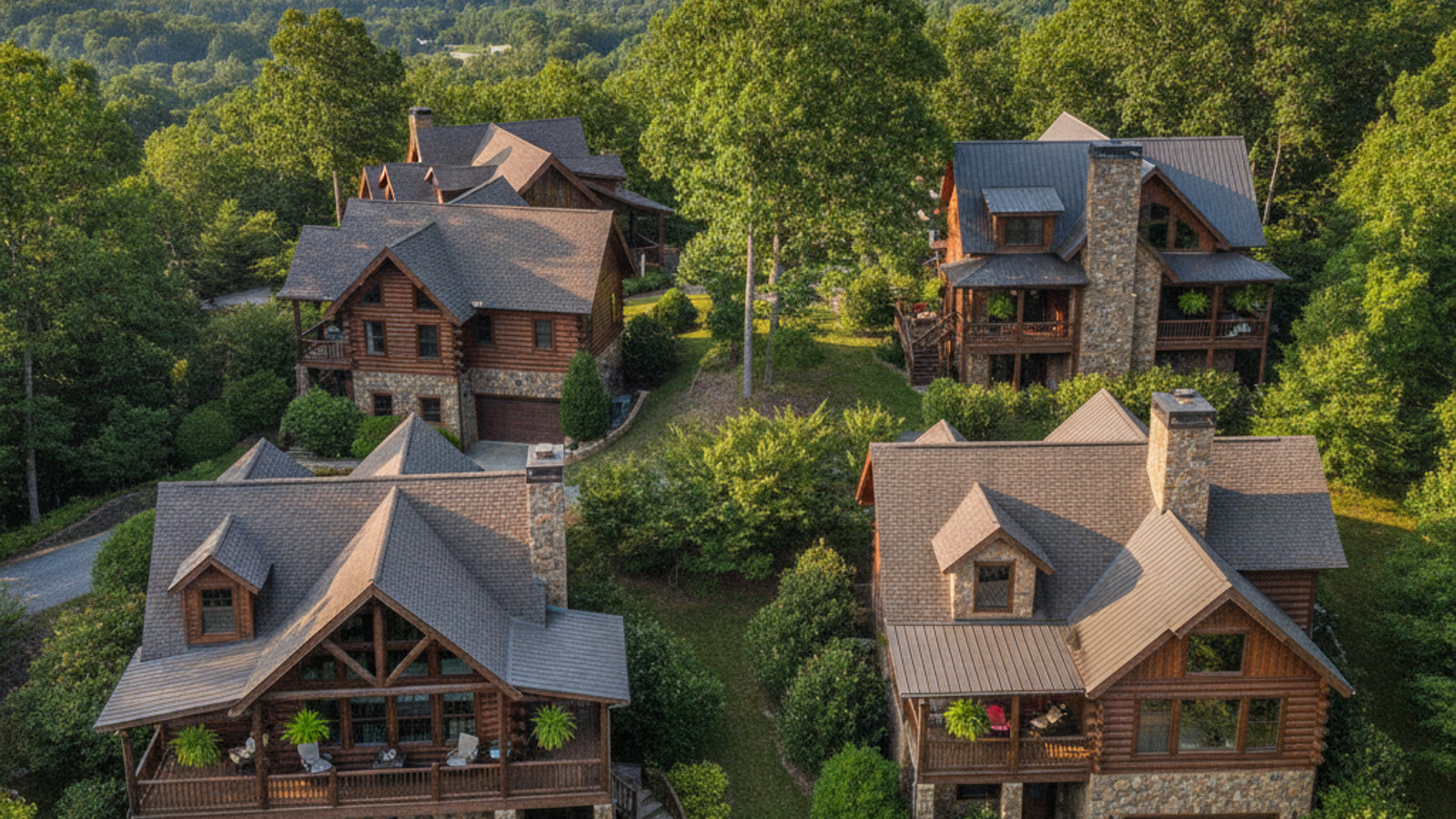
The median sale price for a home in Gatlinburg, TN is right around $802,500 as of mid-2026. The mountain views and the draw of the Smokies pull buyers from all over, but the listing price is only part of the story. What actually matters to your budget is the full monthly cost of owning the property – taxes, insurance, association dues, and the mortgage payment all have to fit together. Understanding these costs is one of the most important steps to buying your first home in Gatlinburg, TN.
Right now, homes are spending roughly 90 days on the market and there are about 267 available properties, so you have time to think. Use it to get your numbers straight before you fall in love with something.
Figuring Out Your Baseline Buying Power
Lenders determine how much they’ll lend you by looking at your debt-to-income ratio (DTI) – your gross monthly income measured against your required monthly debt payments, including the new mortgage. It’s the single most important number in the qualification process.
Most lenders want your total monthly debts to stay below a specific percentage of your income. Staying within those guidelines matters for approval and your own peace of mind once you’re actually in the house.
The 28/36 Rule
The benchmark most lenders still rely on is the 28/36 rule. It says no more than 28% of your gross monthly income should go toward housing expenses, and no more than 36% toward total debt.
Housing expenses, under this rule, include principal and interest on the loan, property taxes, homeowners insurance, and any HOA fees. Total debt is all of that plus auto loans, student loans, and minimum credit card payments. Everything counts.
Looking at Your Gross Monthly Income
Gross income is what you earn before taxes and deductions come out – and that’s the number lenders use, not your take-home pay. If you earn $100,000 a year, your gross monthly income is roughly $8,333. At 28%, your target maximum monthly housing payment would be about $2,333.
That ceiling sounds straightforward, but it compresses fast once you add local taxes and insurance into the mix.
Local Housing Costs in Sevier County
National affordability calculators are built on national averages, and national averages don’t mean much when you’re buying in Sevier County. The tax picture here is genuinely favorable, but insurance costs in Tennessee run above the national baseline. You need both numbers, not a blended estimate from a calculator that’s never heard of Gatlinburg.
Getting accurate local figures into your budget early prevents the kind of surprises that derail deals during underwriting.
Property Taxes in the Smoky Mountains
Sevier County carries one of the lowest effective property tax rates in Tennessee – roughly 0.31% of assessed home value, well below the state average of 0.55%. A big part of why: local tourism revenue offsets what residents would otherwise owe.
Within the county, city rates vary. Gatlinburg adds about $0.126 per $100 of assessed value on top of the county base. For a buyer looking at that $802,500 median price, those rates help keep the monthly escrow payment from becoming a problem.
Tennessee Homeowners Insurance
This is where the math works against you a little. Tennessee homeowners insurance runs higher than the national average, and estimates vary depending on the source and coverage level – anywhere from $2,240 to $4,220 per year. NerdWallet puts the state average at $4,220 annually; Insure.com cites averages closer to $3,045 for a standard $300,000 dwelling coverage policy.
Get quotes early. These premiums feed directly into your DTI calculation, and the gap between the low and high estimates here is wide enough to matter.
Homeowners Association Fees
A lot of properties in Gatlinburg – especially in planned developments and condo communities – come with mandatory HOA dues. Those fees cover shared amenities, road maintenance, and sometimes exterior building upkeep. Lenders have to include them when calculating your DTI.
A home can be well within your target price range and still push your total housing expense over the approval threshold once you add HOA dues. Don’t skip that line item.
Down Payments and Upfront Closing Costs
Your monthly payment is only half of the affordability question. You also need cash at the closing table for your down payment and loan origination fees, and those are two separate pools of money that don’t trade off against each other cleanly.
Putting down 20% eliminates the need for private mortgage insurance, but plenty of loan programs accept much less. The tradeoff is that borrowing more costs more over time.
First-Time Buyer Assistance in Tennessee
The Tennessee Housing Development Agency (THDA) offers the Great Choice Home Loan program for eligible buyers. It comes with down payment assistance through a Great Choice Plus second loan – buyers can receive up to $6,000, or choose a forgivable second mortgage up to $10,000 that’s forgiven after a 10-year term. There’s also an option for up to 5% of the sales price, capped at a maximum of $15,000, which can be applied to Gatlinburg purchases.
If you qualify, it’s worth understanding how each structure affects your long-term costs before you pick one.
Estimating Closing Costs and PMI
Closing costs typically run 2% to 5% of the purchase price, covering the appraisal, title search, recording fees, and lender origination charges. That’s a wide range on a home priced at $802,500, so budget toward the middle rather than the floor.
If your down payment is less than 20%, your lender will require private mortgage insurance (PMI). That monthly fee protects the lender if you default – and it counts against your 28% housing expense limit, tightening the ceiling you’re already working within.
The Impact of Current Mortgage Rates
Your interest rate shapes your monthly payment more than almost any other variable in this process. A half-percent shift in either direction can move your maximum purchase price by tens of thousands of dollars. That’s not a rounding error.
It’s worth monitoring current rates across different loan products, not just the 30-year fixed headline number. In a market like Sevier County, where prices are elevated, getting the rate right matters.
Fixed versus Adjustable Rates
A fixed-rate mortgage locks your rate for the full loan term – typically 15 or 30 years – which means your principal and interest payment never changes. For buyers who plan to hold the property long-term, that predictability has real value.
Adjustable-rate mortgages (ARMs) offer a lower introductory rate for a set period, such as five or seven years, before adjusting annually based on market conditions. An ARM can increase your initial buying power, but you need to plan for the possibility of higher payments once the adjustment period kicks in.
Getting Pre-Approved Locally
A pre-approval letter tells you – and every seller you approach – exactly how much a lender is willing to lend you based on your verified financial picture. Sellers in Gatlinburg expect to see it before they take your offer seriously.
With local homes selling for about 95.9% of list price on average, there’s some room to negotiate. A firm pre-approval is what gives you a credible ceiling to negotiate from.
Frequently Asked Questions
Can I use projected short-term rental income to qualify for a larger mortgage on a Gatlinburg cabin?
It depends on the lender and the specific loan product. Some lenders allow you to use projected rental income to improve your debt-to-income ratio, but they’ll require detailed documentation and often a larger down payment.
How much of a down payment is required for a vacation home in Gatlinburg versus a primary residence?
Vacation homes generally require more down. A primary residence might qualify for a 3% to 5% down payment, but lenders typically mandate at least 10% to 20% down for a second home.
What hidden mountain property costs should I include when calculating how much house I can afford in Gatlinburg?
Factor in potentially higher insurance premiums and HOA dues. Tennessee homeowners insurance can average up to $4,220 per year depending on the source, and mountain communities often carry association fees for road maintenance.
How do Gatlinburg property taxes affect my overall monthly housing budget?
They work in your favor. Sevier County has an effective property tax rate of roughly 0.31%, which is well below the Tennessee state average of 0.55%.
Will I need special hazard insurance for a Gatlinburg home, and how does that impact my debt-to-income ratio?
It depends on the home’s specific location and features. Any required hazard insurance increases your total monthly housing expense, which lenders include when calculating your DTI against the 28% limit.
Are there specific times of year when home prices drop in the Smoky Mountains, allowing me to stretch my buying power?
It depends on seasonal inventory shifts, but the market tends to be fairly steady. With homes currently sitting on the market for a median of 90 days, buyers generally have time to negotiate regardless of the season.


