

 Facebook
 X
X
 Pinterest
 Copy Link
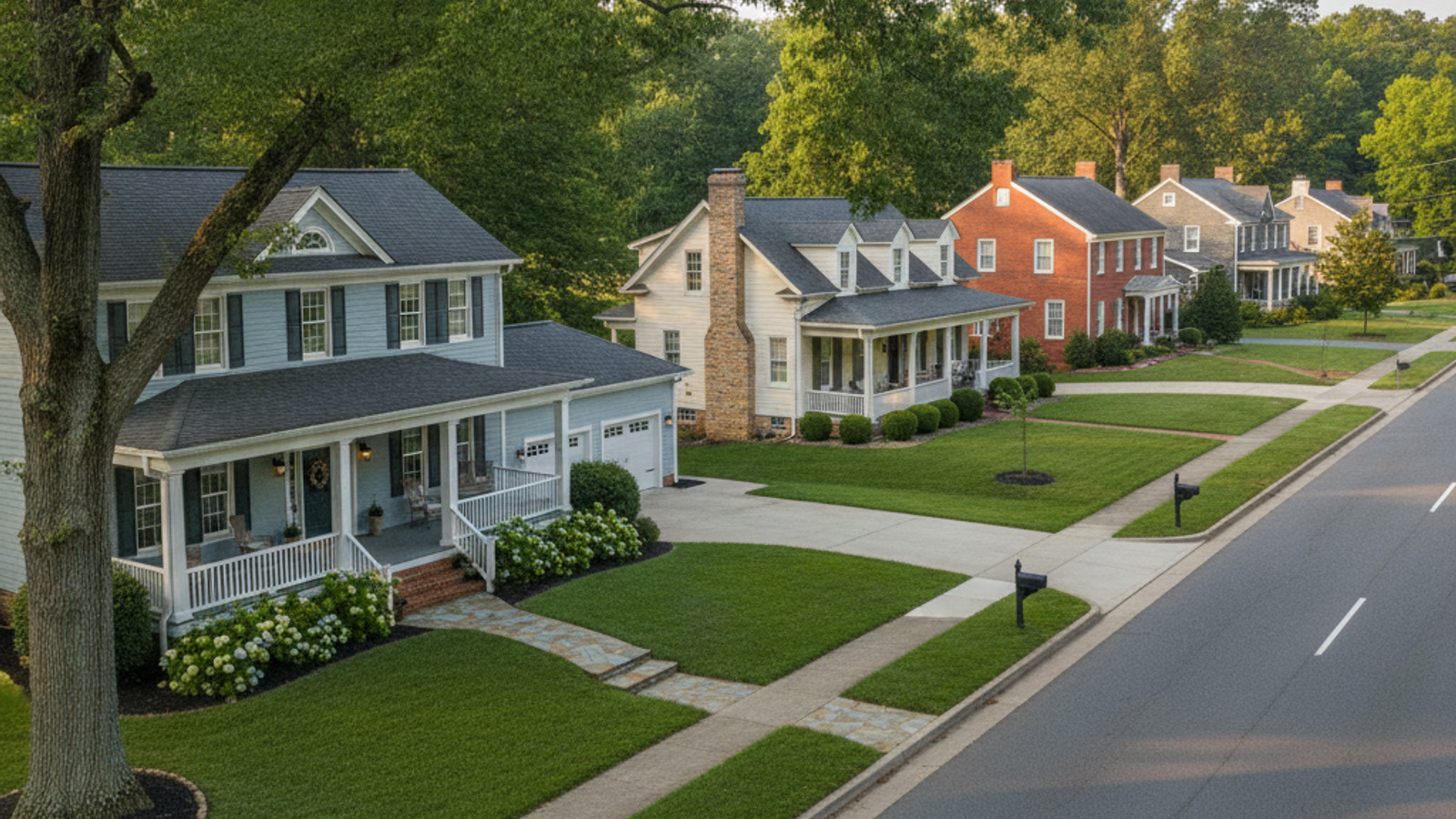
The median home sale price in Dandridge, TN sits around $314,000 as of mid-2026. Homes are selling in a median of 30 days, and roughly 25% of properties close above list price.
That means if you are entering the market as first-time home buyers in Dandridge, TN, you’re not dealing with a sleepy market. You’re also not just budgeting for a down payment. Closing costs cover the administrative, legal, and financial steps required to transfer property ownership – and knowing those numbers before you get to the settlement table makes a real difference.
Understanding Closing Costs in Tennessee
Closing costs are the collection of fees, taxes, and prepaid expenses required to finalize a real estate transaction. Buyers pay their share to secure the mortgage and establish escrow accounts. Sellers pay a different set – mostly agent commissions and whatever it takes to clear their existing title.
These expenses are typically due via wire transfer or cashier’s check on the day you sign your final paperwork. The exact total depends on the lender you choose, the property’s purchase price, and local county tax rates.
Closing Costs vs. the Down Payment
Your down payment is the initial equity you put into the home – separate from closing costs entirely. If you buy a $300,000 house with a 10% down payment, that $30,000 goes toward the purchase price. Closing costs are an additional expense on top of that.
Buyer vs. Seller Expenses
These costs don’t split evenly down the middle. Buyers handle everything tied to getting a loan, assessing the property, and setting up future tax payments. Sellers handle the costs of marketing the home and transferring a clean title to the new owner.
Average Buyer Closing Costs in the Dandridge Area
Buyer closing costs in Tennessee typically run about 2% to 5% of the purchase price. Rocket Mortgage cites a more precise statewide average of about 3.63% for buyers. On a median-priced Dandridge home of $314,000, that 3.63% works out to roughly $11,398.
Your final percentage shifts based on your loan program and how many points you buy down on your rate. Cash buyers skip lender fees entirely, which drops their total well below the state average.
Are Closing Costs Always Around 3% of the Sale Price?
The 3% figure is a useful baseline, not a fixed rule. Lenders charge flat fees for things like appraisals and credit reports, which means lower-priced homes often see closing costs skew toward the 5% mark. Higher-priced homes tend to land closer to 2%, because those flat fees make up a smaller slice of the total.
Why Knoxville Metro Area Costs Vary
Dandridge sits within the broader Knoxville metro area, where property taxes and local fees vary by county. Jefferson County has its own specific recording fees and transfer taxes. If you’re shopping across county lines, expect slight differences in your final estimates.
Closing Cost Estimates by Home Price
Getting a rough estimate early helps you figure out how much house you can actually afford. Many lender fees stay flat regardless of price, so the total doesn’t scale perfectly with the purchase price. Most of the price-sensitive increases come from state transfer taxes and prepaid property taxes.
Your lender is required to provide a Loan Estimate within three days of a mortgage application – a standardized form that breaks down the exact cash you’ll need to close on the specific property you’re buying.
Sample Cost Breakdown for a $300,000 House
On a $300,000 home in Tennessee, buyer closing costs typically range from about $6,000 to $15,000, and sometimes up to $18,000 depending on the loan type. The state transfer tax alone on a $300,000 purchase runs roughly $1,110. That wide range reflects differences in lender origination fees and how much prepaid property tax the lender requires at closing.
Calculating Your Own Closing Costs
Multiply your target purchase price by 0.035 for a rough middle-ground figure. Adjust upward if you’re planning to buy discount points to lower your rate. Also factor in the time of year – closing late in the year often means pre-paying more property taxes into escrow.
Fees You Will Pay at Closing in Jefferson County
Your total due at closing is a combination of dozens of individual line items. Some go directly to the state or county; others pay third-party service providers. Knowing the categories helps you spot where you might have room to save.
Your lender will lay all of this out in your Closing Disclosure, which you receive three days before signing. The fees generally fall into four main buckets.
Loan and Lender Fees
Origination fees cover the lender’s work to process and underwrite your mortgage. You’ll also pay for a home appraisal, a credit report, and flood certification. These fees vary by institution – which makes this the easiest category to shop around on.
Title Insurance Customs in Tennessee
Title insurance protects against past defects in the property’s ownership history. In Tennessee, it’s customary for the seller to pay for the buyer’s owner’s title insurance policy. The buyer typically pays for the lender’s title insurance policy, which covers the bank’s investment.
Jefferson County Transfer and Recording Taxes
Jefferson County follows the statewide realty transfer tax rate of $3.70 per $1,000 of the sale price, plus a $1.00 register fee. Recording fees at the Register of Deeds are $12.00 for the first two pages and $5.00 for each additional page. Recording a mortgage also carries a state mortgage tax of $1.15 per $1,000, with the first $2,000 exempt.
Prepaids and Escrow Reserves
Your lender will require you to fund an escrow account to cover future property taxes and homeowners insurance premiums. You’ll typically pay a full year of homeowners insurance upfront, plus two to three months of property taxes to establish the reserve.
How Closing Costs Are Split Between Buyer and Seller
Real estate customs dictate who pays for what, though almost everything is negotiable in the contract. In Dandridge, the division of costs follows standard Tennessee practices, and both buyers and sellers receive their own Closing Disclosure outlining their specific responsibilities.
Buyers focus on loan costs. Sellers take on the agent commissions and whatever fees are required to clear their existing mortgage.
Costs the Buyer Customarily Pays
Buyers cover all expenses tied to their financing – the appraisal, loan origination fees, the lender’s title policy, and the state mortgage tax. Buyers also fund their own escrow accounts for future property taxes and insurance.
Costs the Seller Customarily Pays
Sellers pay both the listing agent and buyer’s agent commissions, which make up the largest portion of their closing costs. They also customarily cover the owner’s title insurance policy for the buyer, and any delinquent property taxes or municipal liens come out of their proceeds.
Seller Concessions and Credits
You can ask the seller to contribute to your closing costs through seller concessions. If the seller agrees to a $5,000 credit, that amount reduces the cash you need to bring to closing. Loan programs cap these concessions – usually between 3% and 6% of the purchase price.
Estimating Your Final Cash to Close
Your final cash to close is your down payment, minus your earnest money deposit, plus all closing costs. If you put down $5,000 in earnest money when your offer was accepted, that amount is credited back to you on the final settlement statement.
Keep a cushion beyond your estimated cash to close. Minor adjustments to prepaid interest or tax prorations can shift the final number by a few hundred dollars in the days leading up to settlement – so don’t show up with exactly what the estimate says.
Estimating Closing Costs When Paying Cash
Cash buyers in Dandridge skip loan origination fees, lender title insurance, and the state mortgage tax. Without a lender involved, there’s no requirement for an appraisal or an escrow reserve account. Cash buyer closing costs often drop to around 1% of the purchase price, consisting mostly of the transfer tax, recording fees, and closing attorney or settlement fees.
Ways to Lower Your Closing Expenses
You have a few real options here. The most effective is comparing loan estimates from multiple lenders – even a small difference in origination fees can save thousands. You can also negotiate with the seller or accept a slightly higher interest rate in exchange for a lender credit.
Lender Credits and Shopping for Fees
A lender credit means the bank covers part of your closing costs in exchange for you taking a higher interest rate. It reduces your upfront cash but raises your monthly payment. You should also shop third-party services like pest inspections and land surveys – lenders allow you to pick your own providers for these items, and prices vary.
Negotiating Costs With the Seller
In a balanced market, you can write seller concessions into your initial offer. If a home needs repairs after inspection, requesting a closing cost credit instead of asking the seller to fix the issue keeps the transaction moving while reducing the cash you need at the table.
Frequently Asked Questions
What percentage of the purchase price should I expect to pay in buyer closing costs in Dandridge, TN?
Expect to pay between 2% and 5% of the purchase price. Rocket Mortgage notes that the Tennessee average sits around 3.63%. On a $300,000 home, that typically ranges from $6,000 to $15,000 depending on the lender and loan type.
Do buyer closing costs in Dandridge include any specific Jefferson County transfer taxes or local fees?
Yes. Jefferson County charges the standard statewide realty transfer tax of $3.70 per $1,000 of the sale price, plus a $1.00 register fee. Recording your deed costs $12.00 for the first two pages and $5.00 for each additional page.
How common is it to negotiate seller-paid closing costs in the current Dandridge real estate market?
It depends on the specific property. With homes in Dandridge selling in a median of 30 days and about 25% selling above list price, sellers have leverage on popular homes. That said, buyers can still negotiate concessions on homes that sit longer or need repairs.
Are there any first-time homebuyer programs available in Jefferson County that help cover closing expenses?
Specific Jefferson County grants aren’t detailed in the standard state data, but state-level programs often assist first-time buyers. Check with your lender to see if you qualify for Tennessee housing assistance that can be applied to a Dandridge purchase.
What happens if my final closing costs are higher than the initial loan estimate for my Dandridge home purchase?
Lenders are restricted by law from increasing certain fees beyond set limits. If third-party fees you couldn’t shop for increase by more than 10%, the lender must cover the difference. Your final numbers will be confirmed on the Closing Disclosure three days before settlement.
When and how do I actually submit my final funds to the local title company for a Dandridge closing?
You’ll submit your final funds on or just before your closing day. Title companies typically require a wire transfer or a certified cashier’s check – personal checks aren’t accepted for large settlement amounts.


