

 Facebook
 X
X
 Pinterest
 Copy Link
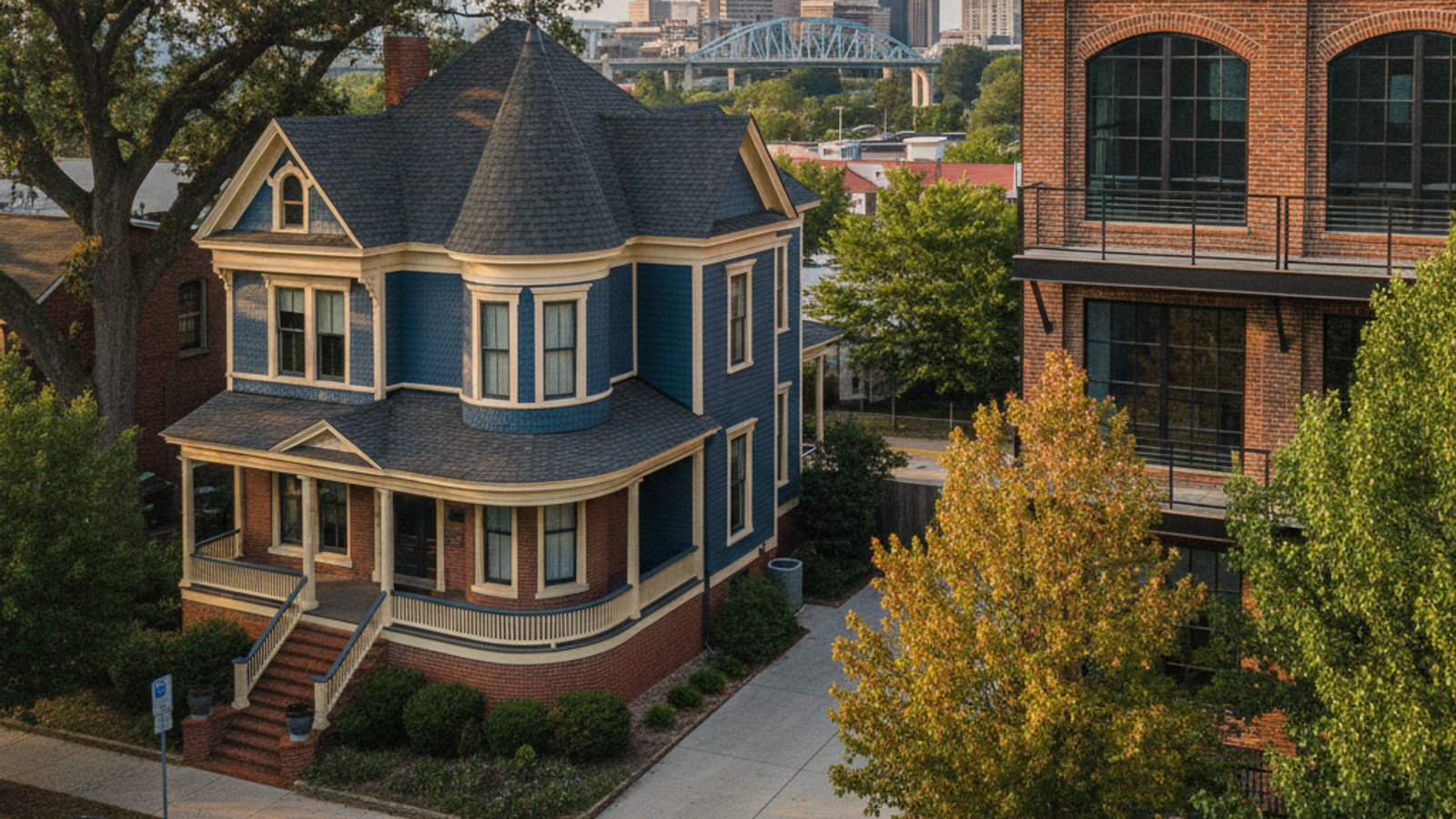
East Tennessee offers two major metropolitan areas separated by about 110 miles of Interstate 75. Buyers moving to the region often weigh Knoxville, TN vs Chattanooga, TN as their primary options. Both cities sit along the Tennessee River and provide direct access to the Appalachian Mountains.
The choice usually comes down to differences in median home prices, employment sectors, and local housing inventory. Knoxville operates as a traditional college town anchored by the University of Tennessee. Chattanooga leans toward a startup-focused environment with a strong manufacturing base.
As of 2026, both markets continue to see steady population growth from out-of-state relocators. Understanding the specific commute patterns, tax structures, and neighborhood amenities helps narrow down the right fit.
Comparing the Local Economy and Lifestyle
Knoxville’s identity is closely tied to the University of Tennessee. The campus influences local retail development, seasonal traffic patterns, and the overall cultural calendar. Downtown Knoxville sees major crowds on fall weekends when collegiate sports events take over the area.
The broader Knoxville economy relies on education, government research, and healthcare. Oak Ridge National Laboratory sits just outside the city, bringing federal funding and scientific research jobs to the region. This creates a stable employment base that insulates the local housing market from sharp economic downturns.
Chattanooga built its modern reputation around technology and manufacturing. The city invested early in municipal fiber-optic internet, which attracted tech companies and remote workers looking for high-speed connectivity. This infrastructure shift helped transform the downtown area into a hub for logistics and technology firms.
Daily routines differ noticeably between the two locations. Knoxville residents often spend weekends visiting the nearby Great Smoky Mountains or attending university events. Chattanooga residents tend to focus on the immediate downtown riverfront and the hiking trails of Lookout Mountain.
Home Prices and Housing Options
The median home price in Knoxville sits between $370,000 and $400,000 as of mid-2026. Buyers looking near Market Square will find renovated downtown condos and historic properties with higher price tags. Moving outward into areas like Maryville, TN offers more traditional single-family homes with larger lots.
Buyers seeking newer construction in Knoxville often look toward the western suburbs. Areas like Farragut feature larger subdivisions and planned communities with homeowner associations. These properties typically command premium prices due to their lot sizes and proximity to major retail centers.
Chattanooga offers slightly lower housing costs, with median prices ranging from $320,000 to $360,000. The Southside neighborhood features historic homes and converted industrial lofts that appeal to buyers seeking a walkable environment. New construction developments are expanding outward into Hamilton County, TN to accommodate population growth.
Inventory in both markets moves quickly during the spring and summer months. Buyers should prepare their financing before viewing properties, especially for homes priced under the local median. Cash offers remain common for turnkey properties in the most accessible neighborhoods.
What to Expect for Daily Costs and Property Taxes
Tennessee does not collect a state income tax on wages, which lowers the overall tax burden for residents. Homebuyers rely on local property taxes and sales taxes to fund municipal services. Property taxes in the state are calculated using a 25% residential assessment ratio.
This means a home valued at $400,000 is only taxed on $100,000 of its assessed value. Local county and city rates are then applied to that assessed amount. The rates vary based on whether the property sits inside or outside city limits.
Homebuyers comparing Knoxville, TN vs Chattanooga, TN will find slightly different local tax structures. County commissions set these rates annually to fund local infrastructure and school districts.
- Knox County, TN set its 2025-2026 property tax rate at $1.55 per $100 of assessed value.
- Hamilton County, TN established a county rate of $1.5157 per $100 of assessed value for the same period.
- Chattanooga, TN charges an additional city rate of $1.93 per $100 of assessed value for properties within municipal boundaries.
Major Employers and Daily Commutes
Knoxville’s employment base centers around public institutions and regional healthcare providers. The University of Tennessee and Covenant Health employ thousands of local residents across multiple campuses. These large facilities dictate the primary morning commute patterns along Interstate 40.
Commuters in Knoxville generally experience predictable traffic flows. Average commute times run around 22 to 26 minutes for residents traveling from the suburbs into downtown. Roadway expansion projects continue to address congestion near the major highway interchanges.
Chattanooga relies on private enterprise, insurance, and automotive manufacturing. Major corporate employers include BlueCross BlueShield of Tennessee, Erlanger Health System, and Unum. The Volkswagen Group of America assembly plant anchors the local manufacturing sector.
Chattanooga drivers experience travel times averaging 20 to 25 minutes each way. Traffic primarily moves along Interstate 75 and Interstate 24, which connect the residential suburbs to the downtown commercial districts. Both cities offer manageable daily drives compared to larger metropolitan areas like Nashville, TN.
Parks, Mountains, and Weekend Attractions
Knoxville serves as a primary gateway to the Great Smoky Mountains National Park. Residents are a short drive from the hiking trails and tourist amenities in Gatlinburg, TN and Sevierville, TN. Within the city, the Urban Wilderness provides over 50 miles of trails for mountain biking and hiking.
Knoxville centers its downtown activity around Market Square and the adjacent commercial streets. This pedestrian-only zone hosts farmers markets, outdoor concerts, and local dining events throughout the year. The nearby World’s Fair Park offers open green space right in the middle of the city.
Chattanooga is surrounded by the Appalachian foothills, with Lookout Mountain and Signal Mountain defining the local geography. Rock City and Ruby Falls are major attractions built directly into the mountain landscape. These elevated areas provide expansive views of the valley and the river below.
Downtown Chattanooga features major cultural institutions right on the riverfront. The Tennessee Aquarium and the Hunter Museum of American Art draw consistent weekend crowds. The city also maintains extensive pedestrian paths along the water, connecting various parks and commercial districts.
School Districts and Medical Centers
Knox County Schools manages the public education system for Knoxville and the surrounding county. The district operates dozens of elementary, middle, and high schools across the metropolitan area. Buyers should verify specific school zoning when looking at properties, as boundary lines can change.
Hamilton County Schools serves Chattanooga and its neighboring communities. The district includes several magnet programs and specialized academies focused on science and the arts. Prospective residents should review the district’s enrollment policies if they are interested in these specific programs.
Both cities provide extensive healthcare networks for residents and surrounding rural counties. Knoxville features the UT Medical Center and the Covenant Health system, offering specialized care and emergency services. These hospitals serve as primary trauma centers for the eastern portion of the state.
Chattanooga residents have access to the Erlanger Health System and CHI Memorial facilities. These medical centers provide comprehensive care, including specialized pediatric and cardiac units. Buyers prioritizing proximity to medical care will find ample options in both downtown areas.
Frequently Asked Questions
How far apart are Knoxville, TN and Chattanooga, TN?
The two cities are separated by about 110 miles along Interstate 75. The drive typically takes one hour and forty-five minutes under normal traffic conditions.
Which city has a lower cost of living, Knoxville, TN or Chattanooga, TN?
Chattanooga generally offers a lower cost of living, primarily due to lower median home prices. Buyers can often find properties for $20,000 to $40,000 less than comparable homes in Knoxville.
Do both cities have access to the Tennessee River?
Yes, the Tennessee River flows directly through both downtown areas. Residents in both locations enjoy waterfront parks, pedestrian bridges, and opportunities for boating and paddleboarding.


