

 Facebook
 X
 Pinterest
 Copy Link
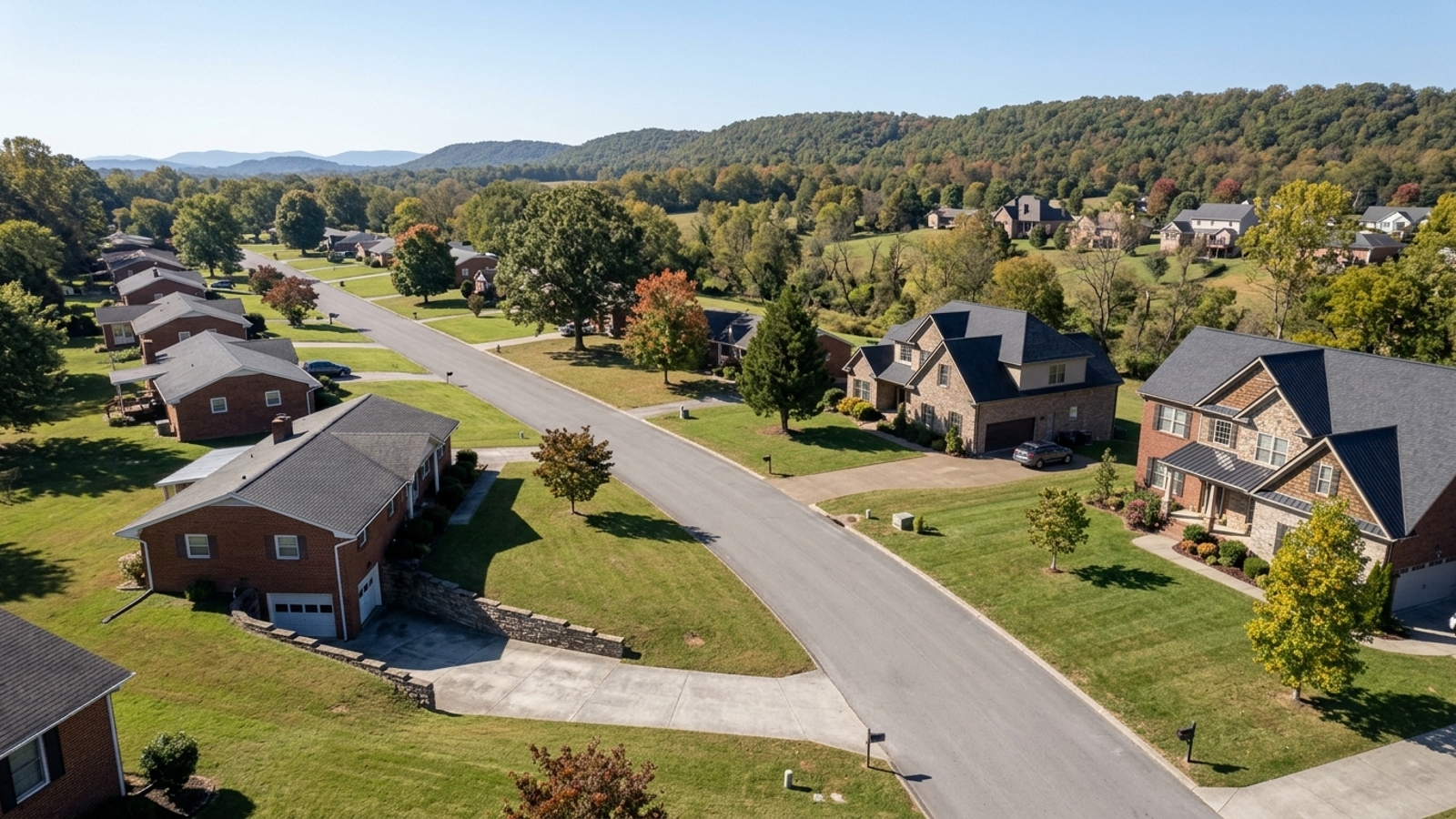
Morristown sits in the Great Valley of East Tennessee, which gives it a comfortable climate: warm summers, mild winters, and rain spread across all four seasons.
Key takeaway
Morristown has a humid subtropical climate with hot, sticky summers, short, mild winters, and rain that falls in every month of the year. For a buyer, that makes moisture the first thing to check in any house, starting with the crawlspace, basement, and exterior drainage. Once those pass your inspection, the roof’s age and its exposure to seasonal storms become your next priority to avoid unexpected repair costs.
Who this guide is for
You’re considering a move to Morristown or comparing homes there, and you want to know what the weather means for everyday life and for the house you end up buying.
Everyday weather patterns in Morristown, TN
Single-family homes are taking a median 55 days to sell (89 sales over the 90 days ending September 30, 2026). That gives buyers time to make crawlspace, drainage, and roof repairs part of the deal. Local geography also means two neighborhoods can experience the same season differently.
Humid subtropical climate
Seasonal averages hide the swings. Cold snaps and heat waves, not the typical mild day, are what stress pipes and HVAC systems. Meanwhile, the exterior and foundation face moisture year-round.
A valley between ridges
The ridges on either side of the valley bring morning fog and let cooler air pool in low spots. They also influence how storms track across the county. Two homes a mile apart can live differently: low-lying lots and hollows run noticeably foggier and frostier than a house on a nearby rise.
Rain in every month
Even Morristown’s least-rainy month averages measurable rain. Soil around a foundation rarely dries out completely, so a damp crawlspace gets no long dry stretch to recover on its own.
Forecasts made in Morristown
The National Weather Service forecast office in Morristown issues forecasts, watches, and warnings for 33 counties in East Tennessee, plus parts of Virginia and North Carolina. Because the office covers a wide area, set alerts for your exact address at weather.gov rather than relying on county-wide headlines.
Weather issues to prioritize during your home search
If the home sits on a crawlspace or basement, or low on its lot, read how humidity and rain affect Morristown homes first. Then read the step on inspecting the crawlspace or basement. For the least moisture risk, start with homes on higher ground that have a sealed (encapsulated) crawlspace or a dry, unfinished basement you can see. A foundation you can inspect, and that stays dry, removes the most common weather cost.
If the house is on or near Cherokee Lake or a creek, go to the section on homes near Cherokee Lake and creeks. Then look up the flood map for the address and read the flood insurance FAQ. Winter drawdown changes docks and views, and flood zone status sets insurance costs, so check each address individually.
If the roof is older, or mature trees hang over the house and driveway, start with how storms, ice and heat affect Morristown homes. Then get an insurance quote before the inspection period ends. For predictable monthly costs, favor homes that come with 12 months of utility bills and a recent HVAC service record.
If you’re shopping in winter or in late spring and summer, read the matching season below and the timing section at the end. A buyer looking at a slab ranch on high ground in town can skip straight to timing.
Morristown weather by season
Spring
Spring brings mild temperatures, quick greening, the last frost, and the main stretch of thunderstorms. Spring rain is the best time to see how a yard drains and whether a basement stays dry. A house shown on a sunny April day may not reveal how it handles a real downpour.
Summer
Hot, humid days and afternoon thunderstorms make a dehumidifier and a properly sized air conditioner matter. High humidity makes the air feel hotter than the thermometer says. Long cooling run times push up electric bills and wear out older systems.
Fall
Fall is often the most comfortable stretch of the year, with lower humidity, cooler nights, the first frost, and fall color on the ridges. That makes it a good season for moving and outdoor work. The catch is that falling leaves clog gutters fast on wooded lots, and dry fall showings can hide drainage problems that only appear during steady rain.
Winter
Winter is short and mostly mild, with cold snaps below freezing, occasional snow, and the chance of freezing rain or ice. Ice and hard freezes, not snow depth, cause the damage. Pipes running through an uninsulated crawlspace are the most common winter casualty.
How humidity and rain affect Morristown homes
Moisture is the weather pattern that costs Morristown owners the most over time. Water that gets into a crawlspace or basement leads to expensive repairs and indoor air quality problems.
Crawlspaces
Many homes in the area sit on crawlspaces. Humid summer air and wet soil can lead to damp insulation, sagging floor joists, and musty odors upstairs. A vapor barrier, crawlspace encapsulation, or a dedicated dehumidifier keeps this area dry. An open, unsealed crawlspace can look fine in a dry month, which is why the inspector needs to go under the house.
Basements
Basements are common on sloped lots, and steady rain tests their waterproofing. Look for efflorescence, staining at the base of walls, a sump pump, or fresh paint on one wall that might hide past leaks. A finished basement can conceal past water problems behind drywall.
Gutters, grading, and drainage
Most moisture problems start outside: soil sloping toward the house, downspouts dumping at the foundation, or clogged gutters. Steady rain exposes these problems quickly. They are usually the cheapest weather fixes and the easiest to check during a showing, and they fall to the owner. Regrading and drain work aren’t always simple on hilly lots, and wood trim and decks near wet ground rot faster.
Indoor humidity and mold
Summer humidity often moves indoors. An oversized air conditioner that cools without dehumidifying, a bathroom without an exhaust fan, or a damp crawlspace can all raise indoor humidity and invite mold. Musty smells are often masked for showings, so ask the inspector to note any moisture readings or visible growth.
Homes near Cherokee Lake and creeks
Waterfront and low-lying lots add flood-map questions and wetter ground. Cherokee Lake is a Tennessee Valley Authority (TVA) reservoir. According to the Tennessee Wildlife Resources Agency, TVA controls it up to the 1,075-foot mark. Winter drawdowns of up to 40 feet serve power demands, flood control, and downstream navigation. As a result, a dock that floats in summer can sit on mud in January. The view and water access you see on a summer showing may look very different at winter pool.
How storms, ice and heat affect Morristown homes
Severe weather and temperature swings come less often than rain, but they bring larger, sudden expenses.
Wind and hail damage to roofs
Spring and summer thunderstorms bring strong winds and sometimes hail, which test older roofs first. Ask about the roof’s age, its material, any recent insurance claims, and permits for past replacements. Insurers may limit coverage or raise premiums on older roofs, which changes the real cost of a cheaper house.
Trees and power outages
In wind and ice, mature trees drop limbs on roofs, cars, and power lines. Some buyers plan for backup power because of occasional outages. Removing large trees near a house can be expensive, so get an arborist’s quote during the inspection period if limbs overhang the roof.
Frozen pipes
Freezes are infrequent but arrive fast after mild weather. They catch exposed plumbing in crawlspaces, exterior walls, and garages. Insulation, heat tape, and knowing where the main water shutoff is will protect the house. A burst pipe in a crawlspace can run unnoticed for days, so check the property disclosure for past freeze damage.
Cooling and heating costs
A long cooling season and a shorter heating season mean the HVAC system’s age and efficiency shape your monthly costs. An older or undersized system can make the same-size house far more expensive to run. Morristown Utility Systems publishes its own residential electric rates, billed by TVA seasonally. It does not currently offer time-of-use rates for residential customers. Ask the HVAC system’s age and build its likely replacement into your monthly budget.
Insurance deductibles
Wind and hail claims often carry separate or percentage-based deductibles. A percentage deductible can mean paying thousands before coverage starts. Read the deductible section of any quote closely, not just the premium.
Weather checks to make before buying a home
Work through these steps in order during the inspection period. This is not legal or insurance advice.
Read the seller’s disclosure for water history
Tennessee’s residential property condition disclosure asks sellers about water intrusion, flooding, and roof issues. Follow up in writing on any vague water or roof answer. A disclosure covers only what the seller knows and admits, so it supports an inspection but doesn’t replace one.
Inspect the crawlspace or basement
Ask the inspector to go under the house or into the basement. Their report should cover moisture readings, vapor barrier condition, standing water, wood damage, and any dehumidifier or sump pump. Some inspectors note limited access and skip a tight crawlspace, so confirm before booking that yours will physically enter the space.
Look up the flood map for the address
Use FEMA’s Flood Map Service Center to look up the specific address, not just the neighborhood, and note the exact flood zone designation. Being outside a mapped flood zone doesn’t mean a property never floods, so ask the seller in writing about past water on the lot.
Ask for 12 months of utility bills
Real bills show what a full summer and winter cost in that specific house. Ask the seller or Morristown Utility Systems for 12 months of usage history. Treat the numbers as a range, since the previous owner’s habits shape the bills.
Get an insurance quote before the inspection period ends
Roof age, wind and hail deductibles, and the flood zone all show up in your insurance quote. Getting a quote early leaves time to negotiate with the seller or walk away. A quote that comes back high or with exclusions after the inspection period ends leaves you little room to do either.
Timing your Morristown home purchase around the weather
Buying in summer and early fall
Single-family homes recently sold at a 96.7% sale-to-list ratio, and their median price fell 9.6% year over year to $284,886 (89 sales over the 90 days ending September 30, 2026). Because sellers have been accepting less than asking, a buyer has room to negotiate weather-related repairs, or a credit, after the inspection. Summer also shows how the AC and dehumidification hold up. Dry late-summer weeks can hide drainage problems, so pair a summer purchase with the disclosure and crawlspace checks.
Buying in winter
Winter showings reveal the heating system, drafts, insulation, and how pipes handle a cold snap. Lake homes show their winter pool. Ice can delay showings, inspections, and moving day, so build a few spare days into the schedule if you’re closing in January or February.
Moving during storm season
Spring and summer storms and summer heat make moving days harder. Plan morning moves and protect furniture from sudden rain. A storm-delayed move can push back utility setup and closing logistics, so confirm dates with movers and utilities in writing.
At a glance
- All homes, median sale price: $292,361, down 7.2% year over year (101 sales, 90 days ending 2026-09-30)
- Single-family, median sale price: $284,886, down 9.6% year over year (89 sales, 90 days ending 2026-09-30)
- All homes and single-family, median days on market: 55 (90 days ending 2026-09-30)
- All homes and single-family, sale-to-list ratio: 96.7% (90 days ending 2026-09-30)
- Sold above list: 13.1% of all homes, 14.8% of single-family homes (90 days ending 2026-09-30)
- Months of supply: 3.3 for all homes, 3.5 for single-family (90 days ending 2026-09-30)
- Homes for sale (inventory): 109 all homes, 103 single-family (90 days ending 2026-09-30)
- Median price per square foot: $175 all homes, $182 single-family (90 days ending 2026-09-30)
Morristown, TN weather FAQs
Does it snow a lot in Morristown, TN?
No. Average annual snowfall is 10.2 inches, falling on about 9.1 days per year. Totals vary widely from year to year, and snow usually melts within a few days.
Is Morristown, TN in the mountains?
No. Morristown sits in the Great Valley at an elevation of 1,302 feet, with the Great Smoky Mountains to the south.
Does Morristown have better weather than other Tennessee cities?
It depends on your preferences. Morristown offers four distinct seasons without long stretches of extreme heat or cold.
Is Morristown, TN a good place to live?
The climate suits people who want four seasons and mild winters, with moisture as the main home-maintenance issue. Living costs and daily-life pros and cons decide the rest.
Does Morristown, TN get tornadoes?
Yes. NOAA’s Storm Events Database records confirmed tornadoes in Hamblen County since 1950, including an EF-rated tornado on April 27, 2011, and one on November 27, 1985. Set your weather radio to local National Weather Service alerts during spring and summer storm seasons.
What climate zone is Morristown, TN in?
Morristown has a humid subtropical climate. For building codes, Hamblen County’s IECC climate zone sets insulation and energy code requirements for new construction and renovations.
What growing zone is Morristown, TN?
Morristown (ZIP codes 37813 and 37814) is in USDA Plant Hardiness Zone 7b, with a 5°F to 10°F minimum average annual temperature. That’s a change from Zone 7a on the 2012 map.
Do I need flood insurance in Morristown, TN?
Federally backed mortgage lenders require flood insurance for homes in FEMA high-risk zones, known as Special Flood Hazard Areas. Elsewhere it’s optional but available. National Flood Insurance Program policies typically have a 30-day waiting period before coverage starts, so apply before closing and confirm exact requirements with your lender.
Sources
- Redfin: Data Center
- Current Results: Annual Snowfall
- National Weather Service: KMRX Coverage Area
- Wikipedia: Morristown, Tennessee
- National Gardening Association: USDA Hardiness Zone
- NOAA: Storm Events Database
- Morristown Utility Systems: Power Rates
- Tennessee Wildlife Resources Agency: Cherokee Reservoir


