

 Facebook
 X
X
 Pinterest
 Copy Link
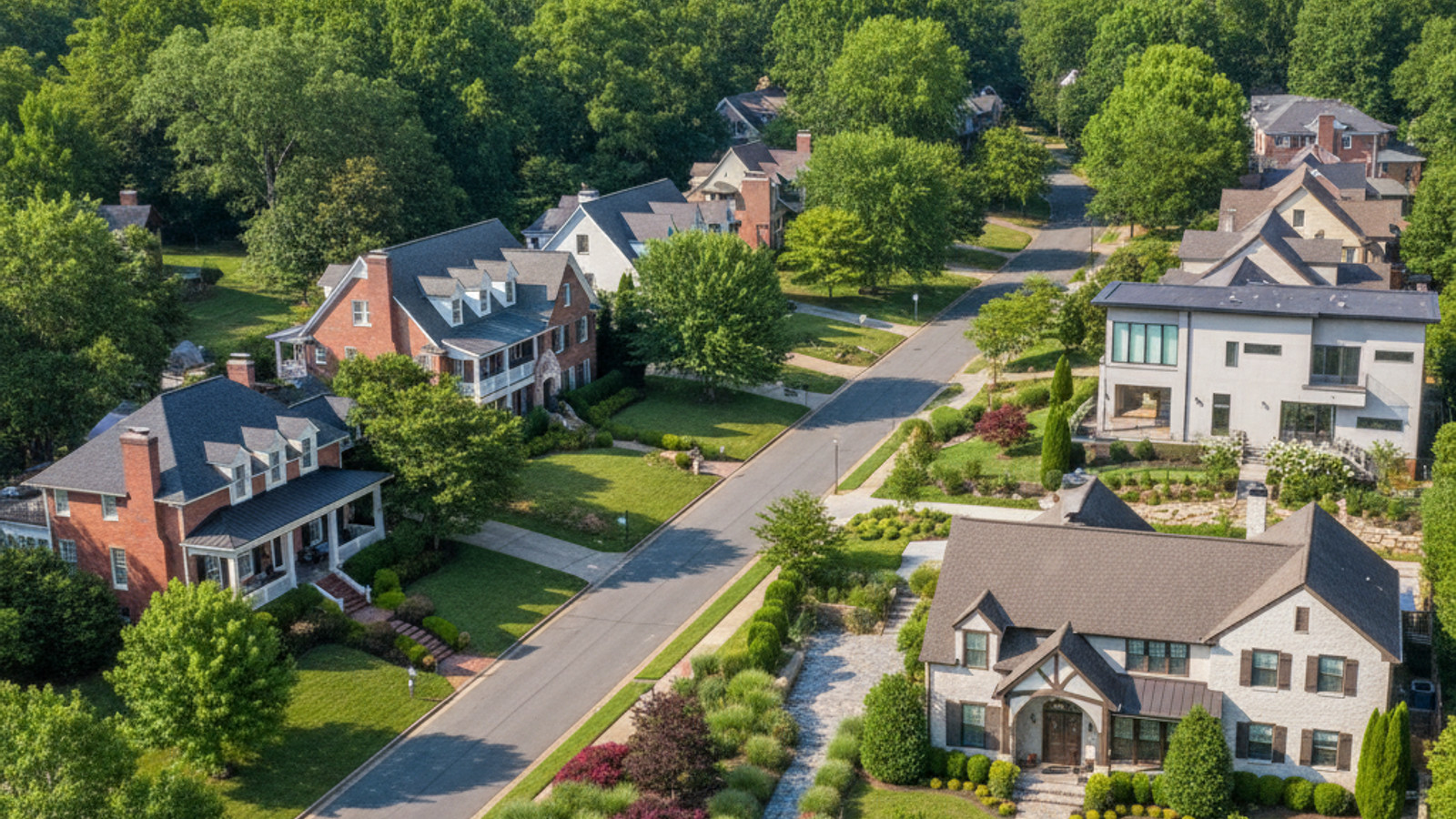
Tennessee’s median home price sits around $390,000 in mid-2026, keeping it an attractive destination for buyers relocating from higher-priced coastal markets. The state pairs this relative affordability with the absence of a state income tax, allowing residents to keep more of their paychecks.
Choosing among the best areas to live in Tennessee comes down to matching your budget with local job centers and daily amenities. From the medical hubs in Middle Tennessee to the logistics centers in the west, each region offers distinct housing options. Finding the right fit requires looking at local commute times, property tax rates, and everyday conveniences.
The Financial and Lifestyle Draw of the Volunteer State
The primary financial driver for out-of-state buyers is the tax structure. Tennessee charges no state income tax on wages, and the average effective property tax rate remains low, hovering between 0.45% and 0.52%. These two factors lower the overall cost of living compared to states like Florida or Texas, which also lack an income tax but often carry higher property tax burdens.
Beyond the balance sheet, the state offers thousands of acres of public land and waterways. Residents have access to the Great Smoky Mountains in the east and numerous lakes scattered throughout the central and western regions. This geography supports a strong outdoor recreation culture, with boating, hiking, and fishing available within a short drive of most major cities.
Nashville and the Surrounding Middle Tennessee Suburbs
The median home price in the Nashville, TN, metro area ranges from $440,000 to $450,000, reflecting its status as the state’s economic engine. Major employers like HCA Healthcare and Nissan provide a steady base of jobs, drawing buyers from across the United States. Housing options range from high-rise condominiums near Broadway in downtown Nashville to expansive single-family homes in the surrounding counties.
Commuters heading into downtown Nashville or to Nashville International Airport (BNA) generally face an average drive time of 24.4 minutes. Traffic volume on I-65 and I-24 dictates daily travel schedules, making suburb selection an important part of the buying process. Buyers should map their specific drive to work during rush hour before committing to a location.
Suburbs South of the City
Williamson County, TN, sits directly south of Nashville and commands some of the highest real estate prices in the state. Cities like Brentwood, TN, and Franklin, TN, offer large lots, extensive local amenities, and access to Williamson County Schools. Buyers looking for new construction often look further south to Spring Hill, TN, or east toward Nolensville, TN.
These southern suburbs feature distinct historic downtowns alongside modern retail centers. The commute up I-65 into Nashville can stretch during peak morning hours, but the local job market within Williamson County itself has grown enough to keep many residents working close to home.
Eastern Suburbs and Corridors
Mount Juliet, TN, and Murfreesboro, TN, provide alternatives for buyers who want suburban amenities with slightly lower price points than Williamson County. Murfreesboro offers a standalone local economy anchored by Middle Tennessee State University and a large medical sector. Mount Juliet benefits from its proximity to Percy Priest Lake and a direct route into Nashville via I-40.
Housing in these eastern areas includes a mix of established neighborhoods and large-scale master-planned communities. Property taxes in Rutherford County and Wilson County differ, so buyers should review the specific millage rates when comparing homes in these two cities.
Knoxville and the East Tennessee Region
Knoxville, TN, operates as a major college town, anchored by the University of Tennessee. The local median home price sits between $327,000 and $339,000, offering a more accessible entry point than the Nashville market. Covenant Health and the university serve as the largest employers, stabilizing the local economy and driving steady housing demand.
Commuters in the Knoxville area average a 24-minute drive, utilizing I-40 and I-75 to traverse the city. The city sits along the Tennessee River, providing immediate access to water recreation right from the downtown area. Residents also benefit from living just an hour away from the Great Smoky Mountains National Park.
Nearby Towns and Smoky Mountain Access
Farragut, TN, located just west of Knoxville, features higher-end single-family homes and extensive retail corridors. It operates as an incorporated town within Knox County, offering local parks and greenways connected to residential subdivisions.
South of Knoxville, Maryville, TN, provides a quieter setting at the foothills of the Smoky Mountains. Homeowners in Maryville have immediate access to mountain trails and a shorter drive to regional manufacturing employers in Blount County.
Chattanooga and the Southeastern Corridor
Chattanooga, TN, maintains a median home price around $350,000 and sits at a central point between Nashville and Atlanta. The city built a reputation for its municipal gigabit internet network, drawing remote workers and tech startups. Major manufacturing and corporate operations, including the Volkswagen plant and BlueCross BlueShield of Tennessee, drive the local job market.
The local geography features mountains and the Tennessee River intersecting directly in the downtown district. Residents use the extensive network of local trails for mountain biking and hiking. The downtown area offers a mix of renovated lofts and historic single-family homes, while the surrounding ridges feature properties with extensive views.
Memphis and the Logistics Hub of West Tennessee
Memphis, TN, offers the most affordable housing among the state’s major metros, with a median home price ranging from $180,000 to $190,000. The local economy centers on global logistics and healthcare, anchored by FedEx, AutoZone, and St. Jude Children’s Research Hospital. The city sits on the Mississippi River, bordering Arkansas and Mississippi.
Buyers often focus their searches on the eastern edges of the metro area. Suburbs like Germantown, TN, and Collierville, TN, feature established subdivisions, extensive park systems, and well-rated municipal school districts. These areas command higher prices than the city center but remain competitive compared to similar suburbs in Middle Tennessee.
Getting Around the State’s Major Metros
Over 85% of Tennessee workers commute by car, making highway access a primary consideration for homebuyers. The statewide average commute is roughly 22.4 minutes, though this varies by region and time of day. Public transit options exist in the major cities, but most residents rely on personal vehicles to travel through the suburban layouts.
Three major interstates—I-40, I-65, and I-24—form the backbone of the state’s transportation infrastructure. I-40 runs the entire length of the state, connecting Memphis, Nashville, and Knoxville. Buyers should map their daily routes during peak traffic hours, as congestion on these main arteries impacts daily schedules.
Factors to Weigh Before Buying a Home
Selecting a specific city or suburb requires balancing your purchasing power against local market realities. A $500,000 budget goes much further in Memphis or Clarksville, TN, than it does in Brentwood or Franklin. Buyers should review recent sales data in their target zip codes to establish realistic expectations for square footage and property condition.
You should review these specific factors when evaluating a property:
- Local property tax rates, which vary by county and municipality.
- Proximity to specific employers, hospitals, or daily conveniences.
- Recent civic data, including school district performance metrics and municipal infrastructure plans.
- Access to local amenities like grocery stores, parks, and recreational facilities.
Homeowners association (HOA) fees also factor into the monthly housing cost. Many of the newer subdivisions in Middle and East Tennessee include mandatory HOAs, which must be accounted for in your debt-to-income ratio during the mortgage underwriting process.
Frequently Asked Questions
What part of Tennessee has the best year-round weather?
Chattanooga and the southeastern corner of the state generally experience milder winters compared to the higher elevations in the east. The mountains shield the city from some of the colder weather systems moving down from the north. Summer temperatures across the state remain consistently warm, with July highs regularly reaching the low 90s.
What are the property taxes like in Tennessee?
The state does not collect property taxes at the state level; these are levied entirely by counties and municipalities. The average effective property tax rate is around 0.45% to 0.52%, which is lower than the national average. A home valued at $400,000 in Knox County will carry a different annual tax bill than a similarly priced home in Williamson County.
Where are the top rated school districts in Tennessee?
Williamson County Schools in Middle Tennessee consistently posts high standardized test scores and graduation rates. In West Tennessee, municipal districts in Germantown and Collierville also maintain strong performance metrics. Buyers should review the latest state report cards for specific schools before writing an offer on a home.


