

 Facebook
 X
X
 Pinterest
 Copy Link
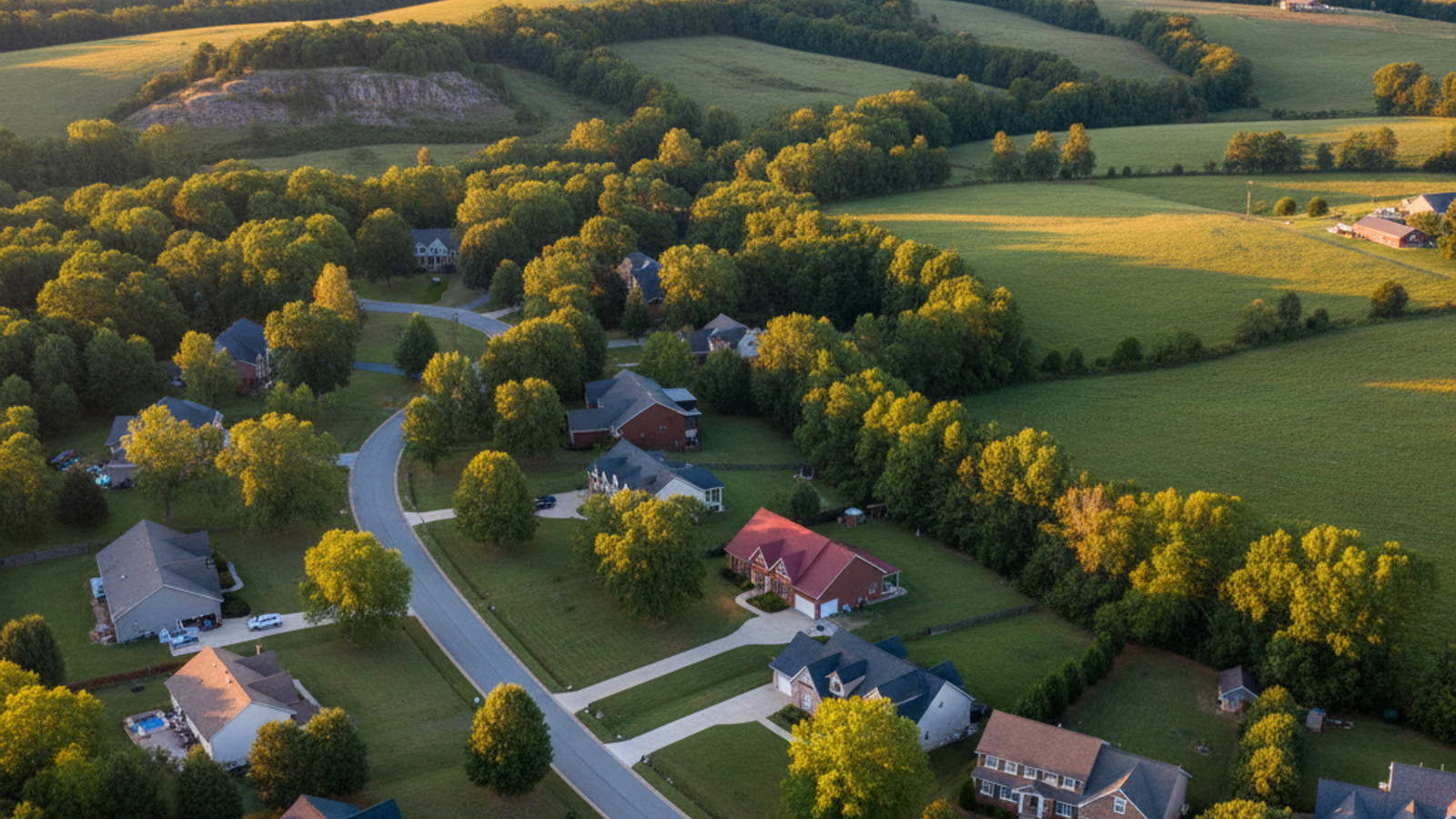
East Tennessee offers a compelling mix of stunning mountain views, strong local economies, and a favorable tax climate. Buyers moving to the region often envision building a custom home to perfectly match their lifestyle. Understanding exactly how much to build a house in East Tennessee is critical before breaking ground.
The construction landscape has evolved significantly over the past few years. Material availability and labor rates have stabilized in 2026, giving buyers more predictable timelines than in previous market cycles. However, building in this mountainous terrain still requires careful financial planning and a deep understanding of local site preparation challenges.
Understanding the 2026 East Tennessee Home Building Market
The new construction market across East Tennessee remains highly active as we move through 2026. Major transit routes like I-40 and I-75 keep materials flowing smoothly into hubs like Knoxville, which helps stabilize supply chains. While Tennessee generally boasts a lower cost of living compared to national averages, building a home here introduces unique regional expenses.
Geographical challenges play a massive role in your final construction budget. The rolling hills and rocky soil that make the region visually striking also complicate foundation work and utility installation. Buyers must account for these topographical realities when evaluating potential lots.
Partnering with an experienced local builder is the single most important first step to control your total costs. A builder who understands the specific soil conditions and zoning laws of East Tennessee will prevent costly mid-project delays. They can accurately assess a steep lot and tell you immediately if the site work will destroy your budget.
Average Cost per Square Foot to Build a House in East Tennessee
Calculating the average cost per square foot gives buyers a baseline for their construction loan and overall budget. These figures generally include the hard costs of the building process, such as framing, roofing, interior finishes, and labor. They typically do not include the price of the land itself or extensive site preparation.
For a standard builder-grade home, expect to pay between $155 and $210 per square foot in 2026. Stepping up to mid-range quality with upgraded flooring and better cabinetry pushes the price to approximately $210 to $300 per square foot. High-end luxury custom homes with premium materials like quartz countertops and extensive stonework easily exceed $300 to $500 per square foot.
These square footage estimates dictate the size of the mortgage you will need to secure. Buyers should always budget at least 15% extra beyond their builder’s initial estimate to cover unexpected site work. This financial buffer ensures that hitting a solid rock ledge during foundation pouring does not derail the entire project.
Land Prices and Lot Preparation Costs in East Tennessee
Acquiring the right parcel of land is a major variable that heavily influences your total investment. East Tennessee offers everything from dense woodland tracts to cleared suburban lots, and prices fluctuate wildly based on location and topography. The initial purchase price of the dirt is only the beginning of your land expenses.
Site preparation in this region is notoriously expensive due to steep grades and the prevalence of limestone bedrock. Clearing trees, removing massive rocks, and grading a driveway can easily add $10,000 to $50,000 to your budget. Buyers often underestimate how much heavy machinery is required just to create a level building pad.
Purchasing flat, buildable land almost always offsets a higher initial purchase price. A cheaper piece of property on a steep ravine will quickly consume your construction budget in retaining walls and specialized foundations. Paying a premium upfront for a level lot is usually the smarter financial decision.
Comparing Rural Acreage and Subdivision Lots
Developed subdivision lots in Knox County typically range from $40,000 to $100,000 per acre. These parcels usually offer the convenience of city utilities, paved access, and established neighborhood infrastructure. Buyers should factor in the cost of mandatory homeowners association fees and architectural review board requirements.
Conversely, rural Tennessee land is significantly cheaper, often pricing between $4,500 and $10,000 per acre. These larger tracts offer privacy and space, but they lack municipal water and sewer connections. Properties located closer to the Great Smoky Mountains National Park will command a much higher price per acre due to the scenic views and proximity to outdoor recreation.
Cost of Well Drilling and Septic Installation
Building outside the municipal utility zones means you must create your own infrastructure. Private utilities are an absolute necessity for rural East Tennessee lots, and they represent a substantial portion of your upfront costs. You cannot secure a certificate of occupancy without a functioning water supply and waste disposal system.
Drilling a well in the region currently costs between $3,500 and $15,000, averaging roughly $15 to $65 per foot. The final price depends entirely on how deep the drill must go to hit a reliable water vein and how much solid bedrock is in the way. Hitting water at 100 feet is significantly cheaper than drilling down 400 feet through solid limestone.
Septic system installation adds another $6,000 to $12,500 to the project cost. The exact expense relies heavily on the soil composition, as heavy clay requires more complex and expensive engineered systems than standard soil. Buyers should never close on a piece of rural land without a strict contingency for a satisfactory soil perc test.
Construction Labor and Material Costs
The hard costs of building are split between the physical materials and the skilled tradespeople doing the work. In 2026, labor rates for the Knoxville region average between $38 and $58 per hour. Securing reliable subcontractors is crucial, as their efficiency directly impacts your timeline and construction loan interest.
Material pricing varies drastically based on the level of finish you select for your floor plan. Upgrading to luxury materials will quickly inflate your final cost. A standard construction budget typically breaks down into several key material categories:
- Lumber and framing expenses remain one of the largest material costs, heavily dependent on the home’s total square footage.
- Exterior finishes like brick and stone veneer cost significantly more than standard vinyl siding and asphalt shingles.
- Premium interior upgrades like solid wood flooring, custom kitchen cabinetry, and quartz countertops drive up the cost per square foot rapidly.
Buyers must be strategic about where they allocate their budget during the design phase. You should always splurge on foundational elements like superior insulation, high-efficiency windows, and a robust HVAC system. You can easily save money by choosing standard cosmetic lighting and hardware, which can be upgraded later.
Frequently Asked Questions
How much does it cost to build a 2,000 sq ft house in East Tennessee?
Building a standard 2,000-square-foot home typically costs between $310,000 and $600,000 in 2026. This range depends entirely on whether you choose standard builder-grade finishes or high-end custom materials. Keep in mind that land acquisition and site preparation will add to this final number.
Is it cheaper to build or buy a house in Tennessee?
Buying an existing home is generally cheaper upfront than funding new construction. However, building allows you to avoid costly bidding wars and secure modern energy-efficient technology. New construction also eliminates the immediate maintenance expenses associated with older properties in the Knoxville area.
How much house can I build for $250,000 in East Tennessee?
A $250,000 budget will typically cover a smaller, builder-grade home of roughly 1,200 to 1,500 square feet. This budget requires keeping interior finishes simple and avoiding complex rooflines or custom architectural vaults. You will also need to secure a relatively flat, inexpensive lot to make this price point work.


