

 Facebook
 X
X
 Pinterest
 Copy Link
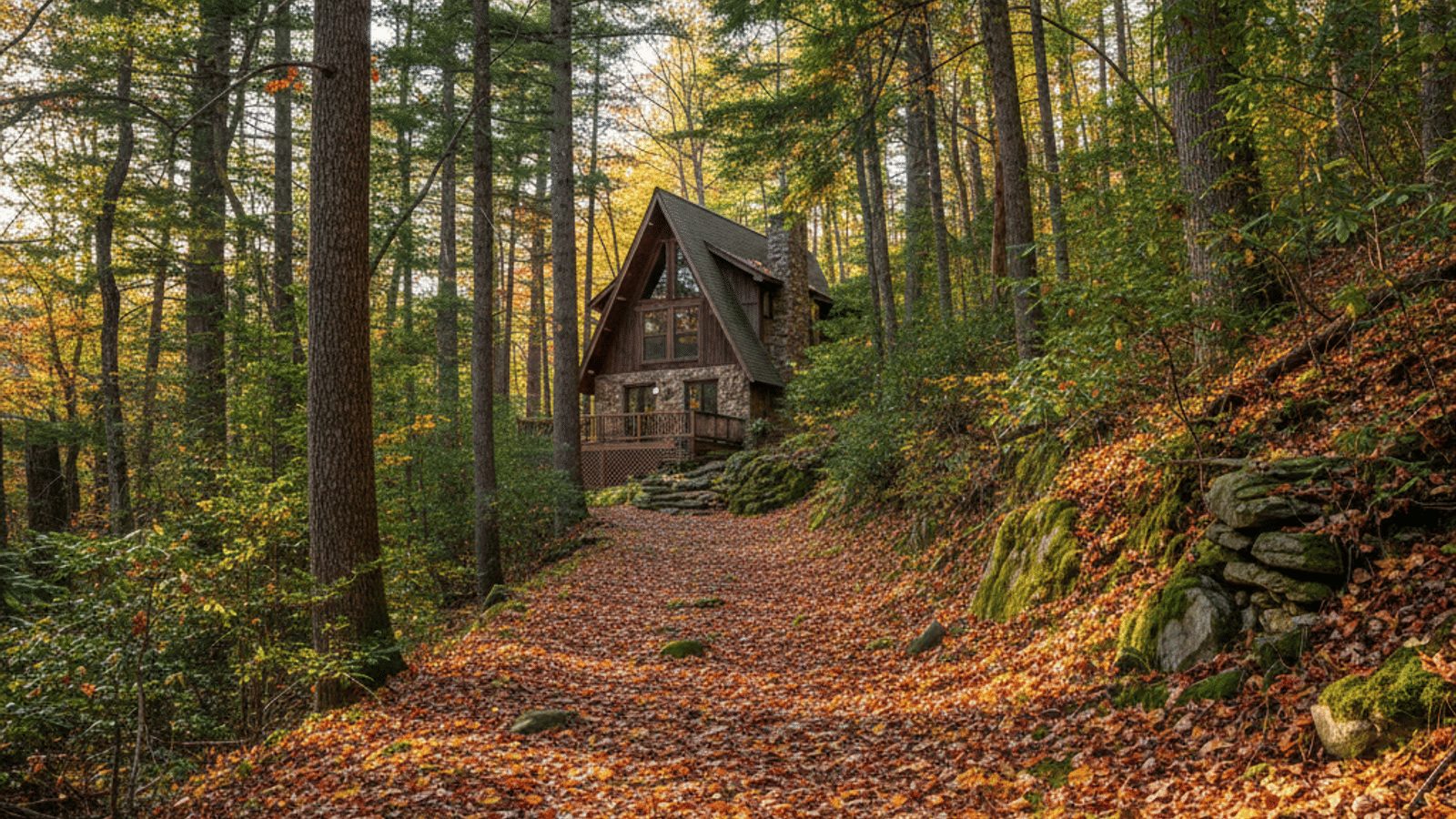
If you are looking at Sevier County for a vacation home, a permanent relocation, or a smart investment, you have likely narrowed it down to the two heavyweights: Pigeon Forge and Gatlinburg.
To an outsider, these two towns might seem like one continuous stretch of fun in the foothills. They are neighbors, after all, separated by only 5 to 8 miles of scenic road. They share the same incredible backdrop of the Great Smoky Mountains National Park and the benefit of Tennessee’s low property taxes.
However, once you spend time on the ground here, you realize they are fundamentally different markets with distinct personalities. Gatlinburg offers that compact, walkable mountain village feel, while Pigeon Forge is a sprawling, high-energy entertainment hub. Whether you are looking to buy a cabin in the Smokies or just planning your next trip, understanding these differences is key to making the right choice.
Atmosphere & Layout: Mountain Charm vs. Neon Lights
The biggest difference between these two towns is geography, which dictates the entire “vibe” of the area.
Gatlinburg feels like a European mountain village that has been tucked tightly into a narrow valley. The layout is constrained by steep ridges on all sides, meaning the streets are tight and the development is dense. It is incredibly walkable; you can park your car once and spend the whole weekend on foot, exploring the Parkway, crossing the street to the distillery, or walking to a trailhead. It has a rustic, nature-focused aesthetic where the buildings try to blend in with the slopes.
Pigeon Forge, on the other hand, sits on the valley floor where things open up significantly. It is defined by the Parkway—a wide, six-lane thoroughfare lined with theaters, attractions, and restaurants. Because the terrain is flatter and wider, everything is more spread out. This is a car-centric town. You generally drive from your cabin to dinner, then drive to a show. While it lacks the cozy “village” feel, it handles traffic volume much better thanks to the width of the road and the Veterans Boulevard bypass.
Real Estate Market: Buying in Gatlinburg vs. Pigeon Forge
When you start looking at homes for sale in Sevier County, the inventory in these two towns looks quite different due to that geography we just discussed.
In Pigeon Forge, the flatter terrain allows for larger lots and more new construction. This is where you will find those massive, modern investment cabins with indoor pools and theater rooms, often boasting 6 to 12 bedrooms. Developers here have the space to build big. If you are looking for maximum square footage or a property that can sleep a busload of people, Pigeon Forge is often the place to look.
Gatlinburg inventory is often older, quirkier, and more charming. Because the town is bordered on three sides by the National Park, it is essentially landlocked, meaning new buildable land is scarce. You will find more condos, A-frames, and chalets that cling to the side of steep hills. While the homes might be smaller or older, Gatlinburg properties often command a higher price per square foot if they offer “true” mountain views. In Pigeon Forge, you are often buying the house; in Gatlinburg, you are often buying the view and the location.
Investment Potential: Short-Term Rental Rules & ROI
If you are looking at this from an investment standpoint, this is the most critical section. Both towns are tourism powerhouses, but the regulations for short-term rentals differ.
Gatlinburg Regulations Gatlinburg requires a “Tourist Residence Permit.” The zoning here is strict. Areas zoned R-1A or R-2A often have restrictions on overnight rentals, so you cannot assume every house you see on Zillow is legal to rent. However, properties that are within walking distance to downtown Gatlinburg often command a massive premium on nightly rates and occupancy because guests love the ability to walk to dinner.
Pigeon Forge Regulations Pigeon Forge uses a “Short Term Rental Unit” (STRU) permit system. These are categorized into owner-occupied, non-owner occupied, and unoccupied types. For most investors, the “Non-Owner Occupied” permit is the goal, but these are restricted to specific commercial and high-density residential zones.
Taxes & Costs From a tax perspective, the numbers are similar but have slight variances.
- Sevier County Property Tax: Approximately $1.48 per $100 of assessed value.
- Gatlinburg City Tax: Approximately $0.15 per $100.
- Pigeon Forge City Tax: Ranges between $0.12 and $0.17 per $100 depending on the year and district.
- Lodging Tax: Gatlinburg charges a 3% local tax on top of sales tax, while Pigeon Forge is generally around 2.5%.
Profitability comes down to your target guest. Gatlinburg wins on occupancy consistency for couples and small groups seeking romance and views. Pigeon Forge often wins on gross revenue for those large “reunion-style” properties that stay booked with big groups.
Cost of Living & Visiting
If you are planning to live here full-time, the cost of living is quite reasonable compared to national averages, but there are local quirks.
Housing & Utilities Housing costs are competitive, but you generally get more house for your money in Pigeon Forge. When it comes to utilities, electricity is standard across the county (Sevier County Electric System), but water and sewer can be pricier in Gatlinburg. Pumping water up steep elevations to mountain chalets requires infrastructure, and that cost is passed down to the homeowner.
Daily Expenses Tennessee has no state income tax on wages, which is a huge draw for residents. Sales tax is roughly 9.75% combined state and local. For groceries and gas, locals often drive a few miles north to Sevierville. Gas prices in Sevier County are generally lower than the national average, but tourist traps in downtown areas will charge a premium.
The Parking Factor This is the hidden cost for visitors. In Gatlinburg, parking is a commodity. You will pay $20 or more per day to park in a downtown lot. In contrast, Pigeon Forge offers free parking at major hubs like The Island, The Old Mill, and many other attractions.
Attractions: Nature vs. Theme Parks
How do you want to spend your Saturday?
Gatlinburg is the “Nature Gateway.” The attractions here focus on seeing the mountains. You have Anakeesta and the Gatlinburg SkyPark (home of the SkyBridge) which lift you up to the ridges for incredible views. You also have Ober Mountain for skiing and the massive Ripley’s Aquarium. It is a bit more laid back and focused on the scenery.
Pigeon Forge is the “Entertainment Capital.” This is high-energy fun. It is home to Dollywood, which is a massive draw for visitors of all ages. You also have The Island (a shopping and entertainment complex), the Titanic Museum, and a huge array of dinner shows like Hatfield & McCoy or Dolly Parton’s Stampede. If you want bright lights and constant action, this is the spot.
Proximity to the Great Smoky Mountains National Park
If your main goal is hiking, fishing, or driving Cades Cove, there is a clear winner.
Gatlinburg sits directly at the Sugarlands entrance to the National Park. You can leave a hotel in downtown Gatlinburg and be at a trailhead or the Visitor Center in five minutes. It is the true basecamp for outdoor enthusiasts.
Pigeon Forge is located about 5 to 10 miles north of the park entrance. To get to the mountains, you usually have to drive through Gatlinburg or take the bypass. Depending on traffic on the “Spur” (the beautiful, wooded section of US-441 connecting the towns), this can add 20 to 45 minutes to your trip.
Living There: Schools & Community
For those looking to put down roots, life looks a little different than it does for the tourists. Choosing between the two often comes down to the type of daily environment you prefer.
Living in Pigeon Forge typically feels more suburban and connected. Residents here enjoy easier access to “real world” amenities, such as the major medical facilities at LeConte Medical Center and the shopping hubs in nearby Sevierville. Because the terrain is flatter, the neighborhoods often feel more traditional, with easier driveways and a more central location within the county. Pigeon Forge High School is the larger of the two local schools, offering a diverse range of programs and extracurriculars that reflect the valley’s larger population base.
In contrast, living in Gatlinburg offers a more secluded, intimate experience. Many residents live in homes tucked into the ridges or along the arts-and-crafts loop in the Glades. Life here is dictated by the mountains; your morning commute might involve winding roads and breathtaking views, though it also means a longer drive for basic services like big-box grocery stores or specialized healthcare. Gatlinburg-Pittman High School is smaller and prides itself on a tight-knit, “everyone knows everyone” community feel that is unique to the mountain village.
Verdict: Which City is Right for You?
Choosing between these two really comes down to what you prioritize in a home or vacation spot.
- Choose Gatlinburg if: You crave walkability, romantic mountain views, and want to be minutes away from hiking trails. It is ideal for those who want that classic “cabin in the woods” feeling or a condo in a walkable village.
- Choose Pigeon Forge if: You prefer easier roads, flat parking, and being close to theme parks and large entertainment venues. It is the better choice for buyers needing large, multi-bedroom homes that can accommodate big groups.
- For Investors: Look at Pigeon Forge for volume and large-scale rental revenue. Look at Gatlinburg for higher nightly rates on smaller, scenic units where the view is the main amenity.
FAQs
What is the cost difference between staying in Pigeon Forge and Gatlinburg?
Pigeon Forge tends to be more affordable in regard to accommodation. The reason is that Gatlinburg is a larger area and has fewer accommodations like hotels and cabins, and therefore, the competition is less, and the prices tend to be high.
Which of the two towns is walkable: Gatlinburg or Pigeon Forge?
Gatlinburg is a much more pedestrian-friendly area. Their town is small and has sidewalks leading to many of their large attractions, restaurants, and shops. Pigeon Forge, on the other hand, stretches several miles down a busy highway, requiring you to have a car to safely travel across it.
How far apart are Pigeon Forge and Gatlinburg?
The two towns are only about 5 to 8 miles apart. They are connected by a scenic stretch of road called “The Spur,” meaning you can easily stay in one town and visit the other for dinner or a show.
Do I need a car in Pigeon Forge vs Gatlinburg?
You definitely need a car in Pigeon Forge to get around due to the distance between attractions. in Gatlinburg, you need a car to get there, but once you park at your hotel or a public lot, you can often walk to everything you need for the rest of the day.
Which city has better short-term rental regulations for investors?
Neither is necessarily “better,” but they are different. Gatlinburg requires a Tourist Residence Permit and has strict zoning regarding rental density, while Pigeon Forge requires a Short Term Rental Unit (STRU) permit that distinguishes between owner and non-owner occupied properties. Always verify the specific zoning of a property before making an offer.


