

 Facebook
 X
X
 Pinterest
 Copy Link
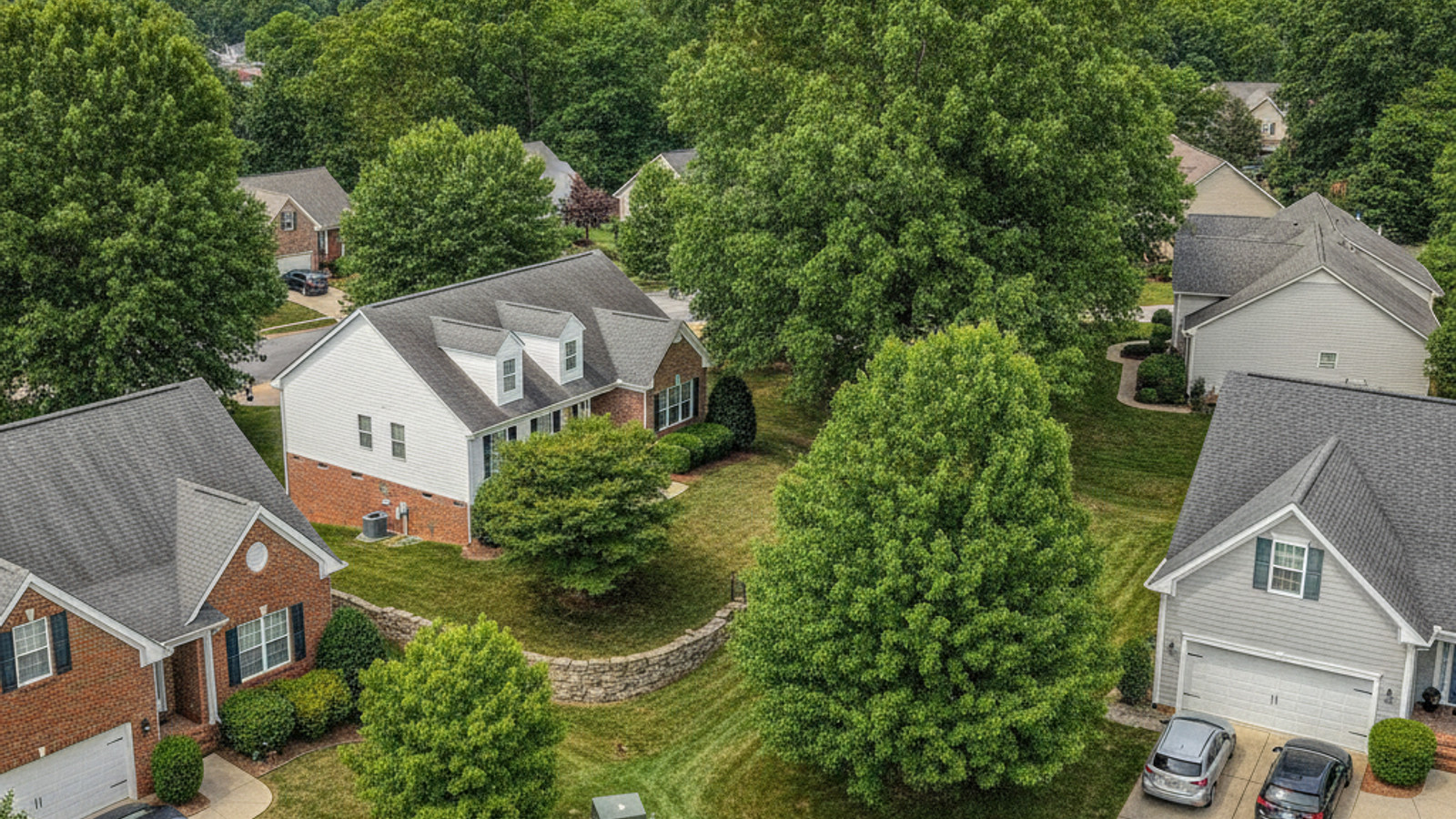
East Tennessee’s housing supply has grown by roughly 10% in core counties over the past year. Buyers looking at the East Tennessee real estate market this year have more options and slightly more negotiating power than they did during previous years.
The median 30-year fixed mortgage rate sits around 6.6%, which has cooled some buyer demand while allowing inventory to build. This shift means buyers have time to schedule inspections and negotiate repairs.
How the Market is Performing in 2026
The regional housing supply has steadily increased throughout the first half of the year. Months of supply have risen closer to three months in many counties, signaling a shift toward a more balanced environment between buyers and sellers.
Sellers are still seeing strong returns, but they are adjusting their pricing strategies to match the current pace of sales. Homes priced accurately are still moving, while overpriced listings are sitting longer and requiring price reductions.
The normalization of the East Tennessee real estate market gives buyers time to schedule multiple viewings and complete standard due diligence. Buyers should review comparable sales from the past three months before submitting an offer.
Comparing Prices in Knoxville, Chattanooga, and the Tri-Cities
Median home prices vary significantly depending on which metro area you target. The Knoxville, TN metropolitan area remains the most expensive and fastest-moving segment of the region, driven by consistent job growth and limited inner-city land for new development.
Buyers looking for more square footage per dollar often shift their focus south toward Chattanooga, TN or northeast toward the Tri-Cities. These areas offer different economic bases and distinct housing styles.
Knoxville, TN Housing Trends
The median price in Knoxville, TN ranges from $390,000 to $405,000. Inventory sits at roughly 1 to 2.7 months of supply, meaning homes still sell relatively quickly compared to the national average.
Buyers in Knox County should expect multiple offers on homes priced under $400,000. New construction in the surrounding suburban areas is helping to absorb some of this ongoing demand.
Chattanooga, TN Market Data
Down near the Georgia border, the median home price in Chattanooga, TN hovers between $340,000 and $350,000. The city has seen steady inventory growth, giving buyers more leverage during negotiations.
Pending sales in Hamilton County remain consistent, supported by the local logistics and manufacturing sectors. Buyers here often find more single-family detached homes available in their price range than they would in Knoxville, TN.
Tri-Cities Affordability
The Tri-Cities region—comprising Johnson City, TN, Kingsport, TN, and Bristol, TN—offers the lowest median prices in the area. The aggregate median price across this region is approximately $275,000.
Pricing within the Tri-Cities varies by municipality. Johnson City, TN properties average around $349,000, while homes in Kingsport, TN offer deeper affordability with a median price near $263,000.
Property Types Across the Region
Buyers exploring the East Tennessee real estate market will find everything from historic urban condominiums to rural acreage. Developers have increased new construction projects to meet the steady population growth, adding modern townhomes and detached single-family houses to the available inventory.
Waterfront living remains a major draw for both primary residents and investors. Properties along Norris Lake and Tellico Lake command premium prices and offer private docks, deep-water access, and expansive mountain views.
Downtown centers in Knoxville, TN and Chattanooga, TN feature renovated lofts and mid-rise condos. These urban properties appeal to buyers looking for immediate access to restaurants, theaters, and public transit.
Suburban neighborhoods surrounding these hubs primarily consist of detached single-family homes with larger lots. Buyers prioritizing space should look toward the newer subdivisions in adjacent counties where land is more plentiful.
Employment Centers and Infrastructure
The regional economy is anchored by several major institutions and a well-connected transportation network. A strong labor market keeps housing demand steady, even as interest rates fluctuate.
Interstate 40, Interstate 75, and Interstate 81 intersect in this region, creating a major logistics hub. These highways allow residents to commute easily between the major cities and rural bedroom communities.
Buyers should research commute times to the area’s largest employers before choosing a neighborhood. The region features several distinct economic drivers that support the local housing market:
- Oak Ridge National Laboratory: Located in Oak Ridge, TN, this federal research facility is one of the largest employers in the region, bringing scientists and engineers to the area.
- University of Tennessee: The flagship campus in Knoxville, TN provides thousands of academic and administrative jobs while supporting a large rental market.
- Ballad Health: This regional healthcare system operates multiple hospitals and clinics throughout the Tri-Cities, serving as the primary economic driver for northeast Tennessee.
- McGhee Tyson Airport: Situated in Alcoa, TN, this airport provides daily national flights, supporting business travel and the local tourism industry.
Outdoor Recreation Access
Access to public lands and waterways is a primary reason buyers relocate to the eastern side of the state. The Great Smoky Mountains National Park anchors the region, drawing millions of visitors and supporting a massive short-term rental market in Sevier County.
Buyers looking for vacation homes or investment properties frequently target Gatlinburg, TN and Townsend, TN. These towns offer immediate access to hiking trails, fishing streams, and scenic drives.
State parks and regional rivers provide additional outdoor options away from the heaviest tourist traffic. The Nolichucky River attracts whitewater rafters and anglers, while local reservoirs support boating and wakeboarding.
This proximity to nature directly influences property values. Homes located within a 30-minute drive of a national park entrance or a major lake consistently appraise higher than similar properties further inland.
Frequently Asked Questions
Are Tennessee home prices dropping?
Prices in the eastern half of the state are stabilizing rather than dropping. While the rapid appreciation of 2022 and 2023 has ended, the 2026 median price remains steady due to consistent inbound migration.
What part of Tennessee is everyone moving to?
Migration patterns show strong growth in the Knoxville, TN metro area and the Tri-Cities region. Knox County attracts buyers relocating for employment, while Washington County draws those seeking a lower cost of living.
What is the hottest real estate market in Tennessee?
Farragut, TN and Johnson City, TN are currently seeing some of the lowest days on market in the state. Homes in these specific sub-markets often go under contract in less than two weeks when priced accurately.


