

 Facebook
 X
X
 Pinterest
 Copy Link
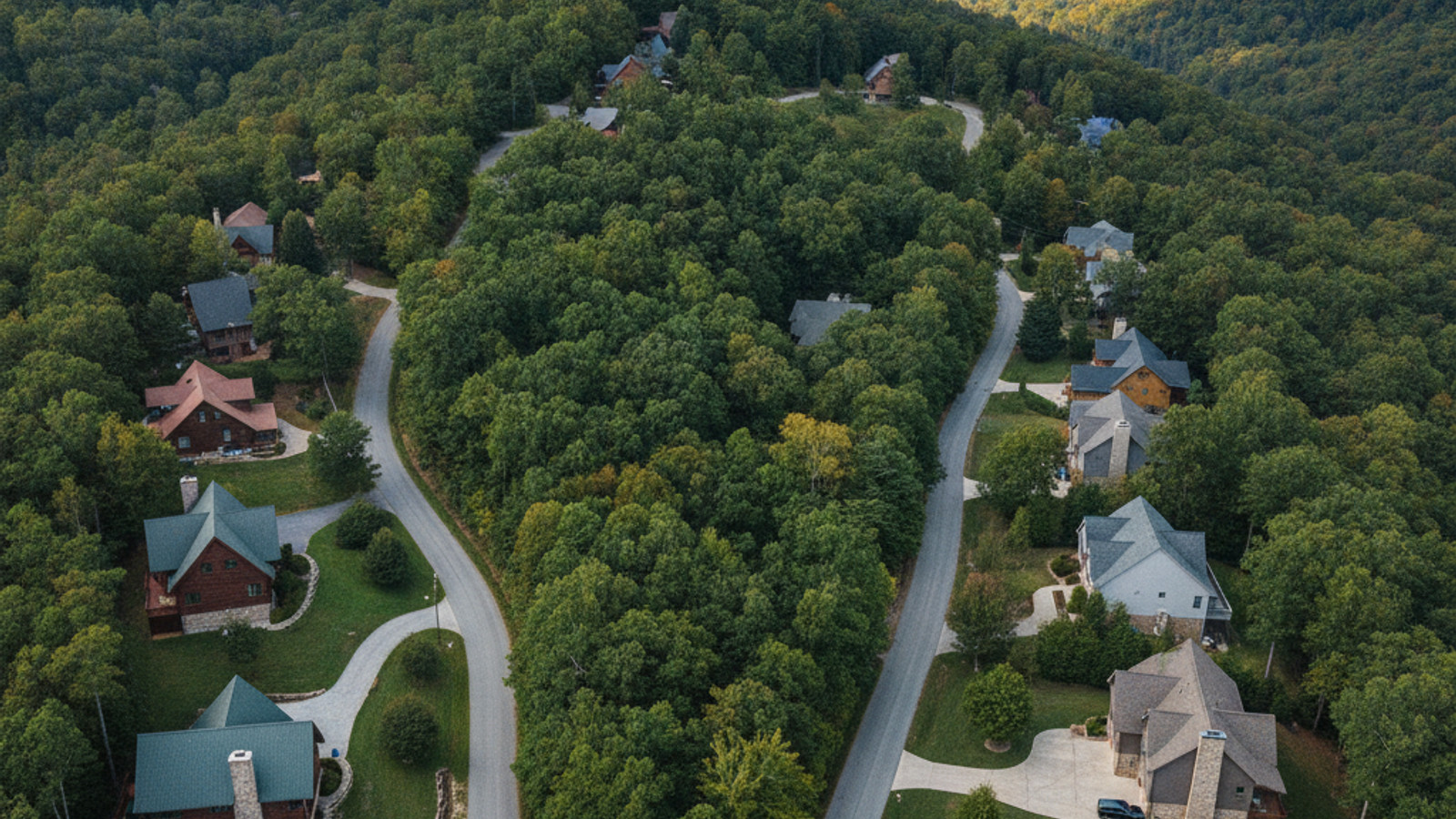
The median home price in the Gatlinburg, TN housing market sits near $525,000 as of mid-2026. This mountain town remains a primary target for real estate investors and second-home buyers looking for vacation rental income. Inventory levels have shifted over the past year, giving buyers a larger selection of properties on the Multiple Listing Service.
Proximity to the Great Smoky Mountains National Park keeps demand steady across all seasons. The park draws millions of visitors annually, fueling a robust local economy centered around tourism and hospitality. Buyers entering the area today will find a more balanced market compared to the rapid sales pace seen in previous years. Understanding local zoning laws, property taxes, and rental regulations is the first step to making a sound purchase here.
Market Trends and Prices in 2026
Homes in Gatlinburg currently spend between 30 and 67 days on the market before selling. The exact timeline depends largely on the property type, its condition, and its location relative to downtown. A move-in ready cabin with an established rental history typically sells faster than a standard residential property located further up the mountain.
The median sale price hovers around $525,000 for the city and immediate surrounding areas. This figure represents a blend of entry-level condominiums and luxury investment cabins featuring multiple bedrooms. Active inventory has expanded steadily throughout the first half of 2026, offering buyers more room to negotiate on price and terms.
Investors and primary residents alike benefit from this increased housing supply. Buyers can now view multiple properties in a single weekend without the immediate pressure of competing offers. Sellers are responding to this balanced environment by pricing their listings more accurately from day one.
Popular Property Types for Buyers
Log cabins represent the largest segment of the local vacation rental supply. These properties often feature mountain views, hot tubs, and custom woodwork, which pushes the average area sale price upward. Buyers looking for immediate rental income should focus their search on cabins with existing property management in place.
Single-family homes offer an alternative for buyers seeking a primary residence or a long-term rental property. These houses are typically located away from the main tourist corridors, providing standard residential layouts and two-car garages. Demand for long-term rentals remains consistent, driven by the local workforce employed in the hospitality and service sectors.
Condominiums provide a lower-entry price point for investors and second-home buyers who want to avoid exterior maintenance. Many of these units are located near the downtown strip, offering walking access to restaurants and attractions. Condominium complexes often include shared amenities like swimming pools, fitness centers, and on-site security.
Buyers should verify whether the condominium association allows short-term rentals before making an offer. Some buildings restrict rentals to minimum stays of 30 days or more.
Rules for Operating Vacation Rentals
Property owners must secure a Tourist Residency permit to operate short-term rentals inside the Gatlinburg city limits. Operating without this permit is a direct violation of municipal codes and can result in fines. The application process requires proof of ownership, a local contact person, and a floor plan detailing the sleeping arrangements.
The city also mandates annual fire and life safety inspections to maintain an active rental permit. Inspectors verify that the property has working smoke detectors, fire extinguishers, and clear emergency egress windows. Owners must pass this inspection every year to keep their property listed on booking platforms like Airbnb or VRBO.
Vacation rental income is subject to combined state and local lodging taxes, which total approximately 12.75%. Hosts are responsible for collecting this tax from guests and remitting it to the local government on a monthly basis. Buyers should also review local zoning laws and individual homeowner association rules, as some neighborhoods prohibit short-term rentals entirely.
Property Taxes and the 2026 Reappraisal
The effective property tax rate for Gatlinburg sits between 0.37% and 0.50% of the assessed home value. Tennessee does not collect state income tax, making the area financially appealing for retirees and out-of-state investors. Property taxes here remain well below the national average, lowering the overall carrying costs for second-home owners.
Sevier County is currently undergoing its 2026 reappraisal cycle. The county assessor revalues all real estate to align with current market prices every few years. Property owners will receive updated assessment notices this year reflecting the appreciation that has occurred since the previous cycle.
An increase in assessed value does not automatically mean a proportional increase in the tax bill. State law requires local governments to adjust the tax rate downward to prevent a revenue windfall from the reappraisal. Buyers should review the updated 2026 assessments when estimating their future monthly mortgage payments.
Transportation and Commuting Routes
US-441, known locally as The Parkway, serves as the primary route connecting Gatlinburg to nearby Pigeon Forge and Sevierville. This highway handles the majority of the daily traffic flowing into the Great Smoky Mountains National Park. A property’s location relative to this main artery dictates daily drive times for residents.
Buyers evaluating locations should consider these primary access points and transit options:
- National Park Entrances: Homes located near the Sugarlands or Roaring Fork entrances offer immediate access to hiking trails and scenic drives.
- The Parkway (US-441): Properties situated just off this main road provide quick routes to grocery stores, medical facilities, and regional shopping centers.
- Gatlinburg Trolley: This public transit system operates year-round on multiple routes, helping residents bypass seasonal tourist traffic.
Relying on the trolley system offers a practical alternative to driving during peak summer and fall foliage seasons. The routes cover major local hubs, including the Arts and Crafts Community and the downtown strip. Residents can park their cars and commute to local businesses without searching for downtown parking.
Frequently Asked Questions
Is Gatlinburg a buyer’s or seller’s market in 2026?
The area is currently a balanced market, favoring neither buyers nor sellers outright. With homes sitting for an average of 30 to 67 days, buyers have time to schedule inspections and negotiate repairs. Sellers who price their properties accurately are still securing contracts without offering massive concessions.
What are the rules for short-term rentals in Gatlinburg?
You must obtain a Tourist Residency permit and pass a life safety inspection before hosting guests. Operating a rental requires collecting and remitting a 12.75% lodging tax to the proper authorities on a regular schedule. Investors should always check the specific subdivision restrictions, as an HOA can ban rentals even if the city zoning permits them.


